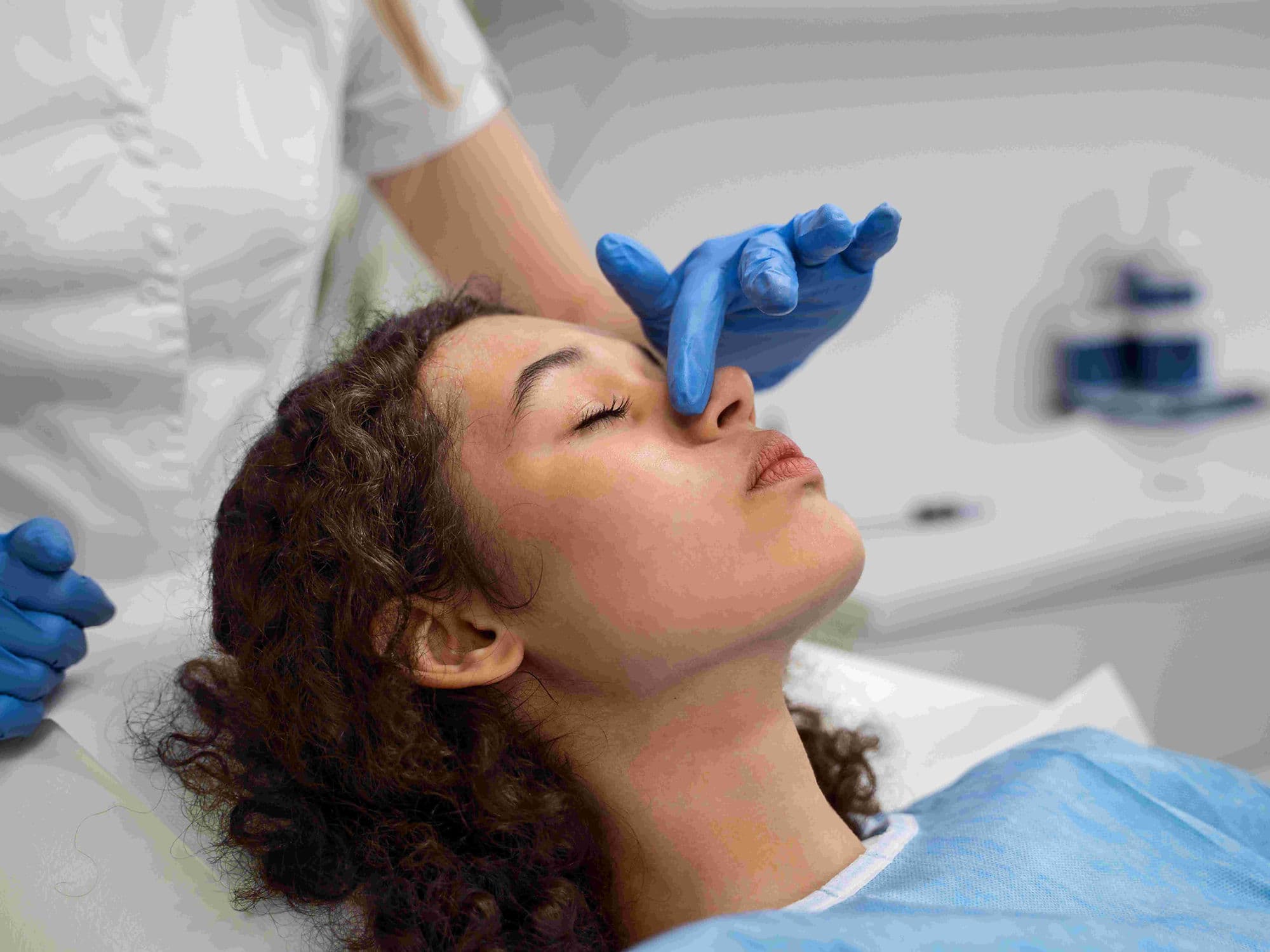
FESS (Functional Endoscopic Sinus Surgery)
Functional Endoscopic Sinus Surgery (FESS)
Functional Endoscopic Sinus Surgery (FESS) is a minimally invasive procedure used to treat chronic sinus conditions, such as persistent sinusitis and nasal polyps. By restoring natural drainage and airflow, FESS eliminates the root cause of chronic inflammation. The procedure is performed entirely through the nostrils using a specialized nasal endoscope (a thin tube with a magnified camera), meaning there are no external incisions or visible scars.
When You Should Consider FESS
Chronic Sinusitis: If you suffer from sinus inflammation lasting more than 12 weeks that hasn't responded to medical therapy.
Nasal Polyps: Benign growths in the nasal passages that physically obstruct your breathing and block natural fluid drainage.
Recurrent Acute Infections: When you experience four or more severe sinus infections per year, significantly impacting your quality of life.
Anatomical Obstructions: To correct issues such as a deviated septum or enlarged turbinates that contribute to chronic blockages.
Failed Medication: When antibiotics, steroid sprays, and saline rinses are no longer effective in managing your symptoms.
How Is Performed
Anesthesia: The surgery is usually performed as an outpatient (day-care) procedure under general anesthesia and typically lasts 2 to 3 hours.
Visualisation: The surgeon inserts the endoscope into the nostrils to obtain a high-definition, magnified 3D view of the internal sinus passages.
Tissue Removal: Using precise micro-instruments, the surgeon removes obstructions such as nasal polyps, diseased tissue, or small pieces of bone blocking the sinus openings.
Opening the Passageways: The natural drainage pathways (ostia) are carefully widened to improve long-term ventilation and allow future nasal rinses to reach deep into the sinus cavities.
Completion: To control minor bleeding, the surgeon may place dissolvable packing or temporary splints inside the nose, which do not require manual removal.
Pre-Procedure Preparation
CT Scan of the Sinuses: A mandatory high-resolution "map" used by the surgeon to navigate the complex anatomy near the eyes and brain.
Medication Review: You may be prescribed a short course of oral steroids or antibiotics before surgery to reduce inflammation and bleeding.
Smoking Cessation: Patients are strongly advised to stop smoking several weeks before surgery, as tobacco use significantly hinders the healing of sinus tissue.
Fasting: Following strict "nothing by mouth" instructions for the hours preceding your general anesthesia.
Transportation: Arranging for a ride home, as you will be drowsy and may have temporary nasal congestion affecting your comfort.
Tests Before FESS
Nasal Endoscopy: An in-office diagnostic check to visualize the extent of polyps or structural blockages.
Allergy Testing: To determine if underlying allergies need to be managed alongside surgery for the best long-term outcome.
Blood Tests: Standard pre-operative panels to ensure healthy clotting factors and general surgical readiness.
Olfactory Testing: Assessing your baseline sense of smell to monitor improvements after the airways are cleared.
Life After FESS
Immediate Symptoms: It is normal to experience stuffiness, mild facial pressure, and blood-stained drainage for the first 3 to 5 days.
Nasal Irrigation: Using a saline nasal wash (usually 4+ times daily) is essential to flush out debris, prevent crusting, and ensure the new openings stay clear.
Crucial Restrictions: You must strictly avoid blowing your nose for at least 7 to 14 days and avoid strenuous activity or heavy lifting for 2 to 3 weeks to prevent bleeding.
Debridement: Follow-up visits are vital for your surgeon to professionally clean out dried mucus and ensure the sinuses are healing without excessive scar tissue.
Healing Timeline: While most patients return to work or school within one week, full internal healing and the stabilization of the sinus lining can take several months.
Why Specialized Treatment Is Highly Effective
Targeted Precision: FESS focuses only on the diseased areas, preserving as much healthy nasal tissue and mucous membrane as possible.
No External Scarring: Because the surgery is entirely internal, there is no change to your physical appearance and no external stitches to remove.
High Safety Profile: With major complication rates of less than 0.5%, FESS is considered one of the safest and most effective ways to treat chronic sinus disease.
Long-Term Relief: By widening the natural ostia, the surgery provides a permanent structural improvement that allows for better drainage for years to come.
Improved Medication Delivery: Post-operative nasal sprays and rinses can finally reach the deep sinus cavities, making ongoing maintenance far more effective.