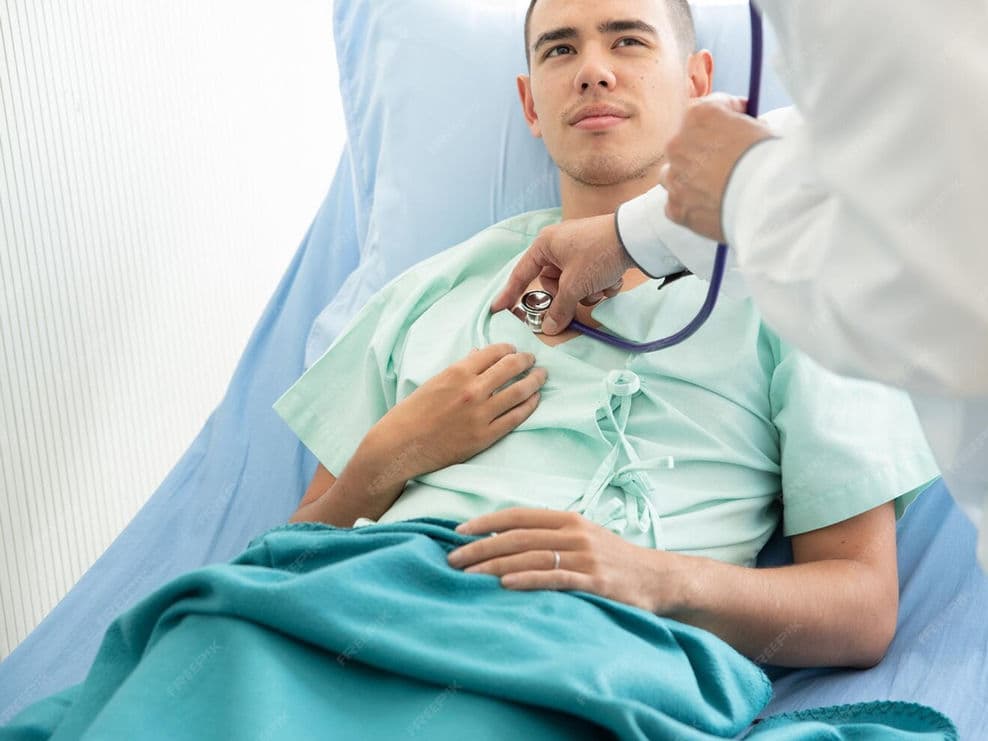
Thoracentesis
Thoracentesis (Pleural Tap)
Thoracentesis is a minimally invasive medical procedure designed to remove excess fluid or air from the pleural space—the thin, lubricated gap between the lungs and the chest wall. While this space normally contains only a small amount of fluid to facilitate smooth breathing, various diseases can cause a "pleural effusion," where fluid builds up and compresses the lung. In 2026, thoracentesis is the essential first-line intervention to both identify the cause of this buildup and provide immediate respiratory relief.
Why the Procedure is Performed
Diagnostic Utility: Extracting a fluid sample to investigate the root cause of an effusion, helping clinicians differentiate between infection (pneumonia/TB), malignancy (cancer), or autoimmune issues.
Therapeutic Relief: Removing large volumes of fluid (often 1 liter or more) to relieve chest pressure and allow the lung to re-expand.
Congestive Heart Failure (CHF): Managing fluid buildup that occurs in both lungs due to heart dysfunction.
Pneumonia & Infection: Draining "parapneumonic" effusions to prevent the formation of scar tissue.
Cirrhosis Management: Addressing hepatic hydrothorax, where liver dysfunction causes fluid migration into the chest.
Pulmonary Embolism: Investigating and relieving fluid reactions caused by blood clots in the lung.
The Procedure (2026 Standards)
Preparation: Patients are assessed for bleeding risks; fasting is generally not required, but vital signs are stabilized beforehand.
Ultrasound Guidance: The 2026 standard of care involves real-time bedside ultrasound to identify the safest fluid pocket and avoid the diaphragm.
Positioning: The patient typically sits upright on the edge of the bed, leaning forward onto a table to pool fluid at the base of the chest.
Local Anesthesia: A fine needle numbs the skin and the sensitive pleura (chest lining) to ensure the patient feels only pressure.
Fluid Extraction: A "catheter-over-needle" device is inserted; once in place, the needle is retracted, leaving a soft tube to drain fluid safely into a vacuum bottle.
Completion: The catheter is withdrawn and a small adhesive bandage is applied. Because the entry point is minimal, no stitches are required.
Innovations in Pleural Management
Indwelling Pleural Catheters (IPC)Small, permanent tubes that allow patients with chronic effusions to drain fluid safely at home, avoiding repeat hospital visits.
Digital Pleural ManometrySystems that monitor internal chest pressure in real-time during drainage to prevent lung injury from excessive suction.
Point-of-Care Fluid AnalyzersHandheld bedside devices that provide pH, glucose, and chemistry results within seconds of extraction for instant treatment decisions.
Smart-Needle TechnologyNeedles equipped with acoustic or visual sensors that alert the clinician the moment the fluid pocket is reached.
Bio-Synthetic Pleural SealsInjectable sealants that can be used at the end of the procedure to prevent fluid leaks in patients with fragile tissue.
AI-Assisted Effusion MappingImaging software that calculates the exact volume of fluid present and identifies the optimal entry point for maximum drainage.
Risks and Recovery
Pneumothorax (Collapsed Lung): A rare risk if air enters the pleural space; most cases are small and resolve with rest.
Re-expansion Pulmonary Edema: A serious but rare condition occurring if more than 1.5 liters are removed too quickly; 2026 pressure-monitoring minimizes this risk.
The "Re-expansion Cough": A common, healthy sign during the procedure as the lung inflates and rubs against the chest wall.
Minor Side Effects: Potential for localized soreness or a persistent cough for 24 hours as the lung adjusts to its new volume.
Recovery Timeline: Most patients return to normal light activities within 24 hours after a brief observation period and a follow-up chest X-ray.
Why This Treatment Is Highly Effective
Rapid Symptom Reversal: Provides nearly instant relief from the "suffocating" sensation of shortness of breath.
Precise Diagnostic Utilizing "Light’s Criteria" to analyze protein and LDH levels for a definitive diagnosis.
Avoidance of Surgery: Replaces the need for invasive chest tubes or surgical incisions in the majority of patients.
Prevention of Long-term Damage: Early drainage prevents "trapped lung," where scar tissue permanently limits breathing capacity.
Life After Thoracentesis
Immediate restoration of comfortable breathing and significantly improved oxygen levels.
A clear roadmap for treating the underlying disease based on laboratory fluid analysis.
Reduced hospital stay durations through efficient, bedside management of fluid issues.
Empowerment through the use of home-drainage options for those with chronic conditions.