+91 83682 47758
info@medivisorhealth.com
Medivisor India Treatment Logo
  • Home
    • About Us
    • Our Services
    • Our Team
    • Our Safety Measures
    • Loading treatments...
    • Loading hospitals...
    • Loading doctors...
    • Loading tests & diagnoses...
    • Treatment Cost
    • Treatment Process
    • Visa Process
    • Travel Guide
    • FAQs
    • Why Medivisor
    • Success Stories
    • Patient Activities
    • Social Activities
    • News Coverage
    • Blog
  • Become a Partner

Medivisor India Treatment is a trusted New Delhi-based medical travel company assisting international patients with advanced, affordable, and seamless treatment in India.

  • Medivisor House 359, Sector 1, Vaishali, Ghaziabad, (Delhi/NCR) India
  • +91 8368 247 758
  • info@medivisorhealth.com

About Us

  • About Us
  • Our Services
  • Our Team
  • Our Safety Measures
  • Join Our Network
  • Contact Us

India Treatment

  • Hospitals
  • Treatments
  • Treatment Cost
  • Treatment Process
  • Visa Process
  • Travel Guide
  • FAQs
  • Why Medivisor

Gallery

  • Patient Testimonials
  • Patient Activities
  • News Coverage
  • Blog

Get in Touch

© 2026 Medivisor India Treatment. All rights reserved.

Dr Govini Balasubramaniam

HOD & Sr Consultant - Cardiothoracic Heart & Lung Transplant & Robotic Surgery

BGS Gleneagles Hospital, Kengeri, Bengaluru

Gleneagles Hospital, Perumbakkam, Chennai

18+ years experience
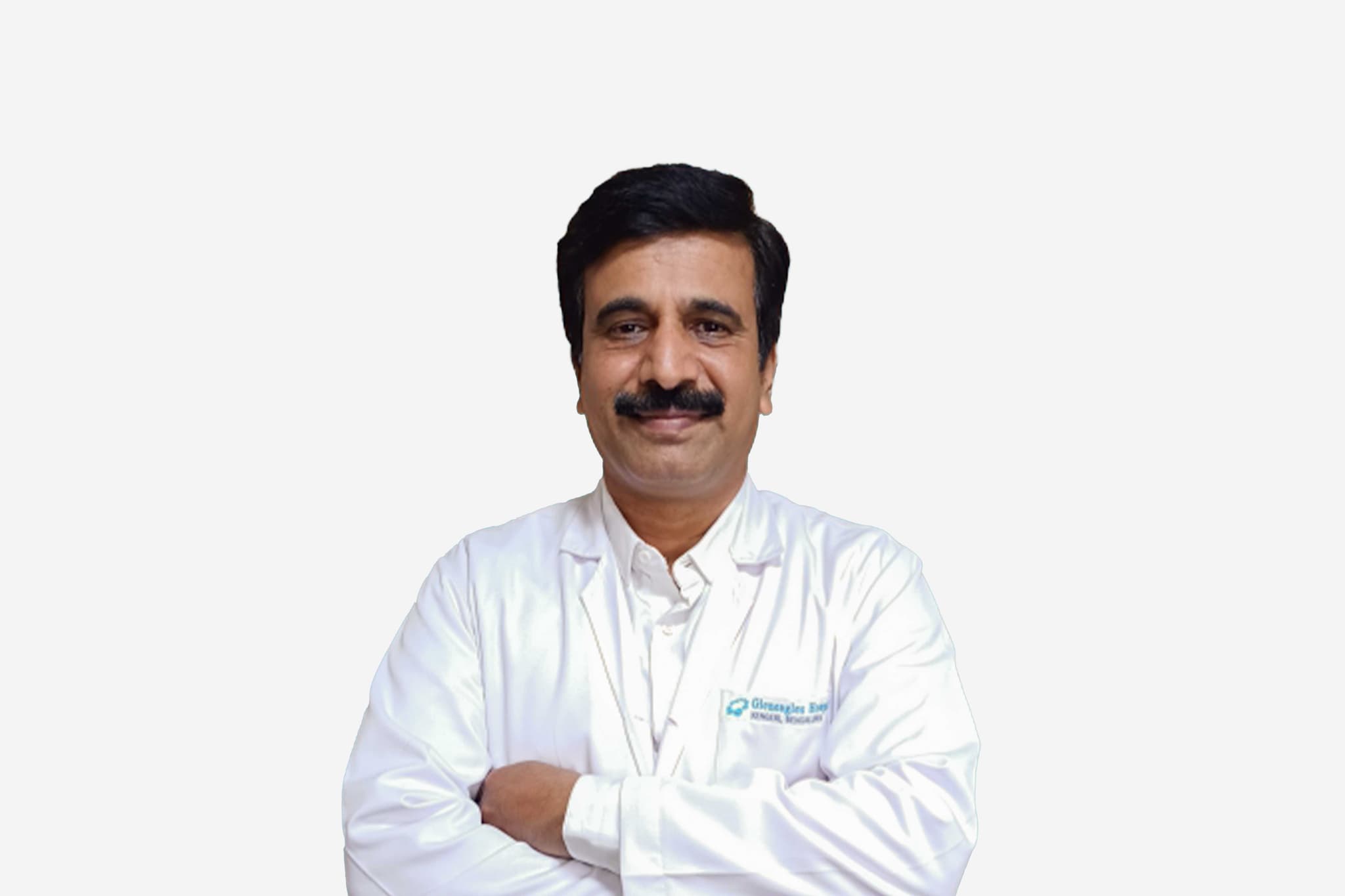
Dr Govini Balasubramaniam, HOD & Sr Consultant - Cardiothoracic Heart & Lung Transplant & Robotic Surgery at Gleneagles Hospital, Perumbakkam, Chennai - Fortis Healthcare
  1. Home
  2. Doctors
  3. Dr Govini Balasubramaniam

About Dr Govini Balasubramaniam

Dr. Govini is a highly distinguished specialist in cardiothoracic surgery, heart and lung transplantation, and robotic-assisted surgery. He is recognized as a pioneering force in the field, blending advanced international training with a high-precision approach to complex cardiac and pulmonary conditions.

Mastery in Transplantation and Advanced Heart Care

He specializes in life-saving heart and lung transplants, managing some of the most critical challenges in thoracic medicine. His technical repertoire includes a wide array of cardiac surgeries, where he utilizes both traditional and cutting-edge techniques to treat end-stage organ failure and complex structural heart diseases.

Innovation in Robotic and Minimally Invasive Surgery

A leader in surgical innovation, Dr. Govini is an expert in Video-Assisted Thoracic Surgery (VATS) and Minimally Invasive Cardiac Surgery (MICS). By integrating robotic platforms into his practice, he ensures greater surgical finesse, reduced recovery times, and enhanced precision for procedures that were once far more invasive.

Global Training and Academic Excellence

Dr. Govini refined his surgical skills under the mentorship of world-renowned specialists across Hong Kong, Austria, and Germany. This diverse international exposure allows him to implement global best practices and the latest surgical protocols in his clinical practice, ensuring his patients receive world-class care.

Patient-Centric Approach and Clinical Commitment

Beyond his technical mastery, Dr. Govini is known for a compassionate approach that prioritizes patient trust and shared decision-making. He views every surgical intervention as a collaborative journey toward recovery, combining high-level medical expertise with a dedicated commitment to long-term cardiac and pulmonary health.

Dr. Balasubramaniam Govini at a Glance

  • Specialist in Cardio Thoracic Surgery, Heart and Lung Transplants.

  • Expert in Robotic Surgery, VATS, and Minimally Invasive Cardiac Surgery (MICS).

  • Internationally trained in Hong Kong, Austria, and Germany.

  • Pioneer in advanced surgical techniques for complex heart and lung conditions.

  • Focused on high-precision interventions and holistic patient recovery.

  • Renowned for blending technical innovation with compassionate clinical care.

MBBS
MS (Gen Surgery)
MCh (Cardiothoracic Surgery)
Conducted over 7000 open
closed heart surgeries in his career including 350 Heart & Lung Transplants
One of the pioneer surgeons in establishing Lung Transplant
Heart & Lung Transplant programs in India, performing surgeries on patients aged 17 to 74
May we help you?

Enter digits only (6-15 digits). We'll add your country code.

Related Treatments

Lung Transplant Surgery

A lung transplant is a major surgical procedure to replace one or both diseased lungs with healthy donor lungs. It is typically a treatment of last resort for end-stage lung diseases that no longer respond to other medical therapies. The goal is to improve the patient's quality of life and extend life expectancy when other options have been exhausted.

When You Should Consider a Lung Transplant

  • End-Stage COPD (Emphysema): When chronic obstructive pulmonary disease has caused such severe damage that breathing is difficult even with supplemental oxygen.

  • Idiopathic Pulmonary Fibrosis: Progressive scarring of the lung tissue that prevents the lungs from transferring oxygen into the bloodstream.

  • Cystic Fibrosis: A genetic condition causing thick, sticky mucus to build up in the lungs, leading to repeated, life-threatening infections.

  • Pulmonary Hypertension: High blood pressure in the arteries of the lungs that can eventually lead to right-sided heart failure.

  • Alpha-1 Antitrypsin Deficiency: A genetic disorder that can cause severe lung and liver disease.

Types of Lung Transplant

  • Single Lung Transplant: Replaces one damaged lung. This is often used for certain restrictive diseases like pulmonary fibrosis.

  • Double (Bilateral) Lung Transplant: Replaces both lungs simultaneously. This is the primary choice for infectious diseases like cystic fibrosis to ensure no infected tissue remains.

  • Heart-Lung Transplant: A rare procedure that replaces the heart and both lungs, usually for patients with severe pulmonary hypertension and concomitant heart failure.

How Is Performed

  • Anesthesia: The procedure is highly complex and performed under general anesthesia.

  • Duration: A single transplant usually takes 4 to 8 hours, while a double transplant can take 6 to 12 hours.

  • Incision: For a single lung, an incision (thoracotomy) is made on the side of the chest. For a double lung, a horizontal "clamshell" incision is often made across the chest.

  • Support: During the surgery, you may be connected to a heart-lung bypass machine or ECMO (Extracorporeal Membrane Oxygenation) to circulate blood and oxygen.

  • Connection: Surgeons meticulously sew the new lung's main airway (bronchus) and major blood vessels (pulmonary artery and veins) to your own.

Pre-Procedure Preparation

  • Transplant Evaluation: An extensive series of tests to ensure you are healthy enough for surgery and committed to a lifelong post-transplant regimen.

  • Psychological Assessment: To evaluate your support system and ability to manage complex medication schedules.

  • Pulmonary Rehab: Engaging in specialized exercise to keep your body as strong as possible while waiting for a donor match.

  • Vaccinations: Ensuring all immunizations are up to date, as your immune system will be suppressed after surgery.

  • The Waiting List: Once approved, you are placed on a national registry where donor lungs are matched based on blood type, organ size, and geographic distance.

Tests Before Lung Transplant

  • Pulmonary Function Tests (PFTs): To measure exactly how much air your lungs can hold and how well they move gases.

  • Cardiac Catheterization: To check the pressure in your lung arteries and the overall strength of your heart.

  • Chest CT Scan: Providing high-resolution 3D images of your lung structure and chest cavity.

  • Tissue Typing: Matching your tissue markers with potential donors to reduce the risk of immediate organ rejection.

  • ECG and Stress Test: Ensuring your heart can withstand the rigors of a multi-hour major surgery.

Life After Lung Transplant

  • Hospital Stay: Typically 1 to 3 weeks, with the first several days spent in the Intensive Care Unit (ICU) on a mechanical ventilator.

  • Lifelong Medication: You must take immunosuppressant (anti-rejection) drugs for the rest of your life to prevent your body from attacking the new lung.

  • Monitoring: Frequent follow-up visits, blood tests, and bronchoscopies (using a camera to look inside the lungs) are required, especially in the first year.

  • Physical Rehab: You will start walking within days of surgery and gradually progress to light exercise over 6 to 8 weeks.

  • Lifestyle Adjustments: Avoiding crowds during flu season, wearing masks in certain environments, and strict food safety are necessary to prevent infections.

Why Specialized Treatment Is Highly Effective

  • Significant Survival Benefit: For many patients with end-stage disease, a transplant can extend life expectancy by many years.

  • Restored Breathing: Patients often transition from being housebound on oxygen to walking, traveling, and engaging in physical hobbies.

  • Advanced Surgical Support: The use of ECMO technology allows surgeons to perform transplants on the most critically ill patients with greater safety.

  • Comprehensive Care Teams: Post-transplant care involves a dedicated team of pulmonologists, surgeons, pharmacists, and coordinators to manage every aspect of recovery.

  • Improved Quality of Life: Beyond just survival, a successful transplant provides the "gift of breath," allowing for a return to a much more normal and active lifestyle.

Starting Cost: $ 20000

Related Specialists

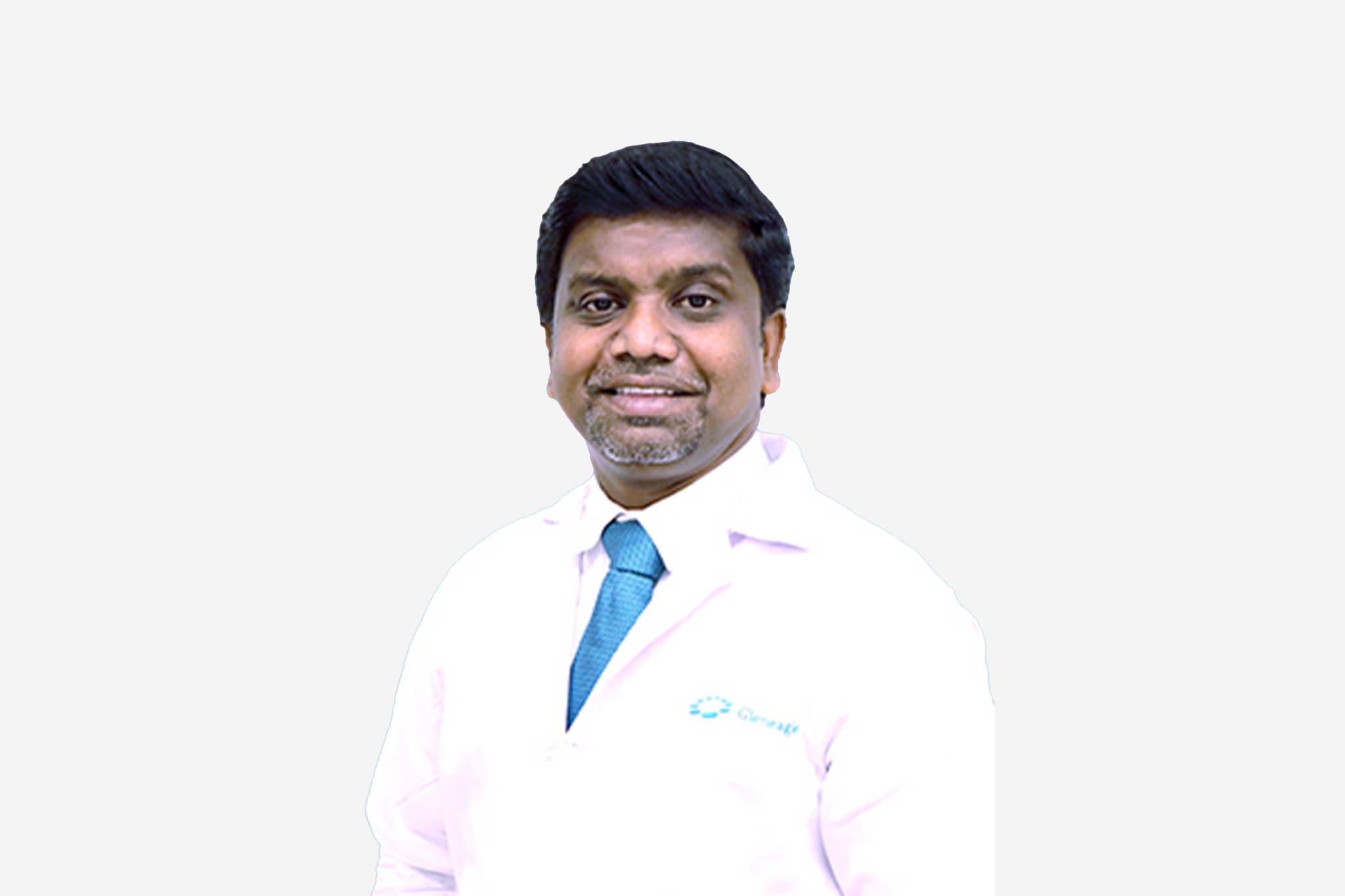
Dr Vimalathithan S
Dr Vimalathithan S
Clinical Lead & Senior Consultant - Surgical Oncology
Gleneagles Hospital, Perumbakkam, Chennai
17+years experience
View Profile
Dr Padmapriya Vivek
Dr Padmapriya Vivek
Director - Obstetrics & Gynecology
Gleneagles Hospital, Perumbakkam, Chennai
18+years experience
View Profile

May we help you?

Enter digits only (6-15 digits). We'll add your country code.