+91 83682 47758
info@medivisorhealth.com
Medivisor India Treatment Logo
  • Home
    • About Us
    • Our Services
    • Our Team
    • Our Safety Measures
    • Loading treatments...
    • Loading hospitals...
    • Loading doctors...
    • Loading tests & diagnoses...
    • Treatment Cost
    • Treatment Process
    • Visa Process
    • Travel Guide
    • FAQs
    • Why Medivisor
    • Success Stories
    • Patient Activities
    • Social Activities
    • News Coverage
    • Blog
  • Become a Partner

Medivisor India Treatment is a trusted New Delhi-based medical travel company assisting international patients with advanced, affordable, and seamless treatment in India.

  • Medivisor House 359, Sector 1, Vaishali, Ghaziabad, (Delhi/NCR) India
  • +91 8368 247 758
  • info@medivisorhealth.com

About Us

  • About Us
  • Our Services
  • Our Team
  • Our Safety Measures
  • Join Our Network
  • Contact Us

India Treatment

  • Hospitals
  • Treatments
  • Treatment Cost
  • Treatment Process
  • Visa Process
  • Travel Guide
  • FAQs
  • Why Medivisor

Gallery

  • Patient Testimonials
  • Patient Activities
  • News Coverage
  • Blog

Get in Touch

© 2026 Medivisor India Treatment. All rights reserved.

Dr K Madhan Kumar

Director - ECMO & VAD, Senior Consultant - Cardiothoracic, ECMO, VAD & Transplant Surgery

Kauvery Hospital, Chennai

29+ years experience
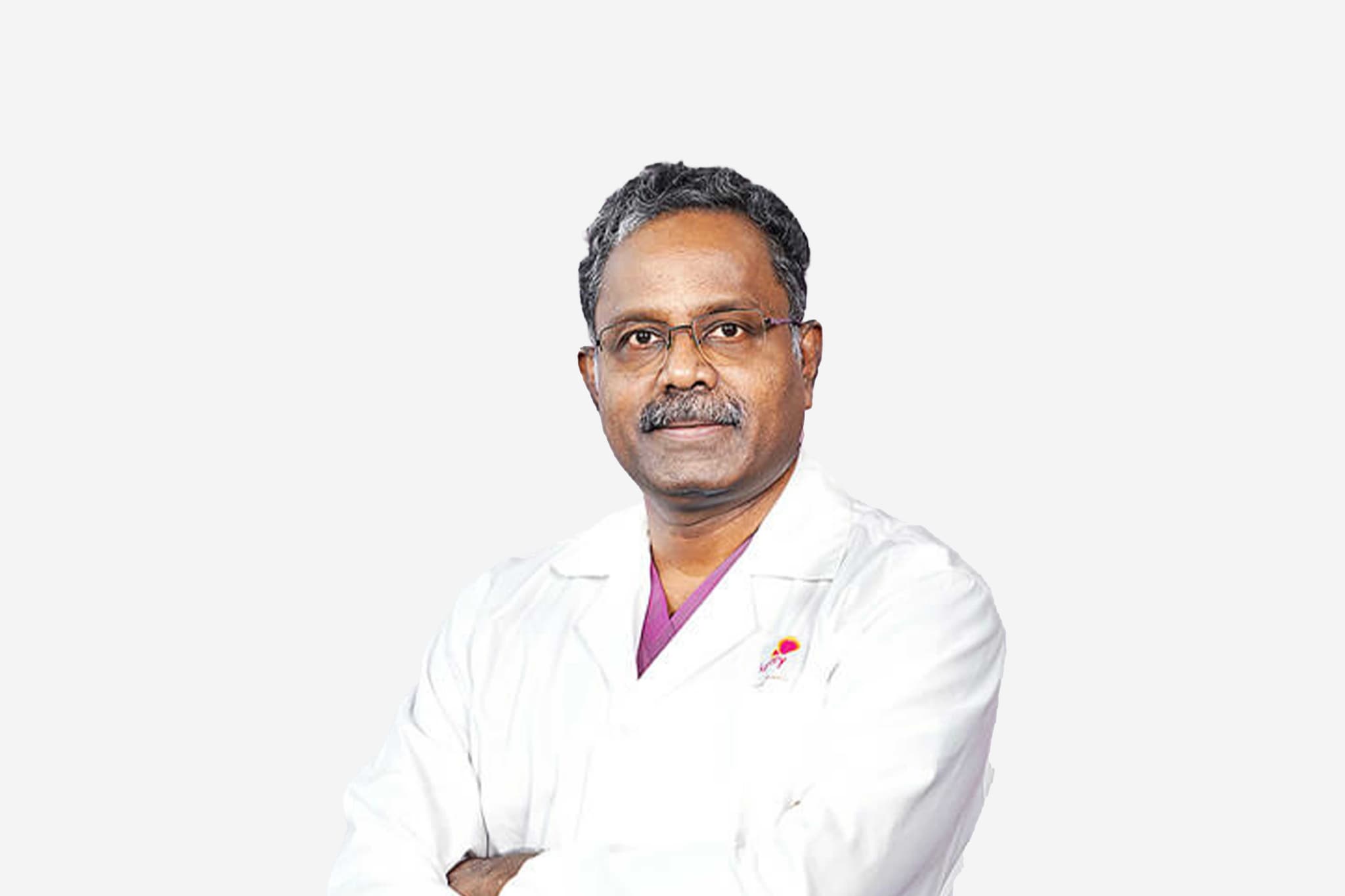
Dr K Madhan Kumar, Director - ECMO & VAD, Senior Consultant - Cardiothoracic, ECMO, VAD & Transplant Surgery at Kauvery Hospital, Chennai - Kauvery Hospital, Chennai
  1. Home
  2. Doctors
  3. Dr K Madhan Kumar

About Dr K Madhan Kumar

Dr. Madhan Kumar is a highly accomplished specialist in cardiothoracic surgery, heart-lung transplantation, and mechanical circulatory support. He currently leads the cardiothoracic, ECMO, VAD, and transplant surgery department at Kauvery Hospital, where he is recognized for his technical precision and international benchmarks in complex surgical outcomes.

Mastery in Adult Cardiac and Heart Valve Surgery

He specializes in the full spectrum of adult cardiac surgery, with extensive experience in beating-heart (off-pump) coronary artery bypass grafting (CABG). His surgical expertise also includes intricate heart valve repairs and replacements, ensuring optimal cardiac function and long-term recovery for patients with structural heart diseases.

Leadership in Transplantation and Advanced Life Support

A leading authority in thoracic organ transplantation, Dr. Madhan Kumar has performed over 300 heart, lung, and heart-lung transplants. He is a pioneer in the use of Extracorporeal Membrane Oxygenation (ECMO) and Ventricular Assist Devices (VAD), having successfully managed more than 300 ECMO cases with results that meet rigorous international standards. His leadership extends to his role as the Chairman of the ECMO Society of India (ESOI) for Tamil Nadu.

Global Training and Academic Excellence

Dr. Madhan Kumar refined his specialized surgical skills at prestigious institutions in London, including St George’s Hospital and Harefield Hospital. He is a prolific contributor to medical science, having authored numerous national and international journal articles and textbooks. As a renowned trainer and faculty member, he frequently speaks at global conferences on the latest advancements in cardiothoracic surgery and life support technology.

Professional Affiliations and Ethical Care

He is an active member of the International Society for Heart & Lung Transplantation (ISHLT), the Extracorporeal Life Support Organisation (ELSO), and the Indian Association of Cardiovascular-Thoracic Surgeons (IACTS). Known for his ethical and transparent approach, Dr. Madhan Kumar is a trusted consultant for patients requiring innovative solutions for the most complex cardiac and pulmonary conditions.

Dr. K Madhan Kumar at a Glance

  • Lead Surgeon for Cardiothoracic, ECMO, VAD, and Transplantation at Kauvery Hospital.

  • Over 300 thoracic organ transplants and 300+ ECMO procedures performed.

  • Specialist in beating-heart CABG and advanced heart valve repair/replacement.

  • Internationally trained at St George’s and Harefield Hospitals, London.

  • Chairman of the ECMO Society of India (Tamil Nadu).

  • Member of prestigious global bodies including ISHLT, ELSO, and IACTS.

MBBS
MS - CTVS
DNB - CTS
MRCS (Edin)
MRCS - General Surgery
MCh - CTVS
Master in Chirurgery
DNB - CTVS

No awards & achievements available
May we help you?

Enter digits only (6-15 digits). We'll add your country code.

Related Treatments

ECMO Cannulation
ECMO Cannulation

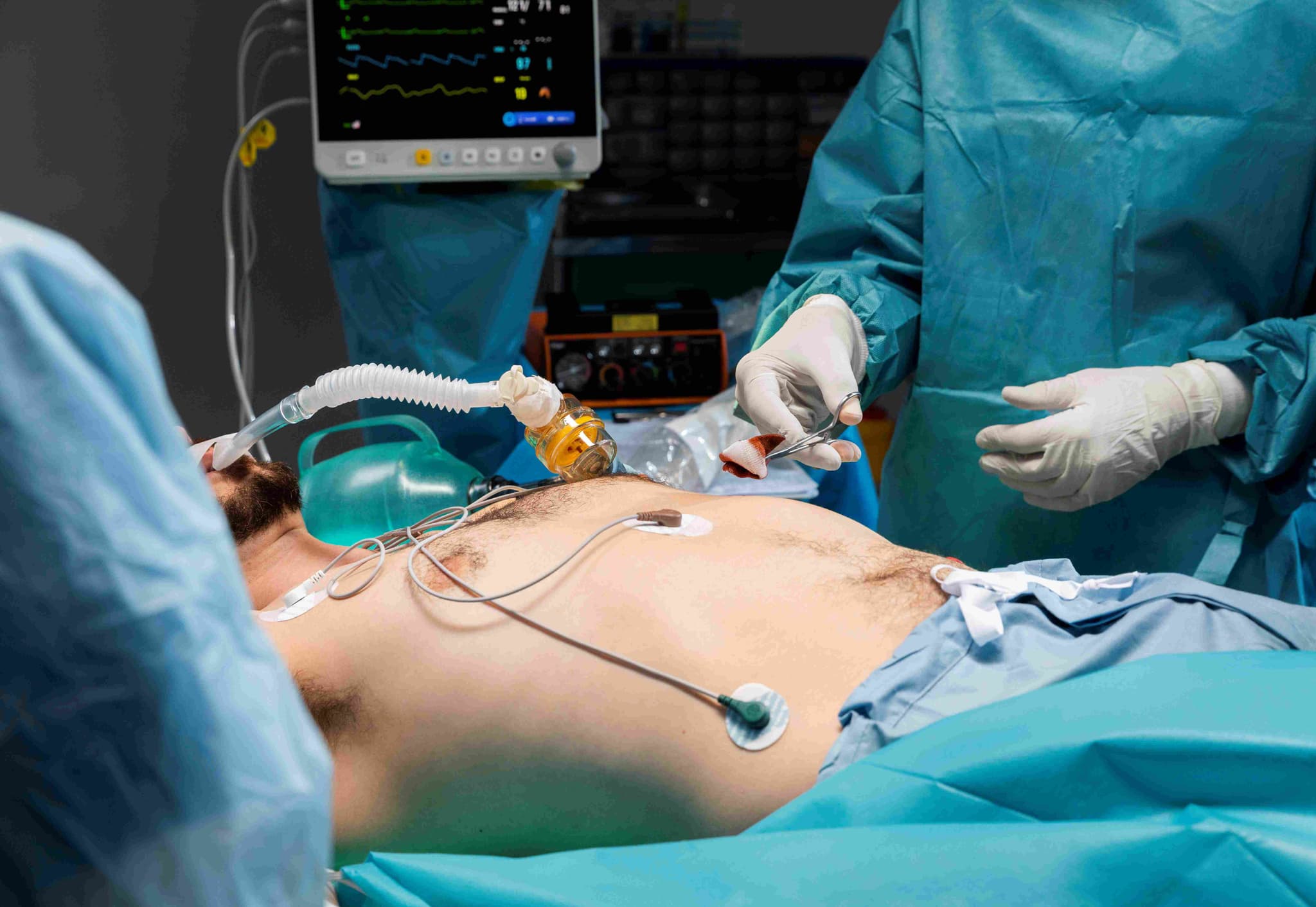
ECMO (Extracorporeal Membrane Oxygenation) Cannulation is a critical surgical or percutaneous procedure where large-bore tubes (cannulas) are inserted into major blood vessels to connect a patient to an ECMO machine. This "heart-lung" bypass technology acts as a temporary life-support system by taking over the work of the heart and/or lungs, allowing these organs to rest and heal. Advances in portable platforms and AI-driven monitoring have expanded the use of this therapy from the ICU to emergency field transport.

When You Should Consider ECMO Support

  • Severe ARDS: When the lungs are so damaged (e.g., from pneumonia) that a ventilator can no longer maintain oxygen levels.

  • Cardiogenic Shock: When the heart is unable to pump enough blood to support the body’s vital organs, often after a massive heart attack.

  • Bridge to Transplant: To keep patients alive and stable while they wait for a donor heart or lung.

  • E-CPR (Extracorporeal CPR): Used during active cardiac arrest in specialized trauma centers to restore circulation when traditional CPR fails.

  • Post-Surgical Recovery: When a patient’s heart or lungs are "stunned" and unable to function independently after complex cardiac surgery.

Major Cannulation Strategies

  • Veno-Venous (VV) ECMO (Lung Support): Blood is drained from a large vein, oxygenated by the machine, and returned to the venous system. It supports the lungs only.

  • Veno-Arterial (VA) ECMO (Heart & Lung Support): Blood is drained from a vein and returned to an artery, bypassing both the heart and lungs to provide full circulatory support.

  • Veno-Arterio-Venous (VAV) ECMO: A hybrid configuration used when a patient needs both the cardiac support of VA and additional oxygenation for the lungs.

  • Dual-Lumen Cannulation: Using a single, specialized tube inserted in the neck that both drains and returns blood, allowing for earlier patient movement.

  • Distal Perfusion Cannula: In leg-based VA ECMO, a smaller third cannula is often added to ensure blood flow reaches the lower leg and prevent limb injury.

How Is Performed

  • Preparation: The procedure is done in an emergency setting or OR; the patient is heavily sedated and given blood thinners (Heparin) to prevent clots in the machine.

  • Percutaneous Access: Using the "Seldinger Technique" where needles and wires guide the cannulas through the skin into the femoral (groin) or jugular (neck) vessels.

  • Surgical Cut-down: If vessels are too small or damaged, a surgeon makes an incision to directly see and enter the artery or vein.

  • Imaging Guidance: Real-time Ultrasound and Transesophageal Echo (TEE) are used to ensure the cannula tips are perfectly positioned near the heart.

  • Connection: Once the tubes are secured, they are connected to the "primed" ECMO circuit, and the machine gradually takes over organ function.

Pre-Procedure Preparation

  • Emergency Nature: As an emergency life-support measure, formal preparation time is often zero; the medical team acts immediately once the decision is made.

  • Hemodynamic Stabilization: Medications (vasopressors) are used to keep blood pressure high enough to allow for safe cannula insertion.

  • Rapid Blood Cross-matching: The procedure involves moving large volumes of blood outside the body, so blood products must be ready.

  • Anticoagulation Baseline: Checking the patient's clotting status to calibrate the blood-thinning medication required for the ECMO circuit.

  • Consent: If the patient is unconscious, emergency consent is obtained from the next of kin.

Tests Before ECMO Cannulation

  • Point-of-Care Ultrasound (POCUS): To check the size and health of the femoral and jugular vessels for the largest possible cannula fit.

  • Arterial Blood Gas (ABG): To confirm that oxygen levels are critically low despite maximum ventilator support.

  • Echocardiogram: To evaluate right and left heart function, which determines whether VV or VA ECMO is needed.

  • Chest X-ray: To assess the severity of lung "white-out" or damage before the procedure begins.

  • Coagulation Profile: Testing PT/INR and platelet counts to assess the risk of bleeding during the invasive insertion.

Life After ECMO Recovery

  • ICU Monitoring: Patients are usually kept in a medically induced coma initially, though modern protocols emphasize "Awake ECMO" where possible to keep muscles strong.

  • Decannulation: Once the heart or lungs show signs of healing (verified by "trialing off" the machine), the cannulas are surgically removed.

  • Physical Rehabilitation: Because patients are bedbound for days or weeks, intensive physical therapy is required to regain the ability to walk.

  • Long-term Follow-up: Survivors may experience "Post-ICU Syndrome," requiring respiratory therapy and psychological support.

  • Organ Monitoring: Regular checks on kidney and liver function are necessary, as these organs can be stressed during the period of support.

Benefits of ECMO Cannulation

  • The "Ultimate" Life Support: Provides a critical window of time—days to weeks—for the heart and lungs to heal from otherwise fatal injuries.

  • Restores Oxygen Levels: Immediately corrects life-threatening hypoxia that would otherwise lead to brain death.

  • Reduces Ventilator Injury: Allows doctors to turn down the pressure on ventilators, preventing further scarring of the lungs (barotrauma).

  • High Survival Rates: Modern survival rates for neonatal respiratory failure on ECMO are as high as 75%.

  • Bridge to Permanent Solutions: Acts as a vital safety net for patients waiting for a heart transplant or a long-term LVAD pump.

Starting Cost: $ 4000

Hair Transplant Surgery

Hair Transplantation is a permanent surgical solution in 2026 for hair loss, involving the relocation of individual hair follicles from a "donor site"—typically the back or sides of the head—to thinning or bald areas. Modern procedures focus on high-density implantation and robotic assistance to create seamless, natural-looking results that are indistinguishable from original hair.

When You Should Consider a Hair Transplant

This procedure is ideal for individuals looking to address permanent hair loss rather than temporary thinning. Key indications include:

  • Male Pattern Baldness: Receding hairlines or thinning at the crown (vertex).

  • Female Pattern Hair Loss: General thinning across the top or part line of the scalp.

  • Traction Alopecia: Hair loss caused by long-term tension from tight hairstyles.

  • Scarring Alopecia: Filling in hairless areas caused by previous injuries, burns, or surgeries.

  • Eyebrow or Beard Thinning: Using transplant techniques to increase density in facial hair.

Methods of Hair Transplantation

  • FUE (Follicular Unit Extraction): The most popular modern method, where individual follicles are extracted one by one, leaving virtually invisible micro-scars.

  • FUT (Follicular Unit Transplantation): The "strip method," where a small section of skin is removed and divided into grafts; ideal for patients requiring a very high volume of hair.

  • DHI (Direct Hair Implantation): Follicles are loaded into a specialized "Choi Pen" and implanted directly, allowing for high precision and control over hair angle.

  • Robotic Hair Restoration: Utilizing AI-driven systems (like ARTAS) to identify and extract the healthiest follicles with mathematical precision.

  • Hybrid Procedures: Combining surgical transplantation with PRP (Platelet-Rich Plasma) therapy to stimulate faster healing and graft growth.

How a Hair Transplant Is Performed

  • Donor Area Preparation: The hair in the donor zone is usually trimmed, and the area is numbed with local anesthesia.

  • Extraction: Depending on the method (FUE or FUT), follicles are carefully harvested. In 2026, advanced storage solutions keep these follicles "alive" and healthy outside the body.

  • Recipient Site Design: The surgeon meticulously plans the angle, depth, and direction of each graft to mimic a natural growth pattern.

  • Implantation: The harvested grafts are placed into the thinning areas. A single session can involve anywhere from 1,000 to 4,000+ grafts.

  • Review and Cleaning: The scalp is cleaned, and specialized dressings or cooling packs may be applied to minimize initial discomfort.

Pre-Procedure Preparation

  • Medical Review: A blood test is typically required to check for underlying conditions or vitamin deficiencies that could affect hair health.

  • Scalp Assessment: A "trichoscopy" (magnified scalp exam) is performed to determine donor hair density and follicle quality.

  • Medication Review: Patients should avoid blood thinners and certain herbal supplements for 10–14 days prior to surgery.

  • Hair Care: Patients are often asked to avoid cutting their hair too short before the procedure so the surgeon can better assess natural growth directions.

Tests Before a Hair Transplant

  • Basic Blood Panel: To evaluate overall health, iron levels (ferritin), and clotting function.

  • Scalp Biopsy (Optional): Conducted if the surgeon suspects an inflammatory hair loss condition that might reject a transplant.

  • Digital Hair Mapping: To calculate the exact number of grafts needed and predict the final density.

  • Allergy Testing: Ensuring the patient is not sensitive to the local anesthetics used during the long session.

Life After a Hair Transplant (Recovery)

  • Immediate Care: The scalp will be tender with tiny scabs. Sleeping with the head elevated at a 45-degree angle for 3 nights is critical to prevent facial swelling.

  • The "Shock Loss" Phase: Between weeks 2 and 4, the transplanted hair shafts will fall out. This is a normal part of the process; the living follicles remain healthy beneath the skin.

  • New Growth: Sprouting usually begins around month 3 or 4, with visible improvements continuing through the first year.

  • Final Result: The full aesthetic outcome is achieved between 12 and 15 months. Once grown, the hair can be cut, styled, and dyed normally.

Benefits of a Hair Transplant

  • Permanent Solution: Transplanted follicles are genetically resistant to balding and will continue to grow for a lifetime.

  • Natural Appearance: Modern techniques ensure that the hairline and density look completely authentic.

  • Minimal Downtime: With FUE and robotic methods, most patients return to work and social activities within 7 days.

  • Boosted Confidence: Effectively restores a more youthful appearance and eliminates the need for temporary hair-loss concealers or pieces.

Heart Transplant Surgery

A heart transplant is a major life-saving procedure in which a failing or diseased heart is replaced with a healthy donor heart. It restores normal heart function, improves quality of life, and is recommended when other treatments no longer work.

When You Should Consider a Heart Transplant

  • Severe heart failure not improving with medicines or procedures

  • Frequent hospital admissions due to worsening heart condition

  • Extreme fatigue, weakness, or breathlessness during simple tasks

  • Swelling in legs, ankles, or abdomen because of fluid buildup

  • Life-threatening arrhythmias that cannot be controlled

  • Poor heart pumping capacity despite advanced treatment

Conditions That May Require a Heart Transplant

  • Dilated or restrictive cardiomyopathy

  • Severe coronary artery disease with repeated heart attacks

  • Congenital heart defects not treatable with surgery

  • End-stage valvular heart disease

  • Severe myocarditis causing permanent heart damage

  • Heart failure after previous surgeries or device implants

How Heart Transplant Surgery Is Performed

  • General anesthesia is given for complete comfort

  • The weakened or failing heart is surgically removed

  • A healthy donor heart is connected to major blood vessels

  • The new heart is started carefully to ensure proper function

  • Monitoring lines and drains are placed for recovery

  • You are shifted to the ICU for close observation

Pre-Surgery Preparation

  • Heart function tests and blood/tissue matching

  • Follow all fasting and medication-related instructions

  • Maintain controlled blood pressure, blood sugar, and healthy weight

  • Avoid alcohol and stop smoking at least 3–4 weeks before surgery

  • Attend counseling to prepare mentally and physically

Pre-Surgery Tests

  • ECG to check heart rhythm

  • Echocardiography to assess pumping capacity

  • CT or MRI scans for detailed imaging

  • Pulmonary function tests for lung strength

  • Blood typing and tissue matching

  • Coronary angiography, if required

Life After a Heart Transplant

  • ICU stay: usually 3–5 days

  • Hospital recovery: around 2–3 weeks

  • Regular follow-ups to monitor organ acceptance

  • Anti-rejection medicines taken lifelong

  • Gradual return to daily activities in 8–12 weeks

  • Healthy diet, low-salt meals, and light exercise

  • Cardiac rehabilitation for long-term recovery

Benefits of a Heart Transplant

  • Better heart function and improved blood flow

  • Relief from breathlessness, fatigue, and swelling

  • Fewer hospital visits and emergency episodes

  • Better stamina and improved quality of life

  • Long-term survival with the right care and medicines

Starting Cost: $ 20000

Kidney Transplant Surgery

Kidney transplant surgery is a life-saving procedure where a healthy kidney from a donor (living or deceased) is placed into a patient with end-stage renal disease (ESRD). It is generally the preferred treatment over lifelong dialysis, offering a significantly better quality of life and higher long-term survival rates. This procedure restores the body's ability to filter waste and maintain fluid balance naturally.

When You Should Consider a Kidney Transplant

  • End-Stage Renal Disease (ESRD): When your kidneys have lost approximately 90% of their function due to chronic conditions.

  • Diabetes Mellitus: One of the leading causes of kidney failure that can be effectively managed through transplantation.

  • Chronic High Blood Pressure: Persistent hypertension that has caused irreversible damage to the kidney's filtering units (nephrons).

  • Polycystic Kidney Disease (PKD): A genetic disorder causing numerous cysts to grow in the kidneys, eventually leading to failure.

  • Preemptive Transplant: For patients whose kidney function is declining but who have not yet started dialysis, as this often leads to the best long-term outcomes.

How Is Performed

  • Anesthesia: The operation is performed under general anesthesia and typically takes between 3 to 4 hours.

  • Placement: The donor kidney is placed in the lower abdomen (usually the right or left groin area).

  • Native Kidneys: Your original kidneys are generally left in place unless they are causing specific complications like chronic infection or severe high blood pressure.

  • Vascular Connections: The donor kidney's artery and vein are surgically attached to your existing iliac blood vessels in the lower abdomen to establish blood flow.

  • Ureteral Connection: The donor's ureter (the tube that carries urine) is connected directly to your bladder to allow for natural voiding.

  • Monitoring: Once blood starts flowing, the new kidney often begins producing urine immediately, though it can sometimes take several days to fully "wake up."

Pre-Procedure Preparation

  • Transplant Evaluation: A comprehensive series of medical, surgical, and psychological tests to ensure you are a suitable candidate for the procedure.

  • Compatibility Testing: Blood typing (A, B, AB, or O) and tissue typing (HLA matching) to find the best possible donor match.

  • Crossmatch Test: A final blood test mixed with the donor's cells to ensure your immune system will not immediately attack the new organ.

  • Dental and Cancer Screenings: Ensuring there are no active infections or undiagnosed malignancies that could be exacerbated by anti-rejection medication.

  • Fasting: Following strict "nothing by mouth" instructions for 8 hours prior to your scheduled surgery.

Tests Before Kidney Transplant

  • Echocardiogram: A detailed heart ultrasound to ensure your cardiovascular system can handle the surgery.

  • Chest X-ray: To rule out any active lung infections or fluid buildup prior to anesthesia.

  • Panel Reactive Antibody (PRA) Test: Measures the level of antibodies in your blood to determine how difficult it will be to find a compatible match.

  • CT Scan of the Pelvis: To evaluate the blood vessels in the lower abdomen where the new kidney will be attached.

  • ECG: A routine heart check to confirm cardiac stability for the duration of the procedure.

Life After Kidney Transplant

  • Hospital Stay: Typically lasts 3 to 7 days for the recipient to monitor organ function and manage post-operative pain.

  • Lifelong Medication: You must take immunosuppressant (anti-rejection) drugs daily for the rest of your life to prevent your immune system from attacking the new kidney.

  • Physical Restrictions: Avoid lifting objects heavier than 4.5 kg (10 lbs) for at least 6 to 8 weeks to allow the abdominal wall to heal.

  • Driving and Work: Driving is usually restricted for 2 to 6 weeks, and most people can return to professional work within 8 to 12 weeks.

  • Dietary Adjustments: While restrictions are fewer than on dialysis, you must avoid raw/undercooked foods and grapefruit/grapefruit juice, which can dangerously interfere with anti-rejection medications.

Why Specialized Treatment Is Highly Effective

  • Eliminates Dialysis: A successful transplant removes the need for time-consuming dialysis treatments, providing true freedom and independence.

  • Higher Energy Levels: Restoring natural kidney function helps correct anemia and remove toxins, leading to significantly increased vitality.

  • Fewer Dietary Restrictions: Patients can enjoy a much broader range of foods and fluids compared to the strict limitations of a renal diet.

  • Improved Long-term Survival: Statistics consistently show that transplant recipients live longer than patients who remain on long-term dialysis.

  • Cost-Effective Care: While the initial surgery is intensive, the long-term cost of maintaining a healthy transplant is much lower than the ongoing cost of dialysis.

Starting Cost: $ 8000

Lung Transplant Surgery

A lung transplant is a major surgical procedure to replace one or both diseased lungs with healthy donor lungs. It is typically a treatment of last resort for end-stage lung diseases that no longer respond to other medical therapies. The goal is to improve the patient's quality of life and extend life expectancy when other options have been exhausted.

When You Should Consider a Lung Transplant

  • End-Stage COPD (Emphysema): When chronic obstructive pulmonary disease has caused such severe damage that breathing is difficult even with supplemental oxygen.

  • Idiopathic Pulmonary Fibrosis: Progressive scarring of the lung tissue that prevents the lungs from transferring oxygen into the bloodstream.

  • Cystic Fibrosis: A genetic condition causing thick, sticky mucus to build up in the lungs, leading to repeated, life-threatening infections.

  • Pulmonary Hypertension: High blood pressure in the arteries of the lungs that can eventually lead to right-sided heart failure.

  • Alpha-1 Antitrypsin Deficiency: A genetic disorder that can cause severe lung and liver disease.

Types of Lung Transplant

  • Single Lung Transplant: Replaces one damaged lung. This is often used for certain restrictive diseases like pulmonary fibrosis.

  • Double (Bilateral) Lung Transplant: Replaces both lungs simultaneously. This is the primary choice for infectious diseases like cystic fibrosis to ensure no infected tissue remains.

  • Heart-Lung Transplant: A rare procedure that replaces the heart and both lungs, usually for patients with severe pulmonary hypertension and concomitant heart failure.

How Is Performed

  • Anesthesia: The procedure is highly complex and performed under general anesthesia.

  • Duration: A single transplant usually takes 4 to 8 hours, while a double transplant can take 6 to 12 hours.

  • Incision: For a single lung, an incision (thoracotomy) is made on the side of the chest. For a double lung, a horizontal "clamshell" incision is often made across the chest.

  • Support: During the surgery, you may be connected to a heart-lung bypass machine or ECMO (Extracorporeal Membrane Oxygenation) to circulate blood and oxygen.

  • Connection: Surgeons meticulously sew the new lung's main airway (bronchus) and major blood vessels (pulmonary artery and veins) to your own.

Pre-Procedure Preparation

  • Transplant Evaluation: An extensive series of tests to ensure you are healthy enough for surgery and committed to a lifelong post-transplant regimen.

  • Psychological Assessment: To evaluate your support system and ability to manage complex medication schedules.

  • Pulmonary Rehab: Engaging in specialized exercise to keep your body as strong as possible while waiting for a donor match.

  • Vaccinations: Ensuring all immunizations are up to date, as your immune system will be suppressed after surgery.

  • The Waiting List: Once approved, you are placed on a national registry where donor lungs are matched based on blood type, organ size, and geographic distance.

Tests Before Lung Transplant

  • Pulmonary Function Tests (PFTs): To measure exactly how much air your lungs can hold and how well they move gases.

  • Cardiac Catheterization: To check the pressure in your lung arteries and the overall strength of your heart.

  • Chest CT Scan: Providing high-resolution 3D images of your lung structure and chest cavity.

  • Tissue Typing: Matching your tissue markers with potential donors to reduce the risk of immediate organ rejection.

  • ECG and Stress Test: Ensuring your heart can withstand the rigors of a multi-hour major surgery.

Life After Lung Transplant

  • Hospital Stay: Typically 1 to 3 weeks, with the first several days spent in the Intensive Care Unit (ICU) on a mechanical ventilator.

  • Lifelong Medication: You must take immunosuppressant (anti-rejection) drugs for the rest of your life to prevent your body from attacking the new lung.

  • Monitoring: Frequent follow-up visits, blood tests, and bronchoscopies (using a camera to look inside the lungs) are required, especially in the first year.

  • Physical Rehab: You will start walking within days of surgery and gradually progress to light exercise over 6 to 8 weeks.

  • Lifestyle Adjustments: Avoiding crowds during flu season, wearing masks in certain environments, and strict food safety are necessary to prevent infections.

Why Specialized Treatment Is Highly Effective

  • Significant Survival Benefit: For many patients with end-stage disease, a transplant can extend life expectancy by many years.

  • Restored Breathing: Patients often transition from being housebound on oxygen to walking, traveling, and engaging in physical hobbies.

  • Advanced Surgical Support: The use of ECMO technology allows surgeons to perform transplants on the most critically ill patients with greater safety.

  • Comprehensive Care Teams: Post-transplant care involves a dedicated team of pulmonologists, surgeons, pharmacists, and coordinators to manage every aspect of recovery.

  • Improved Quality of Life: Beyond just survival, a successful transplant provides the "gift of breath," allowing for a return to a much more normal and active lifestyle.

Starting Cost: $ 20000

Related Specialists

Dr K P Suresh Kumar
Dr K P Suresh Kumar
Chief - Cardiologist
Kauvery Hospital, Chennai
39+years experience
View Profile
Dr Sujay Susikar
Dr Sujay Susikar
Senior Consultant - Surgical Oncologist & Robotic Surgeon
Kauvery Hospital, Chennai
15+years experience
View Profile
Dr Prithika Chary
Dr Prithika Chary
Senior Consultant - Neurosurgery
Kauvery Hospital, Chennai
45+years experience
View Profile

May we help you?

Enter digits only (6-15 digits). We'll add your country code.