Medivisor India Treatment Logo
  • Home
              • Become a Partner

              +91 83407 80250

              Medivisor Logo

              Medivisor India Treatment is a trusted New Delhi–based medical travel partner connecting global patients to advanced, affordable, high-quality healthcare in India.

              • Medivisor House 359, Sector 1, Vaishali, Ghaziabad, (Delhi/NCR) India
              • +91 8340 780 250
              • info@medivisorhealth.com

              About Us

              • About Us
              • Our Services
              • Our Team
              • Our Medical Advisors
              • Our Safety Measures
              • Join Our Network
              • Contact Us

              India Treatment

              • Hospitals
              • Treatments
              • Treatment Cost
              • Treatment Process
              • Visa Process
              • Travel Guide
              • FAQs
              • Why Medivisor

              Gallery

              • Patient Testimonials
              • Patient Activities
              • News Coverage
              • Blog

              Get in Touch

              © 2026 Medivisor India Treatment. All rights reserved.

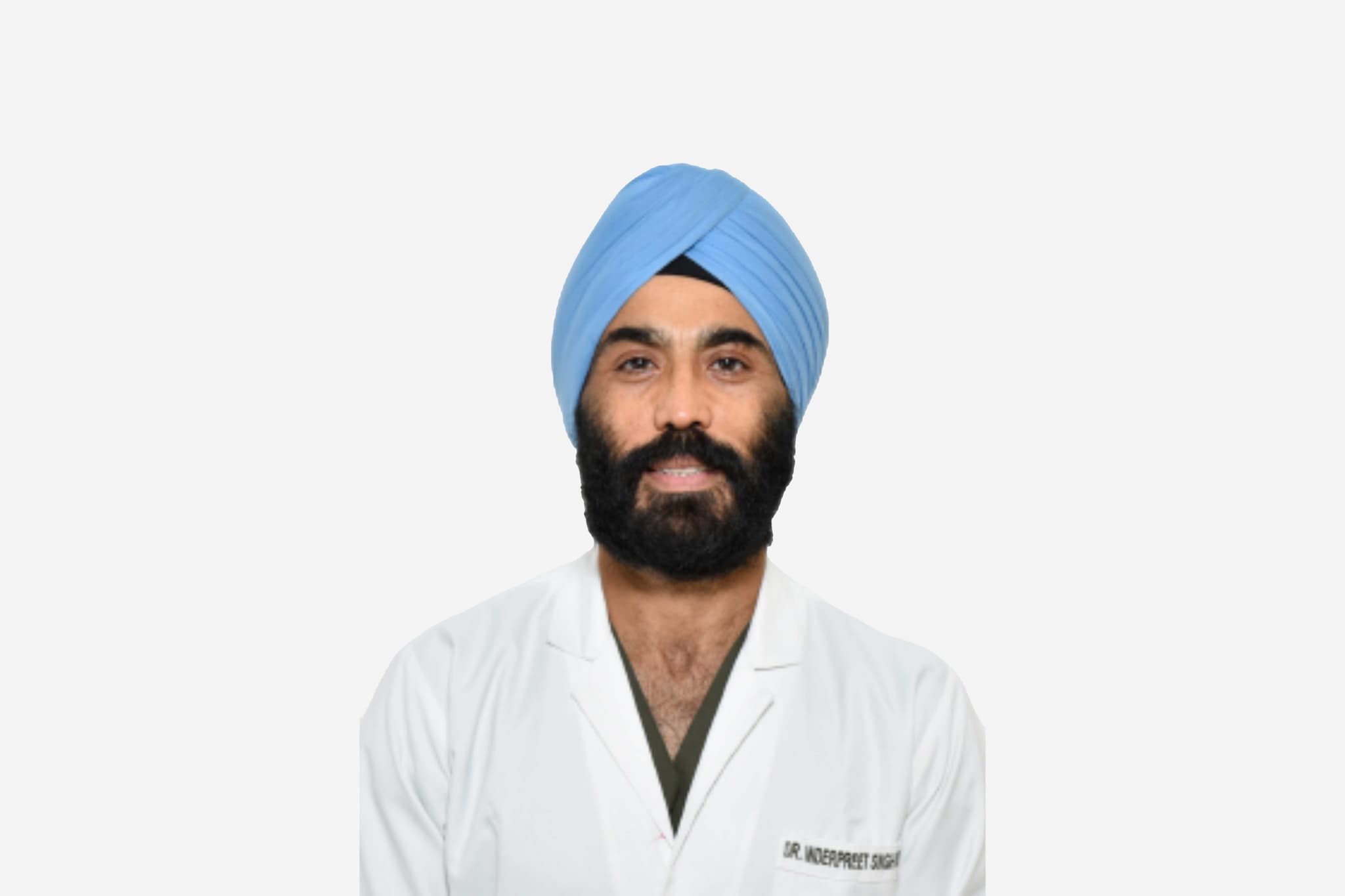
              Dr. Dr. Lalit Kumar

              Dr. Lalit Kumar

              Chairperson - Oncology & BMT

              44+ years experience

              MBBS & MD (Medicine) - Sarojini Naidu Medical College, Agra. DM Medical Oncology - Adyar Cancer Institute, Chennai Post-Doctoral Fellowship - Royal Postgraduate Medical School of the Hammersmith Hospital, London. Fulbright Scholarship - United States of America.
              1. Home
              2. Doctors
              3. Dr. Lalit Kumar

              About Dr. Lalit Kumar

              Dr. Lalit Kumar is a highly distinguished medical oncologist and a visionary in the field of transplant medicine, currently serving as a Chairperson at Artemis Hospitals. An illustrious academician, he joins Artemis from the prestigious All India Institute of Medical Sciences (AIIMS), New Delhi, where he served as Professor and Head of the Department of Medical Oncology. His career is defined by his transformative contributions to hematological and gynecological cancer care.

              Dr. Kumar is a national authority in Blood Stem Cell and Bone Marrow Transplantation. He has been instrumental in developing and implementing cost-effective treatment protocols for sustained transplantations, making these high-end, life-saving procedures more accessible to a broader patient population. His expertise encompasses the full spectrum of transplant medicine, significantly improving survival outcomes for patients with aggressive malignancies.

              National Leadership and Academic Excellence

              During his tenure as Head of Medical Oncology at AIIMS, Dr. Kumar led groundbreaking research and clinical initiatives that have shaped modern oncological practice in India. His leadership is marked by a rigorous focus on evidence-based protocols and the training of future oncologists. In recognition of his monumental contributions to medicine and his role in elevating Indian oncology to global standards, he has been honored with the prestigious Padma Shri by the Government of India.

              Advancing the Future of Hematology and Gynecological Oncology

              Dr. Kumar possesses deep clinical expertise in managing complex hematological malignancies, including Multiple Myeloma and Chronic Myeloid Leukemia (CML). Furthermore, he is a leading expert in gynecological cancers, specifically ovary and cervix malignancies. He has been a pioneer in studying the role of Neo-Adjuvant Chemotherapy, a treatment strategy that shrinks tumors before primary surgical intervention, thereby enhancing the success rate of complex resections.

              Innovation and Clinical Expertise

              With a research-driven approach, Dr. Kumar has published extensively on infection management in cancer patients and the optimization of chemotherapy delivery. His international recognition and domestic leadership make him a central figure in both clinical practice and medical strategy. By integrating sophisticated transplant technology with a focus on affordable healthcare, he continues to lead the evolution of comprehensive cancer care at Artemis Hospitals.

              Dr. Lalit Kumar at a Glance

              • Chairperson at Artemis Hospitals, Gurugram; Former Professor and Head at AIIMS, New Delhi.

              • Recipient of the Padma Shri, one of India's highest civilian honors, for medical excellence.

              • World-renowned expert in Blood Stem Cell and Bone Marrow Transplantation.

              • Pioneer in cost-effective transplant protocols and Neo-Adjuvant Chemotherapy for gynecological cancers.

              • Specialist in Multiple Myeloma, Chronic Myeloid Leukemia, and Ovarian malignancies.

              • Recognized for exceptional contributions to clinical research and academic leadership in oncology.

              MBBS & MD (Medicine) - Sarojini Naidu Medical College, Agra. DM Medical Oncology - Adyar Cancer Institute, Chennai Post-Doctoral Fellowship - Royal Postgraduate Medical School of the Hammersmith Hospital, London. Fulbright Scholarship - United States of America.
              Specialization: Chairperson - Oncology & BMT
              Padma Shri Award (2014). Dr. B.C. Roy Award (2008) - the highest award by the Indian government in the medical category. Indian Council of Medical Research (ICMR) Award. Ranbaxy Science Foundation Award. Fellowship: Indian Academy of Sciences (FASc). Fellowship: National Academy of Medical Sciences of India (FAMS). Fellowship: National Academy of Sciences (FNASI).
              Affiliated Hospitals

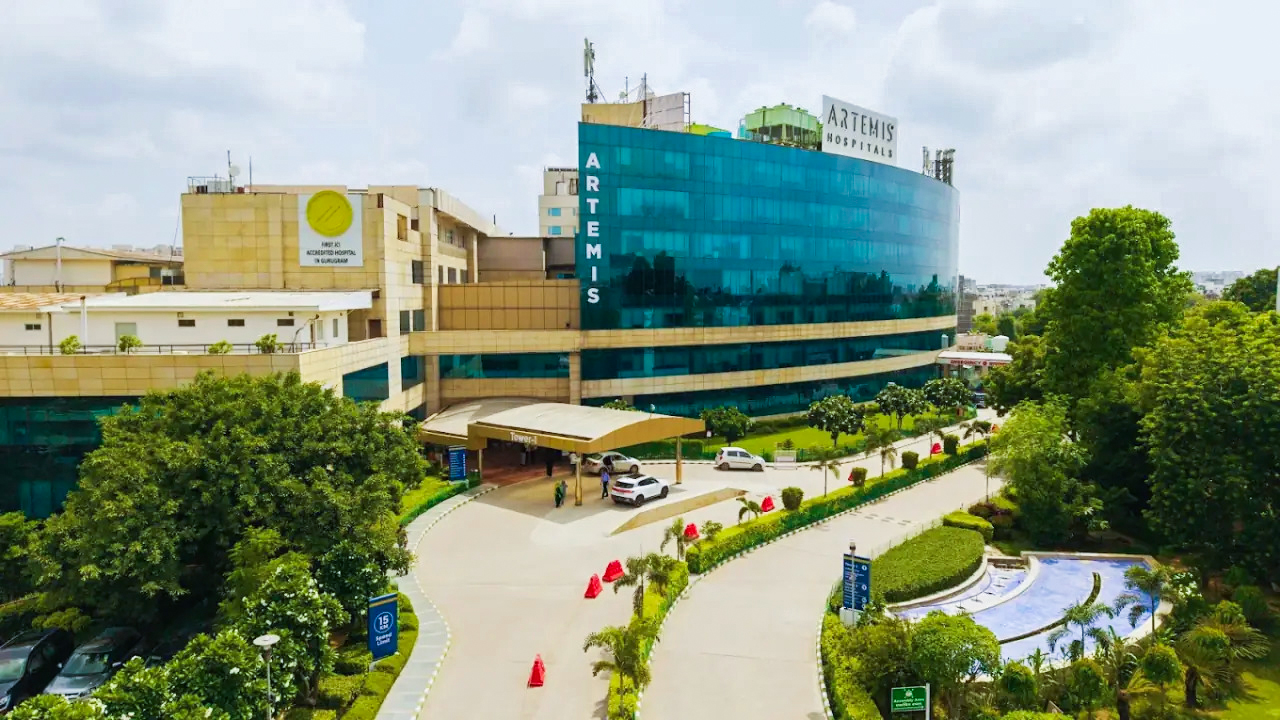
              Artemis Hospital, Gurugram
              Artemis Hospital, Gurugram

              Multi Specialty

              Gurugram, Haryana

              2007

              Estd.

              755+

              Beds

              400+

              Doctors

              May we help you?

              Enter digits only (6-15 digits). We'll add your country code.


              May we help you?

              Enter digits only (6-15 digits). We'll add your country code.

              Related Treatments

              Leukemia
              Leukemia

              Leukemia Leukemia is a type of cancer that starts in the blood-forming tissues, usually the bone marrow. It causes the body to overproduce abnormal white blood cells that don’t work correctly and eventually "crowd out" healthy red blood cells, normal white blood cells, and platelets. When You Should Consider Leukemia Evaluation Constant fatigue, weakness, and pale skin (Anemia). Frequent fevers, chills, or mouth sores (Infections). Easy bruising, nosebleeds, or tiny red spots on the skin called petechiae. Painless swelling of lymph nodes in the neck or armpits. An enlarged liver or spleen causing a feeling of abdominal fullness. Methods of Leukemia Classification Acute Lymphoblastic Leukemia (ALL): Progresses rapidly; most common in children but also affects adults. Acute Myeloid Leukemia (AML): Involves rapid growth of myeloid cells in both adults and children. Chronic Lymphocytic Leukemia (CLL): Most common in older adults; progresses slowly and may not require immediate treatment. Chronic Myeloid Leukemia (CML): Primarily affects adults and is often linked to the Philadelphia chromosome mutation. How Leukemia Is Managed Chemotherapy: The primary treatment using powerful drugs to kill cancer cells. Targeted Therapy: Drugs that attack specific vulnerabilities in cancer cells, often used for CML. Immunotherapy: Treatments designed to help the immune system recognize and attack leukemia cells. Stem Cell Transplant: Replacing diseased bone marrow with healthy stem cells from a donor. CAR T-cell Therapy: Re-engineering a patient's own T-cells to identify and fight the cancer. Pre-Procedure Preparation Discussing the specific type and stage of leukemia with an oncology team. Undergoing a physical exam to check for swelling in the lymph nodes, spleen, or liver. Preparing for potential hospital stays if intensive chemotherapy or transplants are required. Evaluating donor matches if a stem cell transplant is part of the treatment plan. Tests Before Leukemia Treatment Complete Blood Count (CBC): To check for abnormal levels of white cells, red cells, and platelets. Bone Marrow Biopsy: Taking a marrow sample from the hip bone for microscopic and genetic testing. Lumbar Puncture: Checking spinal fluid to see if the cancer has reached the central nervous system. Genetic Testing: Identifying specific mutations to determine the best targeted therapies. Life After Leukemia Treatment Long-term survival rates have improved to over 65% for all types combined. Children with ALL now see a cure rate of over 90%. Regular follow-up appointments are required to monitor for remission or recurrence. Ongoing management of potential side effects from intensive therapies like radiation or chemo. Benefits of Leukemia Treatment Eradicates or controls the production of abnormal "blast" cells. Restores the body's ability to produce healthy red cells, white cells, and platelets. Reduces the risk of life-threatening infections and severe bleeding episodes. Significantly increases the 5-year survival rate compared to historical outcomes.

              Acute Lymphoid Leukemia
              Acute Lymphoid Leukemia

              Acute Lymphoid Leukemia (ALL) Acute Lymphoblastic Leukemia (ALL), also known as acute lymphoid or lymphocytic leukemia, is a fast-growing cancer of the blood and bone marrow. It occurs when the body overproduces immature white blood cells, called lymphoblasts, which crowd out healthy red blood cells, platelets, and normal white blood cells. When You Should Consider ALL Evaluation Persistent fatigue or weakness due to low red blood cell counts. Frequent or unexplained fevers and infections. Easy bruising, frequent nosebleeds, or tiny red spots under the skin (petechiae). Bone or joint pain caused by the buildup of lymphoblasts. Swelling in the neck, armpits, or groin (lymph nodes) or a mass in the chest. Methods of ALL Classification B-cell ALL: The most common form, accounting for about 85% of childhood cases and 75–80% of adult cases. T-cell ALL: More common in adults (25%) and often associated with a mediastinal (chest) mass. Philadelphia Chromosome-Positive (Ph+ ALL): A high-risk subtype involving a specific genetic translocation that requires specialized targeted therapy. How ALL Treatment Is Performed Induction Therapy: Intensive chemotherapy lasting 4–6 weeks aimed at killing most cancer cells to achieve remission. CNS-Directed Therapy: Intrathecal chemotherapy injected into spinal fluid to prevent cancer from hiding in the brain or spinal cord. Consolidation Therapy: High-dose therapy lasting 6–8 months to destroy any remaining "hidden" cells after remission. Maintenance Therapy: Lower-dose oral and IV drugs administered over 2–3 years to prevent the cancer from returning. Advanced Options: Includes Targeted Therapy (blocking specific enzymes), Immunotherapy (monoclonal antibodies), and CAR T-cell Therapy (genetically modified T-cells). Pre-Procedure Preparation Detailed genetic testing and chromosomal analysis to identify specific ALL subtypes like Ph+. Placement of a central venous catheter (port) to facilitate long-term chemotherapy and blood draws. Discussion of fertility preservation options before starting intensive chemotherapy or radiation. Baseline heart and lung function tests to ensure the body can tolerate intensive induction therapy. Tests Before ALL Treatment Bone Marrow Aspiration and Biopsy: To confirm the percentage of lymphoblasts in the marrow. Lumbar Puncture (Spinal Tap): To check if leukemia cells have spread to the central nervous system. Complete Blood Count (CBC): To evaluate the levels of red cells, white cells, and platelets. Flow Cytometry: To determine the exact immunophenotype (B-cell vs. T-cell) of the leukemia cells. Life After ALL Treatment Children (Ages 1–10) see the best prognosis, with 5-year survival rates exceeding 90%. Adolescents and young adults have an estimated 5-year survival rate of roughly 65–75%. Regular follow-up for 2 to 3 years is required during the maintenance phase to monitor for relapse. Long-term monitoring for "late effects" of treatment, such as cardiac issues or secondary cancers. Benefits of ALL Treatment Achieves high rates of complete remission through structured therapy phases. Prevents central nervous system involvement through proactive CNS-directed treatments. Offers curative potential for relapsed cases using modern advances like CAR T-cell therapy. Restores normal bone marrow function and healthy blood cell production.

              Acute Myeloid Leukemia
              Acute Myeloid Leukemia

              Acute Myeloid Leukemia (AML) Acute Myeloid Leukemia (AML) is a fast-growing cancer where the bone marrow makes abnormal myeloblasts, red blood cells, or platelets. These "leukemia cells" quickly crowd out healthy cells, leading to a high risk of infection, anemia, and easy bleeding. When You Should Consider AML Evaluation Sudden bruising or tiny red spots on the skin called petechiae. Shortness of breath and extreme pale skin indicating anemia. Persistent fevers that do not respond to standard antibiotics. Evidence of high risk for infection or unexplained, easy bleeding. Methods of AML Classification FLT3 Mutation: Found in about 30% of cases and usually requires specific targeted drugs. IDH1/IDH2 Mutations: Subtypes targeted by newer oral therapies. TP53 Mutation: Often indicates a more resistant form of the disease. APL (Acute Promyelocytic Leukemia): A unique, highly curable subtype treated with non-chemo drugs like arsenic trioxide. Secondary AML: Often found in older adults (60+) arising from previous blood disorders. How AML Treatment Is Performed Induction Therapy: Typically a "7+3" regimen involving 7 days of one chemotherapy and 3 days of another to achieve complete remission. Consolidation (Post-remission): Additional chemotherapy or a Stem Cell Transplant to kill remaining microscopic cells. Targeted Therapy: Use of specific drugs for mutations like FLT3 or IDH1/IDH2. Low-Intensity Options: Use of Venetoclax pills or Hypomethylating Agents (HMA) like Azacitidine for patients who cannot handle high-dose chemo. Non-Chemo Regimens: Use of All-Trans Retinoic Acid (ATRA) specifically for the APL subtype. Pre-Procedure Preparation Cytogenetic profiling to determine the specific genetic mutations and treatment plan. Assessment of age and physical tolerance for intensive chemotherapy. Evaluation of heart or kidney function to determine if low-intensity options like Venetoclax are necessary. Screening for previous blood disorders that may lead to secondary AML. Tests Before AML Treatment Bone Marrow Analysis: To identify abnormal myeloblasts and clear the marrow of visible blasts. Genetic Testing: To check for FLT3, IDH1/IDH2, or TP53 mutations. Blood Counts: To assess the severity of anemia and low platelet levels. Cytogenetic Profiling: To map the "cytogenetic" profile which dictates the specific therapy. Life After AML Treatment For younger adults (<60), the 5-year survival rate is roughly 40% to 50%. For older adults (60+), survival is lower, typically around 10% to 20%. Patients with the APL subtype enjoy an excellent cure rate of over 90%. Ongoing monitoring is required during the consolidation phase to prevent a relapse. Benefits of AML Treatment Clears the blood and bone marrow of visible leukemia blasts. Provides "insurance" against relapse through consolidation or transplants. Offers improved survival for older patients through modern low-intensity pill combinations. Restores the production of healthy white blood cells, red cells, and platelets.

              Chronic Lymphoid Leukemia
              Chronic Lymphoid Leukemia

              Chronic Lymphocytic Leukemia (CLL) Chronic Lymphocytic Leukemia (CLL) is the most common type of leukemia in adults. It is a slow-growing cancer of B-lymphocytes (a type of white blood cell) that originates in the bone marrow and spreads to the blood and lymph nodes. Unlike acute leukemias, many people with CLL live for years or even decades without needing immediate treatment. When You Should Consider CLL Treatment Extreme fatigue, drenching night sweats, or unexplained weight loss. Massive or painful swelling of the spleen or lymph nodes. Worsening anemia (low red cells) or thrombocytopenia (low platelets) indicating bone marrow failure. Rapid lymphocyte doubling, where the white blood cell count doubles in less than 6 months. Methods of CLL Management Active Surveillance (Watch and Wait): The standard of care for early-stage, asymptomatic patients where starting chemotherapy early has not shown to increase lifespan. BTK Inhibitors: Daily oral pills, such as Ibrutinib, Acalabrutinib, or Zanubrutinib, that block survival signals in B-cells. BCL-2 Inhibitors: Targeted drugs like Venetoclax that trigger "cell death" in leukemia cells. Monoclonal Antibodies: IV treatments like Obinutuzumab or Rituximab that "tag" cancer cells for the immune system to destroy. IVIG Infusions: Regular immunoglobulin infusions to manage high infection risks for pneumonia or shingles. How CLL Is Monitored Regular Testing: Patients typically undergo blood tests and physical exams every 3 to 6 months. Disease Progression Checks: Doctors monitor for signs of "active disease" that would necessitate a shift from surveillance to therapy. Immune System Screening: Watching for autoimmune issues where the body attacks its own red blood cells (AIHA) or platelets (ITP). Transformation Monitoring: Screening for Richter’s Transformation, where CLL evolves into an aggressive large B-cell lymphoma. Pre-Procedure Preparation Understanding the "Watch and Wait" approach and why immediate intervention is often avoided to prevent unnecessary side effects. Comprehensive baseline blood work and physical assessments to establish a comparison for future monitoring. Discussion of potential long-term risks, including a weakened immune system and increased infection susceptibility. Evaluation of age and overall health, as the average age at diagnosis is 70. Tests Before CLL Treatment Complete Blood Count (CBC): To track white blood cell doubling time and levels of red cells and platelets. Physical Examination: To check for organ issues like swelling of the spleen or lymph nodes. Genetic Testing: To determine if specific mutations are present that might respond better to targeted oral therapies. Clinical Trials Review: Assessment of trial data regarding the timing of treatment for stable patients. Life After CLL Diagnosis The overall 5-year survival rate for CLL is high, approximately 88%. Many patients live for years or decades with the disease, eventually dying from causes unrelated to leukemia. Patients must remain vigilant for complications like pneumonia, shingles, or the sudden onset of aggressive lymphoma. Ongoing active surveillance remains the primary "lifestyle" for many early-stage patients. Benefits of CLL Management Avoids the toxicity and side effects of traditional chemotherapy through targeted oral therapies. Provides a structured monitoring system to ensure treatment begins only when clinically necessary. Utilizes modern medications that are more effective and less toxic than historical options. Maintains a high quality of life for stable patients through the "Watch and Wait" strategy.

              Allogeneic Bone Marrow Transplant
              Allogeneic Bone Marrow Transplant

              Allogeneic Bone Marrow Transplant  Allogeneic Bone Marrow Transplant—also known as an allogeneic stem cell transplant—is a life-saving procedure where a patient receives healthy stem cells from a donor to replace their own diseased or damaged marrow. Primarily used for aggressive blood cancers and non-malignant conditions like Thalassemia, this procedure introduces a new immune system into the patient’s body. Modern clinical protocols and advanced matching technologies have made this a highly successful intervention for patients with complex hematological disorders. When You Should Consider Allogeneic BMT Diagnosis of Acute Myeloid Leukemia (AML) or Acute Lymphoblastic Leukemia (ALL) with high-risk features. Severe Aplastic Anemia where the bone marrow has stopped producing enough blood cells. Presence of inherited blood disorders such as Thalassemia Major or Sickle Cell Anemia. Myelodysplastic Syndromes (MDS) that show signs of progressing toward leukemia. Certain types of aggressive Lymphoma that have relapsed after an autologous transplant. Chronic Myeloid Leukemia (CML) that has become resistant to standard targeted therapies. Conditions That Require Specialized Care High-risk Leukemia requiring a powerful "Graft-versus-Tumor" effect to prevent relapse. Pediatric Thalassemia requiring permanent correction of hemoglobin production. Rare primary immunodeficiency disorders where the patient lacks a functional immune system. Bone marrow failure syndromes requiring a complete replacement of the hematopoietic system. Metabolic disorders that can be corrected by introducing healthy donor enzymes via stem cells. How Allogeneic Bone Marrow Transplant Is Performed A donor search is conducted to find a close Human Leukocyte Antigen (HLA) match. The patient undergoes "Conditioning" with high-dose chemotherapy or radiation to suppress their immune system. Healthy stem cells are collected from the donor's bone marrow or peripheral blood. On the day of the transplant, donor cells are infused into the patient’s bloodstream through a central venous catheter. The patient remains in a sterile, HEPA-filtered isolation room to prevent infection during the "neutral" phase. Infused donor cells migrate to the marrow space and begin producing new, healthy blood cells (Engraftment). Modern Innovations in Allogeneic BMT Haploidentical (Half-Match) ProtocolsAdvanced techniques that allow parents or children to serve as donors with success rates comparable to full matches. T-Cell Depletion & ModulationPrecision laboratory methods that remove specific donor cells responsible for GVHD while keeping those that fight cancer. Next-Generation Sequencing (NGS) HLA MatchingUltra-high-resolution DNA matching that identifies the most compatible donor at the molecular level. Reduced Intensity Conditioning (RIC)"Mini-transplants" that use lower doses of chemo, making the procedure safer for older or more fragile patients. Microbiome-Preserving ProtocolsSpecialized nutritional and antibiotic strategies that protect the gut health to reduce the risk of post-transplant complications. Post-Transplant Cyclophosphamide (PTCy)A breakthrough medication protocol that significantly lowers the incidence of Graft-versus-Host Disease in mismatched cases. Donor Types and Selection Matched Related Donor (MRD)The gold standard, typically a sibling who shares identical genetic markers (10/10 HLA match). Matched Unrelated Donor (MUD)A compatible volunteer identified through international bone marrow registries. Haploidentical DonorA biological parent or child who is a 50% genetic match, now widely used due to improved safety protocols. Umbilical Cord BloodRich in stem cells, cord blood can be used for patients who cannot find a suitable adult donor. Pre-Procedure Preparation Rigorous HLA testing of the patient and potential family donors to find the best possible match. Evaluation by a multidisciplinary team including hematologists, infectious disease specialists, and nutritionists. Placement of a multi-lumen central venous catheter for chemotherapy, cell infusion, and blood sampling. Extensive counseling on the long-term recovery process and the management of a new immune system. Dental and sinus clearances to ensure there are no dormant infections prior to the conditioning phase. Pre-Procedure Tests High-resolution HLA typing (Class I and II) to confirm donor compatibility. Bone marrow aspiration and biopsy to establish the baseline disease status. Organ function tests including Echocardiogram, PFTs (Lungs), and Kidney function panels. Comprehensive viral screening for CMV, EBV, HIV, and Hepatitis for both donor and recipient. Cross-matching and donor-specific antibody (DSA) testing to prevent graft rejection. Why This Treatment Is Highly Effective Provides a "Graft-versus-Tumor" (GVT) effect, where the new immune system actively hunts and kills cancer cells. Offers the only potential cure for many aggressive forms of leukemia and bone marrow failure. Successfully cures pediatric Thalassemia in a high majority of cases, eliminating the need for lifelong transfusions. Modern supportive care has significantly reduced the historical risks of infection and organ damage. Technological advances allow for successful transplants even without a perfectly matched sibling. Recovery and Monitoring The "Engraftment" period (2–3 weeks) requires intensive monitoring for fever and blood count recovery. Patients remain on immunosuppressant medications for several months to prevent Graft-versus-Host Disease (GVHD). Full immune system reconstitution typically takes 6 to 12 months, during which special precautions are needed. Frequent blood tests and chimeric studies are done to ensure the donor cells have successfully "taken over." Gradual re-introduction to social environments occurs as white blood cell levels stabilize. Life After Allogeneic BMT Long-term remission and potential cure from previously fatal blood disorders. A personalized re-vaccination schedule to rebuild immunity from the "donor's" perspective. Regular monitoring for chronic GVHD, which can affect the skin, eyes, or liver. Return to a full, active life, including school or work, once the immune system is mature. Ongoing partnership with the transplant team to ensure long-term wellness and disease-free survival.

              Bone Marrow Transplant
              Bone Marrow Transplant

              Bone Marrow Transplant (BMT) A bone marrow transplant (BMT), also called a Hematopoietic Stem Cell Transplant, is a procedure that replaces diseased or damaged bone marrow with healthy stem cells. These stem cells are the "factories" that produce your red blood cells, white blood cells, and platelets. When You Should Consider Bone Marrow Transplant To replace non-functioning marrow in conditions such as Aplastic Anemia. To "rescue" the marrow after high-dose chemotherapy for Leukemia, Lymphoma, or Multiple Myeloma. To replace "broken" or genetically abnormal cells in disorders like Sickle Cell Disease or Thalassemia. When other primary treatments have failed and a transplant offers the only curative option. Following the identification of a matched donor or the successful collection of own healthy stem cells. Methods of Bone Marrow Transplant Autologous Transplant: A procedure using the patient's own stem cells, which are collected and frozen before intensive treatment. Allogeneic Transplant: A transplant using stem cells from a matched relative or an unrelated volunteer donor. Matched Sibling Donor: Using a brother or sister who has the same human leukocyte antigen (HLA) type. Haploidentical Transplant: A type of allogeneic transplant using a donor who is a "half-match," such as a parent or child. Umbilical Cord Blood Transplant: Using stem cells harvested from the umbilical cord and placenta after a baby is born. How Bone Marrow Transplant Is Performed Conditioning: Administration of high-dose chemotherapy or radiation over 5–7 days to clear out old marrow. Stem Cell Infusion: Healthy cells are infused through a central venous catheter (PICC or Hickman line), similar to a blood transfusion. Engraftment: A 2–4 week period where the new cells travel to the bones and begin producing new blood cells. Immune Reset: The process of the new immune system gradually maturing and learning to protect the body. Continuous Monitoring: Intensive observation in the hospital to manage the high risk of infection during the recovery phase. Pre-Procedure Preparation Extensive work-up testing of the heart, lungs, and kidneys to ensure the body can handle the procedure. Placement of a central venous catheter for the infusion of cells and administration of medications. Coordination of stem cell collection (apheresis) for autologous patients or donor matching for allogeneic patients. Understanding the "Point of No Return" during the conditioning phase where the old marrow is destroyed. Tests Before Bone Marrow Transplant HLA Typing: A specialized blood test used to match patients with the most compatible donors. Bone Marrow Biopsy: To assess the current state of the marrow and the presence of any remaining cancer cells. Organ Function Screens: Detailed evaluations including ECGs, lung function tests, and kidney filtration checks. Infectious Disease Screening: Comprehensive testing for viruses or bacteria that could become dangerous during recovery. Life After Bone Marrow Transplant Most patients remain hospitalized for 3–5 weeks following the infusion. Long-term recovery is a gradual process requiring close medical supervision for up to a year. Patients must follow strict infection-prevention protocols while their immune system is "reset" to zero. Ongoing management may include anti-rejection medications to prevent Graft-vs-Host Disease (GVHD). Benefits of Bone Marrow Transplant Provides a curative pathway for many blood cancers that are resistant to standard chemotherapy. Restores the body's ability to produce healthy, functional red blood cells, white blood cells, and platelets. Corrects the underlying genetic "blueprints" in patients with hereditary blood disorders. Offers a chance for long-term remission and the restoration of a healthy immune system.

              Autologous Bone Marrow Transplant (ABMT)
              Autologous Bone Marrow Transplant (ABMT)

              Autologous Bone Marrow Transplant (ABMT) Autologous Bone Marrow Transplant—also known as an autologous stem cell transplant—is a sophisticated procedure used to treat various blood cancers and severe autoimmune diseases. This treatment involves using the patient's own healthy stem cells to "rescue" the bone marrow after it has been cleared of disease by high-dose chemotherapy or radiation. By utilizing the patient's own biological material, this procedure eliminates the risk of donor-related complications and provides a powerful pathway to remission. When You Should Consider ABMT Diagnosis of Multiple Myeloma where transplant is recommended as a primary frontline therapy. Relapsed or refractory Hodgkin’s or Non-Hodgkin’s Lymphoma that has not responded to standard chemotherapy. Certain germ cell tumors that have returned after initial treatment. Severe, treatment-resistant autoimmune diseases such as Multiple Sclerosis (MS) or Systemic Sclerosis. Presence of high-risk neuroblastoma in pediatric cases where aggressive therapy is required. Recommendation for high-dose "conditioning" therapy that would otherwise permanently damage bone marrow function. Conditions That Require Specialized Care Multiple Myeloma requiring long-term marrow stabilization and disease control. Relapsed Lymphoma where the goal is to achieve deep, durable remission. Severe Crohn's Disease or other autoimmune conditions that have failed all standard biologic therapies. Amyloidosis, a rare protein disorder that can affect organ function. Specific types of leukemia that are in remission but carry a high risk of recurrence. How Autologous Bone Marrow Transplant Is Performed Stem cells are mobilized from the bone marrow into the bloodstream using growth factor injections. Healthy stem cells are harvested via Apheresis, where blood is filtered through a specialized machine. The collected stem cells are cryopreserved (frozen) and safely stored in a laboratory. The patient undergoes high-dose "Conditioning" (chemotherapy or radiation) to eliminate remaining cancer cells. The frozen stem cells are thawed and reinfused into the bloodstream, much like a standard blood transfusion. The infused cells migrate to the bone marrow (Engraftment) and begin producing new, healthy blood cells. Innovations in Autologous Transplant Advanced Apheresis TechnologyHigh-efficiency cell separators that maximize the yield of healthy stem cells while reducing the time spent on the machine. Next-Generation Mobilization AgentsThe use of precision medications that more effectively push stem cells into the bloodstream, even for "poor mobilizers." Real-Time CD34+ TrackingSophisticated laboratory monitoring that identifies the exact hour of peak stem cell concentration for optimal harvesting. Targeted Conditioning RegimensRefined chemotherapy protocols designed to maximize cancer cell death while minimizing damage to healthy organs. Rapid Engraftment MonitoringMolecular tools that detect the earliest signs of new blood cell production, allowing for faster discharge from the hospital. Automated Thawing SystemsDigitally controlled warming devices that protect the delicate cell membranes during the transition from ice to infusion. Pre-Procedure Preparation Extensive physical evaluation to ensure the heart, lungs, and kidneys can tolerate high-dose therapy. Dental clearance to eliminate any hidden sources of infection before the immune system is suppressed. Placement of a central venous catheter (PICC or Hickman line) for easy blood access and infusion. Coordination of a 3-to-6-week hospital stay in a specialized, HEPA-filtered isolation room. Nutritional optimization and psychological counseling to prepare for the intensive recovery period. Pre-Procedure Tests Bone Marrow Aspiration and Biopsy to confirm the status of the underlying disease. High-resolution PET/CT scans to map the location and extent of any remaining cancer cells. Echocardiogram or MUGA scan to assess cardiac output and heart health. Pulmonary Function Tests (PFTs) to ensure the lungs can handle systemic treatment. Comprehensive blood panels, including viral markers and organ function profiles. Why This Treatment Is Highly Effective Eliminates the risk of Graft-versus-Host Disease (GVHD), as the body recognizes the cells as its own. Allows for the use of "curative" doses of chemotherapy that would be impossible without a stem cell rescue. Features high success rates, with durable remission seen in a significant majority of Multiple Myeloma patients. Significantly improves survival outcomes and quality of life in relapsed lymphoma cases. Offers a potential "reset" for the immune system in patients with aggressive autoimmune disorders. Recovery and Monitoring The "Engraftment" phase typically takes 10 to 14 days, during which the patient is closely monitored for infections. Daily blood counts are performed to track the rise of white blood cells, red blood cells, and platelets. Supportive care, including blood transfusions and IV antibiotics, is provided until the new marrow is functional. Patients remain in a protective environment until their absolute neutrophil count reaches a safe level. Long-term follow-up involves monitoring for "late effects" and ensuring the disease remains in remission. Life After Autologous Transplant Gradual return to daily activities as the immune system slowly recovers over several months. Long-term disease management, which may include maintenance therapy to prevent recurrence. Re-vaccination protocols, as the transplant often "wipes out" previous immunity to childhood diseases. Regular oncology or hematology check-ups with advanced imaging and blood markers. Empowerment through the successful completion of one of the most intensive and effective medical treatments available

              Haploidentical Transplant
              Haploidentical Transplant

              Haploidentical Transplant A haploidentical transplant is a type of allogeneic bone marrow transplant that uses a half-matched donor. While traditional transplants usually require a 100% HLA match, this procedure utilizes a donor who is a 50% match, significantly expanding the donor pool for patients who cannot find a perfect match in international registries. When You Should Consider Haploidentical Transplant When a 100% HLA-matched sibling or unrelated donor is not available. For patients requiring an urgent transplant where a family member can be screened and ready in days. When the "mismatch" effect is desired to help new cells identify and eliminate remaining cancer (Graft-vs-Leukemia effect). For those who have a biological parent, child, or half-matched sibling available to donate. Methods of Haploidentical Transplant Parental Donation: Utilizing a biological parent as the 50% HLA match. Child Donation: Utilizing a biological child as the 50% HLA match. Sibling Half-Match: Utilizing a biological sibling who shares half of the inherited HLA markers. Post-Transplant Cyclophosphamide (PTCy): A specialized protocol using high-dose chemotherapy after infusion to ensure safety. How Haploidentical Transplant Is Performed Conditioning: Administration of chemotherapy or radiation to eliminate diseased marrow. Stem Cell Infusion: Infusing donor stem cells through a central line, similar to a blood transfusion. PTCy Administration: Delivering high-dose Cyclophosphamide on days 3 and 4 post-infusion to selectively kill cells that cause rejection. Engraftment waiting period: A 2 to 3-week phase where the new cells begin producing white blood cells, red cells, and platelets. Immunosuppression: Using specific medications to maintain balance in the new immune system. Pre-Procedure Preparation Identifying and screening a biological family member who is a 50% HLA match. Educating the patient on the unique PTCy safety phase following the stem cell infusion. Baseline health assessments to ensure the patient can handle the intensive conditioning phase. Preparing for a longer hospital stay, typically between 3 to 5 weeks. Tests Before Haploidentical Transplant HLA Typing: Identifying the 50% match markers inherited from parents. Donor Screening: Rapid testing and medical clearance of the identified family member. Viral Screening: Detailed testing for viruses like CMV, as there is a higher infection risk post-procedure. Marrow Assessment: Evaluating the status of the diseased marrow prior to the conditioning phase. Life After Haploidentical Transplant Most patients remain in the hospital for 3 to 5 weeks following the procedure. Close outpatient monitoring is required for at least the first 100 days. A slightly longer recovery period for the immune system compared to a full-match transplant. Ongoing use of immunosuppressant medications to prevent Graft-versus-Host Disease (GVHD). Benefits of Haploidentical Transplant Provides a nearly universal donor source since most people have a half-matched family member. Allows for a much faster donor identification and screening process compared to unrelated registries. Utilizes the Graft-vs-Leukemia effect, where the mismatch helps kill residual cancer cells. Modern PTCy protocols have made half-matched transplants as safe as traditional full-match procedures.

              Leukemia
              Leukemia

              Leukemia Leukemia is a type of cancer that starts in the blood-forming tissues, usually the bone marrow. It causes the body to overproduce abnormal white blood cells that don’t work correctly and eventually "crowd out" healthy red blood cells, normal white blood cells, and platelets. When You Should Consider Leukemia Evaluation Constant fatigue, weakness, and pale skin (Anemia). Frequent fevers, chills, or mouth sores (Infections). Easy bruising, nosebleeds, or tiny red spots on the skin called petechiae. Painless swelling of lymph nodes in the neck or armpits. An enlarged liver or spleen causing a feeling of abdominal fullness. Methods of Leukemia Classification Acute Lymphoblastic Leukemia (ALL): Progresses rapidly; most common in children but also affects adults. Acute Myeloid Leukemia (AML): Involves rapid growth of myeloid cells in both adults and children. Chronic Lymphocytic Leukemia (CLL): Most common in older adults; progresses slowly and may not require immediate treatment. Chronic Myeloid Leukemia (CML): Primarily affects adults and is often linked to the Philadelphia chromosome mutation. How Leukemia Is Managed Chemotherapy: The primary treatment using powerful drugs to kill cancer cells. Targeted Therapy: Drugs that attack specific vulnerabilities in cancer cells, often used for CML. Immunotherapy: Treatments designed to help the immune system recognize and attack leukemia cells. Stem Cell Transplant: Replacing diseased bone marrow with healthy stem cells from a donor. CAR T-cell Therapy: Re-engineering a patient's own T-cells to identify and fight the cancer. Pre-Procedure Preparation Discussing the specific type and stage of leukemia with an oncology team. Undergoing a physical exam to check for swelling in the lymph nodes, spleen, or liver. Preparing for potential hospital stays if intensive chemotherapy or transplants are required. Evaluating donor matches if a stem cell transplant is part of the treatment plan. Tests Before Leukemia Treatment Complete Blood Count (CBC): To check for abnormal levels of white cells, red cells, and platelets. Bone Marrow Biopsy: Taking a marrow sample from the hip bone for microscopic and genetic testing. Lumbar Puncture: Checking spinal fluid to see if the cancer has reached the central nervous system. Genetic Testing: Identifying specific mutations to determine the best targeted therapies. Life After Leukemia Treatment Long-term survival rates have improved to over 65% for all types combined. Children with ALL now see a cure rate of over 90%. Regular follow-up appointments are required to monitor for remission or recurrence. Ongoing management of potential side effects from intensive therapies like radiation or chemo. Benefits of Leukemia Treatment Eradicates or controls the production of abnormal "blast" cells. Restores the body's ability to produce healthy red cells, white cells, and platelets. Reduces the risk of life-threatening infections and severe bleeding episodes. Significantly increases the 5-year survival rate compared to historical outcomes.

              Acute Lymphoid Leukemia
              Acute Lymphoid Leukemia

              Acute Lymphoid Leukemia (ALL) Acute Lymphoblastic Leukemia (ALL), also known as acute lymphoid or lymphocytic leukemia, is a fast-growing cancer of the blood and bone marrow. It occurs when the body overproduces immature white blood cells, called lymphoblasts, which crowd out healthy red blood cells, platelets, and normal white blood cells. When You Should Consider ALL Evaluation Persistent fatigue or weakness due to low red blood cell counts. Frequent or unexplained fevers and infections. Easy bruising, frequent nosebleeds, or tiny red spots under the skin (petechiae). Bone or joint pain caused by the buildup of lymphoblasts. Swelling in the neck, armpits, or groin (lymph nodes) or a mass in the chest. Methods of ALL Classification B-cell ALL: The most common form, accounting for about 85% of childhood cases and 75–80% of adult cases. T-cell ALL: More common in adults (25%) and often associated with a mediastinal (chest) mass. Philadelphia Chromosome-Positive (Ph+ ALL): A high-risk subtype involving a specific genetic translocation that requires specialized targeted therapy. How ALL Treatment Is Performed Induction Therapy: Intensive chemotherapy lasting 4–6 weeks aimed at killing most cancer cells to achieve remission. CNS-Directed Therapy: Intrathecal chemotherapy injected into spinal fluid to prevent cancer from hiding in the brain or spinal cord. Consolidation Therapy: High-dose therapy lasting 6–8 months to destroy any remaining "hidden" cells after remission. Maintenance Therapy: Lower-dose oral and IV drugs administered over 2–3 years to prevent the cancer from returning. Advanced Options: Includes Targeted Therapy (blocking specific enzymes), Immunotherapy (monoclonal antibodies), and CAR T-cell Therapy (genetically modified T-cells). Pre-Procedure Preparation Detailed genetic testing and chromosomal analysis to identify specific ALL subtypes like Ph+. Placement of a central venous catheter (port) to facilitate long-term chemotherapy and blood draws. Discussion of fertility preservation options before starting intensive chemotherapy or radiation. Baseline heart and lung function tests to ensure the body can tolerate intensive induction therapy. Tests Before ALL Treatment Bone Marrow Aspiration and Biopsy: To confirm the percentage of lymphoblasts in the marrow. Lumbar Puncture (Spinal Tap): To check if leukemia cells have spread to the central nervous system. Complete Blood Count (CBC): To evaluate the levels of red cells, white cells, and platelets. Flow Cytometry: To determine the exact immunophenotype (B-cell vs. T-cell) of the leukemia cells. Life After ALL Treatment Children (Ages 1–10) see the best prognosis, with 5-year survival rates exceeding 90%. Adolescents and young adults have an estimated 5-year survival rate of roughly 65–75%. Regular follow-up for 2 to 3 years is required during the maintenance phase to monitor for relapse. Long-term monitoring for "late effects" of treatment, such as cardiac issues or secondary cancers. Benefits of ALL Treatment Achieves high rates of complete remission through structured therapy phases. Prevents central nervous system involvement through proactive CNS-directed treatments. Offers curative potential for relapsed cases using modern advances like CAR T-cell therapy. Restores normal bone marrow function and healthy blood cell production.

              Acute Myeloid Leukemia
              Acute Myeloid Leukemia

              Acute Myeloid Leukemia (AML) Acute Myeloid Leukemia (AML) is a fast-growing cancer where the bone marrow makes abnormal myeloblasts, red blood cells, or platelets. These "leukemia cells" quickly crowd out healthy cells, leading to a high risk of infection, anemia, and easy bleeding. When You Should Consider AML Evaluation Sudden bruising or tiny red spots on the skin called petechiae. Shortness of breath and extreme pale skin indicating anemia. Persistent fevers that do not respond to standard antibiotics. Evidence of high risk for infection or unexplained, easy bleeding. Methods of AML Classification FLT3 Mutation: Found in about 30% of cases and usually requires specific targeted drugs. IDH1/IDH2 Mutations: Subtypes targeted by newer oral therapies. TP53 Mutation: Often indicates a more resistant form of the disease. APL (Acute Promyelocytic Leukemia): A unique, highly curable subtype treated with non-chemo drugs like arsenic trioxide. Secondary AML: Often found in older adults (60+) arising from previous blood disorders. How AML Treatment Is Performed Induction Therapy: Typically a "7+3" regimen involving 7 days of one chemotherapy and 3 days of another to achieve complete remission. Consolidation (Post-remission): Additional chemotherapy or a Stem Cell Transplant to kill remaining microscopic cells. Targeted Therapy: Use of specific drugs for mutations like FLT3 or IDH1/IDH2. Low-Intensity Options: Use of Venetoclax pills or Hypomethylating Agents (HMA) like Azacitidine for patients who cannot handle high-dose chemo. Non-Chemo Regimens: Use of All-Trans Retinoic Acid (ATRA) specifically for the APL subtype. Pre-Procedure Preparation Cytogenetic profiling to determine the specific genetic mutations and treatment plan. Assessment of age and physical tolerance for intensive chemotherapy. Evaluation of heart or kidney function to determine if low-intensity options like Venetoclax are necessary. Screening for previous blood disorders that may lead to secondary AML. Tests Before AML Treatment Bone Marrow Analysis: To identify abnormal myeloblasts and clear the marrow of visible blasts. Genetic Testing: To check for FLT3, IDH1/IDH2, or TP53 mutations. Blood Counts: To assess the severity of anemia and low platelet levels. Cytogenetic Profiling: To map the "cytogenetic" profile which dictates the specific therapy. Life After AML Treatment For younger adults (<60), the 5-year survival rate is roughly 40% to 50%. For older adults (60+), survival is lower, typically around 10% to 20%. Patients with the APL subtype enjoy an excellent cure rate of over 90%. Ongoing monitoring is required during the consolidation phase to prevent a relapse. Benefits of AML Treatment Clears the blood and bone marrow of visible leukemia blasts. Provides "insurance" against relapse through consolidation or transplants. Offers improved survival for older patients through modern low-intensity pill combinations. Restores the production of healthy white blood cells, red cells, and platelets.

              Chronic Lymphoid Leukemia
              Chronic Lymphoid Leukemia

              Chronic Lymphocytic Leukemia (CLL) Chronic Lymphocytic Leukemia (CLL) is the most common type of leukemia in adults. It is a slow-growing cancer of B-lymphocytes (a type of white blood cell) that originates in the bone marrow and spreads to the blood and lymph nodes. Unlike acute leukemias, many people with CLL live for years or even decades without needing immediate treatment. When You Should Consider CLL Treatment Extreme fatigue, drenching night sweats, or unexplained weight loss. Massive or painful swelling of the spleen or lymph nodes. Worsening anemia (low red cells) or thrombocytopenia (low platelets) indicating bone marrow failure. Rapid lymphocyte doubling, where the white blood cell count doubles in less than 6 months. Methods of CLL Management Active Surveillance (Watch and Wait): The standard of care for early-stage, asymptomatic patients where starting chemotherapy early has not shown to increase lifespan. BTK Inhibitors: Daily oral pills, such as Ibrutinib, Acalabrutinib, or Zanubrutinib, that block survival signals in B-cells. BCL-2 Inhibitors: Targeted drugs like Venetoclax that trigger "cell death" in leukemia cells. Monoclonal Antibodies: IV treatments like Obinutuzumab or Rituximab that "tag" cancer cells for the immune system to destroy. IVIG Infusions: Regular immunoglobulin infusions to manage high infection risks for pneumonia or shingles. How CLL Is Monitored Regular Testing: Patients typically undergo blood tests and physical exams every 3 to 6 months. Disease Progression Checks: Doctors monitor for signs of "active disease" that would necessitate a shift from surveillance to therapy. Immune System Screening: Watching for autoimmune issues where the body attacks its own red blood cells (AIHA) or platelets (ITP). Transformation Monitoring: Screening for Richter’s Transformation, where CLL evolves into an aggressive large B-cell lymphoma. Pre-Procedure Preparation Understanding the "Watch and Wait" approach and why immediate intervention is often avoided to prevent unnecessary side effects. Comprehensive baseline blood work and physical assessments to establish a comparison for future monitoring. Discussion of potential long-term risks, including a weakened immune system and increased infection susceptibility. Evaluation of age and overall health, as the average age at diagnosis is 70. Tests Before CLL Treatment Complete Blood Count (CBC): To track white blood cell doubling time and levels of red cells and platelets. Physical Examination: To check for organ issues like swelling of the spleen or lymph nodes. Genetic Testing: To determine if specific mutations are present that might respond better to targeted oral therapies. Clinical Trials Review: Assessment of trial data regarding the timing of treatment for stable patients. Life After CLL Diagnosis The overall 5-year survival rate for CLL is high, approximately 88%. Many patients live for years or decades with the disease, eventually dying from causes unrelated to leukemia. Patients must remain vigilant for complications like pneumonia, shingles, or the sudden onset of aggressive lymphoma. Ongoing active surveillance remains the primary "lifestyle" for many early-stage patients. Benefits of CLL Management Avoids the toxicity and side effects of traditional chemotherapy through targeted oral therapies. Provides a structured monitoring system to ensure treatment begins only when clinically necessary. Utilizes modern medications that are more effective and less toxic than historical options. Maintains a high quality of life for stable patients through the "Watch and Wait" strategy.

              Allogeneic Bone Marrow Transplant
              Allogeneic Bone Marrow Transplant

              Allogeneic Bone Marrow Transplant  Allogeneic Bone Marrow Transplant—also known as an allogeneic stem cell transplant—is a life-saving procedure where a patient receives healthy stem cells from a donor to replace their own diseased or damaged marrow. Primarily used for aggressive blood cancers and non-malignant conditions like Thalassemia, this procedure introduces a new immune system into the patient’s body. Modern clinical protocols and advanced matching technologies have made this a highly successful intervention for patients with complex hematological disorders. When You Should Consider Allogeneic BMT Diagnosis of Acute Myeloid Leukemia (AML) or Acute Lymphoblastic Leukemia (ALL) with high-risk features. Severe Aplastic Anemia where the bone marrow has stopped producing enough blood cells. Presence of inherited blood disorders such as Thalassemia Major or Sickle Cell Anemia. Myelodysplastic Syndromes (MDS) that show signs of progressing toward leukemia. Certain types of aggressive Lymphoma that have relapsed after an autologous transplant. Chronic Myeloid Leukemia (CML) that has become resistant to standard targeted therapies. Conditions That Require Specialized Care High-risk Leukemia requiring a powerful "Graft-versus-Tumor" effect to prevent relapse. Pediatric Thalassemia requiring permanent correction of hemoglobin production. Rare primary immunodeficiency disorders where the patient lacks a functional immune system. Bone marrow failure syndromes requiring a complete replacement of the hematopoietic system. Metabolic disorders that can be corrected by introducing healthy donor enzymes via stem cells. How Allogeneic Bone Marrow Transplant Is Performed A donor search is conducted to find a close Human Leukocyte Antigen (HLA) match. The patient undergoes "Conditioning" with high-dose chemotherapy or radiation to suppress their immune system. Healthy stem cells are collected from the donor's bone marrow or peripheral blood. On the day of the transplant, donor cells are infused into the patient’s bloodstream through a central venous catheter. The patient remains in a sterile, HEPA-filtered isolation room to prevent infection during the "neutral" phase. Infused donor cells migrate to the marrow space and begin producing new, healthy blood cells (Engraftment). Modern Innovations in Allogeneic BMT Haploidentical (Half-Match) ProtocolsAdvanced techniques that allow parents or children to serve as donors with success rates comparable to full matches. T-Cell Depletion & ModulationPrecision laboratory methods that remove specific donor cells responsible for GVHD while keeping those that fight cancer. Next-Generation Sequencing (NGS) HLA MatchingUltra-high-resolution DNA matching that identifies the most compatible donor at the molecular level. Reduced Intensity Conditioning (RIC)"Mini-transplants" that use lower doses of chemo, making the procedure safer for older or more fragile patients. Microbiome-Preserving ProtocolsSpecialized nutritional and antibiotic strategies that protect the gut health to reduce the risk of post-transplant complications. Post-Transplant Cyclophosphamide (PTCy)A breakthrough medication protocol that significantly lowers the incidence of Graft-versus-Host Disease in mismatched cases. Donor Types and Selection Matched Related Donor (MRD)The gold standard, typically a sibling who shares identical genetic markers (10/10 HLA match). Matched Unrelated Donor (MUD)A compatible volunteer identified through international bone marrow registries. Haploidentical DonorA biological parent or child who is a 50% genetic match, now widely used due to improved safety protocols. Umbilical Cord BloodRich in stem cells, cord blood can be used for patients who cannot find a suitable adult donor. Pre-Procedure Preparation Rigorous HLA testing of the patient and potential family donors to find the best possible match. Evaluation by a multidisciplinary team including hematologists, infectious disease specialists, and nutritionists. Placement of a multi-lumen central venous catheter for chemotherapy, cell infusion, and blood sampling. Extensive counseling on the long-term recovery process and the management of a new immune system. Dental and sinus clearances to ensure there are no dormant infections prior to the conditioning phase. Pre-Procedure Tests High-resolution HLA typing (Class I and II) to confirm donor compatibility. Bone marrow aspiration and biopsy to establish the baseline disease status. Organ function tests including Echocardiogram, PFTs (Lungs), and Kidney function panels. Comprehensive viral screening for CMV, EBV, HIV, and Hepatitis for both donor and recipient. Cross-matching and donor-specific antibody (DSA) testing to prevent graft rejection. Why This Treatment Is Highly Effective Provides a "Graft-versus-Tumor" (GVT) effect, where the new immune system actively hunts and kills cancer cells. Offers the only potential cure for many aggressive forms of leukemia and bone marrow failure. Successfully cures pediatric Thalassemia in a high majority of cases, eliminating the need for lifelong transfusions. Modern supportive care has significantly reduced the historical risks of infection and organ damage. Technological advances allow for successful transplants even without a perfectly matched sibling. Recovery and Monitoring The "Engraftment" period (2–3 weeks) requires intensive monitoring for fever and blood count recovery. Patients remain on immunosuppressant medications for several months to prevent Graft-versus-Host Disease (GVHD). Full immune system reconstitution typically takes 6 to 12 months, during which special precautions are needed. Frequent blood tests and chimeric studies are done to ensure the donor cells have successfully "taken over." Gradual re-introduction to social environments occurs as white blood cell levels stabilize. Life After Allogeneic BMT Long-term remission and potential cure from previously fatal blood disorders. A personalized re-vaccination schedule to rebuild immunity from the "donor's" perspective. Regular monitoring for chronic GVHD, which can affect the skin, eyes, or liver. Return to a full, active life, including school or work, once the immune system is mature. Ongoing partnership with the transplant team to ensure long-term wellness and disease-free survival.

              Bone Marrow Transplant
              Bone Marrow Transplant

              Bone Marrow Transplant (BMT) A bone marrow transplant (BMT), also called a Hematopoietic Stem Cell Transplant, is a procedure that replaces diseased or damaged bone marrow with healthy stem cells. These stem cells are the "factories" that produce your red blood cells, white blood cells, and platelets. When You Should Consider Bone Marrow Transplant To replace non-functioning marrow in conditions such as Aplastic Anemia. To "rescue" the marrow after high-dose chemotherapy for Leukemia, Lymphoma, or Multiple Myeloma. To replace "broken" or genetically abnormal cells in disorders like Sickle Cell Disease or Thalassemia. When other primary treatments have failed and a transplant offers the only curative option. Following the identification of a matched donor or the successful collection of own healthy stem cells. Methods of Bone Marrow Transplant Autologous Transplant: A procedure using the patient's own stem cells, which are collected and frozen before intensive treatment. Allogeneic Transplant: A transplant using stem cells from a matched relative or an unrelated volunteer donor. Matched Sibling Donor: Using a brother or sister who has the same human leukocyte antigen (HLA) type. Haploidentical Transplant: A type of allogeneic transplant using a donor who is a "half-match," such as a parent or child. Umbilical Cord Blood Transplant: Using stem cells harvested from the umbilical cord and placenta after a baby is born. How Bone Marrow Transplant Is Performed Conditioning: Administration of high-dose chemotherapy or radiation over 5–7 days to clear out old marrow. Stem Cell Infusion: Healthy cells are infused through a central venous catheter (PICC or Hickman line), similar to a blood transfusion. Engraftment: A 2–4 week period where the new cells travel to the bones and begin producing new blood cells. Immune Reset: The process of the new immune system gradually maturing and learning to protect the body. Continuous Monitoring: Intensive observation in the hospital to manage the high risk of infection during the recovery phase. Pre-Procedure Preparation Extensive work-up testing of the heart, lungs, and kidneys to ensure the body can handle the procedure. Placement of a central venous catheter for the infusion of cells and administration of medications. Coordination of stem cell collection (apheresis) for autologous patients or donor matching for allogeneic patients. Understanding the "Point of No Return" during the conditioning phase where the old marrow is destroyed. Tests Before Bone Marrow Transplant HLA Typing: A specialized blood test used to match patients with the most compatible donors. Bone Marrow Biopsy: To assess the current state of the marrow and the presence of any remaining cancer cells. Organ Function Screens: Detailed evaluations including ECGs, lung function tests, and kidney filtration checks. Infectious Disease Screening: Comprehensive testing for viruses or bacteria that could become dangerous during recovery. Life After Bone Marrow Transplant Most patients remain hospitalized for 3–5 weeks following the infusion. Long-term recovery is a gradual process requiring close medical supervision for up to a year. Patients must follow strict infection-prevention protocols while their immune system is "reset" to zero. Ongoing management may include anti-rejection medications to prevent Graft-vs-Host Disease (GVHD). Benefits of Bone Marrow Transplant Provides a curative pathway for many blood cancers that are resistant to standard chemotherapy. Restores the body's ability to produce healthy, functional red blood cells, white blood cells, and platelets. Corrects the underlying genetic "blueprints" in patients with hereditary blood disorders. Offers a chance for long-term remission and the restoration of a healthy immune system.

              Autologous Bone Marrow Transplant (ABMT)
              Autologous Bone Marrow Transplant (ABMT)

              Autologous Bone Marrow Transplant (ABMT) Autologous Bone Marrow Transplant—also known as an autologous stem cell transplant—is a sophisticated procedure used to treat various blood cancers and severe autoimmune diseases. This treatment involves using the patient's own healthy stem cells to "rescue" the bone marrow after it has been cleared of disease by high-dose chemotherapy or radiation. By utilizing the patient's own biological material, this procedure eliminates the risk of donor-related complications and provides a powerful pathway to remission. When You Should Consider ABMT Diagnosis of Multiple Myeloma where transplant is recommended as a primary frontline therapy. Relapsed or refractory Hodgkin’s or Non-Hodgkin’s Lymphoma that has not responded to standard chemotherapy. Certain germ cell tumors that have returned after initial treatment. Severe, treatment-resistant autoimmune diseases such as Multiple Sclerosis (MS) or Systemic Sclerosis. Presence of high-risk neuroblastoma in pediatric cases where aggressive therapy is required. Recommendation for high-dose "conditioning" therapy that would otherwise permanently damage bone marrow function. Conditions That Require Specialized Care Multiple Myeloma requiring long-term marrow stabilization and disease control. Relapsed Lymphoma where the goal is to achieve deep, durable remission. Severe Crohn's Disease or other autoimmune conditions that have failed all standard biologic therapies. Amyloidosis, a rare protein disorder that can affect organ function. Specific types of leukemia that are in remission but carry a high risk of recurrence. How Autologous Bone Marrow Transplant Is Performed Stem cells are mobilized from the bone marrow into the bloodstream using growth factor injections. Healthy stem cells are harvested via Apheresis, where blood is filtered through a specialized machine. The collected stem cells are cryopreserved (frozen) and safely stored in a laboratory. The patient undergoes high-dose "Conditioning" (chemotherapy or radiation) to eliminate remaining cancer cells. The frozen stem cells are thawed and reinfused into the bloodstream, much like a standard blood transfusion. The infused cells migrate to the bone marrow (Engraftment) and begin producing new, healthy blood cells. Innovations in Autologous Transplant Advanced Apheresis TechnologyHigh-efficiency cell separators that maximize the yield of healthy stem cells while reducing the time spent on the machine. Next-Generation Mobilization AgentsThe use of precision medications that more effectively push stem cells into the bloodstream, even for "poor mobilizers." Real-Time CD34+ TrackingSophisticated laboratory monitoring that identifies the exact hour of peak stem cell concentration for optimal harvesting. Targeted Conditioning RegimensRefined chemotherapy protocols designed to maximize cancer cell death while minimizing damage to healthy organs. Rapid Engraftment MonitoringMolecular tools that detect the earliest signs of new blood cell production, allowing for faster discharge from the hospital. Automated Thawing SystemsDigitally controlled warming devices that protect the delicate cell membranes during the transition from ice to infusion. Pre-Procedure Preparation Extensive physical evaluation to ensure the heart, lungs, and kidneys can tolerate high-dose therapy. Dental clearance to eliminate any hidden sources of infection before the immune system is suppressed. Placement of a central venous catheter (PICC or Hickman line) for easy blood access and infusion. Coordination of a 3-to-6-week hospital stay in a specialized, HEPA-filtered isolation room. Nutritional optimization and psychological counseling to prepare for the intensive recovery period. Pre-Procedure Tests Bone Marrow Aspiration and Biopsy to confirm the status of the underlying disease. High-resolution PET/CT scans to map the location and extent of any remaining cancer cells. Echocardiogram or MUGA scan to assess cardiac output and heart health. Pulmonary Function Tests (PFTs) to ensure the lungs can handle systemic treatment. Comprehensive blood panels, including viral markers and organ function profiles. Why This Treatment Is Highly Effective Eliminates the risk of Graft-versus-Host Disease (GVHD), as the body recognizes the cells as its own. Allows for the use of "curative" doses of chemotherapy that would be impossible without a stem cell rescue. Features high success rates, with durable remission seen in a significant majority of Multiple Myeloma patients. Significantly improves survival outcomes and quality of life in relapsed lymphoma cases. Offers a potential "reset" for the immune system in patients with aggressive autoimmune disorders. Recovery and Monitoring The "Engraftment" phase typically takes 10 to 14 days, during which the patient is closely monitored for infections. Daily blood counts are performed to track the rise of white blood cells, red blood cells, and platelets. Supportive care, including blood transfusions and IV antibiotics, is provided until the new marrow is functional. Patients remain in a protective environment until their absolute neutrophil count reaches a safe level. Long-term follow-up involves monitoring for "late effects" and ensuring the disease remains in remission. Life After Autologous Transplant Gradual return to daily activities as the immune system slowly recovers over several months. Long-term disease management, which may include maintenance therapy to prevent recurrence. Re-vaccination protocols, as the transplant often "wipes out" previous immunity to childhood diseases. Regular oncology or hematology check-ups with advanced imaging and blood markers. Empowerment through the successful completion of one of the most intensive and effective medical treatments available

              Haploidentical Transplant
              Haploidentical Transplant

              Haploidentical Transplant A haploidentical transplant is a type of allogeneic bone marrow transplant that uses a half-matched donor. While traditional transplants usually require a 100% HLA match, this procedure utilizes a donor who is a 50% match, significantly expanding the donor pool for patients who cannot find a perfect match in international registries. When You Should Consider Haploidentical Transplant When a 100% HLA-matched sibling or unrelated donor is not available. For patients requiring an urgent transplant where a family member can be screened and ready in days. When the "mismatch" effect is desired to help new cells identify and eliminate remaining cancer (Graft-vs-Leukemia effect). For those who have a biological parent, child, or half-matched sibling available to donate. Methods of Haploidentical Transplant Parental Donation: Utilizing a biological parent as the 50% HLA match. Child Donation: Utilizing a biological child as the 50% HLA match. Sibling Half-Match: Utilizing a biological sibling who shares half of the inherited HLA markers. Post-Transplant Cyclophosphamide (PTCy): A specialized protocol using high-dose chemotherapy after infusion to ensure safety. How Haploidentical Transplant Is Performed Conditioning: Administration of chemotherapy or radiation to eliminate diseased marrow. Stem Cell Infusion: Infusing donor stem cells through a central line, similar to a blood transfusion. PTCy Administration: Delivering high-dose Cyclophosphamide on days 3 and 4 post-infusion to selectively kill cells that cause rejection. Engraftment waiting period: A 2 to 3-week phase where the new cells begin producing white blood cells, red cells, and platelets. Immunosuppression: Using specific medications to maintain balance in the new immune system. Pre-Procedure Preparation Identifying and screening a biological family member who is a 50% HLA match. Educating the patient on the unique PTCy safety phase following the stem cell infusion. Baseline health assessments to ensure the patient can handle the intensive conditioning phase. Preparing for a longer hospital stay, typically between 3 to 5 weeks. Tests Before Haploidentical Transplant HLA Typing: Identifying the 50% match markers inherited from parents. Donor Screening: Rapid testing and medical clearance of the identified family member. Viral Screening: Detailed testing for viruses like CMV, as there is a higher infection risk post-procedure. Marrow Assessment: Evaluating the status of the diseased marrow prior to the conditioning phase. Life After Haploidentical Transplant Most patients remain in the hospital for 3 to 5 weeks following the procedure. Close outpatient monitoring is required for at least the first 100 days. A slightly longer recovery period for the immune system compared to a full-match transplant. Ongoing use of immunosuppressant medications to prevent Graft-versus-Host Disease (GVHD). Benefits of Haploidentical Transplant Provides a nearly universal donor source since most people have a half-matched family member. Allows for a much faster donor identification and screening process compared to unrelated registries. Utilizes the Graft-vs-Leukemia effect, where the mismatch helps kill residual cancer cells. Modern PTCy protocols have made half-matched transplants as safe as traditional full-match procedures.

              Chronic Lymphoid Leukemia
              Chronic Lymphoid Leukemia

              Chronic Lymphocytic Leukemia (CLL) Chronic Lymphocytic Leukemia (CLL) is the most common type of leukemia in adults. It is a slow-growing cancer of B-lymphocytes (a type of white blood cell) that originates in the bone marrow and spreads to the blood and lymph nodes. Unlike acute leukemias, many people with CLL live for years or even decades without needing immediate treatment. When You Should Consider CLL Treatment Extreme fatigue, drenching night sweats, or unexplained weight loss. Massive or painful swelling of the spleen or lymph nodes. Worsening anemia (low red cells) or thrombocytopenia (low platelets) indicating bone marrow failure. Rapid lymphocyte doubling, where the white blood cell count doubles in less than 6 months. Methods of CLL Management Active Surveillance (Watch and Wait): The standard of care for early-stage, asymptomatic patients where starting chemotherapy early has not shown to increase lifespan. BTK Inhibitors: Daily oral pills, such as Ibrutinib, Acalabrutinib, or Zanubrutinib, that block survival signals in B-cells. BCL-2 Inhibitors: Targeted drugs like Venetoclax that trigger "cell death" in leukemia cells. Monoclonal Antibodies: IV treatments like Obinutuzumab or Rituximab that "tag" cancer cells for the immune system to destroy. IVIG Infusions: Regular immunoglobulin infusions to manage high infection risks for pneumonia or shingles. How CLL Is Monitored Regular Testing: Patients typically undergo blood tests and physical exams every 3 to 6 months. Disease Progression Checks: Doctors monitor for signs of "active disease" that would necessitate a shift from surveillance to therapy. Immune System Screening: Watching for autoimmune issues where the body attacks its own red blood cells (AIHA) or platelets (ITP). Transformation Monitoring: Screening for Richter’s Transformation, where CLL evolves into an aggressive large B-cell lymphoma. Pre-Procedure Preparation Understanding the "Watch and Wait" approach and why immediate intervention is often avoided to prevent unnecessary side effects. Comprehensive baseline blood work and physical assessments to establish a comparison for future monitoring. Discussion of potential long-term risks, including a weakened immune system and increased infection susceptibility. Evaluation of age and overall health, as the average age at diagnosis is 70. Tests Before CLL Treatment Complete Blood Count (CBC): To track white blood cell doubling time and levels of red cells and platelets. Physical Examination: To check for organ issues like swelling of the spleen or lymph nodes. Genetic Testing: To determine if specific mutations are present that might respond better to targeted oral therapies. Clinical Trials Review: Assessment of trial data regarding the timing of treatment for stable patients. Life After CLL Diagnosis The overall 5-year survival rate for CLL is high, approximately 88%. Many patients live for years or decades with the disease, eventually dying from causes unrelated to leukemia. Patients must remain vigilant for complications like pneumonia, shingles, or the sudden onset of aggressive lymphoma. Ongoing active surveillance remains the primary "lifestyle" for many early-stage patients. Benefits of CLL Management Avoids the toxicity and side effects of traditional chemotherapy through targeted oral therapies. Provides a structured monitoring system to ensure treatment begins only when clinically necessary. Utilizes modern medications that are more effective and less toxic than historical options. Maintains a high quality of life for stable patients through the "Watch and Wait" strategy.

              Allogeneic Bone Marrow Transplant
              Allogeneic Bone Marrow Transplant

              Allogeneic Bone Marrow Transplant  Allogeneic Bone Marrow Transplant—also known as an allogeneic stem cell transplant—is a life-saving procedure where a patient receives healthy stem cells from a donor to replace their own diseased or damaged marrow. Primarily used for aggressive blood cancers and non-malignant conditions like Thalassemia, this procedure introduces a new immune system into the patient’s body. Modern clinical protocols and advanced matching technologies have made this a highly successful intervention for patients with complex hematological disorders. When You Should Consider Allogeneic BMT Diagnosis of Acute Myeloid Leukemia (AML) or Acute Lymphoblastic Leukemia (ALL) with high-risk features. Severe Aplastic Anemia where the bone marrow has stopped producing enough blood cells. Presence of inherited blood disorders such as Thalassemia Major or Sickle Cell Anemia. Myelodysplastic Syndromes (MDS) that show signs of progressing toward leukemia. Certain types of aggressive Lymphoma that have relapsed after an autologous transplant. Chronic Myeloid Leukemia (CML) that has become resistant to standard targeted therapies. Conditions That Require Specialized Care High-risk Leukemia requiring a powerful "Graft-versus-Tumor" effect to prevent relapse. Pediatric Thalassemia requiring permanent correction of hemoglobin production. Rare primary immunodeficiency disorders where the patient lacks a functional immune system. Bone marrow failure syndromes requiring a complete replacement of the hematopoietic system. Metabolic disorders that can be corrected by introducing healthy donor enzymes via stem cells. How Allogeneic Bone Marrow Transplant Is Performed A donor search is conducted to find a close Human Leukocyte Antigen (HLA) match. The patient undergoes "Conditioning" with high-dose chemotherapy or radiation to suppress their immune system. Healthy stem cells are collected from the donor's bone marrow or peripheral blood. On the day of the transplant, donor cells are infused into the patient’s bloodstream through a central venous catheter. The patient remains in a sterile, HEPA-filtered isolation room to prevent infection during the "neutral" phase. Infused donor cells migrate to the marrow space and begin producing new, healthy blood cells (Engraftment). Modern Innovations in Allogeneic BMT Haploidentical (Half-Match) ProtocolsAdvanced techniques that allow parents or children to serve as donors with success rates comparable to full matches. T-Cell Depletion & ModulationPrecision laboratory methods that remove specific donor cells responsible for GVHD while keeping those that fight cancer. Next-Generation Sequencing (NGS) HLA MatchingUltra-high-resolution DNA matching that identifies the most compatible donor at the molecular level. Reduced Intensity Conditioning (RIC)"Mini-transplants" that use lower doses of chemo, making the procedure safer for older or more fragile patients. Microbiome-Preserving ProtocolsSpecialized nutritional and antibiotic strategies that protect the gut health to reduce the risk of post-transplant complications. Post-Transplant Cyclophosphamide (PTCy)A breakthrough medication protocol that significantly lowers the incidence of Graft-versus-Host Disease in mismatched cases. Donor Types and Selection Matched Related Donor (MRD)The gold standard, typically a sibling who shares identical genetic markers (10/10 HLA match). Matched Unrelated Donor (MUD)A compatible volunteer identified through international bone marrow registries. Haploidentical DonorA biological parent or child who is a 50% genetic match, now widely used due to improved safety protocols. Umbilical Cord BloodRich in stem cells, cord blood can be used for patients who cannot find a suitable adult donor. Pre-Procedure Preparation Rigorous HLA testing of the patient and potential family donors to find the best possible match. Evaluation by a multidisciplinary team including hematologists, infectious disease specialists, and nutritionists. Placement of a multi-lumen central venous catheter for chemotherapy, cell infusion, and blood sampling. Extensive counseling on the long-term recovery process and the management of a new immune system. Dental and sinus clearances to ensure there are no dormant infections prior to the conditioning phase. Pre-Procedure Tests High-resolution HLA typing (Class I and II) to confirm donor compatibility. Bone marrow aspiration and biopsy to establish the baseline disease status. Organ function tests including Echocardiogram, PFTs (Lungs), and Kidney function panels. Comprehensive viral screening for CMV, EBV, HIV, and Hepatitis for both donor and recipient. Cross-matching and donor-specific antibody (DSA) testing to prevent graft rejection. Why This Treatment Is Highly Effective Provides a "Graft-versus-Tumor" (GVT) effect, where the new immune system actively hunts and kills cancer cells. Offers the only potential cure for many aggressive forms of leukemia and bone marrow failure. Successfully cures pediatric Thalassemia in a high majority of cases, eliminating the need for lifelong transfusions. Modern supportive care has significantly reduced the historical risks of infection and organ damage. Technological advances allow for successful transplants even without a perfectly matched sibling. Recovery and Monitoring The "Engraftment" period (2–3 weeks) requires intensive monitoring for fever and blood count recovery. Patients remain on immunosuppressant medications for several months to prevent Graft-versus-Host Disease (GVHD). Full immune system reconstitution typically takes 6 to 12 months, during which special precautions are needed. Frequent blood tests and chimeric studies are done to ensure the donor cells have successfully "taken over." Gradual re-introduction to social environments occurs as white blood cell levels stabilize. Life After Allogeneic BMT Long-term remission and potential cure from previously fatal blood disorders. A personalized re-vaccination schedule to rebuild immunity from the "donor's" perspective. Regular monitoring for chronic GVHD, which can affect the skin, eyes, or liver. Return to a full, active life, including school or work, once the immune system is mature. Ongoing partnership with the transplant team to ensure long-term wellness and disease-free survival.

              Bone Marrow Transplant
              Bone Marrow Transplant

              Bone Marrow Transplant (BMT) A bone marrow transplant (BMT), also called a Hematopoietic Stem Cell Transplant, is a procedure that replaces diseased or damaged bone marrow with healthy stem cells. These stem cells are the "factories" that produce your red blood cells, white blood cells, and platelets. When You Should Consider Bone Marrow Transplant To replace non-functioning marrow in conditions such as Aplastic Anemia. To "rescue" the marrow after high-dose chemotherapy for Leukemia, Lymphoma, or Multiple Myeloma. To replace "broken" or genetically abnormal cells in disorders like Sickle Cell Disease or Thalassemia. When other primary treatments have failed and a transplant offers the only curative option. Following the identification of a matched donor or the successful collection of own healthy stem cells. Methods of Bone Marrow Transplant Autologous Transplant: A procedure using the patient's own stem cells, which are collected and frozen before intensive treatment. Allogeneic Transplant: A transplant using stem cells from a matched relative or an unrelated volunteer donor. Matched Sibling Donor: Using a brother or sister who has the same human leukocyte antigen (HLA) type. Haploidentical Transplant: A type of allogeneic transplant using a donor who is a "half-match," such as a parent or child. Umbilical Cord Blood Transplant: Using stem cells harvested from the umbilical cord and placenta after a baby is born. How Bone Marrow Transplant Is Performed Conditioning: Administration of high-dose chemotherapy or radiation over 5–7 days to clear out old marrow. Stem Cell Infusion: Healthy cells are infused through a central venous catheter (PICC or Hickman line), similar to a blood transfusion. Engraftment: A 2–4 week period where the new cells travel to the bones and begin producing new blood cells. Immune Reset: The process of the new immune system gradually maturing and learning to protect the body. Continuous Monitoring: Intensive observation in the hospital to manage the high risk of infection during the recovery phase. Pre-Procedure Preparation Extensive work-up testing of the heart, lungs, and kidneys to ensure the body can handle the procedure. Placement of a central venous catheter for the infusion of cells and administration of medications. Coordination of stem cell collection (apheresis) for autologous patients or donor matching for allogeneic patients. Understanding the "Point of No Return" during the conditioning phase where the old marrow is destroyed. Tests Before Bone Marrow Transplant HLA Typing: A specialized blood test used to match patients with the most compatible donors. Bone Marrow Biopsy: To assess the current state of the marrow and the presence of any remaining cancer cells. Organ Function Screens: Detailed evaluations including ECGs, lung function tests, and kidney filtration checks. Infectious Disease Screening: Comprehensive testing for viruses or bacteria that could become dangerous during recovery. Life After Bone Marrow Transplant Most patients remain hospitalized for 3–5 weeks following the infusion. Long-term recovery is a gradual process requiring close medical supervision for up to a year. Patients must follow strict infection-prevention protocols while their immune system is "reset" to zero. Ongoing management may include anti-rejection medications to prevent Graft-vs-Host Disease (GVHD). Benefits of Bone Marrow Transplant Provides a curative pathway for many blood cancers that are resistant to standard chemotherapy. Restores the body's ability to produce healthy, functional red blood cells, white blood cells, and platelets. Corrects the underlying genetic "blueprints" in patients with hereditary blood disorders. Offers a chance for long-term remission and the restoration of a healthy immune system.

              Autologous Bone Marrow Transplant (ABMT)
              Autologous Bone Marrow Transplant (ABMT)

              Autologous Bone Marrow Transplant (ABMT) Autologous Bone Marrow Transplant—also known as an autologous stem cell transplant—is a sophisticated procedure used to treat various blood cancers and severe autoimmune diseases. This treatment involves using the patient's own healthy stem cells to "rescue" the bone marrow after it has been cleared of disease by high-dose chemotherapy or radiation. By utilizing the patient's own biological material, this procedure eliminates the risk of donor-related complications and provides a powerful pathway to remission. When You Should Consider ABMT Diagnosis of Multiple Myeloma where transplant is recommended as a primary frontline therapy. Relapsed or refractory Hodgkin’s or Non-Hodgkin’s Lymphoma that has not responded to standard chemotherapy. Certain germ cell tumors that have returned after initial treatment. Severe, treatment-resistant autoimmune diseases such as Multiple Sclerosis (MS) or Systemic Sclerosis. Presence of high-risk neuroblastoma in pediatric cases where aggressive therapy is required. Recommendation for high-dose "conditioning" therapy that would otherwise permanently damage bone marrow function. Conditions That Require Specialized Care Multiple Myeloma requiring long-term marrow stabilization and disease control. Relapsed Lymphoma where the goal is to achieve deep, durable remission. Severe Crohn's Disease or other autoimmune conditions that have failed all standard biologic therapies. Amyloidosis, a rare protein disorder that can affect organ function. Specific types of leukemia that are in remission but carry a high risk of recurrence. How Autologous Bone Marrow Transplant Is Performed Stem cells are mobilized from the bone marrow into the bloodstream using growth factor injections. Healthy stem cells are harvested via Apheresis, where blood is filtered through a specialized machine. The collected stem cells are cryopreserved (frozen) and safely stored in a laboratory. The patient undergoes high-dose "Conditioning" (chemotherapy or radiation) to eliminate remaining cancer cells. The frozen stem cells are thawed and reinfused into the bloodstream, much like a standard blood transfusion. The infused cells migrate to the bone marrow (Engraftment) and begin producing new, healthy blood cells. Innovations in Autologous Transplant Advanced Apheresis TechnologyHigh-efficiency cell separators that maximize the yield of healthy stem cells while reducing the time spent on the machine. Next-Generation Mobilization AgentsThe use of precision medications that more effectively push stem cells into the bloodstream, even for "poor mobilizers." Real-Time CD34+ TrackingSophisticated laboratory monitoring that identifies the exact hour of peak stem cell concentration for optimal harvesting. Targeted Conditioning RegimensRefined chemotherapy protocols designed to maximize cancer cell death while minimizing damage to healthy organs. Rapid Engraftment MonitoringMolecular tools that detect the earliest signs of new blood cell production, allowing for faster discharge from the hospital. Automated Thawing SystemsDigitally controlled warming devices that protect the delicate cell membranes during the transition from ice to infusion. Pre-Procedure Preparation Extensive physical evaluation to ensure the heart, lungs, and kidneys can tolerate high-dose therapy. Dental clearance to eliminate any hidden sources of infection before the immune system is suppressed. Placement of a central venous catheter (PICC or Hickman line) for easy blood access and infusion. Coordination of a 3-to-6-week hospital stay in a specialized, HEPA-filtered isolation room. Nutritional optimization and psychological counseling to prepare for the intensive recovery period. Pre-Procedure Tests Bone Marrow Aspiration and Biopsy to confirm the status of the underlying disease. High-resolution PET/CT scans to map the location and extent of any remaining cancer cells. Echocardiogram or MUGA scan to assess cardiac output and heart health. Pulmonary Function Tests (PFTs) to ensure the lungs can handle systemic treatment. Comprehensive blood panels, including viral markers and organ function profiles. Why This Treatment Is Highly Effective Eliminates the risk of Graft-versus-Host Disease (GVHD), as the body recognizes the cells as its own. Allows for the use of "curative" doses of chemotherapy that would be impossible without a stem cell rescue. Features high success rates, with durable remission seen in a significant majority of Multiple Myeloma patients. Significantly improves survival outcomes and quality of life in relapsed lymphoma cases. Offers a potential "reset" for the immune system in patients with aggressive autoimmune disorders. Recovery and Monitoring The "Engraftment" phase typically takes 10 to 14 days, during which the patient is closely monitored for infections. Daily blood counts are performed to track the rise of white blood cells, red blood cells, and platelets. Supportive care, including blood transfusions and IV antibiotics, is provided until the new marrow is functional. Patients remain in a protective environment until their absolute neutrophil count reaches a safe level. Long-term follow-up involves monitoring for "late effects" and ensuring the disease remains in remission. Life After Autologous Transplant Gradual return to daily activities as the immune system slowly recovers over several months. Long-term disease management, which may include maintenance therapy to prevent recurrence. Re-vaccination protocols, as the transplant often "wipes out" previous immunity to childhood diseases. Regular oncology or hematology check-ups with advanced imaging and blood markers. Empowerment through the successful completion of one of the most intensive and effective medical treatments available

              Haploidentical Transplant
              Haploidentical Transplant

              Haploidentical Transplant A haploidentical transplant is a type of allogeneic bone marrow transplant that uses a half-matched donor. While traditional transplants usually require a 100% HLA match, this procedure utilizes a donor who is a 50% match, significantly expanding the donor pool for patients who cannot find a perfect match in international registries. When You Should Consider Haploidentical Transplant When a 100% HLA-matched sibling or unrelated donor is not available. For patients requiring an urgent transplant where a family member can be screened and ready in days. When the "mismatch" effect is desired to help new cells identify and eliminate remaining cancer (Graft-vs-Leukemia effect). For those who have a biological parent, child, or half-matched sibling available to donate. Methods of Haploidentical Transplant Parental Donation: Utilizing a biological parent as the 50% HLA match. Child Donation: Utilizing a biological child as the 50% HLA match. Sibling Half-Match: Utilizing a biological sibling who shares half of the inherited HLA markers. Post-Transplant Cyclophosphamide (PTCy): A specialized protocol using high-dose chemotherapy after infusion to ensure safety. How Haploidentical Transplant Is Performed Conditioning: Administration of chemotherapy or radiation to eliminate diseased marrow. Stem Cell Infusion: Infusing donor stem cells through a central line, similar to a blood transfusion. PTCy Administration: Delivering high-dose Cyclophosphamide on days 3 and 4 post-infusion to selectively kill cells that cause rejection. Engraftment waiting period: A 2 to 3-week phase where the new cells begin producing white blood cells, red cells, and platelets. Immunosuppression: Using specific medications to maintain balance in the new immune system. Pre-Procedure Preparation Identifying and screening a biological family member who is a 50% HLA match. Educating the patient on the unique PTCy safety phase following the stem cell infusion. Baseline health assessments to ensure the patient can handle the intensive conditioning phase. Preparing for a longer hospital stay, typically between 3 to 5 weeks. Tests Before Haploidentical Transplant HLA Typing: Identifying the 50% match markers inherited from parents. Donor Screening: Rapid testing and medical clearance of the identified family member. Viral Screening: Detailed testing for viruses like CMV, as there is a higher infection risk post-procedure. Marrow Assessment: Evaluating the status of the diseased marrow prior to the conditioning phase. Life After Haploidentical Transplant Most patients remain in the hospital for 3 to 5 weeks following the procedure. Close outpatient monitoring is required for at least the first 100 days. A slightly longer recovery period for the immune system compared to a full-match transplant. Ongoing use of immunosuppressant medications to prevent Graft-versus-Host Disease (GVHD). Benefits of Haploidentical Transplant Provides a nearly universal donor source since most people have a half-matched family member. Allows for a much faster donor identification and screening process compared to unrelated registries. Utilizes the Graft-vs-Leukemia effect, where the mismatch helps kill residual cancer cells. Modern PTCy protocols have made half-matched transplants as safe as traditional full-match procedures.

              Leukemia
              Leukemia

              Leukemia Leukemia is a type of cancer that starts in the blood-forming tissues, usually the bone marrow. It causes the body to overproduce abnormal white blood cells that don’t work correctly and eventually "crowd out" healthy red blood cells, normal white blood cells, and platelets. When You Should Consider Leukemia Evaluation Constant fatigue, weakness, and pale skin (Anemia). Frequent fevers, chills, or mouth sores (Infections). Easy bruising, nosebleeds, or tiny red spots on the skin called petechiae. Painless swelling of lymph nodes in the neck or armpits. An enlarged liver or spleen causing a feeling of abdominal fullness. Methods of Leukemia Classification Acute Lymphoblastic Leukemia (ALL): Progresses rapidly; most common in children but also affects adults. Acute Myeloid Leukemia (AML): Involves rapid growth of myeloid cells in both adults and children. Chronic Lymphocytic Leukemia (CLL): Most common in older adults; progresses slowly and may not require immediate treatment. Chronic Myeloid Leukemia (CML): Primarily affects adults and is often linked to the Philadelphia chromosome mutation. How Leukemia Is Managed Chemotherapy: The primary treatment using powerful drugs to kill cancer cells. Targeted Therapy: Drugs that attack specific vulnerabilities in cancer cells, often used for CML. Immunotherapy: Treatments designed to help the immune system recognize and attack leukemia cells. Stem Cell Transplant: Replacing diseased bone marrow with healthy stem cells from a donor. CAR T-cell Therapy: Re-engineering a patient's own T-cells to identify and fight the cancer. Pre-Procedure Preparation Discussing the specific type and stage of leukemia with an oncology team. Undergoing a physical exam to check for swelling in the lymph nodes, spleen, or liver. Preparing for potential hospital stays if intensive chemotherapy or transplants are required. Evaluating donor matches if a stem cell transplant is part of the treatment plan. Tests Before Leukemia Treatment Complete Blood Count (CBC): To check for abnormal levels of white cells, red cells, and platelets. Bone Marrow Biopsy: Taking a marrow sample from the hip bone for microscopic and genetic testing. Lumbar Puncture: Checking spinal fluid to see if the cancer has reached the central nervous system. Genetic Testing: Identifying specific mutations to determine the best targeted therapies. Life After Leukemia Treatment Long-term survival rates have improved to over 65% for all types combined. Children with ALL now see a cure rate of over 90%. Regular follow-up appointments are required to monitor for remission or recurrence. Ongoing management of potential side effects from intensive therapies like radiation or chemo. Benefits of Leukemia Treatment Eradicates or controls the production of abnormal "blast" cells. Restores the body's ability to produce healthy red cells, white cells, and platelets. Reduces the risk of life-threatening infections and severe bleeding episodes. Significantly increases the 5-year survival rate compared to historical outcomes.

              Acute Lymphoid Leukemia
              Acute Lymphoid Leukemia

              Acute Lymphoid Leukemia (ALL) Acute Lymphoblastic Leukemia (ALL), also known as acute lymphoid or lymphocytic leukemia, is a fast-growing cancer of the blood and bone marrow. It occurs when the body overproduces immature white blood cells, called lymphoblasts, which crowd out healthy red blood cells, platelets, and normal white blood cells. When You Should Consider ALL Evaluation Persistent fatigue or weakness due to low red blood cell counts. Frequent or unexplained fevers and infections. Easy bruising, frequent nosebleeds, or tiny red spots under the skin (petechiae). Bone or joint pain caused by the buildup of lymphoblasts. Swelling in the neck, armpits, or groin (lymph nodes) or a mass in the chest. Methods of ALL Classification B-cell ALL: The most common form, accounting for about 85% of childhood cases and 75–80% of adult cases. T-cell ALL: More common in adults (25%) and often associated with a mediastinal (chest) mass. Philadelphia Chromosome-Positive (Ph+ ALL): A high-risk subtype involving a specific genetic translocation that requires specialized targeted therapy. How ALL Treatment Is Performed Induction Therapy: Intensive chemotherapy lasting 4–6 weeks aimed at killing most cancer cells to achieve remission. CNS-Directed Therapy: Intrathecal chemotherapy injected into spinal fluid to prevent cancer from hiding in the brain or spinal cord. Consolidation Therapy: High-dose therapy lasting 6–8 months to destroy any remaining "hidden" cells after remission. Maintenance Therapy: Lower-dose oral and IV drugs administered over 2–3 years to prevent the cancer from returning. Advanced Options: Includes Targeted Therapy (blocking specific enzymes), Immunotherapy (monoclonal antibodies), and CAR T-cell Therapy (genetically modified T-cells). Pre-Procedure Preparation Detailed genetic testing and chromosomal analysis to identify specific ALL subtypes like Ph+. Placement of a central venous catheter (port) to facilitate long-term chemotherapy and blood draws. Discussion of fertility preservation options before starting intensive chemotherapy or radiation. Baseline heart and lung function tests to ensure the body can tolerate intensive induction therapy. Tests Before ALL Treatment Bone Marrow Aspiration and Biopsy: To confirm the percentage of lymphoblasts in the marrow. Lumbar Puncture (Spinal Tap): To check if leukemia cells have spread to the central nervous system. Complete Blood Count (CBC): To evaluate the levels of red cells, white cells, and platelets. Flow Cytometry: To determine the exact immunophenotype (B-cell vs. T-cell) of the leukemia cells. Life After ALL Treatment Children (Ages 1–10) see the best prognosis, with 5-year survival rates exceeding 90%. Adolescents and young adults have an estimated 5-year survival rate of roughly 65–75%. Regular follow-up for 2 to 3 years is required during the maintenance phase to monitor for relapse. Long-term monitoring for "late effects" of treatment, such as cardiac issues or secondary cancers. Benefits of ALL Treatment Achieves high rates of complete remission through structured therapy phases. Prevents central nervous system involvement through proactive CNS-directed treatments. Offers curative potential for relapsed cases using modern advances like CAR T-cell therapy. Restores normal bone marrow function and healthy blood cell production.

              Acute Myeloid Leukemia
              Acute Myeloid Leukemia

              Acute Myeloid Leukemia (AML) Acute Myeloid Leukemia (AML) is a fast-growing cancer where the bone marrow makes abnormal myeloblasts, red blood cells, or platelets. These "leukemia cells" quickly crowd out healthy cells, leading to a high risk of infection, anemia, and easy bleeding. When You Should Consider AML Evaluation Sudden bruising or tiny red spots on the skin called petechiae. Shortness of breath and extreme pale skin indicating anemia. Persistent fevers that do not respond to standard antibiotics. Evidence of high risk for infection or unexplained, easy bleeding. Methods of AML Classification FLT3 Mutation: Found in about 30% of cases and usually requires specific targeted drugs. IDH1/IDH2 Mutations: Subtypes targeted by newer oral therapies. TP53 Mutation: Often indicates a more resistant form of the disease. APL (Acute Promyelocytic Leukemia): A unique, highly curable subtype treated with non-chemo drugs like arsenic trioxide. Secondary AML: Often found in older adults (60+) arising from previous blood disorders. How AML Treatment Is Performed Induction Therapy: Typically a "7+3" regimen involving 7 days of one chemotherapy and 3 days of another to achieve complete remission. Consolidation (Post-remission): Additional chemotherapy or a Stem Cell Transplant to kill remaining microscopic cells. Targeted Therapy: Use of specific drugs for mutations like FLT3 or IDH1/IDH2. Low-Intensity Options: Use of Venetoclax pills or Hypomethylating Agents (HMA) like Azacitidine for patients who cannot handle high-dose chemo. Non-Chemo Regimens: Use of All-Trans Retinoic Acid (ATRA) specifically for the APL subtype. Pre-Procedure Preparation Cytogenetic profiling to determine the specific genetic mutations and treatment plan. Assessment of age and physical tolerance for intensive chemotherapy. Evaluation of heart or kidney function to determine if low-intensity options like Venetoclax are necessary. Screening for previous blood disorders that may lead to secondary AML. Tests Before AML Treatment Bone Marrow Analysis: To identify abnormal myeloblasts and clear the marrow of visible blasts. Genetic Testing: To check for FLT3, IDH1/IDH2, or TP53 mutations. Blood Counts: To assess the severity of anemia and low platelet levels. Cytogenetic Profiling: To map the "cytogenetic" profile which dictates the specific therapy. Life After AML Treatment For younger adults (<60), the 5-year survival rate is roughly 40% to 50%. For older adults (60+), survival is lower, typically around 10% to 20%. Patients with the APL subtype enjoy an excellent cure rate of over 90%. Ongoing monitoring is required during the consolidation phase to prevent a relapse. Benefits of AML Treatment Clears the blood and bone marrow of visible leukemia blasts. Provides "insurance" against relapse through consolidation or transplants. Offers improved survival for older patients through modern low-intensity pill combinations. Restores the production of healthy white blood cells, red cells, and platelets.

              Chronic Lymphoid Leukemia
              Chronic Lymphoid Leukemia

              Chronic Lymphocytic Leukemia (CLL) Chronic Lymphocytic Leukemia (CLL) is the most common type of leukemia in adults. It is a slow-growing cancer of B-lymphocytes (a type of white blood cell) that originates in the bone marrow and spreads to the blood and lymph nodes. Unlike acute leukemias, many people with CLL live for years or even decades without needing immediate treatment. When You Should Consider CLL Treatment Extreme fatigue, drenching night sweats, or unexplained weight loss. Massive or painful swelling of the spleen or lymph nodes. Worsening anemia (low red cells) or thrombocytopenia (low platelets) indicating bone marrow failure. Rapid lymphocyte doubling, where the white blood cell count doubles in less than 6 months. Methods of CLL Management Active Surveillance (Watch and Wait): The standard of care for early-stage, asymptomatic patients where starting chemotherapy early has not shown to increase lifespan. BTK Inhibitors: Daily oral pills, such as Ibrutinib, Acalabrutinib, or Zanubrutinib, that block survival signals in B-cells. BCL-2 Inhibitors: Targeted drugs like Venetoclax that trigger "cell death" in leukemia cells. Monoclonal Antibodies: IV treatments like Obinutuzumab or Rituximab that "tag" cancer cells for the immune system to destroy. IVIG Infusions: Regular immunoglobulin infusions to manage high infection risks for pneumonia or shingles. How CLL Is Monitored Regular Testing: Patients typically undergo blood tests and physical exams every 3 to 6 months. Disease Progression Checks: Doctors monitor for signs of "active disease" that would necessitate a shift from surveillance to therapy. Immune System Screening: Watching for autoimmune issues where the body attacks its own red blood cells (AIHA) or platelets (ITP). Transformation Monitoring: Screening for Richter’s Transformation, where CLL evolves into an aggressive large B-cell lymphoma. Pre-Procedure Preparation Understanding the "Watch and Wait" approach and why immediate intervention is often avoided to prevent unnecessary side effects. Comprehensive baseline blood work and physical assessments to establish a comparison for future monitoring. Discussion of potential long-term risks, including a weakened immune system and increased infection susceptibility. Evaluation of age and overall health, as the average age at diagnosis is 70. Tests Before CLL Treatment Complete Blood Count (CBC): To track white blood cell doubling time and levels of red cells and platelets. Physical Examination: To check for organ issues like swelling of the spleen or lymph nodes. Genetic Testing: To determine if specific mutations are present that might respond better to targeted oral therapies. Clinical Trials Review: Assessment of trial data regarding the timing of treatment for stable patients. Life After CLL Diagnosis The overall 5-year survival rate for CLL is high, approximately 88%. Many patients live for years or decades with the disease, eventually dying from causes unrelated to leukemia. Patients must remain vigilant for complications like pneumonia, shingles, or the sudden onset of aggressive lymphoma. Ongoing active surveillance remains the primary "lifestyle" for many early-stage patients. Benefits of CLL Management Avoids the toxicity and side effects of traditional chemotherapy through targeted oral therapies. Provides a structured monitoring system to ensure treatment begins only when clinically necessary. Utilizes modern medications that are more effective and less toxic than historical options. Maintains a high quality of life for stable patients through the "Watch and Wait" strategy.

              Allogeneic Bone Marrow Transplant
              Allogeneic Bone Marrow Transplant

              Allogeneic Bone Marrow Transplant  Allogeneic Bone Marrow Transplant—also known as an allogeneic stem cell transplant—is a life-saving procedure where a patient receives healthy stem cells from a donor to replace their own diseased or damaged marrow. Primarily used for aggressive blood cancers and non-malignant conditions like Thalassemia, this procedure introduces a new immune system into the patient’s body. Modern clinical protocols and advanced matching technologies have made this a highly successful intervention for patients with complex hematological disorders. When You Should Consider Allogeneic BMT Diagnosis of Acute Myeloid Leukemia (AML) or Acute Lymphoblastic Leukemia (ALL) with high-risk features. Severe Aplastic Anemia where the bone marrow has stopped producing enough blood cells. Presence of inherited blood disorders such as Thalassemia Major or Sickle Cell Anemia. Myelodysplastic Syndromes (MDS) that show signs of progressing toward leukemia. Certain types of aggressive Lymphoma that have relapsed after an autologous transplant. Chronic Myeloid Leukemia (CML) that has become resistant to standard targeted therapies. Conditions That Require Specialized Care High-risk Leukemia requiring a powerful "Graft-versus-Tumor" effect to prevent relapse. Pediatric Thalassemia requiring permanent correction of hemoglobin production. Rare primary immunodeficiency disorders where the patient lacks a functional immune system. Bone marrow failure syndromes requiring a complete replacement of the hematopoietic system. Metabolic disorders that can be corrected by introducing healthy donor enzymes via stem cells. How Allogeneic Bone Marrow Transplant Is Performed A donor search is conducted to find a close Human Leukocyte Antigen (HLA) match. The patient undergoes "Conditioning" with high-dose chemotherapy or radiation to suppress their immune system. Healthy stem cells are collected from the donor's bone marrow or peripheral blood. On the day of the transplant, donor cells are infused into the patient’s bloodstream through a central venous catheter. The patient remains in a sterile, HEPA-filtered isolation room to prevent infection during the "neutral" phase. Infused donor cells migrate to the marrow space and begin producing new, healthy blood cells (Engraftment). Modern Innovations in Allogeneic BMT Haploidentical (Half-Match) ProtocolsAdvanced techniques that allow parents or children to serve as donors with success rates comparable to full matches. T-Cell Depletion & ModulationPrecision laboratory methods that remove specific donor cells responsible for GVHD while keeping those that fight cancer. Next-Generation Sequencing (NGS) HLA MatchingUltra-high-resolution DNA matching that identifies the most compatible donor at the molecular level. Reduced Intensity Conditioning (RIC)"Mini-transplants" that use lower doses of chemo, making the procedure safer for older or more fragile patients. Microbiome-Preserving ProtocolsSpecialized nutritional and antibiotic strategies that protect the gut health to reduce the risk of post-transplant complications. Post-Transplant Cyclophosphamide (PTCy)A breakthrough medication protocol that significantly lowers the incidence of Graft-versus-Host Disease in mismatched cases. Donor Types and Selection Matched Related Donor (MRD)The gold standard, typically a sibling who shares identical genetic markers (10/10 HLA match). Matched Unrelated Donor (MUD)A compatible volunteer identified through international bone marrow registries. Haploidentical DonorA biological parent or child who is a 50% genetic match, now widely used due to improved safety protocols. Umbilical Cord BloodRich in stem cells, cord blood can be used for patients who cannot find a suitable adult donor. Pre-Procedure Preparation Rigorous HLA testing of the patient and potential family donors to find the best possible match. Evaluation by a multidisciplinary team including hematologists, infectious disease specialists, and nutritionists. Placement of a multi-lumen central venous catheter for chemotherapy, cell infusion, and blood sampling. Extensive counseling on the long-term recovery process and the management of a new immune system. Dental and sinus clearances to ensure there are no dormant infections prior to the conditioning phase. Pre-Procedure Tests High-resolution HLA typing (Class I and II) to confirm donor compatibility. Bone marrow aspiration and biopsy to establish the baseline disease status. Organ function tests including Echocardiogram, PFTs (Lungs), and Kidney function panels. Comprehensive viral screening for CMV, EBV, HIV, and Hepatitis for both donor and recipient. Cross-matching and donor-specific antibody (DSA) testing to prevent graft rejection. Why This Treatment Is Highly Effective Provides a "Graft-versus-Tumor" (GVT) effect, where the new immune system actively hunts and kills cancer cells. Offers the only potential cure for many aggressive forms of leukemia and bone marrow failure. Successfully cures pediatric Thalassemia in a high majority of cases, eliminating the need for lifelong transfusions. Modern supportive care has significantly reduced the historical risks of infection and organ damage. Technological advances allow for successful transplants even without a perfectly matched sibling. Recovery and Monitoring The "Engraftment" period (2–3 weeks) requires intensive monitoring for fever and blood count recovery. Patients remain on immunosuppressant medications for several months to prevent Graft-versus-Host Disease (GVHD). Full immune system reconstitution typically takes 6 to 12 months, during which special precautions are needed. Frequent blood tests and chimeric studies are done to ensure the donor cells have successfully "taken over." Gradual re-introduction to social environments occurs as white blood cell levels stabilize. Life After Allogeneic BMT Long-term remission and potential cure from previously fatal blood disorders. A personalized re-vaccination schedule to rebuild immunity from the "donor's" perspective. Regular monitoring for chronic GVHD, which can affect the skin, eyes, or liver. Return to a full, active life, including school or work, once the immune system is mature. Ongoing partnership with the transplant team to ensure long-term wellness and disease-free survival.

              Related Specialists

              Dr. Rahul Bhargava
              Dr. Rahul Bhargava

              Principal Director & Chief - Hematology

              BMT Specialist

              23+ years experience

              Dr. Sharat Damodar
              Dr. Sharat Damodar

              Senior Consultant, Clinical Lead, Director - Adult Hemato Oncology & BMT

              Surgical Oncologist

              30+ years experience

              Dr Vijay Agarwal
              Dr Vijay Agarwal

              Medical Oncologist

              18+ years experience

              Dr. Boman Nariman Dhabhar
              Dr. Boman Nariman Dhabhar

              Director - Oncology

              Medical Oncologist

              22+ years experience

              Dr. Prasad Narayanan
              Dr. Prasad Narayanan

              Lead Consultant - Medical Oncology Hemato Oncology & BMT

              BMT Specialist

              28+ years experience

              Dr. R K Choudhary
              Dr. R K Choudhary

              Director & Head - Medical Oncology & Hemato-Oncology

              BMT Specialist

              16+ years experience

              Dr. Ankur Bahl
              Dr. Ankur Bahl

              Principal Director - Medical Oncology

              Hemato-Oncologist

              15+ years experience

              Dr. Ashok Kumar Vaid
              Dr. Ashok Kumar Vaid

              Chairman - Cancer Institute

              Hemato-Oncologist

              42+ years experience

              Dr. Rahul Bhargava
              Dr. Rahul Bhargava

              Principal Director & Chief - Hematology

              BMT Specialist

              23+ years experience

              Dr. Sharat Damodar
              Dr. Sharat Damodar

              Senior Consultant, Clinical Lead, Director - Adult Hemato Oncology & BMT

              Surgical Oncologist

              30+ years experience

              Dr Vijay Agarwal
              Dr Vijay Agarwal

              Medical Oncologist

              18+ years experience

              Dr. Boman Nariman Dhabhar
              Dr. Boman Nariman Dhabhar

              Director - Oncology

              Medical Oncologist

              22+ years experience

              Dr. Prasad Narayanan
              Dr. Prasad Narayanan

              Lead Consultant - Medical Oncology Hemato Oncology & BMT

              BMT Specialist

              28+ years experience

              Dr. R K Choudhary
              Dr. R K Choudhary

              Director & Head - Medical Oncology & Hemato-Oncology

              BMT Specialist

              16+ years experience

              Dr. Ankur Bahl
              Dr. Ankur Bahl

              Principal Director - Medical Oncology

              Hemato-Oncologist

              15+ years experience

              Dr. Ashok Kumar Vaid
              Dr. Ashok Kumar Vaid

              Chairman - Cancer Institute

              Hemato-Oncologist

              42+ years experience

              Dr. Boman Nariman Dhabhar
              Dr. Boman Nariman Dhabhar

              Director - Oncology

              Medical Oncologist

              22+ years experience

              Dr. Prasad Narayanan
              Dr. Prasad Narayanan

              Lead Consultant - Medical Oncology Hemato Oncology & BMT

              BMT Specialist

              28+ years experience

              Dr. R K Choudhary
              Dr. R K Choudhary

              Director & Head - Medical Oncology & Hemato-Oncology

              BMT Specialist

              16+ years experience

              Dr. Ankur Bahl
              Dr. Ankur Bahl

              Principal Director - Medical Oncology

              Hemato-Oncologist

              15+ years experience

              Dr. Ashok Kumar Vaid
              Dr. Ashok Kumar Vaid

              Chairman - Cancer Institute

              Hemato-Oncologist

              42+ years experience

              Dr. Rahul Bhargava
              Dr. Rahul Bhargava

              Principal Director & Chief - Hematology

              BMT Specialist

              23+ years experience

              Dr. Sharat Damodar
              Dr. Sharat Damodar

              Senior Consultant, Clinical Lead, Director - Adult Hemato Oncology & BMT

              Surgical Oncologist

              30+ years experience

              Dr Vijay Agarwal
              Dr Vijay Agarwal

              Medical Oncologist

              18+ years experience

              Dr. Boman Nariman Dhabhar
              Dr. Boman Nariman Dhabhar

              Director - Oncology

              Medical Oncologist

              22+ years experience

              Dr. Prasad Narayanan
              Dr. Prasad Narayanan

              Lead Consultant - Medical Oncology Hemato Oncology & BMT

              BMT Specialist

              28+ years experience