Medivisor India Treatment Logo
  • Home
              • Become a Partner

              +91 83407 80250

              Medivisor Logo

              Medivisor India Treatment is a trusted New Delhi–based medical travel partner connecting global patients to advanced, affordable, high-quality healthcare in India.

              • Medivisor House 359, Sector 1, Vaishali, Ghaziabad, (Delhi/NCR) India
              • +91 8340 780 250
              • info@medivisorhealth.com

              About Us

              • About Us
              • Our Services
              • Our Team
              • Our Medical Advisors
              • Our Safety Measures
              • Join Our Network
              • Contact Us

              India Treatment

              • Hospitals
              • Treatments
              • Treatment Cost
              • Treatment Process
              • Visa Process
              • Travel Guide
              • FAQs
              • Why Medivisor

              Gallery

              • Patient Testimonials
              • Patient Activities
              • News Coverage
              • Blog

              Get in Touch

              © 2026 Medivisor India Treatment. All rights reserved.

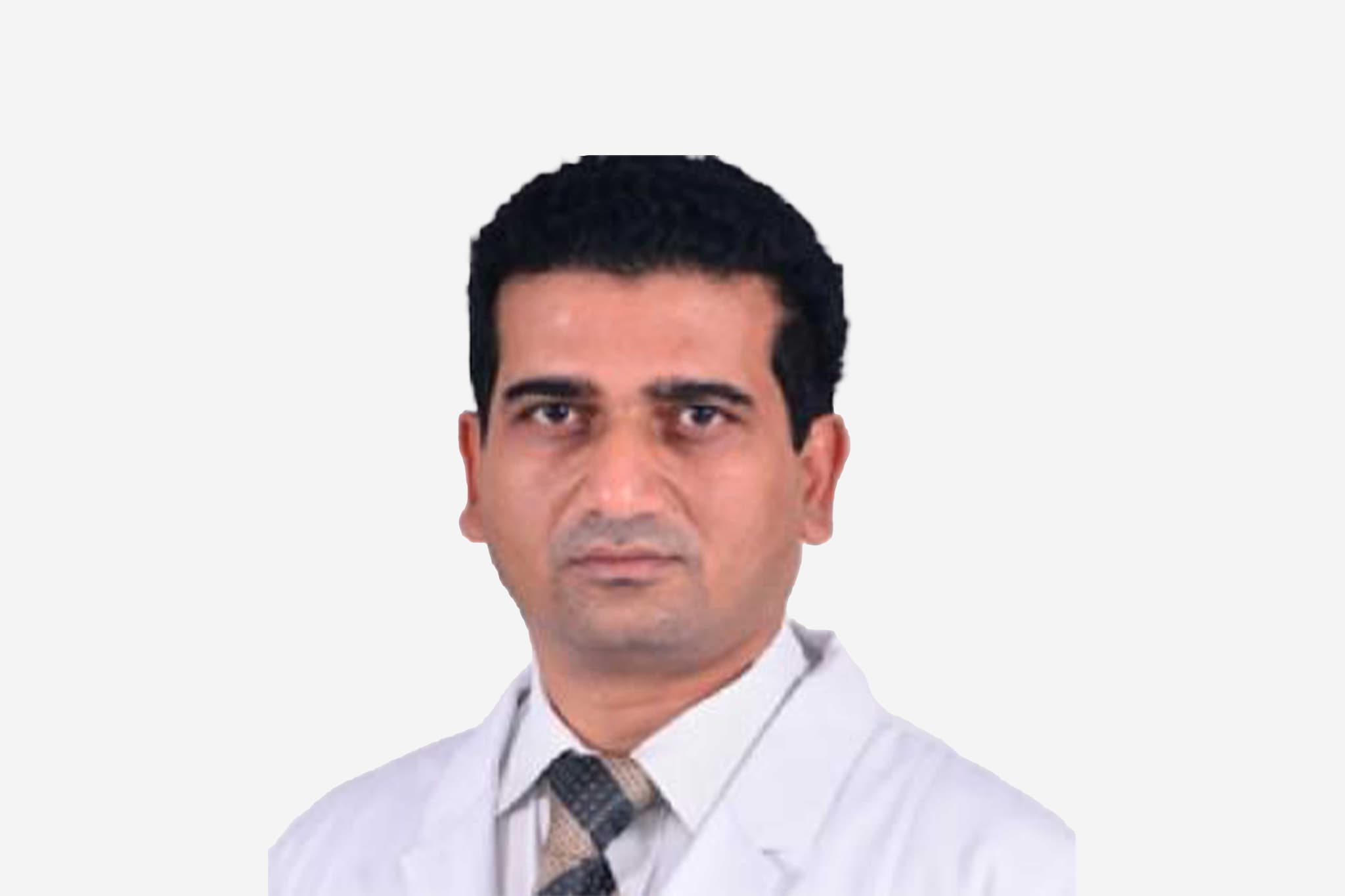
              Dr. Dr Neeru Praveer Aggarwal

              Dr Neeru Praveer Aggarwal

              Vice Chairman - Nephrology

              36+ years experience

              Clinical Fellowship in Nephrology & Renal Transplant DNB (Nephrology) MD (Internal Medicine) MBBS
              1. Home
              2. Doctors
              3. Dr Neeru Praveer Aggarwal

              About Dr Neeru Praveer Aggarwal

              Dr. Aggarwal is a highly distinguished specialist in nephrology and renal transplant medicine with over three decades of clinical excellence. She currently serves as the Principal Director of Nephrology at Max Super Speciality Hospital, Vaishali, where she is recognized for her leadership in managing advanced kidney diseases and her expertise in renal replacement therapies.

              Mastery in Nephrology and Renal Transplantation

              She specializes in the comprehensive management of complex kidney conditions, ranging from chronic kidney disease (CKD) to end-stage renal failure. Her surgical and clinical expertise includes the coordination and execution of advanced renal transplant procedures, ensuring that patients receive life-saving interventions backed by decades of specialized experience.

              Expertise in Advanced Renal Procedures

              Dr. Aggarwal is highly proficient in performing essential renal procedures required for the management of critical kidney health. This includes the placement and management of dialysis access, kidney biopsies, and the oversight of complex hemodialysis and peritoneal dialysis protocols. Her technical precision ensures the highest standards of safety and efficacy for patients undergoing long-term renal care.

              Clinical Leadership and Departmental Oversight

              As the Principal Director at a major multi-specialty institution, Dr. Aggarwal plays a pivotal role in maintaining clinical excellence and quality control within the nephrology department. Her leadership encompasses the development of patient care protocols, the integration of new medical technologies, and the mentoring of medical professionals in the field of renal sciences.

              Decades of Specialized Clinical Experience

              With a career spanning between 31 and 36 years, Dr. Aggarwal has witnessed and contributed to the evolution of nephrological care in India. Her longitudinal experience allows her to address multifaceted cases involving significant comorbidities, providing a seasoned perspective on treatment strategies that prioritize long-term patient outcomes and quality of life.

              Dr. Neeru Praveer Aggarwal at a Glance

              • Principal Director of Nephrology at Max Super Speciality Hospital, Vaishali.

              • Over 31–36 years of extensive clinical and surgical experience.

              • Specialist in Kidney Transplantation and complex renal disease management.

              • Expert in advanced renal procedures and dialysis management.

              • Recognized leader in the field of clinical nephrology and renal sciences.

              • Focused on high-standard patient outcomes and long-term renal health.

              Clinical Fellowship in Nephrology & Renal Transplant
              DNB (Nephrology)
              MD (Internal Medicine)
              MBBS

              No awards & achievements available

              Affiliated Hospitals

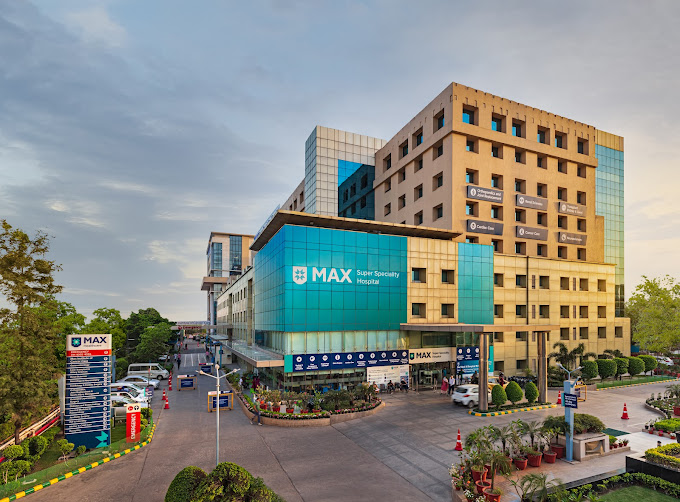
              Max Super Specialty Hospital, Vaishali
              Max Super Specialty Hospital, Vaishali

              Super Specialty

              Ghaziabad, Delhi NCR

              2008

              Estd.

              370+

              Beds

              260+

              Doctors

              May we help you?

              Enter digits only (6-15 digits). We'll add your country code.

              May we help you?

              Enter digits only (6-15 digits). We'll add your country code.

              Related Treatments

              Partial Nephrectomy (Kidney-Saving Surgery)
              Partial Nephrectomy (Kidney-Saving Surgery)

              Partial Nephrectomy Partial Nephrectomy, also known as "Kidney-Sparing Surgery," is a complex procedure where only the diseased part of the kidney (usually a tumor) is removed, leaving the healthy, functioning kidney tissue intact. This is the preferred treatment for smaller kidney tumors to preserve as much renal function as possible. When You Should Consider Partial Nephrectomy Small Renal Masses: Typically the first choice for tumors less than 4 cm (Stage T1a) and many tumors up to 7 cm (Stage T1b). Solitary Kidney: When a patient only has one functioning kidney, making it critical to avoid a total removal. Bilateral Kidney Tumors: When tumors are present in both kidneys, requiring a sparing approach on one or both sides. Pre-existing Kidney Disease: For patients with diabetes or hypertension who are at higher risk for future chronic kidney disease. Genetic Predisposition: For patients with conditions like Von Hippel-Lindau (VHL) syndrome who may develop multiple tumors over their lifetime. Methods of Partial Nephrectomy Robotic-Assisted (Da Vinci): The modern standard for precision. It allows the surgeon to perform complex suturing within the tight "ischemia" time window using 3D magnification. Laparoscopic Surgery: A minimally invasive approach using small incisions and specialized instruments to remove the tumor and repair the kidney. Open Surgery: Often reserved for very large or centrally located tumors where the surgeon needs direct physical access to the kidney. Nerve and Vessel Sparing: A technique focusing on identifying the specific arterial branches feeding the tumor to avoid clamping the entire renal blood supply. Renorrhaphy (Repair): The reconstructive phase where the "hole" left in the kidney is stitched closed using specialized sutures and hemostatic agents. How the Procedure Is Performed Anesthesia: Performed under General Anesthesia to ensure total patient comfort and muscle relaxation. The "Clamping" Phase: To prevent heavy bleeding, the surgeon temporarily clamps the Renal Artery. This must usually be completed in under 20–30 minutes to protect kidney health. Tumor Excision: The surgeon cuts out the tumor along with a small "margin" of healthy tissue to ensure no cancer cells remain. Hemostasis: Specialized "bolsters" or glues are often applied to the raw surface of the kidney to stop bleeding instantly. Unclamping: The artery clamp is removed, and the surgeon verifies that the kidney regains its pink color and shows no signs of active bleeding. Drain Placement: A small tube is left in the side for 24–48 hours to monitor for any internal fluid or blood collection. Pre-Procedure Preparation 3D Imaging: A high-resolution CT Scan or MRI with contrast is mandatory to map the "Renal Nephrometry Score" and tumor depth. Kidney Function Test: A DTPA Scan or serum creatinine test is performed to establish a baseline for how well both kidneys are working. Blood Prep: "Cross-matching" for blood units is done in advance due to the highly vascular nature of the kidney. Medication Audit: You must stop all blood thinners (Aspirin, Warfarin, etc.) 7–10 days prior to the operation. Fasting: Maintaining a "nil per oral" status for 8 hours before the procedure for anesthesia safety. Pre-Surgery Tests Complete Blood Count (CBC): To check baseline hemoglobin levels and ensure the body is ready for surgery. Coagulation Profile: Testing PT/INR and Platelet counts to ensure the kidney repair will clot effectively. Chest X-ray and EKG: Standard pre-operative checks to ensure heart and lung fitness for general anesthesia. Urinalysis: To rule out any existing urinary tract infections before the procedure. Electrolyte Panel: Checking sodium, potassium, and calcium levels to ensure the body’s chemistry is balanced. Life After Partial Nephrectomy (Recovery & Risks) Hospital Stay: Usually 2–3 days for Robotic/Laparoscopic surgery and 4–5 days for the Open approach. Catheterization: A Foley catheter is placed in the bladder for 1–2 days to monitor urine output and filtration. Activity Restrictions: No heavy lifting (over 5kg) or strenuous exercise for 6 weeks to prevent the repair from bleeding. Hydration Therapy: Drinking 2–2.5 litres of water daily is recommended to keep the kidneys working at a steady, healthy pace. Urine Leak Risk: If the repair isn't water-tight, a temporary JJ Stent may be placed to allow the kidney to heal. Follow-Up Imaging: A CT scan is typically repeated at 3 or 6 months to monitor the surgical site and ensure no recurrence. Why Specialized Treatment Is Highly Effective Preservation of Function: By saving the healthy part of the kidney, patients have a much lower risk of requiring dialysis in the future. Oncological Equivalent: Modern studies show that for appropriately selected tumors, a partial removal is just as effective as a total removal for cancer control. Robotic Precision: 2026 robotic technology allows for "ultra-selective clamping," where only the tumor's blood supply is stopped, leaving the rest of the kidney "warm." Faster Recovery: Minimally invasive techniques lead to less pain, smaller scars, and a quicker return to normal life compared to traditional surgery. Lower Cardiovascular Risk: Maintaining two functioning kidneys is linked to better long-term heart health and blood pressure control.