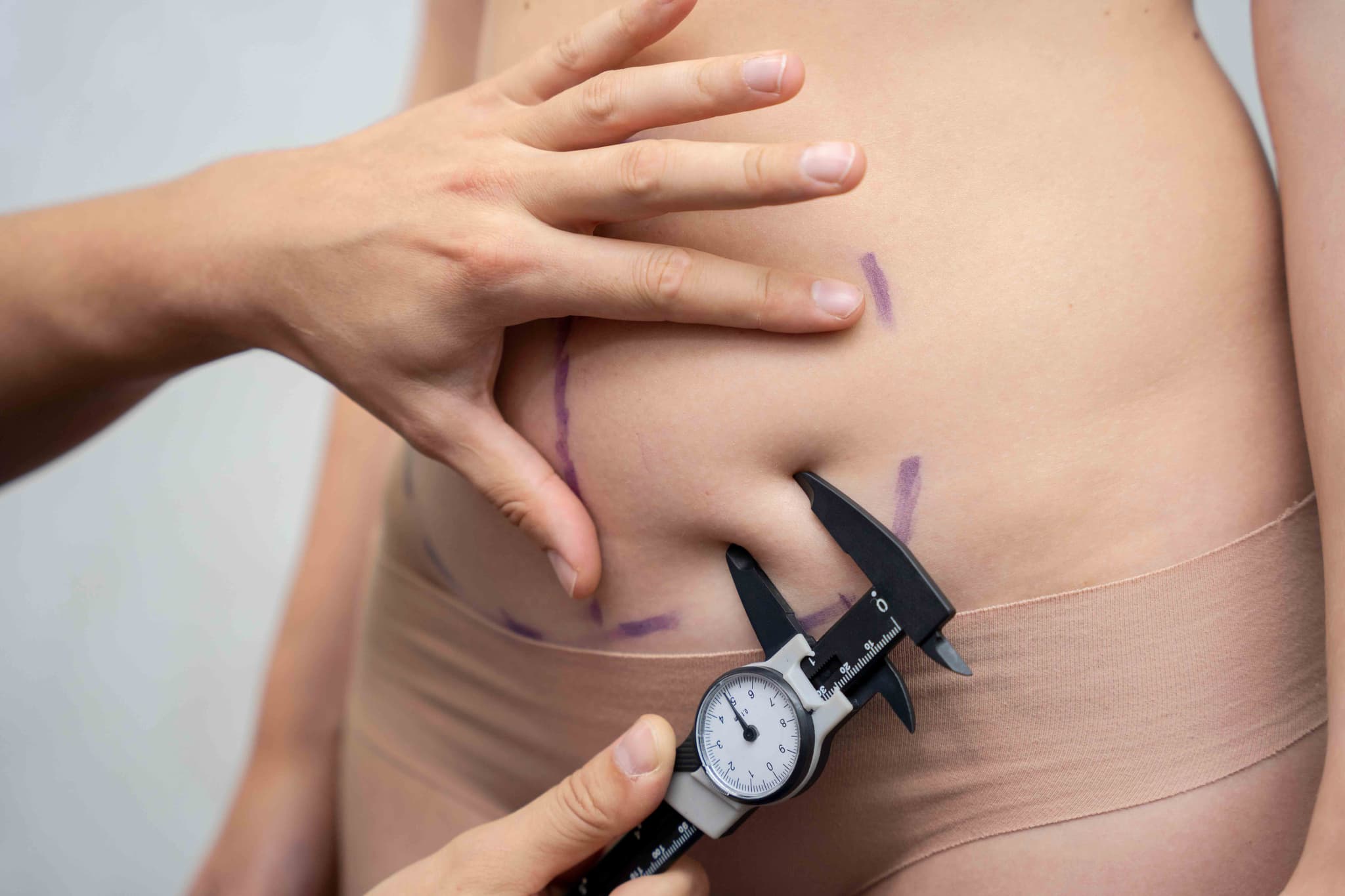
Abdominoplasty (Tummy Tuck)
Abdominoplasty (Tummy Tuck)
Abdominoplasty, or a tummy tuck, is a major surgical procedure designed to remove excess abdominal skin and fat while tightening weakened or separated muscles. It is most commonly sought after pregnancy or significant weight loss when the skin lacks the natural elasticity to retract on its own.
When You Should Consider Abdominoplasty
This procedure is ideal for individuals who have stabilized their weight but struggle with abdominal concerns that do not respond to diet or exercise. Key indications include:
Skin Laxity: Loose, sagging skin on the abdomen following pregnancy or massive weight loss.
Diastasis Recti: Separation of the abdominal muscles, which often causes a persistent protrusion or "bulge."
Excess Stubborn Fat: Localized fat deposits in the midsection that resist traditional weight loss methods.
Poor Core Stability: Weakened abdominal walls that contribute to back pain or poor posture.
Significant Contouring Needs: When a patient is at their goal weight but desires a firmer, flatter midsection.
Methods of Abdominoplasty
Full (Standard) Abdominoplasty: Addresses both the upper and lower abdomen, involving a hip-to-hip incision and repositioning of the navel.
Mini Tummy Tuck: Focuses specifically on the area below the belly button with a smaller incision and no navel repositioning.
Extended Tummy Tuck: Targets the abdomen and the flanks (love handles) for a more comprehensive body contour.
Fleur-de-lis Abdominoplasty: Utilizes both vertical and horizontal incisions for patients with significant skin redundancy following massive weight loss.
Lipo-Abdominoplasty: Combines the skin tightening of a tummy tuck with liposuction for superior contouring and definition.
How Abdominoplasty Is Performed
Surgical Access: A horizontal incision is made low on the abdomen, strategically placed to be hidden by swimwear or undergarments.
Muscle Repair: The surgeon pulls the weakened or separated abdominal muscles together and stitches them into a tighter, firmer position.
Tissue Removal: Excess skin and fat are carefully trimmed away to create a smooth abdominal profile.
Navel Repositioning: In full procedures, the belly button is brought through a new opening to maintain a natural appearance.
Closure and Drains: The incisions are closed with sutures, and surgical drains may be placed to prevent fluid accumulation during early healing.
Pre-Procedure Preparation
Fasting: Patients are typically required to fast for 8–12 hours before the surgery.
Medical Clearances: Comprehensive blood tests and an ECG are conducted to ensure the patient is fit for general anesthesia.
Smoking Cessation: Patients must quit smoking several weeks before and after surgery to prevent tissue necrosis and healing complications.
Medication Review: Adjusting medications, specifically blood thinners or certain supplements, as directed by the surgical team.
Tests Before Abdominoplasty
Basic Blood Panel: To check hemoglobin levels and ensure there are no underlying infections.
ECG: To monitor the heart's rhythm and ensure safety during a procedure that lasts 2 to 5 hours.
Physical Assessment: To measure skin elasticity and the degree of muscle separation (diastasis recti).
Pregnancy Test: To ensure the patient is not currently pregnant, as the procedure is not recommended during or immediately before pregnancy.
Life After Abdominoplasty (Recovery)
Hospital Stay: Depending on the complexity, patients may go home the same day or stay for 1–2 days for observation.
Support Garments: A compression garment or abdominal binder must be worn 24/7 for approximately 6 weeks to reduce swelling.
Activity Restrictions: Light walking is encouraged immediately; however, heavy lifting (over 5–10 lbs) and strenuous exercise must be avoided for 6–8 weeks.
Long-Term Results: Final contours typically emerge within 3 to 6 months, while scars continue to fade over 12 to 18 months.
Benefits of Abdominoplasty
Improved Core Strength: Tightening the abdominal muscles provides better support for the spine and reduces back pain.
Enhanced Body Contour: Removes "overhanging" skin and stubborn fat for a flatter, firmer appearance.
Clothing Fit: Patients often find that clothing fits more comfortably and look more tailored to their frame.
Long-Term Solution: Provides permanent removal of excess skin and fat, assuming the patient maintains a stable weight.
Abdominoplasty (Tummy Tuck) Cost in India
The cost of Abdominoplasty (Tummy Tuck) in India is generally affordable compared with many other countries, making India a popular destination for international patients seeking quality medical care. The treatment cost depends on factors such as the hospital, doctor's experience, treatment approach, medical condition, hospital stay, diagnostic tests, medicines, and any additional procedures required. For international patients, the starting cost of Abdominoplasty (Tummy Tuck) in India is approximately 1500 USD, although the final price may vary based on individual treatment requirements. Patients are advised to obtain a personalized treatment estimate after medical evaluation.