Brazilian Butt Lift (BBL)
Brazilian Butt Lift (BBL)
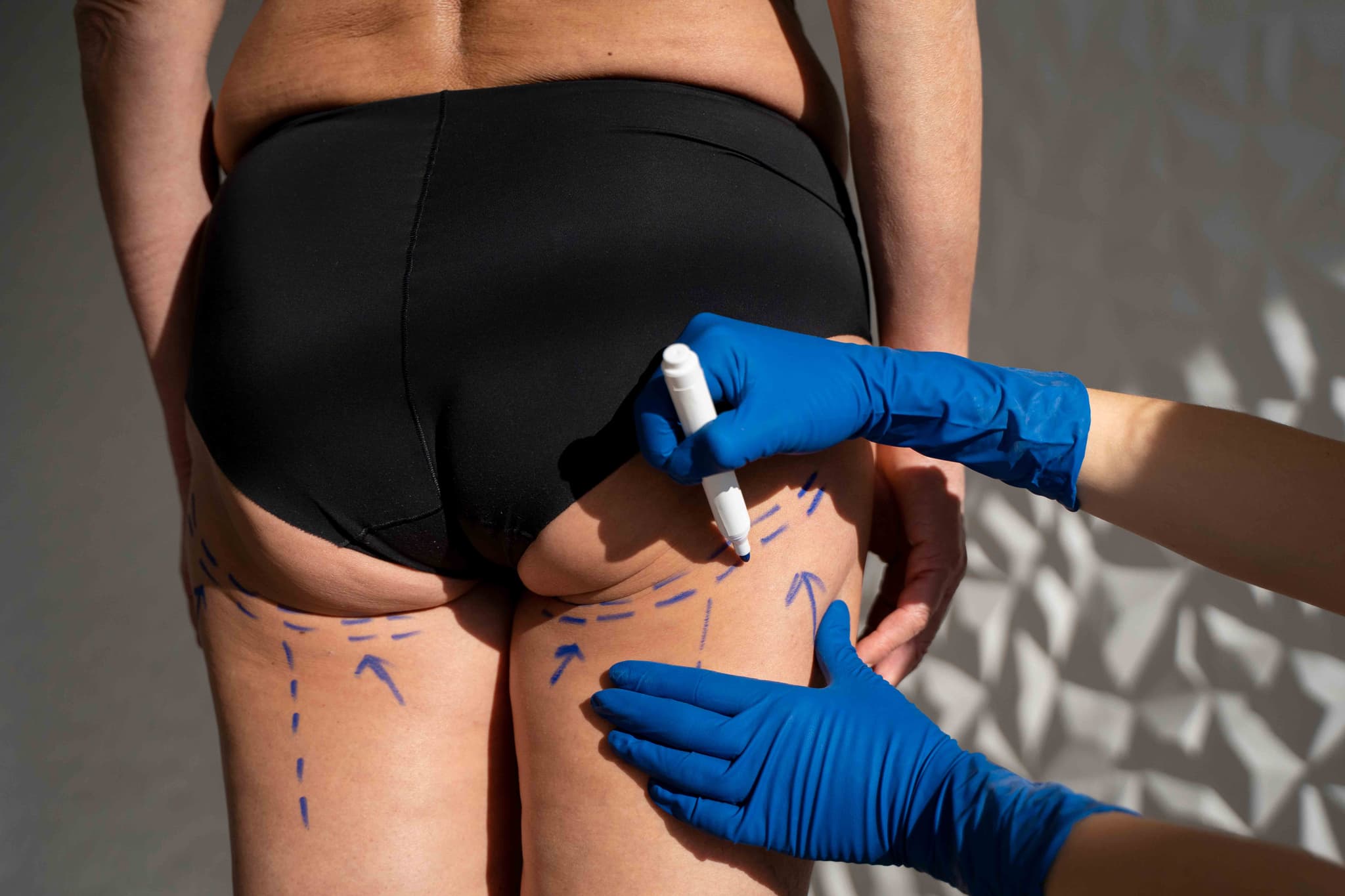
A Brazilian Butt Lift (BBL) is a specialized fat transfer procedure that uses a patient's own fat to enhance the size, shape, and contour of the buttocks. This "two-in-one" procedure utilizes liposuction to harvest fat from donor sites—such as the abdomen, hips, or thighs—and re-injects it into the gluteal region to improve overall body proportions.
When You Should Consider Brazilian Butt Lift
A BBL is ideal for individuals looking for a natural-feeling enhancement and improved body symmetry. Key indications include:
Flat or Sagging Buttocks: Lack of volume or definition in the gluteal area.
Asymmetrical Contour: Significant differences in shape or size between the two sides.
Body Proportionality: A desire for a "snatched" waist and a more rounded, hourglass silhouette.
Post-Weight Loss: Restoring fullness and shape lost after significant weight reduction.
Avoidance of Implants: Preference for using natural tissue (autologous fat) rather than synthetic foreign objects.
Methods of Brazilian Butt Lift
Subcutaneous Injection: Modern safety protocols strictly require fat to be injected into the space above the muscle to prevent serious complications.
Ultrasound-Guided BBL: The use of real-time ultrasound imaging to guide the cannula, ensuring precise fat placement and avoiding deep blood vessels.
Puregraft/Purification Systems: Advanced filtering technologies used to isolate the healthiest fat cells for a higher "take" or survival rate.
"Skinny BBL": A specialized technique for leaner patients that focuses on high-definition harvesting and targeted, smaller-volume transfer.
Hybrid BBL: Combining fat transfer with specialized skin-tightening technologies at the donor sites for a more sculpted result.
How a Brazilian Butt Lift Is Performed
Fat Harvesting: The surgeon performs liposuction on pre-determined donor areas (like the "love handles" or stomach) to collect fat.
Purification: The harvested fat is processed to remove impurities, oils, and excess fluids, leaving only viable fat cells.
Fat Injection: The purified fat is injected into the buttocks through tiny incisions at various depths within the subcutaneous layer.
Sculpting: The surgeon carefully shapes the buttocks and the transition to the waist/thighs to create a harmonious, natural look.
Closure: Liposuction and injection sites are closed (often with a single stitch), and a medical-grade compression garment (Faja) is applied.
Pre-Procedure Preparation for Brazilian Butt Lift
Fasting: Patients are required to fast for 8–12 hours before the surgery.
Medical Clearances: Comprehensive blood work, an ECG, and a physical exam are necessary to ensure surgical safety.
Nutrition & Health: Patients should be at a stable weight and maintain a healthy, nutrient-rich diet to ensure high fat-cell viability.
Nicotine Cessation: Stopping all nicotine products several weeks before and after is mandatory, as smoking significantly reduces fat survival.
Tests Before Brazilian Butt Lift
Basic Blood Panel: To evaluate hemoglobin levels, kidney function, and blood clotting factors.
ECG: Performed to monitor heart health during the 2 to 4-hour procedure under general anesthesia.
BMI Assessment: To ensure the patient has sufficient donor fat and falls within a safe weight range for elective surgery.
Skin Elasticity Check: To assess how well the skin will retract at the liposuction donor sites.
Life After a Brazilian Butt Lift
The "No-Sit" Phase: For the first 2–3 weeks, patients must avoid sitting or lying directly on the buttocks to ensure fat survival.
Support Tools: Specialized BBL pillows are used when sitting is absolutely necessary to shift pressure to the thighs.
Compression Therapy: Fajas (compression garments) must be worn for 6–8 weeks to support the donor sites and minimize swelling.
Activity Timeline: Light walking is encouraged immediately; desk work can typically be resumed after 2 weeks, and exercise after 6–8 weeks.
Benefits of a Brazilian Butt Lift
Natural Results: Uses the patient’s own tissue, providing a more natural look and feel than silicone implants.
Dual Transformation: Simultaneously contours problem areas (via liposuction) while enhancing the buttocks.
Permanent Enhancement: While some fat is absorbed, the 60–80% that survives is permanent as long as weight remains stable.
Improved Silhouette: Creates a more defined waist-to-hip ratio, enhancing both the front and side profiles.
Brazilian Butt Lift (BBL) Cost in India
The cost of Brazilian Butt Lift (BBL) in India is generally affordable compared with many other countries, making India a popular destination for international patients seeking quality medical care. The treatment cost depends on factors such as the hospital, doctor's experience, treatment approach, medical condition, hospital stay, diagnostic tests, medicines, and any additional procedures required. For international patients, the starting cost of Brazilian Butt Lift (BBL) in India is approximately 1500 USD, although the final price may vary based on individual treatment requirements. Patients are advised to obtain a personalized treatment estimate after medical evaluation.