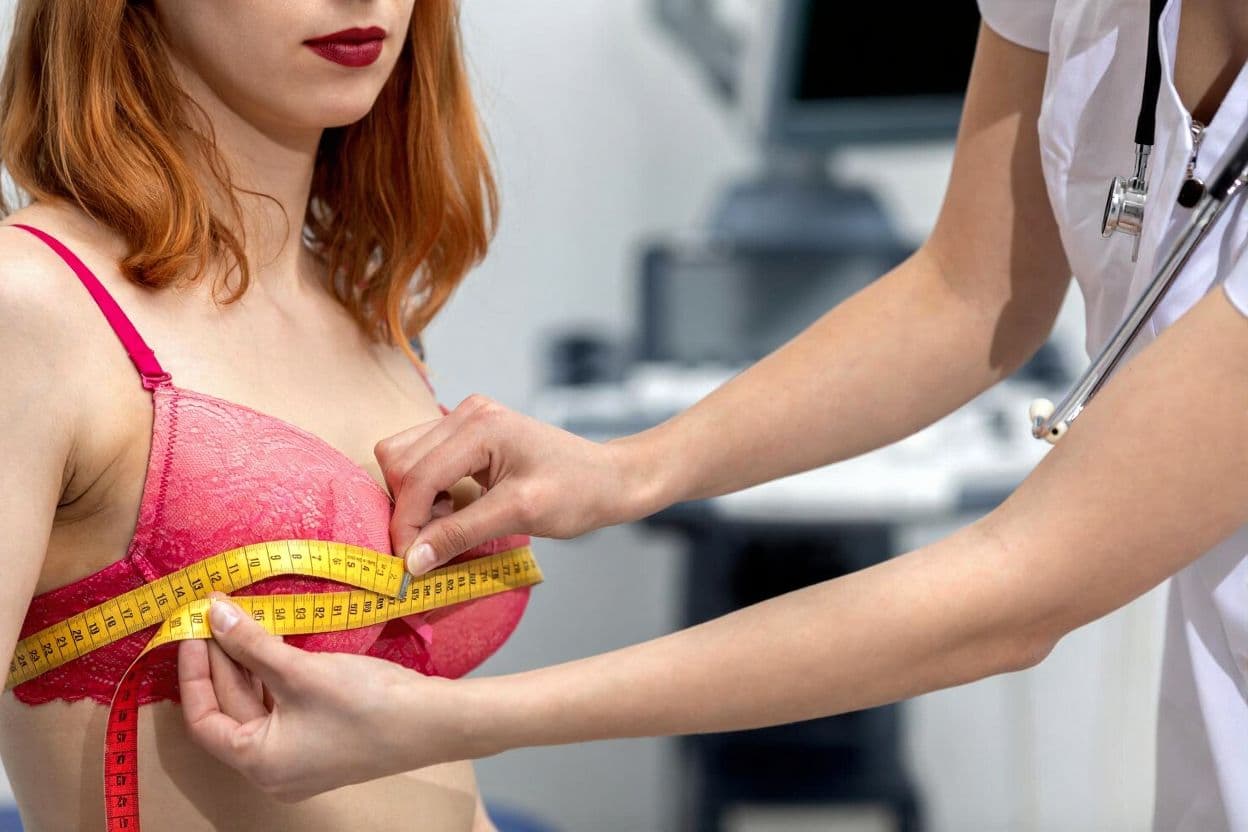
Breast Implants (Augmentation)
Breast Augmentation
Breast Augmentation, or "augmentation mammoplasty," is a surgical procedure to increase breast size, change shape, or improve symmetry. In 2026, the focus has shifted toward "Natural Look" results, utilizing highly cohesive silicone gels and "hybrid" techniques that combine implants with the patient's own fat for a seamless finish.
When You Should Consider Breast Augmentation
This procedure is ideal for individuals looking to enhance their silhouette or restore volume. Key indications include:
Volume Loss: Restoring fullness lost due to pregnancy, breastfeeding, or significant weight loss.
Micromastia: Addressing naturally small breast size to achieve desired body proportions.
Asymmetry: Correcting significant differences in size or shape between the two breasts.
Cosmetic Refinement: Enhancing the "cleavage" area or improving the overall contour of the breast mound.
Reconstructive Needs: Following previous surgeries or injuries to restore a balanced appearance.
Methods of Breast Augmentation
Silicone Gel Implants: The 2026 standard "gummy bear" implants that maintain their shape and provide a natural feel.
Saline Implants: Filled with sterile salt water; these allow for smaller incisions as they are filled after placement.
Hybrid Breast Augmentation: A modern technique combining a smaller implant with fat grafting (liposuction) to create softer edges.
Submuscular Placement: Placing the implant under the chest muscle for better coverage and a more natural look.
Subglandular Placement: Placing the implant over the muscle, typically offering a shorter initial recovery time.
How Breast Augmentation Is Performed
Surgical Access: Incisions are made in discrete locations, such as the breast crease (inframammary), around the nipple (periareolar), or the armpit (transaxillary).
Pocket Creation: The surgeon creates a space either above or below the pectoral muscle to house the implant.
Implant Insertion: The selected implant is carefully placed and positioned to ensure optimal symmetry and contour.
"Internal Bra" Support: In some 2026 cases, surgical mesh (ADMs) is used to provide extra internal support and prevent the implant from shifting.
Closure: The incisions are closed with multi-layered sutures, and a surgical support bra is applied to stabilize the new volume.
Pre-Procedure Preparation for Breast Augmentation
Fasting: Patients are typically required to fast for 8–12 hours before the surgery.
Medical Clearances: Standard blood tests, an ECG, and a baseline mammogram are required to ensure patient safety.
Nicotine Cessation: Stopping all nicotine products several weeks before and after surgery is essential to prevent healing complications.
Medication Review: Avoiding medications like aspirin or ibuprofen that can increase the risk of post-operative bruising.
Tests Before Breast Augmentation
Mammogram: Essential for documenting breast health and ensuring no underlying masses are present before surgery.
Basic Blood Panel: To evaluate overall health, hemoglobin levels, and clotting function.
ECG: Performed to monitor heart health during the 1 to 2-hour procedure under general anesthesia.
Pregnancy Test: To ensure the patient is not currently pregnant before undergoing anesthesia and surgery.
Life After Breast Augmentation (Recovery)
Hospital Stay: Usually performed as an outpatient procedure; patients return home the same day.
Initial Milestones: Most patients return to non-strenuous desk work within 1 week.
Activity Restrictions: Upper-body workouts and heavy lifting are restricted for 4 to 6 weeks.
Long-Term Settling: Implants typically "drop and fluff" (settle into their natural position) over a period of 3 to 6 months.
Benefits of Breast Augmentation
Enhanced Body Proportion: Creates a balanced silhouette and improves the fit of clothing and swimwear.
Restored Fullness: Effectively addresses "deflated" breast tissue following life events like pregnancy or weight loss.
High Safety Standards: Modern 2026 cohesive gel implants and smooth surfaces offer high durability and lower complication rates.
Boosted Self-Confidence: Resolves long-standing concerns regarding breast size or symmetry with immediate, visible results.
Breast Implants (Augmentation) Cost in India
The cost of Breast Implants (Augmentation) in India is generally affordable compared with many other countries, making India a popular destination for international patients seeking quality medical care. The treatment cost depends on factors such as the hospital, doctor's experience, treatment approach, medical condition, hospital stay, diagnostic tests, medicines, and any additional procedures required. For international patients, the starting cost of Breast Implants (Augmentation) in India is approximately 1000 USD, although the final price may vary based on individual treatment requirements. Patients are advised to obtain a personalized treatment estimate after medical evaluation.