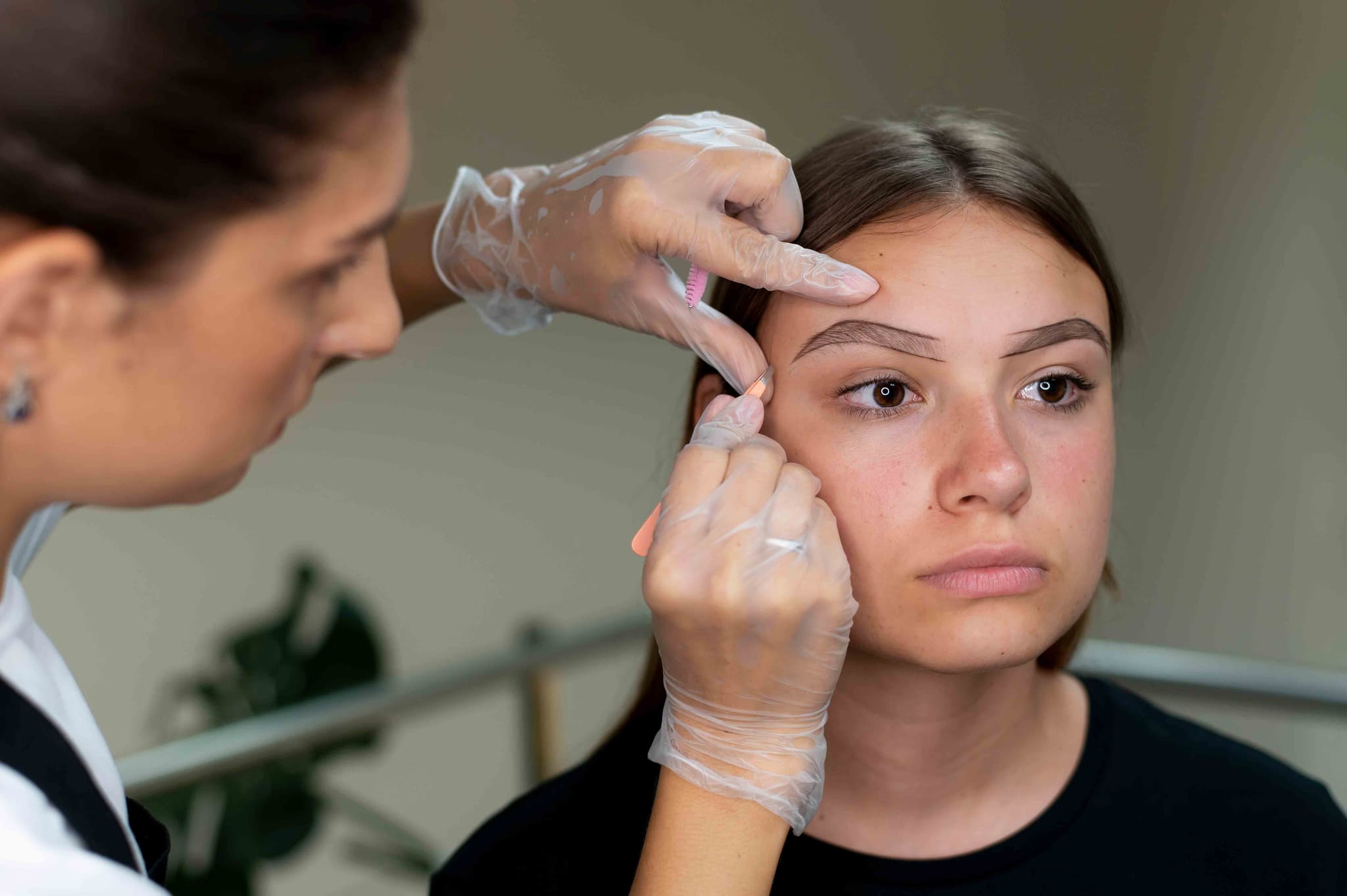
Brow Lift Surgery (Browplasty)
Brow Lift Surgery (Browplasty)
A Brow Lift, or forehead lift, is a surgical procedure designed to reposition a sagging or "hooded" brow, reduce forehead wrinkles, and open up the appearance of the eyes. It is frequently combined with blepharoplasty (eyelid surgery) for a complete and harmonious upper-face rejuvenation.
When You Should Consider a Brow Lift Surgery
A brow lift is ideal for patients who look "tired," "sad," or "angry" even when well-rested. Key indications include:
Sagging Brows: Eyebrows that have dropped into a low position, creating a heavy appearance.
Hooded Eyes: Excess skin from the brow area weighing down the upper eyelids.
Forehead Furrows: Deep horizontal wrinkles across the forehead that do not respond to non-surgical treatments.
Frown Lines: Vertical creases between the eyebrows (glabellar lines).
Asymmetrical Brows: When one eyebrow is significantly lower than the other.
Methods of a Brow Lift Surgery
Endoscopic Brow Lift: The most common modern technique, utilizing a tiny camera and specialized tools through small incisions hidden within the hair.
Temporal (Lateral) Brow Lift: Focuses specifically on lifting the outer corners or "tails" of the eyebrows.
Trichophytic Brow Lift: An incision is made at the hairline, specifically designed for patients who wish to lift the brow while lowering a high hairline.
Coronal Brow Lift: The traditional method involving an ear-to-ear incision; reserved for severe sagging cases.
Non-Surgical Brow Lift: Using neurotoxins or thread lifts for temporary elevation without surgery.
How a Brow Lift Surgery Is Performed
Surgical Access: Depending on the technique, small incisions are made within the hair or along the hairline to ensure scars remain hidden.
Tissue Repositioning: The surgeon lifts the skin and underlying tissues of the forehead to a more youthful, elevated position.
Muscle Modification: The muscles that cause deep frown lines are weakened or released to smooth the forehead surface.
Securing the Lift: Specialized sutures, screws, or absorbable devices are used to hold the brow in its new position during the healing process.
Closure: The incisions are closed with sutures or surgical staples, and the head is typically wrapped in a supportive bandage.
Pre-Procedure Preparation for Brow Lift Surgery
Fasting: Patients are typically required to fast for 8–12 hours before the surgery.
Medical Clearances: Comprehensive blood tests and a physical exam are conducted to ensure fitness for anesthesia.
Hair Care: Patients may be asked to wash their hair with antimicrobial soap but avoid any chemical treatments (dyes/perms) several days prior.
Medication Review: Avoiding aspirin and anti-inflammatory drugs for 2 weeks to minimize the risk of bruising and bleeding.
Tests Before a Brow Lift Surgery
Basic Blood Panel: To evaluate overall health and ensure proper blood clotting.
ECG: Performed for older patients to monitor heart rhythm during the 1 to 2-hour procedure.
Physical Assessment: To evaluate the degree of brow ptosis (sagging) and forehead skin elasticity.
3D Facial Mapping: Often used to plan the desired height and arch of the brow for a natural result.
Life After a Brow Lift Surgery (Recovery)
Hospital Stay: Usually performed as an outpatient procedure; patients return home the same day.
Initial Milestones: Bandages are removed within 1–3 days; sutures or staples are typically removed by the end of the first week.
Scalp Management: Temporary numbness or itching on the scalp is common and usually resolves within a few months.
Activity Timeline: Most patients return to work within 2 weeks; strenuous exercise can typically be resumed after 1 month.
Benefits of a Brow Lift Surgery
Refreshed Appearance: Eliminates the "tired" or "angry" look by opening up the eye area.
Smoother Forehead: Significantly reduces deep horizontal furrows and frown lines for a more youthful look.
Long-Lasting Results: Provides a durable correction that typically remains effective for 10 to 12 years.
Natural-Looking Scars: Advanced endoscopic techniques ensure that surgical marks are completely concealed within the hairline.
Brow Lift Surgery (Browplasty) Cost in India
The cost of Brow Lift Surgery (Browplasty) in India is generally affordable compared with many other countries, making India a popular destination for international patients seeking quality medical care. The treatment cost depends on factors such as the hospital, doctor's experience, treatment approach, medical condition, hospital stay, diagnostic tests, medicines, and any additional procedures required. For international patients, the starting cost of Brow Lift Surgery (Browplasty) in India is approximately 800 USD, although the final price may vary based on individual treatment requirements. Patients are advised to obtain a personalized treatment estimate after medical evaluation.