Conditioning Regimen
Conditioning Regimen
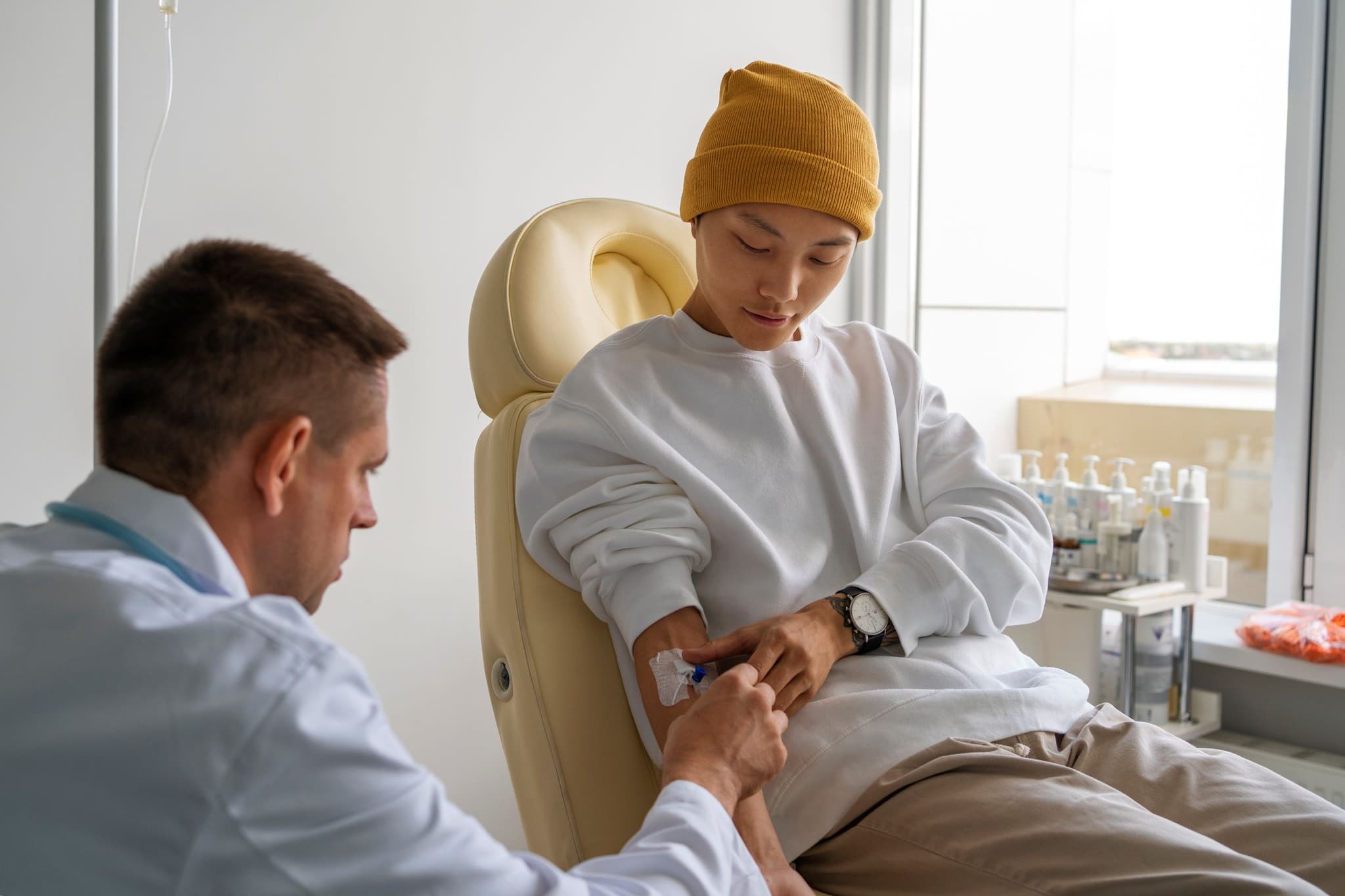
The Conditioning Regimen is a critical preparatory phase performed immediately before a bone marrow or stem cell transplant. It involves the administration of high-dose chemotherapy, immunotherapy, or Total Body Irradiation (TBI) to prepare the patient’s body for the incoming donor cells. By neutralizing the existing diseased marrow and suppressing the immune system, the conditioning phase creates the necessary biological environment for the new stem cells to thrive and rebuild the patient’s hematopoietic system.
Objectives of Conditioning
Marrow Ablation: It destroys the patient's existing, diseased bone marrow to "clear space" for the new healthy stem cells to grow.
Disease Eradication: It aims to eliminate any remaining cancer cells (leukemia, lymphoma, etc.) that may have survived previous rounds of standard treatment.
Immunosuppression: It suppresses the patient’s immune system so it does not attack or reject the donor's cells, which is vital for the success of allogeneic transplants.
Niche Preparation: It optimizes the bone marrow microenvironment to support the successful "homing" of infused stem cells.
Types of Conditioning Regimens
Myeloablative Conditioning (MAC): Uses maximum doses of chemotherapy or radiation to completely destroy the marrow. It offers the lowest risk of relapse but is physically demanding, typically reserved for younger or highly fit patients.
Reduced-Intensity Conditioning (RIC): Uses lower doses of chemotherapy. It does not completely destroy the marrow but provides enough immunosuppression for donor cells to take hold, making transplants accessible to older patients.
Non-Myeloablative Regimens: The mildest form of conditioning, relying primarily on the "Graft-versus-Tumor" effect where the new donor cells eventually kill the remaining cancer cells over time.
Sequential Conditioning: A modern approach that combines a cytoreductive phase with a traditional conditioning phase for patients with high disease burden.
How the Conditioning Protocol Is Performed
The regimen typically takes place over a period of 5 to 10 days leading up to "Day 0" (the day of transplant).
Medications such as Busulfan, Fludarabine, or Cyclophosphamide are administered via a central venous catheter.
Total Body Irradiation (TBI) may be performed in specialized radiology suites to ensure systemic coverage.
Pharmacokinetic monitoring is utilized to measure blood levels of chemotherapy in real-time, allowing for precision dosing.
Targeted therapies and monoclonal antibodies are often integrated to focus treatment on cancer cells while sparing healthy tissue.
Supportive medications are given simultaneously to protect the kidneys, liver, and bladder from high-dose therapy.
Innovations in Conditioning Therapy
Precision PharmacokineticsReal-time blood analysis that allows doctors to adjust chemotherapy doses based on an individual's unique metabolism, reducing toxicity.
Targeted RadiotherapyAdvances in radiation delivery that focus on the bone marrow and lymph nodes while shielding sensitive organs like the lungs and heart.
Immunotherapy IntegrationThe use of specialized antibodies that tag cancer cells, making the chemotherapy phase more efficient and targeted.
Toxicity Mitigation ToolsNewer supportive agents that prevent common side effects like severe mouth sores (mucositis) or liver complications.
Bio-Marker Guided DosingUsing genetic markers to predict how a patient will respond to specific conditioning agents, allowing for a personalized regimen.
Cryotherapy ProtocolsThe use of controlled cooling during certain chemotherapy infusions to protect the oral mucosa and hair follicles.
Pre-Procedure Preparation
Comprehensive organ function testing to ensure the heart, lungs, and liver can tolerate high-dose medications.
Placement of a multi-lumen central venous catheter (Hickman or PICC line) for safe administration of the regimen.
Nutritional counseling to prepare the body for the metabolic demands of the conditioning phase.
Dental check-ups to treat any potential sources of infection that could become dangerous during the period of low immunity.
Psychological preparation for the isolation period required once the immune system begins to decline.
Pre-Procedure Tests
Echocardiogram or MUGA scan to verify cardiac output and heart health.
Pulmonary Function Tests (PFTs) to ensure the respiratory system is strong enough for systemic therapy.
Baseline blood panels for kidney and liver function (BUN, Creatinine, Bilirubin).
PET/CT imaging to document the current extent of the disease before the regimen begins.
Pregnancy testing for female patients of reproductive age due to the intensive nature of the drugs.
Why Specialized Conditioning Is Highly Effective
Dramatically reduces the risk of relapse by reaching cancer cells that standard-dose chemotherapy cannot.
Ensures the "Graft-versus-Host" effect can initiate by preventing the body from immediately rejecting donor cells.
Modern "Reduced Intensity" protocols allow older patients to receive curative treatment with significantly improved safety.
Precision dosing techniques have lowered the incidence of long-term organ damage compared to traditional methods.
Provides a "clean slate" for the new immune system to build a disease-free hematopoietic environment.
Recovery and Supportive Care
Intensive monitoring for side effects like nausea, hair loss, or fatigue begins during the regimen.
Prophylactic antibiotics and anti-virals are started to protect the patient as their white blood cell counts drop.
Specialized mouth rinses and laser therapies are used to manage and prevent oral mucositis.
Intravenous fluids and electrolytes are carefully balanced to maintain hydration and organ health.
The transition to the transplant phase (Day 0) occurs immediately following the final dose of the conditioning regimen.
Life After Conditioning and Transplant
Reconstitution of a healthy, cancer-free blood system through the successful engraftment of donor cells.
Potential for long-term remission from aggressive blood disorders that were previously resistant to treatment.
Gradual recovery of physical strength and immune function over the months following the procedure.
Ongoing monitoring to manage any "late effects" of the conditioning agents.
The satisfaction of knowing every scientific measure was taken to prepare the body for a successful cure.
Conditioning Regimen Cost in India
The cost of Conditioning Regimen in India is generally affordable compared with many other countries, making India a popular destination for international patients seeking quality medical care. The treatment cost depends on factors such as the hospital, doctor's experience, treatment approach, medical condition, hospital stay, diagnostic tests, medicines, and any additional procedures required. For international patients, the starting cost of Conditioning Regimen in India is approximately 2000 USD, although the final price may vary based on individual treatment requirements. Patients are advised to obtain a personalized treatment estimate after medical evaluation.