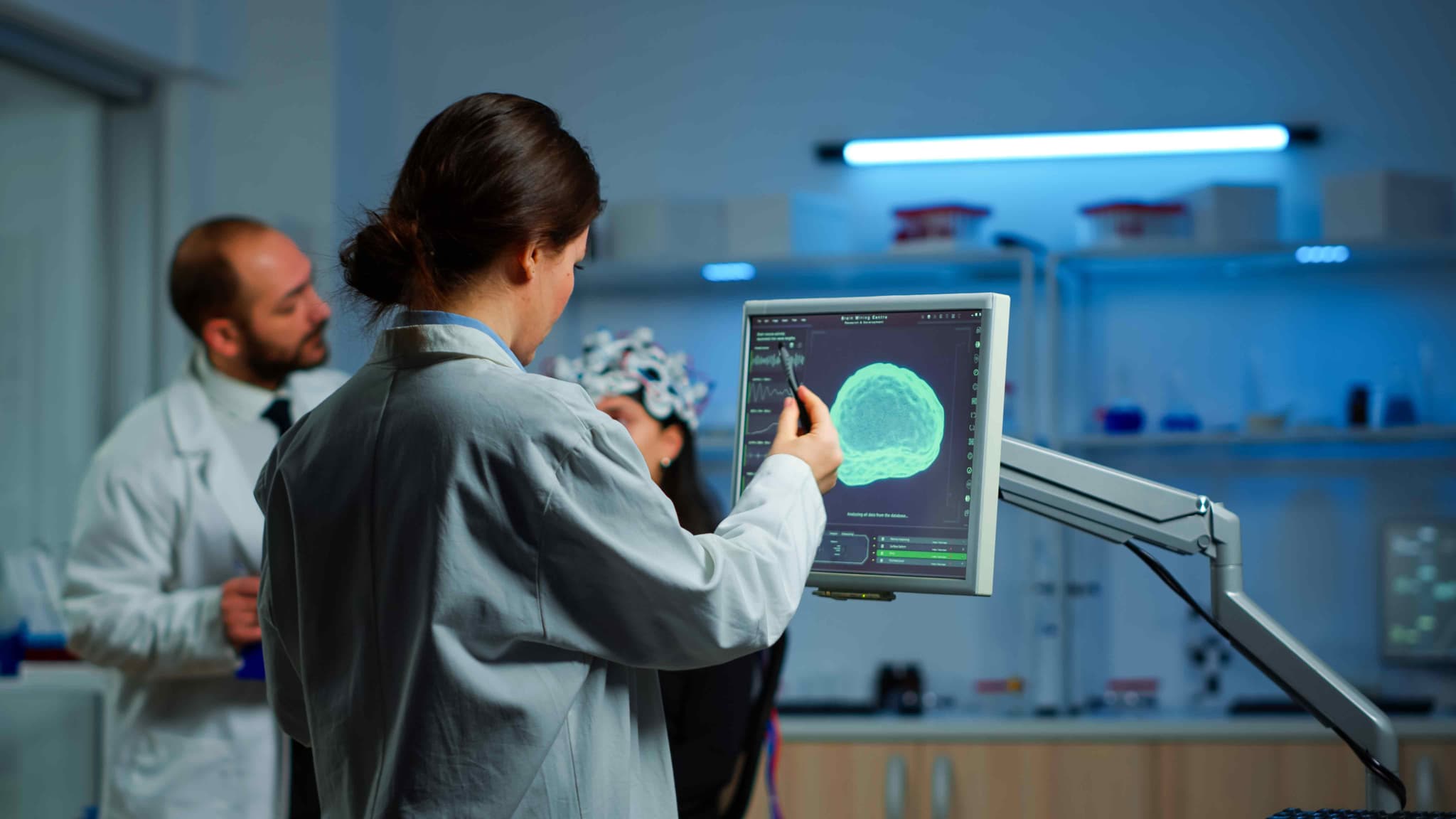
Deep Brain Stimulation (DBS)
Deep Brain Stimulation (DBS) (Cardiology)
Deep Brain Stimulation (DBS) is a neurosurgical procedure that uses a "brain pacemaker" to send electrical impulses to specific areas of the brain. As of 2026, it is an established standard of care for movement disorders and is increasingly used for psychiatric conditions when traditional medications fail.
When You Should Consider DBS
Parkinson’s Disease symptoms such as tremors, rigidity, and "off" time that are no longer managed by medication.
Essential Tremor causing severe, uncontrollable shaking in the hands and arms.
Dystonia involving painful or involuntary muscle contractions.
Epilepsy characterized by refractory partial-onset seizures.
Treatment-resistant Obsessive-Compulsive Disorder (OCD).
FDA-Approved Uses (2026)
Parkinson’s Disease: Significantly reduces tremors and motor fluctuations.
Essential Tremor: Suppresses severe shaking to improve daily function.
Dystonia: Helps control involuntary muscle movements and postures.
Epilepsy: Approved as an adjunctive therapy for difficult-to-treat seizures.
Obsessive-Compulsive Disorder (OCD): Used under a humanitarian device exemption for chronic, severe cases.
Technological Advancements (2026 Status)
Adaptive DBS (aDBS): Systems that sense real-time brain activity and automatically adjust stimulation levels.
Directional Leads: Electrodes that allow surgeons to "steer" current toward targets to minimize side effects.
Personalized Programming: Precise digital adjustment of electrical pulses tailored to the patient's brain signals.
Sensing Technology: Capability to record brain signals (local field potentials) to monitor disease progression.
Improved Battery Life: Advances in battery chemistry providing longer intervals between replacements.
How the Procedure Is Performed
Brain Surgery (Stage 1): Fine leads are placed in specific brain targets, often while the patient is awake to test for relief.
Testing: Surgeons use microelectrode recording to ensure the leads are in the optimal location.
Chest Surgery (Stage 2): The pulse generator (battery) is implanted under the skin near the collarbone.
Connection: Extension wires are tunneled under the skin to connect the chest device to the brain leads.
Closing: Small incisions are closed with sutures or surgical staples.
Recovery and Outcomes
Hospital Stay: Most patients stay for 1–3 days for observation.
Honeymoon Effect: Temporary symptom relief may occur immediately from the surgery itself.
Device Activation: Official programming and device "turn-on" typically occurs 2–4 weeks after surgery.
Rechargeable Models: Newer 2026 models can last up to 15 years before needing replacement.
Non-Rechargeable Models: Standard batteries typically last between 3–5 years.
Risks and Considerations
Brain Bleed: There is a 1–3% risk of a brain bleed or stroke during lead placement.
Infection: A 3–5% risk of infection exists at the incision sites or around the hardware.
Hardware Issues: Potential for lead migration, wire breakage, or skin erosion over the device.
Side Effects: Stimulation can sometimes cause temporary speech, balance, or mood changes.
Programming Time: It may take several months of adjustments to find the most effective settings.
Benefits of DBS
Substantial reduction in the need for daily medications and their associated side effects.
Significant improvement in the ability to perform activities of daily living.
Continuous, 24-hour symptom control that does not "wear off" like oral medication.
Reversible and adjustable technology that can be updated as the condition changes.
Enhanced quality of life and independence for patients with chronic movement disorders.
Deep Brain Stimulation (DBS) Cost in India
The cost of Deep Brain Stimulation (DBS) in India is generally affordable compared with many other countries, making India a popular destination for international patients seeking quality medical care. The treatment cost depends on factors such as the hospital, doctor's experience, treatment approach, medical condition, hospital stay, diagnostic tests, medicines, and any additional procedures required. For international patients, the starting cost of Deep Brain Stimulation (DBS) in India is approximately 8000 USD, although the final price may vary based on individual treatment requirements. Patients are advised to obtain a personalized treatment estimate after medical evaluation.