Echocardiography & Cardiac Catheterization
Echocardiography and Cardiac Catheterization
Echocardiography and Cardiac Catheterization are the two primary diagnostic pillars used to evaluate heart health. While both provide essential data on how the heart is functioning, they differ significantly in their approach: one uses sound waves to "see" the heart from the outside, while the other involves navigating a thin tube through the blood vessels to examine the heart from the inside. Together, these tools allow cardiologists to diagnose everything from valve issues to complex arterial blockages with extreme precision.
When You Should Consider These Diagnostics
Echocardiography: Recommended for initial screenings, unexplained shortness of breath, or monitoring known heart valve conditions.
Cardiac Catheterization: Advised when a patient has symptoms of a blockage, such as chest pain (angina), or after an abnormal stress test.
Functional Assessment: When a doctor needs to measure your "ejection fraction" to see how well the heart pumps blood.
Structural Review: To detect congenital heart defects, blood clots, or fluid around the heart.
Pre-Surgical Planning: Before major heart surgery, to map the coronary arteries and ensure surgical accuracy.
Emergency Intervention: During a suspected heart attack, a catheterization is often used to locate and clear a blockage immediately.
Conditions That Require Specialized Care
Coronary Artery Disease: Requiring an angiogram to identify specific narrowings in the heart's vessels.
Valvular Heart Disease: Where a Transesophageal Echo (TEE) provides high-resolution views of the heart valves.
Heart Failure: Requiring regular monitoring of heart chamber size and pumping efficiency.
Hypertrophic Cardiomyopathy: A condition involving thickened heart muscle that is best visualized via 3D ultrasound.
Pulmonary Hypertension: Where catheterization can directly measure the blood pressure within the heart and lung arteries.
How These Procedures Are Performed
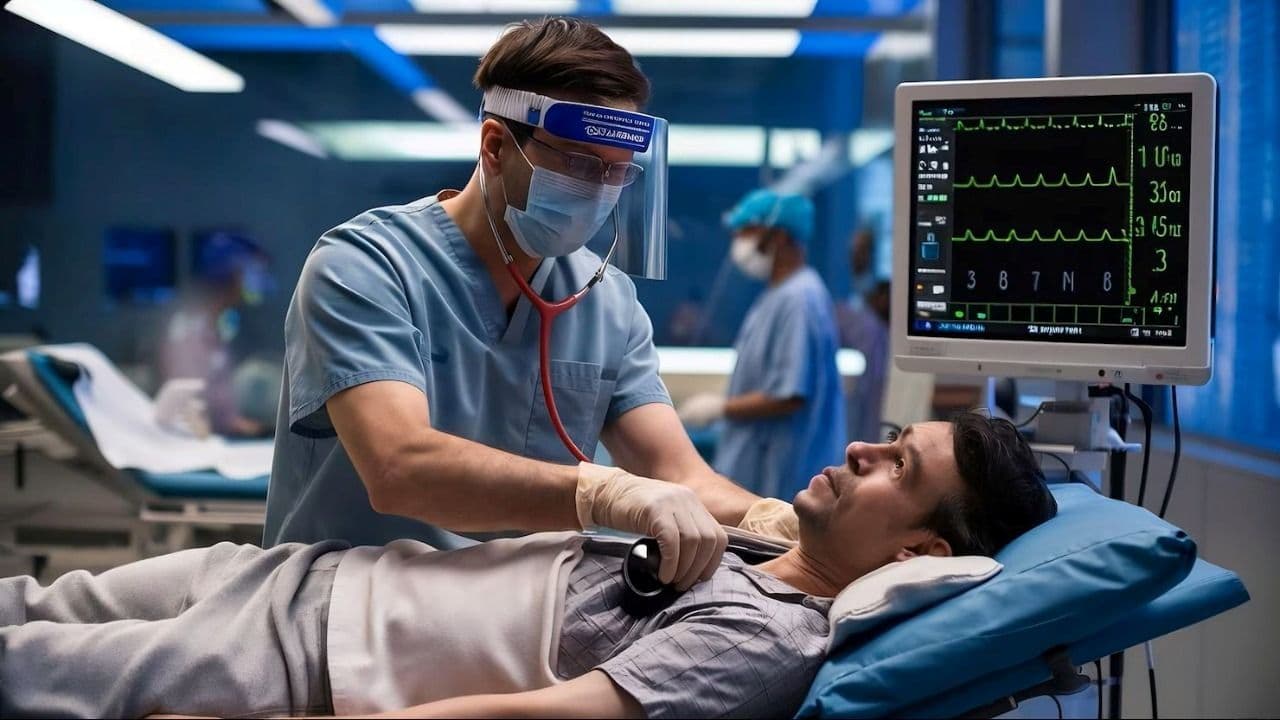
Echocardiography (TTE): A non-invasive test where a technician moves a wand (transducer) over the chest to create real-time ultrasound images.
Transesophageal Echo (TEE): A specialized probe is passed down the esophagus under sedation to get a clearer view of the heart's internal structures.
Cardiac Catheterization: Under local anesthesia, a long, thin tube (catheter) is inserted through a vessel in the wrist or groin and threaded to the heart.
Contrast Imaging: During catheterization, a specialized dye is injected to make the coronary arteries visible under X-ray (angiography).
Interventional Treatment: If a blockage is found during catheterization, the surgeon can immediately perform an angioplasty or place a stent.
Recovery: Echocardiograms require no recovery time, while catheterization requires a few hours of bed rest to ensure the insertion site heals.
Innovations in Cardiac Diagnostics
3D and 4D EchocardiographyAdvanced ultrasound that creates a moving, three-dimensional model of the heart, allowing for unprecedented views of valve function.
Radial Access CatheterizationThe standard practice of using the wrist instead of the groin for catheter insertion, significantly reducing the risk of bleeding and shortening recovery time.
Intravascular Ultrasound (IVUS)A tiny ultrasound camera placed on the tip of a catheter to see inside the artery walls, helping to determine the stability of a blockage.
Fractional Flow Reserve (FFR)A specialized wire used during catheterization that measures blood pressure across a blockage to determine if it truly needs a stent.
AI-Enhanced Echo InterpretationSoftware that automatically calculates heart measurements with higher accuracy than the human eye, reducing diagnostic errors.
Low-Dose Radiation LabsModern "Cath Labs" that utilize high-sensitivity X-ray detectors to provide clearer images while using significantly less radiation.
Pre-Procedure Preparation
For Echo: No special diet is usually required; patients can typically take their normal medications.
For Catheterization: Patients must fast (NPO) for several hours and may need to pause certain blood-thinning medications.
Sedation Review: Discussion regarding light sedation to ensure comfort during invasive or transesophageal procedures.
Allergy Check: Specifically checking for iodine or contrast dye allergies before a cardiac catheterization.
Hydration: Encouraged before and after catheterization to help the kidneys process the contrast dye.
Diagnostic Measurements and Tests
Ejection Fraction (EF): A percentage measurement of how much blood the left ventricle pumps out with each contraction.
Coronary Angiogram: The "Gold Standard" X-ray test during catheterization to map out blockages in the arteries.
Doppler Ultrasound: A part of the echo that measures the speed and direction of blood flow through the heart.
Wall Motion Analysis: Checking for areas of the heart muscle that are not moving normally, often a sign of a previous silent heart attack.
Pressure Manometry: Directly measuring the pressure inside each heart chamber during a catheterization.
Why These Treatments Are Highly Effective
Echocardiography provides a safe, radiation-free way to monitor the heart's mechanical health over a lifetime.
Cardiac Catheterization is the only way to provide a definitive diagnosis and immediate life-saving treatment for coronary blockages.
Precision Medicine: These tests allow for "custom-fit" treatments, ensuring patients only receive stents or surgery when absolutely necessary.
Early Detection: Can identify heart disease in its earliest stages, long before it causes a heart attack or stroke.
Valve Accuracy: 3D imaging has made heart valve repairs much more successful by providing surgeons with a perfect "road map."
Recovery and Life After Diagnosis
Most patients return to light activities within 48 to 72 hours after a cardiac catheterization.
Echocardiogram results are often available immediately, allowing for rapid adjustments to heart medications.
A small bandage is placed over the wrist or groin site after catheterization; it typically heals completely within a week.
Following these tests, patients receive a personalized "Heart Health Plan" including diet, exercise, and medication guidance.
Regular follow-up echoes may be scheduled to ensure that treatments (like stents or medications) are working effectively.
Echocardiography & Cardiac Catheterization Cost in India
The cost of Echocardiography & Cardiac Catheterization in India is generally affordable compared with many other countries, making India a popular destination for international patients seeking quality medical care. The treatment cost depends on factors such as the hospital, doctor's experience, treatment approach, medical condition, hospital stay, diagnostic tests, medicines, and any additional procedures required. For international patients, the starting cost of Echocardiography & Cardiac Catheterization in India is approximately 300 USD, although the final price may vary based on individual treatment requirements. Patients are advised to obtain a personalized treatment estimate after medical evaluation.