Hemorrhoidectomy
Hemorrhoidectomy
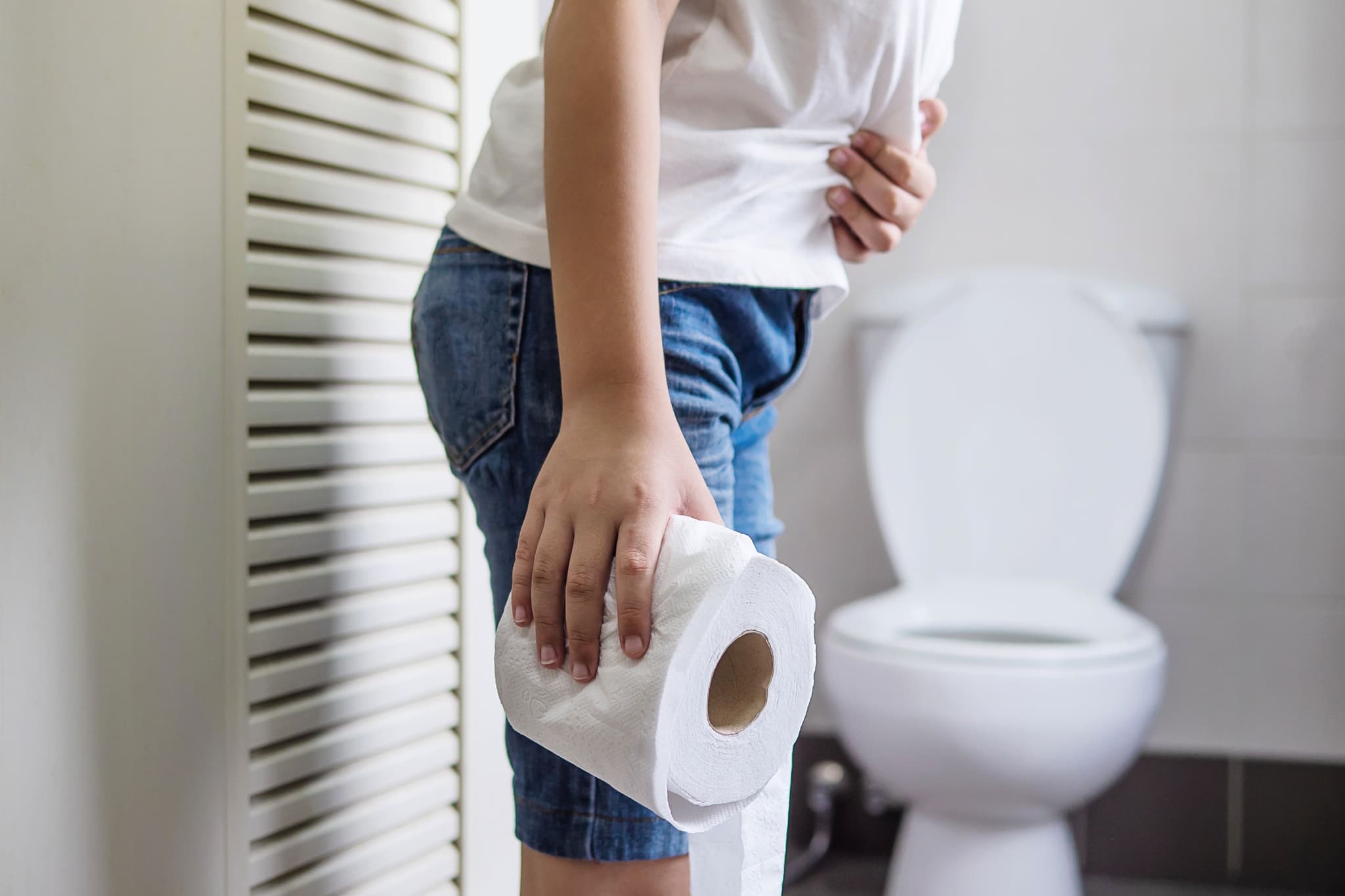
A Hemorrhoidectomy is the definitive surgical removal of severe or complicated hemorrhoids (swollen veins in the lower rectum and anus). While many mild cases are managed with dietary changes or office-based procedures like rubber band ligation, surgery is considered the "gold standard" for Grade III and IV hemorrhoids that are persistently painful, bleeding, or prolapsed. By 2026, surgical approaches have shifted toward "vessel-sealing" and laser technologies that prioritize faster healing and significantly improved post-operative comfort.
When You Should Consider a Hemorrhoidectomy
Grade IV Prolapse: When hemorrhoidal tissue remains outside the body and cannot be manually pushed back in.
Persistent Bleeding: Chronic blood loss during bowel movements that leads to anemia or does not respond to non-surgical treatments.
Thrombosed External Hemorrhoids: When a blood clot forms in an external hemorrhoid, causing sudden, excruciating pain and swelling.
Failed Conservative Therapy: When high-fiber diets, topical creams, and minimally invasive procedures fail to provide long-term relief.
Strangulated Hemorrhoids: An emergency condition where the blood supply to a prolapsed hemorrhoid is cut off, causing tissue death.
Internal and External Combination: When a patient suffers from both types simultaneously, requiring a comprehensive surgical clearance.
Conditions That Require Specialized Care
Inflammatory Bowel Disease (IBD): Patients with Crohn’s disease require specialized evaluation, as traditional surgery may interfere with wound healing.
Anticoagulation Therapy: Patients on blood thinners who require precise "vessel-sealing" techniques to prevent post-operative bleeding.
Recurrent Hemorrhoids: Cases where previous surgeries or ligations have failed, necessitating a more advanced reconstructive approach.
Pregnancy-Related Hemorrhoids: While usually managed conservatively, severe cases following childbirth may require surgical intervention once hormones stabilize.
Anorectal Comorbidities: When hemorrhoids are accompanied by anal fissures or fistulas that must be treated during the same operative session.
[Image showing a comparison between healthy anal anatomy and the various grades (I-IV) of internal hemorrhoids]
How a Hemorrhoidectomy Is Performed
Excisional Surgery: The surgeon makes precise incisions to remove the excess hemorrhoidal tissue. This can be "closed" (sutured) or "open" to allow for natural drainage.
Stapled Hemorrhoidopexy (PPH): A specialized circular stapling device "lifts" the prolapsed tissue back into place and cuts off the blood supply to the swollen veins.
Laser Hemorrhoidoplasty (LHP): A laser fiber is inserted into the hemorrhoid to deliver controlled energy, causing the tissue to shrink from the inside without external cuts.
THD (Transanal Hemorrhoidal Dearterialization): Guided by ultrasound, the surgeon identifies and ties off the specific arteries feeding the hemorrhoid, causing it to wither.
Anesthesia: Performed under general anesthesia, spinal block, or local anesthesia with deep sedation for patient comfort.
Vessel Sealing: Advanced bipolar or ultrasonic energy devices are used to simultaneously cut and seal blood vessels, reducing blood loss and operative time.
Innovations in Hemorrhoid Surgery
Laser-Induced Thermotherapy (LITT)A non-excisional technique that uses heat to collapse the hemorrhoidal pile, resulting in almost no tissue trauma and a dramatically faster return to work.
Long-Acting Local Anesthetics (Exparel)A specialized numbing medication injected during surgery that slowly releases over 72 hours, covering the most painful window of early recovery.
Doppler-Guided LigationHighly sensitive ultrasound probes that allow surgeons to find the "feeder" vessels with 100% accuracy, ensuring the hemorrhoid shrinks without being cut out.
Radiofrequency Ablation (RFA)Utilizing high-frequency waves to treat the hemorrhoid, offering a middle ground between traditional surgery and office-based treatments.
Bio-Absorbable StaplesNext-generation stapling devices used in PPH that dissolve over time, reducing the long-term risk of internal irritation or "staple-line" sensitivity.
AI-Enhanced ProctoscopyDigital imaging systems that map the vascular pressure in the rectal area to help the surgeon decide exactly which tissue needs removal.
Pre-Procedure Preparation
Bowel Preparation: A mild laxative or enema is often used the evening before surgery to ensure a clean surgical field.
Medication Adjustment: Reviewing any supplements, such as Vitamin E or Garlic, and blood thinners that could increase the risk of bleeding.
Nutrition Planning: Starting a high-fiber diet and increasing water intake days before the surgery to prepare for the first post-op bowel movement.
NPO Guidelines: Standard fasting for 8–12 hours before the procedure to ensure safety during anesthesia.
Sitz Bath Setup: Having a small plastic tub or "sitz bath" ready at home for immediate post-operative hygiene and comfort.
Diagnostic and Safety Monitoring
Digital Rectal Exam (DRE): A final physical check to confirm the location and grade of all symptomatic hemorrhoids.
Anoscopy/Sigmoidoscopy: Ensuring there are no other issues, such as polyps or inflammatory disease, higher up in the rectum.
Urinary Retention Check: Monitoring the patient’s ability to urinate before discharge, as pelvic surgery can occasionally cause temporary bladder hesitation.
Post-Operative Hemorrhage Watch: Close observation during the first 24 hours for any signs of significant rectal bleeding.
Why This Treatment Is Highly Effective
Lowest Recurrence Rate: Excisional hemorrhoidectomy remains the most successful way to ensure hemorrhoids do not return.
Comprehensive Relief: Resolves all associated symptoms, including itching, leaking, pain, and the sensation of "fullness."
Vascular Correction: Procedures like THD and PPH address the underlying blood flow issues, not just the visible bulge.
Simultaneous Repair: Allows for the correction of other painful issues like anal tags or fissures in a single session.
Functional Restoration: Returns the anal canal to its natural anatomical state, improving hygiene and comfort.
Recovery and Aftercare
The First Week: The focus is on pain management and soft bowel movements; stool softeners and fiber supplements are mandatory.
Sitz Baths: Soaking in warm water for 10–15 minutes several times a day is the most effective way to soothe the area and keep it clean.
Pain Protocols: A combination of anti-inflammatories, local numbing creams, and occasionally mild narcotics are used to manage discomfort.
Activity Graduation: Light walking is encouraged immediately, but heavy lifting and "straining" must be avoided for at least 2 to 3 weeks.
Hydration: Drinking at least 2–3 liters of water daily is essential to prevent constipation during the healing phase.
Life After Hemorrhoidectomy
A dramatic improvement in daily quality of life, free from the constant discomfort and "accidents" caused by prolapse.
Confidence in physical activities, including exercise and heavy lifting, once the 6-week healing window is complete.
A return to normal hygiene and the elimination of chronic itching or skin irritation.
Long-term freedom from the need for topical creams, suppositories, or frequent medical visits for "flare-ups."
Empowerment through a permanent solution to a common but debilitating condition.
Hemorrhoidectomy Cost in India
The cost of Hemorrhoidectomy in India is generally affordable compared with many other countries, making India a popular destination for international patients seeking quality medical care. The treatment cost depends on factors such as the hospital, doctor's experience, treatment approach, medical condition, hospital stay, diagnostic tests, medicines, and any additional procedures required. For international patients, the starting cost of Hemorrhoidectomy in India is approximately 300 USD, although the final price may vary based on individual treatment requirements. Patients are advised to obtain a personalized treatment estimate after medical evaluation.