Microdermabrasion
Microdermabrasion
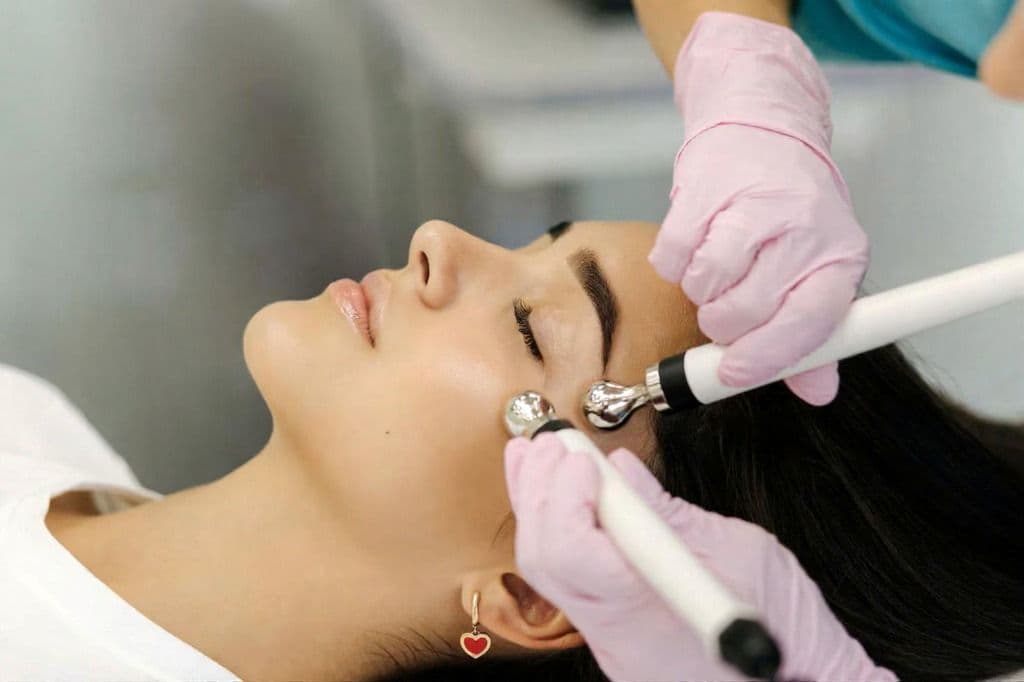
Microdermabrasion is a minimally invasive, non-surgical skin rejuvenation procedure used in 2026 to gently exfoliate the outermost layer of the skin. Often referred to as a "lunchtime peel," it provides an immediate refresh for the complexion with zero downtime, making it one of the most accessible aesthetic treatments available.
When You Should Consider Microdermabrasion
This procedure is ideal for individuals looking for a gentle "reset" of their skin’s surface. Key indications include:
Dull Complexion: Restoring a healthy glow to tired or sallow-looking skin.
Uneven Skin Texture: Smoothing out rough patches and minor surface irregularities.
Enlarged Pores: Helping to clear debris and reduce the visual prominence of pores.
Fine Lines: Softening very superficial lines and early signs of aging.
Light Sun Damage: Addressing minor pigmentation issues and superficial sun spots.
Methods of Microdermabrasion in 2026
Diamond-Tip Microdermabrasion: Utilizes a wand with a diamond-encrusted tip for precise manual exfoliation; ideal for sensitive areas like the skin around the eyes.
Crystal Microdermabrasion: Sprays a controlled stream of fine crystals (such as aluminum oxide) onto the skin to deeply exfoliate thicker skin types.
Hydra-Dermabrasion (HydraFacial): A modern evolution that combines crystal-free exfoliation with the simultaneous infusion of hydrating and antioxidant serums.
Vacuum Suction Technology: Integrated into all methods to instantly lift away dead skin cells and stimulate localized blood flow.
Home-Use Devices: In 2026, while professional treatments remain the gold standard, mild consumer versions are available for maintenance between clinical sessions.
How Microdermabrasion Is Performed
Cleansing: The skin is thoroughly cleaned to remove all oils, makeup, and impurities.
Exfoliation: The technician passes the specialized wand over the skin in a systematic pattern. You will feel a mild "sanding" sensation and a gentle tugging from the vacuum.
Debris Removal: The vacuum suction simultaneously clears away the exfoliated skin cells and any crystals used.
Serum Infusion (Optional): If performing a hydra-dermabrasion, customized serums are infused into the fresh skin.
Protection: The session concludes with the application of a soothing moisturizer and a broad-spectrum SPF to protect the newly revealed skin.
Pre-Procedure Preparation
Avoid Exfoliants: Stop using chemical exfoliants (AHAs, BHAs) or physical scrubs for 3–5 days prior to treatment.
Retinoid Break: Discontinue the use of Retin-A or other retinoids for at least 3–7 days before your session.
Sun Care: Avoid significant sun exposure or tanning for at least a week before the procedure.
Skin Health Check: Ensure the treatment area is free of active cold sores, inflamed acne, or rashes.
Tests and Evaluations Before Treatment
Skin Type Assessment: To determine the appropriate suction strength and tip coarseness for your specific skin sensitivity.
Medical History Review: To ensure the patient hasn't recently used Accutane (usually requires a 6–12 month wait) or had recent chemical peels.
Visual Examination: Checking for conditions like rosacea or eczema, which may be aggravated by the mechanical nature of the treatment.
Life After Microdermabrasion (Recovery)
Immediate Hours: The skin may appear slightly pink, similar to a mild windburn. This usually subsides within 1 to 4 hours.
The First 48 Hours: Skin may feel tight or dry. It is essential to use a gentle, fragrance-free moisturizer to support the skin barrier.
Maintenance Schedule: While the skin feels smoother immediately, significant results in tone and texture are usually achieved after a series of 5 to 10 sessions.
Long-Term Protection: Daily application of SPF 30+ is mandatory, as the removal of the outer skin layer makes the face temporarily more vulnerable to UV damage.
Benefits of Microdermabrasion
Zero Downtime: Patients can return to work or social activities immediately following the 30–45 minute session.
Improved Product Absorption: Removing the "dead" layer of skin allows your high-quality serums and moisturizers to penetrate more effectively.
Safety for All Tones: Unlike some lasers, microdermabrasion is generally safe for all skin types and ethnicities without the risk of pigment changes.
Enhanced Glow: Provides an instant brightening effect by removing the dull, dry cells that can trap light on the skin's surface.