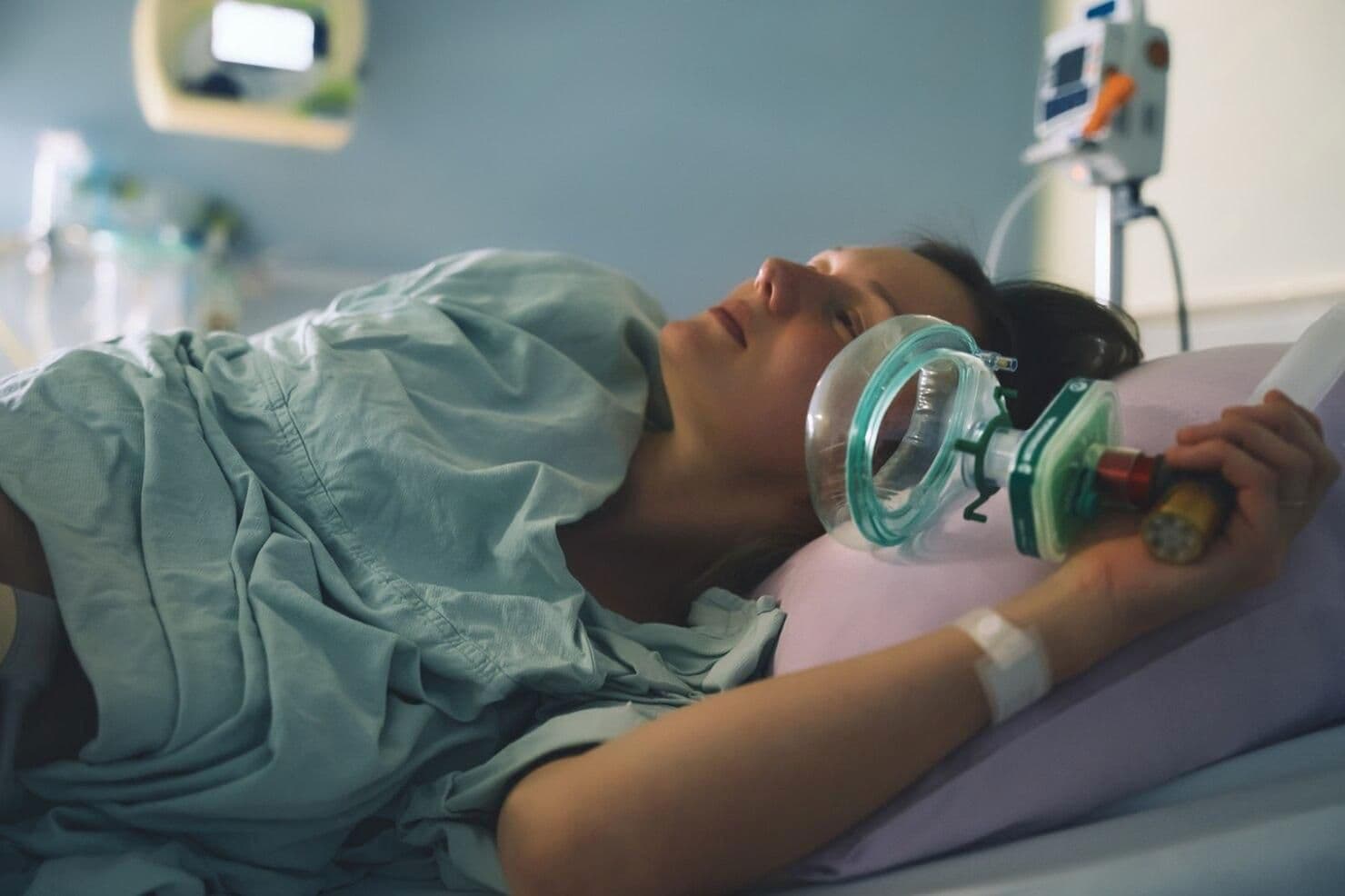
Oxygen Therapy Management
Oxygen Therapy Management
Oxygen therapy is a medical intervention that delivers oxygen at concentrations higher than those found in ambient air. In modern clinical practice, management has shifted from the routine use of high-concentration oxygen to controlled titration. This approach focuses on achieving specific target saturation ranges tailored to a patient's underlying condition, prioritizing the prevention of hyperoxia (excess oxygen), which can be as harmful as oxygen deficiency in certain acute settings.
Why the Procedure is Performed
Hypoxemia Correction: Treating low blood oxygen levels caused by pneumonia, pulmonary embolism, or heart failure.
Respiratory Support: Reducing the work of breathing and relieving the sensation of breathlessness (dyspnea).
Organ Protection: Ensuring vital organs—including the brain, heart, and kidneys—receive adequate oxygenation during trauma or sepsis.
Carbon Monoxide Poisoning: Using high-flow oxygen to displace carbon monoxide from hemoglobin in the blood.
Chronic Disease Management: Supporting long-term health in patients with COPD, pulmonary fibrosis, or advanced cystic fibrosis.
Target Oxygen Saturation (SpO2) Levels
Clinical protocols categorize patients into specific target "zones" to optimize outcomes and avoid complications like carbon dioxide retention.
General Acute Range (94%–98%): The standard goal for most acutely ill patients without a history of chronic respiratory failure.
Hypercapnic Risk Range (88%–92%): A lower, safer target for patients with COPD, morbid obesity, or neuromuscular disorders who are at risk of retaining CO2.
Critical Stabilization: In emergencies such as cardiac arrest or major trauma, high-flow oxygen is initiated immediately and then "weaned" down to the 94%–98% range once the patient is stable.
Carbon Monoxide Protocol: Achieving 100% saturation is the goal, as pulse oximetry readings are often falsely high in these patients.
Primary Oxygen Delivery Systems
Nasal Cannula: Small prongs used for low-to-moderate flow, delivering roughly 24%–44% oxygen. It is preferred for patient comfort and allows for eating and speaking.
Simple Face Mask: Used for moderate flow rates (35%–55% oxygen); it requires a minimum flow to ensure carbon dioxide is flushed out of the mask.
Venturi Mask: The standard for precision care, using color-coded valves to deliver a fixed, highly accurate oxygen concentration (e.g., 24%, 28%, 35%).
Non-Rebreather Mask: An emergency device with a reservoir bag used to deliver high concentrations (up to 90%) for short periods.
High-Flow Nasal Cannula (HFNC): An advanced system providing heated, humidified oxygen at very high flow rates, often used to avoid the need for invasive mechanical ventilation.
Innovations in Oxygen Management
Closed-Loop Automated TitrationSmart oxygen systems that connect directly to a pulse oximeter and automatically adjust the flow rate to keep the patient within their target saturation window.
Portable Oxygen Concentrators (POCs)Lightweight, battery-operated devices that extract oxygen from the air, allowing patients requiring long-term therapy to maintain mobility and travel.
Pulse Dose TechnologyDevices that deliver oxygen only when the patient inhales, significantly extending the life of portable oxygen tanks and reducing waste.
Heated Humidification SystemsHigh-tech humidifiers that prevent airway "drying" and help clear thick mucus, making high-flow therapy much more tolerable for patients.
Bedside CO2 Monitoring (Capnography)Integrating real-time carbon dioxide tracking with oxygen therapy to ensure that "weak" breathers are not retaining dangerous levels of gas.
Telemetry-Synced OximetryWearable sensors that alert the nursing station immediately if a patient's oxygen levels drop below their prescribed target, even while they are sleeping.
Key Management Practices
The Prescription Model: Oxygen is handled as a medication, requiring a formal order that specifies the target saturation, the device, and the flow rate.
Regular Monitoring: Standardizing the use of pulse oximetry alongside Arterial Blood Gas (ABG) tests for high-risk patients to monitor pH and acid-base balance.
Home Safety Protocols: Strict education on fire safety, including maintaining a 5-foot distance from open flames and avoiding oil-based face products.
The Weaning Process: Clinicians regularly perform "room air trials" to determine if the patient can maintain their target saturation without supplemental support.
Why This Management Is Highly Effective
Prevents Oxygen Toxicity: Avoiding the inflammatory damage to lung tissue caused by prolonged exposure to 100% oxygen.
Reduces Respiratory Drive Failure: In COPD patients, controlled oxygen prevents the "shutting off" of the natural drive to breathe, which can occur with over-oxygenation.
Improves Patient Comfort: Utilizing humidification and refined delivery devices prevents nosebleeds and dry throats.
Enables Recovery: By maintaining the "just right" amount of oxygen, the body can focus energy on healing tissues rather than struggling for air.
Life After Oxygen Therapy
A transition back to natural breathing as lung function improves and the underlying cause of hypoxemia is resolved.
Ongoing pulmonary rehabilitation for those who require long-term oxygen to maximize physical stamina.
Peace of mind through home monitoring tools that allow patients to safely manage their levels outside the hospital.
Coordination with respiratory therapists to ensure equipment is always functioning at peak efficiency.