Paracentesis
Paracentesis
Paracentesis, also known as an "Abdominal Tap," is a clinical procedure used to remove excess fluid from the peritoneal cavity (the space between the abdominal wall and the organs). This buildup of fluid, known as ascites, is a common complication of advanced liver disease (cirrhosis), heart failure, or certain types of abdominal cancers. In 2026, paracentesis is a vital tool for both diagnosing the underlying cause of fluid accumulation and providing immediate relief from the physical pressure caused by a distended abdomen.
Why the Procedure is Performed
Relief of Shortness of Breath: Removing large volumes of fluid decreases pressure on the diaphragm, making it significantly easier for the patient to breathe.
Diagnostic Analysis: Testing a small sample of fluid to identify "Spontaneous Bacterial Peritonitis" (a life-threatening infection) or the presence of malignant cells.
Pain Management: Reducing the intense discomfort and "tightness" caused by a severely stretched abdominal wall.
Determining the SAAG Score: Measuring the protein and albumin levels in the fluid to confirm if the cause is liver-related or due to another systemic issue.
Improving Mobility: Removing the heavy weight of the fluid to help patients move, walk, and sleep more comfortably.
Conditions That Require Specialized Care
Refractory Ascites: Patients whose fluid returns quickly despite high-dose diuretics, often requiring "Large-Volume Paracentesis" every few weeks.
Coagulopathy: Individuals with severe liver-related bleeding risks who require careful needle placement or platelet transfusions before the tap.
Loculated Ascites: When fluid is trapped in "pockets" by scar tissue (adhesions), necessitating advanced ultrasound mapping to reach the fluid safely.
Suspicious Peritonitis: Patients with sudden fever or confusion who need an emergency "stat" diagnostic tap to check for infection.
[Image showing a needle safely entering a pocket of fluid in the abdomen under ultrasound guidance]
How a Paracentesis Is Performed
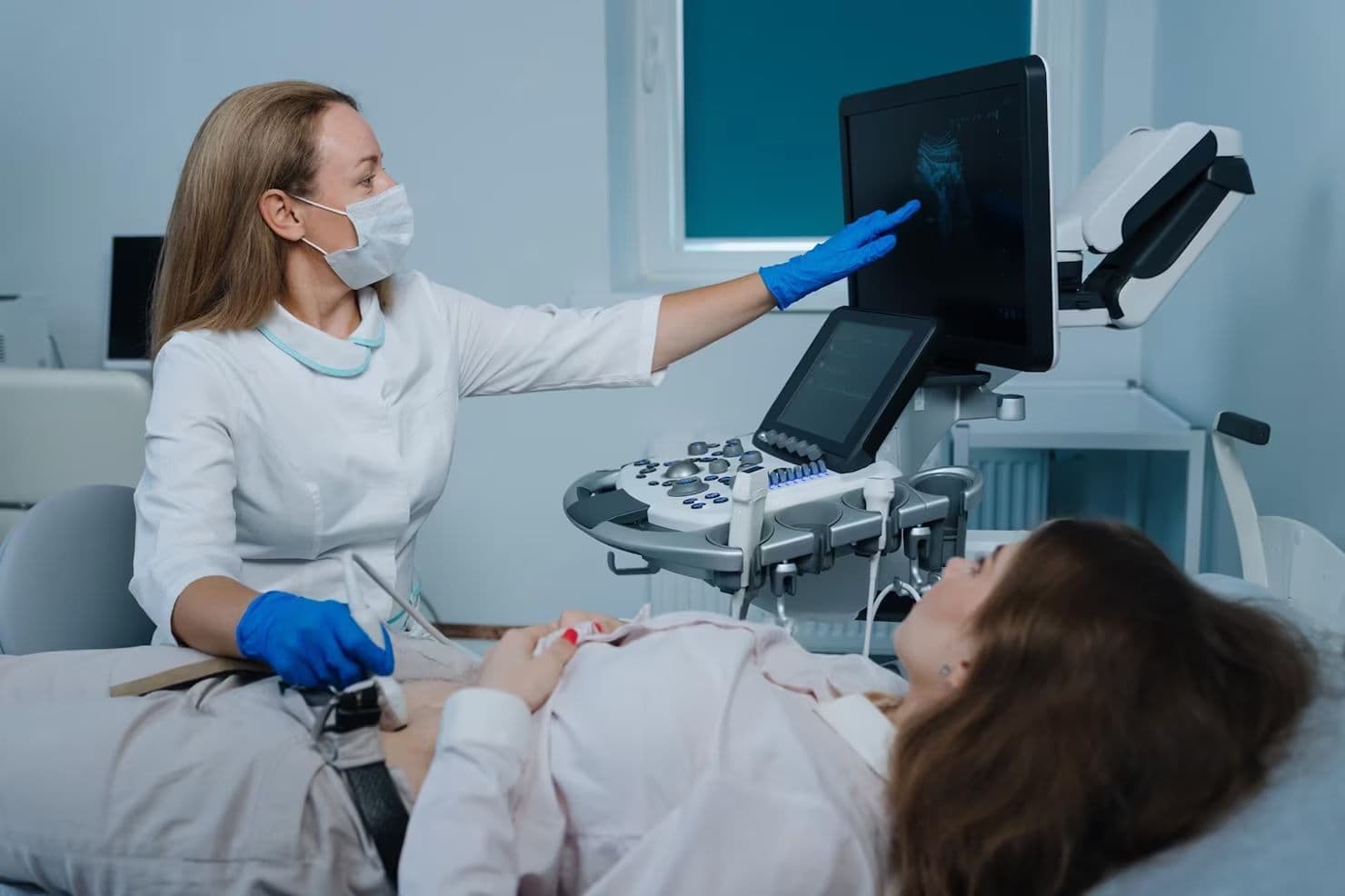
Ultrasound Mapping: Using real-time ultrasound is the standard of care to identify the largest, safest pocket of fluid while avoiding the bowel, bladder, and blood vessels.
Local Anesthesia: The skin and the deeper track to the fluid are numbed with a local anesthetic; patients generally feel a sharp "pinch" followed by a sensation of pressure.
Needle Insertion: A thin needle or a specialized flexible catheter is inserted through the abdominal wall.
Fluid Drainage: For therapeutic taps, the fluid is drained into vacuum-sealed bottles. The color—ranging from straw-colored to cloudy or bloody—provides immediate clues to the diagnosis.
Albumin Infusion: If more than 5 liters are removed, an IV of albumin is administered to keep the blood pressure stable and protect the kidneys.
Wound Closure: The needle is removed, and firm pressure is applied for several minutes before a small adhesive bandage is placed over the site.
Innovations in Ascites Management
Indwelling Peritoneal CathetersFor patients requiring frequent taps, a semi-permanent soft tube can be placed, allowing for fluid drainage at home without repeated needle punctures.
Automated Low-Flow Pumps (Alfapump)A small, internally implanted device that automatically moves ascites fluid from the abdomen into the bladder to be eliminated naturally through urination.
Point-of-Care Fluid AnalyzersHandheld devices that provide an immediate white blood cell count of the fluid at the bedside, allowing for the instant diagnosis of infection.
Bio-Resorbable Hemostatic PlugsSmall plugs inserted into the needle track that dissolve naturally, preventing the common "leakage" of fluid after the procedure.
High-Flow Vacuum SystemsNewer drainage bottles and tubing that allow for the safe removal of 10+ liters of fluid in significantly less time than traditional gravity-fed systems.
Pre-Procedure Preparation
Bladder Preparation: Patients are asked to empty their bladder immediately before the procedure to minimize the risk of an accidental puncture.
Vital Sign Baseline: Recording blood pressure and heart rate to compare against post-procedure levels.
Medication Check: Reviewing recent use of blood thinners, though many liver patients can safely undergo the procedure even with abnormal clotting numbers.
Consent and Positioning: Discussing the risks and benefits; patients usually remain lying flat or slightly tilted to the side where the fluid has pooled.
Diagnostic and Safety Monitoring
Post-Paracentesis Hypotension Watch: Monitoring for a drop in blood pressure that can occur after the sudden "shift" of fluids in the body.
The "Leaking" Site: Observing the puncture for several minutes to ensure that abdominal fluid is not continuing to drain through the skin.
Renal Function Tracking: Ensuring that large-volume fluid removal does not cause temporary stress on the kidneys.
Fluid Culture: Sending samples to the lab in specialized blood-culture bottles to ensure even low levels of bacteria are detected.
Why This Treatment Is Highly Effective
Instant Symptom Relief: Unlike medications which take days to work, paracentesis provides a "mechanical" solution that works in minutes.
Prevents Emergencies: By diagnosing infection early, it allows for the immediate start of life-saving antibiotics.
High Safety Profile: With modern ultrasound guidance, the risk of serious injury to internal organs is extremely low (less than 1%).
Minimally Invasive: It is an outpatient procedure that requires no general anesthesia and no large surgical incisions.
Recovery and Aftercare
Immediate Rest: Patients may be asked to lie on their opposite side for 1 to 2 hours to help the puncture site seal naturally.
Bandage Care: Keeping the small bandage dry and clean for 24 hours; most sites heal completely within a day.
Hydration and Salt: Patients are often reminded to stick to their "low-sodium" diet to prevent the fluid from returning rapidly.
Monitoring for Fever: Contacting the medical team if a fever, severe abdominal pain, or significant redness at the site develops.
Life After Paracentesis
Immediate improvement in breathing, appetite, and physical comfort.
A clear diagnostic path based on the chemical and cellular analysis of the fluid.
Improved effectiveness of diuretic medications once the "bulk" of the fluid has been removed.
Better quality of life through the management of chronic symptoms associated with liver or heart failure.
Peace of mind from knowing that any potential internal infections have been ruled out.