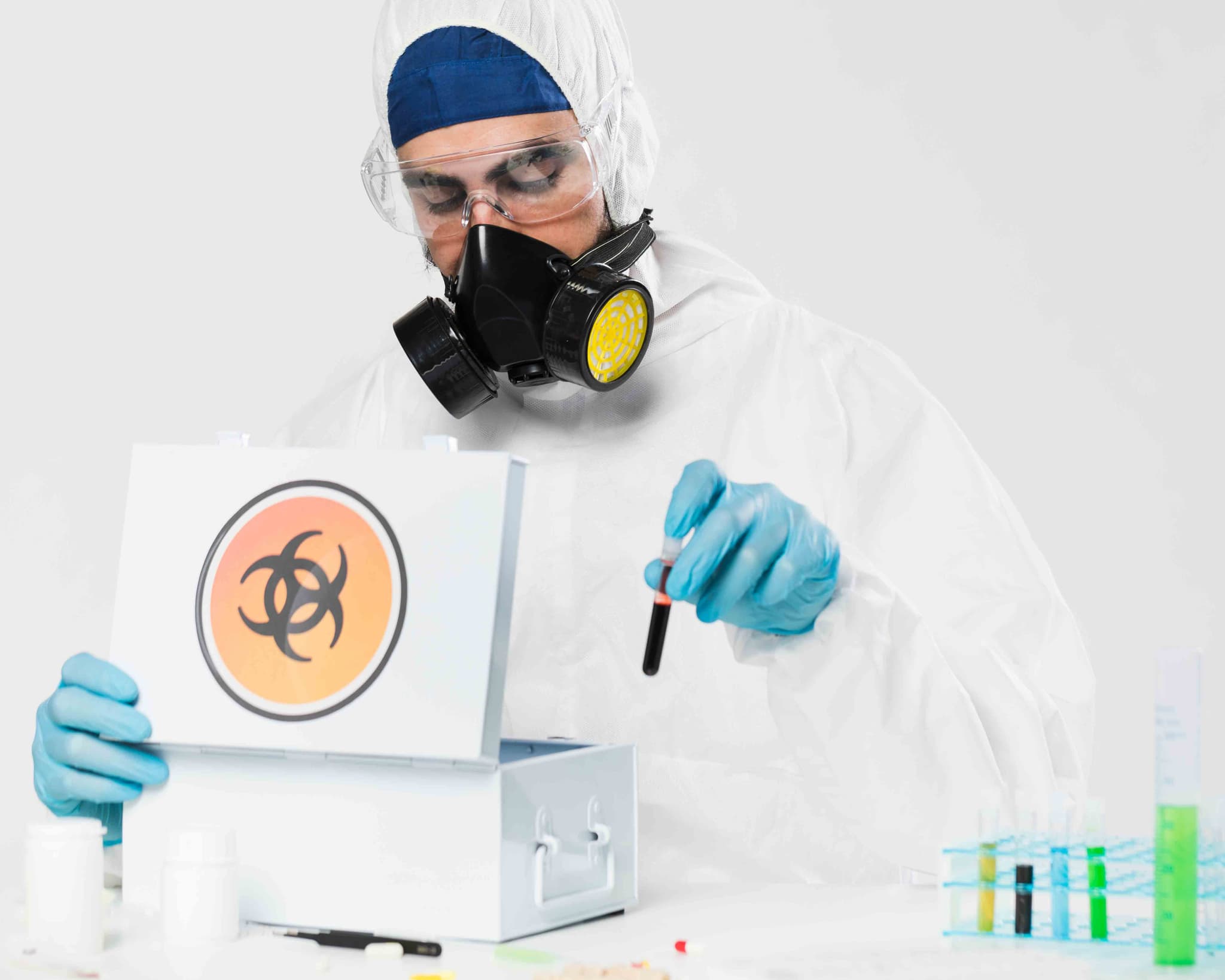
Radioactive Iodine Therapy
Radioactive Iodine (RAI) Therapy (I-131)
Radioactive Iodine (RAI) therapy, also known as I-131 therapy, is a targeted nuclear medicine treatment used primarily for overactive thyroid conditions (hyperthyroidism) and certain types of thyroid cancer. In 2026, it remains a gold standard for its ability to destroy thyroid tissue with surgical precision without the need for invasive procedures.
When You Should Consider RAI Therapy
To treat hyperthyroidism, specifically Graves' Disease, by shrinking the thyroid gland and reducing hormone production.
After a thyroidectomy (surgical removal of the thyroid) to eliminate any remaining microscopic cancer cells.
When seeking a non-invasive alternative to surgery for destroying diseased thyroid tissue.
If diseased thyroid tissue is located in areas that cannot be safely reached by a scalpel.
For targeted destruction of overactive thyroid cells while leaving other organs and tissues unaffected.
Methods of RAI Therapy
I-131 Absorption: Leveraging the thyroid's unique biological function to "trap" radioactive isotopes.
Targeted Beta Emission: The use of beta particles that travel only a few millimeters to destroy cells from within.
Capsule Administration: Delivery of the radioactive dose in a convenient, ingestible capsule form.
Liquid Administration: An alternative oral delivery method using a liquid radioactive solution.
Post-Surgical Ablation: Using RAI specifically to "mop up" remaining tissue after a primary cancer surgery.
How RAI Therapy Is Performed
Ingestion: The patient swallows the radioactive I-131 dose in either capsule or liquid form.
Trapping: The thyroid gland actively absorbs and concentrates the iodine from the bloodstream.
Localized Radiation: The emitted radiation destroys the targeted thyroid or cancer cells over several days.
Monitoring: The procedure is typically outpatient, with a brief period of monitoring before the patient is sent home.
Systemic Clearance: Excess iodine that is not absorbed by the thyroid is naturally flushed out through urine.
Pre-Procedure Preparation
Follow a strict Low-Iodine Diet for 1 to 2 weeks to "starve" the thyroid and maximize iodine uptake.
Temporarily stop certain medications or thyroid hormones to raise Thyroid Stimulating Hormone (TSH) levels.
Confirm that the patient is not pregnant or breastfeeding, as the therapy is strictly prohibited in these cases.
Arrange for a separate sleeping area and minimal contact with others for the immediate post-treatment period.
Discuss hydration strategies to help flush excess radiation from the system after the dose is taken.
Tests Before RAI Therapy
Thyroid Function Tests: To measure current hormone levels and determine the appropriate I-131 dosage.
Pregnancy Test: A mandatory test for women of childbearing age to ensure safety.
Thyroid Scan/Uptake Test: To evaluate how efficiently the gland is currently absorbing iodine.
TSH Level Check: To ensure TSH is sufficiently high to encourage maximum absorption of the treatment dose.
Life After RAI Therapy
Follow strict isolation protocols for 3 to 7 days, avoiding close contact with children and pregnant women.
Practice enhanced hygiene, such as flushing the toilet twice and using separate towels and utensils.
Drink plenty of fluids to assist the body in eliminating excess radioactive material.
Monitor for short-term effects like neck tenderness, metallic taste, or swelling of the salivary glands.
Manage the common long-term transition to hypothyroidism with a daily thyroid hormone supplement (Levothyroxine).
Wait 6 to 12 months before attempting pregnancy to ensure radiation has fully cleared the system.
Benefits of RAI Therapy
Achieves surgical-level precision in destroying thyroid tissue without an actual incision.
Provides a highly targeted treatment that spares the rest of the body from significant radiation exposure.
Offers a high success rate for curing hyperthyroidism and preventing thyroid cancer recurrence.
Performed as a simple outpatient procedure without the need for general anesthesia.
Effectively treats microscopic disease that may be invisible to the naked eye during surgery.