Medivisor India Treatment Logo
  • Home
              • Become a Partner

              +91 83407 80250

              Medivisor Logo

              Medivisor India Treatment is a trusted New Delhi–based medical travel partner connecting global patients to advanced, affordable, high-quality healthcare in India.

              • Medivisor House 359, Sector 1, Vaishali, Ghaziabad, (Delhi/NCR) India
              • +91 8340 780 250
              • info@medivisorhealth.com

              About Us

              • About Us
              • Our Services
              • Our Team
              • Our Medical Advisors
              • Our Safety Measures
              • Join Our Network
              • Contact Us

              India Treatment

              • Hospitals
              • Treatments
              • Treatment Cost
              • Treatment Process
              • Visa Process
              • Travel Guide
              • FAQs
              • Why Medivisor

              Gallery

              • Patient Testimonials
              • Patient Activities
              • News Coverage
              • Blog

              Get in Touch

              © 2026 Medivisor India Treatment. All rights reserved.

              Dr. Dr. Kanika Sood Sharma

              Dr. Kanika Sood Sharma

              Clinical Lead & Director - Radiotherapy

              18+ years experience

              MBBS; MD (Radiotherapy)
              1. Home
              2. Doctors
              3. Dr. Kanika Sood Sharma

              About Dr. Kanika Sood Sharma

              Dr. Kanika is a highly distinguished Radiation Oncologist with over 18 years of extensive experience spanning both the public and private healthcare sectors. A gold medalist during her MBBS, she has built a career defined by clinical excellence and the early adoption of groundbreaking medical technologies. Her expertise is centered on providing high-precision radiation therapy while maintaining a strong focus on preventive oncology and patient-centric care.

              Dr. Kanika is recognized globally for her pioneering work in the field of advanced radiotherapy. She led the global introduction of Total Body Irradiation (TBI) using the innovative Halcyon Linac platform. This technological milestone has significantly refined the delivery of radiation for patients requiring bone marrow transplants, offering enhanced precision, shorter treatment times, and improved safety protocols compared to traditional methods.

              National Leadership in Medical Education

              As a dedicated academician, Dr. Kanika has been a formal DNB (Diplomate of National Board) teacher since 2017. Her commitment to mentoring the next generation of oncologists earned her the prestigious "Rising Star Award" in the young teacher’s category. Her role as an educator ensures that emerging medical professionals are trained in the latest evidence-based practices and sophisticated radiotherapy techniques.

              Advancing the Future of High-Tech Radiotherapy

              Beyond her work with TBI, Dr. Kanika specializes in integrating cutting-edge technology into routine clinical practice. Her focus on "technology-led oncology" allows for more effective targeting of tumors while minimizing damage to surrounding healthy tissues. Her dual expertise in preventive oncology and advanced radiation delivery positions her as a leader in the comprehensive management of complex solid tumors and hematological malignancies.

              Innovation and Clinical Expertise

              Dr. Kanika’s clinical repertoire encompasses the most advanced forms of radiation treatment, including IMRT, IGRT, and SBRT. Her background in both the public and private sectors has provided her with a unique perspective on scaling high-quality cancer care to a diverse patient population. By combining her research-driven approach with a passion for clinical innovation, she remains at the forefront of the evolving landscape of radiation oncology in India.

              Dr. Kanika at a Glance

              • Over 18 years of expertise in Radiation Oncology and Preventive Oncology.

              • Global pioneer in Total Body Irradiation (TBI) using the Halcyon Linac.

              • Award-winning academician and DNB teacher (Recipient of the Rising Star Award).

              • MBBS Gold Medalist with a focus on integrating cutting-edge cancer technology.

              • Expert in high-precision radiotherapy for complex solid and liquid tumors.

              • Recognized leader in both clinical innovation and medical mentorship.

              MBBS; MD (Radiotherapy)
              Specialization: Clinical Lead & Director - Radiotherapy

              No awards & achievements available

              Affiliated Hospitals

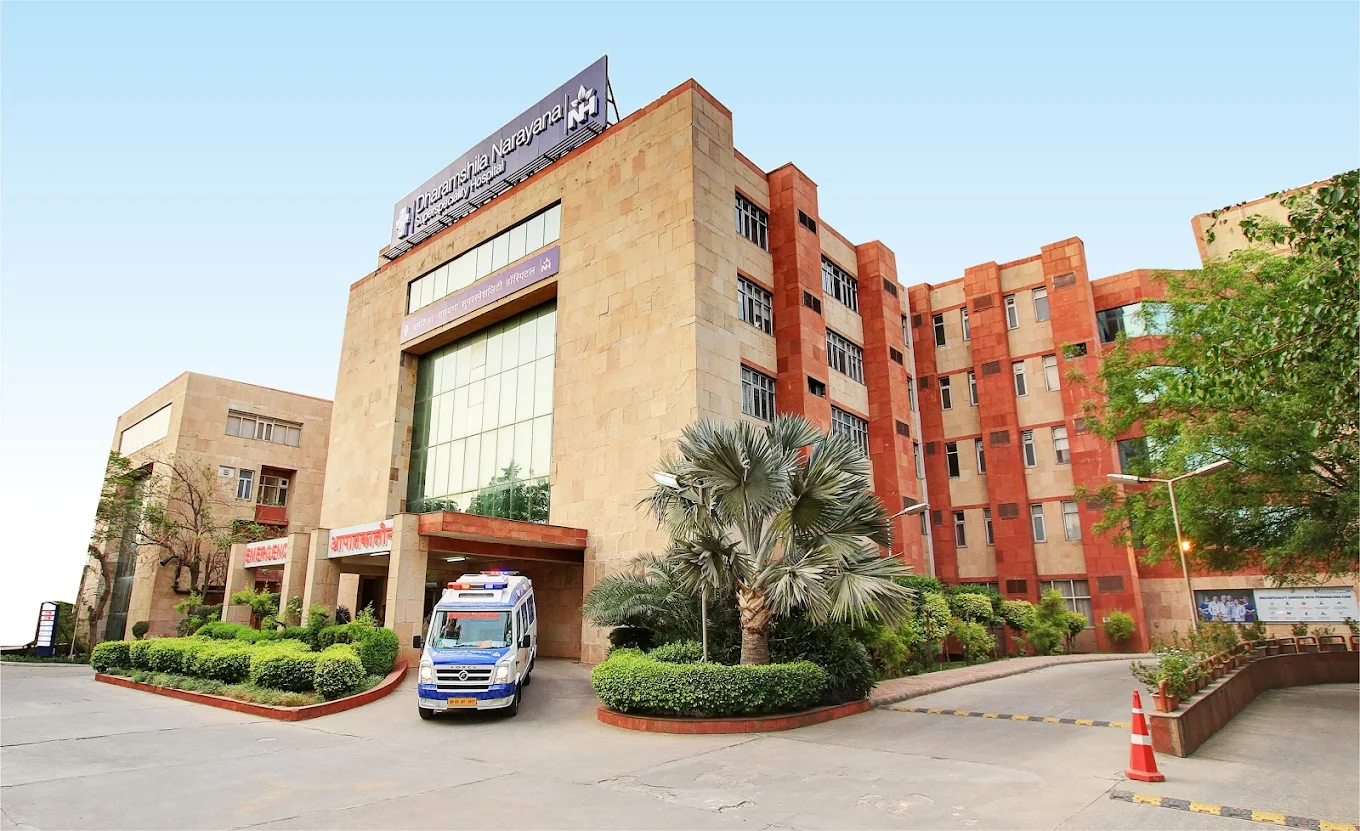
              Dharamshila Narayana Superspecialty Hospital
              Dharamshila Narayana Superspecialty Hospital

              Multi Specialty

              New Delhi, Delhi NCR

              1994

              Estd.

              350+

              Beds

              225+

              Doctors

              May we help you?

              Enter digits only (6-15 digits). We'll add your country code.

              May we help you?

              Enter digits only (6-15 digits). We'll add your country code.

              Related Treatments

              Kidney Cancer Treatment
              Kidney Cancer Treatment

              Kidney Cancer Treatment Kidney cancer treatment involves a range of specialized medical and surgical interventions designed to eliminate malignant growths within the renal system. Modern clinical focus is centered on nephron-sparing techniques and precision immunotherapy, aiming to remove tumors while preserving maximum kidney function and preventing the systemic spread of Renal Cell Carcinoma (RCC). When You Should Consider Screening Hematuria: The appearance of blood in the urine, which may look pink, red, or cola-colored. Persistent Flank Pain: Pain or pressure in the side or lower back that is not related to an injury. Abdominal Mass: The discovery of a palpable lump or mass in the side or abdominal area during a physical exam. Unexplained Weight Loss: A sudden drop in weight accompanied by a persistent loss of appetite. Chronic Fatigue: A general feeling of malaise or exhaustion that does not improve with rest. Recurrent Fevers: Fevers that are not associated with a cold, flu, or other common viral infections. Conditions That Require Specialized Care Renal Cell Carcinoma (RCC): The most common form of kidney cancer, affecting the primary filtration cells of the kidney. Histological Subtypes: Clear cell, papillary, or chromophobe renal malignancies, each requiring a tailored drug and surgical approach. Hereditary Syndromes: Genetic conditions like Von Hippel-Landau (VHL) disease that can cause multiple tumors in both kidneys. Small Renal Masses (SRMs): Tumors under 4 cm that require specialized characterization to avoid unnecessary major surgery. Advanced Metastatic Disease: Kidney cancer that has spread beyond the primary site to the lungs, bones, or brain. Types Of Kidney Cancer Treatment Partial Nephrectomy: A nephron-sparing surgery that removes only the tumor and a small margin of healthy tissue, preserving the rest of the kidney's function. Radical Nephrectomy: The surgical removal of the entire kidney, often including the adrenal gland and nearby lymph nodes if the cancer is extensive. Immuno-Oncology (IO) Combination: The use of drug duos (such as Nivolumab and Ipilimumab) to stimulate a powerful immune response against cancer cells. Targeted Therapy: Precision medicines designed to treat specific growth signals, such as drugs used for VHL-associated tumors. Thermal Ablation (Cryo/RFA): Minimally invasive techniques that use extreme cold or heat to "freeze" or "burn" small tumors in patients who cannot undergo surgery. Adjuvant Immunotherapy: Post-surgical treatment used to reduce the risk of the cancer returning in patients considered to be at high risk for recurrence. How Is Performed Precision Imaging: Specialized PET/CT imaging is utilized to distinguish between benign masses and malignant Renal Cell Carcinoma. Histology Confirmation: If needed, a percutaneous (through the skin) biopsy may be conducted to identify the specific subtype of the tumor. Robotic Surgery: Surgeons perform nephrectomies using robotic-assisted platforms to ensure maximum precision and smaller incisions. Systemic Infusions: For advanced cases, combination immunotherapy infusions are administered in cycles to target cancer cells throughout the body. Renal Monitoring: Ongoing monitoring of kidney function (creatinine levels) and blood pressure is maintained throughout the entire treatment process. Staging Verification: Re-staging scans are performed after the primary intervention to ensure no microscopic disease remains. Pre-Procedure Preparation Renal Reserve Evaluation: Testing the function of the unaffected kidney to ensure it can handle the body's filtration needs after the surgery. Blood Pressure Optimization: Adjusting medications as directed, as kidney surgery and certain therapies can significantly impact blood pressure regulation. Nutritional Mapping: Adhering to specific dietary guidelines to support the body’s ability to filter waste and heal after a renal procedure. Surgical Roadmarking: Completing high-resolution 3D diagnostic mapping to provide the surgeon with a clear view of the complex renal blood vessels. Recovery Logistics: Arranging for a period of rest following treatment that limits strenuous physical activity to protect the healing kidney. Tests Before Kidney Cancer Treatment PET/CT Scan: A diagnostic standard for accurately characterizing renal masses and identifying clear cell RCC. Multiphasic CT or MRI: To determine the exact relationship between the tumor and the renal veins and arteries. Glomerular Filtration Rate (GFR): A critical test to assess the current efficiency of the kidneys' filtration system. Metabolic Panel: Comprehensive blood work to monitor for signs of anemia, hypercalcemia, or electrolyte imbalances. Urinalysis: To check for the presence of microscopic blood cells and assess the overall health of the urinary tract. Life After Kidney Cancer Treatment Regular Surveillance: Routine imaging and blood tests every few months for the first several years to monitor the remaining kidney tissue. Kidney-Healthy Lifestyle: Maintaining a balanced, often low-sodium diet and ensuring proper hydration to reduce the load on the kidneys. Chronic Disease Management: Strict management of blood pressure and diabetes, as these are the leading causes of additional renal stress. Toxin Avoidance: Permanent avoidance of smoking and environmental toxins known to irritate or damage the renal system. Specialized Follow-up: Consistent consultations with both a nephrologist and an oncologist to ensure long-term wellness and organ function. Benefits Of Kidney Cancer Treatment High Survival Rates: Localized cases achieve high survival rates through early detection and precise robotic surgery. Targeted Success: Specific agents are used to manage hereditary cancers with significantly higher success than traditional chemotherapy. Preserving Function: Prioritizing nephron-sparing approaches helps many patients avoid the long-term need for dialysis. Durable Responses: Advanced combination immunotherapies can lead to long-term remission, even in some metastatic cases. Rapid Recovery: Robotic-assisted minimally invasive technology helps reduce hospital stays and physical trauma to the body.

              Breast Cancer Treatment
              Breast Cancer Treatment

              Breast Cancer Treatment Breast Cancer Treatment involves a multidisciplinary approach to identify and eliminate abnormal cell growth within the breast tissue. Modern oncology focuses on precision medicine to target tumors in the milk ducts or lobules, aiming to restore physical health, maintain aesthetics, and prevent the spread of cancer cells to other parts of the body. When You Should Consider Screening Discovery of a new lump or thickened tissue in the breast or underarm area. Visible changes in the size, shape, or symmetry of the breast. Skin abnormalities such as dimpling, redness, or a texture resembling orange peel. Nipple inversion or persistent pain in the nipple area. Spontaneous discharge other than breast milk. Persistent swelling or localized discomfort that does not correlate with the menstrual cycle. Conditions That Require Specialized Care HR-Positive breast cancer fueled by estrogen or progesterone hormones. HER2-Positive or HER2-Low cancers with specific protein over-expression. Triple-Negative Breast Cancer (TNBC) requiring aggressive systemic intervention. Inflammatory Breast Cancer characterized by rapid skin changes and swelling. Metastatic conditions where cells have migrated to the lymph nodes or distant organs. How Breast Cancer Treatment Is Performed Advanced imaging and biopsy are used to determine the tumor’s molecular profile. Surgical intervention is performed to remove the tumor while preserving as much healthy tissue as possible. Targeted drug therapies are administered to interrupt specific growth signals of cancer cells. Systematic treatment like immunotherapy is used to enhance the body's natural defenses. Precision radiation is applied to the affected area to eliminate any microscopic remnants. Ongoing monitoring and hormonal therapy are utilized to prevent future recurrence. Types of Breast Cancer Treatment Lumpectomy (Breast-Conserving Surgery) The surgical removal of the tumor and a small margin of surrounding healthy tissue. Mastectomy The removal of the entire breast tissue, often accompanied by immediate oncoplastic reconstruction. Antibody-Drug Conjugates (ADCs) Advanced "smart" chemotherapy that delivers medication directly to the cancer cells to minimize side effects. Targeted Therapy Medications designed to attack specific genetic mutations or proteins like HER2 or ESR1. Immunotherapy Treatment that assists the immune system in identifying and destroying aggressive cancer cells. Precision Radiation Therapy High-energy beams focused on the tumor site using shortened, highly effective schedules. Pre-Surgery Preparation Discuss surgical options and reconstruction preferences with the oncoplastic team. Undergo a complete physical evaluation to ensure readiness for anesthesia. Follow specific instructions regarding the cessation of certain medications or supplements. Arrange for post-operative support and home care during the initial recovery phase. Complete all pre-treatment mapping and diagnostic scans as scheduled. Pre-Surgery Tests Diagnostic Mammography to provide detailed views of the breast tissue. Breast MRI for high-resolution imaging of the tumor's extent and location. Ultrasound-guided biopsy to determine the specific molecular subtype of the cancer. Blood chemistry panels including tumor markers and organ function tests. Genetic testing to identify inherited mutations that may influence treatment choices. Why Specialized Treatment Is Highly Effective Utilizes real-time biomarkers to match patients with the most effective medications. Minimizes damage to healthy cells through the use of targeted delivery systems. Offers high survival rates through early detection and rapid intervention. Integrates aesthetic considerations with life-saving surgical procedures. Provides a personalized roadmap to recovery based on the unique biology of the tumor. Recovery After Treatment Specialized post-operative care to manage incision sites and physical comfort. Early physical therapy to maintain range of motion in the arm and shoulder. Transition from hospital care to home recovery within the recommended timeframe. Gradual return to daily activities guided by the clinical oncology team. Scheduled follow-up visits to monitor healing and long-term wellness. Life After Breast Cancer Treatment Regular surveillance through imaging to ensure continued remission. Adherence to long-term hormonal or maintenance therapies as prescribed. Participation in nutritional and lifestyle programs to support overall health. Engagement with survivor support networks for emotional and psychological well-being. Consistent physical activity to improve energy levels and metabolic health.

              External Beam Radiation Therapy
              External Beam Radiation Therapy

              Bone and Soft Tissue Tumor Surgery Surgery for bone and soft tissue tumors (primarily sarcomas) is a highly specialized field where the goal is to remove the cancer completely while preserving as much physical function and appearance as possible. Because these tumors often grow near major nerves, blood vessels, and joints, the surgery requires meticulous planning. The standard of care involves using 3D-printed models and computer-assisted navigation to achieve precise "clear margins" while sparing the limb. When You Should Consider Sarcoma Surgery Primary Bone Cancer: For malignancies such as osteosarcoma, Ewing sarcoma, or chondrosarcoma. Soft Tissue Sarcoma: When a cancerous mass is identified in the muscle, fat, nerves, or connective tissues (e.g., liposarcoma or synovial sarcoma). Benign but Aggressive Tumors: For non-cancerous growths like Giant Cell Tumors (GCT) that can destroy local bone if not removed. Metastatic Bone Disease: When cancer from another organ (like the lung or breast) has spread to a bone and threatens to cause a fracture. Recurrent Tumors: When a previously treated tumor returns in the same anatomical compartment. Types of Surgical Margins The "margin" is the area of healthy tissue removed along with the tumor. Surgeons use specific classifications to define how much tissue to take: Intralesional (Curettage): The tumor is scraped out from the inside. This is generally used only for benign (non-cancerous) bone tumors. Marginal Excision: The tumor is removed exactly at its edge (pseudocapsule). This is often used for benign soft tissue tumors like lipomas. Wide Excision: The tumor is removed with a continuous "cuff" of healthy tissue surrounding it. This is the standard of care for malignant tumors (sarcomas) to ensure no microscopic cells are left behind. Radical Resection: Removal of the entire anatomical compartment (the whole bone or muscle group) containing the tumor. Advanced Reconstruction Techniques Once a tumor is removed, the resulting gap must be rebuilt to restore strength and mobility: Biological Reconstruction: Uses the body's own ability to heal. Allograft: Uses donated bone from a bone bank to act as a scaffold. Autograft: Uses the patient's own bone, such as the fibula (calf bone), often moved with its blood vessels intact. Mechanical Reconstruction: Uses artificial megaprostheses (large metal implants) to replace joints or long sections of bone. These allow for immediate weight-bearing. Distraction Osteogenesis: Using devices like the Ilizarov fixator to slowly "grow" new bone to fill a gap. Specialized Procedures for Children Because children's bones are still growing, surgery requires unique solutions to prevent leg-length discrepancies: Expandable Prostheses: Metal implants that can be lengthened non-invasively using magnets as the child grows to keep the legs equal in length. Rotationplasty: A specialized procedure where the middle of the leg is removed, and the lower leg is rotated 180° and reattached to the thigh. The ankle then functions as a knee joint. Growth Plate Sparing: Advanced 3D navigation allows surgeons to remove tumors while saving the natural growth plates whenever possible. [Image showing an expandable "growing" prosthesis for a pediatric patient] How Is Performed Anesthesia: Performed under general anesthesia. Advanced nerve blocks are often used to provide long-term pain relief to the limb. Computer-Assisted Navigation: Surgeons use "GPS for surgery" to follow a pre-planned 3D map, ensuring they cut exactly where the cancer ends and healthy bone begins. Multidisciplinary Collaboration: If the tumor involves major blood vessels or leaves a large skin defect, vascular and plastic surgeons work simultaneously to perform bypasses or skin flaps. 3D-Printed Cutting Guides: Custom-made templates are placed on the bone during surgery to guide the saw blade with sub-millimeter precision. Intraoperative Imaging: Using O-arm or C-arm technology to verify the placement of implants and the completeness of the resection before the patient leaves the OR. Pre-Procedure Preparation Tumor Board Review: Your case is reviewed by a team of radiologists, pathologists, and oncologists to determine the best sequence of treatment. 3D Virtual Planning: Surgeons use MRI/CT scans to create a virtual 3D model of your limb to practice the surgery before the actual procedure. Physical Therapy Baseline: Establishing a baseline for your limb's strength and range of motion to guide your post-operative recovery. Nutritional Optimization: Ensuring high protein intake to support the extensive bone and tissue healing required. "Pre-hab" Exercise: Strengthening the healthy limbs to prepare for the period of restricted weight-bearing on the operated side. Tests Before Bone and Soft Tissue Tumor Surgery High-Resolution MRI: The most critical test for visualizing the tumor's relationship to muscles, nerves, and blood vessels. Systemic CT Scan: To rule out "skip lesions" or spread to the lungs, which is common with certain sarcomas. PET-CT Scan: To identify any other areas of metabolic activity that might indicate the cancer has moved elsewhere. Core Needle Biopsy: To confirm the exact grade and type of the sarcoma, which dictates how wide the surgical margins must be. Angiography: To map out the blood supply of the limb, especially if a vascularized bone graft (autograft) is planned. Life After Sarcoma Surgery (Recovery & Risks) Hospital Stay: Typically 5 to 10 days depending on the complexity of the reconstruction and the level of pain management needed. Rehabilitation: This is the most critical phase. Physical therapy usually begins within 24–48 hours and can continue for 6 to 12 months. Weight-Bearing Rules: Depending on the type of bone graft or prosthesis, you may need to use crutches or a walker for 3 to 6 months while the bone heals. Mechanical Wear: Over many years, metal megaprostheses can wear out or loosen, potentially requiring a revision surgery. Infection Monitoring: Large implants and pre-operative chemotherapy can increase the risk of infection, requiring long-term monitoring. Why Specialized Treatment Is Highly Effective Limb Salvage Success: Over 90% of sarcoma patients can have their limbs saved rather than amputated, with no loss in survival rates. Precise Margin Control: Advanced 3D navigation has significantly lowered the risk of local recurrence by ensuring no microscopic cells are missed. Functional Recovery: Modern megaprostheses and biological grafts allow many patients to return to walking, swimming, and an active lifestyle. Growth Management: Expandable technology ensures that children can reach their full height without the need for multiple major open surgeries. Integrated Care: When surgery is combined with modern immunotherapy and targeted radiation, the long-term cure rates for sarcomas are higher than ever before.

              Internal Radiation (Brachytherapy)
              Internal Radiation (Brachytherapy)

              Internal Radiation Internal radiation, also known as brachytherapy, is a specialized cancer treatment where radioactive material is placed directly inside or very close to a tumor. This allows doctors to deliver a much higher, more concentrated dose of radiation to the cancer cells while significantly reducing the exposure to nearby healthy organs. Real-time Image-Guided Brachytherapy (IGBT) using MRI has become a primary standard for achieving this level of precision. When You Should Consider Brachytherapy Cervical or Uterine Cancer: Often used after external radiation to provide a "boost" dose directly to the cervix or vaginal cuff. Prostate Cancer: For localized disease, either as a standalone treatment using permanent seeds or as a high-dose temporary boost. Breast Cancer: Following a lumpectomy, to provide Accelerated Partial Breast Irradiation (APBI) in a shorter timeframe than traditional radiation. Skin Cancer: For certain non-melanoma skin cancers on the face or nose where surgery might cause significant scarring. Head and Neck Cancer: For tumors of the tongue, lip, or floor of the mouth that require a localized, intense dose. Types of Brachytherapy HDR (High-Dose Rate): A high-strength radioactive source is pulsed into the body through a catheter for about 10 to 20 minutes and then completely removed. LDR (Low-Dose Rate): Radioactive "seeds" are permanently or temporarily implanted, releasing radiation slowly over several days or months. PDR (Pulsed-Dose Rate): A hybrid approach where radiation is delivered in short pulses every hour, typically over one or more days in a hospital setting. Permanent Seed Implants: Common in prostate cancer; tiny seeds (the size of a grain of rice) are left in the body and become inactive over time. Temporary Brachytherapy: The radioactive source (such as ribbons or wires) is removed from the body once the treatment session or hospital stay is complete. How Is Performed Anesthesia: Depending on the site, the procedure is performed under local, spinal, or general anesthesia (common for gynecologic or prostate cases). Applicator Placement: Doctors use catheters, needles, or specialized applicators (such as tandem and ovoid) to create a pathway to the tumor. Image Guidance: Real-time ultrasound, CT, or MRI is used to ensure the applicators are positioned with sub-millimeter accuracy. Afterloading: A computerized machine (the afterloader) sends the radioactive source into the applicators for the precise duration calculated by the physics team. Source Retraction: Once the treatment is finished, the source is safely retracted back into the shielded machine, leaving no radiation in the patient (for HDR). Pre-Procedure Preparation Imaging Workup: A high-resolution MRI or CT scan to measure the exact volume of the tumor and its proximity to organs like the bladder or rectum. Bowel Preparation: Following a liquid diet or using an enema if the treatment area is near the pelvis to ensure clear imaging. Fasting (NPO): Adhering to strict fasting protocols if the procedure requires general or spinal anesthesia. Medication Review: Stopping blood thinners or anti-inflammatory drugs several days before the needle or catheter insertion. Baseline Symptom Check: Documenting current urinary or bowel habits to monitor for any changes following the procedure. Tests Before Brachytherapy Pelvic or Transrectal Ultrasound: To map the anatomy and determine the number of needles or seeds required for the specific site. Cardiac/Respiratory Clearance: A chest X-ray and EKG to ensure the heart and lungs are healthy enough for anesthesia. Coagulation Profile (PT/INR): To ensure the blood clots normally before any needles are inserted into the tissue. Urinalysis: To rule out any active urinary tract infections before performing prostate or gynecologic brachytherapy. Kidney Function (Creatinine): Assessed especially if contrast dye will be used during the planning CT scan. Life After Brachytherapy (Recovery & Safety) Radiation Safety: For HDR, you are not radioactive and can be around others immediately. For permanent seeds, you may need to avoid close contact with children or pregnant women for a few weeks. Localized Soreness: Expect mild swelling, bruising, or tenderness at the insertion site for 2 to 5 days. Urinary/Bowel Changes: Temporary urgency or frequency may occur if the treatment area was located near the bladder or rectum. Tissue Health: For gynecologic cases, using a vaginal dilator or prescribed creams may be recommended to prevent narrowing (stenosis) and maintain health. Activity Resumption: Most patients return to their normal daily routines within a few days once the initial soreness fades. Why Specialized Treatment Is Highly Effective Maximized Dose: Delivers a "lethal" dose to the tumor that is significantly higher than what can be safely achieved with external beams alone. Extreme Precision: Because the source is inside the tumor, the radiation dose drops off rapidly, sparing healthy tissues just millimeters away. Shorter Treatment Times: Some HDR protocols allow a full course of radiation to be completed in just 1 to 5 days instead of several weeks. Organ Preservation: Provides an alternative to major surgery for certain cancers, preserving the function of the breast, prostate, or tongue. Adaptive Planning: Modern 3D/4D planning allows doctors to adjust the dose in real-time based on the exact shape of the tumor on the day of treatment.

              Lung & Thoracic Cancer Surgery
              Lung & Thoracic Cancer Surgery

              Lung and Thoracic Cancer Surgery Lung and Thoracic Cancer Surgery involves the surgical removal of tumours from the lungs, chest wall, or the mediastinum (the space between the lungs). The primary goal is to achieve an "R0 resection," meaning the entire tumour is removed with clear, cancer-free margins. Clinical standards favor minimally invasive approaches like VATS and RATS to preserve respiratory function and accelerate recovery. When You Should Consider Thoracic Surgery Early-Stage NSCLC: For Non-Small Cell Lung Cancer (Stage I or II) where surgery offers the highest chance of a permanent cure. Solitary Pulmonary Nodules: When a suspicious "spot" on the lung is growing or has high-risk features on a PET-CT. Mediastinal Tumours: Malignancies located in the center of the chest, such as thymomas or germ cell tumours. Metastatic "Oligometastases": When cancer from another organ (like the kidney or colon) has spread only to a limited area of the lung. Chest Wall Involvement: When a lung tumour has invaded the ribs, requiring a combined resection and reconstruction. Types of Lung Resections Wedge Resection: Removal of a small, pie-shaped piece of lung; reserved for very small peripheral tumours or patients with limited lung capacity. Segmentectomy: Removal of a specific functional segment. This 2026 standard preserves more healthy tissue than a lobectomy for early-stage "ground-glass" opacities. Lobectomy: The "gold standard" for most lung cancers. One of the five lobes (three right, two left) is removed entirely to capture all local lymph drainage. Pneumonectomy: Removal of an entire lung; only performed for centrally located tumours involving the main bronchus. Sleeve Resection: A lung-sparing alternative to pneumonectomy where a section of the bronchus is removed and the healthy ends are sewn back together. Surgical Approaches RATS (Robotic-Assisted Thoracic Surgery): The 2026 preferred method for complex dissections. It provides 3D visualization and extreme precision for removing lymph nodes in the narrow mediastinum. VATS (Video-Assisted Thoracoscopic Surgery): A minimally invasive approach using 2–3 small incisions (1–3 cm). It results in significantly less pain and faster return to activity. Thoracotomy (Open Surgery): A larger incision on the side of the chest where ribs are spread; necessary for very large tumours or those involving major heart vessels. Mediastinoscopy: A small incision at the base of the neck used to biopsy lymph nodes and confirm the cancer hasn't spread before a major resection. Pleurodesis: A procedure for fluid buildup (effusion) where a sterile agent is used to make the lung stick to the chest wall, preventing fluid return. How Thoracic Surgery Is Performed Anaesthesia: Performed under general anaesthesia, typically using a "double-lumen" tube to deflate the lung being operated on. Nodal Staging: Regardless of resection type, surgeons perform a mandatory lymphadenectomy to check for microscopic spread. Airlock Testing: Before closing, the lung is reinflated under water to check for bubbles, ensuring the surgical site is airtight. Chest Tube Placement: One or two tubes are placed in the pleural space to drain air and fluid, allowing the lung to remain fully expanded during healing. Pathologic Staging: The removed tissue is analyzed to determine if "adjuvant" chemotherapy or immunotherapy is needed post-surgery. Pre-Surgery Preparation PFT/Spirometry: Completing a Pulmonary Function Test to ensure the remaining lung tissue can support your breathing needs after surgery. Smoking Cessation: Adhering to a strict "zero-tobacco" policy for at least 4 weeks prior to surgery to reduce the risk of post-operative pneumonia. Incentive Spirometry: Training with a breathing exercise device to strengthen respiratory muscles before the procedure. Cardiac Risk Stratification: Undergoing an EKG or Echo to ensure the heart can handle the circulatory changes of thoracic surgery. Nutritional Optimization: A high-protein diet to ensure the pleura (lung lining) heals quickly and prevents prolonged air leaks. Pre-Surgery Tests High-Resolution CT (Chest): To map the tumour's exact location in relation to the pulmonary arteries and veins. PET-CT Scan: To rule out any metabolic activity in other parts of the body, ensuring the surgery remains a curative option. Quantitative V/Q Scan: In borderline cases, this determines exactly how much "work" each lobe of your lung is doing. EBUS (Endobronchial Ultrasound): A specialized internal ultrasound used to biopsy lymph nodes near the windpipe before the main surgery. Liquid Biopsy: 2026 protocols may include a blood test to check for circulating tumour DNA (ctDNA) as a baseline for recovery. Life After Lung Surgery (Recovery & Risks) Chest Tube Management: Tubes are usually removed within 2–4 days once the "air leak" has stopped and drainage is minimal. AFib Monitoring: Irregular heart rhythms occur in 10–20% of patients due to inflammation near the heart; this is typically temporary. Early Mobilization: You will be encouraged to sit up and walk within 24 hours to prevent blood clots and help the lung expand. Subcutaneous Emphysema: A "crackling" sensation under the skin if air traps there; it is harmless and usually resolves on its own. Long-Term Breathlessness: Most patients return to normal activity in 4–8 weeks, though heavy aerobic exercise may feel different depending on the amount of lung removed. Why Specialized Treatment Is Highly Effective Robotic Precision: RATS allows for more thorough lymph node removal than traditional surgery, leading to more accurate staging and treatment. Lung-Sparing Techniques: 2026 advancements in segmentectomy and sleeve resections allow for cancer removal while saving as much healthy lung as possible. Enhanced Recovery (ERAS): Specialized thoracic protocols significantly reduce the need for heavy narcotics, allowing for faster mental and physical recovery. Curative Foundation: Surgery remains the single most effective way to eliminate early-stage lung cancer and prevent future spread.

              Thyroid Cancer Treatment
              Thyroid Cancer Treatment

              Thyroid Cancer Treatment Thyroid cancer treatment is highly successful, with a cure rate exceeding 90% for the most common types. Unlike many other cancers, it often relies on a combination of surgery and radioactive isotopes rather than traditional chemotherapy. Modern protocols are increasingly conservative, with "active surveillance" or partial surgery being used for small, low-risk tumors to preserve natural hormone function. When You Should Consider Screening or Treatment Painless Lump: A noticeable nodule or swelling in the front of the neck, often near the Adam's apple. Voice Changes: Increasing hoarseness or breathiness that does not resolve within a few weeks. Dysphagia: Difficulty swallowing or a persistent "lump in the throat" sensation. Persistent Cough: A chronic cough that is not caused by a cold or respiratory infection. Neck Pain: Pain that starts in the front of the neck and sometimes radiates up toward the ears. Family History: If you have a known genetic predisposition, such as the RET gene mutation (common in Medullary Thyroid Cancer). Surgical Procedures (Primary Treatment) Hemithyroidectomy (Lobectomy): Removal of only one of the two thyroid lobes. This is a common preference for small, low-risk tumors to avoid lifelong medication. Total Thyroidectomy: Removal of the entire gland; the standard for larger tumors or high-risk variants like Papillary or Follicular cancer. Neck Dissection: If the cancer has reached the lymph nodes, the surgeon removes them during the same operation to prevent further spread. Robotic/Endoscopic Thyroidectomy: Minimally invasive techniques that can sometimes be performed through the armpit or mouth to avoid a visible neck scar. Radioactive Iodine (RAI) Therapy Targeted Internal Radiation: Used after surgery to destroy any remaining microscopic thyroid cells or cancer that has spread elsewhere. How it Works: Since thyroid cells specifically absorb iodine, patients swallow a pill (I-131) that kills those cells specifically, sparing the rest of the body. Preparation: Patients follow a low-iodine diet for 1–2 weeks and receive Thyrogen injections to make any remaining cancer cells "hungry" for the radioactive dose. Isolation Protocols: Because you temporarily become a radiation source, you must follow strict isolation (usually 3–5 days) to protect family members and pets. How Is Performed Diagnostic Mapping: Ultrasound and Fine Needle Aspiration (FNA) are used to confirm the cancer type and map the tumor's size. Anesthesia: Surgery is performed under general anesthesia, typically lasting 2 to 4 hours. Nerve Monitoring: Surgeons use specialized equipment to monitor the laryngeal nerves during surgery to protect your voice. Hormone Replacement: Following a total thyroidectomy, you will start a daily dose of Levothyroxine (T4) to replace the missing hormones. Suppression Therapy: Doctors prescribe a hormone dose to keep TSH (Thyroid Stimulating Hormone) levels very low, which helps prevent any dormant cancer cells from being stimulated to grow. Pre-Procedure Preparation Voice Assessment: A baseline check of your vocal cord function is often conducted by an ENT specialist. Calcium Management: Your surgeon may check your parathyroid function, as these tiny glands (which control calcium) sit right behind the thyroid. Medication Review: Stopping any blood thinners or supplements that could increase bleeding risk during the neck surgery. Fasting (NPO): Standard instructions starting at midnight before the operation to ensure safety during anesthesia. Low-Iodine Planning: If RAI is scheduled, start familiarizing yourself with iodine-free recipes (avoiding iodized salt, dairy, and seafood). Tests Before Thyroid Cancer Treatment Neck Ultrasound: The primary tool for determining the exact size of the tumor and whether lymph nodes look suspicious. Fine Needle Aspiration (FNA): A biopsy where a thin needle collects cells to determine if the tumor is Papillary, Follicular, or Medullary. Thyroid Function Tests (TFTs): Blood tests to measure T3, T4, and TSH levels before the gland is altered. CT/MRI Scan: Occasionally used for advanced cases to see if the tumor is invading the esophagus or windpipe. Molecular Testing: Biopsies are often sent for mutation testing (like BRAF or TERT) to predict how aggressive the cancer might be. Life After Thyroid Cancer Treatment Lifelong Medication: If the entire thyroid was removed, you will take a small pill every morning on an empty stomach for the rest of your life. Tumor Marker (Tg) Monitoring: You will have regular Thyroglobulin (Tg) blood tests. Since only thyroid tissue makes this protein, a rising level acts as an early warning system. Periodic Scans: Neck ultrasounds every 6–12 months to ensure the "bed" of the thyroid remains clear of any recurrence. Calcium Supplements: Some patients may need temporary calcium and Vitamin D if the parathyroid glands were "stunned" during surgery. Energy Management: It can take a few months to find your perfect hormone dose; communicate any fatigue or heart palpitations to your doctor. Benefits Of Thyroid Cancer Treatment Exceptionally High Cure Rate: Most common thyroid cancers have a 10-year survival rate near 95–98%. Targeted Radiation: RAI therapy provides a way to treat metastatic disease with much less toxicity than standard chemotherapy. Preservation of Function: Current protocols allow many patients to keep half their thyroid, potentially avoiding the need for lifelong medication. Minimal Disruption: Most patients return to work and normal activity within 2 weeks of surgery. Precision Monitoring: The Thyroglobulin test provides one of the most accurate early detection systems in all of oncology.

              Cervical Cancer Treatment
              Cervical Cancer Treatment

              Cervical Cancer Treatment Cervical Cancer Treatment refers to a comprehensive range of medical and surgical protocols aimed at eliminating malignant cells within the tissues of the cervix. The focus is on highly precise interventions that target tumors while prioritizing the preservation of reproductive health. Advanced immunotherapies and Antibody-Drug Conjugates (ADCs) are now standard for managing advanced cases, ensuring long-term remission and the prevention of recurrence. When You Should Consider Screening Abnormal Bleeding: Unusual vaginal bleeding occurring between menstrual periods or specifically after intercourse. Postmenopausal Bleeding: Any vaginal bleeding that begins after the onset of menopause. Unusual Discharge: Persistent vaginal discharge that may have an unusual color, consistency, or odor. Pelvic or Back Pain: Chronic pelvic discomfort or unexplained pain in the lower back region. Dyspareunia: Pain or discomfort experienced during sexual activity. Systemic Signs: General fatigue or persistent swelling in the lower extremities (legs). Conditions That Require Specialized Care Squamous Cell Carcinoma: Affecting the thin, flat cells lining the outer part of the cervix (most common type). Adenocarcinoma: Originating in the glandular cells of the cervical canal that produce mucus. Recurrent Cervical Cancer: Cancer that has returned after an initial period of successful remission. Metastatic Disease: Advanced cancer that has spread to the pelvic lymph nodes or distant organs like the lungs or liver. High-Risk Precancerous Lesions (CIN III): Lesions that require immediate removal to prevent them from turning into invasive malignancy. Types of Cervical Cancer Treatment Radical Trachelectomy: A specialized fertility-sparing surgery that removes the cervix and upper vagina while leaving the uterus intact, allowing for future pregnancy. Hysterectomy: The surgical removal of the uterus and cervix; used for cases where fertility preservation is not a priority or the cancer is more advanced. Antibody-Drug Conjugates (ADCs): Precision medications like Tisotumab Vedotin that deliver potent treatment directly to tumor proteins. Immunotherapy: The use of checkpoint inhibitors (like Pembrolizumab) to help the immune system recognize and eliminate HPV-related cancer cells. Brachytherapy (Internal Radiation): A procedure where radioactive material is placed directly into the cervix for high-dose, localized treatment. Concurrent Chemoradiation: The strategic combination of chemotherapy and radiation given together to maximize the "kill rate" of cancer cells. [Image showing the process of Brachytherapy with a radiation source placed near the cervix] How Is Performed Diagnostic Mapping: Primary HPV DNA testing and specialized pelvic imaging are completed to determine the tumor's exact boundaries. Surgical Intervention: Depending on the stage, surgeons remove either the lesion (Cone Biopsy), the cervix (Trachelectomy), or the entire reproductive structure. Targeted Delivery: If the cancer is advanced, ADCs or targeted drugs are administered via IV to seek out specific markers on the cancer cells. Radiation Application: High-precision external beams or internal "seeds" are used to destroy cells in the pelvic area while sparing the bladder and bowel. Immune Stimulation: Systematic immunotherapy is used to "unmask" HPV-driven cells so the body's natural defenses can attack them. Surveillance: Rigorous follow-up including co-testing (Pap + HPV) is conducted to monitor cellular health. Pre-Procedure Preparation Fertility Consultation: Discuss long-term goals regarding reproductive health; options like egg freezing may be considered. Physical Optimization: Follow recommended guidelines for nutrition and light activity to ensure the body is prepared for anesthesia. Medication/Fasting Audit: Adhere to strict fasting (NPO) protocols and stop any blood-thinning supplements as directed. Recovery Logistics: Arrange for a supportive home environment and a caregiver to assist during the initial 2-week healing phase. Multidisciplinary Review: Ensure the case has been reviewed by a specialized team, including surgeons, radiation oncologists, and pathologists. Tests Before Cervical Cancer Treatment Primary HPV DNA Test: To identify the specific high-risk strain of the virus driving the cellular changes. Colposcopy & Biopsy: A microscopic exam of the cervix with a targeted tissue sample to confirm the depth of the cancer. Pelvic MRI: The standard for determining if the cancer has affected surrounding ligaments or moved toward the vaginal wall. PET-CT Scan: To check for any increased metabolic activity in the lymph nodes or distant organs. Renal & Immune Panels: Comprehensive blood work to ensure the kidneys can handle contrast dyes and the immune system is prepared for treatment. Life After Cervical Cancer Treatment Rigorous Follow-up: Adherence to a schedule involving regular HPV testing and physical exams every 3–6 months for the first few years. Lifestyle Shifts: Commitment to a healthy lifestyle, including absolute smoking cessation, as smoking significantly increases the risk of recurrence. Pelvic Health: Engagement with pelvic floor physical therapy to manage any changes in bladder, bowel, or sexual function. Family Prevention: Continued education for family members regarding the benefits of the HPV vaccine. Emotional Wellness: Participation in support programs to manage the psychological impact of a cancer diagnosis and potential fertility changes. Why Specialized Treatment Is Highly Effective Root Cause Targeting: Addresses the underlying HPV-driven changes rather than just treating the tumor surface. Fertility Preservation: Modern surgical pathways prioritize keeping the uterus intact for young women whenever oncologically safe. Reduced Toxicity: Targeted ADCs and precision radiation reduce the "collateral damage" to healthy pelvic organs like the bladder. Prevention Standards: Benefit from standardized protocols designed to achieve high cure rates and prevent recurrence. Individualized Care: Every treatment plan is biologically mapped to the specific genetic profile of the tumor.

              Uterine Cancer Treatment
              Uterine Cancer Treatment

              Uterine Cancer Treatment Uterine cancer (also known as womb cancer) is primarily divided into endometrial cancer, which starts in the uterine lining, and the rarer, more aggressive uterine sarcoma, which starts in the muscle or connective tissue. Treatment protocols are highly individualized based on molecular testing, with a strong emphasis on minimally invasive surgery and targeted immunotherapies for advanced cases. When You Should Consider Screening or Treatment Abnormal Bleeding: Any vaginal bleeding, spotting, or discharge after menopause is the most significant warning sign. Irregular Periods: Unusually heavy bleeding or bleeding between periods in those who have not reached menopause. Pelvic Pain: Persistent pain or pressure in the pelvic region that does not resolve. Urinary Changes: Difficulty or pain during urination, or the presence of a persistent pelvic mass. Dyspareunia: Pain or discomfort experienced during sexual intercourse. Systemic Signs: Unintentional weight loss or persistent fatigue associated with pelvic symptoms. Surgical Procedures Total Hysterectomy: The most common surgery, involving the removal of the entire uterus and cervix; often performed robotically. Bilateral Salpingo-Oophorectomy (BSO): Removal of both ovaries and fallopian tubes to prevent recurrence, as ovaries produce estrogen that can fuel tumor growth. Sentinel Lymph Node (SLN) Mapping: A precise technique using fluorescent dye to identify and remove only the first few "gatekeeper" lymph nodes. Lymphadenectomy: More extensive removal of pelvic and para-aortic lymph nodes if cancer spread is suspected. Radical Hysterectomy: Required if cancer has reached the cervix; includes removal of the uterus, cervix, parametrium, and upper vagina. Radiation Therapy Vaginal Brachytherapy (Internal): A radioactive source is placed inside a cylinder and inserted into the vagina for short, highly localized sessions. External Beam Radiation (EBRT): A machine directs X-rays at the pelvic area, typically scheduled daily for 4 to 6 weeks. IMRT: A specialized radiation therapy that shapes beams to the tumor, sparing the bladder and bowel from unnecessary exposure. Proton Therapy: Used in specific high-risk cases to further reduce the "exit dose" of radiation to surrounding healthy tissue. Systemic Medical Therapies Chemotherapy: IV drug combinations like Carboplatin and Paclitaxel used for high-grade or metastatic disease. Hormone Therapy: Uses progestins to block estrogen receptors, often used for low-grade tumors in patients wishing to preserve fertility. Immunotherapy: Drugs like Pembrolizumab or Dostarlimab that help the immune system attack cancer, especially in specific genetic profiles. Targeted Therapy: Medications such as Lenvatinib that block the blood supply to tumors, often paired with immunotherapy for a dual attack. Pre-Procedure Preparation Molecular Profiling: Testing the tumor biopsy for specific markers to determine if immunotherapy will be more effective than chemo. Imaging Workup: Completing an MRI or CT scan to check the depth of "myometrial invasion" (how deep the cancer has grown into the muscle). Physical Optimization: Engaging in light activity to improve cardiovascular health before the abdominal procedure. Bowel Prep: Following specific liquid diets or bowel cleansing instructions if required by the surgical team. Fertility Discussion: For younger patients, discussing hormonal sparing options or egg freezing before a hysterectomy. Tests Before Uterine Cancer Treatment Endometrial Biopsy: To confirm the type and grade of the cancer (Endometrioid vs. Serous vs. Sarcoma). Transvaginal Ultrasound: To measure the thickness of the uterine lining and check the condition of the ovaries. Chest X-ray or CT: To ensure the cancer has not migrated to the lungs or upper abdomen. CA-125 Blood Test: While not always definitive, it can help track treatment response in certain advanced types. Complete Blood Count (CBC): To check for anemia, which is common in patients experiencing heavy vaginal bleeding. Life After Uterine Cancer Treatment Menopause Management: If ovaries were removed, you may experience hot flashes; non-hormonal management strategies are often prioritized. Lymphedema Vigilance: Monitoring for swelling in the legs if pelvic lymph nodes were removed; early physical therapy is key. Vaginal Health: Using specialized moisturizers or dilators if radiation therapy caused narrowing or dryness of the vaginal canal. Surveillance Schedule: Regular pelvic exams and scans every 3–6 months for the first 2 years to ensure the surgical site remains clear. Support Systems: Connecting with survivorship programs to manage the emotional impact of a hysterectomy and changes in body image. Why Specialized Treatment Is Highly Effective High Cure Rates: Most Stage I endometrial cancers have a 5-year survival rate exceeding 90%. Fertility Sparing: Modern protocols may allow progestin-only therapy for very early cases in young women who wish to preserve fertility. Precision Mapping: Sentinel node mapping reduces the risk of permanent leg swelling (lymphedema) by over 50%. Targeted Success: Immunotherapy has significantly improved survival times for patients with specific genetic markers. Rapid Recovery: Minimally invasive robotic surgery often allows patients to return home within 24–48 hours.

              Kidney Cancer Treatment
              Kidney Cancer Treatment

              Kidney Cancer Treatment Kidney cancer treatment involves a range of specialized medical and surgical interventions designed to eliminate malignant growths within the renal system. Modern clinical focus is centered on nephron-sparing techniques and precision immunotherapy, aiming to remove tumors while preserving maximum kidney function and preventing the systemic spread of Renal Cell Carcinoma (RCC). When You Should Consider Screening Hematuria: The appearance of blood in the urine, which may look pink, red, or cola-colored. Persistent Flank Pain: Pain or pressure in the side or lower back that is not related to an injury. Abdominal Mass: The discovery of a palpable lump or mass in the side or abdominal area during a physical exam. Unexplained Weight Loss: A sudden drop in weight accompanied by a persistent loss of appetite. Chronic Fatigue: A general feeling of malaise or exhaustion that does not improve with rest. Recurrent Fevers: Fevers that are not associated with a cold, flu, or other common viral infections. Conditions That Require Specialized Care Renal Cell Carcinoma (RCC): The most common form of kidney cancer, affecting the primary filtration cells of the kidney. Histological Subtypes: Clear cell, papillary, or chromophobe renal malignancies, each requiring a tailored drug and surgical approach. Hereditary Syndromes: Genetic conditions like Von Hippel-Landau (VHL) disease that can cause multiple tumors in both kidneys. Small Renal Masses (SRMs): Tumors under 4 cm that require specialized characterization to avoid unnecessary major surgery. Advanced Metastatic Disease: Kidney cancer that has spread beyond the primary site to the lungs, bones, or brain. Types Of Kidney Cancer Treatment Partial Nephrectomy: A nephron-sparing surgery that removes only the tumor and a small margin of healthy tissue, preserving the rest of the kidney's function. Radical Nephrectomy: The surgical removal of the entire kidney, often including the adrenal gland and nearby lymph nodes if the cancer is extensive. Immuno-Oncology (IO) Combination: The use of drug duos (such as Nivolumab and Ipilimumab) to stimulate a powerful immune response against cancer cells. Targeted Therapy: Precision medicines designed to treat specific growth signals, such as drugs used for VHL-associated tumors. Thermal Ablation (Cryo/RFA): Minimally invasive techniques that use extreme cold or heat to "freeze" or "burn" small tumors in patients who cannot undergo surgery. Adjuvant Immunotherapy: Post-surgical treatment used to reduce the risk of the cancer returning in patients considered to be at high risk for recurrence. How Is Performed Precision Imaging: Specialized PET/CT imaging is utilized to distinguish between benign masses and malignant Renal Cell Carcinoma. Histology Confirmation: If needed, a percutaneous (through the skin) biopsy may be conducted to identify the specific subtype of the tumor. Robotic Surgery: Surgeons perform nephrectomies using robotic-assisted platforms to ensure maximum precision and smaller incisions. Systemic Infusions: For advanced cases, combination immunotherapy infusions are administered in cycles to target cancer cells throughout the body. Renal Monitoring: Ongoing monitoring of kidney function (creatinine levels) and blood pressure is maintained throughout the entire treatment process. Staging Verification: Re-staging scans are performed after the primary intervention to ensure no microscopic disease remains. Pre-Procedure Preparation Renal Reserve Evaluation: Testing the function of the unaffected kidney to ensure it can handle the body's filtration needs after the surgery. Blood Pressure Optimization: Adjusting medications as directed, as kidney surgery and certain therapies can significantly impact blood pressure regulation. Nutritional Mapping: Adhering to specific dietary guidelines to support the body’s ability to filter waste and heal after a renal procedure. Surgical Roadmarking: Completing high-resolution 3D diagnostic mapping to provide the surgeon with a clear view of the complex renal blood vessels. Recovery Logistics: Arranging for a period of rest following treatment that limits strenuous physical activity to protect the healing kidney. Tests Before Kidney Cancer Treatment PET/CT Scan: A diagnostic standard for accurately characterizing renal masses and identifying clear cell RCC. Multiphasic CT or MRI: To determine the exact relationship between the tumor and the renal veins and arteries. Glomerular Filtration Rate (GFR): A critical test to assess the current efficiency of the kidneys' filtration system. Metabolic Panel: Comprehensive blood work to monitor for signs of anemia, hypercalcemia, or electrolyte imbalances. Urinalysis: To check for the presence of microscopic blood cells and assess the overall health of the urinary tract. Life After Kidney Cancer Treatment Regular Surveillance: Routine imaging and blood tests every few months for the first several years to monitor the remaining kidney tissue. Kidney-Healthy Lifestyle: Maintaining a balanced, often low-sodium diet and ensuring proper hydration to reduce the load on the kidneys. Chronic Disease Management: Strict management of blood pressure and diabetes, as these are the leading causes of additional renal stress. Toxin Avoidance: Permanent avoidance of smoking and environmental toxins known to irritate or damage the renal system. Specialized Follow-up: Consistent consultations with both a nephrologist and an oncologist to ensure long-term wellness and organ function. Benefits Of Kidney Cancer Treatment High Survival Rates: Localized cases achieve high survival rates through early detection and precise robotic surgery. Targeted Success: Specific agents are used to manage hereditary cancers with significantly higher success than traditional chemotherapy. Preserving Function: Prioritizing nephron-sparing approaches helps many patients avoid the long-term need for dialysis. Durable Responses: Advanced combination immunotherapies can lead to long-term remission, even in some metastatic cases. Rapid Recovery: Robotic-assisted minimally invasive technology helps reduce hospital stays and physical trauma to the body.

              Breast Cancer Treatment
              Breast Cancer Treatment

              Breast Cancer Treatment Breast Cancer Treatment involves a multidisciplinary approach to identify and eliminate abnormal cell growth within the breast tissue. Modern oncology focuses on precision medicine to target tumors in the milk ducts or lobules, aiming to restore physical health, maintain aesthetics, and prevent the spread of cancer cells to other parts of the body. When You Should Consider Screening Discovery of a new lump or thickened tissue in the breast or underarm area. Visible changes in the size, shape, or symmetry of the breast. Skin abnormalities such as dimpling, redness, or a texture resembling orange peel. Nipple inversion or persistent pain in the nipple area. Spontaneous discharge other than breast milk. Persistent swelling or localized discomfort that does not correlate with the menstrual cycle. Conditions That Require Specialized Care HR-Positive breast cancer fueled by estrogen or progesterone hormones. HER2-Positive or HER2-Low cancers with specific protein over-expression. Triple-Negative Breast Cancer (TNBC) requiring aggressive systemic intervention. Inflammatory Breast Cancer characterized by rapid skin changes and swelling. Metastatic conditions where cells have migrated to the lymph nodes or distant organs. How Breast Cancer Treatment Is Performed Advanced imaging and biopsy are used to determine the tumor’s molecular profile. Surgical intervention is performed to remove the tumor while preserving as much healthy tissue as possible. Targeted drug therapies are administered to interrupt specific growth signals of cancer cells. Systematic treatment like immunotherapy is used to enhance the body's natural defenses. Precision radiation is applied to the affected area to eliminate any microscopic remnants. Ongoing monitoring and hormonal therapy are utilized to prevent future recurrence. Types of Breast Cancer Treatment Lumpectomy (Breast-Conserving Surgery) The surgical removal of the tumor and a small margin of surrounding healthy tissue. Mastectomy The removal of the entire breast tissue, often accompanied by immediate oncoplastic reconstruction. Antibody-Drug Conjugates (ADCs) Advanced "smart" chemotherapy that delivers medication directly to the cancer cells to minimize side effects. Targeted Therapy Medications designed to attack specific genetic mutations or proteins like HER2 or ESR1. Immunotherapy Treatment that assists the immune system in identifying and destroying aggressive cancer cells. Precision Radiation Therapy High-energy beams focused on the tumor site using shortened, highly effective schedules. Pre-Surgery Preparation Discuss surgical options and reconstruction preferences with the oncoplastic team. Undergo a complete physical evaluation to ensure readiness for anesthesia. Follow specific instructions regarding the cessation of certain medications or supplements. Arrange for post-operative support and home care during the initial recovery phase. Complete all pre-treatment mapping and diagnostic scans as scheduled. Pre-Surgery Tests Diagnostic Mammography to provide detailed views of the breast tissue. Breast MRI for high-resolution imaging of the tumor's extent and location. Ultrasound-guided biopsy to determine the specific molecular subtype of the cancer. Blood chemistry panels including tumor markers and organ function tests. Genetic testing to identify inherited mutations that may influence treatment choices. Why Specialized Treatment Is Highly Effective Utilizes real-time biomarkers to match patients with the most effective medications. Minimizes damage to healthy cells through the use of targeted delivery systems. Offers high survival rates through early detection and rapid intervention. Integrates aesthetic considerations with life-saving surgical procedures. Provides a personalized roadmap to recovery based on the unique biology of the tumor. Recovery After Treatment Specialized post-operative care to manage incision sites and physical comfort. Early physical therapy to maintain range of motion in the arm and shoulder. Transition from hospital care to home recovery within the recommended timeframe. Gradual return to daily activities guided by the clinical oncology team. Scheduled follow-up visits to monitor healing and long-term wellness. Life After Breast Cancer Treatment Regular surveillance through imaging to ensure continued remission. Adherence to long-term hormonal or maintenance therapies as prescribed. Participation in nutritional and lifestyle programs to support overall health. Engagement with survivor support networks for emotional and psychological well-being. Consistent physical activity to improve energy levels and metabolic health.

              External Beam Radiation Therapy
              External Beam Radiation Therapy

              Bone and Soft Tissue Tumor Surgery Surgery for bone and soft tissue tumors (primarily sarcomas) is a highly specialized field where the goal is to remove the cancer completely while preserving as much physical function and appearance as possible. Because these tumors often grow near major nerves, blood vessels, and joints, the surgery requires meticulous planning. The standard of care involves using 3D-printed models and computer-assisted navigation to achieve precise "clear margins" while sparing the limb. When You Should Consider Sarcoma Surgery Primary Bone Cancer: For malignancies such as osteosarcoma, Ewing sarcoma, or chondrosarcoma. Soft Tissue Sarcoma: When a cancerous mass is identified in the muscle, fat, nerves, or connective tissues (e.g., liposarcoma or synovial sarcoma). Benign but Aggressive Tumors: For non-cancerous growths like Giant Cell Tumors (GCT) that can destroy local bone if not removed. Metastatic Bone Disease: When cancer from another organ (like the lung or breast) has spread to a bone and threatens to cause a fracture. Recurrent Tumors: When a previously treated tumor returns in the same anatomical compartment. Types of Surgical Margins The "margin" is the area of healthy tissue removed along with the tumor. Surgeons use specific classifications to define how much tissue to take: Intralesional (Curettage): The tumor is scraped out from the inside. This is generally used only for benign (non-cancerous) bone tumors. Marginal Excision: The tumor is removed exactly at its edge (pseudocapsule). This is often used for benign soft tissue tumors like lipomas. Wide Excision: The tumor is removed with a continuous "cuff" of healthy tissue surrounding it. This is the standard of care for malignant tumors (sarcomas) to ensure no microscopic cells are left behind. Radical Resection: Removal of the entire anatomical compartment (the whole bone or muscle group) containing the tumor. Advanced Reconstruction Techniques Once a tumor is removed, the resulting gap must be rebuilt to restore strength and mobility: Biological Reconstruction: Uses the body's own ability to heal. Allograft: Uses donated bone from a bone bank to act as a scaffold. Autograft: Uses the patient's own bone, such as the fibula (calf bone), often moved with its blood vessels intact. Mechanical Reconstruction: Uses artificial megaprostheses (large metal implants) to replace joints or long sections of bone. These allow for immediate weight-bearing. Distraction Osteogenesis: Using devices like the Ilizarov fixator to slowly "grow" new bone to fill a gap. Specialized Procedures for Children Because children's bones are still growing, surgery requires unique solutions to prevent leg-length discrepancies: Expandable Prostheses: Metal implants that can be lengthened non-invasively using magnets as the child grows to keep the legs equal in length. Rotationplasty: A specialized procedure where the middle of the leg is removed, and the lower leg is rotated 180° and reattached to the thigh. The ankle then functions as a knee joint. Growth Plate Sparing: Advanced 3D navigation allows surgeons to remove tumors while saving the natural growth plates whenever possible. [Image showing an expandable "growing" prosthesis for a pediatric patient] How Is Performed Anesthesia: Performed under general anesthesia. Advanced nerve blocks are often used to provide long-term pain relief to the limb. Computer-Assisted Navigation: Surgeons use "GPS for surgery" to follow a pre-planned 3D map, ensuring they cut exactly where the cancer ends and healthy bone begins. Multidisciplinary Collaboration: If the tumor involves major blood vessels or leaves a large skin defect, vascular and plastic surgeons work simultaneously to perform bypasses or skin flaps. 3D-Printed Cutting Guides: Custom-made templates are placed on the bone during surgery to guide the saw blade with sub-millimeter precision. Intraoperative Imaging: Using O-arm or C-arm technology to verify the placement of implants and the completeness of the resection before the patient leaves the OR. Pre-Procedure Preparation Tumor Board Review: Your case is reviewed by a team of radiologists, pathologists, and oncologists to determine the best sequence of treatment. 3D Virtual Planning: Surgeons use MRI/CT scans to create a virtual 3D model of your limb to practice the surgery before the actual procedure. Physical Therapy Baseline: Establishing a baseline for your limb's strength and range of motion to guide your post-operative recovery. Nutritional Optimization: Ensuring high protein intake to support the extensive bone and tissue healing required. "Pre-hab" Exercise: Strengthening the healthy limbs to prepare for the period of restricted weight-bearing on the operated side. Tests Before Bone and Soft Tissue Tumor Surgery High-Resolution MRI: The most critical test for visualizing the tumor's relationship to muscles, nerves, and blood vessels. Systemic CT Scan: To rule out "skip lesions" or spread to the lungs, which is common with certain sarcomas. PET-CT Scan: To identify any other areas of metabolic activity that might indicate the cancer has moved elsewhere. Core Needle Biopsy: To confirm the exact grade and type of the sarcoma, which dictates how wide the surgical margins must be. Angiography: To map out the blood supply of the limb, especially if a vascularized bone graft (autograft) is planned. Life After Sarcoma Surgery (Recovery & Risks) Hospital Stay: Typically 5 to 10 days depending on the complexity of the reconstruction and the level of pain management needed. Rehabilitation: This is the most critical phase. Physical therapy usually begins within 24–48 hours and can continue for 6 to 12 months. Weight-Bearing Rules: Depending on the type of bone graft or prosthesis, you may need to use crutches or a walker for 3 to 6 months while the bone heals. Mechanical Wear: Over many years, metal megaprostheses can wear out or loosen, potentially requiring a revision surgery. Infection Monitoring: Large implants and pre-operative chemotherapy can increase the risk of infection, requiring long-term monitoring. Why Specialized Treatment Is Highly Effective Limb Salvage Success: Over 90% of sarcoma patients can have their limbs saved rather than amputated, with no loss in survival rates. Precise Margin Control: Advanced 3D navigation has significantly lowered the risk of local recurrence by ensuring no microscopic cells are missed. Functional Recovery: Modern megaprostheses and biological grafts allow many patients to return to walking, swimming, and an active lifestyle. Growth Management: Expandable technology ensures that children can reach their full height without the need for multiple major open surgeries. Integrated Care: When surgery is combined with modern immunotherapy and targeted radiation, the long-term cure rates for sarcomas are higher than ever before.

              Internal Radiation (Brachytherapy)
              Internal Radiation (Brachytherapy)

              Internal Radiation Internal radiation, also known as brachytherapy, is a specialized cancer treatment where radioactive material is placed directly inside or very close to a tumor. This allows doctors to deliver a much higher, more concentrated dose of radiation to the cancer cells while significantly reducing the exposure to nearby healthy organs. Real-time Image-Guided Brachytherapy (IGBT) using MRI has become a primary standard for achieving this level of precision. When You Should Consider Brachytherapy Cervical or Uterine Cancer: Often used after external radiation to provide a "boost" dose directly to the cervix or vaginal cuff. Prostate Cancer: For localized disease, either as a standalone treatment using permanent seeds or as a high-dose temporary boost. Breast Cancer: Following a lumpectomy, to provide Accelerated Partial Breast Irradiation (APBI) in a shorter timeframe than traditional radiation. Skin Cancer: For certain non-melanoma skin cancers on the face or nose where surgery might cause significant scarring. Head and Neck Cancer: For tumors of the tongue, lip, or floor of the mouth that require a localized, intense dose. Types of Brachytherapy HDR (High-Dose Rate): A high-strength radioactive source is pulsed into the body through a catheter for about 10 to 20 minutes and then completely removed. LDR (Low-Dose Rate): Radioactive "seeds" are permanently or temporarily implanted, releasing radiation slowly over several days or months. PDR (Pulsed-Dose Rate): A hybrid approach where radiation is delivered in short pulses every hour, typically over one or more days in a hospital setting. Permanent Seed Implants: Common in prostate cancer; tiny seeds (the size of a grain of rice) are left in the body and become inactive over time. Temporary Brachytherapy: The radioactive source (such as ribbons or wires) is removed from the body once the treatment session or hospital stay is complete. How Is Performed Anesthesia: Depending on the site, the procedure is performed under local, spinal, or general anesthesia (common for gynecologic or prostate cases). Applicator Placement: Doctors use catheters, needles, or specialized applicators (such as tandem and ovoid) to create a pathway to the tumor. Image Guidance: Real-time ultrasound, CT, or MRI is used to ensure the applicators are positioned with sub-millimeter accuracy. Afterloading: A computerized machine (the afterloader) sends the radioactive source into the applicators for the precise duration calculated by the physics team. Source Retraction: Once the treatment is finished, the source is safely retracted back into the shielded machine, leaving no radiation in the patient (for HDR). Pre-Procedure Preparation Imaging Workup: A high-resolution MRI or CT scan to measure the exact volume of the tumor and its proximity to organs like the bladder or rectum. Bowel Preparation: Following a liquid diet or using an enema if the treatment area is near the pelvis to ensure clear imaging. Fasting (NPO): Adhering to strict fasting protocols if the procedure requires general or spinal anesthesia. Medication Review: Stopping blood thinners or anti-inflammatory drugs several days before the needle or catheter insertion. Baseline Symptom Check: Documenting current urinary or bowel habits to monitor for any changes following the procedure. Tests Before Brachytherapy Pelvic or Transrectal Ultrasound: To map the anatomy and determine the number of needles or seeds required for the specific site. Cardiac/Respiratory Clearance: A chest X-ray and EKG to ensure the heart and lungs are healthy enough for anesthesia. Coagulation Profile (PT/INR): To ensure the blood clots normally before any needles are inserted into the tissue. Urinalysis: To rule out any active urinary tract infections before performing prostate or gynecologic brachytherapy. Kidney Function (Creatinine): Assessed especially if contrast dye will be used during the planning CT scan. Life After Brachytherapy (Recovery & Safety) Radiation Safety: For HDR, you are not radioactive and can be around others immediately. For permanent seeds, you may need to avoid close contact with children or pregnant women for a few weeks. Localized Soreness: Expect mild swelling, bruising, or tenderness at the insertion site for 2 to 5 days. Urinary/Bowel Changes: Temporary urgency or frequency may occur if the treatment area was located near the bladder or rectum. Tissue Health: For gynecologic cases, using a vaginal dilator or prescribed creams may be recommended to prevent narrowing (stenosis) and maintain health. Activity Resumption: Most patients return to their normal daily routines within a few days once the initial soreness fades. Why Specialized Treatment Is Highly Effective Maximized Dose: Delivers a "lethal" dose to the tumor that is significantly higher than what can be safely achieved with external beams alone. Extreme Precision: Because the source is inside the tumor, the radiation dose drops off rapidly, sparing healthy tissues just millimeters away. Shorter Treatment Times: Some HDR protocols allow a full course of radiation to be completed in just 1 to 5 days instead of several weeks. Organ Preservation: Provides an alternative to major surgery for certain cancers, preserving the function of the breast, prostate, or tongue. Adaptive Planning: Modern 3D/4D planning allows doctors to adjust the dose in real-time based on the exact shape of the tumor on the day of treatment.

              Lung & Thoracic Cancer Surgery
              Lung & Thoracic Cancer Surgery

              Lung and Thoracic Cancer Surgery Lung and Thoracic Cancer Surgery involves the surgical removal of tumours from the lungs, chest wall, or the mediastinum (the space between the lungs). The primary goal is to achieve an "R0 resection," meaning the entire tumour is removed with clear, cancer-free margins. Clinical standards favor minimally invasive approaches like VATS and RATS to preserve respiratory function and accelerate recovery. When You Should Consider Thoracic Surgery Early-Stage NSCLC: For Non-Small Cell Lung Cancer (Stage I or II) where surgery offers the highest chance of a permanent cure. Solitary Pulmonary Nodules: When a suspicious "spot" on the lung is growing or has high-risk features on a PET-CT. Mediastinal Tumours: Malignancies located in the center of the chest, such as thymomas or germ cell tumours. Metastatic "Oligometastases": When cancer from another organ (like the kidney or colon) has spread only to a limited area of the lung. Chest Wall Involvement: When a lung tumour has invaded the ribs, requiring a combined resection and reconstruction. Types of Lung Resections Wedge Resection: Removal of a small, pie-shaped piece of lung; reserved for very small peripheral tumours or patients with limited lung capacity. Segmentectomy: Removal of a specific functional segment. This 2026 standard preserves more healthy tissue than a lobectomy for early-stage "ground-glass" opacities. Lobectomy: The "gold standard" for most lung cancers. One of the five lobes (three right, two left) is removed entirely to capture all local lymph drainage. Pneumonectomy: Removal of an entire lung; only performed for centrally located tumours involving the main bronchus. Sleeve Resection: A lung-sparing alternative to pneumonectomy where a section of the bronchus is removed and the healthy ends are sewn back together. Surgical Approaches RATS (Robotic-Assisted Thoracic Surgery): The 2026 preferred method for complex dissections. It provides 3D visualization and extreme precision for removing lymph nodes in the narrow mediastinum. VATS (Video-Assisted Thoracoscopic Surgery): A minimally invasive approach using 2–3 small incisions (1–3 cm). It results in significantly less pain and faster return to activity. Thoracotomy (Open Surgery): A larger incision on the side of the chest where ribs are spread; necessary for very large tumours or those involving major heart vessels. Mediastinoscopy: A small incision at the base of the neck used to biopsy lymph nodes and confirm the cancer hasn't spread before a major resection. Pleurodesis: A procedure for fluid buildup (effusion) where a sterile agent is used to make the lung stick to the chest wall, preventing fluid return. How Thoracic Surgery Is Performed Anaesthesia: Performed under general anaesthesia, typically using a "double-lumen" tube to deflate the lung being operated on. Nodal Staging: Regardless of resection type, surgeons perform a mandatory lymphadenectomy to check for microscopic spread. Airlock Testing: Before closing, the lung is reinflated under water to check for bubbles, ensuring the surgical site is airtight. Chest Tube Placement: One or two tubes are placed in the pleural space to drain air and fluid, allowing the lung to remain fully expanded during healing. Pathologic Staging: The removed tissue is analyzed to determine if "adjuvant" chemotherapy or immunotherapy is needed post-surgery. Pre-Surgery Preparation PFT/Spirometry: Completing a Pulmonary Function Test to ensure the remaining lung tissue can support your breathing needs after surgery. Smoking Cessation: Adhering to a strict "zero-tobacco" policy for at least 4 weeks prior to surgery to reduce the risk of post-operative pneumonia. Incentive Spirometry: Training with a breathing exercise device to strengthen respiratory muscles before the procedure. Cardiac Risk Stratification: Undergoing an EKG or Echo to ensure the heart can handle the circulatory changes of thoracic surgery. Nutritional Optimization: A high-protein diet to ensure the pleura (lung lining) heals quickly and prevents prolonged air leaks. Pre-Surgery Tests High-Resolution CT (Chest): To map the tumour's exact location in relation to the pulmonary arteries and veins. PET-CT Scan: To rule out any metabolic activity in other parts of the body, ensuring the surgery remains a curative option. Quantitative V/Q Scan: In borderline cases, this determines exactly how much "work" each lobe of your lung is doing. EBUS (Endobronchial Ultrasound): A specialized internal ultrasound used to biopsy lymph nodes near the windpipe before the main surgery. Liquid Biopsy: 2026 protocols may include a blood test to check for circulating tumour DNA (ctDNA) as a baseline for recovery. Life After Lung Surgery (Recovery & Risks) Chest Tube Management: Tubes are usually removed within 2–4 days once the "air leak" has stopped and drainage is minimal. AFib Monitoring: Irregular heart rhythms occur in 10–20% of patients due to inflammation near the heart; this is typically temporary. Early Mobilization: You will be encouraged to sit up and walk within 24 hours to prevent blood clots and help the lung expand. Subcutaneous Emphysema: A "crackling" sensation under the skin if air traps there; it is harmless and usually resolves on its own. Long-Term Breathlessness: Most patients return to normal activity in 4–8 weeks, though heavy aerobic exercise may feel different depending on the amount of lung removed. Why Specialized Treatment Is Highly Effective Robotic Precision: RATS allows for more thorough lymph node removal than traditional surgery, leading to more accurate staging and treatment. Lung-Sparing Techniques: 2026 advancements in segmentectomy and sleeve resections allow for cancer removal while saving as much healthy lung as possible. Enhanced Recovery (ERAS): Specialized thoracic protocols significantly reduce the need for heavy narcotics, allowing for faster mental and physical recovery. Curative Foundation: Surgery remains the single most effective way to eliminate early-stage lung cancer and prevent future spread.

              Thyroid Cancer Treatment
              Thyroid Cancer Treatment

              Thyroid Cancer Treatment Thyroid cancer treatment is highly successful, with a cure rate exceeding 90% for the most common types. Unlike many other cancers, it often relies on a combination of surgery and radioactive isotopes rather than traditional chemotherapy. Modern protocols are increasingly conservative, with "active surveillance" or partial surgery being used for small, low-risk tumors to preserve natural hormone function. When You Should Consider Screening or Treatment Painless Lump: A noticeable nodule or swelling in the front of the neck, often near the Adam's apple. Voice Changes: Increasing hoarseness or breathiness that does not resolve within a few weeks. Dysphagia: Difficulty swallowing or a persistent "lump in the throat" sensation. Persistent Cough: A chronic cough that is not caused by a cold or respiratory infection. Neck Pain: Pain that starts in the front of the neck and sometimes radiates up toward the ears. Family History: If you have a known genetic predisposition, such as the RET gene mutation (common in Medullary Thyroid Cancer). Surgical Procedures (Primary Treatment) Hemithyroidectomy (Lobectomy): Removal of only one of the two thyroid lobes. This is a common preference for small, low-risk tumors to avoid lifelong medication. Total Thyroidectomy: Removal of the entire gland; the standard for larger tumors or high-risk variants like Papillary or Follicular cancer. Neck Dissection: If the cancer has reached the lymph nodes, the surgeon removes them during the same operation to prevent further spread. Robotic/Endoscopic Thyroidectomy: Minimally invasive techniques that can sometimes be performed through the armpit or mouth to avoid a visible neck scar. Radioactive Iodine (RAI) Therapy Targeted Internal Radiation: Used after surgery to destroy any remaining microscopic thyroid cells or cancer that has spread elsewhere. How it Works: Since thyroid cells specifically absorb iodine, patients swallow a pill (I-131) that kills those cells specifically, sparing the rest of the body. Preparation: Patients follow a low-iodine diet for 1–2 weeks and receive Thyrogen injections to make any remaining cancer cells "hungry" for the radioactive dose. Isolation Protocols: Because you temporarily become a radiation source, you must follow strict isolation (usually 3–5 days) to protect family members and pets. How Is Performed Diagnostic Mapping: Ultrasound and Fine Needle Aspiration (FNA) are used to confirm the cancer type and map the tumor's size. Anesthesia: Surgery is performed under general anesthesia, typically lasting 2 to 4 hours. Nerve Monitoring: Surgeons use specialized equipment to monitor the laryngeal nerves during surgery to protect your voice. Hormone Replacement: Following a total thyroidectomy, you will start a daily dose of Levothyroxine (T4) to replace the missing hormones. Suppression Therapy: Doctors prescribe a hormone dose to keep TSH (Thyroid Stimulating Hormone) levels very low, which helps prevent any dormant cancer cells from being stimulated to grow. Pre-Procedure Preparation Voice Assessment: A baseline check of your vocal cord function is often conducted by an ENT specialist. Calcium Management: Your surgeon may check your parathyroid function, as these tiny glands (which control calcium) sit right behind the thyroid. Medication Review: Stopping any blood thinners or supplements that could increase bleeding risk during the neck surgery. Fasting (NPO): Standard instructions starting at midnight before the operation to ensure safety during anesthesia. Low-Iodine Planning: If RAI is scheduled, start familiarizing yourself with iodine-free recipes (avoiding iodized salt, dairy, and seafood). Tests Before Thyroid Cancer Treatment Neck Ultrasound: The primary tool for determining the exact size of the tumor and whether lymph nodes look suspicious. Fine Needle Aspiration (FNA): A biopsy where a thin needle collects cells to determine if the tumor is Papillary, Follicular, or Medullary. Thyroid Function Tests (TFTs): Blood tests to measure T3, T4, and TSH levels before the gland is altered. CT/MRI Scan: Occasionally used for advanced cases to see if the tumor is invading the esophagus or windpipe. Molecular Testing: Biopsies are often sent for mutation testing (like BRAF or TERT) to predict how aggressive the cancer might be. Life After Thyroid Cancer Treatment Lifelong Medication: If the entire thyroid was removed, you will take a small pill every morning on an empty stomach for the rest of your life. Tumor Marker (Tg) Monitoring: You will have regular Thyroglobulin (Tg) blood tests. Since only thyroid tissue makes this protein, a rising level acts as an early warning system. Periodic Scans: Neck ultrasounds every 6–12 months to ensure the "bed" of the thyroid remains clear of any recurrence. Calcium Supplements: Some patients may need temporary calcium and Vitamin D if the parathyroid glands were "stunned" during surgery. Energy Management: It can take a few months to find your perfect hormone dose; communicate any fatigue or heart palpitations to your doctor. Benefits Of Thyroid Cancer Treatment Exceptionally High Cure Rate: Most common thyroid cancers have a 10-year survival rate near 95–98%. Targeted Radiation: RAI therapy provides a way to treat metastatic disease with much less toxicity than standard chemotherapy. Preservation of Function: Current protocols allow many patients to keep half their thyroid, potentially avoiding the need for lifelong medication. Minimal Disruption: Most patients return to work and normal activity within 2 weeks of surgery. Precision Monitoring: The Thyroglobulin test provides one of the most accurate early detection systems in all of oncology.

              Cervical Cancer Treatment
              Cervical Cancer Treatment

              Cervical Cancer Treatment Cervical Cancer Treatment refers to a comprehensive range of medical and surgical protocols aimed at eliminating malignant cells within the tissues of the cervix. The focus is on highly precise interventions that target tumors while prioritizing the preservation of reproductive health. Advanced immunotherapies and Antibody-Drug Conjugates (ADCs) are now standard for managing advanced cases, ensuring long-term remission and the prevention of recurrence. When You Should Consider Screening Abnormal Bleeding: Unusual vaginal bleeding occurring between menstrual periods or specifically after intercourse. Postmenopausal Bleeding: Any vaginal bleeding that begins after the onset of menopause. Unusual Discharge: Persistent vaginal discharge that may have an unusual color, consistency, or odor. Pelvic or Back Pain: Chronic pelvic discomfort or unexplained pain in the lower back region. Dyspareunia: Pain or discomfort experienced during sexual activity. Systemic Signs: General fatigue or persistent swelling in the lower extremities (legs). Conditions That Require Specialized Care Squamous Cell Carcinoma: Affecting the thin, flat cells lining the outer part of the cervix (most common type). Adenocarcinoma: Originating in the glandular cells of the cervical canal that produce mucus. Recurrent Cervical Cancer: Cancer that has returned after an initial period of successful remission. Metastatic Disease: Advanced cancer that has spread to the pelvic lymph nodes or distant organs like the lungs or liver. High-Risk Precancerous Lesions (CIN III): Lesions that require immediate removal to prevent them from turning into invasive malignancy. Types of Cervical Cancer Treatment Radical Trachelectomy: A specialized fertility-sparing surgery that removes the cervix and upper vagina while leaving the uterus intact, allowing for future pregnancy. Hysterectomy: The surgical removal of the uterus and cervix; used for cases where fertility preservation is not a priority or the cancer is more advanced. Antibody-Drug Conjugates (ADCs): Precision medications like Tisotumab Vedotin that deliver potent treatment directly to tumor proteins. Immunotherapy: The use of checkpoint inhibitors (like Pembrolizumab) to help the immune system recognize and eliminate HPV-related cancer cells. Brachytherapy (Internal Radiation): A procedure where radioactive material is placed directly into the cervix for high-dose, localized treatment. Concurrent Chemoradiation: The strategic combination of chemotherapy and radiation given together to maximize the "kill rate" of cancer cells. [Image showing the process of Brachytherapy with a radiation source placed near the cervix] How Is Performed Diagnostic Mapping: Primary HPV DNA testing and specialized pelvic imaging are completed to determine the tumor's exact boundaries. Surgical Intervention: Depending on the stage, surgeons remove either the lesion (Cone Biopsy), the cervix (Trachelectomy), or the entire reproductive structure. Targeted Delivery: If the cancer is advanced, ADCs or targeted drugs are administered via IV to seek out specific markers on the cancer cells. Radiation Application: High-precision external beams or internal "seeds" are used to destroy cells in the pelvic area while sparing the bladder and bowel. Immune Stimulation: Systematic immunotherapy is used to "unmask" HPV-driven cells so the body's natural defenses can attack them. Surveillance: Rigorous follow-up including co-testing (Pap + HPV) is conducted to monitor cellular health. Pre-Procedure Preparation Fertility Consultation: Discuss long-term goals regarding reproductive health; options like egg freezing may be considered. Physical Optimization: Follow recommended guidelines for nutrition and light activity to ensure the body is prepared for anesthesia. Medication/Fasting Audit: Adhere to strict fasting (NPO) protocols and stop any blood-thinning supplements as directed. Recovery Logistics: Arrange for a supportive home environment and a caregiver to assist during the initial 2-week healing phase. Multidisciplinary Review: Ensure the case has been reviewed by a specialized team, including surgeons, radiation oncologists, and pathologists. Tests Before Cervical Cancer Treatment Primary HPV DNA Test: To identify the specific high-risk strain of the virus driving the cellular changes. Colposcopy & Biopsy: A microscopic exam of the cervix with a targeted tissue sample to confirm the depth of the cancer. Pelvic MRI: The standard for determining if the cancer has affected surrounding ligaments or moved toward the vaginal wall. PET-CT Scan: To check for any increased metabolic activity in the lymph nodes or distant organs. Renal & Immune Panels: Comprehensive blood work to ensure the kidneys can handle contrast dyes and the immune system is prepared for treatment. Life After Cervical Cancer Treatment Rigorous Follow-up: Adherence to a schedule involving regular HPV testing and physical exams every 3–6 months for the first few years. Lifestyle Shifts: Commitment to a healthy lifestyle, including absolute smoking cessation, as smoking significantly increases the risk of recurrence. Pelvic Health: Engagement with pelvic floor physical therapy to manage any changes in bladder, bowel, or sexual function. Family Prevention: Continued education for family members regarding the benefits of the HPV vaccine. Emotional Wellness: Participation in support programs to manage the psychological impact of a cancer diagnosis and potential fertility changes. Why Specialized Treatment Is Highly Effective Root Cause Targeting: Addresses the underlying HPV-driven changes rather than just treating the tumor surface. Fertility Preservation: Modern surgical pathways prioritize keeping the uterus intact for young women whenever oncologically safe. Reduced Toxicity: Targeted ADCs and precision radiation reduce the "collateral damage" to healthy pelvic organs like the bladder. Prevention Standards: Benefit from standardized protocols designed to achieve high cure rates and prevent recurrence. Individualized Care: Every treatment plan is biologically mapped to the specific genetic profile of the tumor.

              Uterine Cancer Treatment
              Uterine Cancer Treatment

              Uterine Cancer Treatment Uterine cancer (also known as womb cancer) is primarily divided into endometrial cancer, which starts in the uterine lining, and the rarer, more aggressive uterine sarcoma, which starts in the muscle or connective tissue. Treatment protocols are highly individualized based on molecular testing, with a strong emphasis on minimally invasive surgery and targeted immunotherapies for advanced cases. When You Should Consider Screening or Treatment Abnormal Bleeding: Any vaginal bleeding, spotting, or discharge after menopause is the most significant warning sign. Irregular Periods: Unusually heavy bleeding or bleeding between periods in those who have not reached menopause. Pelvic Pain: Persistent pain or pressure in the pelvic region that does not resolve. Urinary Changes: Difficulty or pain during urination, or the presence of a persistent pelvic mass. Dyspareunia: Pain or discomfort experienced during sexual intercourse. Systemic Signs: Unintentional weight loss or persistent fatigue associated with pelvic symptoms. Surgical Procedures Total Hysterectomy: The most common surgery, involving the removal of the entire uterus and cervix; often performed robotically. Bilateral Salpingo-Oophorectomy (BSO): Removal of both ovaries and fallopian tubes to prevent recurrence, as ovaries produce estrogen that can fuel tumor growth. Sentinel Lymph Node (SLN) Mapping: A precise technique using fluorescent dye to identify and remove only the first few "gatekeeper" lymph nodes. Lymphadenectomy: More extensive removal of pelvic and para-aortic lymph nodes if cancer spread is suspected. Radical Hysterectomy: Required if cancer has reached the cervix; includes removal of the uterus, cervix, parametrium, and upper vagina. Radiation Therapy Vaginal Brachytherapy (Internal): A radioactive source is placed inside a cylinder and inserted into the vagina for short, highly localized sessions. External Beam Radiation (EBRT): A machine directs X-rays at the pelvic area, typically scheduled daily for 4 to 6 weeks. IMRT: A specialized radiation therapy that shapes beams to the tumor, sparing the bladder and bowel from unnecessary exposure. Proton Therapy: Used in specific high-risk cases to further reduce the "exit dose" of radiation to surrounding healthy tissue. Systemic Medical Therapies Chemotherapy: IV drug combinations like Carboplatin and Paclitaxel used for high-grade or metastatic disease. Hormone Therapy: Uses progestins to block estrogen receptors, often used for low-grade tumors in patients wishing to preserve fertility. Immunotherapy: Drugs like Pembrolizumab or Dostarlimab that help the immune system attack cancer, especially in specific genetic profiles. Targeted Therapy: Medications such as Lenvatinib that block the blood supply to tumors, often paired with immunotherapy for a dual attack. Pre-Procedure Preparation Molecular Profiling: Testing the tumor biopsy for specific markers to determine if immunotherapy will be more effective than chemo. Imaging Workup: Completing an MRI or CT scan to check the depth of "myometrial invasion" (how deep the cancer has grown into the muscle). Physical Optimization: Engaging in light activity to improve cardiovascular health before the abdominal procedure. Bowel Prep: Following specific liquid diets or bowel cleansing instructions if required by the surgical team. Fertility Discussion: For younger patients, discussing hormonal sparing options or egg freezing before a hysterectomy. Tests Before Uterine Cancer Treatment Endometrial Biopsy: To confirm the type and grade of the cancer (Endometrioid vs. Serous vs. Sarcoma). Transvaginal Ultrasound: To measure the thickness of the uterine lining and check the condition of the ovaries. Chest X-ray or CT: To ensure the cancer has not migrated to the lungs or upper abdomen. CA-125 Blood Test: While not always definitive, it can help track treatment response in certain advanced types. Complete Blood Count (CBC): To check for anemia, which is common in patients experiencing heavy vaginal bleeding. Life After Uterine Cancer Treatment Menopause Management: If ovaries were removed, you may experience hot flashes; non-hormonal management strategies are often prioritized. Lymphedema Vigilance: Monitoring for swelling in the legs if pelvic lymph nodes were removed; early physical therapy is key. Vaginal Health: Using specialized moisturizers or dilators if radiation therapy caused narrowing or dryness of the vaginal canal. Surveillance Schedule: Regular pelvic exams and scans every 3–6 months for the first 2 years to ensure the surgical site remains clear. Support Systems: Connecting with survivorship programs to manage the emotional impact of a hysterectomy and changes in body image. Why Specialized Treatment Is Highly Effective High Cure Rates: Most Stage I endometrial cancers have a 5-year survival rate exceeding 90%. Fertility Sparing: Modern protocols may allow progestin-only therapy for very early cases in young women who wish to preserve fertility. Precision Mapping: Sentinel node mapping reduces the risk of permanent leg swelling (lymphedema) by over 50%. Targeted Success: Immunotherapy has significantly improved survival times for patients with specific genetic markers. Rapid Recovery: Minimally invasive robotic surgery often allows patients to return home within 24–48 hours.

              Internal Radiation (Brachytherapy)
              Internal Radiation (Brachytherapy)

              Internal Radiation Internal radiation, also known as brachytherapy, is a specialized cancer treatment where radioactive material is placed directly inside or very close to a tumor. This allows doctors to deliver a much higher, more concentrated dose of radiation to the cancer cells while significantly reducing the exposure to nearby healthy organs. Real-time Image-Guided Brachytherapy (IGBT) using MRI has become a primary standard for achieving this level of precision. When You Should Consider Brachytherapy Cervical or Uterine Cancer: Often used after external radiation to provide a "boost" dose directly to the cervix or vaginal cuff. Prostate Cancer: For localized disease, either as a standalone treatment using permanent seeds or as a high-dose temporary boost. Breast Cancer: Following a lumpectomy, to provide Accelerated Partial Breast Irradiation (APBI) in a shorter timeframe than traditional radiation. Skin Cancer: For certain non-melanoma skin cancers on the face or nose where surgery might cause significant scarring. Head and Neck Cancer: For tumors of the tongue, lip, or floor of the mouth that require a localized, intense dose. Types of Brachytherapy HDR (High-Dose Rate): A high-strength radioactive source is pulsed into the body through a catheter for about 10 to 20 minutes and then completely removed. LDR (Low-Dose Rate): Radioactive "seeds" are permanently or temporarily implanted, releasing radiation slowly over several days or months. PDR (Pulsed-Dose Rate): A hybrid approach where radiation is delivered in short pulses every hour, typically over one or more days in a hospital setting. Permanent Seed Implants: Common in prostate cancer; tiny seeds (the size of a grain of rice) are left in the body and become inactive over time. Temporary Brachytherapy: The radioactive source (such as ribbons or wires) is removed from the body once the treatment session or hospital stay is complete. How Is Performed Anesthesia: Depending on the site, the procedure is performed under local, spinal, or general anesthesia (common for gynecologic or prostate cases). Applicator Placement: Doctors use catheters, needles, or specialized applicators (such as tandem and ovoid) to create a pathway to the tumor. Image Guidance: Real-time ultrasound, CT, or MRI is used to ensure the applicators are positioned with sub-millimeter accuracy. Afterloading: A computerized machine (the afterloader) sends the radioactive source into the applicators for the precise duration calculated by the physics team. Source Retraction: Once the treatment is finished, the source is safely retracted back into the shielded machine, leaving no radiation in the patient (for HDR). Pre-Procedure Preparation Imaging Workup: A high-resolution MRI or CT scan to measure the exact volume of the tumor and its proximity to organs like the bladder or rectum. Bowel Preparation: Following a liquid diet or using an enema if the treatment area is near the pelvis to ensure clear imaging. Fasting (NPO): Adhering to strict fasting protocols if the procedure requires general or spinal anesthesia. Medication Review: Stopping blood thinners or anti-inflammatory drugs several days before the needle or catheter insertion. Baseline Symptom Check: Documenting current urinary or bowel habits to monitor for any changes following the procedure. Tests Before Brachytherapy Pelvic or Transrectal Ultrasound: To map the anatomy and determine the number of needles or seeds required for the specific site. Cardiac/Respiratory Clearance: A chest X-ray and EKG to ensure the heart and lungs are healthy enough for anesthesia. Coagulation Profile (PT/INR): To ensure the blood clots normally before any needles are inserted into the tissue. Urinalysis: To rule out any active urinary tract infections before performing prostate or gynecologic brachytherapy. Kidney Function (Creatinine): Assessed especially if contrast dye will be used during the planning CT scan. Life After Brachytherapy (Recovery & Safety) Radiation Safety: For HDR, you are not radioactive and can be around others immediately. For permanent seeds, you may need to avoid close contact with children or pregnant women for a few weeks. Localized Soreness: Expect mild swelling, bruising, or tenderness at the insertion site for 2 to 5 days. Urinary/Bowel Changes: Temporary urgency or frequency may occur if the treatment area was located near the bladder or rectum. Tissue Health: For gynecologic cases, using a vaginal dilator or prescribed creams may be recommended to prevent narrowing (stenosis) and maintain health. Activity Resumption: Most patients return to their normal daily routines within a few days once the initial soreness fades. Why Specialized Treatment Is Highly Effective Maximized Dose: Delivers a "lethal" dose to the tumor that is significantly higher than what can be safely achieved with external beams alone. Extreme Precision: Because the source is inside the tumor, the radiation dose drops off rapidly, sparing healthy tissues just millimeters away. Shorter Treatment Times: Some HDR protocols allow a full course of radiation to be completed in just 1 to 5 days instead of several weeks. Organ Preservation: Provides an alternative to major surgery for certain cancers, preserving the function of the breast, prostate, or tongue. Adaptive Planning: Modern 3D/4D planning allows doctors to adjust the dose in real-time based on the exact shape of the tumor on the day of treatment.

              Lung & Thoracic Cancer Surgery
              Lung & Thoracic Cancer Surgery

              Lung and Thoracic Cancer Surgery Lung and Thoracic Cancer Surgery involves the surgical removal of tumours from the lungs, chest wall, or the mediastinum (the space between the lungs). The primary goal is to achieve an "R0 resection," meaning the entire tumour is removed with clear, cancer-free margins. Clinical standards favor minimally invasive approaches like VATS and RATS to preserve respiratory function and accelerate recovery. When You Should Consider Thoracic Surgery Early-Stage NSCLC: For Non-Small Cell Lung Cancer (Stage I or II) where surgery offers the highest chance of a permanent cure. Solitary Pulmonary Nodules: When a suspicious "spot" on the lung is growing or has high-risk features on a PET-CT. Mediastinal Tumours: Malignancies located in the center of the chest, such as thymomas or germ cell tumours. Metastatic "Oligometastases": When cancer from another organ (like the kidney or colon) has spread only to a limited area of the lung. Chest Wall Involvement: When a lung tumour has invaded the ribs, requiring a combined resection and reconstruction. Types of Lung Resections Wedge Resection: Removal of a small, pie-shaped piece of lung; reserved for very small peripheral tumours or patients with limited lung capacity. Segmentectomy: Removal of a specific functional segment. This 2026 standard preserves more healthy tissue than a lobectomy for early-stage "ground-glass" opacities. Lobectomy: The "gold standard" for most lung cancers. One of the five lobes (three right, two left) is removed entirely to capture all local lymph drainage. Pneumonectomy: Removal of an entire lung; only performed for centrally located tumours involving the main bronchus. Sleeve Resection: A lung-sparing alternative to pneumonectomy where a section of the bronchus is removed and the healthy ends are sewn back together. Surgical Approaches RATS (Robotic-Assisted Thoracic Surgery): The 2026 preferred method for complex dissections. It provides 3D visualization and extreme precision for removing lymph nodes in the narrow mediastinum. VATS (Video-Assisted Thoracoscopic Surgery): A minimally invasive approach using 2–3 small incisions (1–3 cm). It results in significantly less pain and faster return to activity. Thoracotomy (Open Surgery): A larger incision on the side of the chest where ribs are spread; necessary for very large tumours or those involving major heart vessels. Mediastinoscopy: A small incision at the base of the neck used to biopsy lymph nodes and confirm the cancer hasn't spread before a major resection. Pleurodesis: A procedure for fluid buildup (effusion) where a sterile agent is used to make the lung stick to the chest wall, preventing fluid return. How Thoracic Surgery Is Performed Anaesthesia: Performed under general anaesthesia, typically using a "double-lumen" tube to deflate the lung being operated on. Nodal Staging: Regardless of resection type, surgeons perform a mandatory lymphadenectomy to check for microscopic spread. Airlock Testing: Before closing, the lung is reinflated under water to check for bubbles, ensuring the surgical site is airtight. Chest Tube Placement: One or two tubes are placed in the pleural space to drain air and fluid, allowing the lung to remain fully expanded during healing. Pathologic Staging: The removed tissue is analyzed to determine if "adjuvant" chemotherapy or immunotherapy is needed post-surgery. Pre-Surgery Preparation PFT/Spirometry: Completing a Pulmonary Function Test to ensure the remaining lung tissue can support your breathing needs after surgery. Smoking Cessation: Adhering to a strict "zero-tobacco" policy for at least 4 weeks prior to surgery to reduce the risk of post-operative pneumonia. Incentive Spirometry: Training with a breathing exercise device to strengthen respiratory muscles before the procedure. Cardiac Risk Stratification: Undergoing an EKG or Echo to ensure the heart can handle the circulatory changes of thoracic surgery. Nutritional Optimization: A high-protein diet to ensure the pleura (lung lining) heals quickly and prevents prolonged air leaks. Pre-Surgery Tests High-Resolution CT (Chest): To map the tumour's exact location in relation to the pulmonary arteries and veins. PET-CT Scan: To rule out any metabolic activity in other parts of the body, ensuring the surgery remains a curative option. Quantitative V/Q Scan: In borderline cases, this determines exactly how much "work" each lobe of your lung is doing. EBUS (Endobronchial Ultrasound): A specialized internal ultrasound used to biopsy lymph nodes near the windpipe before the main surgery. Liquid Biopsy: 2026 protocols may include a blood test to check for circulating tumour DNA (ctDNA) as a baseline for recovery. Life After Lung Surgery (Recovery & Risks) Chest Tube Management: Tubes are usually removed within 2–4 days once the "air leak" has stopped and drainage is minimal. AFib Monitoring: Irregular heart rhythms occur in 10–20% of patients due to inflammation near the heart; this is typically temporary. Early Mobilization: You will be encouraged to sit up and walk within 24 hours to prevent blood clots and help the lung expand. Subcutaneous Emphysema: A "crackling" sensation under the skin if air traps there; it is harmless and usually resolves on its own. Long-Term Breathlessness: Most patients return to normal activity in 4–8 weeks, though heavy aerobic exercise may feel different depending on the amount of lung removed. Why Specialized Treatment Is Highly Effective Robotic Precision: RATS allows for more thorough lymph node removal than traditional surgery, leading to more accurate staging and treatment. Lung-Sparing Techniques: 2026 advancements in segmentectomy and sleeve resections allow for cancer removal while saving as much healthy lung as possible. Enhanced Recovery (ERAS): Specialized thoracic protocols significantly reduce the need for heavy narcotics, allowing for faster mental and physical recovery. Curative Foundation: Surgery remains the single most effective way to eliminate early-stage lung cancer and prevent future spread.

              Thyroid Cancer Treatment
              Thyroid Cancer Treatment

              Thyroid Cancer Treatment Thyroid cancer treatment is highly successful, with a cure rate exceeding 90% for the most common types. Unlike many other cancers, it often relies on a combination of surgery and radioactive isotopes rather than traditional chemotherapy. Modern protocols are increasingly conservative, with "active surveillance" or partial surgery being used for small, low-risk tumors to preserve natural hormone function. When You Should Consider Screening or Treatment Painless Lump: A noticeable nodule or swelling in the front of the neck, often near the Adam's apple. Voice Changes: Increasing hoarseness or breathiness that does not resolve within a few weeks. Dysphagia: Difficulty swallowing or a persistent "lump in the throat" sensation. Persistent Cough: A chronic cough that is not caused by a cold or respiratory infection. Neck Pain: Pain that starts in the front of the neck and sometimes radiates up toward the ears. Family History: If you have a known genetic predisposition, such as the RET gene mutation (common in Medullary Thyroid Cancer). Surgical Procedures (Primary Treatment) Hemithyroidectomy (Lobectomy): Removal of only one of the two thyroid lobes. This is a common preference for small, low-risk tumors to avoid lifelong medication. Total Thyroidectomy: Removal of the entire gland; the standard for larger tumors or high-risk variants like Papillary or Follicular cancer. Neck Dissection: If the cancer has reached the lymph nodes, the surgeon removes them during the same operation to prevent further spread. Robotic/Endoscopic Thyroidectomy: Minimally invasive techniques that can sometimes be performed through the armpit or mouth to avoid a visible neck scar. Radioactive Iodine (RAI) Therapy Targeted Internal Radiation: Used after surgery to destroy any remaining microscopic thyroid cells or cancer that has spread elsewhere. How it Works: Since thyroid cells specifically absorb iodine, patients swallow a pill (I-131) that kills those cells specifically, sparing the rest of the body. Preparation: Patients follow a low-iodine diet for 1–2 weeks and receive Thyrogen injections to make any remaining cancer cells "hungry" for the radioactive dose. Isolation Protocols: Because you temporarily become a radiation source, you must follow strict isolation (usually 3–5 days) to protect family members and pets. How Is Performed Diagnostic Mapping: Ultrasound and Fine Needle Aspiration (FNA) are used to confirm the cancer type and map the tumor's size. Anesthesia: Surgery is performed under general anesthesia, typically lasting 2 to 4 hours. Nerve Monitoring: Surgeons use specialized equipment to monitor the laryngeal nerves during surgery to protect your voice. Hormone Replacement: Following a total thyroidectomy, you will start a daily dose of Levothyroxine (T4) to replace the missing hormones. Suppression Therapy: Doctors prescribe a hormone dose to keep TSH (Thyroid Stimulating Hormone) levels very low, which helps prevent any dormant cancer cells from being stimulated to grow. Pre-Procedure Preparation Voice Assessment: A baseline check of your vocal cord function is often conducted by an ENT specialist. Calcium Management: Your surgeon may check your parathyroid function, as these tiny glands (which control calcium) sit right behind the thyroid. Medication Review: Stopping any blood thinners or supplements that could increase bleeding risk during the neck surgery. Fasting (NPO): Standard instructions starting at midnight before the operation to ensure safety during anesthesia. Low-Iodine Planning: If RAI is scheduled, start familiarizing yourself with iodine-free recipes (avoiding iodized salt, dairy, and seafood). Tests Before Thyroid Cancer Treatment Neck Ultrasound: The primary tool for determining the exact size of the tumor and whether lymph nodes look suspicious. Fine Needle Aspiration (FNA): A biopsy where a thin needle collects cells to determine if the tumor is Papillary, Follicular, or Medullary. Thyroid Function Tests (TFTs): Blood tests to measure T3, T4, and TSH levels before the gland is altered. CT/MRI Scan: Occasionally used for advanced cases to see if the tumor is invading the esophagus or windpipe. Molecular Testing: Biopsies are often sent for mutation testing (like BRAF or TERT) to predict how aggressive the cancer might be. Life After Thyroid Cancer Treatment Lifelong Medication: If the entire thyroid was removed, you will take a small pill every morning on an empty stomach for the rest of your life. Tumor Marker (Tg) Monitoring: You will have regular Thyroglobulin (Tg) blood tests. Since only thyroid tissue makes this protein, a rising level acts as an early warning system. Periodic Scans: Neck ultrasounds every 6–12 months to ensure the "bed" of the thyroid remains clear of any recurrence. Calcium Supplements: Some patients may need temporary calcium and Vitamin D if the parathyroid glands were "stunned" during surgery. Energy Management: It can take a few months to find your perfect hormone dose; communicate any fatigue or heart palpitations to your doctor. Benefits Of Thyroid Cancer Treatment Exceptionally High Cure Rate: Most common thyroid cancers have a 10-year survival rate near 95–98%. Targeted Radiation: RAI therapy provides a way to treat metastatic disease with much less toxicity than standard chemotherapy. Preservation of Function: Current protocols allow many patients to keep half their thyroid, potentially avoiding the need for lifelong medication. Minimal Disruption: Most patients return to work and normal activity within 2 weeks of surgery. Precision Monitoring: The Thyroglobulin test provides one of the most accurate early detection systems in all of oncology.

              Cervical Cancer Treatment
              Cervical Cancer Treatment

              Cervical Cancer Treatment Cervical Cancer Treatment refers to a comprehensive range of medical and surgical protocols aimed at eliminating malignant cells within the tissues of the cervix. The focus is on highly precise interventions that target tumors while prioritizing the preservation of reproductive health. Advanced immunotherapies and Antibody-Drug Conjugates (ADCs) are now standard for managing advanced cases, ensuring long-term remission and the prevention of recurrence. When You Should Consider Screening Abnormal Bleeding: Unusual vaginal bleeding occurring between menstrual periods or specifically after intercourse. Postmenopausal Bleeding: Any vaginal bleeding that begins after the onset of menopause. Unusual Discharge: Persistent vaginal discharge that may have an unusual color, consistency, or odor. Pelvic or Back Pain: Chronic pelvic discomfort or unexplained pain in the lower back region. Dyspareunia: Pain or discomfort experienced during sexual activity. Systemic Signs: General fatigue or persistent swelling in the lower extremities (legs). Conditions That Require Specialized Care Squamous Cell Carcinoma: Affecting the thin, flat cells lining the outer part of the cervix (most common type). Adenocarcinoma: Originating in the glandular cells of the cervical canal that produce mucus. Recurrent Cervical Cancer: Cancer that has returned after an initial period of successful remission. Metastatic Disease: Advanced cancer that has spread to the pelvic lymph nodes or distant organs like the lungs or liver. High-Risk Precancerous Lesions (CIN III): Lesions that require immediate removal to prevent them from turning into invasive malignancy. Types of Cervical Cancer Treatment Radical Trachelectomy: A specialized fertility-sparing surgery that removes the cervix and upper vagina while leaving the uterus intact, allowing for future pregnancy. Hysterectomy: The surgical removal of the uterus and cervix; used for cases where fertility preservation is not a priority or the cancer is more advanced. Antibody-Drug Conjugates (ADCs): Precision medications like Tisotumab Vedotin that deliver potent treatment directly to tumor proteins. Immunotherapy: The use of checkpoint inhibitors (like Pembrolizumab) to help the immune system recognize and eliminate HPV-related cancer cells. Brachytherapy (Internal Radiation): A procedure where radioactive material is placed directly into the cervix for high-dose, localized treatment. Concurrent Chemoradiation: The strategic combination of chemotherapy and radiation given together to maximize the "kill rate" of cancer cells. [Image showing the process of Brachytherapy with a radiation source placed near the cervix] How Is Performed Diagnostic Mapping: Primary HPV DNA testing and specialized pelvic imaging are completed to determine the tumor's exact boundaries. Surgical Intervention: Depending on the stage, surgeons remove either the lesion (Cone Biopsy), the cervix (Trachelectomy), or the entire reproductive structure. Targeted Delivery: If the cancer is advanced, ADCs or targeted drugs are administered via IV to seek out specific markers on the cancer cells. Radiation Application: High-precision external beams or internal "seeds" are used to destroy cells in the pelvic area while sparing the bladder and bowel. Immune Stimulation: Systematic immunotherapy is used to "unmask" HPV-driven cells so the body's natural defenses can attack them. Surveillance: Rigorous follow-up including co-testing (Pap + HPV) is conducted to monitor cellular health. Pre-Procedure Preparation Fertility Consultation: Discuss long-term goals regarding reproductive health; options like egg freezing may be considered. Physical Optimization: Follow recommended guidelines for nutrition and light activity to ensure the body is prepared for anesthesia. Medication/Fasting Audit: Adhere to strict fasting (NPO) protocols and stop any blood-thinning supplements as directed. Recovery Logistics: Arrange for a supportive home environment and a caregiver to assist during the initial 2-week healing phase. Multidisciplinary Review: Ensure the case has been reviewed by a specialized team, including surgeons, radiation oncologists, and pathologists. Tests Before Cervical Cancer Treatment Primary HPV DNA Test: To identify the specific high-risk strain of the virus driving the cellular changes. Colposcopy & Biopsy: A microscopic exam of the cervix with a targeted tissue sample to confirm the depth of the cancer. Pelvic MRI: The standard for determining if the cancer has affected surrounding ligaments or moved toward the vaginal wall. PET-CT Scan: To check for any increased metabolic activity in the lymph nodes or distant organs. Renal & Immune Panels: Comprehensive blood work to ensure the kidneys can handle contrast dyes and the immune system is prepared for treatment. Life After Cervical Cancer Treatment Rigorous Follow-up: Adherence to a schedule involving regular HPV testing and physical exams every 3–6 months for the first few years. Lifestyle Shifts: Commitment to a healthy lifestyle, including absolute smoking cessation, as smoking significantly increases the risk of recurrence. Pelvic Health: Engagement with pelvic floor physical therapy to manage any changes in bladder, bowel, or sexual function. Family Prevention: Continued education for family members regarding the benefits of the HPV vaccine. Emotional Wellness: Participation in support programs to manage the psychological impact of a cancer diagnosis and potential fertility changes. Why Specialized Treatment Is Highly Effective Root Cause Targeting: Addresses the underlying HPV-driven changes rather than just treating the tumor surface. Fertility Preservation: Modern surgical pathways prioritize keeping the uterus intact for young women whenever oncologically safe. Reduced Toxicity: Targeted ADCs and precision radiation reduce the "collateral damage" to healthy pelvic organs like the bladder. Prevention Standards: Benefit from standardized protocols designed to achieve high cure rates and prevent recurrence. Individualized Care: Every treatment plan is biologically mapped to the specific genetic profile of the tumor.

              Uterine Cancer Treatment
              Uterine Cancer Treatment

              Uterine Cancer Treatment Uterine cancer (also known as womb cancer) is primarily divided into endometrial cancer, which starts in the uterine lining, and the rarer, more aggressive uterine sarcoma, which starts in the muscle or connective tissue. Treatment protocols are highly individualized based on molecular testing, with a strong emphasis on minimally invasive surgery and targeted immunotherapies for advanced cases. When You Should Consider Screening or Treatment Abnormal Bleeding: Any vaginal bleeding, spotting, or discharge after menopause is the most significant warning sign. Irregular Periods: Unusually heavy bleeding or bleeding between periods in those who have not reached menopause. Pelvic Pain: Persistent pain or pressure in the pelvic region that does not resolve. Urinary Changes: Difficulty or pain during urination, or the presence of a persistent pelvic mass. Dyspareunia: Pain or discomfort experienced during sexual intercourse. Systemic Signs: Unintentional weight loss or persistent fatigue associated with pelvic symptoms. Surgical Procedures Total Hysterectomy: The most common surgery, involving the removal of the entire uterus and cervix; often performed robotically. Bilateral Salpingo-Oophorectomy (BSO): Removal of both ovaries and fallopian tubes to prevent recurrence, as ovaries produce estrogen that can fuel tumor growth. Sentinel Lymph Node (SLN) Mapping: A precise technique using fluorescent dye to identify and remove only the first few "gatekeeper" lymph nodes. Lymphadenectomy: More extensive removal of pelvic and para-aortic lymph nodes if cancer spread is suspected. Radical Hysterectomy: Required if cancer has reached the cervix; includes removal of the uterus, cervix, parametrium, and upper vagina. Radiation Therapy Vaginal Brachytherapy (Internal): A radioactive source is placed inside a cylinder and inserted into the vagina for short, highly localized sessions. External Beam Radiation (EBRT): A machine directs X-rays at the pelvic area, typically scheduled daily for 4 to 6 weeks. IMRT: A specialized radiation therapy that shapes beams to the tumor, sparing the bladder and bowel from unnecessary exposure. Proton Therapy: Used in specific high-risk cases to further reduce the "exit dose" of radiation to surrounding healthy tissue. Systemic Medical Therapies Chemotherapy: IV drug combinations like Carboplatin and Paclitaxel used for high-grade or metastatic disease. Hormone Therapy: Uses progestins to block estrogen receptors, often used for low-grade tumors in patients wishing to preserve fertility. Immunotherapy: Drugs like Pembrolizumab or Dostarlimab that help the immune system attack cancer, especially in specific genetic profiles. Targeted Therapy: Medications such as Lenvatinib that block the blood supply to tumors, often paired with immunotherapy for a dual attack. Pre-Procedure Preparation Molecular Profiling: Testing the tumor biopsy for specific markers to determine if immunotherapy will be more effective than chemo. Imaging Workup: Completing an MRI or CT scan to check the depth of "myometrial invasion" (how deep the cancer has grown into the muscle). Physical Optimization: Engaging in light activity to improve cardiovascular health before the abdominal procedure. Bowel Prep: Following specific liquid diets or bowel cleansing instructions if required by the surgical team. Fertility Discussion: For younger patients, discussing hormonal sparing options or egg freezing before a hysterectomy. Tests Before Uterine Cancer Treatment Endometrial Biopsy: To confirm the type and grade of the cancer (Endometrioid vs. Serous vs. Sarcoma). Transvaginal Ultrasound: To measure the thickness of the uterine lining and check the condition of the ovaries. Chest X-ray or CT: To ensure the cancer has not migrated to the lungs or upper abdomen. CA-125 Blood Test: While not always definitive, it can help track treatment response in certain advanced types. Complete Blood Count (CBC): To check for anemia, which is common in patients experiencing heavy vaginal bleeding. Life After Uterine Cancer Treatment Menopause Management: If ovaries were removed, you may experience hot flashes; non-hormonal management strategies are often prioritized. Lymphedema Vigilance: Monitoring for swelling in the legs if pelvic lymph nodes were removed; early physical therapy is key. Vaginal Health: Using specialized moisturizers or dilators if radiation therapy caused narrowing or dryness of the vaginal canal. Surveillance Schedule: Regular pelvic exams and scans every 3–6 months for the first 2 years to ensure the surgical site remains clear. Support Systems: Connecting with survivorship programs to manage the emotional impact of a hysterectomy and changes in body image. Why Specialized Treatment Is Highly Effective High Cure Rates: Most Stage I endometrial cancers have a 5-year survival rate exceeding 90%. Fertility Sparing: Modern protocols may allow progestin-only therapy for very early cases in young women who wish to preserve fertility. Precision Mapping: Sentinel node mapping reduces the risk of permanent leg swelling (lymphedema) by over 50%. Targeted Success: Immunotherapy has significantly improved survival times for patients with specific genetic markers. Rapid Recovery: Minimally invasive robotic surgery often allows patients to return home within 24–48 hours.

              Kidney Cancer Treatment
              Kidney Cancer Treatment

              Kidney Cancer Treatment Kidney cancer treatment involves a range of specialized medical and surgical interventions designed to eliminate malignant growths within the renal system. Modern clinical focus is centered on nephron-sparing techniques and precision immunotherapy, aiming to remove tumors while preserving maximum kidney function and preventing the systemic spread of Renal Cell Carcinoma (RCC). When You Should Consider Screening Hematuria: The appearance of blood in the urine, which may look pink, red, or cola-colored. Persistent Flank Pain: Pain or pressure in the side or lower back that is not related to an injury. Abdominal Mass: The discovery of a palpable lump or mass in the side or abdominal area during a physical exam. Unexplained Weight Loss: A sudden drop in weight accompanied by a persistent loss of appetite. Chronic Fatigue: A general feeling of malaise or exhaustion that does not improve with rest. Recurrent Fevers: Fevers that are not associated with a cold, flu, or other common viral infections. Conditions That Require Specialized Care Renal Cell Carcinoma (RCC): The most common form of kidney cancer, affecting the primary filtration cells of the kidney. Histological Subtypes: Clear cell, papillary, or chromophobe renal malignancies, each requiring a tailored drug and surgical approach. Hereditary Syndromes: Genetic conditions like Von Hippel-Landau (VHL) disease that can cause multiple tumors in both kidneys. Small Renal Masses (SRMs): Tumors under 4 cm that require specialized characterization to avoid unnecessary major surgery. Advanced Metastatic Disease: Kidney cancer that has spread beyond the primary site to the lungs, bones, or brain. Types Of Kidney Cancer Treatment Partial Nephrectomy: A nephron-sparing surgery that removes only the tumor and a small margin of healthy tissue, preserving the rest of the kidney's function. Radical Nephrectomy: The surgical removal of the entire kidney, often including the adrenal gland and nearby lymph nodes if the cancer is extensive. Immuno-Oncology (IO) Combination: The use of drug duos (such as Nivolumab and Ipilimumab) to stimulate a powerful immune response against cancer cells. Targeted Therapy: Precision medicines designed to treat specific growth signals, such as drugs used for VHL-associated tumors. Thermal Ablation (Cryo/RFA): Minimally invasive techniques that use extreme cold or heat to "freeze" or "burn" small tumors in patients who cannot undergo surgery. Adjuvant Immunotherapy: Post-surgical treatment used to reduce the risk of the cancer returning in patients considered to be at high risk for recurrence. How Is Performed Precision Imaging: Specialized PET/CT imaging is utilized to distinguish between benign masses and malignant Renal Cell Carcinoma. Histology Confirmation: If needed, a percutaneous (through the skin) biopsy may be conducted to identify the specific subtype of the tumor. Robotic Surgery: Surgeons perform nephrectomies using robotic-assisted platforms to ensure maximum precision and smaller incisions. Systemic Infusions: For advanced cases, combination immunotherapy infusions are administered in cycles to target cancer cells throughout the body. Renal Monitoring: Ongoing monitoring of kidney function (creatinine levels) and blood pressure is maintained throughout the entire treatment process. Staging Verification: Re-staging scans are performed after the primary intervention to ensure no microscopic disease remains. Pre-Procedure Preparation Renal Reserve Evaluation: Testing the function of the unaffected kidney to ensure it can handle the body's filtration needs after the surgery. Blood Pressure Optimization: Adjusting medications as directed, as kidney surgery and certain therapies can significantly impact blood pressure regulation. Nutritional Mapping: Adhering to specific dietary guidelines to support the body’s ability to filter waste and heal after a renal procedure. Surgical Roadmarking: Completing high-resolution 3D diagnostic mapping to provide the surgeon with a clear view of the complex renal blood vessels. Recovery Logistics: Arranging for a period of rest following treatment that limits strenuous physical activity to protect the healing kidney. Tests Before Kidney Cancer Treatment PET/CT Scan: A diagnostic standard for accurately characterizing renal masses and identifying clear cell RCC. Multiphasic CT or MRI: To determine the exact relationship between the tumor and the renal veins and arteries. Glomerular Filtration Rate (GFR): A critical test to assess the current efficiency of the kidneys' filtration system. Metabolic Panel: Comprehensive blood work to monitor for signs of anemia, hypercalcemia, or electrolyte imbalances. Urinalysis: To check for the presence of microscopic blood cells and assess the overall health of the urinary tract. Life After Kidney Cancer Treatment Regular Surveillance: Routine imaging and blood tests every few months for the first several years to monitor the remaining kidney tissue. Kidney-Healthy Lifestyle: Maintaining a balanced, often low-sodium diet and ensuring proper hydration to reduce the load on the kidneys. Chronic Disease Management: Strict management of blood pressure and diabetes, as these are the leading causes of additional renal stress. Toxin Avoidance: Permanent avoidance of smoking and environmental toxins known to irritate or damage the renal system. Specialized Follow-up: Consistent consultations with both a nephrologist and an oncologist to ensure long-term wellness and organ function. Benefits Of Kidney Cancer Treatment High Survival Rates: Localized cases achieve high survival rates through early detection and precise robotic surgery. Targeted Success: Specific agents are used to manage hereditary cancers with significantly higher success than traditional chemotherapy. Preserving Function: Prioritizing nephron-sparing approaches helps many patients avoid the long-term need for dialysis. Durable Responses: Advanced combination immunotherapies can lead to long-term remission, even in some metastatic cases. Rapid Recovery: Robotic-assisted minimally invasive technology helps reduce hospital stays and physical trauma to the body.

              Breast Cancer Treatment
              Breast Cancer Treatment

              Breast Cancer Treatment Breast Cancer Treatment involves a multidisciplinary approach to identify and eliminate abnormal cell growth within the breast tissue. Modern oncology focuses on precision medicine to target tumors in the milk ducts or lobules, aiming to restore physical health, maintain aesthetics, and prevent the spread of cancer cells to other parts of the body. When You Should Consider Screening Discovery of a new lump or thickened tissue in the breast or underarm area. Visible changes in the size, shape, or symmetry of the breast. Skin abnormalities such as dimpling, redness, or a texture resembling orange peel. Nipple inversion or persistent pain in the nipple area. Spontaneous discharge other than breast milk. Persistent swelling or localized discomfort that does not correlate with the menstrual cycle. Conditions That Require Specialized Care HR-Positive breast cancer fueled by estrogen or progesterone hormones. HER2-Positive or HER2-Low cancers with specific protein over-expression. Triple-Negative Breast Cancer (TNBC) requiring aggressive systemic intervention. Inflammatory Breast Cancer characterized by rapid skin changes and swelling. Metastatic conditions where cells have migrated to the lymph nodes or distant organs. How Breast Cancer Treatment Is Performed Advanced imaging and biopsy are used to determine the tumor’s molecular profile. Surgical intervention is performed to remove the tumor while preserving as much healthy tissue as possible. Targeted drug therapies are administered to interrupt specific growth signals of cancer cells. Systematic treatment like immunotherapy is used to enhance the body's natural defenses. Precision radiation is applied to the affected area to eliminate any microscopic remnants. Ongoing monitoring and hormonal therapy are utilized to prevent future recurrence. Types of Breast Cancer Treatment Lumpectomy (Breast-Conserving Surgery) The surgical removal of the tumor and a small margin of surrounding healthy tissue. Mastectomy The removal of the entire breast tissue, often accompanied by immediate oncoplastic reconstruction. Antibody-Drug Conjugates (ADCs) Advanced "smart" chemotherapy that delivers medication directly to the cancer cells to minimize side effects. Targeted Therapy Medications designed to attack specific genetic mutations or proteins like HER2 or ESR1. Immunotherapy Treatment that assists the immune system in identifying and destroying aggressive cancer cells. Precision Radiation Therapy High-energy beams focused on the tumor site using shortened, highly effective schedules. Pre-Surgery Preparation Discuss surgical options and reconstruction preferences with the oncoplastic team. Undergo a complete physical evaluation to ensure readiness for anesthesia. Follow specific instructions regarding the cessation of certain medications or supplements. Arrange for post-operative support and home care during the initial recovery phase. Complete all pre-treatment mapping and diagnostic scans as scheduled. Pre-Surgery Tests Diagnostic Mammography to provide detailed views of the breast tissue. Breast MRI for high-resolution imaging of the tumor's extent and location. Ultrasound-guided biopsy to determine the specific molecular subtype of the cancer. Blood chemistry panels including tumor markers and organ function tests. Genetic testing to identify inherited mutations that may influence treatment choices. Why Specialized Treatment Is Highly Effective Utilizes real-time biomarkers to match patients with the most effective medications. Minimizes damage to healthy cells through the use of targeted delivery systems. Offers high survival rates through early detection and rapid intervention. Integrates aesthetic considerations with life-saving surgical procedures. Provides a personalized roadmap to recovery based on the unique biology of the tumor. Recovery After Treatment Specialized post-operative care to manage incision sites and physical comfort. Early physical therapy to maintain range of motion in the arm and shoulder. Transition from hospital care to home recovery within the recommended timeframe. Gradual return to daily activities guided by the clinical oncology team. Scheduled follow-up visits to monitor healing and long-term wellness. Life After Breast Cancer Treatment Regular surveillance through imaging to ensure continued remission. Adherence to long-term hormonal or maintenance therapies as prescribed. Participation in nutritional and lifestyle programs to support overall health. Engagement with survivor support networks for emotional and psychological well-being. Consistent physical activity to improve energy levels and metabolic health.

              External Beam Radiation Therapy
              External Beam Radiation Therapy

              Bone and Soft Tissue Tumor Surgery Surgery for bone and soft tissue tumors (primarily sarcomas) is a highly specialized field where the goal is to remove the cancer completely while preserving as much physical function and appearance as possible. Because these tumors often grow near major nerves, blood vessels, and joints, the surgery requires meticulous planning. The standard of care involves using 3D-printed models and computer-assisted navigation to achieve precise "clear margins" while sparing the limb. When You Should Consider Sarcoma Surgery Primary Bone Cancer: For malignancies such as osteosarcoma, Ewing sarcoma, or chondrosarcoma. Soft Tissue Sarcoma: When a cancerous mass is identified in the muscle, fat, nerves, or connective tissues (e.g., liposarcoma or synovial sarcoma). Benign but Aggressive Tumors: For non-cancerous growths like Giant Cell Tumors (GCT) that can destroy local bone if not removed. Metastatic Bone Disease: When cancer from another organ (like the lung or breast) has spread to a bone and threatens to cause a fracture. Recurrent Tumors: When a previously treated tumor returns in the same anatomical compartment. Types of Surgical Margins The "margin" is the area of healthy tissue removed along with the tumor. Surgeons use specific classifications to define how much tissue to take: Intralesional (Curettage): The tumor is scraped out from the inside. This is generally used only for benign (non-cancerous) bone tumors. Marginal Excision: The tumor is removed exactly at its edge (pseudocapsule). This is often used for benign soft tissue tumors like lipomas. Wide Excision: The tumor is removed with a continuous "cuff" of healthy tissue surrounding it. This is the standard of care for malignant tumors (sarcomas) to ensure no microscopic cells are left behind. Radical Resection: Removal of the entire anatomical compartment (the whole bone or muscle group) containing the tumor. Advanced Reconstruction Techniques Once a tumor is removed, the resulting gap must be rebuilt to restore strength and mobility: Biological Reconstruction: Uses the body's own ability to heal. Allograft: Uses donated bone from a bone bank to act as a scaffold. Autograft: Uses the patient's own bone, such as the fibula (calf bone), often moved with its blood vessels intact. Mechanical Reconstruction: Uses artificial megaprostheses (large metal implants) to replace joints or long sections of bone. These allow for immediate weight-bearing. Distraction Osteogenesis: Using devices like the Ilizarov fixator to slowly "grow" new bone to fill a gap. Specialized Procedures for Children Because children's bones are still growing, surgery requires unique solutions to prevent leg-length discrepancies: Expandable Prostheses: Metal implants that can be lengthened non-invasively using magnets as the child grows to keep the legs equal in length. Rotationplasty: A specialized procedure where the middle of the leg is removed, and the lower leg is rotated 180° and reattached to the thigh. The ankle then functions as a knee joint. Growth Plate Sparing: Advanced 3D navigation allows surgeons to remove tumors while saving the natural growth plates whenever possible. [Image showing an expandable "growing" prosthesis for a pediatric patient] How Is Performed Anesthesia: Performed under general anesthesia. Advanced nerve blocks are often used to provide long-term pain relief to the limb. Computer-Assisted Navigation: Surgeons use "GPS for surgery" to follow a pre-planned 3D map, ensuring they cut exactly where the cancer ends and healthy bone begins. Multidisciplinary Collaboration: If the tumor involves major blood vessels or leaves a large skin defect, vascular and plastic surgeons work simultaneously to perform bypasses or skin flaps. 3D-Printed Cutting Guides: Custom-made templates are placed on the bone during surgery to guide the saw blade with sub-millimeter precision. Intraoperative Imaging: Using O-arm or C-arm technology to verify the placement of implants and the completeness of the resection before the patient leaves the OR. Pre-Procedure Preparation Tumor Board Review: Your case is reviewed by a team of radiologists, pathologists, and oncologists to determine the best sequence of treatment. 3D Virtual Planning: Surgeons use MRI/CT scans to create a virtual 3D model of your limb to practice the surgery before the actual procedure. Physical Therapy Baseline: Establishing a baseline for your limb's strength and range of motion to guide your post-operative recovery. Nutritional Optimization: Ensuring high protein intake to support the extensive bone and tissue healing required. "Pre-hab" Exercise: Strengthening the healthy limbs to prepare for the period of restricted weight-bearing on the operated side. Tests Before Bone and Soft Tissue Tumor Surgery High-Resolution MRI: The most critical test for visualizing the tumor's relationship to muscles, nerves, and blood vessels. Systemic CT Scan: To rule out "skip lesions" or spread to the lungs, which is common with certain sarcomas. PET-CT Scan: To identify any other areas of metabolic activity that might indicate the cancer has moved elsewhere. Core Needle Biopsy: To confirm the exact grade and type of the sarcoma, which dictates how wide the surgical margins must be. Angiography: To map out the blood supply of the limb, especially if a vascularized bone graft (autograft) is planned. Life After Sarcoma Surgery (Recovery & Risks) Hospital Stay: Typically 5 to 10 days depending on the complexity of the reconstruction and the level of pain management needed. Rehabilitation: This is the most critical phase. Physical therapy usually begins within 24–48 hours and can continue for 6 to 12 months. Weight-Bearing Rules: Depending on the type of bone graft or prosthesis, you may need to use crutches or a walker for 3 to 6 months while the bone heals. Mechanical Wear: Over many years, metal megaprostheses can wear out or loosen, potentially requiring a revision surgery. Infection Monitoring: Large implants and pre-operative chemotherapy can increase the risk of infection, requiring long-term monitoring. Why Specialized Treatment Is Highly Effective Limb Salvage Success: Over 90% of sarcoma patients can have their limbs saved rather than amputated, with no loss in survival rates. Precise Margin Control: Advanced 3D navigation has significantly lowered the risk of local recurrence by ensuring no microscopic cells are missed. Functional Recovery: Modern megaprostheses and biological grafts allow many patients to return to walking, swimming, and an active lifestyle. Growth Management: Expandable technology ensures that children can reach their full height without the need for multiple major open surgeries. Integrated Care: When surgery is combined with modern immunotherapy and targeted radiation, the long-term cure rates for sarcomas are higher than ever before.

              Internal Radiation (Brachytherapy)
              Internal Radiation (Brachytherapy)

              Internal Radiation Internal radiation, also known as brachytherapy, is a specialized cancer treatment where radioactive material is placed directly inside or very close to a tumor. This allows doctors to deliver a much higher, more concentrated dose of radiation to the cancer cells while significantly reducing the exposure to nearby healthy organs. Real-time Image-Guided Brachytherapy (IGBT) using MRI has become a primary standard for achieving this level of precision. When You Should Consider Brachytherapy Cervical or Uterine Cancer: Often used after external radiation to provide a "boost" dose directly to the cervix or vaginal cuff. Prostate Cancer: For localized disease, either as a standalone treatment using permanent seeds or as a high-dose temporary boost. Breast Cancer: Following a lumpectomy, to provide Accelerated Partial Breast Irradiation (APBI) in a shorter timeframe than traditional radiation. Skin Cancer: For certain non-melanoma skin cancers on the face or nose where surgery might cause significant scarring. Head and Neck Cancer: For tumors of the tongue, lip, or floor of the mouth that require a localized, intense dose. Types of Brachytherapy HDR (High-Dose Rate): A high-strength radioactive source is pulsed into the body through a catheter for about 10 to 20 minutes and then completely removed. LDR (Low-Dose Rate): Radioactive "seeds" are permanently or temporarily implanted, releasing radiation slowly over several days or months. PDR (Pulsed-Dose Rate): A hybrid approach where radiation is delivered in short pulses every hour, typically over one or more days in a hospital setting. Permanent Seed Implants: Common in prostate cancer; tiny seeds (the size of a grain of rice) are left in the body and become inactive over time. Temporary Brachytherapy: The radioactive source (such as ribbons or wires) is removed from the body once the treatment session or hospital stay is complete. How Is Performed Anesthesia: Depending on the site, the procedure is performed under local, spinal, or general anesthesia (common for gynecologic or prostate cases). Applicator Placement: Doctors use catheters, needles, or specialized applicators (such as tandem and ovoid) to create a pathway to the tumor. Image Guidance: Real-time ultrasound, CT, or MRI is used to ensure the applicators are positioned with sub-millimeter accuracy. Afterloading: A computerized machine (the afterloader) sends the radioactive source into the applicators for the precise duration calculated by the physics team. Source Retraction: Once the treatment is finished, the source is safely retracted back into the shielded machine, leaving no radiation in the patient (for HDR). Pre-Procedure Preparation Imaging Workup: A high-resolution MRI or CT scan to measure the exact volume of the tumor and its proximity to organs like the bladder or rectum. Bowel Preparation: Following a liquid diet or using an enema if the treatment area is near the pelvis to ensure clear imaging. Fasting (NPO): Adhering to strict fasting protocols if the procedure requires general or spinal anesthesia. Medication Review: Stopping blood thinners or anti-inflammatory drugs several days before the needle or catheter insertion. Baseline Symptom Check: Documenting current urinary or bowel habits to monitor for any changes following the procedure. Tests Before Brachytherapy Pelvic or Transrectal Ultrasound: To map the anatomy and determine the number of needles or seeds required for the specific site. Cardiac/Respiratory Clearance: A chest X-ray and EKG to ensure the heart and lungs are healthy enough for anesthesia. Coagulation Profile (PT/INR): To ensure the blood clots normally before any needles are inserted into the tissue. Urinalysis: To rule out any active urinary tract infections before performing prostate or gynecologic brachytherapy. Kidney Function (Creatinine): Assessed especially if contrast dye will be used during the planning CT scan. Life After Brachytherapy (Recovery & Safety) Radiation Safety: For HDR, you are not radioactive and can be around others immediately. For permanent seeds, you may need to avoid close contact with children or pregnant women for a few weeks. Localized Soreness: Expect mild swelling, bruising, or tenderness at the insertion site for 2 to 5 days. Urinary/Bowel Changes: Temporary urgency or frequency may occur if the treatment area was located near the bladder or rectum. Tissue Health: For gynecologic cases, using a vaginal dilator or prescribed creams may be recommended to prevent narrowing (stenosis) and maintain health. Activity Resumption: Most patients return to their normal daily routines within a few days once the initial soreness fades. Why Specialized Treatment Is Highly Effective Maximized Dose: Delivers a "lethal" dose to the tumor that is significantly higher than what can be safely achieved with external beams alone. Extreme Precision: Because the source is inside the tumor, the radiation dose drops off rapidly, sparing healthy tissues just millimeters away. Shorter Treatment Times: Some HDR protocols allow a full course of radiation to be completed in just 1 to 5 days instead of several weeks. Organ Preservation: Provides an alternative to major surgery for certain cancers, preserving the function of the breast, prostate, or tongue. Adaptive Planning: Modern 3D/4D planning allows doctors to adjust the dose in real-time based on the exact shape of the tumor on the day of treatment.

              Lung & Thoracic Cancer Surgery
              Lung & Thoracic Cancer Surgery

              Lung and Thoracic Cancer Surgery Lung and Thoracic Cancer Surgery involves the surgical removal of tumours from the lungs, chest wall, or the mediastinum (the space between the lungs). The primary goal is to achieve an "R0 resection," meaning the entire tumour is removed with clear, cancer-free margins. Clinical standards favor minimally invasive approaches like VATS and RATS to preserve respiratory function and accelerate recovery. When You Should Consider Thoracic Surgery Early-Stage NSCLC: For Non-Small Cell Lung Cancer (Stage I or II) where surgery offers the highest chance of a permanent cure. Solitary Pulmonary Nodules: When a suspicious "spot" on the lung is growing or has high-risk features on a PET-CT. Mediastinal Tumours: Malignancies located in the center of the chest, such as thymomas or germ cell tumours. Metastatic "Oligometastases": When cancer from another organ (like the kidney or colon) has spread only to a limited area of the lung. Chest Wall Involvement: When a lung tumour has invaded the ribs, requiring a combined resection and reconstruction. Types of Lung Resections Wedge Resection: Removal of a small, pie-shaped piece of lung; reserved for very small peripheral tumours or patients with limited lung capacity. Segmentectomy: Removal of a specific functional segment. This 2026 standard preserves more healthy tissue than a lobectomy for early-stage "ground-glass" opacities. Lobectomy: The "gold standard" for most lung cancers. One of the five lobes (three right, two left) is removed entirely to capture all local lymph drainage. Pneumonectomy: Removal of an entire lung; only performed for centrally located tumours involving the main bronchus. Sleeve Resection: A lung-sparing alternative to pneumonectomy where a section of the bronchus is removed and the healthy ends are sewn back together. Surgical Approaches RATS (Robotic-Assisted Thoracic Surgery): The 2026 preferred method for complex dissections. It provides 3D visualization and extreme precision for removing lymph nodes in the narrow mediastinum. VATS (Video-Assisted Thoracoscopic Surgery): A minimally invasive approach using 2–3 small incisions (1–3 cm). It results in significantly less pain and faster return to activity. Thoracotomy (Open Surgery): A larger incision on the side of the chest where ribs are spread; necessary for very large tumours or those involving major heart vessels. Mediastinoscopy: A small incision at the base of the neck used to biopsy lymph nodes and confirm the cancer hasn't spread before a major resection. Pleurodesis: A procedure for fluid buildup (effusion) where a sterile agent is used to make the lung stick to the chest wall, preventing fluid return. How Thoracic Surgery Is Performed Anaesthesia: Performed under general anaesthesia, typically using a "double-lumen" tube to deflate the lung being operated on. Nodal Staging: Regardless of resection type, surgeons perform a mandatory lymphadenectomy to check for microscopic spread. Airlock Testing: Before closing, the lung is reinflated under water to check for bubbles, ensuring the surgical site is airtight. Chest Tube Placement: One or two tubes are placed in the pleural space to drain air and fluid, allowing the lung to remain fully expanded during healing. Pathologic Staging: The removed tissue is analyzed to determine if "adjuvant" chemotherapy or immunotherapy is needed post-surgery. Pre-Surgery Preparation PFT/Spirometry: Completing a Pulmonary Function Test to ensure the remaining lung tissue can support your breathing needs after surgery. Smoking Cessation: Adhering to a strict "zero-tobacco" policy for at least 4 weeks prior to surgery to reduce the risk of post-operative pneumonia. Incentive Spirometry: Training with a breathing exercise device to strengthen respiratory muscles before the procedure. Cardiac Risk Stratification: Undergoing an EKG or Echo to ensure the heart can handle the circulatory changes of thoracic surgery. Nutritional Optimization: A high-protein diet to ensure the pleura (lung lining) heals quickly and prevents prolonged air leaks. Pre-Surgery Tests High-Resolution CT (Chest): To map the tumour's exact location in relation to the pulmonary arteries and veins. PET-CT Scan: To rule out any metabolic activity in other parts of the body, ensuring the surgery remains a curative option. Quantitative V/Q Scan: In borderline cases, this determines exactly how much "work" each lobe of your lung is doing. EBUS (Endobronchial Ultrasound): A specialized internal ultrasound used to biopsy lymph nodes near the windpipe before the main surgery. Liquid Biopsy: 2026 protocols may include a blood test to check for circulating tumour DNA (ctDNA) as a baseline for recovery. Life After Lung Surgery (Recovery & Risks) Chest Tube Management: Tubes are usually removed within 2–4 days once the "air leak" has stopped and drainage is minimal. AFib Monitoring: Irregular heart rhythms occur in 10–20% of patients due to inflammation near the heart; this is typically temporary. Early Mobilization: You will be encouraged to sit up and walk within 24 hours to prevent blood clots and help the lung expand. Subcutaneous Emphysema: A "crackling" sensation under the skin if air traps there; it is harmless and usually resolves on its own. Long-Term Breathlessness: Most patients return to normal activity in 4–8 weeks, though heavy aerobic exercise may feel different depending on the amount of lung removed. Why Specialized Treatment Is Highly Effective Robotic Precision: RATS allows for more thorough lymph node removal than traditional surgery, leading to more accurate staging and treatment. Lung-Sparing Techniques: 2026 advancements in segmentectomy and sleeve resections allow for cancer removal while saving as much healthy lung as possible. Enhanced Recovery (ERAS): Specialized thoracic protocols significantly reduce the need for heavy narcotics, allowing for faster mental and physical recovery. Curative Foundation: Surgery remains the single most effective way to eliminate early-stage lung cancer and prevent future spread.

              Related Specialists

              Dr. S Bhattacharjee
              Dr. S Bhattacharjee

              Radiation Oncologist

              35+ years experience

              Dr. Tejinder Kataria
              Dr. Tejinder Kataria

              Chairperson - Radiation Oncology

              Radiation Oncologist

              42+ years experience

              Dr. Tejinder Kataria
              Dr. Tejinder Kataria

              Chairperson - Radiation Oncology

              Radiation Oncologist

              42+ years experience

              Dr. S Bhattacharjee
              Dr. S Bhattacharjee

              Radiation Oncologist

              35+ years experience

              Dr. Tejinder Kataria
              Dr. Tejinder Kataria

              Chairperson - Radiation Oncology

              Radiation Oncologist

              42+ years experience

              Dr. S Bhattacharjee
              Dr. S Bhattacharjee

              Radiation Oncologist

              35+ years experience