Medivisor India Treatment Logo
  • Home
              • Become a Partner

              +91 83407 80250

              Medivisor Logo

              Medivisor India Treatment is a trusted New Delhi–based medical travel partner connecting global patients to advanced, affordable, high-quality healthcare in India.

              • Medivisor House 359, Sector 1, Vaishali, Ghaziabad, (Delhi/NCR) India
              • +91 8340 780 250
              • info@medivisorhealth.com

              About Us

              • About Us
              • Our Services
              • Our Team
              • Our Medical Advisors
              • Our Safety Measures
              • Join Our Network
              • Contact Us

              India Treatment

              • Hospitals
              • Treatments
              • Treatment Cost
              • Treatment Process
              • Visa Process
              • Travel Guide
              • FAQs
              • Why Medivisor

              Gallery

              • Patient Testimonials
              • Patient Activities
              • News Coverage
              • Blog

              Get in Touch

              © 2026 Medivisor India Treatment. All rights reserved.

              Dr. Dr. Nitin S Shetty

              Dr. Nitin S Shetty

              Consultant – Retina Services, Ophthalmology

              33+ years experience

              MBBS MS (Ophthalmology) Fellowship in Vitreo Retinal Surgery
              1. Home
              2. Doctors
              3. Dr. Nitin S Shetty

              About Dr. Nitin S Shetty

              Dr. Shetty is a highly distinguished specialist in vitreo-retinal surgery and uveitis with over three decades of clinical and academic expertise. He currently serves as the Head of the Department and Consultant at Retina Services, Manipal Hospitals, Old Airport Road, Bangalore, where he is recognized for his profound impact on the diagnosis and management of complex eye disorders.

              He specializes in high-precision vitreoretinal procedures to address critical conditions such as retinal detachments, vitreous hemorrhage, and severe eye injuries. His medical retina expertise encompasses the management of diabetic retinopathy, age-related macular degeneration (AMD), and retinal vein occlusions. Additionally, Dr. Shetty is an expert in the screening and surgical treatment of Retinopathy of Prematurity (ROP) and holds a specialized interest in hereditary retinal diseases.

              Advanced Care for Uveitis and Ocular Inflammation

              Dr. Shetty possesses the advanced diagnostic skills required to manage complex uveitis cases, including anterior, intermediate, and posterior uveitis. For comprehensive patient management, he frequently collaborates with multidisciplinary teams, including rheumatologists and pulmonologists, to treat systemic conditions affecting ocular health.

              Global Academic Excellence and Professional Standing

              An alumnus of the prestigious Sankara Nethralaya, Chennai, Dr. Shetty was honored with the V.T. Joshi Award for Best Outgoing Fellow and achieved a distinction in Ophthalmology during his MBBS. His international experience includes serving as a Visiting Scholar at the Chinese University of Hong Kong. He is an active member of the American Academy of Ophthalmology and the Vitreo Retina Society of India, frequently sharing his research at global conferences.

              Contributions to Ophthalmic Literature and Education

              A prolific author, Dr. Shetty has published specialized textbooks on Fluorescein Angiography and contributed numerous chapters to major medical publications. His commitment to advancing the field is reflected in his role as an invited speaker and mentor, focusing on the latest innovations in retinal imaging and surgical techniques.

              Dr. Nitin S. Shetty at a Glance

              • HOD and Consultant at Retina Services, Manipal Hospitals, Old Airport Road.

              • Over 30 years of experience in vitreo-retinal surgery and uveitis.

              • Specialist in ROP screening, laser treatment, and complex retinal detachments.

              • Former Consultant and Best Outgoing Fellow at Sankara Nethralaya, Chennai.

              • Author of authoritative textbooks on Fluorescein Angiography.

              • Multilingual consultant fluent in English, Hindi, Kannada, Marathi, and Tulu.

              MBBS MS (Ophthalmology) Fellowship in Vitreo Retinal Surgery
              Specialization: Consultant – Retina Services, Ophthalmology
              Worked as a Vitreo-Retina
              Uveitis Consultant at Sankara Nethralaya, Chennai from 1994 -
              Distinction in Ophthalmology – MBBS. VT Joshi Award for Best Outgoing Fellow – Sankara Nethralaya, Chennai. Published books on Fluorescein Angiography (JAYPEE BROTHERS)
              contributed to chapters in several publications. Invited guest speaker at several State, National,
              International Conferences, Visiting Scholar at the Chinese University of Hong Kong – 1999-
              Affiliated Hospitals

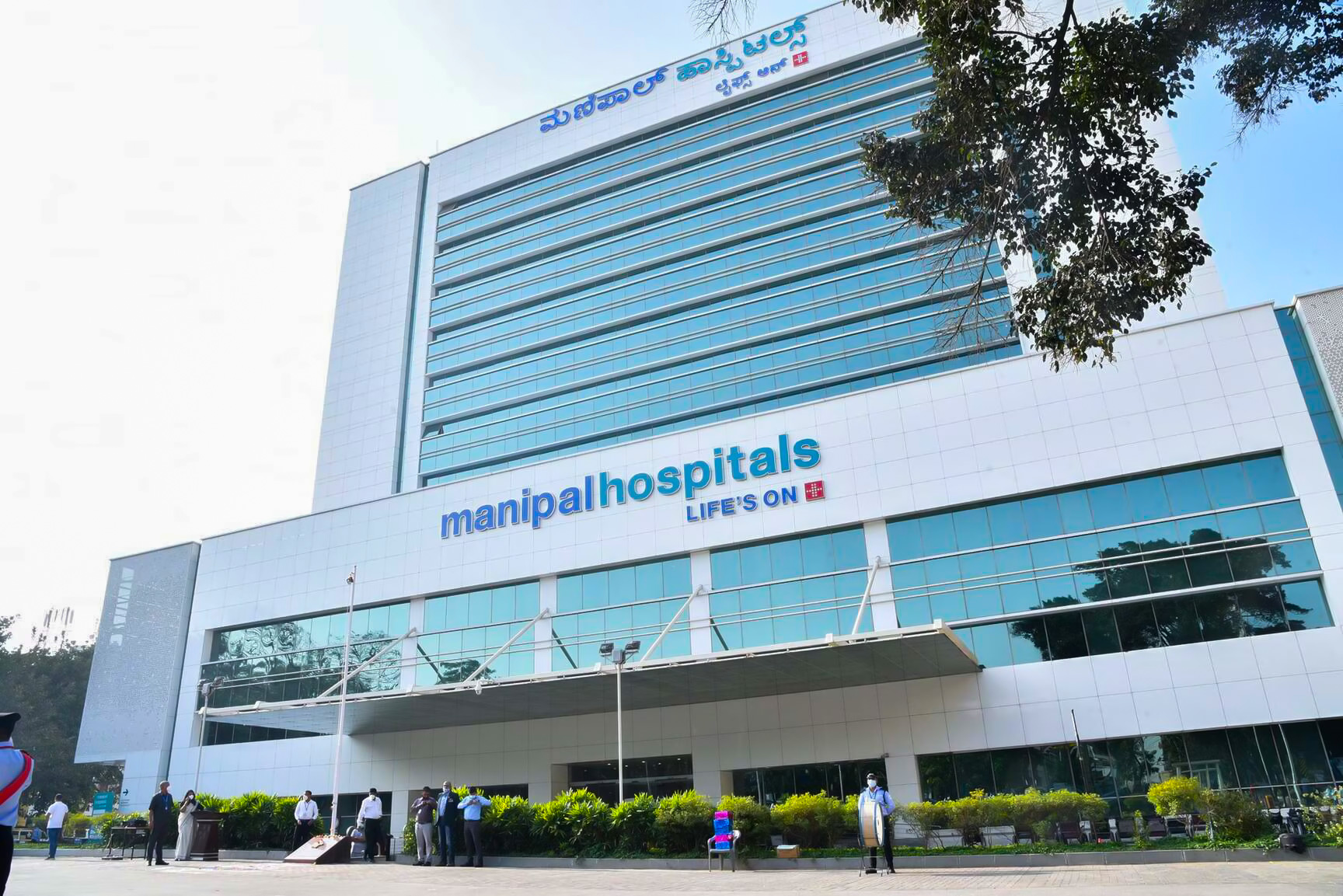
              Manipal Hospital, Old Airport Road
              Manipal Hospital, Old Airport Road

              Multi Specialty

              Bengaluru, Karnataka

              1991

              Estd.

              650+

              Beds

              250+

              Doctors

              May we help you?

              Enter digits only (6-15 digits). We'll add your country code.

              May we help you?

              Enter digits only (6-15 digits). We'll add your country code.

              Related Treatments

              Vitrectomy
              Vitrectomy

              Vitrectomy Vitrectomy is a major eye surgery that involves the removal and replacement of the vitreous humor—the clear, jelly-like substance in the center of the eyeball. Retina specialists utilize this procedure to treat vision-threatening conditions and to gain direct access to the back of the eye for complex repairs. When You Should Consider Vitrectomy Retinal Detachment: To repair the retina by removing the pulling force (traction) of the vitreous on the retinal tissue. Diabetic Retinopathy: If you have persistent bleeding (vitreous hemorrhage) or scar tissue that is pulling on or distorting your vision. Macular Hole or Pucker: To treat these conditions by peeling fine, microscopic membranes off the center of the retina (the macula). Eye Trauma: In cases of severe injury to remove blood, debris, or foreign objects from the center of the eye. Endophthalmitis: To manage and clear severe internal eye infections that do not respond to medication injections alone. How Is Performed Anesthesia: Performed as an outpatient procedure under either local or general anesthesia, depending on the complexity of the case. Micro-Incisions: The surgeon makes tiny, sutureless incisions in the white part of the eye (sclera). Gel Removal: A specialized micro-cutting tool called a vitrector uses suction to safely remove the vitreous gel. Internal Repair: Depending on the condition, the surgeon may perform Membrane Peeling with fine forceps or Laser Retinopexy to seal retinal tears. Filling (Tamponade): The eye is filled with a substitute—such as sterile saline, a gas bubble, or silicone oil—to maintain its shape and hold the retina in place during healing. Duration: The surgical process typically takes between 1 to 2 hours. Pre-Procedure Preparation Comprehensive Examination: A detailed eye exam to determine the exact extent of retinal damage or vitreous clouding. Positioning Education: Discussion of post-operative requirements, especially the potential need for strict face-down positioning. Travel Planning: Patients receiving a gas bubble must plan to avoid flying or traveling to high altitudes until the bubble is absorbed. Cataract Discussion: Reviewing the high likelihood of developing a cataract post-surgery if the natural lens is still present. Fasting: Following clinical instructions regarding food and medication adjustments for anesthesia safety. Tests Before Vitrectomy Optical Coherence Tomography (OCT): To provide high-resolution, cross-sectional images of the macula and retinal layers. B-Scan Ultrasound: Used to visualize the back of the eye if the vitreous is too cloudy (due to blood or infection) for a standard exam. Fundus Photography: To document the current state of the retina and provide a baseline for tracking progress. Pressure Tests: Measuring intraocular pressure to ensure the eye is stable before making surgical incisions. Life After Vitrectomy Strict Positioning: If a gas or oil bubble was used, you may need to maintain a face-down or side-facing position for 1 to 2 weeks. Travel Restrictions: You must avoid flying or diving until the gas bubble is fully absorbed, which can take 3 to 8 weeks. Medication Regimen: Using prescribed antibiotic and anti-inflammatory eye drops to prevent infection and manage pressure. Vision Recovery: Expect vision to be blurry initially; gradual improvement typically occurs over 4 to 6 weeks as the eye heals. Monitoring: Watching for rare complications such as sudden pain, increased redness, or a "curtain" falling over your vision. Why Specialized Treatment Is Highly Effective Direct Access: Provides the only way to perform complex repairs on the retina and macula from the inside of the eye. Clears the Visual Path: Instantly removes blood, debris, or clouded gel that prevents light from reaching the retina. Prevents Blindness: Successfully reattaches the retina in over 90% of cases, preserving sight that would otherwise be lost. Restores Sharpness: By removing membranes that cause puckering, it can significantly improve central vision for reading and detail work. Definitive Infection Control: Physically removes the source of infection in cases of endophthalmitis, allowing for more effective treatment.

              Retinal Detachment Surgery
              Retinal Detachment Surgery

              Retinal Detachment Surgery Retinal detachment surgery is an emergency procedure used to reattach the light-sensitive layer (the retina) to the back of the eye. If the retina remains detached from its underlying layer of blood vessels, it is starved of oxygen, leading to permanent vision loss. Immediate intervention is critical to "weld" the retina back into its functional position. When You Should Consider Surgery Sudden Floaters: A dramatic increase in the number of spots, strings, or "cobwebs" drifting in your field of vision. Flashes of Light: Seeing brief streaks or bursts of light (photopsia) in one or both eyes. Shadow or Curtain: A dark shadow or "curtain" moving across your peripheral or central field of vision. Blurred Vision: A sudden drop in visual clarity that cannot be corrected with glasses. Diagnosed Retinal Tear: When an eye exam reveals a hole or tear that puts the retina at high risk of peeling away. How Is Performed Vitrectomy: The most common method where the surgeon removes the vitreous gel and replaces it with a gas bubble or silicone oil to push the retina back against the eye wall. Scleral Buckle: A small silicone band is sewn to the white of the eye (sclera), "buckling" the eye wall inward to relieve the pull on the retina. Pneumatic Retinopexy: A gas bubble is injected directly into the eye to press the retina against the tear; this requires strict head positioning to be effective. Laser (Photocoagulation): During the procedure, a medical laser is used to create tiny "welds" (scars) around the retinal tear to secure it. Cryotherapy: An alternative to laser where extreme cold is used to freeze the area around the tear, creating a secure seal. Pre-Procedure Preparation Dilated Fundus Exam: A comprehensive evaluation to map the exact location and extent of the detachment or tears. Positioning Instructions: Reviewing the potential need for 24-hour-a-day face-down positioning following the surgery. Travel Audit: Confirming that the patient has no upcoming flights or trips to high altitudes, as these are strictly prohibited with a gas bubble. Anesthesia Choice: Determining if the emergency procedure will be performed under local sedation or general anesthesia. Fasting: Adhering to "nothing by mouth" instructions if general anesthesia is required for complex repairs. Tests Before Retinal Surgery B-Scan Ultrasound: Essential if there is blood in the eye (vitreous hemorrhage) that prevents the surgeon from seeing the retina directly. Optical Coherence Tomography (OCT): To check if the "macula" (the center of vision) is still attached or has been affected. Visual Field Testing: To document the extent of the peripheral vision loss caused by the detachment. Intraocular Pressure (IOP): Checking the internal pressure of the eye to ensure it is stable for surgical entry. Life After Retinal Surgery Face-Down Positioning: If a gas bubble was used, you may need to keep your head in a specific position for 1 to 2 weeks to keep the bubble against the tear. Altitude Restrictions: You cannot fly or travel to high altitudes until the gas bubble is fully absorbed (usually 3 to 8 weeks) to prevent dangerous pressure changes. Medication: Using prescribed antibiotic and anti-inflammatory eye drops to prevent infection and manage swelling. Vision Recovery: Vision is typically very blurry initially; improvement occurs over weeks to months, though full vision may not return in severe cases. Activity Limits: Avoid heavy lifting, strenuous exercise, and bending over until cleared by the retina specialist. Why Specialized Treatment Is Highly Effective Prevents Total Blindness: Without surgery, a detached retina will almost always lead to complete loss of sight in the affected eye. High Reattachment Success: Modern techniques successfully reattach the retina in the majority of cases, especially when treated early. Microsurgical Precision: Sutureless vitrectomy and high-tech lasers allow for internal repairs with minimal trauma to the eye. Stabilizes the Eye: Procedures like the scleral buckle provide long-term structural support to prevent future detachments. Customized Approaches: Surgeons can combine techniques (e.g., vitrectomy with laser) to address complex, multi-tear detachments in a single session.

              Intravitreal Injections
              Intravitreal Injections

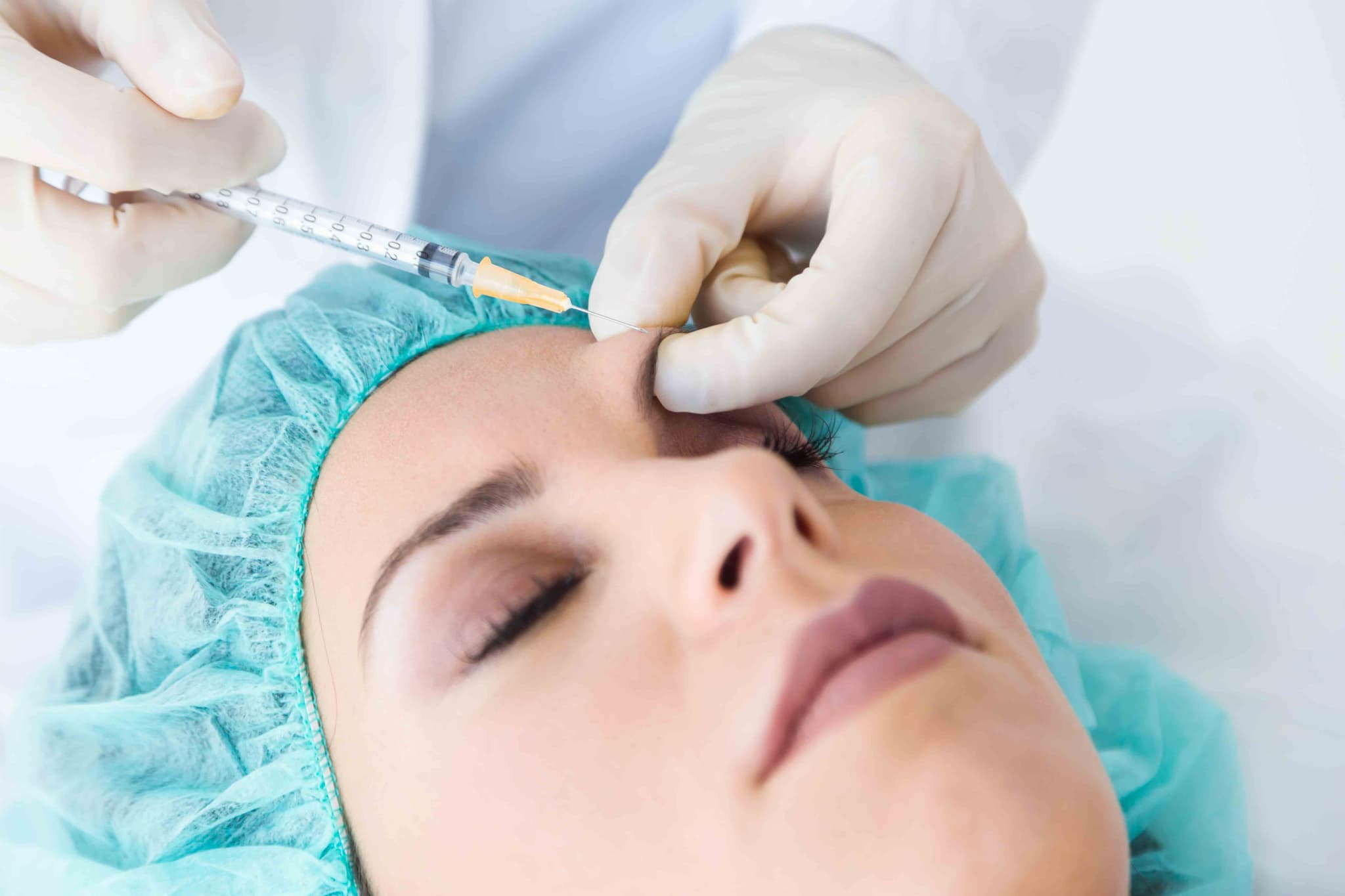
              Intravitreal Injection Intravitreal injection is a specialized medical procedure used to deliver medications directly into the vitreous—the jelly-like substance in the back of the eye. This remains the most effective method for treating various retinal diseases, as it bypasses the blood-ocular barrier that often prevents oral or intravenous medications from reaching the retina in sufficient concentrations. When You Should Consider Intravitreal Injection "Wet" Age-Related Macular Degeneration (AMD): To stop the growth of abnormal, leaky blood vessels that cause rapid vision loss. Diabetic Macular Edema (DME): If you need to reduce retinal swelling caused by fluid leakage from blood vessels damaged by diabetes. Retinal Vein Occlusion (RVO): To manage fluid backup following a "stroke" in the eye’s vascular system. Uveitis: Delivering potent anti-inflammatory steroids directly to the back of the eye to treat chronic inflammation. Endophthalmitis: In emergency cases to deliver immediate antibiotic or antifungal treatment for severe internal infections. How Is Performed Numbing: The eye is thoroughly anesthetized using specialized drops or a gel to ensure patient comfort. Sterilization: The eye and eyelids are cleaned with a povidone-iodine solution to prevent bacterial infection. Stabilization: A small device (speculum) is used to keep the eyelids open and prevent blinking during the procedure. Injection: A very fine needle is used to deliver medication through the Pars Plana—the "white part" of the eye—in a process that lasts only a few seconds. Post-Check: The surgeon checks the eye for immediate pressure changes and may provide artificial tears for comfort. Duration: The entire clinical process typically takes less than 10 to 15 minutes. Methods of Injection Anti-VEGF Therapy: The use of agents that block proteins promoting leaky vessel growth; modern agents often allow for extended treatment intervals of 3–4 months. Corticosteroid Delivery: Direct injection of steroids to manage chronic internal eye inflammation and swelling. Antibiotic/Antifungal Administration: Targeted delivery of antimicrobial agents for severe internal infections. OCT-Guided Treatment: Using high-resolution imaging to determine the precise frequency of injections needed for each patient. Pre-Procedure Preparation Baseline Consultation: A detailed exam to identify leaking blood vessels or the specific areas of retinal swelling. Medical History: Discussing current medications and any history of iodine allergies or recent eye infections. Visual Expectations: Preparing for the temporary appearance of "floaters" or "bubbles" in your vision immediately following the procedure. Transportation: Arranging for a ride home, as your vision may be temporarily blurry from dilating drops. Treatment Planning: Reviewing the long-term schedule, including whether you will receive long-acting medications. Tests Before Intravitreal Injection Optical Coherence Tomography (OCT): A high-resolution scan used to measure retinal thickness and track fluid accumulation over time. Fluorescein Angiography: A diagnostic test used to map out the exact location of leaking blood vessels in the retina. Visual Acuity Test: Establishing a clear baseline of vision quality to monitor the effectiveness of the medication. Intraocular Pressure (IOP) Check: Ensuring the internal pressure of the eye is within a safe range before the injection. Life After Intravitreal Injection Vision Settling: Expect "floaters" or "bubbles" in your vision to disappear within 24–48 hours as the medication distributes. Hygiene: Avoid rubbing your eyes or exposing them to swimming pools, hot tubs, or dusty environments for 2 to 3 days. Injection Site: Monitor for a subconjunctival hemorrhage (a harmless red spot at the needle entry point), which typically resolves within a week. Safety Monitoring: Watch for rare signs of complication, such as increasing pain, severe redness, or a sudden "curtain" falling over your vision. Follow-up: Adhering to regular appointments for OCT imaging is essential to ensure the treatment is successfully stabilizing your vision. Why Specialized Treatment Is Highly Effective Systemic Safety: Minimizes side effects compared to oral or intravenous medications because the drug stays localized within the eye. Bypasses Barriers: Delivers high concentrations of medication directly to the retina that other delivery methods cannot reach. Rapid Results: Offers a quick, outpatient experience with minimal downtime and a fast return to daily activities. Vision Preservation: Significantly improves or stabilizes vision in patients with conditions that were previously considered untreatable. Minimal Discomfort: The fine-needle technique is generally described as a sensation of pressure rather than sharp pain.

              Laser Photocoagulation
              Laser Photocoagulation

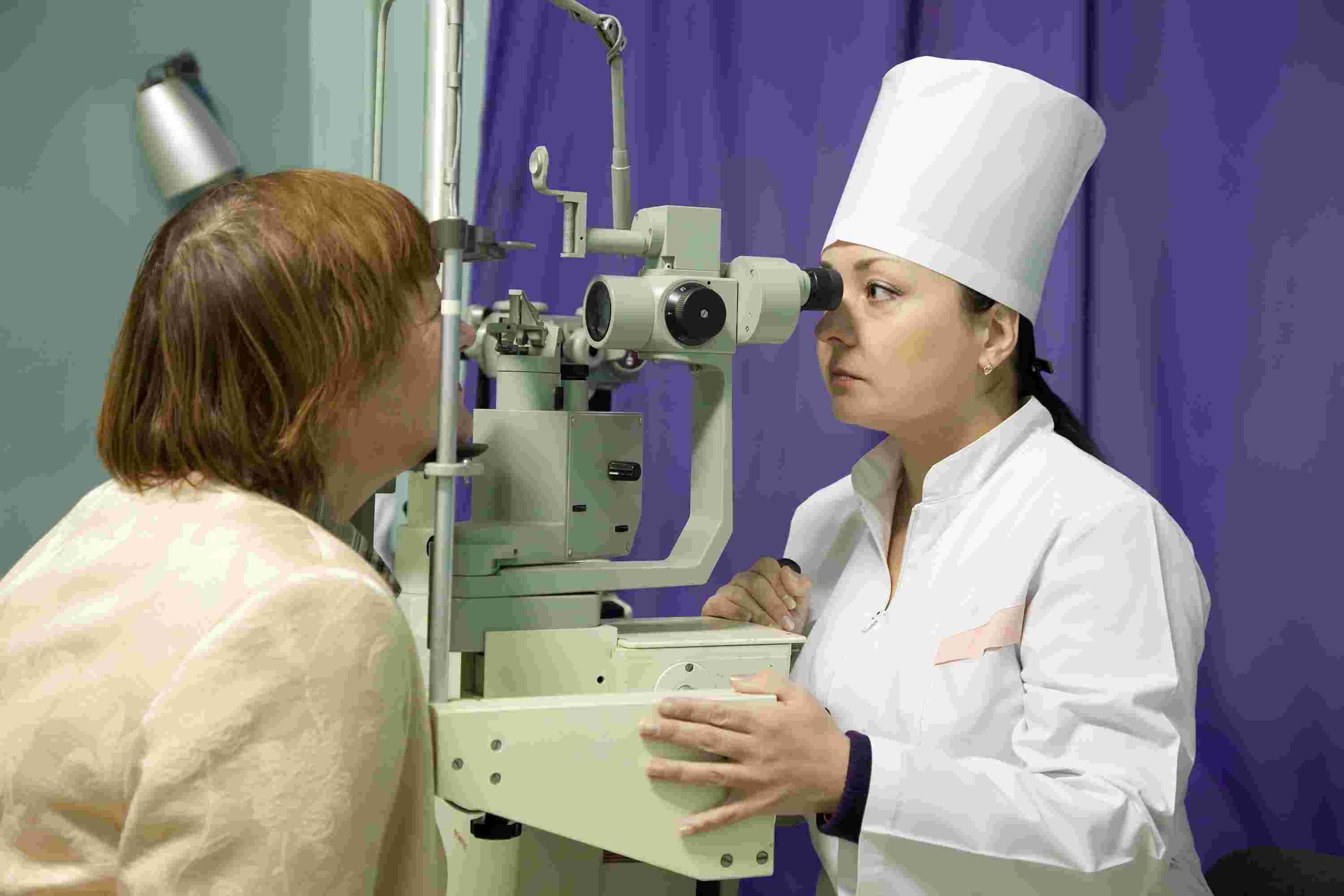
              Laser Photocoagulation (Retinal Laser Treatment) Laser photocoagulation is a specialized medical procedure that utilizes a precise, high-energy beam of light to treat various retinal disorders. By creating microscopic thermal burns in targeted areas of the retina, the laser induces the formation of scar tissue. This tissue is used to seal leaking blood vessels, shrink abnormal ones, or "weld" retinal tears to the underlying tissue to prevent detachment. When You Should Consider Laser Photocoagulation Diabetic Macular Edema (DME): To seal specific leaking blood vessels that cause swelling in the central vision (macula). Proliferative Diabetic Retinopathy (PDR): If you need to shrink abnormal, fragile blood vessels to prevent severe internal bleeding or vision loss. Retinal Tears or Holes: To repair structural breaks in the retina before they progress into a full retinal detachment. Vision Stabilization: When seeking to stop the progression of retinal diseases and prevent further deterioration of your sight. Reducing Oxygen Demand: In advanced disease, to protect the overall health of the eye by treating peripheral areas. How Is Performed Dilation: The pupil is dilated with drops to provide the specialist a clear, wide-angle view of the retina. Numbing: Anesthetic drops are applied to the surface of the eye to ensure the procedure is generally painless. Positioning: The patient sits at a slit-lamp microscope—similar to a standard eye exam—with their chin and forehead held steady in a rest. Application: A specialized contact lens is placed on the eye to focus the high-energy laser pulses exactly where they are needed. Duration: The clinical session typically lasts between 15 and 30 minutes, depending on the number of laser spots required. Methods of Laser Treatment Focal Laser Treatment: Aiming small, individual laser spots directly at specific leaking vessels to reduce swelling in the macula. Pan-Retinal Photocoagulation (PRP): Applying hundreds to thousands of laser burns to the peripheral retina to shrink abnormal vessels in advanced diabetic disease. Laser Retinopexy: Creating a protective "wall" of scar tissue around a retinal break to prevent fluid from passing underneath it. Thermal Coagulation: The process of converting high-energy light into localized heat to achieve targeted tissue sealing. Pre-Procedure Preparation Retinal Roadmap: A detailed examination to identify the specific areas of leakage or tearing that require treatment. Goal Setting: Discussing the primary goal of the treatment, which is typically to stabilize current vision rather than restore sight already lost to disease. Transportation: Arranging for a driver to take you home, as your vision will be temporarily dazzled and blurred from the dilation and laser light. Vision Awareness: Reviewing potential impacts on peripheral or night vision, especially if you are undergoing extensive Pan-Retinal Photocoagulation (PRP). Physical Comfort: Ensuring you are comfortable sitting still for up to 30 minutes with your head in a fixed position. Tests Before Laser Photocoagulation Optical Coherence Tomography (OCT): A high-resolution scan used to measure retinal swelling and pinpoint leaking vessels for focal treatment. Fluorescein Angiography: A diagnostic map that uses a special dye to highlight areas of abnormal blood vessel growth and active leakage. Visual Acuity Test: Establishing a precise baseline of your current vision quality before the procedure. Slit-Lamp Examination: Providing the surgeon with a high-magnification view of the back of the eye to plan the laser application. Life After Laser Photocoagulation Recovery Window: Expect blurred or "dazzled" vision for the first 24 hours due to the combined effects of the laser pulses and pupil dilation. Activity Resumption: Most normal activities can be resumed within a few hours, though you should avoid strenuous exercise for 1 to 2 weeks if treated for a retinal tear. Healing Timeline: Monitor for the shrinkage of abnormal vessels, a process that can take approximately 2 to 3 months to complete. Follow-up Care: Regular appointments are necessary for several months to ensure the retina is healing correctly and no new leaks have developed. Visual Artifacts: Be aware that you may notice small, permanent blind spots or floaters in the peripheral areas treated by the laser. Why Specialized Treatment Is Highly Effective Significant Risk Reduction: Reduces the risk of severe, permanent vision loss by over 50% in advanced diabetic cases. Non-Invasive Solution: Provides a targeted, outpatient solution for life-altering conditions without the need for traditional surgery. Prevents Major Detachments: Effectively "welds" retinal tissue in place, often preventing the need for much more complex surgical interventions. Fragile Vessel Control: Shrinks dangerous, abnormal blood vessels to prevent sudden and severe vitreous hemorrhages (bleeding inside the eye). Precision Focus: Utilizes a highly targeted approach that focuses energy only on diseased tissue while sparing as much healthy retina as possible.

              Laser Photocoagulation
              Laser Photocoagulation

              Laser Photocoagulation (Retinal Laser Treatment) Laser photocoagulation is a specialized medical procedure that utilizes a precise, high-energy beam of light to treat various retinal disorders. By creating microscopic thermal burns in targeted areas of the retina, the laser induces the formation of scar tissue. This tissue is used to seal leaking blood vessels, shrink abnormal ones, or "weld" retinal tears to the underlying tissue to prevent detachment. When You Should Consider Laser Photocoagulation Diabetic Macular Edema (DME): To seal specific leaking blood vessels that cause swelling in the central vision (macula). Proliferative Diabetic Retinopathy (PDR): If you need to shrink abnormal, fragile blood vessels to prevent severe internal bleeding or vision loss. Retinal Tears or Holes: To repair structural breaks in the retina before they progress into a full retinal detachment. Vision Stabilization: When seeking to stop the progression of retinal diseases and prevent further deterioration of your sight. Reducing Oxygen Demand: In advanced disease, to protect the overall health of the eye by treating peripheral areas. How Is Performed Dilation: The pupil is dilated with drops to provide the specialist a clear, wide-angle view of the retina. Numbing: Anesthetic drops are applied to the surface of the eye to ensure the procedure is generally painless. Positioning: The patient sits at a slit-lamp microscope—similar to a standard eye exam—with their chin and forehead held steady in a rest. Application: A specialized contact lens is placed on the eye to focus the high-energy laser pulses exactly where they are needed. Duration: The clinical session typically lasts between 15 and 30 minutes, depending on the number of laser spots required. Methods of Laser Treatment Focal Laser Treatment: Aiming small, individual laser spots directly at specific leaking vessels to reduce swelling in the macula. Pan-Retinal Photocoagulation (PRP): Applying hundreds to thousands of laser burns to the peripheral retina to shrink abnormal vessels in advanced diabetic disease. Laser Retinopexy: Creating a protective "wall" of scar tissue around a retinal break to prevent fluid from passing underneath it. Thermal Coagulation: The process of converting high-energy light into localized heat to achieve targeted tissue sealing. Pre-Procedure Preparation Retinal Roadmap: A detailed examination to identify the specific areas of leakage or tearing that require treatment. Goal Setting: Discussing the primary goal of the treatment, which is typically to stabilize current vision rather than restore sight already lost to disease. Transportation: Arranging for a driver to take you home, as your vision will be temporarily dazzled and blurred from the dilation and laser light. Vision Awareness: Reviewing potential impacts on peripheral or night vision, especially if you are undergoing extensive Pan-Retinal Photocoagulation (PRP). Physical Comfort: Ensuring you are comfortable sitting still for up to 30 minutes with your head in a fixed position. Tests Before Laser Photocoagulation Optical Coherence Tomography (OCT): A high-resolution scan used to measure retinal swelling and pinpoint leaking vessels for focal treatment. Fluorescein Angiography: A diagnostic map that uses a special dye to highlight areas of abnormal blood vessel growth and active leakage. Visual Acuity Test: Establishing a precise baseline of your current vision quality before the procedure. Slit-Lamp Examination: Providing the surgeon with a high-magnification view of the back of the eye to plan the laser application. Life After Laser Photocoagulation Recovery Window: Expect blurred or "dazzled" vision for the first 24 hours due to the combined effects of the laser pulses and pupil dilation. Activity Resumption: Most normal activities can be resumed within a few hours, though you should avoid strenuous exercise for 1 to 2 weeks if treated for a retinal tear. Healing Timeline: Monitor for the shrinkage of abnormal vessels, a process that can take approximately 2 to 3 months to complete. Follow-up Care: Regular appointments are necessary for several months to ensure the retina is healing correctly and no new leaks have developed. Visual Artifacts: Be aware that you may notice small, permanent blind spots or floaters in the peripheral areas treated by the laser. Why Specialized Treatment Is Highly Effective Significant Risk Reduction: Reduces the risk of severe, permanent vision loss by over 50% in advanced diabetic cases. Non-Invasive Solution: Provides a targeted, outpatient solution for life-altering conditions without the need for traditional surgery. Prevents Major Detachments: Effectively "welds" retinal tissue in place, often preventing the need for much more complex surgical interventions. Fragile Vessel Control: Shrinks dangerous, abnormal blood vessels to prevent sudden and severe vitreous hemorrhages (bleeding inside the eye). Precision Focus: Utilizes a highly targeted approach that focuses energy only on diseased tissue while sparing as much healthy retina as possible.

              Vitrectomy
              Vitrectomy

              Vitrectomy Vitrectomy is a major eye surgery that involves the removal and replacement of the vitreous humor—the clear, jelly-like substance in the center of the eyeball. Retina specialists utilize this procedure to treat vision-threatening conditions and to gain direct access to the back of the eye for complex repairs. When You Should Consider Vitrectomy Retinal Detachment: To repair the retina by removing the pulling force (traction) of the vitreous on the retinal tissue. Diabetic Retinopathy: If you have persistent bleeding (vitreous hemorrhage) or scar tissue that is pulling on or distorting your vision. Macular Hole or Pucker: To treat these conditions by peeling fine, microscopic membranes off the center of the retina (the macula). Eye Trauma: In cases of severe injury to remove blood, debris, or foreign objects from the center of the eye. Endophthalmitis: To manage and clear severe internal eye infections that do not respond to medication injections alone. How Is Performed Anesthesia: Performed as an outpatient procedure under either local or general anesthesia, depending on the complexity of the case. Micro-Incisions: The surgeon makes tiny, sutureless incisions in the white part of the eye (sclera). Gel Removal: A specialized micro-cutting tool called a vitrector uses suction to safely remove the vitreous gel. Internal Repair: Depending on the condition, the surgeon may perform Membrane Peeling with fine forceps or Laser Retinopexy to seal retinal tears. Filling (Tamponade): The eye is filled with a substitute—such as sterile saline, a gas bubble, or silicone oil—to maintain its shape and hold the retina in place during healing. Duration: The surgical process typically takes between 1 to 2 hours. Pre-Procedure Preparation Comprehensive Examination: A detailed eye exam to determine the exact extent of retinal damage or vitreous clouding. Positioning Education: Discussion of post-operative requirements, especially the potential need for strict face-down positioning. Travel Planning: Patients receiving a gas bubble must plan to avoid flying or traveling to high altitudes until the bubble is absorbed. Cataract Discussion: Reviewing the high likelihood of developing a cataract post-surgery if the natural lens is still present. Fasting: Following clinical instructions regarding food and medication adjustments for anesthesia safety. Tests Before Vitrectomy Optical Coherence Tomography (OCT): To provide high-resolution, cross-sectional images of the macula and retinal layers. B-Scan Ultrasound: Used to visualize the back of the eye if the vitreous is too cloudy (due to blood or infection) for a standard exam. Fundus Photography: To document the current state of the retina and provide a baseline for tracking progress. Pressure Tests: Measuring intraocular pressure to ensure the eye is stable before making surgical incisions. Life After Vitrectomy Strict Positioning: If a gas or oil bubble was used, you may need to maintain a face-down or side-facing position for 1 to 2 weeks. Travel Restrictions: You must avoid flying or diving until the gas bubble is fully absorbed, which can take 3 to 8 weeks. Medication Regimen: Using prescribed antibiotic and anti-inflammatory eye drops to prevent infection and manage pressure. Vision Recovery: Expect vision to be blurry initially; gradual improvement typically occurs over 4 to 6 weeks as the eye heals. Monitoring: Watching for rare complications such as sudden pain, increased redness, or a "curtain" falling over your vision. Why Specialized Treatment Is Highly Effective Direct Access: Provides the only way to perform complex repairs on the retina and macula from the inside of the eye. Clears the Visual Path: Instantly removes blood, debris, or clouded gel that prevents light from reaching the retina. Prevents Blindness: Successfully reattaches the retina in over 90% of cases, preserving sight that would otherwise be lost. Restores Sharpness: By removing membranes that cause puckering, it can significantly improve central vision for reading and detail work. Definitive Infection Control: Physically removes the source of infection in cases of endophthalmitis, allowing for more effective treatment.

              Retinal Detachment Surgery
              Retinal Detachment Surgery

              Retinal Detachment Surgery Retinal detachment surgery is an emergency procedure used to reattach the light-sensitive layer (the retina) to the back of the eye. If the retina remains detached from its underlying layer of blood vessels, it is starved of oxygen, leading to permanent vision loss. Immediate intervention is critical to "weld" the retina back into its functional position. When You Should Consider Surgery Sudden Floaters: A dramatic increase in the number of spots, strings, or "cobwebs" drifting in your field of vision. Flashes of Light: Seeing brief streaks or bursts of light (photopsia) in one or both eyes. Shadow or Curtain: A dark shadow or "curtain" moving across your peripheral or central field of vision. Blurred Vision: A sudden drop in visual clarity that cannot be corrected with glasses. Diagnosed Retinal Tear: When an eye exam reveals a hole or tear that puts the retina at high risk of peeling away. How Is Performed Vitrectomy: The most common method where the surgeon removes the vitreous gel and replaces it with a gas bubble or silicone oil to push the retina back against the eye wall. Scleral Buckle: A small silicone band is sewn to the white of the eye (sclera), "buckling" the eye wall inward to relieve the pull on the retina. Pneumatic Retinopexy: A gas bubble is injected directly into the eye to press the retina against the tear; this requires strict head positioning to be effective. Laser (Photocoagulation): During the procedure, a medical laser is used to create tiny "welds" (scars) around the retinal tear to secure it. Cryotherapy: An alternative to laser where extreme cold is used to freeze the area around the tear, creating a secure seal. Pre-Procedure Preparation Dilated Fundus Exam: A comprehensive evaluation to map the exact location and extent of the detachment or tears. Positioning Instructions: Reviewing the potential need for 24-hour-a-day face-down positioning following the surgery. Travel Audit: Confirming that the patient has no upcoming flights or trips to high altitudes, as these are strictly prohibited with a gas bubble. Anesthesia Choice: Determining if the emergency procedure will be performed under local sedation or general anesthesia. Fasting: Adhering to "nothing by mouth" instructions if general anesthesia is required for complex repairs. Tests Before Retinal Surgery B-Scan Ultrasound: Essential if there is blood in the eye (vitreous hemorrhage) that prevents the surgeon from seeing the retina directly. Optical Coherence Tomography (OCT): To check if the "macula" (the center of vision) is still attached or has been affected. Visual Field Testing: To document the extent of the peripheral vision loss caused by the detachment. Intraocular Pressure (IOP): Checking the internal pressure of the eye to ensure it is stable for surgical entry. Life After Retinal Surgery Face-Down Positioning: If a gas bubble was used, you may need to keep your head in a specific position for 1 to 2 weeks to keep the bubble against the tear. Altitude Restrictions: You cannot fly or travel to high altitudes until the gas bubble is fully absorbed (usually 3 to 8 weeks) to prevent dangerous pressure changes. Medication: Using prescribed antibiotic and anti-inflammatory eye drops to prevent infection and manage swelling. Vision Recovery: Vision is typically very blurry initially; improvement occurs over weeks to months, though full vision may not return in severe cases. Activity Limits: Avoid heavy lifting, strenuous exercise, and bending over until cleared by the retina specialist. Why Specialized Treatment Is Highly Effective Prevents Total Blindness: Without surgery, a detached retina will almost always lead to complete loss of sight in the affected eye. High Reattachment Success: Modern techniques successfully reattach the retina in the majority of cases, especially when treated early. Microsurgical Precision: Sutureless vitrectomy and high-tech lasers allow for internal repairs with minimal trauma to the eye. Stabilizes the Eye: Procedures like the scleral buckle provide long-term structural support to prevent future detachments. Customized Approaches: Surgeons can combine techniques (e.g., vitrectomy with laser) to address complex, multi-tear detachments in a single session.

              Intravitreal Injections
              Intravitreal Injections

              Intravitreal Injection Intravitreal injection is a specialized medical procedure used to deliver medications directly into the vitreous—the jelly-like substance in the back of the eye. This remains the most effective method for treating various retinal diseases, as it bypasses the blood-ocular barrier that often prevents oral or intravenous medications from reaching the retina in sufficient concentrations. When You Should Consider Intravitreal Injection "Wet" Age-Related Macular Degeneration (AMD): To stop the growth of abnormal, leaky blood vessels that cause rapid vision loss. Diabetic Macular Edema (DME): If you need to reduce retinal swelling caused by fluid leakage from blood vessels damaged by diabetes. Retinal Vein Occlusion (RVO): To manage fluid backup following a "stroke" in the eye’s vascular system. Uveitis: Delivering potent anti-inflammatory steroids directly to the back of the eye to treat chronic inflammation. Endophthalmitis: In emergency cases to deliver immediate antibiotic or antifungal treatment for severe internal infections. How Is Performed Numbing: The eye is thoroughly anesthetized using specialized drops or a gel to ensure patient comfort. Sterilization: The eye and eyelids are cleaned with a povidone-iodine solution to prevent bacterial infection. Stabilization: A small device (speculum) is used to keep the eyelids open and prevent blinking during the procedure. Injection: A very fine needle is used to deliver medication through the Pars Plana—the "white part" of the eye—in a process that lasts only a few seconds. Post-Check: The surgeon checks the eye for immediate pressure changes and may provide artificial tears for comfort. Duration: The entire clinical process typically takes less than 10 to 15 minutes. Methods of Injection Anti-VEGF Therapy: The use of agents that block proteins promoting leaky vessel growth; modern agents often allow for extended treatment intervals of 3–4 months. Corticosteroid Delivery: Direct injection of steroids to manage chronic internal eye inflammation and swelling. Antibiotic/Antifungal Administration: Targeted delivery of antimicrobial agents for severe internal infections. OCT-Guided Treatment: Using high-resolution imaging to determine the precise frequency of injections needed for each patient. Pre-Procedure Preparation Baseline Consultation: A detailed exam to identify leaking blood vessels or the specific areas of retinal swelling. Medical History: Discussing current medications and any history of iodine allergies or recent eye infections. Visual Expectations: Preparing for the temporary appearance of "floaters" or "bubbles" in your vision immediately following the procedure. Transportation: Arranging for a ride home, as your vision may be temporarily blurry from dilating drops. Treatment Planning: Reviewing the long-term schedule, including whether you will receive long-acting medications. Tests Before Intravitreal Injection Optical Coherence Tomography (OCT): A high-resolution scan used to measure retinal thickness and track fluid accumulation over time. Fluorescein Angiography: A diagnostic test used to map out the exact location of leaking blood vessels in the retina. Visual Acuity Test: Establishing a clear baseline of vision quality to monitor the effectiveness of the medication. Intraocular Pressure (IOP) Check: Ensuring the internal pressure of the eye is within a safe range before the injection. Life After Intravitreal Injection Vision Settling: Expect "floaters" or "bubbles" in your vision to disappear within 24–48 hours as the medication distributes. Hygiene: Avoid rubbing your eyes or exposing them to swimming pools, hot tubs, or dusty environments for 2 to 3 days. Injection Site: Monitor for a subconjunctival hemorrhage (a harmless red spot at the needle entry point), which typically resolves within a week. Safety Monitoring: Watch for rare signs of complication, such as increasing pain, severe redness, or a sudden "curtain" falling over your vision. Follow-up: Adhering to regular appointments for OCT imaging is essential to ensure the treatment is successfully stabilizing your vision. Why Specialized Treatment Is Highly Effective Systemic Safety: Minimizes side effects compared to oral or intravenous medications because the drug stays localized within the eye. Bypasses Barriers: Delivers high concentrations of medication directly to the retina that other delivery methods cannot reach. Rapid Results: Offers a quick, outpatient experience with minimal downtime and a fast return to daily activities. Vision Preservation: Significantly improves or stabilizes vision in patients with conditions that were previously considered untreatable. Minimal Discomfort: The fine-needle technique is generally described as a sensation of pressure rather than sharp pain.

              Laser Photocoagulation
              Laser Photocoagulation

              Laser Photocoagulation (Retinal Laser Treatment) Laser photocoagulation is a specialized medical procedure that utilizes a precise, high-energy beam of light to treat various retinal disorders. By creating microscopic thermal burns in targeted areas of the retina, the laser induces the formation of scar tissue. This tissue is used to seal leaking blood vessels, shrink abnormal ones, or "weld" retinal tears to the underlying tissue to prevent detachment. When You Should Consider Laser Photocoagulation Diabetic Macular Edema (DME): To seal specific leaking blood vessels that cause swelling in the central vision (macula). Proliferative Diabetic Retinopathy (PDR): If you need to shrink abnormal, fragile blood vessels to prevent severe internal bleeding or vision loss. Retinal Tears or Holes: To repair structural breaks in the retina before they progress into a full retinal detachment. Vision Stabilization: When seeking to stop the progression of retinal diseases and prevent further deterioration of your sight. Reducing Oxygen Demand: In advanced disease, to protect the overall health of the eye by treating peripheral areas. How Is Performed Dilation: The pupil is dilated with drops to provide the specialist a clear, wide-angle view of the retina. Numbing: Anesthetic drops are applied to the surface of the eye to ensure the procedure is generally painless. Positioning: The patient sits at a slit-lamp microscope—similar to a standard eye exam—with their chin and forehead held steady in a rest. Application: A specialized contact lens is placed on the eye to focus the high-energy laser pulses exactly where they are needed. Duration: The clinical session typically lasts between 15 and 30 minutes, depending on the number of laser spots required. Methods of Laser Treatment Focal Laser Treatment: Aiming small, individual laser spots directly at specific leaking vessels to reduce swelling in the macula. Pan-Retinal Photocoagulation (PRP): Applying hundreds to thousands of laser burns to the peripheral retina to shrink abnormal vessels in advanced diabetic disease. Laser Retinopexy: Creating a protective "wall" of scar tissue around a retinal break to prevent fluid from passing underneath it. Thermal Coagulation: The process of converting high-energy light into localized heat to achieve targeted tissue sealing. Pre-Procedure Preparation Retinal Roadmap: A detailed examination to identify the specific areas of leakage or tearing that require treatment. Goal Setting: Discussing the primary goal of the treatment, which is typically to stabilize current vision rather than restore sight already lost to disease. Transportation: Arranging for a driver to take you home, as your vision will be temporarily dazzled and blurred from the dilation and laser light. Vision Awareness: Reviewing potential impacts on peripheral or night vision, especially if you are undergoing extensive Pan-Retinal Photocoagulation (PRP). Physical Comfort: Ensuring you are comfortable sitting still for up to 30 minutes with your head in a fixed position. Tests Before Laser Photocoagulation Optical Coherence Tomography (OCT): A high-resolution scan used to measure retinal swelling and pinpoint leaking vessels for focal treatment. Fluorescein Angiography: A diagnostic map that uses a special dye to highlight areas of abnormal blood vessel growth and active leakage. Visual Acuity Test: Establishing a precise baseline of your current vision quality before the procedure. Slit-Lamp Examination: Providing the surgeon with a high-magnification view of the back of the eye to plan the laser application. Life After Laser Photocoagulation Recovery Window: Expect blurred or "dazzled" vision for the first 24 hours due to the combined effects of the laser pulses and pupil dilation. Activity Resumption: Most normal activities can be resumed within a few hours, though you should avoid strenuous exercise for 1 to 2 weeks if treated for a retinal tear. Healing Timeline: Monitor for the shrinkage of abnormal vessels, a process that can take approximately 2 to 3 months to complete. Follow-up Care: Regular appointments are necessary for several months to ensure the retina is healing correctly and no new leaks have developed. Visual Artifacts: Be aware that you may notice small, permanent blind spots or floaters in the peripheral areas treated by the laser. Why Specialized Treatment Is Highly Effective Significant Risk Reduction: Reduces the risk of severe, permanent vision loss by over 50% in advanced diabetic cases. Non-Invasive Solution: Provides a targeted, outpatient solution for life-altering conditions without the need for traditional surgery. Prevents Major Detachments: Effectively "welds" retinal tissue in place, often preventing the need for much more complex surgical interventions. Fragile Vessel Control: Shrinks dangerous, abnormal blood vessels to prevent sudden and severe vitreous hemorrhages (bleeding inside the eye). Precision Focus: Utilizes a highly targeted approach that focuses energy only on diseased tissue while sparing as much healthy retina as possible.

              Vitrectomy
              Vitrectomy

              Vitrectomy Vitrectomy is a major eye surgery that involves the removal and replacement of the vitreous humor—the clear, jelly-like substance in the center of the eyeball. Retina specialists utilize this procedure to treat vision-threatening conditions and to gain direct access to the back of the eye for complex repairs. When You Should Consider Vitrectomy Retinal Detachment: To repair the retina by removing the pulling force (traction) of the vitreous on the retinal tissue. Diabetic Retinopathy: If you have persistent bleeding (vitreous hemorrhage) or scar tissue that is pulling on or distorting your vision. Macular Hole or Pucker: To treat these conditions by peeling fine, microscopic membranes off the center of the retina (the macula). Eye Trauma: In cases of severe injury to remove blood, debris, or foreign objects from the center of the eye. Endophthalmitis: To manage and clear severe internal eye infections that do not respond to medication injections alone. How Is Performed Anesthesia: Performed as an outpatient procedure under either local or general anesthesia, depending on the complexity of the case. Micro-Incisions: The surgeon makes tiny, sutureless incisions in the white part of the eye (sclera). Gel Removal: A specialized micro-cutting tool called a vitrector uses suction to safely remove the vitreous gel. Internal Repair: Depending on the condition, the surgeon may perform Membrane Peeling with fine forceps or Laser Retinopexy to seal retinal tears. Filling (Tamponade): The eye is filled with a substitute—such as sterile saline, a gas bubble, or silicone oil—to maintain its shape and hold the retina in place during healing. Duration: The surgical process typically takes between 1 to 2 hours. Pre-Procedure Preparation Comprehensive Examination: A detailed eye exam to determine the exact extent of retinal damage or vitreous clouding. Positioning Education: Discussion of post-operative requirements, especially the potential need for strict face-down positioning. Travel Planning: Patients receiving a gas bubble must plan to avoid flying or traveling to high altitudes until the bubble is absorbed. Cataract Discussion: Reviewing the high likelihood of developing a cataract post-surgery if the natural lens is still present. Fasting: Following clinical instructions regarding food and medication adjustments for anesthesia safety. Tests Before Vitrectomy Optical Coherence Tomography (OCT): To provide high-resolution, cross-sectional images of the macula and retinal layers. B-Scan Ultrasound: Used to visualize the back of the eye if the vitreous is too cloudy (due to blood or infection) for a standard exam. Fundus Photography: To document the current state of the retina and provide a baseline for tracking progress. Pressure Tests: Measuring intraocular pressure to ensure the eye is stable before making surgical incisions. Life After Vitrectomy Strict Positioning: If a gas or oil bubble was used, you may need to maintain a face-down or side-facing position for 1 to 2 weeks. Travel Restrictions: You must avoid flying or diving until the gas bubble is fully absorbed, which can take 3 to 8 weeks. Medication Regimen: Using prescribed antibiotic and anti-inflammatory eye drops to prevent infection and manage pressure. Vision Recovery: Expect vision to be blurry initially; gradual improvement typically occurs over 4 to 6 weeks as the eye heals. Monitoring: Watching for rare complications such as sudden pain, increased redness, or a "curtain" falling over your vision. Why Specialized Treatment Is Highly Effective Direct Access: Provides the only way to perform complex repairs on the retina and macula from the inside of the eye. Clears the Visual Path: Instantly removes blood, debris, or clouded gel that prevents light from reaching the retina. Prevents Blindness: Successfully reattaches the retina in over 90% of cases, preserving sight that would otherwise be lost. Restores Sharpness: By removing membranes that cause puckering, it can significantly improve central vision for reading and detail work. Definitive Infection Control: Physically removes the source of infection in cases of endophthalmitis, allowing for more effective treatment.