Retinal Detachment Surgery
Retinal Detachment Surgery
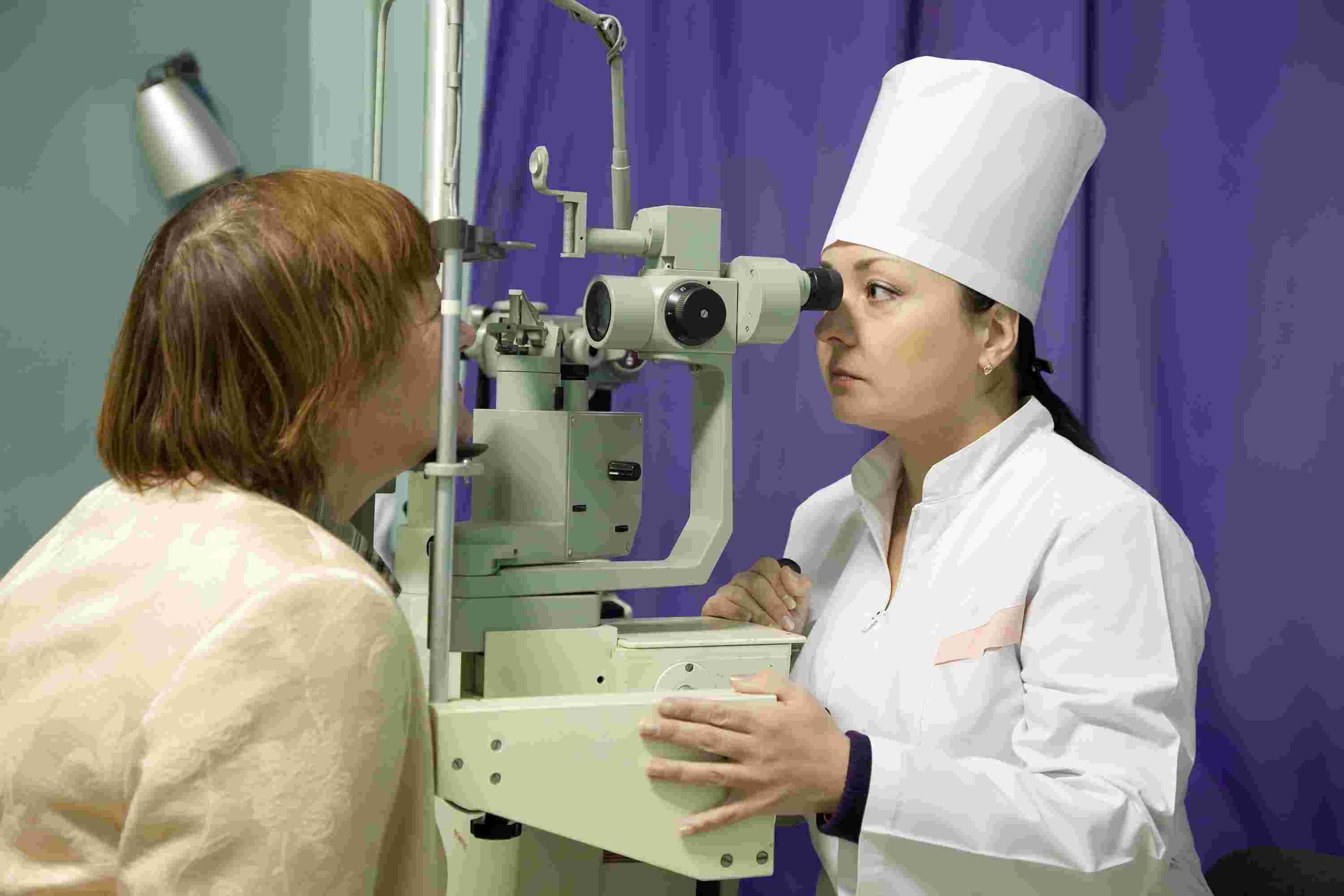
Retinal detachment surgery is an emergency procedure used to reattach the light-sensitive layer (the retina) to the back of the eye. If the retina remains detached from its underlying layer of blood vessels, it is starved of oxygen, leading to permanent vision loss. Immediate intervention is critical to "weld" the retina back into its functional position.
When You Should Consider Surgery
Sudden Floaters: A dramatic increase in the number of spots, strings, or "cobwebs" drifting in your field of vision.
Flashes of Light: Seeing brief streaks or bursts of light (photopsia) in one or both eyes.
Shadow or Curtain: A dark shadow or "curtain" moving across your peripheral or central field of vision.
Blurred Vision: A sudden drop in visual clarity that cannot be corrected with glasses.
Diagnosed Retinal Tear: When an eye exam reveals a hole or tear that puts the retina at high risk of peeling away.
How Is Performed
Vitrectomy: The most common method where the surgeon removes the vitreous gel and replaces it with a gas bubble or silicone oil to push the retina back against the eye wall.
Scleral Buckle: A small silicone band is sewn to the white of the eye (sclera), "buckling" the eye wall inward to relieve the pull on the retina.
Pneumatic Retinopexy: A gas bubble is injected directly into the eye to press the retina against the tear; this requires strict head positioning to be effective.
Laser (Photocoagulation): During the procedure, a medical laser is used to create tiny "welds" (scars) around the retinal tear to secure it.
Cryotherapy: An alternative to laser where extreme cold is used to freeze the area around the tear, creating a secure seal.
Pre-Procedure Preparation
Dilated Fundus Exam: A comprehensive evaluation to map the exact location and extent of the detachment or tears.
Positioning Instructions: Reviewing the potential need for 24-hour-a-day face-down positioning following the surgery.
Travel Audit: Confirming that the patient has no upcoming flights or trips to high altitudes, as these are strictly prohibited with a gas bubble.
Anesthesia Choice: Determining if the emergency procedure will be performed under local sedation or general anesthesia.
Fasting: Adhering to "nothing by mouth" instructions if general anesthesia is required for complex repairs.
Tests Before Retinal Surgery
B-Scan Ultrasound: Essential if there is blood in the eye (vitreous hemorrhage) that prevents the surgeon from seeing the retina directly.
Optical Coherence Tomography (OCT): To check if the "macula" (the center of vision) is still attached or has been affected.
Visual Field Testing: To document the extent of the peripheral vision loss caused by the detachment.
Intraocular Pressure (IOP): Checking the internal pressure of the eye to ensure it is stable for surgical entry.
Life After Retinal Surgery
Face-Down Positioning: If a gas bubble was used, you may need to keep your head in a specific position for 1 to 2 weeks to keep the bubble against the tear.
Altitude Restrictions: You cannot fly or travel to high altitudes until the gas bubble is fully absorbed (usually 3 to 8 weeks) to prevent dangerous pressure changes.
Medication: Using prescribed antibiotic and anti-inflammatory eye drops to prevent infection and manage swelling.
Vision Recovery: Vision is typically very blurry initially; improvement occurs over weeks to months, though full vision may not return in severe cases.
Activity Limits: Avoid heavy lifting, strenuous exercise, and bending over until cleared by the retina specialist.
Why Specialized Treatment Is Highly Effective
Prevents Total Blindness: Without surgery, a detached retina will almost always lead to complete loss of sight in the affected eye.
High Reattachment Success: Modern techniques successfully reattach the retina in the majority of cases, especially when treated early.
Microsurgical Precision: Sutureless vitrectomy and high-tech lasers allow for internal repairs with minimal trauma to the eye.
Stabilizes the Eye: Procedures like the scleral buckle provide long-term structural support to prevent future detachments.
Customized Approaches: Surgeons can combine techniques (e.g., vitrectomy with laser) to address complex, multi-tear detachments in a single session.
Retinal Detachment Surgery Cost in India
The cost of Retinal Detachment Surgery in India is generally affordable compared with many other countries, making India a popular destination for international patients seeking quality medical care. The treatment cost depends on factors such as the hospital, doctor's experience, treatment approach, medical condition, hospital stay, diagnostic tests, medicines, and any additional procedures required. For international patients, the starting cost of Retinal Detachment Surgery in India is approximately 500 USD, although the final price may vary based on individual treatment requirements. Patients are advised to obtain a personalized treatment estimate after medical evaluation.