+91 83682 47758
info@medivisorhealth.com
Medivisor India Treatment Logo
  • Home
    • About Us
    • Our Services
    • Our Team
    • Our Safety Measures
    • Loading treatments...
    • Loading hospitals...
    • Loading doctors...
    • Treatment Cost
    • Treatment Process
    • Visa Process
    • Travel Guide
    • FAQs
    • Why Medivisor
    • Success Stories
    • Patient Activities
    • Social Activities
    • News Coverage
    • Blog
  • Become a Partner

Medivisor India Treatment is a trusted New Delhi–based medical travel partner connecting global patients to advanced, affordable, high-quality healthcare in India.

  • Medivisor House 359, Sector 1, Vaishali, Ghaziabad, (Delhi/NCR) India
  • +91 8368 247 758
  • info@medivisorhealth.com

About Us

  • About Us
  • Our Services
  • Our Team
  • Our Medical Advisors
  • Our Safety Measures
  • Join Our Network
  • Contact Us

India Treatment

  • Hospitals
  • Treatments
  • Treatment Cost
  • Treatment Process
  • Visa Process
  • Travel Guide
  • FAQs
  • Why Medivisor

Gallery

  • Patient Testimonials
  • Patient Activities
  • News Coverage
  • Blog

Get in Touch

© 2026 Medivisor India Treatment. All rights reserved.

Dr Sarav Shah

Consultant - Thoracic Onco Surgery

8+ years experience

 Dr Sarav Shah
  1. Home
  2. Doctors
  3. Dr Sarav Shah

About Dr Sarav Shah

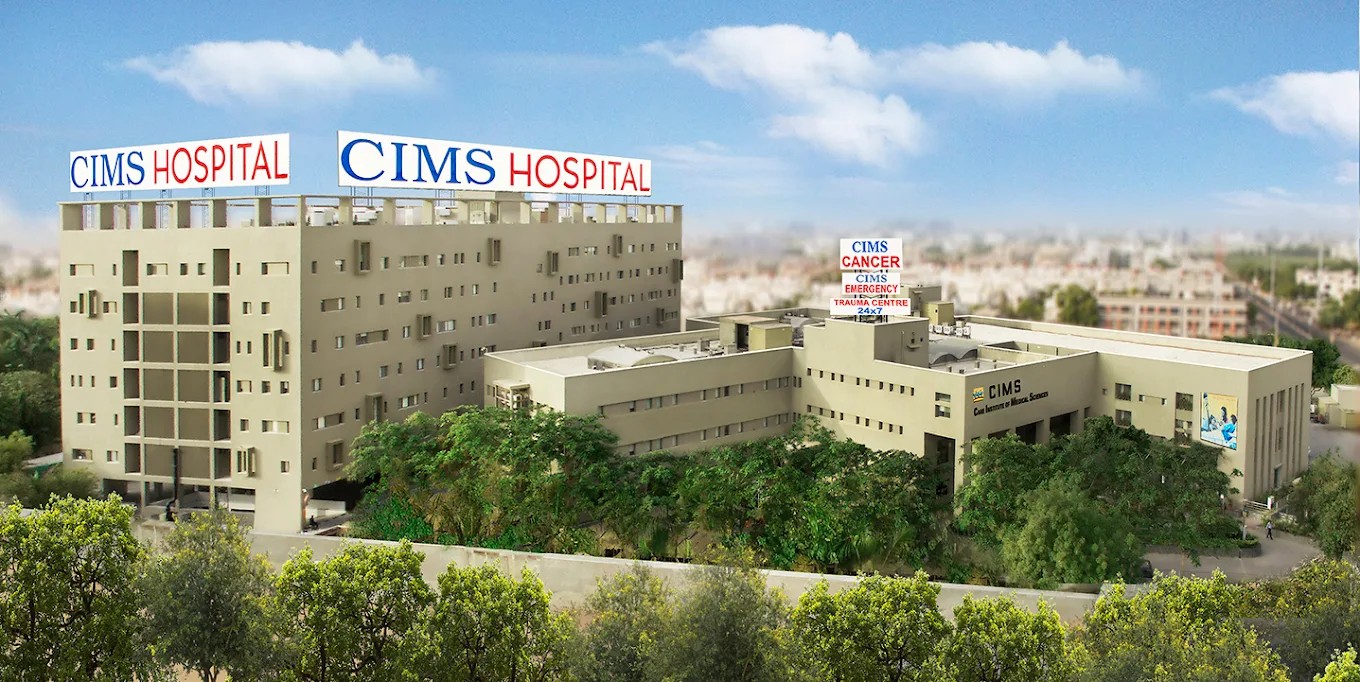
Dr. Sarav Shah is a distinguished Consultant Thoracic Onco Surgeon at Marengo CIMS Hospital in Ahmedabad. Backed by an extensive educational background and advanced training in complex thoracic procedures, he has established himself as a prominent specialist in the region. His practice combines technical expertise with a dedicated approach to patient care, making him a highly sought-after surgeon in advanced chest and thoracic interventions.

Minimally Invasive Thoracic Oncology and Lung Transplantation

His clinical practice focuses on cutting-edge thoracic oncology, complex lung transplantation protocols, and advanced chest wall reconstructions. Dr. Shah is an expert in ultra-minimally invasive surgical modalities, specializing in both uniportal Video-Assisted Thoracic Surgery (VATS) and uniportal Robotic-Assisted Thoracic Surgery (RATS). By performing complex pulmonary and esophageal cancer resections through single-incision techniques, he optimizes post-operative recovery, drastically minimizes patient downtime, and delivers high-precision oncology care.

Dr. Sarav Shah at a Glance

  • Distinguished Consultant Thoracic Onco Surgeon practicing at Marengo CIMS Hospital, Ahmedabad.

  • Specialized expert in advanced thoracic oncology, lung transplantation, and chest wall pathology.

  • Pioneer in ultra-minimally invasive protocols using single-incision (uniportal) approaches.

  • Highly proficient in uniportal Video-Assisted Thoracic Surgery (VATS).

  • Expert in advanced uniportal Robotic-Assisted Thoracic Surgery (RATS) for lung and esophageal tumors.

  • Dedicated to delivering evidence-based, technologically advanced thoracic care to optimize patient recovery.

Thoracic Surgery, Tongji University, Shanghai Pulmonary Hospital, Shanghai June 2024
FICRS, Robotic Surgery, World Laparoscopy Hospital, Gurugram Nov 2022
DrNB Thoracic Surgery, Sir Ganga Ram Hospital, New Delhi 2022
Master of Surgery, Baroda Medical College, Vadodara 2019
MBBS, Baroda Medical College, Vadodara – 2016

No awards & achievements available

Affiliated Hospitals

Marengo CIMS Hospital, Ahmedabad

Multi Specialty

Ahmedabad, Gujarat

2010

Estd.

480+

Beds

70+

Doctors

May we help you?

Enter digits only (6-15 digits). We'll add your country code.

Related Treatments

Lung & Thoracic Cancer Surgery

Lung and Thoracic Cancer Surgery Lung and Thoracic Cancer Surgery involves the surgical removal of tumours from the lungs, chest wall, or the mediastinum (the space between the lungs). The primary goal is to achieve an "R0 resection," meaning the entire tumour is removed with clear, cancer-free margins. Clinical standards favor minimally invasive approaches like VATS and RATS to preserve respiratory function and accelerate recovery. When You Should Consider Thoracic Surgery Early-Stage NSCLC: For Non-Small Cell Lung Cancer (Stage I or II) where surgery offers the highest chance of a permanent cure. Solitary Pulmonary Nodules: When a suspicious "spot" on the lung is growing or has high-risk features on a PET-CT. Mediastinal Tumours: Malignancies located in the center of the chest, such as thymomas or germ cell tumours. Metastatic "Oligometastases": When cancer from another organ (like the kidney or colon) has spread only to a limited area of the lung. Chest Wall Involvement: When a lung tumour has invaded the ribs, requiring a combined resection and reconstruction. Types of Lung Resections Wedge Resection: Removal of a small, pie-shaped piece of lung; reserved for very small peripheral tumours or patients with limited lung capacity. Segmentectomy: Removal of a specific functional segment. This 2026 standard preserves more healthy tissue than a lobectomy for early-stage "ground-glass" opacities. Lobectomy: The "gold standard" for most lung cancers. One of the five lobes (three right, two left) is removed entirely to capture all local lymph drainage. Pneumonectomy: Removal of an entire lung; only performed for centrally located tumours involving the main bronchus. Sleeve Resection: A lung-sparing alternative to pneumonectomy where a section of the bronchus is removed and the healthy ends are sewn back together. Surgical Approaches RATS (Robotic-Assisted Thoracic Surgery): The 2026 preferred method for complex dissections. It provides 3D visualization and extreme precision for removing lymph nodes in the narrow mediastinum. VATS (Video-Assisted Thoracoscopic Surgery): A minimally invasive approach using 2–3 small incisions (1–3 cm). It results in significantly less pain and faster return to activity. Thoracotomy (Open Surgery): A larger incision on the side of the chest where ribs are spread; necessary for very large tumours or those involving major heart vessels. Mediastinoscopy: A small incision at the base of the neck used to biopsy lymph nodes and confirm the cancer hasn't spread before a major resection. Pleurodesis: A procedure for fluid buildup (effusion) where a sterile agent is used to make the lung stick to the chest wall, preventing fluid return. How Thoracic Surgery Is Performed Anaesthesia: Performed under general anaesthesia, typically using a "double-lumen" tube to deflate the lung being operated on. Nodal Staging: Regardless of resection type, surgeons perform a mandatory lymphadenectomy to check for microscopic spread. Airlock Testing: Before closing, the lung is reinflated under water to check for bubbles, ensuring the surgical site is airtight. Chest Tube Placement: One or two tubes are placed in the pleural space to drain air and fluid, allowing the lung to remain fully expanded during healing. Pathologic Staging: The removed tissue is analyzed to determine if "adjuvant" chemotherapy or immunotherapy is needed post-surgery. Pre-Surgery Preparation PFT/Spirometry: Completing a Pulmonary Function Test to ensure the remaining lung tissue can support your breathing needs after surgery. Smoking Cessation: Adhering to a strict "zero-tobacco" policy for at least 4 weeks prior to surgery to reduce the risk of post-operative pneumonia. Incentive Spirometry: Training with a breathing exercise device to strengthen respiratory muscles before the procedure. Cardiac Risk Stratification: Undergoing an EKG or Echo to ensure the heart can handle the circulatory changes of thoracic surgery. Nutritional Optimization: A high-protein diet to ensure the pleura (lung lining) heals quickly and prevents prolonged air leaks. Pre-Surgery Tests High-Resolution CT (Chest): To map the tumour's exact location in relation to the pulmonary arteries and veins. PET-CT Scan: To rule out any metabolic activity in other parts of the body, ensuring the surgery remains a curative option. Quantitative V/Q Scan: In borderline cases, this determines exactly how much "work" each lobe of your lung is doing. EBUS (Endobronchial Ultrasound): A specialized internal ultrasound used to biopsy lymph nodes near the windpipe before the main surgery. Liquid Biopsy: 2026 protocols may include a blood test to check for circulating tumour DNA (ctDNA) as a baseline for recovery. Life After Lung Surgery (Recovery & Risks) Chest Tube Management: Tubes are usually removed within 2–4 days once the "air leak" has stopped and drainage is minimal. AFib Monitoring: Irregular heart rhythms occur in 10–20% of patients due to inflammation near the heart; this is typically temporary. Early Mobilization: You will be encouraged to sit up and walk within 24 hours to prevent blood clots and help the lung expand. Subcutaneous Emphysema: A "crackling" sensation under the skin if air traps there; it is harmless and usually resolves on its own. Long-Term Breathlessness: Most patients return to normal activity in 4–8 weeks, though heavy aerobic exercise may feel different depending on the amount of lung removed. Why Specialized Treatment Is Highly Effective Robotic Precision: RATS allows for more thorough lymph node removal than traditional surgery, leading to more accurate staging and treatment. Lung-Sparing Techniques: 2026 advancements in segmentectomy and sleeve resections allow for cancer removal while saving as much healthy lung as possible. Enhanced Recovery (ERAS): Specialized thoracic protocols significantly reduce the need for heavy narcotics, allowing for faster mental and physical recovery. Curative Foundation: Surgery remains the single most effective way to eliminate early-stage lung cancer and prevent future spread.

Lobectomy (Cancer)
Lobectomy (Cancer)

Lobectomy A Lobectomy is the surgical removal of an entire lobe of an organ. While it can be performed on the liver, brain, or thyroid, it is most commonly the "gold standard" surgical treatment for early-stage Non-Small Cell Lung Cancer (NSCLC). In 2026, the procedure is frequently performed using robotic-assisted technology to ensure the most precise removal of the tumor and surrounding lymph nodes. When You Should Consider a Lobectomy Early-Stage Lung Cancer: For Stage I or II NSCLC where the tumor is confined to a single lobe of the lung. Localized Tumors: When the malignancy is centrally located within a lobe, making a smaller "wedge" resection insufficient. Curative Intent: When the goal is to remove the primary tumor along with its dedicated lymphatic drainage system. Infectious Disease: Occasionally performed for severe, localized infections like tuberculosis or fungal balls that do not respond to medication. Congenital Abnormalities: To remove a lobe that has not formed correctly or is causing recurrent health issues. Surgical Approaches RATS (Robotic-Assisted Thoracic Surgery): The 2026 preferred method for complex cases. The surgeon operates robotic arms from a console, offering high-definition 3D visualization and greater dexterity for removing deep lymph nodes. VATS (Video-Assisted Thoracoscopic Surgery): A minimally invasive technique using 2–4 small incisions (1–3 cm). A camera (thoracoscope) guides the surgeon, resulting in less pain and a faster recovery than open surgery. Thoracotomy (Open Surgery): A traditional 15–20 cm incision made between the ribs. This provides a direct view and is used for larger tumors or those near major blood vessels. Sleeve Lobectomy: A specialized approach where a piece of the main bronchus is also removed and "re-sleeved" to save the rest of the lung tissue. How a Lobectomy Is Performed Anesthesia: Performed under general anesthesia using a "double-lumen" tube, which allows the surgeon to deflate the lung being operated on while the other lung continues to breathe. Anatomic Dissection: The surgeon carefully separates and identifies the specific pulmonary artery, pulmonary vein, and bronchus belonging to the affected lobe. Precision Stapling: These major structures are sealed and cut using advanced surgical staplers to prevent bleeding and air leaks. Lymphadenectomy: Surgeons remove nearby mediastinal lymph nodes to check for microscopic cancer spread, which determines the need for "mop-up" chemotherapy. Chest Tube Placement: A tube is inserted into the pleural space to drain air and fluid, allowing the remaining lung lobes to expand and fill the chest cavity. Inflation Test: Before closing, the remaining lung is reinflated under water to check for bubbles, ensuring the surgical site is airtight. Pre-Surgery Preparation Pulmonary Function Tests (PFTs): Essential tests (Spirometry) to ensure your remaining lung lobes can support your breathing needs after the surgery. Smoking Cessation: You must stop smoking for at least 4 weeks prior to surgery to reduce the risk of post-operative pneumonia and air leaks. Cardiac Clearance: Undergoing an EKG or stress test to ensure your heart can handle the circulatory changes during a lung resection. Nutritional Loading: Adhering to a high-protein diet to provide the body with the resources needed for the pleura (lung lining) to heal quickly. Incentive Spirometry Training: Learning how to use a breathing exercise device before the surgery so you can effectively clear your lungs during recovery. Pre-Surgery Tests High-Resolution CT Scan: To map the tumor’s exact location in relation to the complex branching of the pulmonary vessels. PET-CT Scan: To confirm that the cancer has not spread to other organs, ensuring that a lobectomy is the most effective curative path. Quantitative V/Q Scan: In borderline cases, this determines exactly how much "work" the lobe to be removed is currently doing. EBUS (Endobronchial Ultrasound): A specialized biopsy of the lymph nodes near the windpipe to confirm the cancer's stage before the main surgery. Baseline Blood Work: Comprehensive panels (CBC/CMP) to check for anemia or kidney issues that could affect healing. Life After a Lobectomy (Recovery & Risks) Hospital Stay: Usually 3–4 days for VATS/Robotic surgery and 5–7 days for an open thoracotomy. Chest Tube Removal: The tube is usually removed on day 2 or 3 once the drainage stops and the "air leak" is gone. Air Leak Management: The most common complication; most small leaks heal within a few days while the chest tube remains in place. Atrial Fibrillation (AFib): A temporary irregular heart rhythm (10–20% of cases) caused by inflammation near the heart; it is typically managed with medication. Full Activity: Most patients return to light daily tasks within 2 weeks and full physical activity within 6 to 8 weeks. Why Specialized Treatment Is Highly Effective The "Gold Standard": Lobectomy provides the lowest rate of local cancer recurrence compared to smaller, "sub-lobar" resections. Compensatory Growth: If the remaining lobes are healthy, they will typically expand and "re-model" to fill the space, resulting in minimal long-term shortness of breath. Robotic Accuracy: 2026 data shows that robotic lobectomy leads to a more thorough lymph node harvest, providing the most accurate cancer staging possible. Enhanced Recovery (ERAS): Specialized thoracic protocols allow for earlier walking and eating, which significantly reduces the risk of blood clots. Multidisciplinary Success: When paired with modern 2026 immunotherapy, a lobectomy provides the strongest foundation for long-term lung cancer survival.

Pneumonectomy (Cancer)

Pneumonectomy A pneumonectomy is the surgical removal of an entire lung. It is a major thoracic operation reserved for cases where a tumor is so centrally located or extensive that removing only a portion of the lung (like a lobectomy) would leave cancer cells behind. While it significantly impacts breathing capacity, many patients successfully adapt to living with one healthy lung through specialized pulmonary rehabilitation. When You Should Consider a Pneumonectomy Central Tumors: When the cancer is located in the main bronchus (airway) or involves the main pulmonary artery or vein. Multi-Lobar Involvement: When the tumor crosses the anatomical fissures and involves all lobes of a single lung. Locally Advanced NSCLC: For Stage II or III Non-Small Cell Lung Cancer that cannot be cleared by a "sleeve" resection. Malignant Mesothelioma: An Extrapleural Pneumonectomy may be performed to remove the lung, the lining (pleura), part of the diaphragm, and the heart sac (pericardium). Recurrent Cancer: When cancer returns in a lung that has previously undergone a partial removal (Completion Pneumonectomy). Types of Pneumonectomy Traditional Pneumonectomy: Removal of the entire left or right lung. Extrapleural Pneumonectomy (EPP): A radical version often used for mesothelioma, removing the lung along with surrounding membranes and a portion of the diaphragm. Completion Pneumonectomy: The removal of the remaining part of a lung after a previous surgery has already been performed. Carinal Pneumonectomy: A highly complex procedure where the lung is removed along with the "fork" of the windpipe (carina), followed by reconstruction of the airway. How Is Performed One-Lung Ventilation: Performed under general anesthesia using a special tube that allows the surgeon to deflate the lung being removed while the other lung is safely ventilated. Thoracotomy Access: Usually requires an incision around the side to the back (posterolateral thoracotomy) to provide the best view of the major heart and lung vessels. Vascular Ligation: The main pulmonary artery and pulmonary veins are carefully tied off and divided using surgical staplers. Bronchial Stump Closure: The main airway is cut close to the windpipe and sealed. Surgeons often reinforce this "stump" with a flap of nearby tissue to prevent air leaks. The "Empty" Cavity: Unlike other lung surgeries, a chest tube is often not used for suction afterward. The empty space naturally fills with fluid over time, which eventually turns into a gel-like substance to prevent the heart from shifting too far. Pre-Procedure Preparation Extensive PFTs: Comprehensive Pulmonary Function Tests to calculate exactly how much breathing capacity you will have left with just one lung. Cardiac Stress Testing: Because removing a lung puts extra pressure on the heart, an Echocardiogram or Stress Test is mandatory to ensure the heart is strong enough. Nutritional Optimization: A high-protein, calorie-dense diet is started weeks before to ensure the body can handle the significant healing required. Pre-habilitation: Specialized exercises to strengthen the "good" lung and the muscles used for breathing before the surgery begins. Smoking Cessation: Total cessation is required at least 4–8 weeks prior to reduce the high risk of post-operative pneumonia. Tests Before Pneumonectomy PET-CT and Brain MRI: To confirm that the cancer has not spread outside of the lung being removed. EBUS / Mediastinoscopy: Biopsies of the lymph nodes in the center of the chest to ensure the cancer is still "resectable." V/Q Scan: A quantitative Ventilation/Perfusion scan to determine the percentage of lung function contributed by each lung. Baseline ABG: An Arterial Blood Gas test to measure the current oxygen and carbon dioxide levels in your blood. Blood Type & Cross-match: Due to the risk of bleeding from major vessels, blood is held in reserve for the procedure. Life After a Pneumonectomy (Recovery & Risks) ICU Stay: Most patients spend the first 24–48 hours in the Surgical Intensive Care Unit for close monitoring of heart rhythm and oxygen levels. Hospital Timeline: Expect a stay of 7 to 10 days. Recovery at home typically takes 2 to 4 months. Atrial Fibrillation (AFib): Common (up to 30%) as the heart adjusts to new pressures in the chest; it is usually temporary and managed with medication. Shortness of Breath: You will likely feel breathless with heavy exertion, but most patients can perform daily activities without supplemental oxygen. Post-Pneumonectomy Syndrome: A rare late complication where the heart shifts too far into the empty space; modern techniques use tissue flaps or fillers to prevent this. Why Specialized Treatment Is Highly Effective Definitive Local Control: It is the most aggressive way to ensure a "clean margin" when a tumor is large or centrally located. Lung Adaptation: The remaining lung undergoes "compensatory hyperinflation," expanding slightly and becoming more efficient at gas exchange over time. Integrated 2026 Care: Combined with modern neoadjuvant immunotherapy, a pneumonectomy can provide long-term survival for cases previously considered inoperable. Pulmonary Rehab: Supervised rehabilitation programs significantly improve "one-lung" quality of life, helping patients return to travel and hobbies.

Mediastinal Lymph Node Dissection (Cancer)

Mediastinal Lymph Node Dissection Mediastinal Lymph Node Dissection (MLND) is a surgical procedure to remove the lymph nodes located in the mediastinum—the central area of the chest between the lungs. It is a critical component of lung cancer surgery. Rather than just taking a sample, the surgeon removes all the lymph nodes and surrounding fat within specific "stations" to ensure any microscopic cancer spread is captured. This procedure is the gold standard for accurate pathologic staging, which dictates whether a patient needs further treatment like immunotherapy or chemotherapy. When You Should Consider MLND Lung Cancer Surgery: Performed as a mandatory part of a lobectomy or pneumonectomy for Non-Small Cell Lung Cancer (NSCLC). Staging Accuracy: When imaging (PET-CT) suggests nodes might be involved, or even if they look normal but the primary tumor is large. Thymic Tumors: For patients with thymoma or thymic carcinoma to check for regional spread. Esophageal Cancer: Often included in an esophagectomy to clear the lymphatic drainage path of the esophagus. Diagnostic Uncertainty: When non-surgical biopsies (like EBUS) are inconclusive but suspicion of nodal involvement remains high. Methods Of MLND Robotic-Assisted (RATS) Dissection: The preferred modern tool for MLND. Its 3D magnification allows surgeons to see tiny nerves and vessels clearly, making it safer to remove nodes deep in the chest. Video-Assisted Thoracoscopic (VATS) Dissection: A minimally invasive approach using a camera and specialized instruments through small "keyhole" incisions. Open Thoracotomy Dissection: Usually performed through the same large incision used for an open lung resection, allowing for direct manual access to the mediastinum. Mediastinoscopy: A separate, smaller surgical procedure where a scope is inserted through a small notch at the base of the neck to reach the upper nodal stations. Systematic Nodal Sampling: A less extensive version where only representative nodes are taken, though full dissection (MLND) is preferred for more accurate staging. How Is Performed Surgical Access: The surgeon enters the chest cavity using the same approach selected for the primary lung or esophageal resection. Anatomical Exposure: The surgeon opens the thin lining (pleura) over the mediastinum to expose the fat pads containing the lymph nodes near the trachea, esophagus, and heart. Systematic Clearance: All lymphoid tissue and surrounding fat within the targeted "stations" are meticulously removed. Nerve Preservation: Great care is taken to identify and protect the Phrenic nerve (for breathing) and the Recurrent Laryngeal nerve (for the voice) that run through the mediastinum. Hemostasis: Using advanced energy devices like ultrasonic scalpels, the surgeon seals small lymphatic channels and blood vessels to prevent fluid buildup or "oozing." Pathology Review: The removed nodes are labeled by their specific station number and sent to a lab where a pathologist examines them under a microscope for cancer cells. Pre-Procedure Preparation PET-CT Scan: To identify which nodal stations show "metabolic activity," helping the surgeon prioritize specific areas for thorough dissection. EBUS-TBNA: Many patients undergo an Endobronchial Ultrasound biopsy before surgery to "pre-stage" the nodes and plan the extent of the dissection. Cardiovascular Review: Since the surgery occurs near the heart and great vessels, ensuring stable heart function is vital for a safe procedure. Anticoagulation Management: Stopping blood thinners is critical, as MLND involves working around highly vascular structures where bleeding must be strictly controlled. Incentive Spirometry: Strengthening the lungs before the procedure to ensure you can cough effectively and clear your airway post-operatively. Tests Before MLND High-Resolution Chest CT: To map the anatomy of the lymph nodes in relation to the laryngeal nerve and the superior vena cava. Endobronchial Ultrasound (EBUS): To provide a preliminary assessment of the nodes through the airway before the definitive surgical removal. Chest MRI: Sometimes used if nodes are near the spine or major nerves to evaluate if the tumor has invaded those structures. Blood Coagulation Profile: To ensure the body can effectively stop minor oozing from the lymphatic channels after the nodes are removed. Baseline Vocal Assessment: Since nerves controlling the voice box are located in the mediastinum, a baseline check of the voice is often performed for comparison after surgery. Life After MLND Chest Tube Management: You will have a chest tube for a few days to drain any fluid or air; it is removed once the drainage levels from the dissection site are safe. Vocal Cord Monitoring: A temporary hoarse voice can occur if the laryngeal nerve is irritated during the dissection; most cases recover with time and specialized therapy. Dietary Adjustments: In rare cases of "Chylothorax" (lymphatic fluid leak), a specific low-fat diet may be required for a short period to allow the duct to heal. Pain Management: Dissection near the ribs and spine can cause localized "aching" or soreness; this is managed with nerve blocks and oral medications. Follow-up Treatment: The final "nodal status" (Pathology Report) typically takes 5–7 days and is the most important factor in determining if you need follow-up chemotherapy or immunotherapy. Benefits Of MLND Definitive Staging: MLND provides the most accurate "N" (Nodal) stage, which is far more precise than a PET-CT or EBUS biopsy alone. Reduced Recurrence: Removing all nodes in a station (rather than just sampling) significantly lowers the chance of the cancer returning in the center of the chest. Adjuvant Guidance: Knowing exactly which nodes are involved allows oncologists to prescribe targeted therapies or immunotherapies that can significantly improve survival rates. Minimal Impact on Recovery: When performed robotically or thoracoscopically, adding MLND to a lung resection adds very little time to the hospital stay but provides invaluable data. Comprehensive Clearance: Ensures that any microscopic clusters of cancer cells in the regional lymph system are physically removed from the body.

May we help you?

Enter digits only (6-15 digits). We'll add your country code.