Medivisor India Treatment Logo
  • Home
              • Become a Partner

              +91 83407 80250

              Medivisor Logo

              Medivisor India Treatment is a trusted New Delhi–based medical travel partner connecting global patients to advanced, affordable, high-quality healthcare in India.

              • Medivisor House 359, Sector 1, Vaishali, Ghaziabad, (Delhi/NCR) India
              • +91 8340 780 250
              • info@medivisorhealth.com

              About Us

              • About Us
              • Our Services
              • Our Team
              • Our Medical Advisors
              • Our Safety Measures
              • Join Our Network
              • Contact Us

              India Treatment

              • Hospitals
              • Treatments
              • Treatment Cost
              • Treatment Process
              • Visa Process
              • Travel Guide
              • FAQs
              • Why Medivisor

              Gallery

              • Patient Testimonials
              • Patient Activities
              • News Coverage
              • Blog

              Get in Touch

              © 2026 Medivisor India Treatment. All rights reserved.

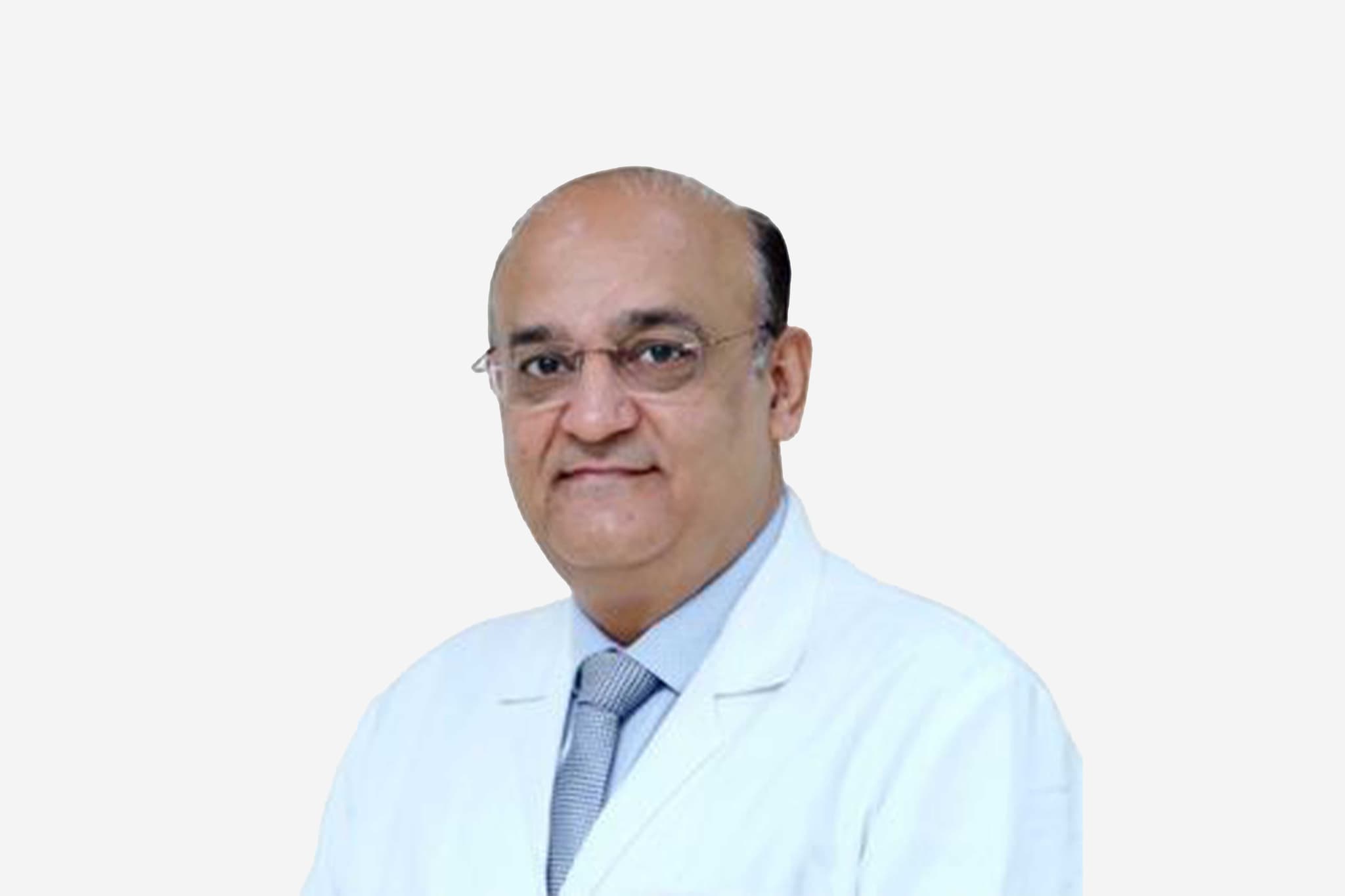
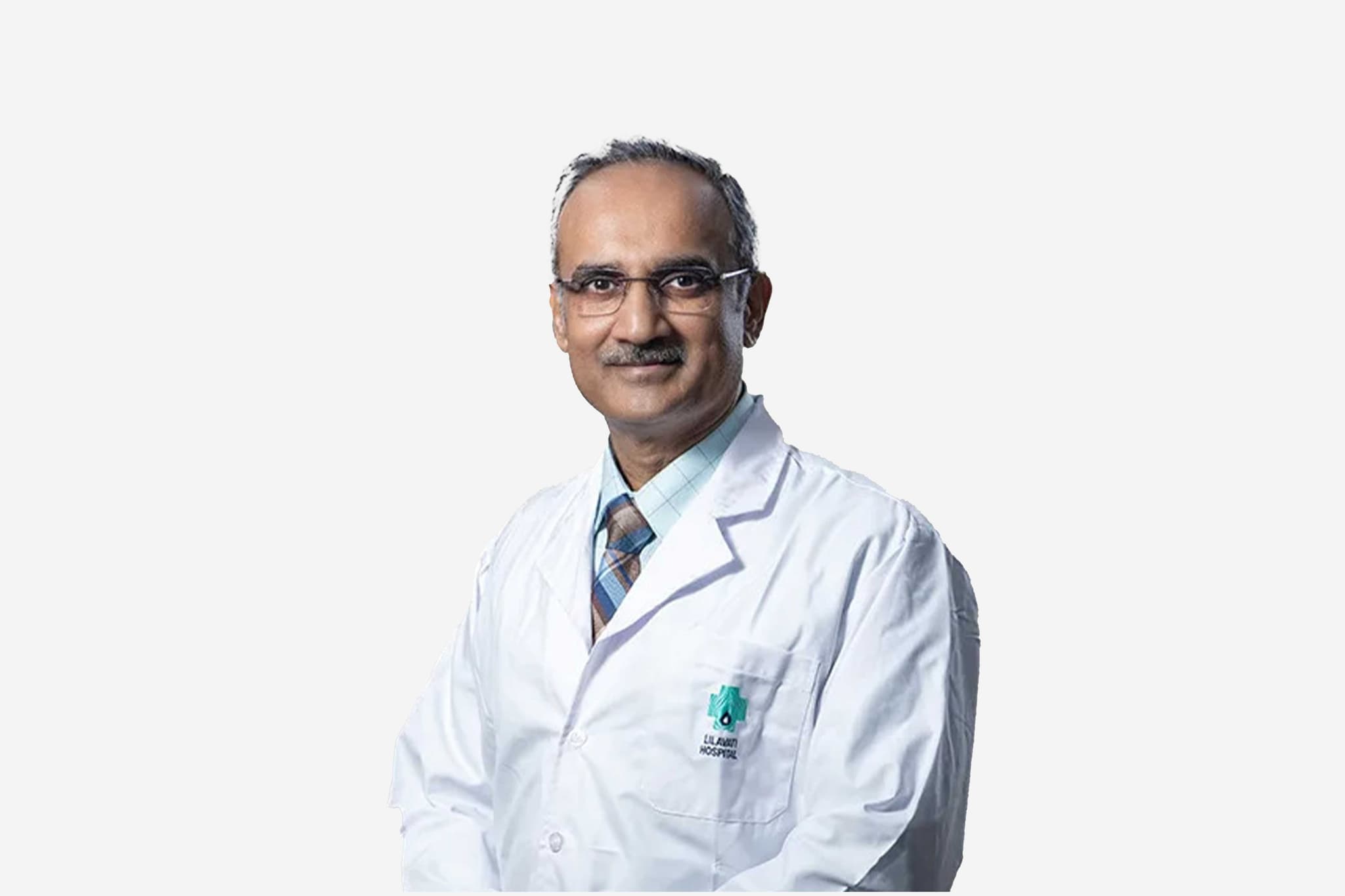
              Dr. Dr. Subhash Chandra

              Dr. Subhash Chandra

              Chairman - Interventional Cardiology - Cardiology & Structural Heart Disease

              39+ years experience

              MBBS MD (Internal Medicine) DNB (Cardiology) DM (Cardiology) AIIMS, United States Medical Licensing Examination (USA) & PDF (Brussels, Belgium)
              1. Home
              2. Doctors
              3. Dr. Subhash Chandra

              About Dr. Subhash Chandra

              Dr. Subash Chandra is a highly respected authority in cardiology, currently serving as the Chairman of Interventional Cardiology at BLK-Max Super Speciality Hospital, New Delhi. With a career defined by surgical excellence, he has successfully performed over 25,000 complex cardiology procedures. His journey includes significant leadership roles at premier institutions such as AIIMS, Fortis Escorts, and Apollo Hospital, making him a trusted name for patients seeking high-level cardiac care.

              Dr. Chandra’s clinical expertise is exceptionally broad, spanning coronary interventions like Rotablation to life-saving structural heart procedures. He has performed over 4,000 mitral interventions, including high-risk cases involving pregnant patients and emergency pulmonary edema. His work in treating congenital conditions—such as pulmonic stenosis and young aortic stenosis using the Inoue balloon—highlights his ability to manage delicate cases with world-class precision.

              Pioneer in Advanced Device Implantation

              A specialist in heart rhythm and failure management, Dr. Chandra has implanted over 3,000 permanent pacemakers. His experience includes the placement of sophisticated devices such as dual-chamber pacemakers, AICDs, and biventricular (CRT-D) combo devices for heart failure pacing. By integrating these advanced technologies, he provides comprehensive solutions for patients dealing with complex electrical and structural heart issues.

              Excellence in Endovascular and Vascular Care

              Beyond the heart, Dr. Chandra is an expert in endovascular interventions, treating a wide array of vascular conditions. His skills include renal, carotid, and aortic angioplasties, as well as complex procedures like EVAR and TEVAR for aortic health. This holistic expertise ensures that patients with multi-vascular diseases receive integrated and minimally invasive treatment plans tailored to their specific needs.

              Academic Contributions and Global Recognition

              Dr. Chandra is a celebrated academician and a Fellow of the National Academy of Medical Sciences. His research on recanalization of total occlusive coronary arteries and aortic valvuloplasty has been published in leading international journals. As a frequent faculty member at prestigious global conferences like TCT and Euro-PCR, he continues to shape the future of cardiology. His dedication has been recognized with multiple honors, including the Sujoy B. Roy Young Investigator Award.

              Dr. Subash Chandra at a Glance

              • 25,000+ successful complex coronary interventions and angioplasties.

              • 4,000+ structural heart procedures (Mitral, Pulmonary, and Aortic).

              • 3,000+ permanent pacemaker and heart failure device implantations.

              • Former Assistant Professor of Cardiology at AIIMS, New Delhi.

              • Expert in advanced TAVI, TMVR, and MitraClip interventions.

              • Recipient of multiple research awards from the Cardiological Society of India.

              MBBS MD (Internal Medicine) DNB (Cardiology) DM (Cardiology) AIIMS, United States Medical Licensing Examination (USA) & PDF (Brussels, Belgium)
              Specialization: Chairman - Interventional Cardiology - Cardiology & Structural Heart Disease
              Sujoy B. Roy Young Investigator Award. Cardiological Society of India, 5th Annual Conference - 1989 Col. K.L. Chopra Research Award, Cardiological Society of India, &nbsp
              9th Annual Conference - 1993 Sujoy B. Roy Young Investigator Award, Cardiological Society of India, 13th Annual Conference - 1997

              Affiliated Hospitals

              BLK-Max Super Specialty Hospital, Delhi
              BLK-Max Super Specialty Hospital, Delhi

              Super Specialty

              New Delhi, Delhi NCR

              1959

              Estd.

              650+

              Beds

              300+

              Doctors

              May we help you?

              Enter digits only (6-15 digits). We'll add your country code.

              May we help you?

              Enter digits only (6-15 digits). We'll add your country code.

              Related Treatments

              Radiofrequency Ablation (RFA)
              Radiofrequency Ablation (RFA)

              Radiofrequency Ablation (RFA) Radiofrequency Ablation (RFA) is a minimally invasive medical procedure that uses high-frequency electrical currents to generate thermal energy (heat) to destroy small, targeted areas of tissue. In cardiology, it is primarily used to treat heart rhythm disorders (arrhythmias) by neutralizing the specific heart tissue responsible for abnormal electrical signals. RFA remains a cornerstone of electrophysiology, often providing a permanent cure for conditions that previously required lifelong medication. When You Should Consider Cardiac RFA Symptomatic Atrial Fibrillation (AFib) or Atrial Flutter that does not respond to medication. Supraventricular Tachycardia (SVT) or Wolff-Parkinson-White (WPW) syndrome. Frequent premature ventricular contractions (PVCs) that weaken the heart muscle. Palpitations, dizziness, or fainting caused by documented electrical "short circuits" in the heart. Patients who wish to avoid the long-term side effects or costs of anti-arrhythmic drugs. Methods of Cardiac RFA Catheter Ablation: The standard approach using flexible tubes guided through the veins to the heart. Cryoablation (Alternative): Using extreme cold instead of heat to freeze faulty heart tissue. 3D Electroanatomical Mapping: Creating a high-definition digital map of the heart's electrical activity to pinpoint the arrhythmia source. Point-by-Point Ablation: Precisely cauterizing tiny spots (about 1/5th of an inch) to create a protective scar. Pulmonary Vein Isolation (PVI): A specialized RFA technique used specifically to treat Atrial Fibrillation. How Cardiac RFA Is Performed Access: Specialized electrode catheters are guided through the veins, usually starting from a small puncture in the groin. EP Study: Doctors "map" the heart’s electrical system to identify exactly where the irregular rhythm begins. Energy Delivery: The tip of the ablation catheter delivers radiofrequency energy to "cauterize" the target tissue, creating a small scar. Signal Blocking: The resulting scar tissue acts as a permanent barrier that blocks faulty electrical signals from spreading. Verification: The clinical team attempts to "re-trigger" the arrhythmia to ensure the treatment was successful before removing the catheters. Pre-Procedure Preparation Fasting for 6–8 hours before the procedure, as it is usually performed under sedation or general anesthesia. Blood tests to check kidney function and blood clotting levels. Adjusting current heart medications or blood thinners as directed by your Electrophysiologist (EP). Discussing any history of allergies to contrast dye or local anesthetics. Arranging for a hospital stay (usually one night) and a support person for the journey home. Tests Before Cardiac RFA Electrocardiogram (ECG): To record the baseline heart rhythm and identify the type of arrhythmia. Holter Monitor: A portable device worn for 24–48 hours to capture infrequent rhythm disturbances. Echocardiogram: To evaluate the heart's structure and ensure there are no blood clots in the chambers. Transesophageal Echo (TEE): A more detailed ultrasound performed just before ablation to confirm the heart is clear of clots. Electrophysiology (EP) Study: The definitive diagnostic test performed at the start of the ablation procedure. Life After Cardiac RFA Short recovery time; most patients stay one night for observation and return home the next day. Resume light daily activities within 24 to 48 hours, avoiding strenuous exercise for 1–2 weeks. Temporary "Post-ablation syndrome" (mild flu-like symptoms) may occur for a few days as the heart heals. Continued heart monitoring for several months to ensure the rhythm remains stable. Significant reduction or total elimination of heart palpitations and associated fatigue. Benefits of Cardiac RFA High success rates, ranging from 90% to 98% for common arrhythmias like SVT. Offers a potential permanent cure, often allowing patients to stop taking heart rhythm medications. Minimally invasive with a much faster recovery than traditional open-heart surgery. Protects the heart from long-term damage and failure caused by chronic high heart rates. Improves overall quality of life by removing the anxiety and physical limitations of arrhythmias.

              Accessory Pathway Ablation (WPW)
              Accessory Pathway Ablation (WPW)

              Accessory Pathway Ablation Accessory pathway ablation is a definitive, minimally invasive procedure used to cure Wolff-Parkinson-White (WPW) syndrome and other forms of supraventricular tachycardia (SVT). The procedure targets a tiny, extra "electrical bridge"—known as an accessory pathway—that allows electrical signals to bypass the heart's normal routing system. This bypass creates a "short circuit," causing the heart to beat at abnormally fast rates, often between 150 and 250+ BPM. This procedure is considered the gold-standard cure, frequently eliminating the need for lifelong heart medication. When You Should Consider Accessory Pathway Ablation Wolff-Parkinson-White (WPW) Syndrome: For patients with a confirmed diagnosis who experience symptomatic fast heart rates (tachycardia). Recurrent SVT Episodes: When episodes of supraventricular tachycardia do not respond well to medications or are frequent enough to disrupt daily life. High-Risk ECG Features: The presence of a "Delta Wave" on a routine ECG, which indicates a bypass tract that could lead to dangerous heart rhythms. Occupational Requirements: For individuals in high-risk professions, such as pilots, commercial drivers, or competitive athletes, where a fainting episode could be life-threatening. Medication Avoidance: For patients who wish for a permanent cure to avoid the long-term side effects or the daily burden of anti-arrhythmic drugs. Methods Of Accessory Pathway Ablation Radiofrequency (RF) Ablation: The most common method, using high-frequency electrical currents to generate heat and cauterize the specific tissue forming the extra pathway. Cryoablation: A technique using extreme cold (freezing) to destroy the pathway; this is often preferred if the pathway is located very close to the heart's natural "pacemaker" wiring to prevent accidental damage. 3D Electroanatomical Mapping: Utilizing advanced software to create a digital 3D map of the heart’s electrical activity, allowing the specialist to pinpoint the "Bundle of Kent" with extreme precision. Transseptal Puncture: A specialized maneuver used to reach pathways on the left side of the heart by crossing the thin wall (septum) between the right and left atria. Electrophysiology (EP) Study: The initial diagnostic phase where catheters are used to "pace" the heart to intentionally trigger and locate the short circuit. How Is Performed Vascular Access: Under local anesthesia and sedation (or general anesthesia), three to four thin catheters are inserted through the femoral veins in the groin and threaded into the heart using X-ray guidance. Electrical Mapping: The electrophysiologist uses the catheters to "pace" the heart, triggering the tachycardia to identify if the pathway is on the right, left, or septal side of the heart. Targeted Ablation: Once the pathway is located, the ablation catheter delivers energy to a tiny area (2–4 mm), creating a small scar that permanently blocks the faulty electrical signal. Wait and Validation: The medical team waits approximately 30 minutes and attempts to re-trigger the fast heart rate using various pacing techniques; if it cannot be restarted, the cure is confirmed. Catheter Removal: The catheters are removed, and firm pressure is applied to the groin entry sites to ensure proper closure and healing of the vessels. Pre-Procedure Preparation Fasting (NPO): No food or drink for 8–12 hours prior to the procedure to ensure safety during sedation or anesthesia. Blood Diagnostics: Standard blood tests to evaluate blood clotting factors (PT/INR) and kidney function (Creatinine) before using any contrast dye. Medication Adjustment: Patients are often asked to stop anti-arrhythmic medications for several days before the procedure so the pathway is "active" and easy to map. Allergy Check: Discussing any known history of allergies to local anesthetics, heparin, or the contrast dye used during imaging. Recovery Planning: Arranging for an overnight hospital stay for observation and ensuring a support person is available to drive you home the following day. Tests Before Accessory Pathway Ablation Electrocardiogram (ECG): To identify the characteristic "Delta Wave" or other markers of pre-excitation that suggest an accessory pathway. Holter or Event Monitor: To record the heart's rhythm over 24–48 hours (or longer) to capture spontaneous episodes of fast heart rates. Echocardiogram: An ultrasound to ensure the heart's overall structure, valves, and pumping function are normal before the intervention. Cardiac Stress Test: To observe how the accessory pathway behaves during physical exertion, which helps assess the risk of dangerous rhythms. EP Study (Intra-operative): Performed as the very first step of the ablation procedure to confirm the exact coordinates of the short circuit. Life After Accessory Pathway Ablation Hospital Observation: Most patients stay 1 night; you must lie flat for 4–6 hours immediately post-procedure to prevent bleeding at the groin sites. Rapid Recovery: Most patients feel back to normal quickly and can return to work, school, or light daily activities within 3 to 5 days. Activity Restrictions: Avoid strenuous exercise, heavy lifting (over 10 lbs), or immersion in water (baths/pools) for at least one week to allow the puncture sites to heal. Symptom Resolution: Patients typically experience an immediate improvement in quality of life, as the fear of sudden, racing heartbeats is removed. Follow-Up ECG: A repeat ECG is usually performed at 3 months to confirm that the pathway has not "recovered" or reconnected. Benefits Of Accessory Pathway Ablation High Cure Rate: Provides a permanent cure for 95% to 98% of patients, typically requiring only a single procedure. Medication Independence: Eliminates the need for long-term heart medications and prevents their potential side effects, such as fatigue or dizziness. Reduces Cardiac Risk: Significantly lowers the risk of sudden cardiac events, fainting (syncope), or palpitations during exercise. High Safety Profile: The procedure has a very low risk (less than 1%) of requiring a permanent pacemaker, even for pathways in complex locations. Restores Full Activity: Allows patients to return to high-impact sports, demanding careers, and a normal life without physical restrictions.

              Cryoablation
              Cryoablation

              Cryoablation Cryoablation is a minimally invasive treatment that uses extreme cold to destroy diseased or abnormal tissue. Unlike heat-based therapies like Radiofrequency Ablation (RFA), it works by rapidly freezing cells into "ice balls," causing them to burst and die upon thawing. This technique is highly valued for its precision, as the formation of the ice ball is clearly visible on real-time imaging (Ultrasound, CT, or MRI). When You Should Consider Cryoablation Atrial Fibrillation (AFib): Particularly paroxysmal AFib where "cryoballoon" therapy can block faulty electrical signals from the pulmonary veins. Small Tumors (under 4 cm): Especially in the kidneys, liver, lungs, and prostate, for patients who are not ideal candidates for open surgery. Chronic Pain Management: To freeze specific nerves (e.g., intercostal nerves) and block pain signals for several months. Preservation of Tissue: When a tumor is located near vital blood vessels or structures that might be damaged by heat. Common Methods of Cryoablation Cryoballoon Ablation: A specialized balloon is guided to the heart and inflated at the opening of the pulmonary veins to create a circumferential freeze. Percutaneous Cryoprobe: Needle-like probes are inserted through the skin directly into a tumor under CT or Ultrasound guidance. Freeze-Thaw Cycles: The core mechanism where rapid freezing creates lethal ice crystals inside cells, and thawing causes the cell membranes to rupture. Cryomapping (Cardiac): A safety feature where doctors briefly "cool" a spot to see if it fixes the rhythm before committing to a permanent freeze. How Cryoablation Is Performed Access: For cardiac cases, a catheter is threaded through the groin; for tumors, a needle-like probe is inserted through the skin. Imaging Guidance: Real-time scans (CT/MRI) are used to monitor the growth of the "ice ball" to ensure it covers the target without harming healthy tissue. Freezing Agent: Argon gas or liquid nitrogen is circulated through the probe, reaching temperatures as low as -40°C to -196°C. Tissue Destruction: Multiple freeze-thaw cycles are performed to ensure complete cellular death within the target zone. Completion: The probe or balloon is removed, and the small puncture site is closed with a simple bandage or a single stitch. Pre-Procedure Preparation Fasting for 6–8 hours is typically required for both cardiac and tumor-related cryoablation. Blood tests to check kidney function and blood clotting levels (especially for liver/kidney tumors). Adjusting current medications, such as blood thinners or heart-rate controllers, as directed by your physician. Discussing any allergies to contrast dyes or local anesthetics. Most procedures are performed under sedation or general anesthesia, depending on the complexity. Success Rates and 2026 Cost Outlook ApplicationSuccess Rate (Curative Intent)Estimated Cost in India (2026)Atrial Fibrillation80% - 85% (Paroxysmal)₹3,50,000 - ₹5,50,000Kidney Tumors90% - 95% (Small masses)₹2,50,000 - ₹4,00,000Liver Tumors85% - 90% (Early stage)₹3,00,000 - ₹4,50,000 Note: Costs vary by hospital (e.g., Medanta, Apollo, Nanavati-Max) and specific device requirements. Life After Cryoablation Fast Recovery: Most patients go home the same day or after one night's stay. Minimal Pain: The cold has a natural numbing effect; any soreness is usually managed with simple pain relievers for 48 hours. Quick Return: You can typically resume normal light activities within 24 to 48 hours, though strenuous exercise should be avoided for 1–2 weeks. Follow-up Scans: For tumor treatments, a follow-up CT or MRI is usually scheduled at 1, 3, and 6 months to ensure the area is clear. Benefits of Cryoablation Superior Visibility: The "ice ball" is easier to see on imaging than the "heat zone" of RFA, leading to higher precision. Better Safety: Less likely to cause inflammation or damage the "scaffold" of healthy tissue (like collagen) compared to heat. Repeatable: If a tumor or arrhythmia returns, cryoablation can often be safely performed again in the same area. Shorter Procedure Times: Particularly for AFib, cryoballoon therapy is often faster than point-by-point heat ablation.

              AF Ablation (Pulmonary Vein Isolation)
              AF Ablation (Pulmonary Vein Isolation)

              Atrial Fibrillation (AF) Ablation Atrial Fibrillation (AF) Ablation, specifically Pulmonary Vein Isolation (PVI), is a minimally invasive procedure designed to stop irregular heart rhythms by targeting the area where they most often begin: the pulmonary veins. In AFib patients, extra electrical signals (ectopic beats) originate from the muscle sleeves within these veins. By creating a barrier of scar tissue—which does not conduct electricity—abnormal signals are blocked from reaching the rest of the heart. When You Should Consider AF Ablation Paroxysmal (occasional) AFib that is symptomatic and not well-controlled by medication. Persistent (continuous) AFib where restoring a normal rhythm would improve heart function. Intolerance to anti-arrhythmic drugs or a desire to avoid long-term medication side effects. Heart failure patients where AFib is significantly reducing the heart's pumping efficiency. High-risk features where uncontrolled AFib could lead to heart enlargement or tachycardia-induced cardiomyopathy. Methods of AF Ablation Radiofrequency (RF) Ablation: Using point-by-point heat energy to "cauterize" the tissue around the vein openings. Cryoablation: A specialized balloon is inflated in the vein and uses extreme cold to freeze the tissue in a "single shot." Pulsed Field Ablation (PFA): A newer, non-thermal method using ultra-rapid electrical fields to selectively target heart cells while sparing surrounding structures. 3D Electro-anatomical Mapping: Creating a "GPS-like" digital view of the heart's unique anatomy and electrical activity. Transseptal Puncture: A controlled technique to reach the left atrium by crossing the wall between the heart's upper chambers. How AF Ablation Is Performed Access: Catheters are inserted through the femoral vein in the groin and guided up to the heart under X-ray guidance. Navigation: The doctor performs a transseptal puncture to move the catheters from the right atrium into the left atrium. Mapping: A detailed 3D map identifies the pulmonary vein openings (ostia) and the source of triggers. Ablation: Energy (Heat, Cold, or Electrical Fields) is applied to create a circumferential ring of scar tissue around each of the four pulmonary veins. Verification: The clinical team checks that the veins are electrically disconnected ("acute isolation") before removing the catheters. Pre-Procedure Preparation Fasting for 8–12 hours is required as the procedure is usually performed under general anesthesia. Blood tests to check kidney function and ensure blood clotting levels are within a safe range. Continuous use (or brief adjustment) of blood thinners (anticoagulants) as directed by the electrophysiologist. A Transesophageal Echo (TEE) or CT scan is often performed right before the procedure to ensure no blood clots are in the heart. Arranging for an overnight hospital stay and a support person for the recovery period. Tests Before AF Ablation Echocardiogram (TTE): To measure the size of the left atrium and evaluate overall heart valve and muscle function. CT or MRI of the Heart: To provide a detailed anatomical map of the pulmonary veins for the 3D navigation system. ECG and Holter Monitoring: To document the frequency and duration of AFib episodes. Blood Tests: Comprehensive metabolic panel including thyroid function, as thyroid issues can trigger AFib. Pulse Oximetry: To assess baseline oxygen levels and lung health. Life After AF Ablation Hospital Stay: Most patients stay overnight for observation and are discharged the next morning. Initial Recovery: You must lie flat for 4–6 hours post-procedure; avoid heavy lifting and strenuous exercise for 5–7 days. "Blanking Period": For the first 3 months, minor irregular beats are common while the scars fully form and inflammation subsides. Medication: Blood thinners are typically continued for at least 3–6 months, even if the rhythm feels normal. Follow-up: Regular rhythm monitoring (ECG or mobile monitors) to confirm long-term freedom from AFib. Benefits of AF Ablation High initial success: Over 95% achieve electrical isolation of the veins during the procedure. Significantly improves quality of life by reducing or eliminating palpitations, fatigue, and shortness of breath. Reduces the long-term risk of heart failure and stroke associated with uncontrolled AFib. Often allows patients to reduce or stop potent anti-arrhythmic medications. High success rates for paroxysmal AFib (70%–80% at one year) with modern 2026 techniques.
              Permanent Pacemaker Implantation
              Permanent Pacemaker Implantation

              Permanent Pacemaker Implantation (PPI) Permanent Pacemaker Implantation (PPI) is a routine, minimally invasive procedure to place a small electronic device in the chest to regulate a slow or irregular heartbeat (arrhythmia). The device monitors the heart's rhythm and sends electrical impulses to stimulate a contraction only when the heart's natural rate drops below a pre-set threshold. While traditional lead-based systems are common, newer leadless "capsule" devices have expanded treatment options by eliminating the need for chest incisions and wires. When You Should Consider PPI Chronic slow heart rate (bradycardia) causing fatigue or dizziness. Irregular heart rhythms that do not respond to medication. Evidence of heart block or significant heart overload detected during testing. Heart failure symptoms where coordinated pumping is required (Biventricular pacing). Risk of sudden fainting or cardiac events due to electrical conduction issues. Core Components and Types Pulse Generator: A small metal box containing a battery and a computer to monitor and pace the heart. Leads (Electrodes): Thin, insulated wires that "sense" heart activity and "pace" the muscle by delivering signals. Single-Chamber Pacemaker: Uses one lead in either the right atrium or right ventricle. Dual-Chamber Pacemaker: Uses two leads to coordinate contractions between the upper and lower chambers. Biventricular (CRT): Uses three leads to ensure the left and right ventricles pump in sync for heart failure patients. How PPI Is Performed Incision & Pocket Creation: A 2-inch incision is made below the collarbone to create a small "pocket" for the generator. Vascular Access: A large vein is punctured to provide a path to the heart for the leads. Lead Placement: Using real-time X-ray (fluoroscopy), leads are guided through the vein and secured to the heart wall. Leadless Deployment: In leadless cases, a capsule device is implanted directly via a catheter in the groin. Testing & Connection: The doctor verifies the leads trigger a heartbeat before plugging them into the generator and closing the site. Pre-Procedure Preparation Fasting for 8-12 hours before the surgery or catheterization. Blood tests, ECG, and chest X-rays to assess overall cardiac health. Adjusting current medications as directed by the cardiology team. Discussing any allergies, particularly to materials in the device or contrast dye. Arranging for post-operative care and a support person for the recovery period. Tests Before PPI Echocardiogram (TTE) to determine the heart's structure and pumping function. Cardiac Catheterization to evaluate heart pressures if necessary. ECG to monitor the heart's electrical rhythm and confirm the type of arrhythmia. Pulse oximetry to evaluate oxygen saturation levels in the blood. Chest X-ray to provide a baseline for the heart and lungs before implantation. Life After PPI Short hospital stay, usually involving one night for observation and a follow-up chest X-ray. Avoid strenuous activity and lifting more than 4.5 kg for 4 to 6 weeks post-surgery. Restrictions on raising the arm on the pacemaker side above shoulder level initially to prevent lead displacement. Regular follow-up visits every 3 to 12 months to monitor the device and repair site. Immediate improvement in heart rate regulation, breathing, and energy levels. Benefits of PPI Restores a normal heart rate and prevents symptoms of a slow or irregular heartbeat. Protects the heart from long-term damage and enlargement caused by conduction issues. Reduces the risk of fainting and other life-threatening cardiac events. Provides a long-term solution with battery lives typically ranging from 5 to 15 years. Allows for remote monitoring, ensuring constant cardiac safety and oversight.

              ICD Implantation (Implantable Cardioverter Defibrillator)
              ICD Implantation (Implantable Cardioverter Defibrillator)

              Implantable Cardioverter Defibrillator (ICD) An Implantable Cardioverter Defibrillator (ICD) is a sophisticated, battery-powered device placed under the skin to monitor heart rhythms and deliver life-saving electrical therapy. Unlike a standard pacemaker, which primarily treats a slow heart rate, an ICD is specifically designed to prevent sudden cardiac death by treating dangerously fast rhythms (tachycardia). These devices act as a "personal emergency room" inside the chest, providing constant monitoring and immediate intervention for life-threatening arrhythmias. When You Should Consider an ICD Primary Prevention: For patients with a very weak heart muscle and a low Ejection Fraction (typically <35%) despite optimal medical therapy. Secondary Prevention: For those who have survived a previous cardiac arrest or have documented dangerous heart rhythms like Ventricular Fibrillation. Heart Enlargement: Evidence of left-sided heart enlargement or significant heart "overload" that increases the risk of sudden death. High-Risk Arrhythmias: Patients at high risk for unstable Ventricular Tachycardia or Ventricular Fibrillation. Persistent Symptoms: When fainting (syncope) or rapid palpitations persist even with the use of anti-arrhythmic medications. Methods Of ICD Therapy Constant Monitoring: The device continuously "listens" to the heart's electrical signals to detect any sudden abnormalities. Anti-Tachycardia Pacing (ATP): Small, painless pulses sent to "overdrive" a fast but stable heart rhythm back into a normal pace without a shock. Cardioversion: A low-energy shock delivered to the heart to reset a fast, organized rhythm. Defibrillation: A high-energy electric shock delivered to "reset" the heart during chaotic, life-threatening rhythms. Subcutaneous ICD (S-ICD): A newer approach where the lead is placed just under the skin, avoiding the veins and heart chambers entirely. CRT-D (Combo Device): A specialized system for heart failure patients that provides both defibrillation and biventricular resynchronization (biventricular pacing). How Is Performed Surgical Access: Under sedation or general anesthesia, a 2-to-3-inch incision is made just below the collarbone to create a small "pocket" for the generator. Lead Placement: Using real-time X-ray guidance (fluoroscopy), insulated wires (leads) are threaded through a vein and into the heart's chambers. Device Deployment: The leads are plugged into the generator—roughly the size of a pocket watch—which is then tucked into the skin pocket. DFT Testing: The medical team may briefly induce a fast rhythm while the patient is sedated to ensure the device detects and shocks correctly. Finalization: Real-time imaging ensures the leads and generator are perfectly positioned before the incision is closed with sutures. Pre-Procedure Preparation Fasting (NPO): No food or drink for 8–12 hours before the surgery to ensure safety during anesthesia. Baseline Diagnostics: Blood tests, ECG, and chest X-rays to assess overall health, kidney function, and current cardiac status. Medication Adjustment: Reviewing current medications; blood thinners or diabetes medications may need to be adjusted by the electrophysiology team. Allergy Screening: Discussing any history of allergies, particularly to nickel (found in some devices), adhesives, or contrast dye. Recovery Planning: Arranging for a support person to drive you home and assist during the initial post-operative period. Tests Before ICD Implantation Echocardiogram (TTE): To measure the Ejection Fraction (the percentage of blood leaving the heart with each contraction) and determine chamber size. Cardiac Catheterization: Occasionally used to evaluate heart pressures and map the venous anatomy to plan the best path for the leads. Cardiac MRI or CT Scan: For detailed 3D mapping of heart muscle scarring, which helps identify where dangerous rhythms may originate. ECG and Holter Monitoring: To document the specific type and frequency of the dangerous heart rhythms requiring treatment. Pulse Oximetry: To evaluate baseline oxygen saturation levels in the blood. Life After ICD Implantation Hospital Observation: Usually requires only one night in the hospital to monitor the device settings and ensure the incision is healing. Arm Movement Restrictions: You must avoid lifting the arm on the device side above shoulder level for 4 to 6 weeks to allow the leads to anchor firmly. Activity Limits: Avoid strenuous exercise, heavy lifting, or pushing/pulling for several weeks following the surgery. Remote Monitoring: Most modern ICDs come with a home monitor that automatically sends data to your doctor, ensuring the device is working perfectly. Electromagnetic Awareness: While most household appliances are safe, you will be taught to keep items like cell phones and magnets at least 6 inches away from the device. Benefits Of ICD Therapy 24/7 Safety Net: Provides a constant shield against sudden cardiac death from life-threatening arrhythmias, even when you are alone. Immediate Response: Detects and treats a dangerous rhythm within seconds, far faster than emergency medical services can arrive. Prevents Heart Damage: By managing fast rhythms before they cause a total collapse, it helps protect the heart from further strain. High Technical Success: Implantation and shock delivery have extremely high success rates in clinical settings. Long-Term Solution: Provides years of protection, with device batteries typically lasting between 5 and 10 years before requiring a simple generator change.

              CRT (Cardiac Resynchronization Therapy)
              CRT (Cardiac Resynchronization Therapy)

              Cardiac Resynchronization Therapy (CRT) Cardiac Resynchronization Therapy (CRT), also known as biventricular pacing, is a specialized treatment for heart failure patients whose heart's lower chambers (ventricles) do not beat in sync. In a healthy heart, both ventricles contract simultaneously; however, in many heart failure patients, a delay in the electrical system causes one ventricle to beat after the other, leading to poor blood flow. By using a sophisticated pacemaker to send timed electrical pulses to both ventricles, CRT restores their coordinated pumping action and improves overall efficiency. When You Should Consider CRT Moderate to severe heart failure symptoms (NYHA Class II, III, or ambulatory IV) that persist despite optimal medication. Low Ejection Fraction, where the heart's pumping capacity is 35% or less. Evidence of an electrical delay, such as a wide "QRS complex" on an ECG (usually >120–150ms). Documented Left Bundle Branch Block (LBBB) indicating uncoordinated ventricular contractions. Evidence of significant heart enlargement or heart overload caused by inefficient pumping. Methods of CRT Therapy Biventricular Pacing: The core mechanism of sending timed electrical signals to both ventricles to resynchronize their "closing fist" contraction. CRT-P (Pacemaker): A device that focuses solely on resynchronization and treating slow heart rates. CRT-D (Defibrillator): A combination device providing resynchronization plus the life-saving shock functions of an ICD to stop dangerously fast rhythms. Coronary Sinus Lead Placement: A specialized technique to reach and pace the left ventricle's lateral wall through the heart's venous system. Real-time Fluoroscopy: High-definition X-ray guidance used to navigate the complex placement of three separate heart leads. How CRT Is Performed Surgical Access: A small incision is made below the collarbone to create a "pocket" for the pulse generator. Right-Side Lead Placement: Two leads are threaded through veins into the right atrium and right ventricle to monitor and pace those chambers. Left-Side Lead Placement: A third lead is guided through the coronary sinus vein to reach the outside wall of the left ventricle. Device Deployment: The three leads are plugged into the pulse generator, which is then tucked into the skin pocket. Monitoring: Real-time imaging ensures all three leads are perfectly positioned to coordinate the heart's rhythm before finishing. Pre-Procedure Preparation Fasting for 8–12 hours before the surgery, which is performed under local anesthesia and sedation. Blood tests, ECG, and chest X-rays to assess overall cardiac health and anatomy. Adjusting current heart medications as directed by the electrophysiology team. Discussing any allergies, particularly to nickel used in devices or the contrast dye used during navigation. Arranging for post-operative care and a support person for the recovery period. Tests Before CRT Implantation Echocardiogram (TTE) to measure Ejection Fraction and determine the size and location of ventricular dyssyncrony. Cardiac Catheterization to evaluate heart and lung pressures and map the coronary sinus anatomy. ECG to document the wide QRS complex and identify Left Bundle Branch Block. Cardiac MRI or CT scan for detailed 3D mapping of the heart muscle and venous structure. Pulse oximetry to evaluate oxygen saturation levels in the blood. Life After CRT Implantation Short hospital stay, usually requiring one night for monitoring and device checks. Avoid strenuous activity, driving, and heavy lifting for approximately one week to one month post-procedure. Immediate improvement in breathing, energy levels, and physical stamina for approximately 70% of responders. Regular follow-up visits with a cardiologist or electrophysiologist to monitor device function and battery life. Long-term protection against heart failure-related hospitalizations. Benefits of CRT Therapy Restores normal, coordinated blood flow and prevents oxygen-rich blood from being pumped inefficiently. Significantly improves exercise capacity and the ability to perform daily activities. Protects the heart and lungs from further damage caused by chronic, uncoordinated pumping. Reduces the risk of heart failure progression and enlargement of the heart's chambers. Provides a durable, long-term solution that improves quality of life and survival rates.

              Loop Recorder Implantation
              Loop Recorder Implantation

              Implantable Loop Recorder (ILR) An Implantable Loop Recorder (ILR) is a miniature heart-monitoring device, roughly the size of a small USB stick or a AAA battery, placed just under the skin of the chest. It acts as a continuous, long-term Electrocardiogram (ECG) that records the heart’s electrical activity 24/7 for up to three to five years. These devices are the gold standard for diagnosing infrequent symptoms that standard 24-hour monitors often miss. When You Should Consider an ILR Unexplained Fainting: To determine if a sudden heart rhythm drop or spike is the cause of syncope. Infrequent Palpitations: For symptoms that occur too rarely (e.g., once a month or once a year) to be caught by short-term monitors. Cryptogenic Stroke: To look for brief, "hidden" episodes of Atrial Fibrillation (AFib) in stroke survivors. Post-Surgical Monitoring: For patients requiring long-term oversight after heart surgery or specialized cardiac interventions. Diagnostic Failure: When standard Holter monitors or patch monitors fail to capture symptomatic events. Methods of ILR Monitoring Continuous 24/7 Recording: The device constantly monitors electrical signals for several years. Automatic Triggering: Pre-set programming that saves data automatically if the heart rate becomes too fast, too slow, or irregular. Patient-Activated Recording: The use of a handheld "activator" button or smartphone app to manually save a recording when symptoms are felt. Remote Monitoring: Devices sync via Bluetooth to smartphone apps, sending data directly to the clinical team for review. Subcutaneous Placement: A minimally invasive method that keeps the device entirely outside the heart and veins. How Is Performed Local Anesthesia: A small area on the left side of the chest is numbed; the patient remains fully awake during the process. Incision: The doctor makes a tiny incision, typically less than 1 cm in length. Insertion: Using a specialized "inserter" tool, the device is slid into a small pocket just under the skin. Closure: The tiny cut is closed with adhesive strips (Steri-Strips) or a single stitch. Testing: The clinical team verifies the device is communicating correctly with the remote monitoring system before you leave the clinic. Pre-Procedure Preparation No Fasting: Fasting is typically not required as the procedure uses only local anesthesia. Minimal Testing: Blood tests are rarely needed unless there is a specific concern regarding skin infections. Clothing Choice: Wear comfortable, loose-fitting clothing that allows easy access to the chest area. Allergy Discussion: Discuss any allergies to local anesthetics (like Lidocaine) or adhesive bandages. Timeline: The entire process usually takes only 10 to 15 minutes in a clinic or procedure room. Tests Before ILR Implantation Standard ECG: To provide a baseline reading of the heart's resting rhythm. Physical Examination: To determine the best placement site on the chest for an optimal electrical signal. Monitor Review: Review of previous Holter monitor or event recorder data to confirm the need for long-term monitoring. Pulse Oximetry: To evaluate baseline oxygen levels in the blood. History Review: Review of medical history to identify the frequency and nature of previous fainting episodes. Life After ILR Implantation Immediate Recovery: Most patients return to work and normal activities the same day. Wound Care: Keep the small bandage dry for a few days until the tiny incision has fully healed. Everyday Living: Living with the device is seamless; it is safe for MRI scans and typically does not trigger airport security. Data Transmission: Use the provided smartphone app or bedside monitor to ensure data is transmitted to the doctor regularly. Removal: Once a diagnosis is made or the battery reaches its limit (3–5 years), the device is removed in a similar 10-minute procedure. Benefits of ILR Therapy Superior Capture Rate: Provides a 100% "capture rate" for heart rhythm issues that happen very rarely. Extremely Low Risk: Minimally invasive with a very low risk of infection or complications (less than 1%). Non-Invasive Internally: No "leads" or wires are inserted into the heart, making it a very safe diagnostic tool. Precise Diagnosis: Enables doctors to make definitive diagnoses for fainting, preventing unnecessary treatments or accidents. Automated Oversight: Offers peace of mind through constant, automated cardiac oversight for several years.

              Radiofrequency Ablation (RFA)
              Radiofrequency Ablation (RFA)

              Radiofrequency Ablation (RFA) Radiofrequency Ablation (RFA) is a minimally invasive medical procedure that uses high-frequency electrical currents to generate thermal energy (heat) to destroy small, targeted areas of tissue. In cardiology, it is primarily used to treat heart rhythm disorders (arrhythmias) by neutralizing the specific heart tissue responsible for abnormal electrical signals. RFA remains a cornerstone of electrophysiology, often providing a permanent cure for conditions that previously required lifelong medication. When You Should Consider Cardiac RFA Symptomatic Atrial Fibrillation (AFib) or Atrial Flutter that does not respond to medication. Supraventricular Tachycardia (SVT) or Wolff-Parkinson-White (WPW) syndrome. Frequent premature ventricular contractions (PVCs) that weaken the heart muscle. Palpitations, dizziness, or fainting caused by documented electrical "short circuits" in the heart. Patients who wish to avoid the long-term side effects or costs of anti-arrhythmic drugs. Methods of Cardiac RFA Catheter Ablation: The standard approach using flexible tubes guided through the veins to the heart. Cryoablation (Alternative): Using extreme cold instead of heat to freeze faulty heart tissue. 3D Electroanatomical Mapping: Creating a high-definition digital map of the heart's electrical activity to pinpoint the arrhythmia source. Point-by-Point Ablation: Precisely cauterizing tiny spots (about 1/5th of an inch) to create a protective scar. Pulmonary Vein Isolation (PVI): A specialized RFA technique used specifically to treat Atrial Fibrillation. How Cardiac RFA Is Performed Access: Specialized electrode catheters are guided through the veins, usually starting from a small puncture in the groin. EP Study: Doctors "map" the heart’s electrical system to identify exactly where the irregular rhythm begins. Energy Delivery: The tip of the ablation catheter delivers radiofrequency energy to "cauterize" the target tissue, creating a small scar. Signal Blocking: The resulting scar tissue acts as a permanent barrier that blocks faulty electrical signals from spreading. Verification: The clinical team attempts to "re-trigger" the arrhythmia to ensure the treatment was successful before removing the catheters. Pre-Procedure Preparation Fasting for 6–8 hours before the procedure, as it is usually performed under sedation or general anesthesia. Blood tests to check kidney function and blood clotting levels. Adjusting current heart medications or blood thinners as directed by your Electrophysiologist (EP). Discussing any history of allergies to contrast dye or local anesthetics. Arranging for a hospital stay (usually one night) and a support person for the journey home. Tests Before Cardiac RFA Electrocardiogram (ECG): To record the baseline heart rhythm and identify the type of arrhythmia. Holter Monitor: A portable device worn for 24–48 hours to capture infrequent rhythm disturbances. Echocardiogram: To evaluate the heart's structure and ensure there are no blood clots in the chambers. Transesophageal Echo (TEE): A more detailed ultrasound performed just before ablation to confirm the heart is clear of clots. Electrophysiology (EP) Study: The definitive diagnostic test performed at the start of the ablation procedure. Life After Cardiac RFA Short recovery time; most patients stay one night for observation and return home the next day. Resume light daily activities within 24 to 48 hours, avoiding strenuous exercise for 1–2 weeks. Temporary "Post-ablation syndrome" (mild flu-like symptoms) may occur for a few days as the heart heals. Continued heart monitoring for several months to ensure the rhythm remains stable. Significant reduction or total elimination of heart palpitations and associated fatigue. Benefits of Cardiac RFA High success rates, ranging from 90% to 98% for common arrhythmias like SVT. Offers a potential permanent cure, often allowing patients to stop taking heart rhythm medications. Minimally invasive with a much faster recovery than traditional open-heart surgery. Protects the heart from long-term damage and failure caused by chronic high heart rates. Improves overall quality of life by removing the anxiety and physical limitations of arrhythmias.

              Accessory Pathway Ablation (WPW)
              Accessory Pathway Ablation (WPW)

              Accessory Pathway Ablation Accessory pathway ablation is a definitive, minimally invasive procedure used to cure Wolff-Parkinson-White (WPW) syndrome and other forms of supraventricular tachycardia (SVT). The procedure targets a tiny, extra "electrical bridge"—known as an accessory pathway—that allows electrical signals to bypass the heart's normal routing system. This bypass creates a "short circuit," causing the heart to beat at abnormally fast rates, often between 150 and 250+ BPM. This procedure is considered the gold-standard cure, frequently eliminating the need for lifelong heart medication. When You Should Consider Accessory Pathway Ablation Wolff-Parkinson-White (WPW) Syndrome: For patients with a confirmed diagnosis who experience symptomatic fast heart rates (tachycardia). Recurrent SVT Episodes: When episodes of supraventricular tachycardia do not respond well to medications or are frequent enough to disrupt daily life. High-Risk ECG Features: The presence of a "Delta Wave" on a routine ECG, which indicates a bypass tract that could lead to dangerous heart rhythms. Occupational Requirements: For individuals in high-risk professions, such as pilots, commercial drivers, or competitive athletes, where a fainting episode could be life-threatening. Medication Avoidance: For patients who wish for a permanent cure to avoid the long-term side effects or the daily burden of anti-arrhythmic drugs. Methods Of Accessory Pathway Ablation Radiofrequency (RF) Ablation: The most common method, using high-frequency electrical currents to generate heat and cauterize the specific tissue forming the extra pathway. Cryoablation: A technique using extreme cold (freezing) to destroy the pathway; this is often preferred if the pathway is located very close to the heart's natural "pacemaker" wiring to prevent accidental damage. 3D Electroanatomical Mapping: Utilizing advanced software to create a digital 3D map of the heart’s electrical activity, allowing the specialist to pinpoint the "Bundle of Kent" with extreme precision. Transseptal Puncture: A specialized maneuver used to reach pathways on the left side of the heart by crossing the thin wall (septum) between the right and left atria. Electrophysiology (EP) Study: The initial diagnostic phase where catheters are used to "pace" the heart to intentionally trigger and locate the short circuit. How Is Performed Vascular Access: Under local anesthesia and sedation (or general anesthesia), three to four thin catheters are inserted through the femoral veins in the groin and threaded into the heart using X-ray guidance. Electrical Mapping: The electrophysiologist uses the catheters to "pace" the heart, triggering the tachycardia to identify if the pathway is on the right, left, or septal side of the heart. Targeted Ablation: Once the pathway is located, the ablation catheter delivers energy to a tiny area (2–4 mm), creating a small scar that permanently blocks the faulty electrical signal. Wait and Validation: The medical team waits approximately 30 minutes and attempts to re-trigger the fast heart rate using various pacing techniques; if it cannot be restarted, the cure is confirmed. Catheter Removal: The catheters are removed, and firm pressure is applied to the groin entry sites to ensure proper closure and healing of the vessels. Pre-Procedure Preparation Fasting (NPO): No food or drink for 8–12 hours prior to the procedure to ensure safety during sedation or anesthesia. Blood Diagnostics: Standard blood tests to evaluate blood clotting factors (PT/INR) and kidney function (Creatinine) before using any contrast dye. Medication Adjustment: Patients are often asked to stop anti-arrhythmic medications for several days before the procedure so the pathway is "active" and easy to map. Allergy Check: Discussing any known history of allergies to local anesthetics, heparin, or the contrast dye used during imaging. Recovery Planning: Arranging for an overnight hospital stay for observation and ensuring a support person is available to drive you home the following day. Tests Before Accessory Pathway Ablation Electrocardiogram (ECG): To identify the characteristic "Delta Wave" or other markers of pre-excitation that suggest an accessory pathway. Holter or Event Monitor: To record the heart's rhythm over 24–48 hours (or longer) to capture spontaneous episodes of fast heart rates. Echocardiogram: An ultrasound to ensure the heart's overall structure, valves, and pumping function are normal before the intervention. Cardiac Stress Test: To observe how the accessory pathway behaves during physical exertion, which helps assess the risk of dangerous rhythms. EP Study (Intra-operative): Performed as the very first step of the ablation procedure to confirm the exact coordinates of the short circuit. Life After Accessory Pathway Ablation Hospital Observation: Most patients stay 1 night; you must lie flat for 4–6 hours immediately post-procedure to prevent bleeding at the groin sites. Rapid Recovery: Most patients feel back to normal quickly and can return to work, school, or light daily activities within 3 to 5 days. Activity Restrictions: Avoid strenuous exercise, heavy lifting (over 10 lbs), or immersion in water (baths/pools) for at least one week to allow the puncture sites to heal. Symptom Resolution: Patients typically experience an immediate improvement in quality of life, as the fear of sudden, racing heartbeats is removed. Follow-Up ECG: A repeat ECG is usually performed at 3 months to confirm that the pathway has not "recovered" or reconnected. Benefits Of Accessory Pathway Ablation High Cure Rate: Provides a permanent cure for 95% to 98% of patients, typically requiring only a single procedure. Medication Independence: Eliminates the need for long-term heart medications and prevents their potential side effects, such as fatigue or dizziness. Reduces Cardiac Risk: Significantly lowers the risk of sudden cardiac events, fainting (syncope), or palpitations during exercise. High Safety Profile: The procedure has a very low risk (less than 1%) of requiring a permanent pacemaker, even for pathways in complex locations. Restores Full Activity: Allows patients to return to high-impact sports, demanding careers, and a normal life without physical restrictions.

              Cryoablation
              Cryoablation

              Cryoablation Cryoablation is a minimally invasive treatment that uses extreme cold to destroy diseased or abnormal tissue. Unlike heat-based therapies like Radiofrequency Ablation (RFA), it works by rapidly freezing cells into "ice balls," causing them to burst and die upon thawing. This technique is highly valued for its precision, as the formation of the ice ball is clearly visible on real-time imaging (Ultrasound, CT, or MRI). When You Should Consider Cryoablation Atrial Fibrillation (AFib): Particularly paroxysmal AFib where "cryoballoon" therapy can block faulty electrical signals from the pulmonary veins. Small Tumors (under 4 cm): Especially in the kidneys, liver, lungs, and prostate, for patients who are not ideal candidates for open surgery. Chronic Pain Management: To freeze specific nerves (e.g., intercostal nerves) and block pain signals for several months. Preservation of Tissue: When a tumor is located near vital blood vessels or structures that might be damaged by heat. Common Methods of Cryoablation Cryoballoon Ablation: A specialized balloon is guided to the heart and inflated at the opening of the pulmonary veins to create a circumferential freeze. Percutaneous Cryoprobe: Needle-like probes are inserted through the skin directly into a tumor under CT or Ultrasound guidance. Freeze-Thaw Cycles: The core mechanism where rapid freezing creates lethal ice crystals inside cells, and thawing causes the cell membranes to rupture. Cryomapping (Cardiac): A safety feature where doctors briefly "cool" a spot to see if it fixes the rhythm before committing to a permanent freeze. How Cryoablation Is Performed Access: For cardiac cases, a catheter is threaded through the groin; for tumors, a needle-like probe is inserted through the skin. Imaging Guidance: Real-time scans (CT/MRI) are used to monitor the growth of the "ice ball" to ensure it covers the target without harming healthy tissue. Freezing Agent: Argon gas or liquid nitrogen is circulated through the probe, reaching temperatures as low as -40°C to -196°C. Tissue Destruction: Multiple freeze-thaw cycles are performed to ensure complete cellular death within the target zone. Completion: The probe or balloon is removed, and the small puncture site is closed with a simple bandage or a single stitch. Pre-Procedure Preparation Fasting for 6–8 hours is typically required for both cardiac and tumor-related cryoablation. Blood tests to check kidney function and blood clotting levels (especially for liver/kidney tumors). Adjusting current medications, such as blood thinners or heart-rate controllers, as directed by your physician. Discussing any allergies to contrast dyes or local anesthetics. Most procedures are performed under sedation or general anesthesia, depending on the complexity. Success Rates and 2026 Cost Outlook ApplicationSuccess Rate (Curative Intent)Estimated Cost in India (2026)Atrial Fibrillation80% - 85% (Paroxysmal)₹3,50,000 - ₹5,50,000Kidney Tumors90% - 95% (Small masses)₹2,50,000 - ₹4,00,000Liver Tumors85% - 90% (Early stage)₹3,00,000 - ₹4,50,000 Note: Costs vary by hospital (e.g., Medanta, Apollo, Nanavati-Max) and specific device requirements. Life After Cryoablation Fast Recovery: Most patients go home the same day or after one night's stay. Minimal Pain: The cold has a natural numbing effect; any soreness is usually managed with simple pain relievers for 48 hours. Quick Return: You can typically resume normal light activities within 24 to 48 hours, though strenuous exercise should be avoided for 1–2 weeks. Follow-up Scans: For tumor treatments, a follow-up CT or MRI is usually scheduled at 1, 3, and 6 months to ensure the area is clear. Benefits of Cryoablation Superior Visibility: The "ice ball" is easier to see on imaging than the "heat zone" of RFA, leading to higher precision. Better Safety: Less likely to cause inflammation or damage the "scaffold" of healthy tissue (like collagen) compared to heat. Repeatable: If a tumor or arrhythmia returns, cryoablation can often be safely performed again in the same area. Shorter Procedure Times: Particularly for AFib, cryoballoon therapy is often faster than point-by-point heat ablation.

              AF Ablation (Pulmonary Vein Isolation)
              AF Ablation (Pulmonary Vein Isolation)

              Atrial Fibrillation (AF) Ablation Atrial Fibrillation (AF) Ablation, specifically Pulmonary Vein Isolation (PVI), is a minimally invasive procedure designed to stop irregular heart rhythms by targeting the area where they most often begin: the pulmonary veins. In AFib patients, extra electrical signals (ectopic beats) originate from the muscle sleeves within these veins. By creating a barrier of scar tissue—which does not conduct electricity—abnormal signals are blocked from reaching the rest of the heart. When You Should Consider AF Ablation Paroxysmal (occasional) AFib that is symptomatic and not well-controlled by medication. Persistent (continuous) AFib where restoring a normal rhythm would improve heart function. Intolerance to anti-arrhythmic drugs or a desire to avoid long-term medication side effects. Heart failure patients where AFib is significantly reducing the heart's pumping efficiency. High-risk features where uncontrolled AFib could lead to heart enlargement or tachycardia-induced cardiomyopathy. Methods of AF Ablation Radiofrequency (RF) Ablation: Using point-by-point heat energy to "cauterize" the tissue around the vein openings. Cryoablation: A specialized balloon is inflated in the vein and uses extreme cold to freeze the tissue in a "single shot." Pulsed Field Ablation (PFA): A newer, non-thermal method using ultra-rapid electrical fields to selectively target heart cells while sparing surrounding structures. 3D Electro-anatomical Mapping: Creating a "GPS-like" digital view of the heart's unique anatomy and electrical activity. Transseptal Puncture: A controlled technique to reach the left atrium by crossing the wall between the heart's upper chambers. How AF Ablation Is Performed Access: Catheters are inserted through the femoral vein in the groin and guided up to the heart under X-ray guidance. Navigation: The doctor performs a transseptal puncture to move the catheters from the right atrium into the left atrium. Mapping: A detailed 3D map identifies the pulmonary vein openings (ostia) and the source of triggers. Ablation: Energy (Heat, Cold, or Electrical Fields) is applied to create a circumferential ring of scar tissue around each of the four pulmonary veins. Verification: The clinical team checks that the veins are electrically disconnected ("acute isolation") before removing the catheters. Pre-Procedure Preparation Fasting for 8–12 hours is required as the procedure is usually performed under general anesthesia. Blood tests to check kidney function and ensure blood clotting levels are within a safe range. Continuous use (or brief adjustment) of blood thinners (anticoagulants) as directed by the electrophysiologist. A Transesophageal Echo (TEE) or CT scan is often performed right before the procedure to ensure no blood clots are in the heart. Arranging for an overnight hospital stay and a support person for the recovery period. Tests Before AF Ablation Echocardiogram (TTE): To measure the size of the left atrium and evaluate overall heart valve and muscle function. CT or MRI of the Heart: To provide a detailed anatomical map of the pulmonary veins for the 3D navigation system. ECG and Holter Monitoring: To document the frequency and duration of AFib episodes. Blood Tests: Comprehensive metabolic panel including thyroid function, as thyroid issues can trigger AFib. Pulse Oximetry: To assess baseline oxygen levels and lung health. Life After AF Ablation Hospital Stay: Most patients stay overnight for observation and are discharged the next morning. Initial Recovery: You must lie flat for 4–6 hours post-procedure; avoid heavy lifting and strenuous exercise for 5–7 days. "Blanking Period": For the first 3 months, minor irregular beats are common while the scars fully form and inflammation subsides. Medication: Blood thinners are typically continued for at least 3–6 months, even if the rhythm feels normal. Follow-up: Regular rhythm monitoring (ECG or mobile monitors) to confirm long-term freedom from AFib. Benefits of AF Ablation High initial success: Over 95% achieve electrical isolation of the veins during the procedure. Significantly improves quality of life by reducing or eliminating palpitations, fatigue, and shortness of breath. Reduces the long-term risk of heart failure and stroke associated with uncontrolled AFib. Often allows patients to reduce or stop potent anti-arrhythmic medications. High success rates for paroxysmal AFib (70%–80% at one year) with modern 2026 techniques.

              Permanent Pacemaker Implantation
              Permanent Pacemaker Implantation

              Permanent Pacemaker Implantation (PPI) Permanent Pacemaker Implantation (PPI) is a routine, minimally invasive procedure to place a small electronic device in the chest to regulate a slow or irregular heartbeat (arrhythmia). The device monitors the heart's rhythm and sends electrical impulses to stimulate a contraction only when the heart's natural rate drops below a pre-set threshold. While traditional lead-based systems are common, newer leadless "capsule" devices have expanded treatment options by eliminating the need for chest incisions and wires. When You Should Consider PPI Chronic slow heart rate (bradycardia) causing fatigue or dizziness. Irregular heart rhythms that do not respond to medication. Evidence of heart block or significant heart overload detected during testing. Heart failure symptoms where coordinated pumping is required (Biventricular pacing). Risk of sudden fainting or cardiac events due to electrical conduction issues. Core Components and Types Pulse Generator: A small metal box containing a battery and a computer to monitor and pace the heart. Leads (Electrodes): Thin, insulated wires that "sense" heart activity and "pace" the muscle by delivering signals. Single-Chamber Pacemaker: Uses one lead in either the right atrium or right ventricle. Dual-Chamber Pacemaker: Uses two leads to coordinate contractions between the upper and lower chambers. Biventricular (CRT): Uses three leads to ensure the left and right ventricles pump in sync for heart failure patients. How PPI Is Performed Incision & Pocket Creation: A 2-inch incision is made below the collarbone to create a small "pocket" for the generator. Vascular Access: A large vein is punctured to provide a path to the heart for the leads. Lead Placement: Using real-time X-ray (fluoroscopy), leads are guided through the vein and secured to the heart wall. Leadless Deployment: In leadless cases, a capsule device is implanted directly via a catheter in the groin. Testing & Connection: The doctor verifies the leads trigger a heartbeat before plugging them into the generator and closing the site. Pre-Procedure Preparation Fasting for 8-12 hours before the surgery or catheterization. Blood tests, ECG, and chest X-rays to assess overall cardiac health. Adjusting current medications as directed by the cardiology team. Discussing any allergies, particularly to materials in the device or contrast dye. Arranging for post-operative care and a support person for the recovery period. Tests Before PPI Echocardiogram (TTE) to determine the heart's structure and pumping function. Cardiac Catheterization to evaluate heart pressures if necessary. ECG to monitor the heart's electrical rhythm and confirm the type of arrhythmia. Pulse oximetry to evaluate oxygen saturation levels in the blood. Chest X-ray to provide a baseline for the heart and lungs before implantation. Life After PPI Short hospital stay, usually involving one night for observation and a follow-up chest X-ray. Avoid strenuous activity and lifting more than 4.5 kg for 4 to 6 weeks post-surgery. Restrictions on raising the arm on the pacemaker side above shoulder level initially to prevent lead displacement. Regular follow-up visits every 3 to 12 months to monitor the device and repair site. Immediate improvement in heart rate regulation, breathing, and energy levels. Benefits of PPI Restores a normal heart rate and prevents symptoms of a slow or irregular heartbeat. Protects the heart from long-term damage and enlargement caused by conduction issues. Reduces the risk of fainting and other life-threatening cardiac events. Provides a long-term solution with battery lives typically ranging from 5 to 15 years. Allows for remote monitoring, ensuring constant cardiac safety and oversight.

              ICD Implantation (Implantable Cardioverter Defibrillator)
              ICD Implantation (Implantable Cardioverter Defibrillator)

              Implantable Cardioverter Defibrillator (ICD) An Implantable Cardioverter Defibrillator (ICD) is a sophisticated, battery-powered device placed under the skin to monitor heart rhythms and deliver life-saving electrical therapy. Unlike a standard pacemaker, which primarily treats a slow heart rate, an ICD is specifically designed to prevent sudden cardiac death by treating dangerously fast rhythms (tachycardia). These devices act as a "personal emergency room" inside the chest, providing constant monitoring and immediate intervention for life-threatening arrhythmias. When You Should Consider an ICD Primary Prevention: For patients with a very weak heart muscle and a low Ejection Fraction (typically <35%) despite optimal medical therapy. Secondary Prevention: For those who have survived a previous cardiac arrest or have documented dangerous heart rhythms like Ventricular Fibrillation. Heart Enlargement: Evidence of left-sided heart enlargement or significant heart "overload" that increases the risk of sudden death. High-Risk Arrhythmias: Patients at high risk for unstable Ventricular Tachycardia or Ventricular Fibrillation. Persistent Symptoms: When fainting (syncope) or rapid palpitations persist even with the use of anti-arrhythmic medications. Methods Of ICD Therapy Constant Monitoring: The device continuously "listens" to the heart's electrical signals to detect any sudden abnormalities. Anti-Tachycardia Pacing (ATP): Small, painless pulses sent to "overdrive" a fast but stable heart rhythm back into a normal pace without a shock. Cardioversion: A low-energy shock delivered to the heart to reset a fast, organized rhythm. Defibrillation: A high-energy electric shock delivered to "reset" the heart during chaotic, life-threatening rhythms. Subcutaneous ICD (S-ICD): A newer approach where the lead is placed just under the skin, avoiding the veins and heart chambers entirely. CRT-D (Combo Device): A specialized system for heart failure patients that provides both defibrillation and biventricular resynchronization (biventricular pacing). How Is Performed Surgical Access: Under sedation or general anesthesia, a 2-to-3-inch incision is made just below the collarbone to create a small "pocket" for the generator. Lead Placement: Using real-time X-ray guidance (fluoroscopy), insulated wires (leads) are threaded through a vein and into the heart's chambers. Device Deployment: The leads are plugged into the generator—roughly the size of a pocket watch—which is then tucked into the skin pocket. DFT Testing: The medical team may briefly induce a fast rhythm while the patient is sedated to ensure the device detects and shocks correctly. Finalization: Real-time imaging ensures the leads and generator are perfectly positioned before the incision is closed with sutures. Pre-Procedure Preparation Fasting (NPO): No food or drink for 8–12 hours before the surgery to ensure safety during anesthesia. Baseline Diagnostics: Blood tests, ECG, and chest X-rays to assess overall health, kidney function, and current cardiac status. Medication Adjustment: Reviewing current medications; blood thinners or diabetes medications may need to be adjusted by the electrophysiology team. Allergy Screening: Discussing any history of allergies, particularly to nickel (found in some devices), adhesives, or contrast dye. Recovery Planning: Arranging for a support person to drive you home and assist during the initial post-operative period. Tests Before ICD Implantation Echocardiogram (TTE): To measure the Ejection Fraction (the percentage of blood leaving the heart with each contraction) and determine chamber size. Cardiac Catheterization: Occasionally used to evaluate heart pressures and map the venous anatomy to plan the best path for the leads. Cardiac MRI or CT Scan: For detailed 3D mapping of heart muscle scarring, which helps identify where dangerous rhythms may originate. ECG and Holter Monitoring: To document the specific type and frequency of the dangerous heart rhythms requiring treatment. Pulse Oximetry: To evaluate baseline oxygen saturation levels in the blood. Life After ICD Implantation Hospital Observation: Usually requires only one night in the hospital to monitor the device settings and ensure the incision is healing. Arm Movement Restrictions: You must avoid lifting the arm on the device side above shoulder level for 4 to 6 weeks to allow the leads to anchor firmly. Activity Limits: Avoid strenuous exercise, heavy lifting, or pushing/pulling for several weeks following the surgery. Remote Monitoring: Most modern ICDs come with a home monitor that automatically sends data to your doctor, ensuring the device is working perfectly. Electromagnetic Awareness: While most household appliances are safe, you will be taught to keep items like cell phones and magnets at least 6 inches away from the device. Benefits Of ICD Therapy 24/7 Safety Net: Provides a constant shield against sudden cardiac death from life-threatening arrhythmias, even when you are alone. Immediate Response: Detects and treats a dangerous rhythm within seconds, far faster than emergency medical services can arrive. Prevents Heart Damage: By managing fast rhythms before they cause a total collapse, it helps protect the heart from further strain. High Technical Success: Implantation and shock delivery have extremely high success rates in clinical settings. Long-Term Solution: Provides years of protection, with device batteries typically lasting between 5 and 10 years before requiring a simple generator change.

              CRT (Cardiac Resynchronization Therapy)
              CRT (Cardiac Resynchronization Therapy)

              Cardiac Resynchronization Therapy (CRT) Cardiac Resynchronization Therapy (CRT), also known as biventricular pacing, is a specialized treatment for heart failure patients whose heart's lower chambers (ventricles) do not beat in sync. In a healthy heart, both ventricles contract simultaneously; however, in many heart failure patients, a delay in the electrical system causes one ventricle to beat after the other, leading to poor blood flow. By using a sophisticated pacemaker to send timed electrical pulses to both ventricles, CRT restores their coordinated pumping action and improves overall efficiency. When You Should Consider CRT Moderate to severe heart failure symptoms (NYHA Class II, III, or ambulatory IV) that persist despite optimal medication. Low Ejection Fraction, where the heart's pumping capacity is 35% or less. Evidence of an electrical delay, such as a wide "QRS complex" on an ECG (usually >120–150ms). Documented Left Bundle Branch Block (LBBB) indicating uncoordinated ventricular contractions. Evidence of significant heart enlargement or heart overload caused by inefficient pumping. Methods of CRT Therapy Biventricular Pacing: The core mechanism of sending timed electrical signals to both ventricles to resynchronize their "closing fist" contraction. CRT-P (Pacemaker): A device that focuses solely on resynchronization and treating slow heart rates. CRT-D (Defibrillator): A combination device providing resynchronization plus the life-saving shock functions of an ICD to stop dangerously fast rhythms. Coronary Sinus Lead Placement: A specialized technique to reach and pace the left ventricle's lateral wall through the heart's venous system. Real-time Fluoroscopy: High-definition X-ray guidance used to navigate the complex placement of three separate heart leads. How CRT Is Performed Surgical Access: A small incision is made below the collarbone to create a "pocket" for the pulse generator. Right-Side Lead Placement: Two leads are threaded through veins into the right atrium and right ventricle to monitor and pace those chambers. Left-Side Lead Placement: A third lead is guided through the coronary sinus vein to reach the outside wall of the left ventricle. Device Deployment: The three leads are plugged into the pulse generator, which is then tucked into the skin pocket. Monitoring: Real-time imaging ensures all three leads are perfectly positioned to coordinate the heart's rhythm before finishing. Pre-Procedure Preparation Fasting for 8–12 hours before the surgery, which is performed under local anesthesia and sedation. Blood tests, ECG, and chest X-rays to assess overall cardiac health and anatomy. Adjusting current heart medications as directed by the electrophysiology team. Discussing any allergies, particularly to nickel used in devices or the contrast dye used during navigation. Arranging for post-operative care and a support person for the recovery period. Tests Before CRT Implantation Echocardiogram (TTE) to measure Ejection Fraction and determine the size and location of ventricular dyssyncrony. Cardiac Catheterization to evaluate heart and lung pressures and map the coronary sinus anatomy. ECG to document the wide QRS complex and identify Left Bundle Branch Block. Cardiac MRI or CT scan for detailed 3D mapping of the heart muscle and venous structure. Pulse oximetry to evaluate oxygen saturation levels in the blood. Life After CRT Implantation Short hospital stay, usually requiring one night for monitoring and device checks. Avoid strenuous activity, driving, and heavy lifting for approximately one week to one month post-procedure. Immediate improvement in breathing, energy levels, and physical stamina for approximately 70% of responders. Regular follow-up visits with a cardiologist or electrophysiologist to monitor device function and battery life. Long-term protection against heart failure-related hospitalizations. Benefits of CRT Therapy Restores normal, coordinated blood flow and prevents oxygen-rich blood from being pumped inefficiently. Significantly improves exercise capacity and the ability to perform daily activities. Protects the heart and lungs from further damage caused by chronic, uncoordinated pumping. Reduces the risk of heart failure progression and enlargement of the heart's chambers. Provides a durable, long-term solution that improves quality of life and survival rates.

              Loop Recorder Implantation
              Loop Recorder Implantation

              Implantable Loop Recorder (ILR) An Implantable Loop Recorder (ILR) is a miniature heart-monitoring device, roughly the size of a small USB stick or a AAA battery, placed just under the skin of the chest. It acts as a continuous, long-term Electrocardiogram (ECG) that records the heart’s electrical activity 24/7 for up to three to five years. These devices are the gold standard for diagnosing infrequent symptoms that standard 24-hour monitors often miss. When You Should Consider an ILR Unexplained Fainting: To determine if a sudden heart rhythm drop or spike is the cause of syncope. Infrequent Palpitations: For symptoms that occur too rarely (e.g., once a month or once a year) to be caught by short-term monitors. Cryptogenic Stroke: To look for brief, "hidden" episodes of Atrial Fibrillation (AFib) in stroke survivors. Post-Surgical Monitoring: For patients requiring long-term oversight after heart surgery or specialized cardiac interventions. Diagnostic Failure: When standard Holter monitors or patch monitors fail to capture symptomatic events. Methods of ILR Monitoring Continuous 24/7 Recording: The device constantly monitors electrical signals for several years. Automatic Triggering: Pre-set programming that saves data automatically if the heart rate becomes too fast, too slow, or irregular. Patient-Activated Recording: The use of a handheld "activator" button or smartphone app to manually save a recording when symptoms are felt. Remote Monitoring: Devices sync via Bluetooth to smartphone apps, sending data directly to the clinical team for review. Subcutaneous Placement: A minimally invasive method that keeps the device entirely outside the heart and veins. How Is Performed Local Anesthesia: A small area on the left side of the chest is numbed; the patient remains fully awake during the process. Incision: The doctor makes a tiny incision, typically less than 1 cm in length. Insertion: Using a specialized "inserter" tool, the device is slid into a small pocket just under the skin. Closure: The tiny cut is closed with adhesive strips (Steri-Strips) or a single stitch. Testing: The clinical team verifies the device is communicating correctly with the remote monitoring system before you leave the clinic. Pre-Procedure Preparation No Fasting: Fasting is typically not required as the procedure uses only local anesthesia. Minimal Testing: Blood tests are rarely needed unless there is a specific concern regarding skin infections. Clothing Choice: Wear comfortable, loose-fitting clothing that allows easy access to the chest area. Allergy Discussion: Discuss any allergies to local anesthetics (like Lidocaine) or adhesive bandages. Timeline: The entire process usually takes only 10 to 15 minutes in a clinic or procedure room. Tests Before ILR Implantation Standard ECG: To provide a baseline reading of the heart's resting rhythm. Physical Examination: To determine the best placement site on the chest for an optimal electrical signal. Monitor Review: Review of previous Holter monitor or event recorder data to confirm the need for long-term monitoring. Pulse Oximetry: To evaluate baseline oxygen levels in the blood. History Review: Review of medical history to identify the frequency and nature of previous fainting episodes. Life After ILR Implantation Immediate Recovery: Most patients return to work and normal activities the same day. Wound Care: Keep the small bandage dry for a few days until the tiny incision has fully healed. Everyday Living: Living with the device is seamless; it is safe for MRI scans and typically does not trigger airport security. Data Transmission: Use the provided smartphone app or bedside monitor to ensure data is transmitted to the doctor regularly. Removal: Once a diagnosis is made or the battery reaches its limit (3–5 years), the device is removed in a similar 10-minute procedure. Benefits of ILR Therapy Superior Capture Rate: Provides a 100% "capture rate" for heart rhythm issues that happen very rarely. Extremely Low Risk: Minimally invasive with a very low risk of infection or complications (less than 1%). Non-Invasive Internally: No "leads" or wires are inserted into the heart, making it a very safe diagnostic tool. Precise Diagnosis: Enables doctors to make definitive diagnoses for fainting, preventing unnecessary treatments or accidents. Automated Oversight: Offers peace of mind through constant, automated cardiac oversight for several years.

              AF Ablation (Pulmonary Vein Isolation)
              AF Ablation (Pulmonary Vein Isolation)

              Atrial Fibrillation (AF) Ablation Atrial Fibrillation (AF) Ablation, specifically Pulmonary Vein Isolation (PVI), is a minimally invasive procedure designed to stop irregular heart rhythms by targeting the area where they most often begin: the pulmonary veins. In AFib patients, extra electrical signals (ectopic beats) originate from the muscle sleeves within these veins. By creating a barrier of scar tissue—which does not conduct electricity—abnormal signals are blocked from reaching the rest of the heart. When You Should Consider AF Ablation Paroxysmal (occasional) AFib that is symptomatic and not well-controlled by medication. Persistent (continuous) AFib where restoring a normal rhythm would improve heart function. Intolerance to anti-arrhythmic drugs or a desire to avoid long-term medication side effects. Heart failure patients where AFib is significantly reducing the heart's pumping efficiency. High-risk features where uncontrolled AFib could lead to heart enlargement or tachycardia-induced cardiomyopathy. Methods of AF Ablation Radiofrequency (RF) Ablation: Using point-by-point heat energy to "cauterize" the tissue around the vein openings. Cryoablation: A specialized balloon is inflated in the vein and uses extreme cold to freeze the tissue in a "single shot." Pulsed Field Ablation (PFA): A newer, non-thermal method using ultra-rapid electrical fields to selectively target heart cells while sparing surrounding structures. 3D Electro-anatomical Mapping: Creating a "GPS-like" digital view of the heart's unique anatomy and electrical activity. Transseptal Puncture: A controlled technique to reach the left atrium by crossing the wall between the heart's upper chambers. How AF Ablation Is Performed Access: Catheters are inserted through the femoral vein in the groin and guided up to the heart under X-ray guidance. Navigation: The doctor performs a transseptal puncture to move the catheters from the right atrium into the left atrium. Mapping: A detailed 3D map identifies the pulmonary vein openings (ostia) and the source of triggers. Ablation: Energy (Heat, Cold, or Electrical Fields) is applied to create a circumferential ring of scar tissue around each of the four pulmonary veins. Verification: The clinical team checks that the veins are electrically disconnected ("acute isolation") before removing the catheters. Pre-Procedure Preparation Fasting for 8–12 hours is required as the procedure is usually performed under general anesthesia. Blood tests to check kidney function and ensure blood clotting levels are within a safe range. Continuous use (or brief adjustment) of blood thinners (anticoagulants) as directed by the electrophysiologist. A Transesophageal Echo (TEE) or CT scan is often performed right before the procedure to ensure no blood clots are in the heart. Arranging for an overnight hospital stay and a support person for the recovery period. Tests Before AF Ablation Echocardiogram (TTE): To measure the size of the left atrium and evaluate overall heart valve and muscle function. CT or MRI of the Heart: To provide a detailed anatomical map of the pulmonary veins for the 3D navigation system. ECG and Holter Monitoring: To document the frequency and duration of AFib episodes. Blood Tests: Comprehensive metabolic panel including thyroid function, as thyroid issues can trigger AFib. Pulse Oximetry: To assess baseline oxygen levels and lung health. Life After AF Ablation Hospital Stay: Most patients stay overnight for observation and are discharged the next morning. Initial Recovery: You must lie flat for 4–6 hours post-procedure; avoid heavy lifting and strenuous exercise for 5–7 days. "Blanking Period": For the first 3 months, minor irregular beats are common while the scars fully form and inflammation subsides. Medication: Blood thinners are typically continued for at least 3–6 months, even if the rhythm feels normal. Follow-up: Regular rhythm monitoring (ECG or mobile monitors) to confirm long-term freedom from AFib. Benefits of AF Ablation High initial success: Over 95% achieve electrical isolation of the veins during the procedure. Significantly improves quality of life by reducing or eliminating palpitations, fatigue, and shortness of breath. Reduces the long-term risk of heart failure and stroke associated with uncontrolled AFib. Often allows patients to reduce or stop potent anti-arrhythmic medications. High success rates for paroxysmal AFib (70%–80% at one year) with modern 2026 techniques.

              Permanent Pacemaker Implantation
              Permanent Pacemaker Implantation

              Permanent Pacemaker Implantation (PPI) Permanent Pacemaker Implantation (PPI) is a routine, minimally invasive procedure to place a small electronic device in the chest to regulate a slow or irregular heartbeat (arrhythmia). The device monitors the heart's rhythm and sends electrical impulses to stimulate a contraction only when the heart's natural rate drops below a pre-set threshold. While traditional lead-based systems are common, newer leadless "capsule" devices have expanded treatment options by eliminating the need for chest incisions and wires. When You Should Consider PPI Chronic slow heart rate (bradycardia) causing fatigue or dizziness. Irregular heart rhythms that do not respond to medication. Evidence of heart block or significant heart overload detected during testing. Heart failure symptoms where coordinated pumping is required (Biventricular pacing). Risk of sudden fainting or cardiac events due to electrical conduction issues. Core Components and Types Pulse Generator: A small metal box containing a battery and a computer to monitor and pace the heart. Leads (Electrodes): Thin, insulated wires that "sense" heart activity and "pace" the muscle by delivering signals. Single-Chamber Pacemaker: Uses one lead in either the right atrium or right ventricle. Dual-Chamber Pacemaker: Uses two leads to coordinate contractions between the upper and lower chambers. Biventricular (CRT): Uses three leads to ensure the left and right ventricles pump in sync for heart failure patients. How PPI Is Performed Incision & Pocket Creation: A 2-inch incision is made below the collarbone to create a small "pocket" for the generator. Vascular Access: A large vein is punctured to provide a path to the heart for the leads. Lead Placement: Using real-time X-ray (fluoroscopy), leads are guided through the vein and secured to the heart wall. Leadless Deployment: In leadless cases, a capsule device is implanted directly via a catheter in the groin. Testing & Connection: The doctor verifies the leads trigger a heartbeat before plugging them into the generator and closing the site. Pre-Procedure Preparation Fasting for 8-12 hours before the surgery or catheterization. Blood tests, ECG, and chest X-rays to assess overall cardiac health. Adjusting current medications as directed by the cardiology team. Discussing any allergies, particularly to materials in the device or contrast dye. Arranging for post-operative care and a support person for the recovery period. Tests Before PPI Echocardiogram (TTE) to determine the heart's structure and pumping function. Cardiac Catheterization to evaluate heart pressures if necessary. ECG to monitor the heart's electrical rhythm and confirm the type of arrhythmia. Pulse oximetry to evaluate oxygen saturation levels in the blood. Chest X-ray to provide a baseline for the heart and lungs before implantation. Life After PPI Short hospital stay, usually involving one night for observation and a follow-up chest X-ray. Avoid strenuous activity and lifting more than 4.5 kg for 4 to 6 weeks post-surgery. Restrictions on raising the arm on the pacemaker side above shoulder level initially to prevent lead displacement. Regular follow-up visits every 3 to 12 months to monitor the device and repair site. Immediate improvement in heart rate regulation, breathing, and energy levels. Benefits of PPI Restores a normal heart rate and prevents symptoms of a slow or irregular heartbeat. Protects the heart from long-term damage and enlargement caused by conduction issues. Reduces the risk of fainting and other life-threatening cardiac events. Provides a long-term solution with battery lives typically ranging from 5 to 15 years. Allows for remote monitoring, ensuring constant cardiac safety and oversight.

              ICD Implantation (Implantable Cardioverter Defibrillator)
              ICD Implantation (Implantable Cardioverter Defibrillator)

              Implantable Cardioverter Defibrillator (ICD) An Implantable Cardioverter Defibrillator (ICD) is a sophisticated, battery-powered device placed under the skin to monitor heart rhythms and deliver life-saving electrical therapy. Unlike a standard pacemaker, which primarily treats a slow heart rate, an ICD is specifically designed to prevent sudden cardiac death by treating dangerously fast rhythms (tachycardia). These devices act as a "personal emergency room" inside the chest, providing constant monitoring and immediate intervention for life-threatening arrhythmias. When You Should Consider an ICD Primary Prevention: For patients with a very weak heart muscle and a low Ejection Fraction (typically <35%) despite optimal medical therapy. Secondary Prevention: For those who have survived a previous cardiac arrest or have documented dangerous heart rhythms like Ventricular Fibrillation. Heart Enlargement: Evidence of left-sided heart enlargement or significant heart "overload" that increases the risk of sudden death. High-Risk Arrhythmias: Patients at high risk for unstable Ventricular Tachycardia or Ventricular Fibrillation. Persistent Symptoms: When fainting (syncope) or rapid palpitations persist even with the use of anti-arrhythmic medications. Methods Of ICD Therapy Constant Monitoring: The device continuously "listens" to the heart's electrical signals to detect any sudden abnormalities. Anti-Tachycardia Pacing (ATP): Small, painless pulses sent to "overdrive" a fast but stable heart rhythm back into a normal pace without a shock. Cardioversion: A low-energy shock delivered to the heart to reset a fast, organized rhythm. Defibrillation: A high-energy electric shock delivered to "reset" the heart during chaotic, life-threatening rhythms. Subcutaneous ICD (S-ICD): A newer approach where the lead is placed just under the skin, avoiding the veins and heart chambers entirely. CRT-D (Combo Device): A specialized system for heart failure patients that provides both defibrillation and biventricular resynchronization (biventricular pacing). How Is Performed Surgical Access: Under sedation or general anesthesia, a 2-to-3-inch incision is made just below the collarbone to create a small "pocket" for the generator. Lead Placement: Using real-time X-ray guidance (fluoroscopy), insulated wires (leads) are threaded through a vein and into the heart's chambers. Device Deployment: The leads are plugged into the generator—roughly the size of a pocket watch—which is then tucked into the skin pocket. DFT Testing: The medical team may briefly induce a fast rhythm while the patient is sedated to ensure the device detects and shocks correctly. Finalization: Real-time imaging ensures the leads and generator are perfectly positioned before the incision is closed with sutures. Pre-Procedure Preparation Fasting (NPO): No food or drink for 8–12 hours before the surgery to ensure safety during anesthesia. Baseline Diagnostics: Blood tests, ECG, and chest X-rays to assess overall health, kidney function, and current cardiac status. Medication Adjustment: Reviewing current medications; blood thinners or diabetes medications may need to be adjusted by the electrophysiology team. Allergy Screening: Discussing any history of allergies, particularly to nickel (found in some devices), adhesives, or contrast dye. Recovery Planning: Arranging for a support person to drive you home and assist during the initial post-operative period. Tests Before ICD Implantation Echocardiogram (TTE): To measure the Ejection Fraction (the percentage of blood leaving the heart with each contraction) and determine chamber size. Cardiac Catheterization: Occasionally used to evaluate heart pressures and map the venous anatomy to plan the best path for the leads. Cardiac MRI or CT Scan: For detailed 3D mapping of heart muscle scarring, which helps identify where dangerous rhythms may originate. ECG and Holter Monitoring: To document the specific type and frequency of the dangerous heart rhythms requiring treatment. Pulse Oximetry: To evaluate baseline oxygen saturation levels in the blood. Life After ICD Implantation Hospital Observation: Usually requires only one night in the hospital to monitor the device settings and ensure the incision is healing. Arm Movement Restrictions: You must avoid lifting the arm on the device side above shoulder level for 4 to 6 weeks to allow the leads to anchor firmly. Activity Limits: Avoid strenuous exercise, heavy lifting, or pushing/pulling for several weeks following the surgery. Remote Monitoring: Most modern ICDs come with a home monitor that automatically sends data to your doctor, ensuring the device is working perfectly. Electromagnetic Awareness: While most household appliances are safe, you will be taught to keep items like cell phones and magnets at least 6 inches away from the device. Benefits Of ICD Therapy 24/7 Safety Net: Provides a constant shield against sudden cardiac death from life-threatening arrhythmias, even when you are alone. Immediate Response: Detects and treats a dangerous rhythm within seconds, far faster than emergency medical services can arrive. Prevents Heart Damage: By managing fast rhythms before they cause a total collapse, it helps protect the heart from further strain. High Technical Success: Implantation and shock delivery have extremely high success rates in clinical settings. Long-Term Solution: Provides years of protection, with device batteries typically lasting between 5 and 10 years before requiring a simple generator change.

              CRT (Cardiac Resynchronization Therapy)
              CRT (Cardiac Resynchronization Therapy)

              Cardiac Resynchronization Therapy (CRT) Cardiac Resynchronization Therapy (CRT), also known as biventricular pacing, is a specialized treatment for heart failure patients whose heart's lower chambers (ventricles) do not beat in sync. In a healthy heart, both ventricles contract simultaneously; however, in many heart failure patients, a delay in the electrical system causes one ventricle to beat after the other, leading to poor blood flow. By using a sophisticated pacemaker to send timed electrical pulses to both ventricles, CRT restores their coordinated pumping action and improves overall efficiency. When You Should Consider CRT Moderate to severe heart failure symptoms (NYHA Class II, III, or ambulatory IV) that persist despite optimal medication. Low Ejection Fraction, where the heart's pumping capacity is 35% or less. Evidence of an electrical delay, such as a wide "QRS complex" on an ECG (usually >120–150ms). Documented Left Bundle Branch Block (LBBB) indicating uncoordinated ventricular contractions. Evidence of significant heart enlargement or heart overload caused by inefficient pumping. Methods of CRT Therapy Biventricular Pacing: The core mechanism of sending timed electrical signals to both ventricles to resynchronize their "closing fist" contraction. CRT-P (Pacemaker): A device that focuses solely on resynchronization and treating slow heart rates. CRT-D (Defibrillator): A combination device providing resynchronization plus the life-saving shock functions of an ICD to stop dangerously fast rhythms. Coronary Sinus Lead Placement: A specialized technique to reach and pace the left ventricle's lateral wall through the heart's venous system. Real-time Fluoroscopy: High-definition X-ray guidance used to navigate the complex placement of three separate heart leads. How CRT Is Performed Surgical Access: A small incision is made below the collarbone to create a "pocket" for the pulse generator. Right-Side Lead Placement: Two leads are threaded through veins into the right atrium and right ventricle to monitor and pace those chambers. Left-Side Lead Placement: A third lead is guided through the coronary sinus vein to reach the outside wall of the left ventricle. Device Deployment: The three leads are plugged into the pulse generator, which is then tucked into the skin pocket. Monitoring: Real-time imaging ensures all three leads are perfectly positioned to coordinate the heart's rhythm before finishing. Pre-Procedure Preparation Fasting for 8–12 hours before the surgery, which is performed under local anesthesia and sedation. Blood tests, ECG, and chest X-rays to assess overall cardiac health and anatomy. Adjusting current heart medications as directed by the electrophysiology team. Discussing any allergies, particularly to nickel used in devices or the contrast dye used during navigation. Arranging for post-operative care and a support person for the recovery period. Tests Before CRT Implantation Echocardiogram (TTE) to measure Ejection Fraction and determine the size and location of ventricular dyssyncrony. Cardiac Catheterization to evaluate heart and lung pressures and map the coronary sinus anatomy. ECG to document the wide QRS complex and identify Left Bundle Branch Block. Cardiac MRI or CT scan for detailed 3D mapping of the heart muscle and venous structure. Pulse oximetry to evaluate oxygen saturation levels in the blood. Life After CRT Implantation Short hospital stay, usually requiring one night for monitoring and device checks. Avoid strenuous activity, driving, and heavy lifting for approximately one week to one month post-procedure. Immediate improvement in breathing, energy levels, and physical stamina for approximately 70% of responders. Regular follow-up visits with a cardiologist or electrophysiologist to monitor device function and battery life. Long-term protection against heart failure-related hospitalizations. Benefits of CRT Therapy Restores normal, coordinated blood flow and prevents oxygen-rich blood from being pumped inefficiently. Significantly improves exercise capacity and the ability to perform daily activities. Protects the heart and lungs from further damage caused by chronic, uncoordinated pumping. Reduces the risk of heart failure progression and enlargement of the heart's chambers. Provides a durable, long-term solution that improves quality of life and survival rates.

              Loop Recorder Implantation
              Loop Recorder Implantation

              Implantable Loop Recorder (ILR) An Implantable Loop Recorder (ILR) is a miniature heart-monitoring device, roughly the size of a small USB stick or a AAA battery, placed just under the skin of the chest. It acts as a continuous, long-term Electrocardiogram (ECG) that records the heart’s electrical activity 24/7 for up to three to five years. These devices are the gold standard for diagnosing infrequent symptoms that standard 24-hour monitors often miss. When You Should Consider an ILR Unexplained Fainting: To determine if a sudden heart rhythm drop or spike is the cause of syncope. Infrequent Palpitations: For symptoms that occur too rarely (e.g., once a month or once a year) to be caught by short-term monitors. Cryptogenic Stroke: To look for brief, "hidden" episodes of Atrial Fibrillation (AFib) in stroke survivors. Post-Surgical Monitoring: For patients requiring long-term oversight after heart surgery or specialized cardiac interventions. Diagnostic Failure: When standard Holter monitors or patch monitors fail to capture symptomatic events. Methods of ILR Monitoring Continuous 24/7 Recording: The device constantly monitors electrical signals for several years. Automatic Triggering: Pre-set programming that saves data automatically if the heart rate becomes too fast, too slow, or irregular. Patient-Activated Recording: The use of a handheld "activator" button or smartphone app to manually save a recording when symptoms are felt. Remote Monitoring: Devices sync via Bluetooth to smartphone apps, sending data directly to the clinical team for review. Subcutaneous Placement: A minimally invasive method that keeps the device entirely outside the heart and veins. How Is Performed Local Anesthesia: A small area on the left side of the chest is numbed; the patient remains fully awake during the process. Incision: The doctor makes a tiny incision, typically less than 1 cm in length. Insertion: Using a specialized "inserter" tool, the device is slid into a small pocket just under the skin. Closure: The tiny cut is closed with adhesive strips (Steri-Strips) or a single stitch. Testing: The clinical team verifies the device is communicating correctly with the remote monitoring system before you leave the clinic. Pre-Procedure Preparation No Fasting: Fasting is typically not required as the procedure uses only local anesthesia. Minimal Testing: Blood tests are rarely needed unless there is a specific concern regarding skin infections. Clothing Choice: Wear comfortable, loose-fitting clothing that allows easy access to the chest area. Allergy Discussion: Discuss any allergies to local anesthetics (like Lidocaine) or adhesive bandages. Timeline: The entire process usually takes only 10 to 15 minutes in a clinic or procedure room. Tests Before ILR Implantation Standard ECG: To provide a baseline reading of the heart's resting rhythm. Physical Examination: To determine the best placement site on the chest for an optimal electrical signal. Monitor Review: Review of previous Holter monitor or event recorder data to confirm the need for long-term monitoring. Pulse Oximetry: To evaluate baseline oxygen levels in the blood. History Review: Review of medical history to identify the frequency and nature of previous fainting episodes. Life After ILR Implantation Immediate Recovery: Most patients return to work and normal activities the same day. Wound Care: Keep the small bandage dry for a few days until the tiny incision has fully healed. Everyday Living: Living with the device is seamless; it is safe for MRI scans and typically does not trigger airport security. Data Transmission: Use the provided smartphone app or bedside monitor to ensure data is transmitted to the doctor regularly. Removal: Once a diagnosis is made or the battery reaches its limit (3–5 years), the device is removed in a similar 10-minute procedure. Benefits of ILR Therapy Superior Capture Rate: Provides a 100% "capture rate" for heart rhythm issues that happen very rarely. Extremely Low Risk: Minimally invasive with a very low risk of infection or complications (less than 1%). Non-Invasive Internally: No "leads" or wires are inserted into the heart, making it a very safe diagnostic tool. Precise Diagnosis: Enables doctors to make definitive diagnoses for fainting, preventing unnecessary treatments or accidents. Automated Oversight: Offers peace of mind through constant, automated cardiac oversight for several years.

              Radiofrequency Ablation (RFA)
              Radiofrequency Ablation (RFA)

              Radiofrequency Ablation (RFA) Radiofrequency Ablation (RFA) is a minimally invasive medical procedure that uses high-frequency electrical currents to generate thermal energy (heat) to destroy small, targeted areas of tissue. In cardiology, it is primarily used to treat heart rhythm disorders (arrhythmias) by neutralizing the specific heart tissue responsible for abnormal electrical signals. RFA remains a cornerstone of electrophysiology, often providing a permanent cure for conditions that previously required lifelong medication. When You Should Consider Cardiac RFA Symptomatic Atrial Fibrillation (AFib) or Atrial Flutter that does not respond to medication. Supraventricular Tachycardia (SVT) or Wolff-Parkinson-White (WPW) syndrome. Frequent premature ventricular contractions (PVCs) that weaken the heart muscle. Palpitations, dizziness, or fainting caused by documented electrical "short circuits" in the heart. Patients who wish to avoid the long-term side effects or costs of anti-arrhythmic drugs. Methods of Cardiac RFA Catheter Ablation: The standard approach using flexible tubes guided through the veins to the heart. Cryoablation (Alternative): Using extreme cold instead of heat to freeze faulty heart tissue. 3D Electroanatomical Mapping: Creating a high-definition digital map of the heart's electrical activity to pinpoint the arrhythmia source. Point-by-Point Ablation: Precisely cauterizing tiny spots (about 1/5th of an inch) to create a protective scar. Pulmonary Vein Isolation (PVI): A specialized RFA technique used specifically to treat Atrial Fibrillation. How Cardiac RFA Is Performed Access: Specialized electrode catheters are guided through the veins, usually starting from a small puncture in the groin. EP Study: Doctors "map" the heart’s electrical system to identify exactly where the irregular rhythm begins. Energy Delivery: The tip of the ablation catheter delivers radiofrequency energy to "cauterize" the target tissue, creating a small scar. Signal Blocking: The resulting scar tissue acts as a permanent barrier that blocks faulty electrical signals from spreading. Verification: The clinical team attempts to "re-trigger" the arrhythmia to ensure the treatment was successful before removing the catheters. Pre-Procedure Preparation Fasting for 6–8 hours before the procedure, as it is usually performed under sedation or general anesthesia. Blood tests to check kidney function and blood clotting levels. Adjusting current heart medications or blood thinners as directed by your Electrophysiologist (EP). Discussing any history of allergies to contrast dye or local anesthetics. Arranging for a hospital stay (usually one night) and a support person for the journey home. Tests Before Cardiac RFA Electrocardiogram (ECG): To record the baseline heart rhythm and identify the type of arrhythmia. Holter Monitor: A portable device worn for 24–48 hours to capture infrequent rhythm disturbances. Echocardiogram: To evaluate the heart's structure and ensure there are no blood clots in the chambers. Transesophageal Echo (TEE): A more detailed ultrasound performed just before ablation to confirm the heart is clear of clots. Electrophysiology (EP) Study: The definitive diagnostic test performed at the start of the ablation procedure. Life After Cardiac RFA Short recovery time; most patients stay one night for observation and return home the next day. Resume light daily activities within 24 to 48 hours, avoiding strenuous exercise for 1–2 weeks. Temporary "Post-ablation syndrome" (mild flu-like symptoms) may occur for a few days as the heart heals. Continued heart monitoring for several months to ensure the rhythm remains stable. Significant reduction or total elimination of heart palpitations and associated fatigue. Benefits of Cardiac RFA High success rates, ranging from 90% to 98% for common arrhythmias like SVT. Offers a potential permanent cure, often allowing patients to stop taking heart rhythm medications. Minimally invasive with a much faster recovery than traditional open-heart surgery. Protects the heart from long-term damage and failure caused by chronic high heart rates. Improves overall quality of life by removing the anxiety and physical limitations of arrhythmias.

              Accessory Pathway Ablation (WPW)
              Accessory Pathway Ablation (WPW)

              Accessory Pathway Ablation Accessory pathway ablation is a definitive, minimally invasive procedure used to cure Wolff-Parkinson-White (WPW) syndrome and other forms of supraventricular tachycardia (SVT). The procedure targets a tiny, extra "electrical bridge"—known as an accessory pathway—that allows electrical signals to bypass the heart's normal routing system. This bypass creates a "short circuit," causing the heart to beat at abnormally fast rates, often between 150 and 250+ BPM. This procedure is considered the gold-standard cure, frequently eliminating the need for lifelong heart medication. When You Should Consider Accessory Pathway Ablation Wolff-Parkinson-White (WPW) Syndrome: For patients with a confirmed diagnosis who experience symptomatic fast heart rates (tachycardia). Recurrent SVT Episodes: When episodes of supraventricular tachycardia do not respond well to medications or are frequent enough to disrupt daily life. High-Risk ECG Features: The presence of a "Delta Wave" on a routine ECG, which indicates a bypass tract that could lead to dangerous heart rhythms. Occupational Requirements: For individuals in high-risk professions, such as pilots, commercial drivers, or competitive athletes, where a fainting episode could be life-threatening. Medication Avoidance: For patients who wish for a permanent cure to avoid the long-term side effects or the daily burden of anti-arrhythmic drugs. Methods Of Accessory Pathway Ablation Radiofrequency (RF) Ablation: The most common method, using high-frequency electrical currents to generate heat and cauterize the specific tissue forming the extra pathway. Cryoablation: A technique using extreme cold (freezing) to destroy the pathway; this is often preferred if the pathway is located very close to the heart's natural "pacemaker" wiring to prevent accidental damage. 3D Electroanatomical Mapping: Utilizing advanced software to create a digital 3D map of the heart’s electrical activity, allowing the specialist to pinpoint the "Bundle of Kent" with extreme precision. Transseptal Puncture: A specialized maneuver used to reach pathways on the left side of the heart by crossing the thin wall (septum) between the right and left atria. Electrophysiology (EP) Study: The initial diagnostic phase where catheters are used to "pace" the heart to intentionally trigger and locate the short circuit. How Is Performed Vascular Access: Under local anesthesia and sedation (or general anesthesia), three to four thin catheters are inserted through the femoral veins in the groin and threaded into the heart using X-ray guidance. Electrical Mapping: The electrophysiologist uses the catheters to "pace" the heart, triggering the tachycardia to identify if the pathway is on the right, left, or septal side of the heart. Targeted Ablation: Once the pathway is located, the ablation catheter delivers energy to a tiny area (2–4 mm), creating a small scar that permanently blocks the faulty electrical signal. Wait and Validation: The medical team waits approximately 30 minutes and attempts to re-trigger the fast heart rate using various pacing techniques; if it cannot be restarted, the cure is confirmed. Catheter Removal: The catheters are removed, and firm pressure is applied to the groin entry sites to ensure proper closure and healing of the vessels. Pre-Procedure Preparation Fasting (NPO): No food or drink for 8–12 hours prior to the procedure to ensure safety during sedation or anesthesia. Blood Diagnostics: Standard blood tests to evaluate blood clotting factors (PT/INR) and kidney function (Creatinine) before using any contrast dye. Medication Adjustment: Patients are often asked to stop anti-arrhythmic medications for several days before the procedure so the pathway is "active" and easy to map. Allergy Check: Discussing any known history of allergies to local anesthetics, heparin, or the contrast dye used during imaging. Recovery Planning: Arranging for an overnight hospital stay for observation and ensuring a support person is available to drive you home the following day. Tests Before Accessory Pathway Ablation Electrocardiogram (ECG): To identify the characteristic "Delta Wave" or other markers of pre-excitation that suggest an accessory pathway. Holter or Event Monitor: To record the heart's rhythm over 24–48 hours (or longer) to capture spontaneous episodes of fast heart rates. Echocardiogram: An ultrasound to ensure the heart's overall structure, valves, and pumping function are normal before the intervention. Cardiac Stress Test: To observe how the accessory pathway behaves during physical exertion, which helps assess the risk of dangerous rhythms. EP Study (Intra-operative): Performed as the very first step of the ablation procedure to confirm the exact coordinates of the short circuit. Life After Accessory Pathway Ablation Hospital Observation: Most patients stay 1 night; you must lie flat for 4–6 hours immediately post-procedure to prevent bleeding at the groin sites. Rapid Recovery: Most patients feel back to normal quickly and can return to work, school, or light daily activities within 3 to 5 days. Activity Restrictions: Avoid strenuous exercise, heavy lifting (over 10 lbs), or immersion in water (baths/pools) for at least one week to allow the puncture sites to heal. Symptom Resolution: Patients typically experience an immediate improvement in quality of life, as the fear of sudden, racing heartbeats is removed. Follow-Up ECG: A repeat ECG is usually performed at 3 months to confirm that the pathway has not "recovered" or reconnected. Benefits Of Accessory Pathway Ablation High Cure Rate: Provides a permanent cure for 95% to 98% of patients, typically requiring only a single procedure. Medication Independence: Eliminates the need for long-term heart medications and prevents their potential side effects, such as fatigue or dizziness. Reduces Cardiac Risk: Significantly lowers the risk of sudden cardiac events, fainting (syncope), or palpitations during exercise. High Safety Profile: The procedure has a very low risk (less than 1%) of requiring a permanent pacemaker, even for pathways in complex locations. Restores Full Activity: Allows patients to return to high-impact sports, demanding careers, and a normal life without physical restrictions.

              Cryoablation
              Cryoablation

              Cryoablation Cryoablation is a minimally invasive treatment that uses extreme cold to destroy diseased or abnormal tissue. Unlike heat-based therapies like Radiofrequency Ablation (RFA), it works by rapidly freezing cells into "ice balls," causing them to burst and die upon thawing. This technique is highly valued for its precision, as the formation of the ice ball is clearly visible on real-time imaging (Ultrasound, CT, or MRI). When You Should Consider Cryoablation Atrial Fibrillation (AFib): Particularly paroxysmal AFib where "cryoballoon" therapy can block faulty electrical signals from the pulmonary veins. Small Tumors (under 4 cm): Especially in the kidneys, liver, lungs, and prostate, for patients who are not ideal candidates for open surgery. Chronic Pain Management: To freeze specific nerves (e.g., intercostal nerves) and block pain signals for several months. Preservation of Tissue: When a tumor is located near vital blood vessels or structures that might be damaged by heat. Common Methods of Cryoablation Cryoballoon Ablation: A specialized balloon is guided to the heart and inflated at the opening of the pulmonary veins to create a circumferential freeze. Percutaneous Cryoprobe: Needle-like probes are inserted through the skin directly into a tumor under CT or Ultrasound guidance. Freeze-Thaw Cycles: The core mechanism where rapid freezing creates lethal ice crystals inside cells, and thawing causes the cell membranes to rupture. Cryomapping (Cardiac): A safety feature where doctors briefly "cool" a spot to see if it fixes the rhythm before committing to a permanent freeze. How Cryoablation Is Performed Access: For cardiac cases, a catheter is threaded through the groin; for tumors, a needle-like probe is inserted through the skin. Imaging Guidance: Real-time scans (CT/MRI) are used to monitor the growth of the "ice ball" to ensure it covers the target without harming healthy tissue. Freezing Agent: Argon gas or liquid nitrogen is circulated through the probe, reaching temperatures as low as -40°C to -196°C. Tissue Destruction: Multiple freeze-thaw cycles are performed to ensure complete cellular death within the target zone. Completion: The probe or balloon is removed, and the small puncture site is closed with a simple bandage or a single stitch. Pre-Procedure Preparation Fasting for 6–8 hours is typically required for both cardiac and tumor-related cryoablation. Blood tests to check kidney function and blood clotting levels (especially for liver/kidney tumors). Adjusting current medications, such as blood thinners or heart-rate controllers, as directed by your physician. Discussing any allergies to contrast dyes or local anesthetics. Most procedures are performed under sedation or general anesthesia, depending on the complexity. Success Rates and 2026 Cost Outlook ApplicationSuccess Rate (Curative Intent)Estimated Cost in India (2026)Atrial Fibrillation80% - 85% (Paroxysmal)₹3,50,000 - ₹5,50,000Kidney Tumors90% - 95% (Small masses)₹2,50,000 - ₹4,00,000Liver Tumors85% - 90% (Early stage)₹3,00,000 - ₹4,50,000 Note: Costs vary by hospital (e.g., Medanta, Apollo, Nanavati-Max) and specific device requirements. Life After Cryoablation Fast Recovery: Most patients go home the same day or after one night's stay. Minimal Pain: The cold has a natural numbing effect; any soreness is usually managed with simple pain relievers for 48 hours. Quick Return: You can typically resume normal light activities within 24 to 48 hours, though strenuous exercise should be avoided for 1–2 weeks. Follow-up Scans: For tumor treatments, a follow-up CT or MRI is usually scheduled at 1, 3, and 6 months to ensure the area is clear. Benefits of Cryoablation Superior Visibility: The "ice ball" is easier to see on imaging than the "heat zone" of RFA, leading to higher precision. Better Safety: Less likely to cause inflammation or damage the "scaffold" of healthy tissue (like collagen) compared to heat. Repeatable: If a tumor or arrhythmia returns, cryoablation can often be safely performed again in the same area. Shorter Procedure Times: Particularly for AFib, cryoballoon therapy is often faster than point-by-point heat ablation.

              AF Ablation (Pulmonary Vein Isolation)
              AF Ablation (Pulmonary Vein Isolation)

              Atrial Fibrillation (AF) Ablation Atrial Fibrillation (AF) Ablation, specifically Pulmonary Vein Isolation (PVI), is a minimally invasive procedure designed to stop irregular heart rhythms by targeting the area where they most often begin: the pulmonary veins. In AFib patients, extra electrical signals (ectopic beats) originate from the muscle sleeves within these veins. By creating a barrier of scar tissue—which does not conduct electricity—abnormal signals are blocked from reaching the rest of the heart. When You Should Consider AF Ablation Paroxysmal (occasional) AFib that is symptomatic and not well-controlled by medication. Persistent (continuous) AFib where restoring a normal rhythm would improve heart function. Intolerance to anti-arrhythmic drugs or a desire to avoid long-term medication side effects. Heart failure patients where AFib is significantly reducing the heart's pumping efficiency. High-risk features where uncontrolled AFib could lead to heart enlargement or tachycardia-induced cardiomyopathy. Methods of AF Ablation Radiofrequency (RF) Ablation: Using point-by-point heat energy to "cauterize" the tissue around the vein openings. Cryoablation: A specialized balloon is inflated in the vein and uses extreme cold to freeze the tissue in a "single shot." Pulsed Field Ablation (PFA): A newer, non-thermal method using ultra-rapid electrical fields to selectively target heart cells while sparing surrounding structures. 3D Electro-anatomical Mapping: Creating a "GPS-like" digital view of the heart's unique anatomy and electrical activity. Transseptal Puncture: A controlled technique to reach the left atrium by crossing the wall between the heart's upper chambers. How AF Ablation Is Performed Access: Catheters are inserted through the femoral vein in the groin and guided up to the heart under X-ray guidance. Navigation: The doctor performs a transseptal puncture to move the catheters from the right atrium into the left atrium. Mapping: A detailed 3D map identifies the pulmonary vein openings (ostia) and the source of triggers. Ablation: Energy (Heat, Cold, or Electrical Fields) is applied to create a circumferential ring of scar tissue around each of the four pulmonary veins. Verification: The clinical team checks that the veins are electrically disconnected ("acute isolation") before removing the catheters. Pre-Procedure Preparation Fasting for 8–12 hours is required as the procedure is usually performed under general anesthesia. Blood tests to check kidney function and ensure blood clotting levels are within a safe range. Continuous use (or brief adjustment) of blood thinners (anticoagulants) as directed by the electrophysiologist. A Transesophageal Echo (TEE) or CT scan is often performed right before the procedure to ensure no blood clots are in the heart. Arranging for an overnight hospital stay and a support person for the recovery period. Tests Before AF Ablation Echocardiogram (TTE): To measure the size of the left atrium and evaluate overall heart valve and muscle function. CT or MRI of the Heart: To provide a detailed anatomical map of the pulmonary veins for the 3D navigation system. ECG and Holter Monitoring: To document the frequency and duration of AFib episodes. Blood Tests: Comprehensive metabolic panel including thyroid function, as thyroid issues can trigger AFib. Pulse Oximetry: To assess baseline oxygen levels and lung health. Life After AF Ablation Hospital Stay: Most patients stay overnight for observation and are discharged the next morning. Initial Recovery: You must lie flat for 4–6 hours post-procedure; avoid heavy lifting and strenuous exercise for 5–7 days. "Blanking Period": For the first 3 months, minor irregular beats are common while the scars fully form and inflammation subsides. Medication: Blood thinners are typically continued for at least 3–6 months, even if the rhythm feels normal. Follow-up: Regular rhythm monitoring (ECG or mobile monitors) to confirm long-term freedom from AFib. Benefits of AF Ablation High initial success: Over 95% achieve electrical isolation of the veins during the procedure. Significantly improves quality of life by reducing or eliminating palpitations, fatigue, and shortness of breath. Reduces the long-term risk of heart failure and stroke associated with uncontrolled AFib. Often allows patients to reduce or stop potent anti-arrhythmic medications. High success rates for paroxysmal AFib (70%–80% at one year) with modern 2026 techniques.

              Permanent Pacemaker Implantation
              Permanent Pacemaker Implantation

              Permanent Pacemaker Implantation (PPI) Permanent Pacemaker Implantation (PPI) is a routine, minimally invasive procedure to place a small electronic device in the chest to regulate a slow or irregular heartbeat (arrhythmia). The device monitors the heart's rhythm and sends electrical impulses to stimulate a contraction only when the heart's natural rate drops below a pre-set threshold. While traditional lead-based systems are common, newer leadless "capsule" devices have expanded treatment options by eliminating the need for chest incisions and wires. When You Should Consider PPI Chronic slow heart rate (bradycardia) causing fatigue or dizziness. Irregular heart rhythms that do not respond to medication. Evidence of heart block or significant heart overload detected during testing. Heart failure symptoms where coordinated pumping is required (Biventricular pacing). Risk of sudden fainting or cardiac events due to electrical conduction issues. Core Components and Types Pulse Generator: A small metal box containing a battery and a computer to monitor and pace the heart. Leads (Electrodes): Thin, insulated wires that "sense" heart activity and "pace" the muscle by delivering signals. Single-Chamber Pacemaker: Uses one lead in either the right atrium or right ventricle. Dual-Chamber Pacemaker: Uses two leads to coordinate contractions between the upper and lower chambers. Biventricular (CRT): Uses three leads to ensure the left and right ventricles pump in sync for heart failure patients. How PPI Is Performed Incision & Pocket Creation: A 2-inch incision is made below the collarbone to create a small "pocket" for the generator. Vascular Access: A large vein is punctured to provide a path to the heart for the leads. Lead Placement: Using real-time X-ray (fluoroscopy), leads are guided through the vein and secured to the heart wall. Leadless Deployment: In leadless cases, a capsule device is implanted directly via a catheter in the groin. Testing & Connection: The doctor verifies the leads trigger a heartbeat before plugging them into the generator and closing the site. Pre-Procedure Preparation Fasting for 8-12 hours before the surgery or catheterization. Blood tests, ECG, and chest X-rays to assess overall cardiac health. Adjusting current medications as directed by the cardiology team. Discussing any allergies, particularly to materials in the device or contrast dye. Arranging for post-operative care and a support person for the recovery period. Tests Before PPI Echocardiogram (TTE) to determine the heart's structure and pumping function. Cardiac Catheterization to evaluate heart pressures if necessary. ECG to monitor the heart's electrical rhythm and confirm the type of arrhythmia. Pulse oximetry to evaluate oxygen saturation levels in the blood. Chest X-ray to provide a baseline for the heart and lungs before implantation. Life After PPI Short hospital stay, usually involving one night for observation and a follow-up chest X-ray. Avoid strenuous activity and lifting more than 4.5 kg for 4 to 6 weeks post-surgery. Restrictions on raising the arm on the pacemaker side above shoulder level initially to prevent lead displacement. Regular follow-up visits every 3 to 12 months to monitor the device and repair site. Immediate improvement in heart rate regulation, breathing, and energy levels. Benefits of PPI Restores a normal heart rate and prevents symptoms of a slow or irregular heartbeat. Protects the heart from long-term damage and enlargement caused by conduction issues. Reduces the risk of fainting and other life-threatening cardiac events. Provides a long-term solution with battery lives typically ranging from 5 to 15 years. Allows for remote monitoring, ensuring constant cardiac safety and oversight.

              Related Specialists

              Dr. T. S. Kler
              Dr. T. S. Kler

              Chairman & HOD - BLK-Max Heart & Vascular Institute, Chairman Pan Max - Electrophysiology - Heart & Vascular Institute

              Electrophysiologist

              37+ years experience

              Dr. Viveka Kumar
              Dr. Viveka Kumar

              Chairman - Cardiology

              Electrophysiologist

              27+ years experience

              Dr Robert Mao
              Dr Robert Mao

              Senior Consultant - Interventional Cardiology

              Interventional Cardiologist

              35+ years experience

              Dr. Ajit Menon
              Dr. Ajit Menon

              Director - Cardiology

              Interventional Cardiologist

              30+ years experience

              Dr. Balbir Singh
              Dr. Balbir Singh

              Group Chairman - Cardiac Sciences

              Electrophysiologist

              35+ years experience

              Dr. D. K. Jhamb
              Dr. D. K. Jhamb

              Chief - Cardiology (Unit IV)

              Electrophysiologist

              35+ years experience

              Dr. Maulik Parekh
              Dr. Maulik Parekh

              Electrophysiologist

              16+ years experience

              Dr. Neeraj Bhalla
              Dr. Neeraj Bhalla

              Principal Director - Cardiology

              Electrophysiologist

              26+ years experience

              Dr. T. S. Kler
              Dr. T. S. Kler

              Chairman & HOD - BLK-Max Heart & Vascular Institute, Chairman Pan Max - Electrophysiology - Heart & Vascular Institute

              Electrophysiologist

              37+ years experience

              Dr. Viveka Kumar
              Dr. Viveka Kumar

              Chairman - Cardiology

              Electrophysiologist

              27+ years experience

              Dr Robert Mao
              Dr Robert Mao

              Senior Consultant - Interventional Cardiology

              Interventional Cardiologist

              35+ years experience

              Dr. Ajit Menon
              Dr. Ajit Menon

              Director - Cardiology

              Interventional Cardiologist

              30+ years experience

              Dr. Balbir Singh
              Dr. Balbir Singh

              Group Chairman - Cardiac Sciences

              Electrophysiologist

              35+ years experience

              Dr. D. K. Jhamb
              Dr. D. K. Jhamb

              Chief - Cardiology (Unit IV)

              Electrophysiologist

              35+ years experience

              Dr. Maulik Parekh
              Dr. Maulik Parekh

              Electrophysiologist

              16+ years experience

              Dr. Neeraj Bhalla
              Dr. Neeraj Bhalla

              Principal Director - Cardiology

              Electrophysiologist

              26+ years experience

              Dr. Ajit Menon
              Dr. Ajit Menon

              Director - Cardiology

              Interventional Cardiologist

              30+ years experience

              Dr. Balbir Singh
              Dr. Balbir Singh

              Group Chairman - Cardiac Sciences

              Electrophysiologist

              35+ years experience

              Dr. D. K. Jhamb
              Dr. D. K. Jhamb

              Chief - Cardiology (Unit IV)

              Electrophysiologist

              35+ years experience

              Dr. Maulik Parekh
              Dr. Maulik Parekh

              Electrophysiologist

              16+ years experience

              Dr. Neeraj Bhalla
              Dr. Neeraj Bhalla

              Principal Director - Cardiology

              Electrophysiologist

              26+ years experience

              Dr. T. S. Kler
              Dr. T. S. Kler

              Chairman & HOD - BLK-Max Heart & Vascular Institute, Chairman Pan Max - Electrophysiology - Heart & Vascular Institute

              Electrophysiologist

              37+ years experience

              Dr. Viveka Kumar
              Dr. Viveka Kumar

              Chairman - Cardiology

              Electrophysiologist

              27+ years experience

              Dr Robert Mao
              Dr Robert Mao

              Senior Consultant - Interventional Cardiology

              Interventional Cardiologist

              35+ years experience

              Dr. Ajit Menon
              Dr. Ajit Menon

              Director - Cardiology

              Interventional Cardiologist

              30+ years experience

              Dr. Balbir Singh
              Dr. Balbir Singh

              Group Chairman - Cardiac Sciences

              Electrophysiologist

              35+ years experience