DCR (Tear Duct Surgery)
Tear Duct Surgery
Tear duct surgery, most commonly known as Dacryocystorhinostomy (DCR), is a specialized procedure performed to create a new drainage pathway for tears between the eye and the nose. It is the primary treatment for a blocked tear duct (nasolacrimal duct obstruction), which causes symptoms like constant watering, sticky discharge, and recurrent eye infections. By bypassing the obstruction, DCR restores the natural flow of tears and eliminates chronic irritation.
When You Should Consider Tear Duct Surgery
Chronic Watering (Epiphora): When tears constantly overflow onto your cheeks, affecting your vision and daily comfort.
Recurrent Infections: If you experience frequent bouts of dacryocystitis (infection of the tear sac) characterized by pain, redness, and swelling near the nose.
Sticky Discharge: Persistent mucus or pus-like discharge that causes the eyelids to stick together, especially upon waking.
Painful Swelling: A visible, tender lump in the inner corner of the eye caused by fluid backup in the lacrimal sac.
Failed Conservative Treatment: When massage, antibiotics, or simple "probing" of the duct have failed to clear the obstruction.
How Is Performed
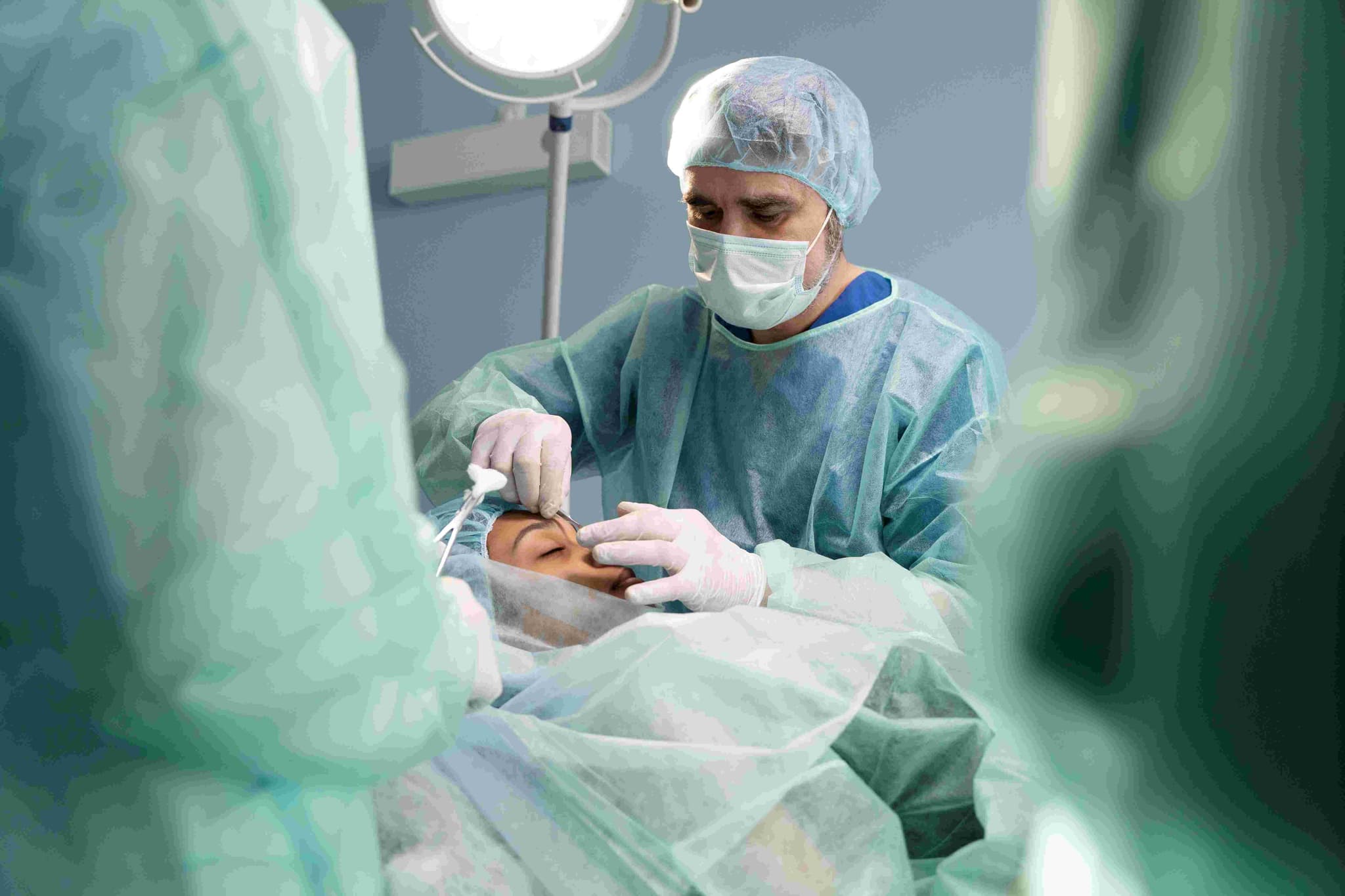
Anesthesia: The procedure is typically performed as an outpatient surgery under either local anesthesia with sedation or general anesthesia.
Surgical Approaches:
External DCR: The surgeon makes a small incision (10–12 mm) on the side of the nose. A small piece of bone is removed to connect the lacrimal sac directly to the nasal cavity. It is considered the "gold standard" with a 90% to 95% success rate.
Endoscopic (Endonasal) DCR: Performed through the nostrils using a thin camera (endoscope), leaving no external scar. This minimally invasive approach typically results in less postoperative bruising.Stent Placement: In many cases, a tiny, flexible silicone stent is temporarily placed in the new opening to keep it from closing while the tissue heals.
Duration: The surgical process typically takes between 30 and 60 minutes.
Pre-Procedure Preparation
Nasal Examination: An evaluation of the nasal passages to ensure there are no structural issues, like a deviated septum, that might interfere with drainage.
Medication Audit: Discussing any blood thinners (like aspirin or warfarin) that must be paused to prevent excessive nosebleeds during or after surgery.
Infection Control: Ensuring any active tear sac infections are treated with antibiotics before the day of the procedure.
Transportation: Arranging for a ride home, as your vision may be slightly blurred and you may feel drowsy from the anesthesia.
Fasting: Following "nothing by mouth" instructions if general anesthesia is planned.
Tests Before Tear Duct Surgery
Lacrimal Syringing and Probing: A diagnostic test where saline is flushed through the tear ducts to confirm the exact location of the blockage.
Dacryocystography (DCG): A specialized X-ray using contrast dye to visualize the shape and size of the tear sac and the obstruction.
Nasal Endoscopy: Using a small camera to look inside the nose for polyps or inflammation that could affect the surgical outcome.
Visual Acuity Test: Establishing a baseline of your vision to monitor eye health following the procedure.
Life After Tear Duct Surgery
Initial Recovery: Healing of the surface tissues takes about 1 to 2 weeks. Expect mild bruising and swelling, which usually resolves within 10–15 days.
Stent Removal: Any placed silicone stents are typically removed during a brief office visit 4 to 12 weeks after surgery.
Nasal Care: Patients must strictly avoid blowing their nose for at least one week to prevent air pressure from disrupting the new drainage channel.
Activity Restrictions: Strenuous exercise, heavy lifting, and swimming are typically restricted for at least 2 weeks.
Elevation: Sleep with your head elevated for the first few days to significantly reduce postoperative swelling.
Why Specialized Treatment Is Highly Effective
Superior Success Rates: External DCR provides a highly reliable solution, successfully resolving blockages in the vast majority of patients.
No Visible Scarring (Endoscopic): The endonasal approach offers a scarless alternative with a faster initial recovery time.
Eliminates Chronic Infections: By restoring drainage, the procedure permanently removes the stagnant fluid where bacteria typically grow.
Rapid Symptom Relief: Most patients notice a significant reduction in eye watering and stickiness almost immediately after the procedure.
Same-Day Discharge: As an outpatient procedure, patients can recover in the comfort of their own home on the same day as the surgery.
DCR (Tear Duct Surgery) Cost in India
The cost of DCR (Tear Duct Surgery) in India is generally affordable compared with many other countries, making India a popular destination for international patients seeking quality medical care. The treatment cost depends on factors such as the hospital, doctor's experience, treatment approach, medical condition, hospital stay, diagnostic tests, medicines, and any additional procedures required. For international patients, the starting cost of DCR (Tear Duct Surgery) in India is approximately 500 USD, although the final price may vary based on individual treatment requirements. Patients are advised to obtain a personalized treatment estimate after medical evaluation.