Medivisor India Treatment Logo
  • Home
              • Become a Partner

              +91 83407 80250

              Medivisor Logo

              Medivisor India Treatment is a trusted New Delhi–based medical travel partner connecting global patients to advanced, affordable, high-quality healthcare in India.

              • Medivisor House 359, Sector 1, Vaishali, Ghaziabad, (Delhi/NCR) India
              • +91 8340 780 250
              • info@medivisorhealth.com

              About Us

              • About Us
              • Our Services
              • Our Team
              • Our Medical Advisors
              • Our Safety Measures
              • Join Our Network
              • Contact Us

              India Treatment

              • Hospitals
              • Treatments
              • Treatment Cost
              • Treatment Process
              • Visa Process
              • Travel Guide
              • FAQs
              • Why Medivisor

              Gallery

              • Patient Testimonials
              • Patient Activities
              • News Coverage
              • Blog

              Get in Touch

              © 2026 Medivisor India Treatment. All rights reserved.

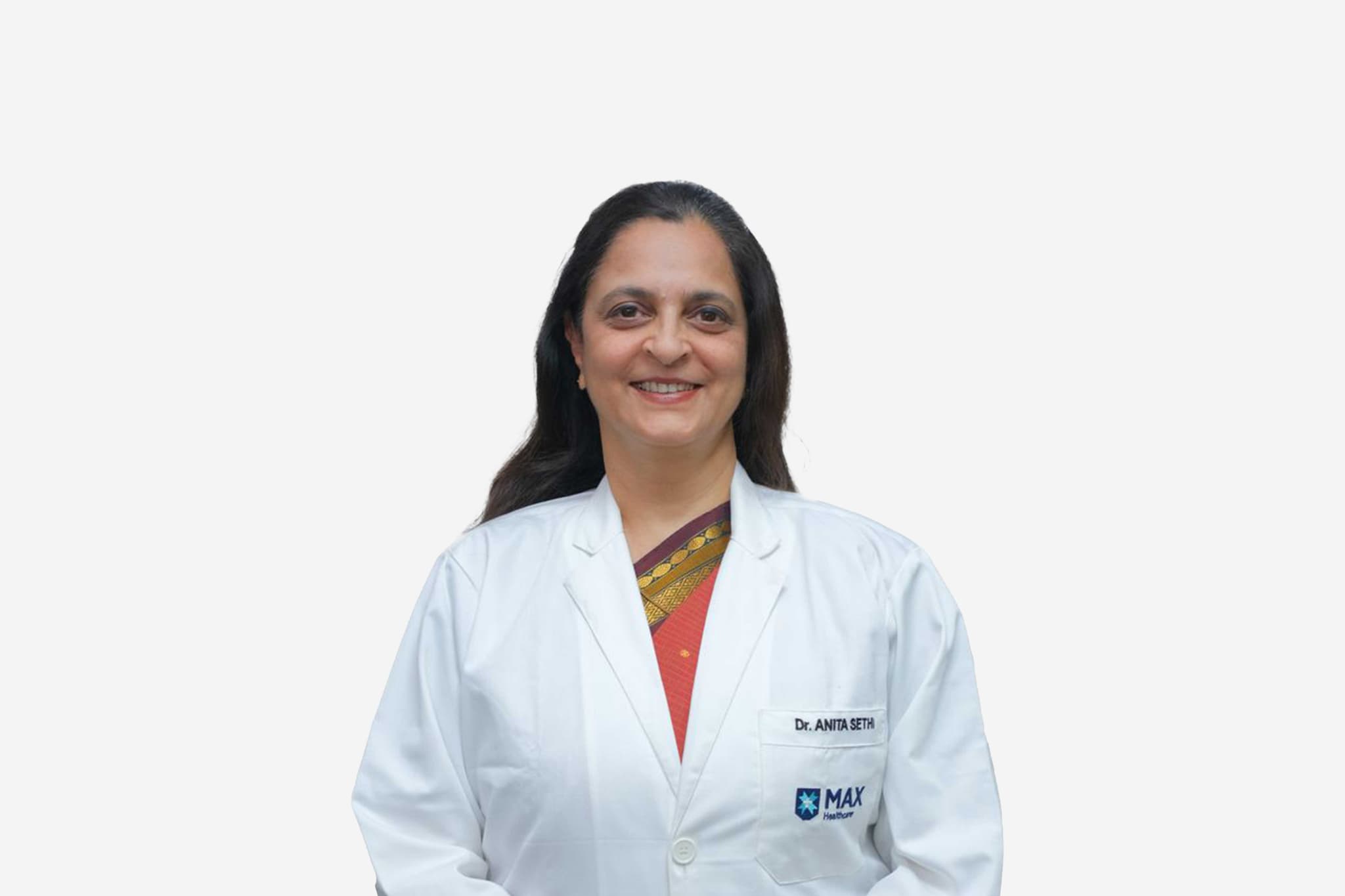
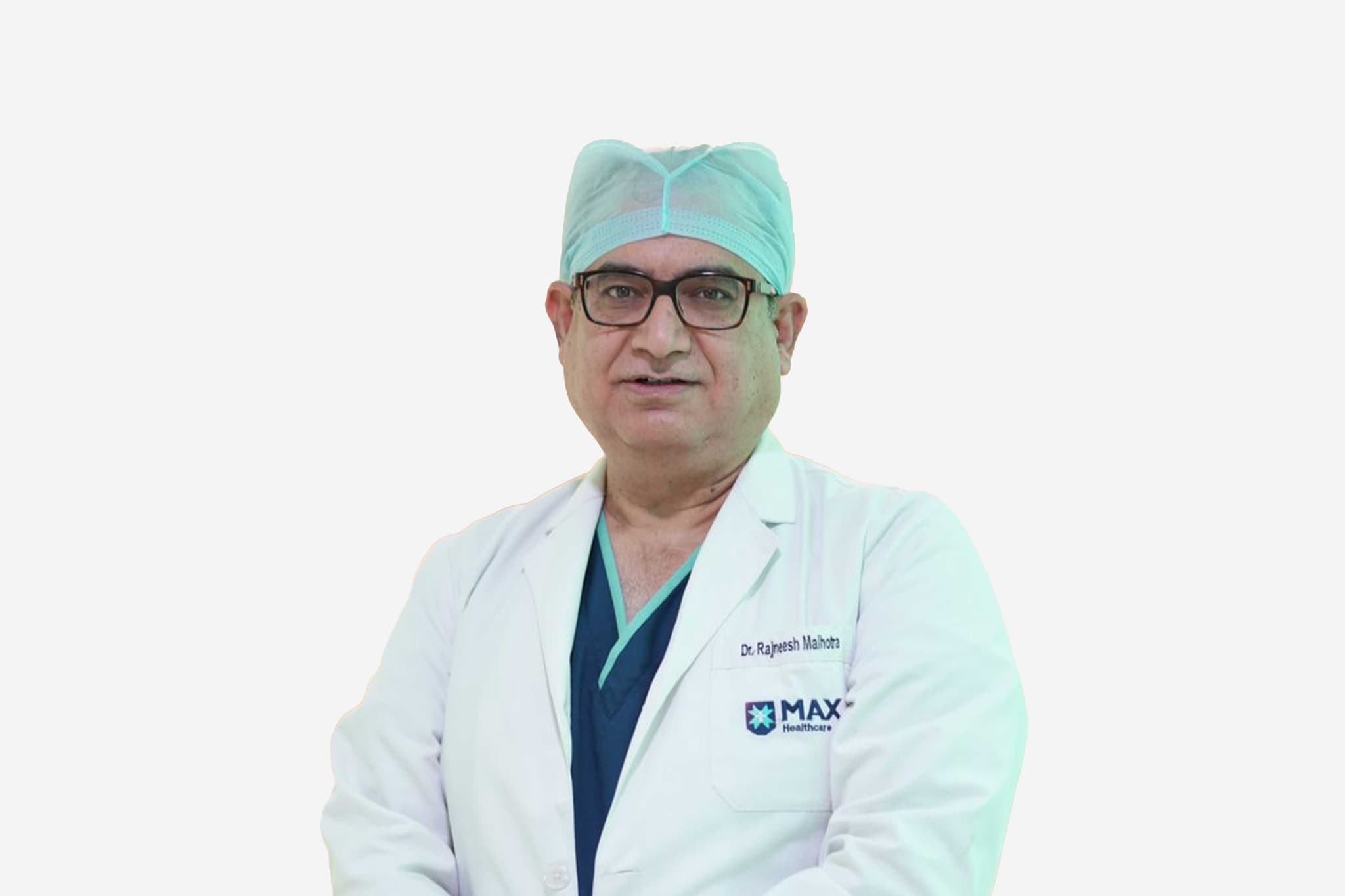
              Dr. Dr. Anita Sethi

              Dr. Anita Sethi

              Principal Director & HOD – Cataract, Lasik and Oculoplasty

              36+ years experience

              MBBS - MAULANA AZAD MEDICAL COLLEGE , NEW DELHI (1983-1988) MD Ophthalmology - DR R P CENTRE FOR OPHTHALMIC SCIENCES, AIIMS, NEW DELHI (1990- 1992) DNB Ophthalmology - NATIONAL BOARD OF EXAMINATIONS (1992) FRCS - ROYAL COLLEGE OF SURGEONS, EDINBURGH (1997)
              1. Home
              2. Doctors
              3. Dr. Anita Sethi

              About Dr. Anita Sethi

              Dr. Anita Sethi is a highly experienced eye surgeon with more than 23 years of expertise in the field of comprehensive eye care. She is proficient in performing advanced cataract and refractive surgeries, as well as complex oculoplastic surgery and ocular oncology. Dr. Sethi has pioneered innovative, eye-saving therapies such as selective intra-arterial chemotherapy and plaque brachytherapy for the treatment of intra-ocular tumors. She also holds a deep interest in the rehabilitation of trauma cases, including acid burn victims and war injuries.

              Currently practicing at Max Healthcare, Dr. Sethi has held several prominent leadership roles throughout her career. She served as the Director and Head of Department for Ophthalmology at Fortis Memorial Research Institute in Gurgaon from 2015 to 2024. Her previous experience includes serving as the HOD at Artemis Hospital, Lead Consultant at Apollo Spectra Hospitals, and Consultant at Sir Ganga Ram Hospital. She also gained specialized experience as an Oculoplasty Consultant at Centre for Sight and as a Registrar in the Oculoplasty and Ocular Oncology Unit at the Dr. R.P. Centre for Ophthalmic Sciences, AIIMS.

              Academic Excellence and Surgical Specializations

              Dr. Sethi’s medical education began at Maulana Azad Medical College, followed by an MD in Ophthalmology from the Dr. R.P. Centre for Ophthalmic Sciences at AIIMS. She is a Diplomate of the National Board of Examinations and a Fellow of the Royal College of Surgeons, Edinburgh. Her surgical repertoire includes:

              • cataract procedures using phaco and MICS with premium lens technology

              • refractive surgeries such as LASIK and ICL

              • oculoplasty treatments for ptosis, blepharoplasty, and ectropion

              • ocular oncology interventions including orbital tumor removal and enucleation

              Contributions to Medical Research and Literature

              An accomplished author and researcher, Dr. Sethi has contributed extensively to medical literature and serves as a reviewer for the Indian Journal of Ophthalmology. She co-authored the Manual of Phaco Technique: A Text and Atlas and has written chapters for prestigious medical textbooks on topics such as orbital studies and the sequelae of Retinopathy of Prematurity. Her dedication to advancing ophthalmology is reflected in her numerous publications in respected journals and her ongoing commitment to clinical research.

              Dr. Anita Sethi at a Glance

              • Over 23 years of specialized experience in ophthalmic surgery and comprehensive eye care.

              • Former Director and HOD of Ophthalmology at Fortis Memorial Research Institute and Artemis Hospital.

              • Pioneer in eye-saving oncology treatments including Selective Intra-arterial Chemotherapy (IAC) and Plaque brachytherapy.

              • Expert in high-precision cataract (Phaco & MICS), refractive (LASIK & ICL), and oculoplastic surgeries.

              • Alumna of Maulana Azad Medical College and AIIMS, New Delhi; Fellow of the Royal College of Surgeons, Edinburgh.

              • Distinguished author of "Manual of Phaco technique" and contributor to multiple clinical textbooks.

              • Specialized focus on the rehabilitation of complex trauma cases, including acid burns and war-related injuries.

              MBBS - MAULANA AZAD MEDICAL COLLEGE , NEW DELHI (1983-1988) MD Ophthalmology - DR R P CENTRE FOR OPHTHALMIC SCIENCES, AIIMS, NEW DELHI (1990- 1992) DNB Ophthalmology - NATIONAL BOARD OF EXAMINATIONS (1992) FRCS - ROYAL COLLEGE OF SURGEONS, EDINBURGH (1997)
              Specialization: Principal Director & HOD – Cataract, Lasik and Oculoplasty

              No awards & achievements available

              Affiliated Hospitals

              Max Multi Specialty Centre, Panchsheel Park
              Max Multi Specialty Centre, Panchsheel Park

              Multi Specialty

              Ghaziabad, Uttar Pradesh

              2000

              Estd.

              10+

              Beds

              180+

              Doctors

              Max Super Specialty Hospital, Saket
              Max Super Specialty Hospital, Saket

              Super Specialty

              New Delhi, Delhi NCR

              2006

              Estd.

              540+

              Beds

              450+

              Doctors

              May we help you?

              Enter digits only (6-15 digits). We'll add your country code.

              May we help you?

              Enter digits only (6-15 digits). We'll add your country code.

              Related Treatments

              Orbital Tumor Removal
              Orbital Tumor Removal

              Orbital Tumor Removal Orbital tumor removal is a highly specialized surgery to excise growths within the eye socket (orbit). Because the orbit is a compact space containing the optic nerve, eye muscles, and critical blood vessels, these procedures often require a multidisciplinary team of oculoplastic surgeons and neurosurgeons to ensure the tumor is removed while preserving vision and eye function. When You Should Consider Orbital Tumor Removal Proptosis (Bulging Eye): When a growth pushes the eyeball forward, causing it to appear more prominent than the other eye. Vision Loss: If a tumor is compressing the optic nerve, leading to dimmed vision, loss of color perception, or blind spots. Double Vision (Diplopia): When a tumor interferes with the muscles that move the eye, causing the eyes to become misaligned. Persistent Pain: Deep-seated aching or pressure within the eye socket that does not resolve with medication. Palpable Mass: A noticeable lump that can be felt through the eyelid or in the corner of the eye socket. How Is Performed Anesthesia: Most orbital surgeries are performed under general anesthesia to ensure patient stability and comfort during delicate maneuvers. Surgical Approaches: Anterior Orbitotomy: Used for tumors in the front two-thirds of the socket. Access is gained through the eyelid crease or the conjunctiva, often leaving no visible scar. Lateral Orbitotomy: The standard approach for deep tumors on the outer side of the eye. This may involve temporarily removing a small piece of the side orbital bone, which is replaced and secured at the end of surgery. Endoscopic Endonasal Approach: A minimally invasive technique where the surgeon reaches tumors near the nose or the back of the socket through the nostrils using a thin camera. Transcranial Orbitotomy: Reserved for tumors at the very back (orbital apex) or those extending toward the brain, requiring a neurosurgical approach through the skull. Reconstruction: If the tumor has affected surrounding structures, the surgeon may reconstruct the area using the patient's own tissue or synthetic materials like titanium plates. Duration: Surgery can last anywhere from 2 to 8 hours depending on the complexity and location of the growth. Pre-Procedure Preparation Advanced Imaging: High-resolution MRI or CT scans are used to create a precise 3D map of the tumor’s position relative to the optic nerve. Multidisciplinary Consultation: Meeting with both oculoplastic and neurosurgical teams if the tumor is located near the brain or orbital apex. Vision Baseline: A comprehensive eye exam to document your current sight, color vision, and eye movements. Medication Audit: Reviewing blood thinners and supplements that must be managed to prevent internal bleeding within the tight orbital space. Hospital Planning: Preparing for an inpatient stay, as most patients are monitored for at least one night following the procedure. Tests Before Orbital Tumor Removal Visual Field Test: To map out any existing blind spots caused by pressure on the optic nerve. Orbital Ultrasound: A non-invasive way to determine if a mass is solid or cystic (fluid-filled). Forced Ductions: A clinical test to see if the eye's movement is physically restricted by the tumor or a trapped muscle. Biopsy: In some cases, a small needle sample may be taken before the main surgery to determine if the tumor is benign or malignant. Life After Orbital Tumor Removal Hospital Stay: Patients typically remain in the hospital for 1 to 7 days for close observation of their vision and neurological status. Immediate Symptoms: Significant swelling, bruising, and a sense of pressure are normal and peak within the first 48–72 hours. Activity Restrictions: You must strictly avoid heavy lifting, bending over, or blowing your nose for at least 2 weeks to prevent pressure-related bleeding. Vision Recovery: Temporary blurring or double vision is common as the eye muscles and nerves heal; full internal recovery can take up to 6 months. Monitoring: Regular follow-up imaging (MRI or CT) is essential to ensure there is no recurrence of the tumor. Why Specialized Treatment Is Highly Effective Preserves Sight: Expert surgeons prioritize the "safe corridor" approach to reach the tumor without damaging the delicate optic nerve. Minimally Invasive Options: Techniques like endoscopic endonasal surgery allow for tumor removal with no external facial incisions. Comprehensive Reconstruction: Modern materials like titanium and porous polyethylene allow for the restoration of the eye socket's natural shape. Multidisciplinary Expertise: Combining the skills of eye and brain specialists provides the highest level of safety for complex, deep-seated tumors. Definitive Diagnosis: Full excision allows for a complete pathological analysis, ensuring the most accurate long-term treatment plan.

              Phacoemulsifacation
              Phacoemulsifacation

              Phacoemulsification (Cataract Surgery) Phacoemulsification, commonly referred to as "phaco," is the modern gold standard for cataract surgery. This procedure uses ultrasonic energy to fragment a clouded natural lens (cataract), allowing it to be removed through a microscopic, often stitchless incision. It is then replaced with a permanent artificial intraocular lens (IOL) to restore clear vision. When You Should Consider Phacoemulsification Cloudy or Blurry Vision: When daily activities like reading or driving become difficult due to a "foggy" lens. Glare and Halos: Increased sensitivity to light, especially during night driving. Fading Colors: When vibrant colors appear yellowed, dull, or faded. Frequent Prescription Changes: Rapid changes in eyeglass or contact lens strength. Double Vision: Experiencing multiple images in a single eye. How Is Performed Anesthesia: Numbing eye drops (topical anesthesia) or a local injection are used so the patient remains awake but feels no pain. The Incision: A microscopic, self-sealing incision (typically 2.2 to 2.8 mm) is made at the edge of the cornea. Capsulorhexis: A precise circular opening is created in the thin membrane (capsule) that surrounds the lens. Phacoemulsification: A specialized probe emitting ultrasonic waves vibrates at high frequencies to fragment the cataract into tiny pieces. Aspiration: The fragmented pieces are gently suctioned out of the eye using the same high-tech probe. IOL Implantation: A foldable artificial lens is inserted through the tiny incision; it unfolds naturally inside the lens capsule to restore focus. Closure: Because of the precise shape of the incision, stitches are usually unnecessary. Pre-Procedure Preparation Eye Measurement (Biometry): Precise ultrasound or laser measurements are taken to determine the correct power of the artificial lens (IOL). Medication Audit: Patients may be asked to start antibiotic or anti-inflammatory drops a few days before the procedure. Fasting: Following specific instructions regarding food and drink intake on the morning of the surgery. Transportation: Arranging for a family member or friend to drive you home, as vision will be blurry immediately after the procedure. Tests Before Cataract Surgery Visual Acuity Test: To measure exactly how much the cataract is affecting your sight. Slit-Lamp Examination: A detailed microscopic look at the front structures of the eye, including the lens. Retinal Exam: Checking the back of the eye to ensure the retina is healthy and capable of good vision after surgery. Keratometry: Measuring the curvature of the cornea to help select the most appropriate artificial lens. Life After Phacoemulsification Initial Vision: Vision may be blurry for the first 24–48 hours but typically improves rapidly as the eye heals. Medication: Patients must use prescribed antibiotic and anti-inflammatory eye drops for several weeks to prevent infection. Eye Protection: A plastic shield is often worn while sleeping for the first week to prevent accidental rubbing or pressure. Activity Restrictions: Avoid heavy lifting, bending over, or getting water/soap in the eye for at least the first 2–3 weeks. Follow-up: Regular checkups ensure the IOL is perfectly positioned and the eye pressure remains stable. Why Specialized Treatment Is Highly Effective Rapid Recovery: Most patients return to light daily activities within one to two days. Micro-Incision Precision: Smaller incisions significantly reduce the risk of surgically induced astigmatism. Customized Vision: Modern IOLs can correct pre-existing nearsightedness, farsightedness, or even presbyopia (reading vision). Minimal Complications: Advanced technology has lowered the risks of infection, bleeding, and inflammation compared to older methods. Permanent Solution: Once the clouded lens is removed and replaced, a cataract cannot grow back on the artificial lens.

              SICS (Small Incision Cataract Surgery)
              SICS (Small Incision Cataract Surgery)

              Manual Small Incision Cataract Surgery (MSICS) Manual Small Incision Cataract Surgery (MSICS or SICS) is a surgical technique where the clouded lens is manually removed through a specialized, self-sealing tunnel. It is primarily used as a cost-effective, high-volume alternative for treating advanced cataracts, especially in resource-limited settings. This procedure is a vital bridge in global eye care, offering outcomes comparable to more expensive technologies. When You Should Consider MSICS Mature or "Hard" Cataracts: When the cataract is very dense (black or brown) and may be difficult to break apart using ultrasound energy. Cost-Effective Treatment: When seeking a high-quality surgical outcome at a lower price point compared to laser or ultrasonic methods. Limited Infrastructure: Ideal for settings where consistent electricity or expensive high-tech maintenance is unavailable. Complex Eye Conditions: Useful for patients with small pupils, weak fibers holding the lens (zonules), or a history of eye trauma. Advanced Vision Loss: When the cataract has progressed to the point of "white" or "hypermature" stages, making other techniques riskier. How Is Performed Preparation: The eye is numbed using local or peribulbar anesthesia and sterilized with povidone-iodine. Sclerocorneal Tunnel Construction: The surgeon creates a 5.5 mm to 7 mm triplanar tunnel in the sclera (the white of the eye) that extends into the cornea. Capsulotomy: An opening is made in the lens capsule—the "bag" holding the lens—to access the cataract. Hydrodissection: Fluid is injected to gently loosen the lens from its surrounding capsule. Nucleus Delivery: The hard central part of the lens (nucleus) is manually expressed through the tunnel using specialized tools like an irrigating vectis or via hydrostatic pressure. IOL Implantation: A permanent artificial intraocular lens (IOL) is inserted into the capsule to restore clear focus. Closure: The tunnel's specific internal shape makes it self-sealing, meaning it stays closed due to natural eye pressure and usually does not require stitches. Pre-Procedure Preparation Biometry: Precise measurements of the eye's length and corneal curvature to determine the correct power for the artificial lens. Infection Screen: Ensuring the eyelids and surrounding skin are free of infection or inflammation before the incision. Medication Audit: Discussing current medications with the surgeon, particularly blood thinners or prostate medications that can affect the iris. Fasting: Following clinical instructions regarding food and water intake on the day of the procedure. Tests Before MSICS Visual Acuity: Measuring the baseline level of vision impairment caused by the cataract. Slit-Lamp Exam: A microscopic evaluation of the cataract's density and the health of the cornea and iris. Intraocular Pressure (IOP): Checking the pressure inside the eye to ensure it is within a safe range for surgery. B-Scan Ultrasound: Performed if the cataract is so dense that the surgeon cannot see the back of the eye, to ensure the retina is healthy. Life After MSICS Initial Vision: Vision often improves within 24 to 48 hours, though full stabilization and final healing typically take 4 to 6 weeks. Medications: Patients must strictly use prescribed antibiotic and anti-inflammatory eye drops for several weeks. Eye Protection: Wearing a protective shield or glasses to prevent accidental rubbing, especially while sleeping. Activity Restrictions: Avoid heavy lifting, bending over, or getting water, soap, or dust in the eye for the first 1–2 weeks. Follow-up: Attending scheduled appointments to monitor the healing of the self-sealing tunnel and check for any inflammation. Why Specialized Treatment Is Highly Effective Superior for Dense Cataracts: Allows for the safe removal of very hard lenses that might cause complications with other methods. Rapid Visual Recovery: Provides a quick return to functional vision, which is essential for patients in high-volume settings. Durability: The self-sealing tunnel is structurally strong and resistant to accidental trauma during the healing phase. Accessibility: Eliminates the need for phacoemulsification machines, making life-changing surgery available in rural and remote areas. Excellent Outcomes: When performed by skilled surgeons, the visual results and safety profile are excellent and long-lasting.

              Femtosecond Laser Cataract Surgery
              Femtosecond Laser Cataract Surgery

              FLACS (Femtosecond Laser-Assisted Cataract Surgery) Femtosecond Laser-Assisted Cataract Surgery (FLACS) is a modern, high-precision version of cataract surgery that uses a computer-guided laser to perform several critical steps traditionally done by hand. Often referred to as "robotic" cataract surgery, it relies on advanced 3D imaging and automated laser pulses to ensure unparalleled accuracy and safety. When You Should Consider FLACS Premium Lens Selection: If you are choosing multifocal, trifocal, or toric IOLs, where perfect lens centration is critical for optimal vision. Pre-existing Astigmatism: When you wish to correct corneal astigmatism during the same procedure to reduce dependence on glasses. Vulnerable Corneas: For patients with conditions like Fuchs' dystrophy, where reducing surgical energy is vital to protecting the cornea. Advanced Cataracts: When the lens is particularly dense, the laser can pre-soften the cataract, making removal safer. Desire for Precision: When seeking the highest level of computer-guided accuracy to minimize manual variability. How Is Performed Imaging & Mapping: The surgeon uses Optical Coherence Tomography (OCT) to create a detailed 3D map of the eye's unique internal anatomy. Corneal Incisions: Based on the 3D map, the laser creates ultra-precise, self-sealing incisions for surgical entry. Capsulotomy: The laser creates a perfectly circular opening in the thin membrane (capsule) that holds the lens. Lens Fragmentation: The laser vibrates at high speeds to soften and break the cataract into tiny pieces before any tools enter the eye. Lens Removal: The pre-softened fragments are gently suctioned out using an ultrasonic probe with significantly reduced energy. IOL Implantation: A permanent artificial intraocular lens (IOL) is inserted to restore clear focus. Duration: The entire outpatient process typically takes between 15 and 30 minutes per eye. Pre-Procedure Preparation Detailed Biometry: Advanced laser measurements of the eye's length and curvature to select the most appropriate IOL. 3D Surgical Planning: Using the OCT data to program the laser for the exact depth and location of all incisions. Medication Audit: Starting antibiotic or anti-inflammatory eye drops a few days before the procedure as prescribed. Fasting: Following clinical instructions regarding food and water intake on the morning of the surgery. Logistics: Arranging for a companion to assist with the return home, as vision may be temporarily blurry. Tests Before FLACS Optical Coherence Tomography (OCT): To visualize the different layers of the eye and ensure the macula is healthy. Topography: Mapping the surface of the cornea to plan for astigmatism correction. Endothelial Cell Count: Checking the health of the inner corneal layer, especially for patients with pre-existing corneal issues. Visual Field Testing: To confirm that the cataract is the primary cause of vision loss and rule out other underlying conditions. Life After FLACS Initial Vision: Many patients report clearer vision within 24 to 48 hours due to reduced intraoperative inflammation. Medication: Strict adherence to antibiotic and anti-inflammatory eye drops for several weeks is necessary for healing. Eye Protection: Wearing a protective shield while sleeping for the first week to prevent accidental pressure or rubbing. Activity Restrictions: Patients should avoid heavy lifting, bending over, or getting water/dust in the eye for the first 2–3 weeks. Long-Term Healing: While initial improvement is rapid, full stabilization of the eye typically takes 4 to 6 weeks. Why Specialized Treatment Is Highly Effective Enhanced Precision: Laser-guided steps are accurate to within a hundredth of a millimeter, significantly reducing manual variability. Reduced Stress on the Eye: Because the laser pre-softens the lens, much less ultrasound energy is required, leading to faster corneal recovery. Perfect Centration: The automated capsulotomy ensures the artificial lens is perfectly centered, which is vital for the performance of premium lenses. Customized Correction: The laser can reshape the cornea to treat minor astigmatism with a level of accuracy difficult to achieve by hand. Consistent Outcomes: The integration of real-time 3D imaging allows for a highly predictable and standardized surgical experience.

              Ptosis Surgery/Blepharoplasty
              Ptosis Surgery/Blepharoplasty

              Ptosis Surgery (Drooping Eyelid Repair) Ptosis surgery, also known as blepharoplasty for ptosis or ptosis repair, is a specialized procedure performed to lift a drooping upper eyelid. Unlike standard cosmetic surgery, this procedure focuses on the levator muscle, which is responsible for raising the lid. The goal is to restore a full field of vision and achieve a symmetrical, alert appearance. When You Should Consider Ptosis Surgery Obstructed Vision: When the eyelid droops low enough to block the pupil or restrict your superior (upper) field of vision. Congenital Ptosis: If a child is born with a drooping lid that may interfere with their visual development or cause a "lazy eye." Acquired Ptosis: When the eyelid muscle stretches or detaches due to aging, long-term contact lens wear, or eye trauma. Eye Strain: If you find yourself constantly arching your eyebrows or tilting your head back to see clearly. Asymmetry: To correct a noticeable difference in the height or contour of the two eyelids for a more balanced appearance. How Is Performed Anesthesia: The surgery is usually an outpatient procedure performed under local anesthesia with sedation for adults, or general anesthesia for children. Incision: The surgeon typically makes a precise incision within the natural crease of the upper eyelid to ensure any future scarring remains hidden. Muscle Adjustment Techniques: Levator Resection: The levator muscle is shortened and reattached to the eyelid to make it "tighter" and stronger. Levator Advancement: The muscle is detached and moved forward to a higher position on the eyelid to improve its leverage. Müller Muscle Resection: For mild drooping, a small muscle on the underside of the lid is tightened; this often involves no external skin incision. Frontalis Sling: If the eyelid muscle is extremely weak, the lid is attached to the forehead (brow) muscles using a medical-grade "sling," allowing the patient to lift their lid by raising their eyebrows. Real-Time Adjustment: In adults, the surgeon may ask the patient to sit up during the procedure to check the lid height and ensure both eyes are perfectly symmetrical. Closure: The incision is closed with very fine, often dissolvable, sutures. Duration: The procedure typically takes between 45 and 90 minutes. Pre-Procedure Preparation Visual Field Testing: To document how much the drooping eyelid is physically blocking your upper range of vision. Levator Function Test: Measuring how many millimeters the eyelid moves when you look from down to up to determine the best surgical technique. Dry Eye Screening: Assessing your tear production, as lifting the lid will expose more of the eye's surface to the air. Medication Audit: Discussing any blood thinners or herbal supplements that may increase bruising or swelling after surgery. Transportation: Arranging for a ride home, as your vision may be blurry from antibiotic ointment and local swelling. Tests Before Ptosis Surgery Margin Reflex Distance (MRD): A precise measurement of the distance between the light reflex on the pupil and the edge of the upper eyelid. Hering’s Law Test: Checking if lifting one eyelid causes the other to drop, which helps the surgeon plan for bilateral (both eyes) surgery. Phenylephrine Test: Using specialized drops to see if the eyelid responds to stimulation of the Müller muscle, indicating if a "no-incision" approach is possible. Eyelid Photography: Taking standardized photos to map the lid contour and provide a baseline for post-operative symmetry. Life After Ptosis Surgery Initial Recovery: Swelling, bruising, and a "tight" feeling in the lids are normal for the first 1 to 2 weeks. Eye Closure: It is common to have difficulty closing the eye completely for the first few days. Using prescribed lubricating ointments and drops is essential to prevent the eye from drying out. Cold Compresses: Frequent use of cold packs for the first 48 hours is highly recommended to minimize bruising and swelling. Stitch Removal: If non-dissolvable stitches were used, they are typically removed in the office after 5 to 7 days. Activity Limits: Avoid heavy lifting, strenuous exercise, or wearing eye makeup for at least 1 to 2 weeks to allow the delicate incisions to heal. Why Specialized Treatment Is Highly Effective Restores Full Vision: Effectively clears the visual axis, eliminating the "tunnel vision" effect caused by a sagging lid. Achieves Symmetry: Advanced adjustment techniques allow the surgeon to match the curve and height of both eyelids with high precision. Minimally Invasive: Modern eyelid surgery uses tiny incisions and hidden sutures, resulting in a rapid recovery and natural-looking results. Functional and Aesthetic: Simultaneously improves your ability to see while eliminating a "tired" or "sleepy" facial expression. Long-Lasting Results: For most adults, a single ptosis repair provides a permanent solution that lasts for many years without the need for a "touch-up."

              DCR (Tear Duct Surgery)
              DCR (Tear Duct Surgery)

              Tear Duct Surgery Tear duct surgery, most commonly known as Dacryocystorhinostomy (DCR), is a specialized procedure performed to create a new drainage pathway for tears between the eye and the nose. It is the primary treatment for a blocked tear duct (nasolacrimal duct obstruction), which causes symptoms like constant watering, sticky discharge, and recurrent eye infections. By bypassing the obstruction, DCR restores the natural flow of tears and eliminates chronic irritation. When You Should Consider Tear Duct Surgery Chronic Watering (Epiphora): When tears constantly overflow onto your cheeks, affecting your vision and daily comfort. Recurrent Infections: If you experience frequent bouts of dacryocystitis (infection of the tear sac) characterized by pain, redness, and swelling near the nose. Sticky Discharge: Persistent mucus or pus-like discharge that causes the eyelids to stick together, especially upon waking. Painful Swelling: A visible, tender lump in the inner corner of the eye caused by fluid backup in the lacrimal sac. Failed Conservative Treatment: When massage, antibiotics, or simple "probing" of the duct have failed to clear the obstruction. How Is Performed Anesthesia: The procedure is typically performed as an outpatient surgery under either local anesthesia with sedation or general anesthesia. Surgical Approaches: External DCR: The surgeon makes a small incision (10–12 mm) on the side of the nose. A small piece of bone is removed to connect the lacrimal sac directly to the nasal cavity. It is considered the "gold standard" with a 90% to 95% success rate. Endoscopic (Endonasal) DCR: Performed through the nostrils using a thin camera (endoscope), leaving no external scar. This minimally invasive approach typically results in less postoperative bruising. Stent Placement: In many cases, a tiny, flexible silicone stent is temporarily placed in the new opening to keep it from closing while the tissue heals. Duration: The surgical process typically takes between 30 and 60 minutes. Pre-Procedure Preparation Nasal Examination: An evaluation of the nasal passages to ensure there are no structural issues, like a deviated septum, that might interfere with drainage. Medication Audit: Discussing any blood thinners (like aspirin or warfarin) that must be paused to prevent excessive nosebleeds during or after surgery. Infection Control: Ensuring any active tear sac infections are treated with antibiotics before the day of the procedure. Transportation: Arranging for a ride home, as your vision may be slightly blurred and you may feel drowsy from the anesthesia. Fasting: Following "nothing by mouth" instructions if general anesthesia is planned. Tests Before Tear Duct Surgery Lacrimal Syringing and Probing: A diagnostic test where saline is flushed through the tear ducts to confirm the exact location of the blockage. Dacryocystography (DCG): A specialized X-ray using contrast dye to visualize the shape and size of the tear sac and the obstruction. Nasal Endoscopy: Using a small camera to look inside the nose for polyps or inflammation that could affect the surgical outcome. Visual Acuity Test: Establishing a baseline of your vision to monitor eye health following the procedure. Life After Tear Duct Surgery Initial Recovery: Healing of the surface tissues takes about 1 to 2 weeks. Expect mild bruising and swelling, which usually resolves within 10–15 days. Stent Removal: Any placed silicone stents are typically removed during a brief office visit 4 to 12 weeks after surgery. Nasal Care: Patients must strictly avoid blowing their nose for at least one week to prevent air pressure from disrupting the new drainage channel. Activity Restrictions: Strenuous exercise, heavy lifting, and swimming are typically restricted for at least 2 weeks. Elevation: Sleep with your head elevated for the first few days to significantly reduce postoperative swelling. Why Specialized Treatment Is Highly Effective Superior Success Rates: External DCR provides a highly reliable solution, successfully resolving blockages in the vast majority of patients. No Visible Scarring (Endoscopic): The endonasal approach offers a scarless alternative with a faster initial recovery time. Eliminates Chronic Infections: By restoring drainage, the procedure permanently removes the stagnant fluid where bacteria typically grow. Rapid Symptom Relief: Most patients notice a significant reduction in eye watering and stickiness almost immediately after the procedure. Same-Day Discharge: As an outpatient procedure, patients can recover in the comfort of their own home on the same day as the surgery.

              Eyelid Reconstruction
              Eyelid Reconstruction

              Eyelid Reconstruction Eyelid reconstruction is a complex surgical process used to repair defects caused by skin cancer removal (such as Mohs surgery), trauma, or congenital anomalies. Because the eyelid is essential for protecting the eye and maintaining moisture, the primary goal is to restore these functions while achieving an aesthetically natural and symmetrical appearance. When You Should Consider Eyelid Reconstruction Skin Cancer Removal: Following the excision of a basal cell or squamous cell carcinoma that has left a gap in the eyelid tissue. Traumatic Injury: To repair deep lacerations, avulsions, or "dog bite" injuries that have damaged the eyelid structure. Congenital Coloboma: For children born with a missing piece of the eyelid that leaves the cornea exposed. Severe Scarring: To correct "cicatricial" changes where previous injuries have pulled the eyelid out of its natural position. Functional Deficits: When an existing defect prevents the eye from closing properly, leading to chronic pain or corneal ulcers. How Is Performed Anesthesia: Depending on the complexity, the procedure is performed under local anesthesia with sedation or general anesthesia. The Bilamellar Principle: Surgeons treat the eyelid as a two-layered structure that must be rebuilt separately: Anterior Lamella: The outer layer consisting of the skin and the orbicularis oculi muscle. Posterior Lamella: The inner layer made up of the conjunctiva (lining) and the tarsal plate (the structural "skeleton" of the lid). Vascularity Rule: At least one reconstructed layer must have its own blood supply (usually a flap) to support the other if a graft is used. Surgical Techniques: Direct Closure: For small defects (less than 33% of the lid width), the edges are sewn together directly. Tenzel Semicircular Flap: A semicircular flap of skin is rotated from the side of the eye to fill moderate gaps (33%–50%). Hughes Flap (Lower Lid): A two-stage procedure for large defects where part of the upper lid's inner lining is stretched down. The eye remains temporarily closed for 2–4 weeks before a second surgery separates them. Cutler-Beard Flap (Upper Lid): Uses full-thickness tissue from the lower lid to rebuild a large upper lid defect in a staged approach. Duration: Procedures can range from 1 to 3 hours depending on the size of the defect. Pre-Procedure Preparation Defect Assessment: A detailed measurement of the missing tissue once the "clear margins" (in cancer cases) have been established. Donor Site Selection: Identifying areas for potential skin grafts, often from the opposite eyelid, behind the ear, or the collarbone. Staging Discussion: Understanding if the repair will require one surgery or two separate procedures (staged flaps) separated by several weeks. Medication Audit: Reviewing blood thinners and supplements that could increase bruising or jeopardize the survival of a skin flap. Eye Protection Planning: Preparing for a period where the eye may be patched or temporarily sewn shut to allow the new tissue to "take." Tests Before Eyelid Reconstruction Snap-Back Test: Checking the "laxity" (looseness) of the surrounding eyelid tissue to see how much can be shifted into the defect. Corneal Sensitivity: Ensuring the eye's surface is healthy and can tolerate a period of reduced protection during healing. Tear Film Evaluation: Assessing baseline moisture levels, as reconstruction can temporarily affect tear distribution. Photographic Mapping: Taking high-resolution images to plan the flap geometry and track the maturation of scars. Life After Eyelid Reconstruction Immediate Post-Op: Expect significant bruising and swelling that typically peaks in the first 48–72 hours. Healing Timeline: Most patients feel "public ready" within 10 to 14 days, though full tissue settling and scar maturation can take 3 to 6 months. The "Opening" Procedure: If a staged flap (like a Hughes flap) was used, a brief second procedure is required 2–4 weeks later to safely "open" the eye. Lubrication: Intensive use of ointments and drops is necessary while the new eyelid learns to blink and spread tears effectively. Activity Limits: Avoid heavy lifting or any activity that increases blood pressure to the face for the first 1–2 weeks to protect the new blood supply. Why Specialized Treatment Is Highly Effective Restores Essential Protection: Rebuilding the eyelid ensures the cornea is covered during sleep and blinking, preventing permanent blindness. Advanced Flap Technology: Using the patient's own vascularized tissue (flaps) provides the highest success rate for "living" repairs. Microsurgical Precision: Expert surgeons can hide incisions within natural creases, making even large reconstructions nearly invisible once healed. Dual-Layer Integrity: By reconstructing both the skeleton and the skin, the eyelid maintains the necessary stiffness to sweep away debris. Lifelong Stability: Once the final "settling" occurs at 6 months, the reconstructed eyelid typically functions reliably for the rest of the patient's life.

              Orbital Tumor Removal
              Orbital Tumor Removal

              Orbital Tumor Removal Orbital tumor removal is a highly specialized surgery to excise growths within the eye socket (orbit). Because the orbit is a compact space containing the optic nerve, eye muscles, and critical blood vessels, these procedures often require a multidisciplinary team of oculoplastic surgeons and neurosurgeons to ensure the tumor is removed while preserving vision and eye function. When You Should Consider Orbital Tumor Removal Proptosis (Bulging Eye): When a growth pushes the eyeball forward, causing it to appear more prominent than the other eye. Vision Loss: If a tumor is compressing the optic nerve, leading to dimmed vision, loss of color perception, or blind spots. Double Vision (Diplopia): When a tumor interferes with the muscles that move the eye, causing the eyes to become misaligned. Persistent Pain: Deep-seated aching or pressure within the eye socket that does not resolve with medication. Palpable Mass: A noticeable lump that can be felt through the eyelid or in the corner of the eye socket. How Is Performed Anesthesia: Most orbital surgeries are performed under general anesthesia to ensure patient stability and comfort during delicate maneuvers. Surgical Approaches: Anterior Orbitotomy: Used for tumors in the front two-thirds of the socket. Access is gained through the eyelid crease or the conjunctiva, often leaving no visible scar. Lateral Orbitotomy: The standard approach for deep tumors on the outer side of the eye. This may involve temporarily removing a small piece of the side orbital bone, which is replaced and secured at the end of surgery. Endoscopic Endonasal Approach: A minimally invasive technique where the surgeon reaches tumors near the nose or the back of the socket through the nostrils using a thin camera. Transcranial Orbitotomy: Reserved for tumors at the very back (orbital apex) or those extending toward the brain, requiring a neurosurgical approach through the skull. Reconstruction: If the tumor has affected surrounding structures, the surgeon may reconstruct the area using the patient's own tissue or synthetic materials like titanium plates. Duration: Surgery can last anywhere from 2 to 8 hours depending on the complexity and location of the growth. Pre-Procedure Preparation Advanced Imaging: High-resolution MRI or CT scans are used to create a precise 3D map of the tumor’s position relative to the optic nerve. Multidisciplinary Consultation: Meeting with both oculoplastic and neurosurgical teams if the tumor is located near the brain or orbital apex. Vision Baseline: A comprehensive eye exam to document your current sight, color vision, and eye movements. Medication Audit: Reviewing blood thinners and supplements that must be managed to prevent internal bleeding within the tight orbital space. Hospital Planning: Preparing for an inpatient stay, as most patients are monitored for at least one night following the procedure. Tests Before Orbital Tumor Removal Visual Field Test: To map out any existing blind spots caused by pressure on the optic nerve. Orbital Ultrasound: A non-invasive way to determine if a mass is solid or cystic (fluid-filled). Forced Ductions: A clinical test to see if the eye's movement is physically restricted by the tumor or a trapped muscle. Biopsy: In some cases, a small needle sample may be taken before the main surgery to determine if the tumor is benign or malignant. Life After Orbital Tumor Removal Hospital Stay: Patients typically remain in the hospital for 1 to 7 days for close observation of their vision and neurological status. Immediate Symptoms: Significant swelling, bruising, and a sense of pressure are normal and peak within the first 48–72 hours. Activity Restrictions: You must strictly avoid heavy lifting, bending over, or blowing your nose for at least 2 weeks to prevent pressure-related bleeding. Vision Recovery: Temporary blurring or double vision is common as the eye muscles and nerves heal; full internal recovery can take up to 6 months. Monitoring: Regular follow-up imaging (MRI or CT) is essential to ensure there is no recurrence of the tumor. Why Specialized Treatment Is Highly Effective Preserves Sight: Expert surgeons prioritize the "safe corridor" approach to reach the tumor without damaging the delicate optic nerve. Minimally Invasive Options: Techniques like endoscopic endonasal surgery allow for tumor removal with no external facial incisions. Comprehensive Reconstruction: Modern materials like titanium and porous polyethylene allow for the restoration of the eye socket's natural shape. Multidisciplinary Expertise: Combining the skills of eye and brain specialists provides the highest level of safety for complex, deep-seated tumors. Definitive Diagnosis: Full excision allows for a complete pathological analysis, ensuring the most accurate long-term treatment plan.

              Phacoemulsifacation
              Phacoemulsifacation

              Phacoemulsification (Cataract Surgery) Phacoemulsification, commonly referred to as "phaco," is the modern gold standard for cataract surgery. This procedure uses ultrasonic energy to fragment a clouded natural lens (cataract), allowing it to be removed through a microscopic, often stitchless incision. It is then replaced with a permanent artificial intraocular lens (IOL) to restore clear vision. When You Should Consider Phacoemulsification Cloudy or Blurry Vision: When daily activities like reading or driving become difficult due to a "foggy" lens. Glare and Halos: Increased sensitivity to light, especially during night driving. Fading Colors: When vibrant colors appear yellowed, dull, or faded. Frequent Prescription Changes: Rapid changes in eyeglass or contact lens strength. Double Vision: Experiencing multiple images in a single eye. How Is Performed Anesthesia: Numbing eye drops (topical anesthesia) or a local injection are used so the patient remains awake but feels no pain. The Incision: A microscopic, self-sealing incision (typically 2.2 to 2.8 mm) is made at the edge of the cornea. Capsulorhexis: A precise circular opening is created in the thin membrane (capsule) that surrounds the lens. Phacoemulsification: A specialized probe emitting ultrasonic waves vibrates at high frequencies to fragment the cataract into tiny pieces. Aspiration: The fragmented pieces are gently suctioned out of the eye using the same high-tech probe. IOL Implantation: A foldable artificial lens is inserted through the tiny incision; it unfolds naturally inside the lens capsule to restore focus. Closure: Because of the precise shape of the incision, stitches are usually unnecessary. Pre-Procedure Preparation Eye Measurement (Biometry): Precise ultrasound or laser measurements are taken to determine the correct power of the artificial lens (IOL). Medication Audit: Patients may be asked to start antibiotic or anti-inflammatory drops a few days before the procedure. Fasting: Following specific instructions regarding food and drink intake on the morning of the surgery. Transportation: Arranging for a family member or friend to drive you home, as vision will be blurry immediately after the procedure. Tests Before Cataract Surgery Visual Acuity Test: To measure exactly how much the cataract is affecting your sight. Slit-Lamp Examination: A detailed microscopic look at the front structures of the eye, including the lens. Retinal Exam: Checking the back of the eye to ensure the retina is healthy and capable of good vision after surgery. Keratometry: Measuring the curvature of the cornea to help select the most appropriate artificial lens. Life After Phacoemulsification Initial Vision: Vision may be blurry for the first 24–48 hours but typically improves rapidly as the eye heals. Medication: Patients must use prescribed antibiotic and anti-inflammatory eye drops for several weeks to prevent infection. Eye Protection: A plastic shield is often worn while sleeping for the first week to prevent accidental rubbing or pressure. Activity Restrictions: Avoid heavy lifting, bending over, or getting water/soap in the eye for at least the first 2–3 weeks. Follow-up: Regular checkups ensure the IOL is perfectly positioned and the eye pressure remains stable. Why Specialized Treatment Is Highly Effective Rapid Recovery: Most patients return to light daily activities within one to two days. Micro-Incision Precision: Smaller incisions significantly reduce the risk of surgically induced astigmatism. Customized Vision: Modern IOLs can correct pre-existing nearsightedness, farsightedness, or even presbyopia (reading vision). Minimal Complications: Advanced technology has lowered the risks of infection, bleeding, and inflammation compared to older methods. Permanent Solution: Once the clouded lens is removed and replaced, a cataract cannot grow back on the artificial lens.

              SICS (Small Incision Cataract Surgery)
              SICS (Small Incision Cataract Surgery)

              Manual Small Incision Cataract Surgery (MSICS) Manual Small Incision Cataract Surgery (MSICS or SICS) is a surgical technique where the clouded lens is manually removed through a specialized, self-sealing tunnel. It is primarily used as a cost-effective, high-volume alternative for treating advanced cataracts, especially in resource-limited settings. This procedure is a vital bridge in global eye care, offering outcomes comparable to more expensive technologies. When You Should Consider MSICS Mature or "Hard" Cataracts: When the cataract is very dense (black or brown) and may be difficult to break apart using ultrasound energy. Cost-Effective Treatment: When seeking a high-quality surgical outcome at a lower price point compared to laser or ultrasonic methods. Limited Infrastructure: Ideal for settings where consistent electricity or expensive high-tech maintenance is unavailable. Complex Eye Conditions: Useful for patients with small pupils, weak fibers holding the lens (zonules), or a history of eye trauma. Advanced Vision Loss: When the cataract has progressed to the point of "white" or "hypermature" stages, making other techniques riskier. How Is Performed Preparation: The eye is numbed using local or peribulbar anesthesia and sterilized with povidone-iodine. Sclerocorneal Tunnel Construction: The surgeon creates a 5.5 mm to 7 mm triplanar tunnel in the sclera (the white of the eye) that extends into the cornea. Capsulotomy: An opening is made in the lens capsule—the "bag" holding the lens—to access the cataract. Hydrodissection: Fluid is injected to gently loosen the lens from its surrounding capsule. Nucleus Delivery: The hard central part of the lens (nucleus) is manually expressed through the tunnel using specialized tools like an irrigating vectis or via hydrostatic pressure. IOL Implantation: A permanent artificial intraocular lens (IOL) is inserted into the capsule to restore clear focus. Closure: The tunnel's specific internal shape makes it self-sealing, meaning it stays closed due to natural eye pressure and usually does not require stitches. Pre-Procedure Preparation Biometry: Precise measurements of the eye's length and corneal curvature to determine the correct power for the artificial lens. Infection Screen: Ensuring the eyelids and surrounding skin are free of infection or inflammation before the incision. Medication Audit: Discussing current medications with the surgeon, particularly blood thinners or prostate medications that can affect the iris. Fasting: Following clinical instructions regarding food and water intake on the day of the procedure. Tests Before MSICS Visual Acuity: Measuring the baseline level of vision impairment caused by the cataract. Slit-Lamp Exam: A microscopic evaluation of the cataract's density and the health of the cornea and iris. Intraocular Pressure (IOP): Checking the pressure inside the eye to ensure it is within a safe range for surgery. B-Scan Ultrasound: Performed if the cataract is so dense that the surgeon cannot see the back of the eye, to ensure the retina is healthy. Life After MSICS Initial Vision: Vision often improves within 24 to 48 hours, though full stabilization and final healing typically take 4 to 6 weeks. Medications: Patients must strictly use prescribed antibiotic and anti-inflammatory eye drops for several weeks. Eye Protection: Wearing a protective shield or glasses to prevent accidental rubbing, especially while sleeping. Activity Restrictions: Avoid heavy lifting, bending over, or getting water, soap, or dust in the eye for the first 1–2 weeks. Follow-up: Attending scheduled appointments to monitor the healing of the self-sealing tunnel and check for any inflammation. Why Specialized Treatment Is Highly Effective Superior for Dense Cataracts: Allows for the safe removal of very hard lenses that might cause complications with other methods. Rapid Visual Recovery: Provides a quick return to functional vision, which is essential for patients in high-volume settings. Durability: The self-sealing tunnel is structurally strong and resistant to accidental trauma during the healing phase. Accessibility: Eliminates the need for phacoemulsification machines, making life-changing surgery available in rural and remote areas. Excellent Outcomes: When performed by skilled surgeons, the visual results and safety profile are excellent and long-lasting.

              Femtosecond Laser Cataract Surgery
              Femtosecond Laser Cataract Surgery

              FLACS (Femtosecond Laser-Assisted Cataract Surgery) Femtosecond Laser-Assisted Cataract Surgery (FLACS) is a modern, high-precision version of cataract surgery that uses a computer-guided laser to perform several critical steps traditionally done by hand. Often referred to as "robotic" cataract surgery, it relies on advanced 3D imaging and automated laser pulses to ensure unparalleled accuracy and safety. When You Should Consider FLACS Premium Lens Selection: If you are choosing multifocal, trifocal, or toric IOLs, where perfect lens centration is critical for optimal vision. Pre-existing Astigmatism: When you wish to correct corneal astigmatism during the same procedure to reduce dependence on glasses. Vulnerable Corneas: For patients with conditions like Fuchs' dystrophy, where reducing surgical energy is vital to protecting the cornea. Advanced Cataracts: When the lens is particularly dense, the laser can pre-soften the cataract, making removal safer. Desire for Precision: When seeking the highest level of computer-guided accuracy to minimize manual variability. How Is Performed Imaging & Mapping: The surgeon uses Optical Coherence Tomography (OCT) to create a detailed 3D map of the eye's unique internal anatomy. Corneal Incisions: Based on the 3D map, the laser creates ultra-precise, self-sealing incisions for surgical entry. Capsulotomy: The laser creates a perfectly circular opening in the thin membrane (capsule) that holds the lens. Lens Fragmentation: The laser vibrates at high speeds to soften and break the cataract into tiny pieces before any tools enter the eye. Lens Removal: The pre-softened fragments are gently suctioned out using an ultrasonic probe with significantly reduced energy. IOL Implantation: A permanent artificial intraocular lens (IOL) is inserted to restore clear focus. Duration: The entire outpatient process typically takes between 15 and 30 minutes per eye. Pre-Procedure Preparation Detailed Biometry: Advanced laser measurements of the eye's length and curvature to select the most appropriate IOL. 3D Surgical Planning: Using the OCT data to program the laser for the exact depth and location of all incisions. Medication Audit: Starting antibiotic or anti-inflammatory eye drops a few days before the procedure as prescribed. Fasting: Following clinical instructions regarding food and water intake on the morning of the surgery. Logistics: Arranging for a companion to assist with the return home, as vision may be temporarily blurry. Tests Before FLACS Optical Coherence Tomography (OCT): To visualize the different layers of the eye and ensure the macula is healthy. Topography: Mapping the surface of the cornea to plan for astigmatism correction. Endothelial Cell Count: Checking the health of the inner corneal layer, especially for patients with pre-existing corneal issues. Visual Field Testing: To confirm that the cataract is the primary cause of vision loss and rule out other underlying conditions. Life After FLACS Initial Vision: Many patients report clearer vision within 24 to 48 hours due to reduced intraoperative inflammation. Medication: Strict adherence to antibiotic and anti-inflammatory eye drops for several weeks is necessary for healing. Eye Protection: Wearing a protective shield while sleeping for the first week to prevent accidental pressure or rubbing. Activity Restrictions: Patients should avoid heavy lifting, bending over, or getting water/dust in the eye for the first 2–3 weeks. Long-Term Healing: While initial improvement is rapid, full stabilization of the eye typically takes 4 to 6 weeks. Why Specialized Treatment Is Highly Effective Enhanced Precision: Laser-guided steps are accurate to within a hundredth of a millimeter, significantly reducing manual variability. Reduced Stress on the Eye: Because the laser pre-softens the lens, much less ultrasound energy is required, leading to faster corneal recovery. Perfect Centration: The automated capsulotomy ensures the artificial lens is perfectly centered, which is vital for the performance of premium lenses. Customized Correction: The laser can reshape the cornea to treat minor astigmatism with a level of accuracy difficult to achieve by hand. Consistent Outcomes: The integration of real-time 3D imaging allows for a highly predictable and standardized surgical experience.

              Ptosis Surgery/Blepharoplasty
              Ptosis Surgery/Blepharoplasty

              Ptosis Surgery (Drooping Eyelid Repair) Ptosis surgery, also known as blepharoplasty for ptosis or ptosis repair, is a specialized procedure performed to lift a drooping upper eyelid. Unlike standard cosmetic surgery, this procedure focuses on the levator muscle, which is responsible for raising the lid. The goal is to restore a full field of vision and achieve a symmetrical, alert appearance. When You Should Consider Ptosis Surgery Obstructed Vision: When the eyelid droops low enough to block the pupil or restrict your superior (upper) field of vision. Congenital Ptosis: If a child is born with a drooping lid that may interfere with their visual development or cause a "lazy eye." Acquired Ptosis: When the eyelid muscle stretches or detaches due to aging, long-term contact lens wear, or eye trauma. Eye Strain: If you find yourself constantly arching your eyebrows or tilting your head back to see clearly. Asymmetry: To correct a noticeable difference in the height or contour of the two eyelids for a more balanced appearance. How Is Performed Anesthesia: The surgery is usually an outpatient procedure performed under local anesthesia with sedation for adults, or general anesthesia for children. Incision: The surgeon typically makes a precise incision within the natural crease of the upper eyelid to ensure any future scarring remains hidden. Muscle Adjustment Techniques: Levator Resection: The levator muscle is shortened and reattached to the eyelid to make it "tighter" and stronger. Levator Advancement: The muscle is detached and moved forward to a higher position on the eyelid to improve its leverage. Müller Muscle Resection: For mild drooping, a small muscle on the underside of the lid is tightened; this often involves no external skin incision. Frontalis Sling: If the eyelid muscle is extremely weak, the lid is attached to the forehead (brow) muscles using a medical-grade "sling," allowing the patient to lift their lid by raising their eyebrows. Real-Time Adjustment: In adults, the surgeon may ask the patient to sit up during the procedure to check the lid height and ensure both eyes are perfectly symmetrical. Closure: The incision is closed with very fine, often dissolvable, sutures. Duration: The procedure typically takes between 45 and 90 minutes. Pre-Procedure Preparation Visual Field Testing: To document how much the drooping eyelid is physically blocking your upper range of vision. Levator Function Test: Measuring how many millimeters the eyelid moves when you look from down to up to determine the best surgical technique. Dry Eye Screening: Assessing your tear production, as lifting the lid will expose more of the eye's surface to the air. Medication Audit: Discussing any blood thinners or herbal supplements that may increase bruising or swelling after surgery. Transportation: Arranging for a ride home, as your vision may be blurry from antibiotic ointment and local swelling. Tests Before Ptosis Surgery Margin Reflex Distance (MRD): A precise measurement of the distance between the light reflex on the pupil and the edge of the upper eyelid. Hering’s Law Test: Checking if lifting one eyelid causes the other to drop, which helps the surgeon plan for bilateral (both eyes) surgery. Phenylephrine Test: Using specialized drops to see if the eyelid responds to stimulation of the Müller muscle, indicating if a "no-incision" approach is possible. Eyelid Photography: Taking standardized photos to map the lid contour and provide a baseline for post-operative symmetry. Life After Ptosis Surgery Initial Recovery: Swelling, bruising, and a "tight" feeling in the lids are normal for the first 1 to 2 weeks. Eye Closure: It is common to have difficulty closing the eye completely for the first few days. Using prescribed lubricating ointments and drops is essential to prevent the eye from drying out. Cold Compresses: Frequent use of cold packs for the first 48 hours is highly recommended to minimize bruising and swelling. Stitch Removal: If non-dissolvable stitches were used, they are typically removed in the office after 5 to 7 days. Activity Limits: Avoid heavy lifting, strenuous exercise, or wearing eye makeup for at least 1 to 2 weeks to allow the delicate incisions to heal. Why Specialized Treatment Is Highly Effective Restores Full Vision: Effectively clears the visual axis, eliminating the "tunnel vision" effect caused by a sagging lid. Achieves Symmetry: Advanced adjustment techniques allow the surgeon to match the curve and height of both eyelids with high precision. Minimally Invasive: Modern eyelid surgery uses tiny incisions and hidden sutures, resulting in a rapid recovery and natural-looking results. Functional and Aesthetic: Simultaneously improves your ability to see while eliminating a "tired" or "sleepy" facial expression. Long-Lasting Results: For most adults, a single ptosis repair provides a permanent solution that lasts for many years without the need for a "touch-up."

              DCR (Tear Duct Surgery)
              DCR (Tear Duct Surgery)

              Tear Duct Surgery Tear duct surgery, most commonly known as Dacryocystorhinostomy (DCR), is a specialized procedure performed to create a new drainage pathway for tears between the eye and the nose. It is the primary treatment for a blocked tear duct (nasolacrimal duct obstruction), which causes symptoms like constant watering, sticky discharge, and recurrent eye infections. By bypassing the obstruction, DCR restores the natural flow of tears and eliminates chronic irritation. When You Should Consider Tear Duct Surgery Chronic Watering (Epiphora): When tears constantly overflow onto your cheeks, affecting your vision and daily comfort. Recurrent Infections: If you experience frequent bouts of dacryocystitis (infection of the tear sac) characterized by pain, redness, and swelling near the nose. Sticky Discharge: Persistent mucus or pus-like discharge that causes the eyelids to stick together, especially upon waking. Painful Swelling: A visible, tender lump in the inner corner of the eye caused by fluid backup in the lacrimal sac. Failed Conservative Treatment: When massage, antibiotics, or simple "probing" of the duct have failed to clear the obstruction. How Is Performed Anesthesia: The procedure is typically performed as an outpatient surgery under either local anesthesia with sedation or general anesthesia. Surgical Approaches: External DCR: The surgeon makes a small incision (10–12 mm) on the side of the nose. A small piece of bone is removed to connect the lacrimal sac directly to the nasal cavity. It is considered the "gold standard" with a 90% to 95% success rate. Endoscopic (Endonasal) DCR: Performed through the nostrils using a thin camera (endoscope), leaving no external scar. This minimally invasive approach typically results in less postoperative bruising. Stent Placement: In many cases, a tiny, flexible silicone stent is temporarily placed in the new opening to keep it from closing while the tissue heals. Duration: The surgical process typically takes between 30 and 60 minutes. Pre-Procedure Preparation Nasal Examination: An evaluation of the nasal passages to ensure there are no structural issues, like a deviated septum, that might interfere with drainage. Medication Audit: Discussing any blood thinners (like aspirin or warfarin) that must be paused to prevent excessive nosebleeds during or after surgery. Infection Control: Ensuring any active tear sac infections are treated with antibiotics before the day of the procedure. Transportation: Arranging for a ride home, as your vision may be slightly blurred and you may feel drowsy from the anesthesia. Fasting: Following "nothing by mouth" instructions if general anesthesia is planned. Tests Before Tear Duct Surgery Lacrimal Syringing and Probing: A diagnostic test where saline is flushed through the tear ducts to confirm the exact location of the blockage. Dacryocystography (DCG): A specialized X-ray using contrast dye to visualize the shape and size of the tear sac and the obstruction. Nasal Endoscopy: Using a small camera to look inside the nose for polyps or inflammation that could affect the surgical outcome. Visual Acuity Test: Establishing a baseline of your vision to monitor eye health following the procedure. Life After Tear Duct Surgery Initial Recovery: Healing of the surface tissues takes about 1 to 2 weeks. Expect mild bruising and swelling, which usually resolves within 10–15 days. Stent Removal: Any placed silicone stents are typically removed during a brief office visit 4 to 12 weeks after surgery. Nasal Care: Patients must strictly avoid blowing their nose for at least one week to prevent air pressure from disrupting the new drainage channel. Activity Restrictions: Strenuous exercise, heavy lifting, and swimming are typically restricted for at least 2 weeks. Elevation: Sleep with your head elevated for the first few days to significantly reduce postoperative swelling. Why Specialized Treatment Is Highly Effective Superior Success Rates: External DCR provides a highly reliable solution, successfully resolving blockages in the vast majority of patients. No Visible Scarring (Endoscopic): The endonasal approach offers a scarless alternative with a faster initial recovery time. Eliminates Chronic Infections: By restoring drainage, the procedure permanently removes the stagnant fluid where bacteria typically grow. Rapid Symptom Relief: Most patients notice a significant reduction in eye watering and stickiness almost immediately after the procedure. Same-Day Discharge: As an outpatient procedure, patients can recover in the comfort of their own home on the same day as the surgery.

              Eyelid Reconstruction
              Eyelid Reconstruction

              Eyelid Reconstruction Eyelid reconstruction is a complex surgical process used to repair defects caused by skin cancer removal (such as Mohs surgery), trauma, or congenital anomalies. Because the eyelid is essential for protecting the eye and maintaining moisture, the primary goal is to restore these functions while achieving an aesthetically natural and symmetrical appearance. When You Should Consider Eyelid Reconstruction Skin Cancer Removal: Following the excision of a basal cell or squamous cell carcinoma that has left a gap in the eyelid tissue. Traumatic Injury: To repair deep lacerations, avulsions, or "dog bite" injuries that have damaged the eyelid structure. Congenital Coloboma: For children born with a missing piece of the eyelid that leaves the cornea exposed. Severe Scarring: To correct "cicatricial" changes where previous injuries have pulled the eyelid out of its natural position. Functional Deficits: When an existing defect prevents the eye from closing properly, leading to chronic pain or corneal ulcers. How Is Performed Anesthesia: Depending on the complexity, the procedure is performed under local anesthesia with sedation or general anesthesia. The Bilamellar Principle: Surgeons treat the eyelid as a two-layered structure that must be rebuilt separately: Anterior Lamella: The outer layer consisting of the skin and the orbicularis oculi muscle. Posterior Lamella: The inner layer made up of the conjunctiva (lining) and the tarsal plate (the structural "skeleton" of the lid). Vascularity Rule: At least one reconstructed layer must have its own blood supply (usually a flap) to support the other if a graft is used. Surgical Techniques: Direct Closure: For small defects (less than 33% of the lid width), the edges are sewn together directly. Tenzel Semicircular Flap: A semicircular flap of skin is rotated from the side of the eye to fill moderate gaps (33%–50%). Hughes Flap (Lower Lid): A two-stage procedure for large defects where part of the upper lid's inner lining is stretched down. The eye remains temporarily closed for 2–4 weeks before a second surgery separates them. Cutler-Beard Flap (Upper Lid): Uses full-thickness tissue from the lower lid to rebuild a large upper lid defect in a staged approach. Duration: Procedures can range from 1 to 3 hours depending on the size of the defect. Pre-Procedure Preparation Defect Assessment: A detailed measurement of the missing tissue once the "clear margins" (in cancer cases) have been established. Donor Site Selection: Identifying areas for potential skin grafts, often from the opposite eyelid, behind the ear, or the collarbone. Staging Discussion: Understanding if the repair will require one surgery or two separate procedures (staged flaps) separated by several weeks. Medication Audit: Reviewing blood thinners and supplements that could increase bruising or jeopardize the survival of a skin flap. Eye Protection Planning: Preparing for a period where the eye may be patched or temporarily sewn shut to allow the new tissue to "take." Tests Before Eyelid Reconstruction Snap-Back Test: Checking the "laxity" (looseness) of the surrounding eyelid tissue to see how much can be shifted into the defect. Corneal Sensitivity: Ensuring the eye's surface is healthy and can tolerate a period of reduced protection during healing. Tear Film Evaluation: Assessing baseline moisture levels, as reconstruction can temporarily affect tear distribution. Photographic Mapping: Taking high-resolution images to plan the flap geometry and track the maturation of scars. Life After Eyelid Reconstruction Immediate Post-Op: Expect significant bruising and swelling that typically peaks in the first 48–72 hours. Healing Timeline: Most patients feel "public ready" within 10 to 14 days, though full tissue settling and scar maturation can take 3 to 6 months. The "Opening" Procedure: If a staged flap (like a Hughes flap) was used, a brief second procedure is required 2–4 weeks later to safely "open" the eye. Lubrication: Intensive use of ointments and drops is necessary while the new eyelid learns to blink and spread tears effectively. Activity Limits: Avoid heavy lifting or any activity that increases blood pressure to the face for the first 1–2 weeks to protect the new blood supply. Why Specialized Treatment Is Highly Effective Restores Essential Protection: Rebuilding the eyelid ensures the cornea is covered during sleep and blinking, preventing permanent blindness. Advanced Flap Technology: Using the patient's own vascularized tissue (flaps) provides the highest success rate for "living" repairs. Microsurgical Precision: Expert surgeons can hide incisions within natural creases, making even large reconstructions nearly invisible once healed. Dual-Layer Integrity: By reconstructing both the skeleton and the skin, the eyelid maintains the necessary stiffness to sweep away debris. Lifelong Stability: Once the final "settling" occurs at 6 months, the reconstructed eyelid typically functions reliably for the rest of the patient's life.

              Orbital Tumor Removal
              Orbital Tumor Removal

              Orbital Tumor Removal Orbital tumor removal is a highly specialized surgery to excise growths within the eye socket (orbit). Because the orbit is a compact space containing the optic nerve, eye muscles, and critical blood vessels, these procedures often require a multidisciplinary team of oculoplastic surgeons and neurosurgeons to ensure the tumor is removed while preserving vision and eye function. When You Should Consider Orbital Tumor Removal Proptosis (Bulging Eye): When a growth pushes the eyeball forward, causing it to appear more prominent than the other eye. Vision Loss: If a tumor is compressing the optic nerve, leading to dimmed vision, loss of color perception, or blind spots. Double Vision (Diplopia): When a tumor interferes with the muscles that move the eye, causing the eyes to become misaligned. Persistent Pain: Deep-seated aching or pressure within the eye socket that does not resolve with medication. Palpable Mass: A noticeable lump that can be felt through the eyelid or in the corner of the eye socket. How Is Performed Anesthesia: Most orbital surgeries are performed under general anesthesia to ensure patient stability and comfort during delicate maneuvers. Surgical Approaches: Anterior Orbitotomy: Used for tumors in the front two-thirds of the socket. Access is gained through the eyelid crease or the conjunctiva, often leaving no visible scar. Lateral Orbitotomy: The standard approach for deep tumors on the outer side of the eye. This may involve temporarily removing a small piece of the side orbital bone, which is replaced and secured at the end of surgery. Endoscopic Endonasal Approach: A minimally invasive technique where the surgeon reaches tumors near the nose or the back of the socket through the nostrils using a thin camera. Transcranial Orbitotomy: Reserved for tumors at the very back (orbital apex) or those extending toward the brain, requiring a neurosurgical approach through the skull. Reconstruction: If the tumor has affected surrounding structures, the surgeon may reconstruct the area using the patient's own tissue or synthetic materials like titanium plates. Duration: Surgery can last anywhere from 2 to 8 hours depending on the complexity and location of the growth. Pre-Procedure Preparation Advanced Imaging: High-resolution MRI or CT scans are used to create a precise 3D map of the tumor’s position relative to the optic nerve. Multidisciplinary Consultation: Meeting with both oculoplastic and neurosurgical teams if the tumor is located near the brain or orbital apex. Vision Baseline: A comprehensive eye exam to document your current sight, color vision, and eye movements. Medication Audit: Reviewing blood thinners and supplements that must be managed to prevent internal bleeding within the tight orbital space. Hospital Planning: Preparing for an inpatient stay, as most patients are monitored for at least one night following the procedure. Tests Before Orbital Tumor Removal Visual Field Test: To map out any existing blind spots caused by pressure on the optic nerve. Orbital Ultrasound: A non-invasive way to determine if a mass is solid or cystic (fluid-filled). Forced Ductions: A clinical test to see if the eye's movement is physically restricted by the tumor or a trapped muscle. Biopsy: In some cases, a small needle sample may be taken before the main surgery to determine if the tumor is benign or malignant. Life After Orbital Tumor Removal Hospital Stay: Patients typically remain in the hospital for 1 to 7 days for close observation of their vision and neurological status. Immediate Symptoms: Significant swelling, bruising, and a sense of pressure are normal and peak within the first 48–72 hours. Activity Restrictions: You must strictly avoid heavy lifting, bending over, or blowing your nose for at least 2 weeks to prevent pressure-related bleeding. Vision Recovery: Temporary blurring or double vision is common as the eye muscles and nerves heal; full internal recovery can take up to 6 months. Monitoring: Regular follow-up imaging (MRI or CT) is essential to ensure there is no recurrence of the tumor. Why Specialized Treatment Is Highly Effective Preserves Sight: Expert surgeons prioritize the "safe corridor" approach to reach the tumor without damaging the delicate optic nerve. Minimally Invasive Options: Techniques like endoscopic endonasal surgery allow for tumor removal with no external facial incisions. Comprehensive Reconstruction: Modern materials like titanium and porous polyethylene allow for the restoration of the eye socket's natural shape. Multidisciplinary Expertise: Combining the skills of eye and brain specialists provides the highest level of safety for complex, deep-seated tumors. Definitive Diagnosis: Full excision allows for a complete pathological analysis, ensuring the most accurate long-term treatment plan.

              Femtosecond Laser Cataract Surgery
              Femtosecond Laser Cataract Surgery

              FLACS (Femtosecond Laser-Assisted Cataract Surgery) Femtosecond Laser-Assisted Cataract Surgery (FLACS) is a modern, high-precision version of cataract surgery that uses a computer-guided laser to perform several critical steps traditionally done by hand. Often referred to as "robotic" cataract surgery, it relies on advanced 3D imaging and automated laser pulses to ensure unparalleled accuracy and safety. When You Should Consider FLACS Premium Lens Selection: If you are choosing multifocal, trifocal, or toric IOLs, where perfect lens centration is critical for optimal vision. Pre-existing Astigmatism: When you wish to correct corneal astigmatism during the same procedure to reduce dependence on glasses. Vulnerable Corneas: For patients with conditions like Fuchs' dystrophy, where reducing surgical energy is vital to protecting the cornea. Advanced Cataracts: When the lens is particularly dense, the laser can pre-soften the cataract, making removal safer. Desire for Precision: When seeking the highest level of computer-guided accuracy to minimize manual variability. How Is Performed Imaging & Mapping: The surgeon uses Optical Coherence Tomography (OCT) to create a detailed 3D map of the eye's unique internal anatomy. Corneal Incisions: Based on the 3D map, the laser creates ultra-precise, self-sealing incisions for surgical entry. Capsulotomy: The laser creates a perfectly circular opening in the thin membrane (capsule) that holds the lens. Lens Fragmentation: The laser vibrates at high speeds to soften and break the cataract into tiny pieces before any tools enter the eye. Lens Removal: The pre-softened fragments are gently suctioned out using an ultrasonic probe with significantly reduced energy. IOL Implantation: A permanent artificial intraocular lens (IOL) is inserted to restore clear focus. Duration: The entire outpatient process typically takes between 15 and 30 minutes per eye. Pre-Procedure Preparation Detailed Biometry: Advanced laser measurements of the eye's length and curvature to select the most appropriate IOL. 3D Surgical Planning: Using the OCT data to program the laser for the exact depth and location of all incisions. Medication Audit: Starting antibiotic or anti-inflammatory eye drops a few days before the procedure as prescribed. Fasting: Following clinical instructions regarding food and water intake on the morning of the surgery. Logistics: Arranging for a companion to assist with the return home, as vision may be temporarily blurry. Tests Before FLACS Optical Coherence Tomography (OCT): To visualize the different layers of the eye and ensure the macula is healthy. Topography: Mapping the surface of the cornea to plan for astigmatism correction. Endothelial Cell Count: Checking the health of the inner corneal layer, especially for patients with pre-existing corneal issues. Visual Field Testing: To confirm that the cataract is the primary cause of vision loss and rule out other underlying conditions. Life After FLACS Initial Vision: Many patients report clearer vision within 24 to 48 hours due to reduced intraoperative inflammation. Medication: Strict adherence to antibiotic and anti-inflammatory eye drops for several weeks is necessary for healing. Eye Protection: Wearing a protective shield while sleeping for the first week to prevent accidental pressure or rubbing. Activity Restrictions: Patients should avoid heavy lifting, bending over, or getting water/dust in the eye for the first 2–3 weeks. Long-Term Healing: While initial improvement is rapid, full stabilization of the eye typically takes 4 to 6 weeks. Why Specialized Treatment Is Highly Effective Enhanced Precision: Laser-guided steps are accurate to within a hundredth of a millimeter, significantly reducing manual variability. Reduced Stress on the Eye: Because the laser pre-softens the lens, much less ultrasound energy is required, leading to faster corneal recovery. Perfect Centration: The automated capsulotomy ensures the artificial lens is perfectly centered, which is vital for the performance of premium lenses. Customized Correction: The laser can reshape the cornea to treat minor astigmatism with a level of accuracy difficult to achieve by hand. Consistent Outcomes: The integration of real-time 3D imaging allows for a highly predictable and standardized surgical experience.

              Ptosis Surgery/Blepharoplasty
              Ptosis Surgery/Blepharoplasty

              Ptosis Surgery (Drooping Eyelid Repair) Ptosis surgery, also known as blepharoplasty for ptosis or ptosis repair, is a specialized procedure performed to lift a drooping upper eyelid. Unlike standard cosmetic surgery, this procedure focuses on the levator muscle, which is responsible for raising the lid. The goal is to restore a full field of vision and achieve a symmetrical, alert appearance. When You Should Consider Ptosis Surgery Obstructed Vision: When the eyelid droops low enough to block the pupil or restrict your superior (upper) field of vision. Congenital Ptosis: If a child is born with a drooping lid that may interfere with their visual development or cause a "lazy eye." Acquired Ptosis: When the eyelid muscle stretches or detaches due to aging, long-term contact lens wear, or eye trauma. Eye Strain: If you find yourself constantly arching your eyebrows or tilting your head back to see clearly. Asymmetry: To correct a noticeable difference in the height or contour of the two eyelids for a more balanced appearance. How Is Performed Anesthesia: The surgery is usually an outpatient procedure performed under local anesthesia with sedation for adults, or general anesthesia for children. Incision: The surgeon typically makes a precise incision within the natural crease of the upper eyelid to ensure any future scarring remains hidden. Muscle Adjustment Techniques: Levator Resection: The levator muscle is shortened and reattached to the eyelid to make it "tighter" and stronger. Levator Advancement: The muscle is detached and moved forward to a higher position on the eyelid to improve its leverage. Müller Muscle Resection: For mild drooping, a small muscle on the underside of the lid is tightened; this often involves no external skin incision. Frontalis Sling: If the eyelid muscle is extremely weak, the lid is attached to the forehead (brow) muscles using a medical-grade "sling," allowing the patient to lift their lid by raising their eyebrows. Real-Time Adjustment: In adults, the surgeon may ask the patient to sit up during the procedure to check the lid height and ensure both eyes are perfectly symmetrical. Closure: The incision is closed with very fine, often dissolvable, sutures. Duration: The procedure typically takes between 45 and 90 minutes. Pre-Procedure Preparation Visual Field Testing: To document how much the drooping eyelid is physically blocking your upper range of vision. Levator Function Test: Measuring how many millimeters the eyelid moves when you look from down to up to determine the best surgical technique. Dry Eye Screening: Assessing your tear production, as lifting the lid will expose more of the eye's surface to the air. Medication Audit: Discussing any blood thinners or herbal supplements that may increase bruising or swelling after surgery. Transportation: Arranging for a ride home, as your vision may be blurry from antibiotic ointment and local swelling. Tests Before Ptosis Surgery Margin Reflex Distance (MRD): A precise measurement of the distance between the light reflex on the pupil and the edge of the upper eyelid. Hering’s Law Test: Checking if lifting one eyelid causes the other to drop, which helps the surgeon plan for bilateral (both eyes) surgery. Phenylephrine Test: Using specialized drops to see if the eyelid responds to stimulation of the Müller muscle, indicating if a "no-incision" approach is possible. Eyelid Photography: Taking standardized photos to map the lid contour and provide a baseline for post-operative symmetry. Life After Ptosis Surgery Initial Recovery: Swelling, bruising, and a "tight" feeling in the lids are normal for the first 1 to 2 weeks. Eye Closure: It is common to have difficulty closing the eye completely for the first few days. Using prescribed lubricating ointments and drops is essential to prevent the eye from drying out. Cold Compresses: Frequent use of cold packs for the first 48 hours is highly recommended to minimize bruising and swelling. Stitch Removal: If non-dissolvable stitches were used, they are typically removed in the office after 5 to 7 days. Activity Limits: Avoid heavy lifting, strenuous exercise, or wearing eye makeup for at least 1 to 2 weeks to allow the delicate incisions to heal. Why Specialized Treatment Is Highly Effective Restores Full Vision: Effectively clears the visual axis, eliminating the "tunnel vision" effect caused by a sagging lid. Achieves Symmetry: Advanced adjustment techniques allow the surgeon to match the curve and height of both eyelids with high precision. Minimally Invasive: Modern eyelid surgery uses tiny incisions and hidden sutures, resulting in a rapid recovery and natural-looking results. Functional and Aesthetic: Simultaneously improves your ability to see while eliminating a "tired" or "sleepy" facial expression. Long-Lasting Results: For most adults, a single ptosis repair provides a permanent solution that lasts for many years without the need for a "touch-up."

              DCR (Tear Duct Surgery)
              DCR (Tear Duct Surgery)

              Tear Duct Surgery Tear duct surgery, most commonly known as Dacryocystorhinostomy (DCR), is a specialized procedure performed to create a new drainage pathway for tears between the eye and the nose. It is the primary treatment for a blocked tear duct (nasolacrimal duct obstruction), which causes symptoms like constant watering, sticky discharge, and recurrent eye infections. By bypassing the obstruction, DCR restores the natural flow of tears and eliminates chronic irritation. When You Should Consider Tear Duct Surgery Chronic Watering (Epiphora): When tears constantly overflow onto your cheeks, affecting your vision and daily comfort. Recurrent Infections: If you experience frequent bouts of dacryocystitis (infection of the tear sac) characterized by pain, redness, and swelling near the nose. Sticky Discharge: Persistent mucus or pus-like discharge that causes the eyelids to stick together, especially upon waking. Painful Swelling: A visible, tender lump in the inner corner of the eye caused by fluid backup in the lacrimal sac. Failed Conservative Treatment: When massage, antibiotics, or simple "probing" of the duct have failed to clear the obstruction. How Is Performed Anesthesia: The procedure is typically performed as an outpatient surgery under either local anesthesia with sedation or general anesthesia. Surgical Approaches: External DCR: The surgeon makes a small incision (10–12 mm) on the side of the nose. A small piece of bone is removed to connect the lacrimal sac directly to the nasal cavity. It is considered the "gold standard" with a 90% to 95% success rate. Endoscopic (Endonasal) DCR: Performed through the nostrils using a thin camera (endoscope), leaving no external scar. This minimally invasive approach typically results in less postoperative bruising. Stent Placement: In many cases, a tiny, flexible silicone stent is temporarily placed in the new opening to keep it from closing while the tissue heals. Duration: The surgical process typically takes between 30 and 60 minutes. Pre-Procedure Preparation Nasal Examination: An evaluation of the nasal passages to ensure there are no structural issues, like a deviated septum, that might interfere with drainage. Medication Audit: Discussing any blood thinners (like aspirin or warfarin) that must be paused to prevent excessive nosebleeds during or after surgery. Infection Control: Ensuring any active tear sac infections are treated with antibiotics before the day of the procedure. Transportation: Arranging for a ride home, as your vision may be slightly blurred and you may feel drowsy from the anesthesia. Fasting: Following "nothing by mouth" instructions if general anesthesia is planned. Tests Before Tear Duct Surgery Lacrimal Syringing and Probing: A diagnostic test where saline is flushed through the tear ducts to confirm the exact location of the blockage. Dacryocystography (DCG): A specialized X-ray using contrast dye to visualize the shape and size of the tear sac and the obstruction. Nasal Endoscopy: Using a small camera to look inside the nose for polyps or inflammation that could affect the surgical outcome. Visual Acuity Test: Establishing a baseline of your vision to monitor eye health following the procedure. Life After Tear Duct Surgery Initial Recovery: Healing of the surface tissues takes about 1 to 2 weeks. Expect mild bruising and swelling, which usually resolves within 10–15 days. Stent Removal: Any placed silicone stents are typically removed during a brief office visit 4 to 12 weeks after surgery. Nasal Care: Patients must strictly avoid blowing their nose for at least one week to prevent air pressure from disrupting the new drainage channel. Activity Restrictions: Strenuous exercise, heavy lifting, and swimming are typically restricted for at least 2 weeks. Elevation: Sleep with your head elevated for the first few days to significantly reduce postoperative swelling. Why Specialized Treatment Is Highly Effective Superior Success Rates: External DCR provides a highly reliable solution, successfully resolving blockages in the vast majority of patients. No Visible Scarring (Endoscopic): The endonasal approach offers a scarless alternative with a faster initial recovery time. Eliminates Chronic Infections: By restoring drainage, the procedure permanently removes the stagnant fluid where bacteria typically grow. Rapid Symptom Relief: Most patients notice a significant reduction in eye watering and stickiness almost immediately after the procedure. Same-Day Discharge: As an outpatient procedure, patients can recover in the comfort of their own home on the same day as the surgery.

              Eyelid Reconstruction
              Eyelid Reconstruction

              Eyelid Reconstruction Eyelid reconstruction is a complex surgical process used to repair defects caused by skin cancer removal (such as Mohs surgery), trauma, or congenital anomalies. Because the eyelid is essential for protecting the eye and maintaining moisture, the primary goal is to restore these functions while achieving an aesthetically natural and symmetrical appearance. When You Should Consider Eyelid Reconstruction Skin Cancer Removal: Following the excision of a basal cell or squamous cell carcinoma that has left a gap in the eyelid tissue. Traumatic Injury: To repair deep lacerations, avulsions, or "dog bite" injuries that have damaged the eyelid structure. Congenital Coloboma: For children born with a missing piece of the eyelid that leaves the cornea exposed. Severe Scarring: To correct "cicatricial" changes where previous injuries have pulled the eyelid out of its natural position. Functional Deficits: When an existing defect prevents the eye from closing properly, leading to chronic pain or corneal ulcers. How Is Performed Anesthesia: Depending on the complexity, the procedure is performed under local anesthesia with sedation or general anesthesia. The Bilamellar Principle: Surgeons treat the eyelid as a two-layered structure that must be rebuilt separately: Anterior Lamella: The outer layer consisting of the skin and the orbicularis oculi muscle. Posterior Lamella: The inner layer made up of the conjunctiva (lining) and the tarsal plate (the structural "skeleton" of the lid). Vascularity Rule: At least one reconstructed layer must have its own blood supply (usually a flap) to support the other if a graft is used. Surgical Techniques: Direct Closure: For small defects (less than 33% of the lid width), the edges are sewn together directly. Tenzel Semicircular Flap: A semicircular flap of skin is rotated from the side of the eye to fill moderate gaps (33%–50%). Hughes Flap (Lower Lid): A two-stage procedure for large defects where part of the upper lid's inner lining is stretched down. The eye remains temporarily closed for 2–4 weeks before a second surgery separates them. Cutler-Beard Flap (Upper Lid): Uses full-thickness tissue from the lower lid to rebuild a large upper lid defect in a staged approach. Duration: Procedures can range from 1 to 3 hours depending on the size of the defect. Pre-Procedure Preparation Defect Assessment: A detailed measurement of the missing tissue once the "clear margins" (in cancer cases) have been established. Donor Site Selection: Identifying areas for potential skin grafts, often from the opposite eyelid, behind the ear, or the collarbone. Staging Discussion: Understanding if the repair will require one surgery or two separate procedures (staged flaps) separated by several weeks. Medication Audit: Reviewing blood thinners and supplements that could increase bruising or jeopardize the survival of a skin flap. Eye Protection Planning: Preparing for a period where the eye may be patched or temporarily sewn shut to allow the new tissue to "take." Tests Before Eyelid Reconstruction Snap-Back Test: Checking the "laxity" (looseness) of the surrounding eyelid tissue to see how much can be shifted into the defect. Corneal Sensitivity: Ensuring the eye's surface is healthy and can tolerate a period of reduced protection during healing. Tear Film Evaluation: Assessing baseline moisture levels, as reconstruction can temporarily affect tear distribution. Photographic Mapping: Taking high-resolution images to plan the flap geometry and track the maturation of scars. Life After Eyelid Reconstruction Immediate Post-Op: Expect significant bruising and swelling that typically peaks in the first 48–72 hours. Healing Timeline: Most patients feel "public ready" within 10 to 14 days, though full tissue settling and scar maturation can take 3 to 6 months. The "Opening" Procedure: If a staged flap (like a Hughes flap) was used, a brief second procedure is required 2–4 weeks later to safely "open" the eye. Lubrication: Intensive use of ointments and drops is necessary while the new eyelid learns to blink and spread tears effectively. Activity Limits: Avoid heavy lifting or any activity that increases blood pressure to the face for the first 1–2 weeks to protect the new blood supply. Why Specialized Treatment Is Highly Effective Restores Essential Protection: Rebuilding the eyelid ensures the cornea is covered during sleep and blinking, preventing permanent blindness. Advanced Flap Technology: Using the patient's own vascularized tissue (flaps) provides the highest success rate for "living" repairs. Microsurgical Precision: Expert surgeons can hide incisions within natural creases, making even large reconstructions nearly invisible once healed. Dual-Layer Integrity: By reconstructing both the skeleton and the skin, the eyelid maintains the necessary stiffness to sweep away debris. Lifelong Stability: Once the final "settling" occurs at 6 months, the reconstructed eyelid typically functions reliably for the rest of the patient's life.

              Orbital Tumor Removal
              Orbital Tumor Removal

              Orbital Tumor Removal Orbital tumor removal is a highly specialized surgery to excise growths within the eye socket (orbit). Because the orbit is a compact space containing the optic nerve, eye muscles, and critical blood vessels, these procedures often require a multidisciplinary team of oculoplastic surgeons and neurosurgeons to ensure the tumor is removed while preserving vision and eye function. When You Should Consider Orbital Tumor Removal Proptosis (Bulging Eye): When a growth pushes the eyeball forward, causing it to appear more prominent than the other eye. Vision Loss: If a tumor is compressing the optic nerve, leading to dimmed vision, loss of color perception, or blind spots. Double Vision (Diplopia): When a tumor interferes with the muscles that move the eye, causing the eyes to become misaligned. Persistent Pain: Deep-seated aching or pressure within the eye socket that does not resolve with medication. Palpable Mass: A noticeable lump that can be felt through the eyelid or in the corner of the eye socket. How Is Performed Anesthesia: Most orbital surgeries are performed under general anesthesia to ensure patient stability and comfort during delicate maneuvers. Surgical Approaches: Anterior Orbitotomy: Used for tumors in the front two-thirds of the socket. Access is gained through the eyelid crease or the conjunctiva, often leaving no visible scar. Lateral Orbitotomy: The standard approach for deep tumors on the outer side of the eye. This may involve temporarily removing a small piece of the side orbital bone, which is replaced and secured at the end of surgery. Endoscopic Endonasal Approach: A minimally invasive technique where the surgeon reaches tumors near the nose or the back of the socket through the nostrils using a thin camera. Transcranial Orbitotomy: Reserved for tumors at the very back (orbital apex) or those extending toward the brain, requiring a neurosurgical approach through the skull. Reconstruction: If the tumor has affected surrounding structures, the surgeon may reconstruct the area using the patient's own tissue or synthetic materials like titanium plates. Duration: Surgery can last anywhere from 2 to 8 hours depending on the complexity and location of the growth. Pre-Procedure Preparation Advanced Imaging: High-resolution MRI or CT scans are used to create a precise 3D map of the tumor’s position relative to the optic nerve. Multidisciplinary Consultation: Meeting with both oculoplastic and neurosurgical teams if the tumor is located near the brain or orbital apex. Vision Baseline: A comprehensive eye exam to document your current sight, color vision, and eye movements. Medication Audit: Reviewing blood thinners and supplements that must be managed to prevent internal bleeding within the tight orbital space. Hospital Planning: Preparing for an inpatient stay, as most patients are monitored for at least one night following the procedure. Tests Before Orbital Tumor Removal Visual Field Test: To map out any existing blind spots caused by pressure on the optic nerve. Orbital Ultrasound: A non-invasive way to determine if a mass is solid or cystic (fluid-filled). Forced Ductions: A clinical test to see if the eye's movement is physically restricted by the tumor or a trapped muscle. Biopsy: In some cases, a small needle sample may be taken before the main surgery to determine if the tumor is benign or malignant. Life After Orbital Tumor Removal Hospital Stay: Patients typically remain in the hospital for 1 to 7 days for close observation of their vision and neurological status. Immediate Symptoms: Significant swelling, bruising, and a sense of pressure are normal and peak within the first 48–72 hours. Activity Restrictions: You must strictly avoid heavy lifting, bending over, or blowing your nose for at least 2 weeks to prevent pressure-related bleeding. Vision Recovery: Temporary blurring or double vision is common as the eye muscles and nerves heal; full internal recovery can take up to 6 months. Monitoring: Regular follow-up imaging (MRI or CT) is essential to ensure there is no recurrence of the tumor. Why Specialized Treatment Is Highly Effective Preserves Sight: Expert surgeons prioritize the "safe corridor" approach to reach the tumor without damaging the delicate optic nerve. Minimally Invasive Options: Techniques like endoscopic endonasal surgery allow for tumor removal with no external facial incisions. Comprehensive Reconstruction: Modern materials like titanium and porous polyethylene allow for the restoration of the eye socket's natural shape. Multidisciplinary Expertise: Combining the skills of eye and brain specialists provides the highest level of safety for complex, deep-seated tumors. Definitive Diagnosis: Full excision allows for a complete pathological analysis, ensuring the most accurate long-term treatment plan.

              Phacoemulsifacation
              Phacoemulsifacation

              Phacoemulsification (Cataract Surgery) Phacoemulsification, commonly referred to as "phaco," is the modern gold standard for cataract surgery. This procedure uses ultrasonic energy to fragment a clouded natural lens (cataract), allowing it to be removed through a microscopic, often stitchless incision. It is then replaced with a permanent artificial intraocular lens (IOL) to restore clear vision. When You Should Consider Phacoemulsification Cloudy or Blurry Vision: When daily activities like reading or driving become difficult due to a "foggy" lens. Glare and Halos: Increased sensitivity to light, especially during night driving. Fading Colors: When vibrant colors appear yellowed, dull, or faded. Frequent Prescription Changes: Rapid changes in eyeglass or contact lens strength. Double Vision: Experiencing multiple images in a single eye. How Is Performed Anesthesia: Numbing eye drops (topical anesthesia) or a local injection are used so the patient remains awake but feels no pain. The Incision: A microscopic, self-sealing incision (typically 2.2 to 2.8 mm) is made at the edge of the cornea. Capsulorhexis: A precise circular opening is created in the thin membrane (capsule) that surrounds the lens. Phacoemulsification: A specialized probe emitting ultrasonic waves vibrates at high frequencies to fragment the cataract into tiny pieces. Aspiration: The fragmented pieces are gently suctioned out of the eye using the same high-tech probe. IOL Implantation: A foldable artificial lens is inserted through the tiny incision; it unfolds naturally inside the lens capsule to restore focus. Closure: Because of the precise shape of the incision, stitches are usually unnecessary. Pre-Procedure Preparation Eye Measurement (Biometry): Precise ultrasound or laser measurements are taken to determine the correct power of the artificial lens (IOL). Medication Audit: Patients may be asked to start antibiotic or anti-inflammatory drops a few days before the procedure. Fasting: Following specific instructions regarding food and drink intake on the morning of the surgery. Transportation: Arranging for a family member or friend to drive you home, as vision will be blurry immediately after the procedure. Tests Before Cataract Surgery Visual Acuity Test: To measure exactly how much the cataract is affecting your sight. Slit-Lamp Examination: A detailed microscopic look at the front structures of the eye, including the lens. Retinal Exam: Checking the back of the eye to ensure the retina is healthy and capable of good vision after surgery. Keratometry: Measuring the curvature of the cornea to help select the most appropriate artificial lens. Life After Phacoemulsification Initial Vision: Vision may be blurry for the first 24–48 hours but typically improves rapidly as the eye heals. Medication: Patients must use prescribed antibiotic and anti-inflammatory eye drops for several weeks to prevent infection. Eye Protection: A plastic shield is often worn while sleeping for the first week to prevent accidental rubbing or pressure. Activity Restrictions: Avoid heavy lifting, bending over, or getting water/soap in the eye for at least the first 2–3 weeks. Follow-up: Regular checkups ensure the IOL is perfectly positioned and the eye pressure remains stable. Why Specialized Treatment Is Highly Effective Rapid Recovery: Most patients return to light daily activities within one to two days. Micro-Incision Precision: Smaller incisions significantly reduce the risk of surgically induced astigmatism. Customized Vision: Modern IOLs can correct pre-existing nearsightedness, farsightedness, or even presbyopia (reading vision). Minimal Complications: Advanced technology has lowered the risks of infection, bleeding, and inflammation compared to older methods. Permanent Solution: Once the clouded lens is removed and replaced, a cataract cannot grow back on the artificial lens.

              SICS (Small Incision Cataract Surgery)
              SICS (Small Incision Cataract Surgery)

              Manual Small Incision Cataract Surgery (MSICS) Manual Small Incision Cataract Surgery (MSICS or SICS) is a surgical technique where the clouded lens is manually removed through a specialized, self-sealing tunnel. It is primarily used as a cost-effective, high-volume alternative for treating advanced cataracts, especially in resource-limited settings. This procedure is a vital bridge in global eye care, offering outcomes comparable to more expensive technologies. When You Should Consider MSICS Mature or "Hard" Cataracts: When the cataract is very dense (black or brown) and may be difficult to break apart using ultrasound energy. Cost-Effective Treatment: When seeking a high-quality surgical outcome at a lower price point compared to laser or ultrasonic methods. Limited Infrastructure: Ideal for settings where consistent electricity or expensive high-tech maintenance is unavailable. Complex Eye Conditions: Useful for patients with small pupils, weak fibers holding the lens (zonules), or a history of eye trauma. Advanced Vision Loss: When the cataract has progressed to the point of "white" or "hypermature" stages, making other techniques riskier. How Is Performed Preparation: The eye is numbed using local or peribulbar anesthesia and sterilized with povidone-iodine. Sclerocorneal Tunnel Construction: The surgeon creates a 5.5 mm to 7 mm triplanar tunnel in the sclera (the white of the eye) that extends into the cornea. Capsulotomy: An opening is made in the lens capsule—the "bag" holding the lens—to access the cataract. Hydrodissection: Fluid is injected to gently loosen the lens from its surrounding capsule. Nucleus Delivery: The hard central part of the lens (nucleus) is manually expressed through the tunnel using specialized tools like an irrigating vectis or via hydrostatic pressure. IOL Implantation: A permanent artificial intraocular lens (IOL) is inserted into the capsule to restore clear focus. Closure: The tunnel's specific internal shape makes it self-sealing, meaning it stays closed due to natural eye pressure and usually does not require stitches. Pre-Procedure Preparation Biometry: Precise measurements of the eye's length and corneal curvature to determine the correct power for the artificial lens. Infection Screen: Ensuring the eyelids and surrounding skin are free of infection or inflammation before the incision. Medication Audit: Discussing current medications with the surgeon, particularly blood thinners or prostate medications that can affect the iris. Fasting: Following clinical instructions regarding food and water intake on the day of the procedure. Tests Before MSICS Visual Acuity: Measuring the baseline level of vision impairment caused by the cataract. Slit-Lamp Exam: A microscopic evaluation of the cataract's density and the health of the cornea and iris. Intraocular Pressure (IOP): Checking the pressure inside the eye to ensure it is within a safe range for surgery. B-Scan Ultrasound: Performed if the cataract is so dense that the surgeon cannot see the back of the eye, to ensure the retina is healthy. Life After MSICS Initial Vision: Vision often improves within 24 to 48 hours, though full stabilization and final healing typically take 4 to 6 weeks. Medications: Patients must strictly use prescribed antibiotic and anti-inflammatory eye drops for several weeks. Eye Protection: Wearing a protective shield or glasses to prevent accidental rubbing, especially while sleeping. Activity Restrictions: Avoid heavy lifting, bending over, or getting water, soap, or dust in the eye for the first 1–2 weeks. Follow-up: Attending scheduled appointments to monitor the healing of the self-sealing tunnel and check for any inflammation. Why Specialized Treatment Is Highly Effective Superior for Dense Cataracts: Allows for the safe removal of very hard lenses that might cause complications with other methods. Rapid Visual Recovery: Provides a quick return to functional vision, which is essential for patients in high-volume settings. Durability: The self-sealing tunnel is structurally strong and resistant to accidental trauma during the healing phase. Accessibility: Eliminates the need for phacoemulsification machines, making life-changing surgery available in rural and remote areas. Excellent Outcomes: When performed by skilled surgeons, the visual results and safety profile are excellent and long-lasting.

              Femtosecond Laser Cataract Surgery
              Femtosecond Laser Cataract Surgery

              FLACS (Femtosecond Laser-Assisted Cataract Surgery) Femtosecond Laser-Assisted Cataract Surgery (FLACS) is a modern, high-precision version of cataract surgery that uses a computer-guided laser to perform several critical steps traditionally done by hand. Often referred to as "robotic" cataract surgery, it relies on advanced 3D imaging and automated laser pulses to ensure unparalleled accuracy and safety. When You Should Consider FLACS Premium Lens Selection: If you are choosing multifocal, trifocal, or toric IOLs, where perfect lens centration is critical for optimal vision. Pre-existing Astigmatism: When you wish to correct corneal astigmatism during the same procedure to reduce dependence on glasses. Vulnerable Corneas: For patients with conditions like Fuchs' dystrophy, where reducing surgical energy is vital to protecting the cornea. Advanced Cataracts: When the lens is particularly dense, the laser can pre-soften the cataract, making removal safer. Desire for Precision: When seeking the highest level of computer-guided accuracy to minimize manual variability. How Is Performed Imaging & Mapping: The surgeon uses Optical Coherence Tomography (OCT) to create a detailed 3D map of the eye's unique internal anatomy. Corneal Incisions: Based on the 3D map, the laser creates ultra-precise, self-sealing incisions for surgical entry. Capsulotomy: The laser creates a perfectly circular opening in the thin membrane (capsule) that holds the lens. Lens Fragmentation: The laser vibrates at high speeds to soften and break the cataract into tiny pieces before any tools enter the eye. Lens Removal: The pre-softened fragments are gently suctioned out using an ultrasonic probe with significantly reduced energy. IOL Implantation: A permanent artificial intraocular lens (IOL) is inserted to restore clear focus. Duration: The entire outpatient process typically takes between 15 and 30 minutes per eye. Pre-Procedure Preparation Detailed Biometry: Advanced laser measurements of the eye's length and curvature to select the most appropriate IOL. 3D Surgical Planning: Using the OCT data to program the laser for the exact depth and location of all incisions. Medication Audit: Starting antibiotic or anti-inflammatory eye drops a few days before the procedure as prescribed. Fasting: Following clinical instructions regarding food and water intake on the morning of the surgery. Logistics: Arranging for a companion to assist with the return home, as vision may be temporarily blurry. Tests Before FLACS Optical Coherence Tomography (OCT): To visualize the different layers of the eye and ensure the macula is healthy. Topography: Mapping the surface of the cornea to plan for astigmatism correction. Endothelial Cell Count: Checking the health of the inner corneal layer, especially for patients with pre-existing corneal issues. Visual Field Testing: To confirm that the cataract is the primary cause of vision loss and rule out other underlying conditions. Life After FLACS Initial Vision: Many patients report clearer vision within 24 to 48 hours due to reduced intraoperative inflammation. Medication: Strict adherence to antibiotic and anti-inflammatory eye drops for several weeks is necessary for healing. Eye Protection: Wearing a protective shield while sleeping for the first week to prevent accidental pressure or rubbing. Activity Restrictions: Patients should avoid heavy lifting, bending over, or getting water/dust in the eye for the first 2–3 weeks. Long-Term Healing: While initial improvement is rapid, full stabilization of the eye typically takes 4 to 6 weeks. Why Specialized Treatment Is Highly Effective Enhanced Precision: Laser-guided steps are accurate to within a hundredth of a millimeter, significantly reducing manual variability. Reduced Stress on the Eye: Because the laser pre-softens the lens, much less ultrasound energy is required, leading to faster corneal recovery. Perfect Centration: The automated capsulotomy ensures the artificial lens is perfectly centered, which is vital for the performance of premium lenses. Customized Correction: The laser can reshape the cornea to treat minor astigmatism with a level of accuracy difficult to achieve by hand. Consistent Outcomes: The integration of real-time 3D imaging allows for a highly predictable and standardized surgical experience.

              Ptosis Surgery/Blepharoplasty
              Ptosis Surgery/Blepharoplasty

              Ptosis Surgery (Drooping Eyelid Repair) Ptosis surgery, also known as blepharoplasty for ptosis or ptosis repair, is a specialized procedure performed to lift a drooping upper eyelid. Unlike standard cosmetic surgery, this procedure focuses on the levator muscle, which is responsible for raising the lid. The goal is to restore a full field of vision and achieve a symmetrical, alert appearance. When You Should Consider Ptosis Surgery Obstructed Vision: When the eyelid droops low enough to block the pupil or restrict your superior (upper) field of vision. Congenital Ptosis: If a child is born with a drooping lid that may interfere with their visual development or cause a "lazy eye." Acquired Ptosis: When the eyelid muscle stretches or detaches due to aging, long-term contact lens wear, or eye trauma. Eye Strain: If you find yourself constantly arching your eyebrows or tilting your head back to see clearly. Asymmetry: To correct a noticeable difference in the height or contour of the two eyelids for a more balanced appearance. How Is Performed Anesthesia: The surgery is usually an outpatient procedure performed under local anesthesia with sedation for adults, or general anesthesia for children. Incision: The surgeon typically makes a precise incision within the natural crease of the upper eyelid to ensure any future scarring remains hidden. Muscle Adjustment Techniques: Levator Resection: The levator muscle is shortened and reattached to the eyelid to make it "tighter" and stronger. Levator Advancement: The muscle is detached and moved forward to a higher position on the eyelid to improve its leverage. Müller Muscle Resection: For mild drooping, a small muscle on the underside of the lid is tightened; this often involves no external skin incision. Frontalis Sling: If the eyelid muscle is extremely weak, the lid is attached to the forehead (brow) muscles using a medical-grade "sling," allowing the patient to lift their lid by raising their eyebrows. Real-Time Adjustment: In adults, the surgeon may ask the patient to sit up during the procedure to check the lid height and ensure both eyes are perfectly symmetrical. Closure: The incision is closed with very fine, often dissolvable, sutures. Duration: The procedure typically takes between 45 and 90 minutes. Pre-Procedure Preparation Visual Field Testing: To document how much the drooping eyelid is physically blocking your upper range of vision. Levator Function Test: Measuring how many millimeters the eyelid moves when you look from down to up to determine the best surgical technique. Dry Eye Screening: Assessing your tear production, as lifting the lid will expose more of the eye's surface to the air. Medication Audit: Discussing any blood thinners or herbal supplements that may increase bruising or swelling after surgery. Transportation: Arranging for a ride home, as your vision may be blurry from antibiotic ointment and local swelling. Tests Before Ptosis Surgery Margin Reflex Distance (MRD): A precise measurement of the distance between the light reflex on the pupil and the edge of the upper eyelid. Hering’s Law Test: Checking if lifting one eyelid causes the other to drop, which helps the surgeon plan for bilateral (both eyes) surgery. Phenylephrine Test: Using specialized drops to see if the eyelid responds to stimulation of the Müller muscle, indicating if a "no-incision" approach is possible. Eyelid Photography: Taking standardized photos to map the lid contour and provide a baseline for post-operative symmetry. Life After Ptosis Surgery Initial Recovery: Swelling, bruising, and a "tight" feeling in the lids are normal for the first 1 to 2 weeks. Eye Closure: It is common to have difficulty closing the eye completely for the first few days. Using prescribed lubricating ointments and drops is essential to prevent the eye from drying out. Cold Compresses: Frequent use of cold packs for the first 48 hours is highly recommended to minimize bruising and swelling. Stitch Removal: If non-dissolvable stitches were used, they are typically removed in the office after 5 to 7 days. Activity Limits: Avoid heavy lifting, strenuous exercise, or wearing eye makeup for at least 1 to 2 weeks to allow the delicate incisions to heal. Why Specialized Treatment Is Highly Effective Restores Full Vision: Effectively clears the visual axis, eliminating the "tunnel vision" effect caused by a sagging lid. Achieves Symmetry: Advanced adjustment techniques allow the surgeon to match the curve and height of both eyelids with high precision. Minimally Invasive: Modern eyelid surgery uses tiny incisions and hidden sutures, resulting in a rapid recovery and natural-looking results. Functional and Aesthetic: Simultaneously improves your ability to see while eliminating a "tired" or "sleepy" facial expression. Long-Lasting Results: For most adults, a single ptosis repair provides a permanent solution that lasts for many years without the need for a "touch-up."

              Related Specialists

              Dr. Ajanta Chakravarty
              Dr. Ajanta Chakravarty

              Consultant - Ophthalmology

              Glaucoma Specialist

              35+ years experience

              Dr. Keiki R. Mehta
              Dr. Keiki R. Mehta

              Cataract Surgeon

              54+ years experience

              Dr. Parul Maheshwari Sharma
              Dr. Parul Maheshwari Sharma

              Principal Director & HOD - Ophthalmology

              Pediatric Ophthalmologist

              25+ years experience

              Dr. Tarun Kapur
              Dr. Tarun Kapur

              Senior Director & HOD - Ophthalmology

              Glaucoma Specialist

              36+ years experience

              Dr Sudipto Pakrasi
              Dr Sudipto Pakrasi

              Chairman - Ophthalmology

              Glaucoma Specialist

              44+ years experience

              Dr. Ajanta Chakravarty
              Dr. Ajanta Chakravarty

              Consultant - Ophthalmology

              Glaucoma Specialist

              35+ years experience

              Dr. Keiki R. Mehta
              Dr. Keiki R. Mehta

              Cataract Surgeon

              54+ years experience

              Dr. Parul Maheshwari Sharma
              Dr. Parul Maheshwari Sharma

              Principal Director & HOD - Ophthalmology

              Pediatric Ophthalmologist

              25+ years experience

              Dr. Tarun Kapur
              Dr. Tarun Kapur

              Senior Director & HOD - Ophthalmology

              Glaucoma Specialist

              36+ years experience

              Dr Sudipto Pakrasi
              Dr Sudipto Pakrasi

              Chairman - Ophthalmology

              Glaucoma Specialist

              44+ years experience

              Dr. Ajanta Chakravarty
              Dr. Ajanta Chakravarty

              Consultant - Ophthalmology

              Glaucoma Specialist

              35+ years experience

              Dr. Keiki R. Mehta
              Dr. Keiki R. Mehta

              Cataract Surgeon

              54+ years experience

              Dr. Parul Maheshwari Sharma
              Dr. Parul Maheshwari Sharma

              Principal Director & HOD - Ophthalmology

              Pediatric Ophthalmologist

              25+ years experience

              Dr. Tarun Kapur
              Dr. Tarun Kapur

              Senior Director & HOD - Ophthalmology

              Glaucoma Specialist

              36+ years experience

              Dr Sudipto Pakrasi
              Dr Sudipto Pakrasi

              Chairman - Ophthalmology

              Glaucoma Specialist

              44+ years experience

              Dr. Ajanta Chakravarty
              Dr. Ajanta Chakravarty

              Consultant - Ophthalmology

              Glaucoma Specialist

              35+ years experience

              Dr. Keiki R. Mehta
              Dr. Keiki R. Mehta

              Cataract Surgeon

              54+ years experience

              Dr. Parul Maheshwari Sharma
              Dr. Parul Maheshwari Sharma

              Principal Director & HOD - Ophthalmology

              Pediatric Ophthalmologist

              25+ years experience

              Dr. Tarun Kapur
              Dr. Tarun Kapur

              Senior Director & HOD - Ophthalmology

              Glaucoma Specialist

              36+ years experience

              Dr Sudipto Pakrasi
              Dr Sudipto Pakrasi

              Chairman - Ophthalmology

              Glaucoma Specialist

              44+ years experience