Hysteroscopic Adhesiolysis (Asherman Syndrome)
Hysteroscopic Adhesiolysis
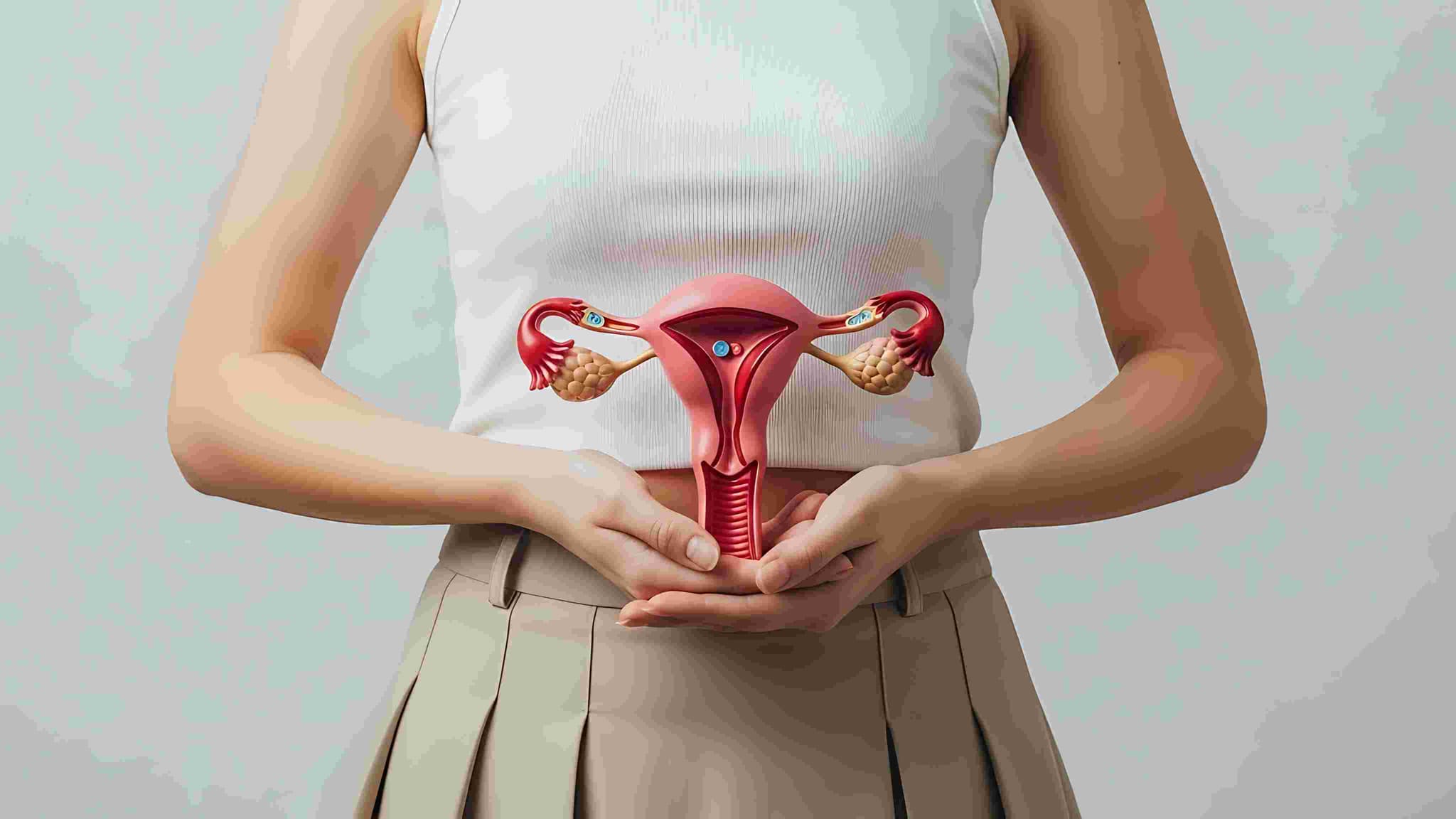
Hysteroscopic Adhesiolysis is a specialized surgical procedure used to treat Asherman Syndrome, a condition where scar tissue (adhesions) forms inside the uterus. This scar tissue can cause the uterine walls to stick together, distorting the cavity. The goal of the surgery is to precisely remove these "bands" of scar tissue to restore the shape of the uterine cavity, allowing for normal menstruation and the restoration of fertility.
When You Should Consider Hysteroscopic Adhesiolysis
Asherman Syndrome: When intrauterine scarring is confirmed via imaging or a prior diagnostic procedure.
Amenorrhea or Hypomenorrhea: If your periods have stopped entirely or become extremely light following a uterine procedure (like a D&C).
Infertility: When scar tissue physically blocks the fallopian tubes or creates an environment where an embryo cannot implant.
Recurrent Miscarriage: If a distorted or constricted uterine cavity prevents a pregnancy from growing safely.
Cyclical Pelvic Pain: Monthly pain that occurs without visible bleeding, often caused by menstrual blood being trapped behind scar tissue.
How Is Performed
Access: This is a "scarless" surgery performed entirely through the vagina and cervix using a hysteroscope (a thin camera). No abdominal incisions are required.
Anesthesia: The procedure is typically performed in an outpatient setting under general or spinal anesthesia and takes about 30 to 60 minutes.
Visualization: The uterus is expanded with a saline solution to provide the surgeon with a clear, high-definition view of the internal scarring.
Adhesiolysis: The surgeon uses micro-scissors, a laser, or a specialized electrosurgical loop to precisely cut through the adhesions. In severe cases, heat-based tools are often avoided to prevent further scarring of the delicate lining.
Guided Navigation: In complex cases where the cavity is completely closed, a second surgeon may use abdominal ultrasound or a laparoscope to guide the hysteroscopic surgeon and prevent puncturing the uterine wall.
Pre-Procedure Preparation
Saline Infusion Sonogram (SIS): A specialized ultrasound used to map the extent of the adhesions before surgery.
Hysterosalpingogram (HSG): An X-ray that uses dye to identify the exact locations where the uterine walls are stuck together.
Pregnancy Test: A mandatory check to ensure the procedure is safe to perform.
Cervical Ripening: You may be given medication to take a few hours before surgery to help soften the cervix for easier instrument entry.
Fasting: Adhering to "nothing by mouth" instructions for 6–8 hours prior to your anesthesia.
Tests Before Hysteroscopic Adhesiolysis
Diagnostic Hysteroscopy: Often the final step to confirm the severity of Asherman Syndrome before the surgical repair begins.
Pelvic MRI: Occasionally used in very severe cases to determine if there is any healthy endometrial tissue remaining behind the scars.
Blood Panels: A routine check of your blood count and coagulation profile to ensure a safe surgical experience.
ECG: A standard heart check to confirm you are healthy enough for the administration of anesthesia.
Life After Hysteroscopic Adhesiolysis
Immediate Recovery: Most patients return home the same day and experience only mild cramping and light spotting for 2 to 5 days.
Adhesion Prevention (Crucial): Because the uterus "wants" to scar again, a specialized balloon or stent is often placed inside the uterus for 3 to 7 days to keep the walls apart.
Hormone Therapy: High-dose estrogen is typically prescribed for 30 to 60 days to stimulate the rapid growth of a healthy uterine lining over the surgical areas.
Follow-up Imaging: A "second-look" diagnostic hysteroscopy is usually performed 4 to 6 weeks later to ensure the cavity has remained open and healthy.
Success Rates: While restoration is highly successful in mild cases, severe Asherman’s may require multiple surgeries to fully restore the uterine lining.
Why Specialized Treatment Is Highly Effective
Restores Reproductive Health: This is the primary treatment for returning a scarred uterus to a functional state for pregnancy and menstruation.
Incision-Free Technology: Using the natural opening of the cervix means no external scarring and a rapid return to daily activities.
Micro-Precision Tools: The use of cold-blade micro-scissors prevents thermal damage to the remaining healthy uterine lining (endometrium).
Comprehensive Post-Op Protocol: The combination of stents and hormone therapy significantly reduces the risk of the scar tissue growing back.
Advanced Guidance: The use of simultaneous ultrasound or laparoscopy provides an extra layer of safety when navigating a distorted uterine cavity.
Hysteroscopic Adhesiolysis (Asherman Syndrome) Cost in India
The cost of Hysteroscopic Adhesiolysis (Asherman Syndrome) in India is generally affordable compared with many other countries, making India a popular destination for international patients seeking quality medical care. The treatment cost depends on factors such as the hospital, doctor's experience, treatment approach, medical condition, hospital stay, diagnostic tests, medicines, and any additional procedures required. For international patients, the starting cost of Hysteroscopic Adhesiolysis (Asherman Syndrome) in India is approximately 500 USD, although the final price may vary based on individual treatment requirements. Patients are advised to obtain a personalized treatment estimate after medical evaluation.