Spinal Tumor Removal
Spinal Tumor Removal
Spinal Tumor Removal is a complex procedure to remove abnormal growths from the spinal canal or the vertebrae. The primary goals are to decompress the spinal cord, stabilize the spine, and obtain a tissue sample (biopsy) to determine if the tumor is benign or malignant. By removing or debulking the mass, the surgeon aims to preserve neurological function and restore the structural integrity of the spinal column.
When You Should Consider Spinal Tumor Removal
Spinal Cord Compression: When a tumor is pressing on the cord, causing progressive weakness, numbness, or loss of coordination.
Intractable Pain: Severe, localized back pain that does not respond to medication and often worsens at night or when lying down.
Neurological Deficits: Loss of bladder or bowel control, difficulty walking, or radiating pain in the arms or legs.
Pathological Fracture Risk: When a tumor has eaten away enough of the vertebral bone to make the spine unstable or prone to collapse.
Need for Diagnosis: To obtain a tissue sample to guide further cancer treatments like targeted radiation or chemotherapy.
Classifications of Spinal Tumors
Intradural-Intramedullary: Tumors that grow inside the actual tissue of the spinal cord (e.g., astrocytomas or ependymomas).
Intradural-Extramedullary: Tumors that grow inside the protective sac (dura) but outside the spinal cord itself (e.g., meningiomas or schwannomas).
Extradural: Tumors located outside the dura, usually within the bones of the vertebrae (most common in metastatic cancers).
How Spinal Tumor Removal Is Performed
Microsurgical Access: A midline incision is made over the tumor site, and a laminectomy (removing the back of the vertebrae) is performed to reach the spinal canal.
Durotomy: If the tumor is inside the protective sac, the surgeon uses an operating microscope to make a precise incision in the dura mater.
Ultrasonic Aspiration: Surgeons often use a CUSA (Cavitron Ultrasonic Surgical Aspirator), which uses sound waves to fragment and vacuum out the tumor without pulling on delicate nerves.
Tumor Resection: * Benign Tumors: The goal is usually "gross total resection" (complete removal).
Malignant Tumors: If the tumor is wrapped around vital nerves, a "subtotal resection" (partial removal) may be performed to avoid causing paralysis.Stabilization: If the tumor or the surgery has destroyed significant bone, pedicle screws and rods are installed to prevent the spine from collapsing.
Neuromonitoring: Throughout the surgery, electrical signals (SSEP/MEP) are monitored in the limbs to ensure the spinal cord remains safe.
[Image showing microscopic resection of an intradural tumor]
Pre-Procedure Preparation
High-Dose Steroids: Patients often receive Dexamethasone for 24–48 hours before surgery to reduce spinal cord swelling and inflammation.
Diagnostic Mapping: High-resolution MRI with Contrast is used to visualize the tumor’s relationship to nerve roots and the spinal cord.
Systemic Screening: PET or CT scans may be used to determine if the spinal tumor has spread from a primary site elsewhere in the body.
Fasting (NPO): No food or drink for 8–12 hours prior to the procedure to ensure safety under general anesthesia.
Tests Before Spinal Tumor Removal
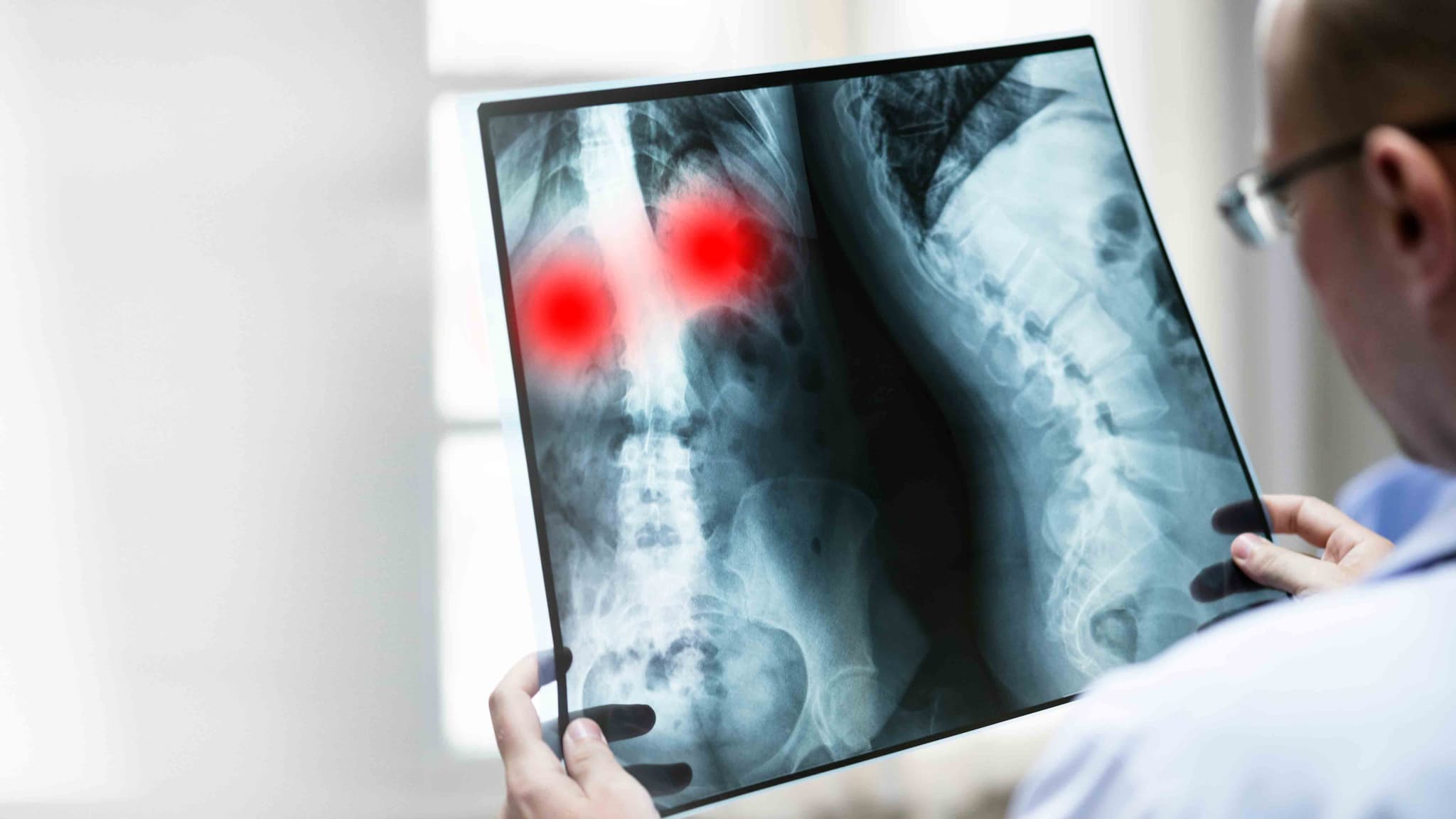
MRI with Contrast: The gold standard for seeing the exact borders of the tumor and its vascularity.
CT Scan: Best for assessing how much of the vertebral bone has been destroyed or weakened by the growth.
PET Scan: Used to check for other tumor sites in the body if the spinal mass is suspected to be metastatic.
Neurological Baseline: A comprehensive exam to document muscle strength and sensation before surgery for post-operative comparison.
Life After Spinal Tumor Removal
Hospital Stay: Typically 3 to 7 days; patients often spend the first 24 hours in a Neuro-ICU for close monitoring.
Immediate Recovery: Mobilization depends on the patient's neurological status, but sitting up and walking with assistance is encouraged as soon as possible.
Pain Management: A combination of patient-controlled analgesia (PCA) and specialized nerve pain medications (like Gabapentin) is common.
Follow-up Adjuvant Therapy: If the tumor was malignant, radiation or chemotherapy typically begins 4 to 6 weeks after the surgical wound has fully healed.
Long-Term Surveillance: Regular MRI scans (every 3–6 months initially) are mandatory to ensure the tumor does not return.
Benefits of Spinal Tumor Removal
Preserves Mobility: Decompressing the spinal cord can prevent permanent paralysis and restore the ability to walk.
Significant Pain Relief: Removing the mass that is stretching the dura or compressing nerves provides major relief from localized and radiating pain.
Structural Stability: Fusion and hardware placement restore the spine's ability to support weight and maintain alignment.
Information for Treatment: Provides a definitive diagnosis, allowing oncologists to tailor the best possible follow-up cancer therapies.
Spinal Tumor Removal Cost in India
The cost of Spinal Tumor Removal in India is generally affordable compared with many other countries, making India a popular destination for international patients seeking quality medical care. The treatment cost depends on factors such as the hospital, doctor's experience, treatment approach, medical condition, hospital stay, diagnostic tests, medicines, and any additional procedures required. For international patients, the starting cost of Spinal Tumor Removal in India is approximately 2500 USD, although the final price may vary based on individual treatment requirements. Patients are advised to obtain a personalized treatment estimate after medical evaluation.