+91 83682 47758
info@medivisorhealth.com
Medivisor India Treatment Logo
  • Home
    • About Us
    • Our Services
    • Our Team
    • Our Safety Measures
    • Loading treatments...
    • Loading hospitals...
    • Loading doctors...
    • Loading tests & diagnoses...
    • Treatment Cost
    • Treatment Process
    • Visa Process
    • Travel Guide
    • FAQs
    • Why Medivisor
    • Success Stories
    • Patient Activities
    • Social Activities
    • News Coverage
    • Blog
  • Become a Partner

Medivisor India Treatment is a trusted New Delhi-based medical travel company assisting international patients with advanced, affordable, and seamless treatment in India.

  • Medivisor House 359, Sector 1, Vaishali, Ghaziabad, (Delhi/NCR) India
  • +91 8368 247 758
  • info@medivisorhealth.com

About Us

  • About Us
  • Our Services
  • Our Team
  • Our Safety Measures
  • Join Our Network
  • Contact Us

India Treatment

  • Hospitals
  • Treatments
  • Treatment Cost
  • Treatment Process
  • Visa Process
  • Travel Guide
  • FAQs
  • Why Medivisor

Gallery

  • Patient Testimonials
  • Patient Activities
  • News Coverage
  • Blog

Get in Touch

© 2026 Medivisor India Treatment. All rights reserved.

Dr Gaurav Bansal

Senior Director – Neuro & Spine Surgery

Max Super Specialty Hospital, Vaishali

20+ years experience
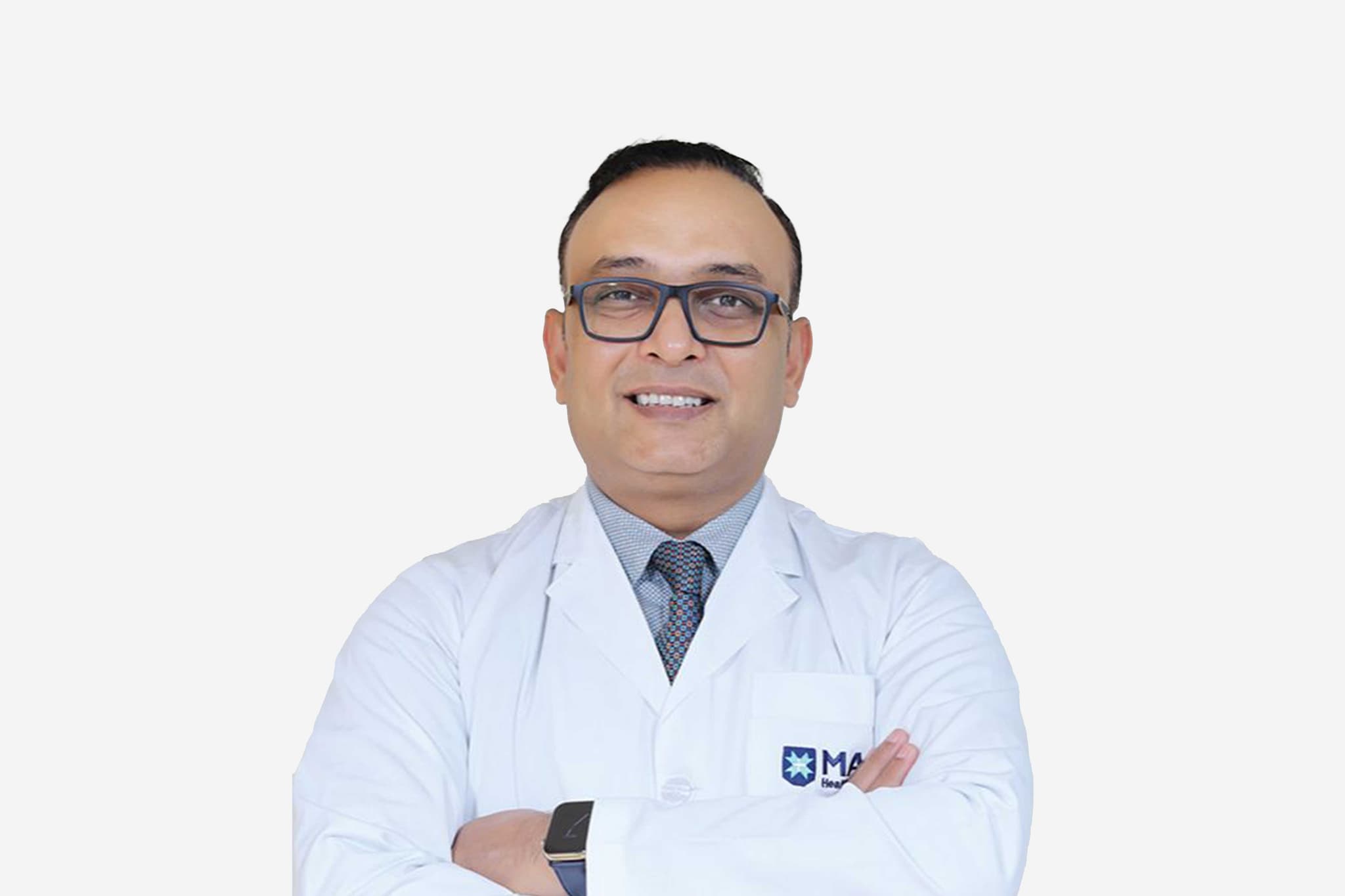
Dr Gaurav Bansal, Senior Director – Neuro & Spine Surgery at Max Super Specialty Hospital, Vaishali - Max Healthcare
  1. Home
  2. Doctors
  3. Dr Gaurav Bansal

About Dr Gaurav Bansal

Dr. Gaurav Bansal is a highly distinguished neurosurgeon with over 17 years of specialized clinical experience. Currently serving at Max Super Speciality Hospital, Vaishali, he is recognized as a premier authority in advanced spinal reconstruction and complex brain surgeries. His career is defined by an elite academic foundation from the All India Institute of Medical Sciences (AIIMS), New Delhi, and extensive international training at world-leading institutions like the Mayo Clinic.

Pioneer in Unilateral Biportal Endoscopic (UBE) Spine Surgery

Dr. Bansal is a leading specialist in the modern pillars of Unilateral Biportal Endoscopic (UBE) Spine Surgery, a revolutionary technique that uses two small portals to perform complex spinal decompressions and fusions. This approach allows for unparalleled visualization and precision, resulting in significantly less tissue trauma and faster recovery compared to traditional open surgery. He is an expert in utilizing O-Arm and C-Arm image-guidance systems to perform "GPS-guided" spinal interventions with sub-millimeter accuracy.

National Leadership and International Clinical Excellence

With a career spanning major leadership roles, including Director of Neuro & Spine Surgery at Fortis Hospital, Noida, Dr. Bansal has established himself as a central figure in the Indian neurosurgical community. His international credentials are a testament to his expertise; he is an International Fellow of the American Association of Neurological Surgeons (AANS) and has undergone specialized clinical training at the Mayo Clinic in Rochester, USA, and Helsinki University in Finland. He is a regular faculty member at global workshops, where he mentors surgeons in the latest minimally invasive techniques.

Advancing the Future of Brain Tumor and Vascular Neurosurgery

Beyond his spinal mastery, Dr. Bansal possesses deep clinical expertise in high-stakes cranial procedures. His practice focuses on the precision resection of brain tumors, including Gliomas and Meningiomas, utilizing neuro-navigation and image-guided systems to ensure maximal safe resection while preserving critical neural functions. He is also a specialist in Microvascular Decompression for nerve-related pain syndromes and complex posterior fossa surgeries, managing some of the most intricate pathologies of the central nervous system.

Innovation and Comprehensive Spine Care

Dr. Bansal’s surgical repertoire covers the full spectrum of spinal health, from degenerative conditions to trauma. His areas of expertise include:

  • Complex Spinal Fusions: Specialized in TLIF and PLIF for lumbar stability.

  • Cervical Spine Reconstruction: Expert in C1-C2 fixations and both anterior and posterior cervical decompressions.

  • Vertebral Augmentation: High-precision Kyphoplasty and Vertebroplasty for osteoporotic fractures.

  • Oncological Neurosurgery: Advanced management of primary and metastatic spine tumors.

Dr. Gaurav Bansal at a Glance

  • Currently working at Max Super Speciality Hospital, Vaishali.

  • Former Director of Neuro & Spine Surgery at Fortis Hospital, Noida.

  • MCh (Neurosurgery) from AIIMS, New Delhi; MS from KGMC, Lucknow.

  • International Fellow of the American Association of Neurological Surgeons (AANS).

  • Specialist in Unilateral Biportal Endoscopic (UBE) and Minimally Invasive Spine Surgery (MISS).

  • Expert in Image-Guided Brain Tumor Resections and Microvascular Decompression.

  • Trained at Mayo Clinic (USA) and Helsinki University Central Hospital (Finland).

International Training & Observerships – International Fellow of the American Association of Neurological Surgeons (AANS), USA (2017)
Clinical Spine Training – Mayo Clinic, Rochester, Minnesota, USA (2015)
Observership – Helsinki University Central Hospital, Finland Clinical (2012)
MCh (Neurosurgery) – All India Institute of Medical Sciences (AIIMS), New Delhi (2008)
MS (General Surgery) – King George Medical University (KGMC), Lucknow (2004)
MBBS – Post Graduate Institute of Medical Sciences (PGIMS), Rohtak (2000)

No awards & achievements available
May we help you?

Enter digits only (6-15 digits). We'll add your country code.

Related Treatments

Acoustic Neuroma Surgery

Acoustic neuroma surgery (vestibular schwannoma resection) is a specialized craniotomy performed to remove a benign tumor growing on the hearing and balance nerves. Because these tumors are located in the cerebellopontine angle—a crowded space near the brainstem—the primary goal is to remove the tumor while preserving the facial nerve and, if possible, any remaining hearing. This surgery requires extreme precision to protect the delicate structures that control facial movement and balance.

When You Should Consider Acoustic Neuroma Surgery

  • Documented Growth: If follow-up MRI scans show the tumor is enlarging, increasing the risk of future nerve damage.

  • Brainstem Compression: Large tumors that press against the brainstem can become life-threatening and require surgical decompression.

  • Progressive Hearing Loss: When a tumor is still small enough that a hearing-preservation surgical approach is a viable option.

  • Balance Instability: Persistent vertigo or dizziness caused by the tumor’s pressure on the vestibular (balance) nerve.

  • Facial Twitching or Numbness: Signs that the tumor is beginning to impact the adjacent facial or trigeminal nerves.

How Acoustic Neuroma Surgery Is Performed

  • Anesthesia: The surgery is performed under general anesthesia and typically lasts 4 to 10 hours, depending on the tumor's size and the chosen surgical approach.

  • Intraoperative Monitoring: Small electrodes are placed on the face and near the ear to provide real-time nerve monitoring. This provides the surgeon with immediate feedback if the facial or hearing nerves are being stressed.

  • Surgical Approaches:
    Translabyrinthine: The surgeon reaches the tumor through the inner ear bone (mastoid). This provides the best view of the facial nerve but results in permanent, total hearing loss in that ear.
    Retrosigmoid (Sub-occipital): An incision is made behind the ear to reach the tumor from behind. This offers a chance to preserve existing hearing.
    Middle Fossa: An opening is made above the ear, used primarily for very small tumors when the primary goal is to save hearing.

  • Tumor Removal: Using a high-powered microscope and an ultrasonic aspirator, the surgeon meticulously peels the tumor away from the brainstem and cranial nerves.

  • Fat Graft: If the inner ear was opened, a small piece of fat (usually taken from the abdomen) is used to seal the area and prevent cerebrospinal fluid (CSF) leaks.

  • Closing: The bone flap is replaced or the opening is covered with a titanium mesh or plate, and the scalp is closed with stitches.

Pre-Procedure Preparation of Acoustic Neuroma Surgery

  • High-Resolution MRI: A dedicated "internal auditory canal" protocol scan to map the tumor’s exact relationship to the nerves.

  • Audiogram and ABR: Detailed hearing tests to establish your baseline hearing level and the health of the auditory nerve.

  • Vestibular Testing: To evaluate how much your balance system has already been affected by the tumor.

  • Fasting: Following "nothing by mouth" instructions for 8 hours prior to your scheduled anesthesia.

  • Medication Audit: You may be asked to stop taking blood thinners or anti-inflammatory medications several days before the procedure.

Tests Before Acoustic Neuroma Surgery

  • Contrast-Enhanced CT Scan: To provide a detailed map of the bone structures surrounding the inner ear and skull base.

  • Videonystagmography (VNG): A specialized test to record eye movements and determine the extent of balance nerve involvement.

  • Blood Panels: A routine check of your blood count, electrolytes, and clotting factors.

  • ECG: A standard heart check to confirm cardiovascular stability for a multi-hour neurosurgical procedure.

Life After Acoustic Neuroma Surgery

  • Hospital Stay: Typically 3 to 5 days, usually including at least one night in the Neuro-ICU for intensive monitoring.

  • Balance and Vertigo: Since the balance nerve is often removed with the tumor, significant dizziness and vertigo are common for the first few days. The brain usually adapts within a few weeks through "vestibular compensation."

  • Activity Restrictions: No heavy lifting or straining for 6 weeks. Most patients return to professional work within 6–12 weeks.

  • Vestibular Rehabilitation: Specialized balance therapy is often started shortly after surgery to speed up the brain's ability to compensate for the lost balance nerve.

  • Facial Nerve Recovery: If the facial nerve was stretched during surgery, temporary facial drooping may occur; specialized facial exercises and eye care (drops/gels) are necessary during the recovery phase.

Why Specialized Treatment Is Highly Effective

  • Advanced Nerve Monitoring: The use of real-time electrical feedback significantly increases the chances of preserving the facial nerve and maintaining your natural appearance.

  • Tailored Surgical Approaches: Surgeons can choose the specific "pathway" to the tumor that best balances tumor removal with the goal of hearing preservation.

  • Microsurgical Precision: Utilizing high-definition operating microscopes allows for the safe separation of the tumor from the delicate brainstem surface.

  • Multidisciplinary Expertise: Care is coordinated between neurosurgeons and neuro-otologists (ear specialists) to manage both the neurological and hearing aspects of the condition.

  • Long-Term Tumor Control: For most benign vestibular schwannomas, a complete surgical resection provides a permanent cure with a very low risk of recurrence.

Starting Cost: $ 4000

Minimally Invasive Spine Surgery (MISS)

Minimally Invasive Spine Surgery (MISS) is an advanced surgical approach used to treat spinal conditions—such as herniated discs or spinal stenosis—through significantly smaller incisions than traditional "open" surgery. The primary objective is to achieve the same clinical results while minimizing trauma to the surrounding muscles and tissues, leading to faster recovery and less post-operative pain.

When You Should Consider Minimally Invasive Spine Surgery

  • Herniated Discs: For procedures like a lumbar discectomy to relieve nerve pressure.

  • Spinal Stenosis: When a laminotomy or foraminotomy is required to enlarge the spinal canal or nerve exit points.

  • Spinal Instability: For spinal fusions (such as TLIF or XLIF) that require hardware stabilization.

  • Failed Conservative Care: When months of physical therapy and injections have failed to resolve chronic radiating pain.

  • Desire for Faster Recovery: For patients who wish to return to work and daily activities more quickly with less reliance on heavy pain medication.

Methods of Minimally Invasive Spine Surgery

  • Tubular Retraction: Using a series of dilating tubes to stretch muscle fibers apart rather than cutting them from the bone.

  • Endoscopic Spine Surgery: Utilizing a tiny camera (endoscope) through a "keyhole" incision to visualize the spinal anatomy on a high-definition monitor.

  • Microscopic MISS: Operating through a tubular retractor using a high-powered surgical microscope for enhanced lighting and 3D depth perception.

  • Percutaneous Hardware Placement: Inserting screws and rods through small skin punctures using real-time X-ray (fluoroscopy) or robotic guidance.

  • Lateral Access (XLIF/LLIF): Reaching the spine through the side of the body to avoid the major back muscles and the spinal canal.

How Minimally Invasive Spine Surgery Is Performed

  • Precision Mapping: Surgeons use pre-operative MRI or CT scans to create a precise "map" for the entry point, as the view during surgery is focused on a small area.

  • Keyhole Incision: Instead of a long midline incision, one or more small (1–2 cm) incisions are made over the target area.

  • Muscle Dilation: A thin guide wire is inserted, followed by progressively larger "tubular retractors" that gently push muscle fibers aside to create a tunnel to the spine.

  • Decompression or Repair: Using specialized long-handled miniature tools, the surgeon removes bone spurs or disc fragments through the tube.

  • Hardware Insertion (if needed): If a fusion is being performed, screws and rods are guided into place using robotic navigation or fluoroscopy through the same small ports.

  • Tube Removal: Once the repair is complete, the tube is withdrawn, and the muscle fibers naturally fall back into their original position.

  • Closure: The tiny skin incisions are closed with a single stitch or surgical glue, requiring only a small bandage.

Pre-Procedure Preparation

  • Diagnostic confirmation via MRI or CT scan to ensure the surgical plan is tailored to the specific nerve compression site.

  • Fasting (NPO) for 8–12 hours prior to the procedure to ensure safety under anesthesia.

  • Smoking cessation is critical, particularly if a fusion is planned, as nicotine restricts blood flow and prevents the bone from growing and healing.

  • Pre-operative physical assessment to ensure the patient is a candidate for a same-day or outpatient surgical procedure.

Tests Before Minimally Invasive Spine Surgery

  • High-Resolution MRI: To provide a detailed view of the soft tissues and the exact location of the disc herniation or stenosis.

  • CT Scan with 3D Reconstruction: Often used for surgical planning, especially when robotic navigation is being utilized for hardware placement.

  • X-ray (Flexion/Extension): To assess for any underlying spinal instability that might require a fusion instead of a simple decompression.

  • Blood Panels: To check for clotting factors and overall health markers before undergoing general anesthesia.

Life After Minimally Invasive Spine Surgery

  • Hospital Stay: Frequently performed as an outpatient (same-day) procedure; patients often go home within 3–4 hours of waking up.

  • Pain Management: Patients typically experience significantly less muscle soreness and have a lower requirement for opioid painkillers than open surgery.

  • Mobilization: Walking is encouraged almost immediately—often within 2 hours of the procedure—to promote circulation.

  • Recovery Timeline: Most patients return to desk work within 1–2 weeks and can begin light exercise by 4–6 weeks post-op.

  • Wound Care: The small incisions must be kept dry for the first few days, but they generally heal very quickly with minimal scarring.

Benefits of Minimally Invasive Spine Surgery

  • Reduced Tissue Trauma: By stretching rather than cutting muscles, the body heals much faster with less internal scarring.

  • Lower Infection Rates: Smaller incisions and less exposure of internal tissues to the environment significantly reduce the risk of post-operative infection.

  • Minimal Blood Loss: Many procedures result in less than a tablespoon of blood loss, virtually eliminating the need for transfusions.

  • Equal Clinical Outcomes: Long-term studies show that MISS is just as effective as traditional open surgery for pain relief and functional improvement.

Starting Cost: $ 1500

Related Specialists

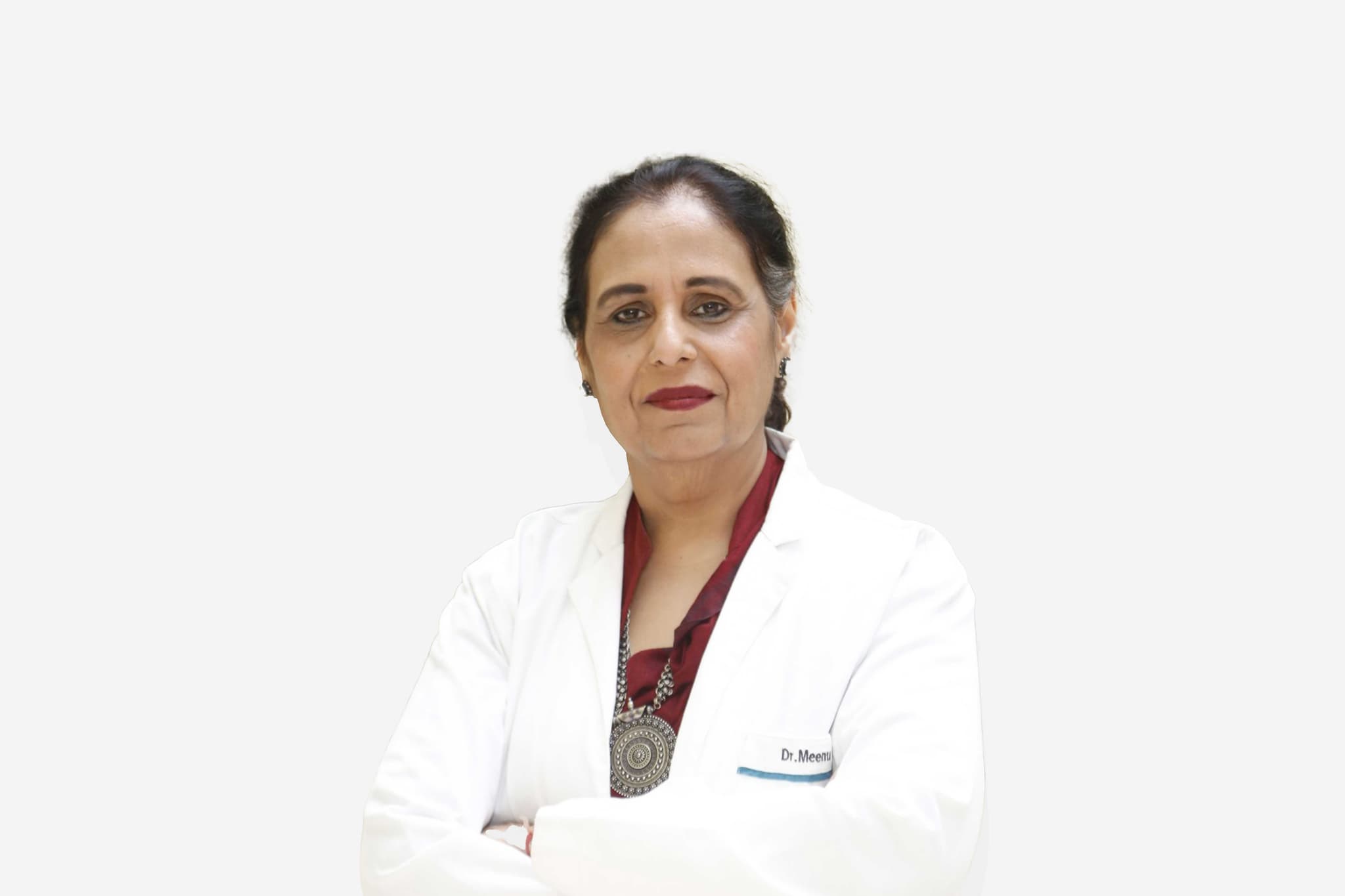
Dr Meenu Walia
Dr Meenu Walia
Chairman - Medical Oncology (Breast, Gynecology, Thoracic)
Max Super Specialty Hospital, Vaishali
36+years experience
View Profile
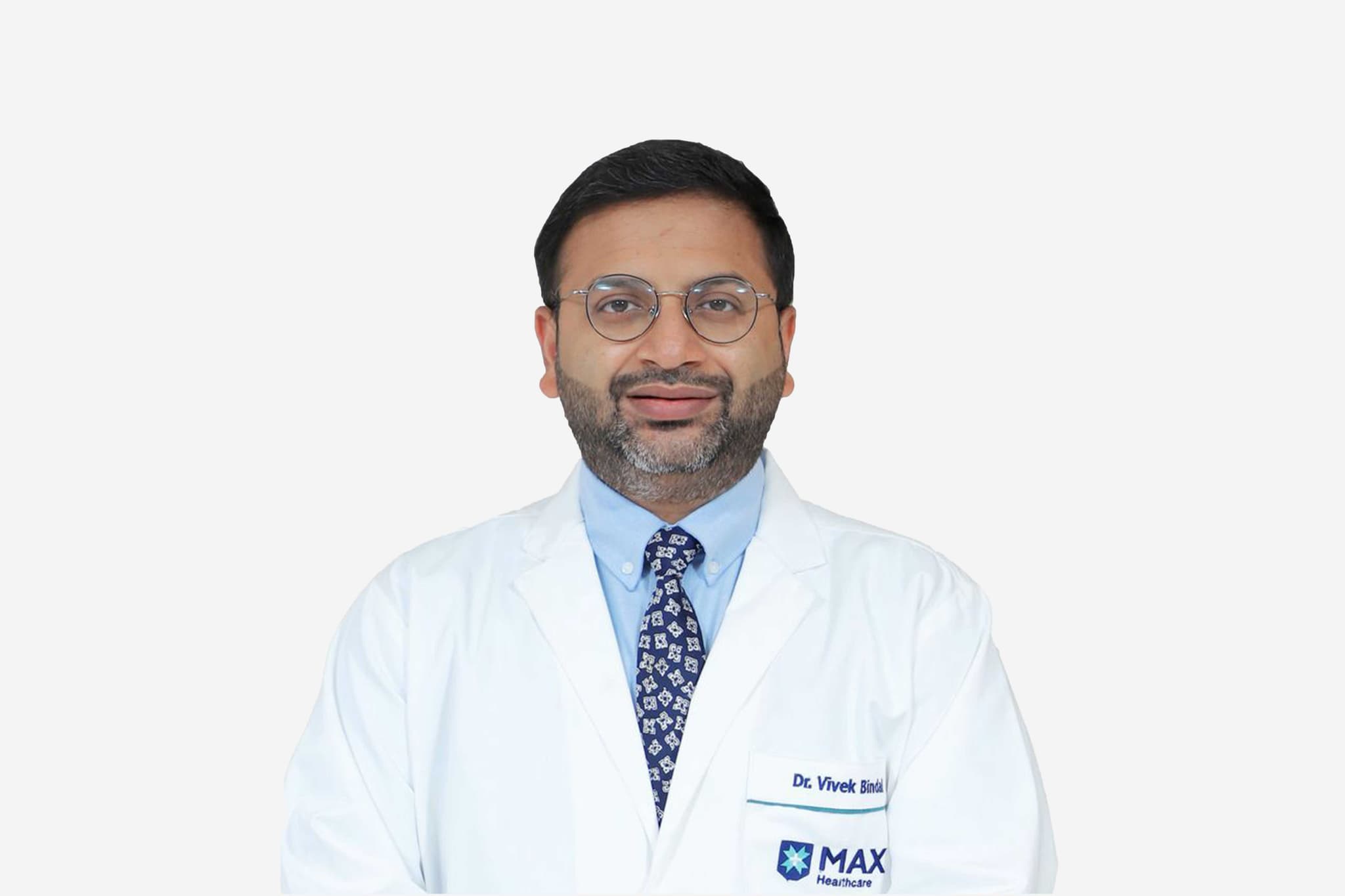
Dr Vivek Bindal
Dr Vivek Bindal
Senior Director & Head – Max Institute of Minimal Access, Bariatric & Robotic Surgery
Max Super Specialty Hospital, Vaishali
17+years experience
View Profile
Dr Vivek Mangla
Dr Vivek Mangla
Principal Director - Gastrointestinal and Hepatopancreatobiliary (GI & HPB) Surgical Oncology
Max Super Specialty Hospital, Vaishali
21+years experience
View Profile
Dr Sowrabh Kumar Arora
Principal Director & Clinical Administrator - Surgical Oncology (Head & Neck)
Max Super Specialty Hospital, Vaishali
20+years experience
View Profile
Dr Manoj Johar
Dr Manoj Johar
Principal Director - Aesthetic & Reconstructive Surgery
Max Super Specialty Hospital, Vaishali
25+years experience
View Profile
Dr Anant Kumar
Dr Anant Kumar
Chairman - Urology Renal Transplant & Robotics
Max Super Specialty Hospital, Vaishali
39+years experience
View Profile
Dr Subhash Gupta
Dr Subhash Gupta
Group Chairman - Centre for Liver & Biliary Sciences
Max Super Specialty Hospital, Vaishali
38+years experience
View Profile
Dr Naveen Pandita
Dr Naveen Pandita
Senior Consultant - Spine Surgery & Spinal Deformity
Max Super Specialty Hospital, Vaishali
11+years experience
View Profile
Dr Upwan Kumar Chauhan
Director - Urology
Max Super Specialty Hospital, Vaishali
18+years experience
View Profile
Dr Hemangi Negi
Dr Hemangi Negi
Director - Obstetrics & Gynecology
Max Super Specialty Hospital, Vaishali
27+years experience
View Profile
Dr Harit Kumar Chaturvedi
M.B.B.S M.S. (General Surgery) M.Ch. (Surgical Oncology)
Max Super Specialty Hospital, Vaishali
38+years experience
View Profile
Dr Neeru Praveer Aggarwal
Vice Chairman - Nephrology
Max Super Specialty Hospital, Vaishali
36+years experience
View Profile
Dr Ashish Sao
Dr Ashish Sao
Principal Consultant - Orthopedics & Joint Replacement
Max Super Specialty Hospital, Vaishali
21+years experience
View Profile
Dr Sowjanya Aggarwal
Senior Director - Obstetrics, Gynecology, Infertility & IVF (Laparoscopic & Robotic Surgery)
Max Super Specialty Hospital, Vaishali
21+years experience
View Profile

May we help you?

Enter digits only (6-15 digits). We'll add your country code.