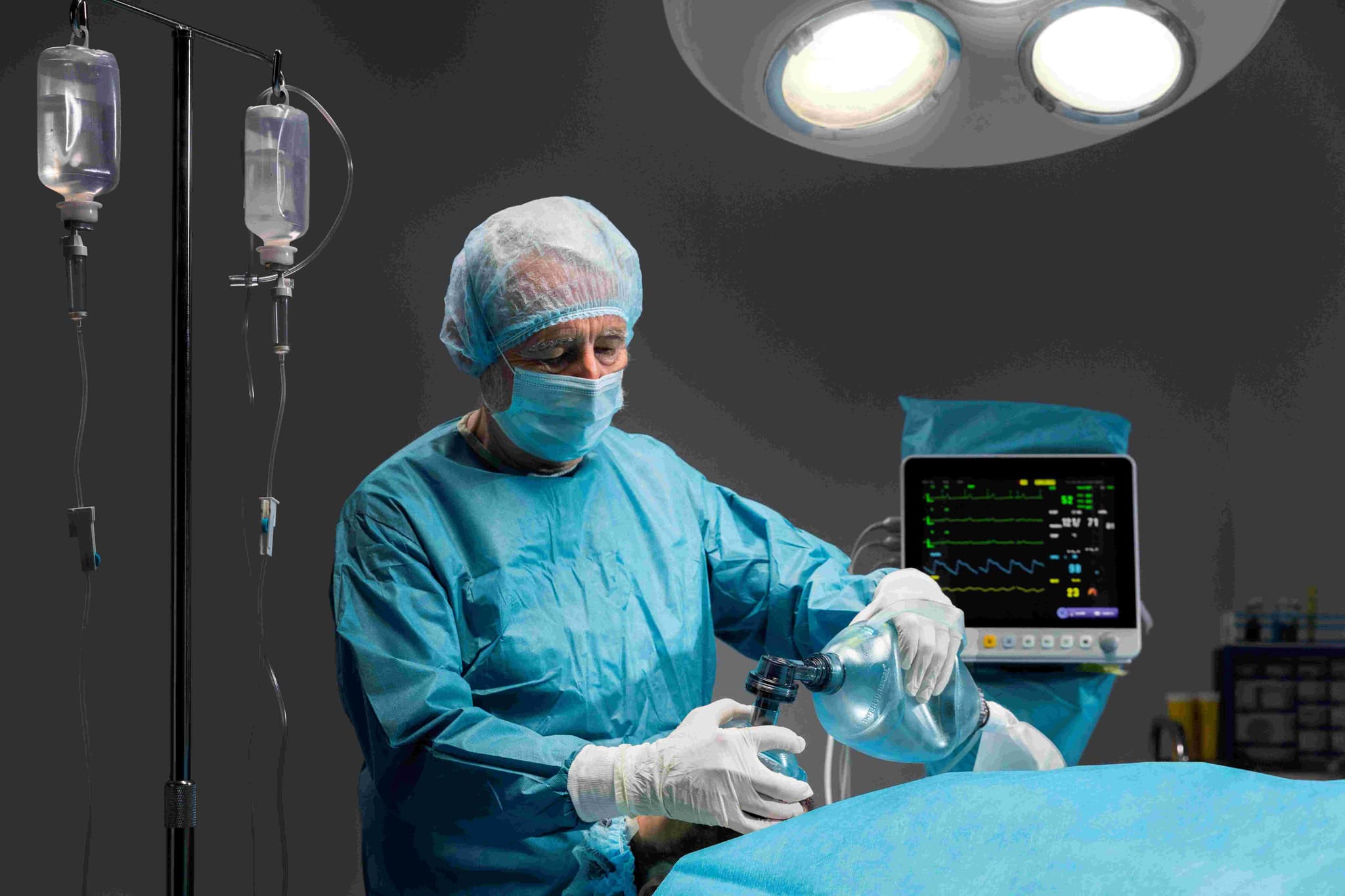
URS (Ureteroscopy)
Ureteroscopy (URS)
URS (Ureteroscopy) is a minimally invasive surgical procedure used to diagnose and treat issues in the urinary tract, most commonly kidney stones located in the ureter or kidney. Because the procedure utilizes the body's natural openings, it requires no external incisions or surgical cuts. This advanced endoscopic approach allows urologists to reach and treat stones that are too large or too high to pass on their own, often providing immediate relief from renal colic.
When You Should Consider Ureteroscopy
Obstructing Ureteral Stones: When a stone is stuck in the ureter, causing severe pain, nausea, or potential kidney damage.
Large Kidney Stones: For stones located within the kidney that are unlikely to pass naturally or are causing chronic discomfort.
Failed Shockwave Therapy: If previous non-invasive treatments (like ESWL) have failed to break the stone into small enough pieces.
Diagnostic Necessity: To investigate the cause of blood in the urine (hematuria) or to biopsy suspicious lesions within the ureter or renal pelvis.
Bilateral Stones: When stones are present in both ureters, URS can sometimes address both sides in a single surgical session.
How It Is Performed
Access: A urologist inserts a thin, flexible, or rigid lighted telescope called a ureteroscope through the urethra and bladder, guiding it carefully up into the ureter or kidney.
Anesthesia: The surgery is typically performed under general anesthesia and usually takes between 30 minutes to 2 hours, depending on the size and number of stones.
Visualization: A sterile saline solution is used to gently expand the bladder and ureter, providing a clear 3D view of the stones and the urinary tract lining.
Treatment:
Small Stones: These are captured and removed whole using a specialized tiny wire basket device.
Larger Stones: These are fragmented into tiny, dust-like pieces using a high-precision Holmium laser beam.Stone Extraction: Once fragmented, the pieces are either extracted with the basket or left to pass naturally and painlessly in the urine.
Stent Placement: Frequently, a small temporary tube called a ureteral stent (JJ stent) is placed in the ureter at the end of the procedure to ensure proper urine drainage and to manage internal swelling.
Pre-Procedure Preparation
Imaging (CT or KUB): High-resolution scans to determine the exact size, density, and location of the stones.
Urine Culture: To ensure there is no active urinary tract infection (UTI) before the instruments are introduced.
Medication Audit: You may be asked to stop taking blood thinners (like aspirin or warfarin) several days before the procedure to minimize bleeding.
Fasting: Following "nothing by mouth" instructions for 8 hours prior to your scheduled anesthesia.
Hydration: Your doctor may encourage increased fluid intake in the days leading up to the procedure to help flush the urinary system.
Tests Before Ureteroscopy
Urinalysis: To check for signs of infection, blood, or crystals in the urine.
Blood Panels: A routine check of your blood count, electrolytes, and kidney function (creatinine and BUN levels).
ECG: A standard heart check to confirm cardiovascular stability for the duration of the procedure.
Coagulation Profile: To ensure your blood clots normally, which is essential for a safe endoscopic procedure.
Life After Ureteroscopy
Recovery Timeline: URS is often an outpatient procedure, allowing most patients to go home the same day. Most can resume light activities within 2 to 3 days, with a full recovery typically taking one week.
Initial Symptoms: For the first 24–48 hours, it is normal to experience mild pelvic pain, pinkish or reddish blood in the urine, and a frequent urge to urinate.
Critical Hydration: It is essential to drink 2–3 liters of water daily to flush out any remaining stone fragments and residual blood.
Stent Removal: If a stent was placed, it is typically removed in a quick, separate outpatient procedure 4 to 14 days after the surgery.
Activity Restrictions: Avoid heavy lifting and strenuous exercise for at least one week to allow the ureter to heal and reduce the risk of bleeding.
Why Specialized Treatment Is Highly Effective
Immediate Stone Clearance: Unlike medications, URS offers the fastest way to physically remove an obstructing stone and stop the associated pain.
No Surgical Scars: By using the body's natural pathways, there is zero impact on your physical appearance and no wound care is required.
High Success Rate: Modern laser technology can break even the hardest stones (such as calcium oxalate monohydrate) that other treatments cannot touch.
Protects Kidney Function: Rapidly removing an obstruction prevents the backup of urine (hydronephrosis), which can lead to permanent kidney scarring or infection.
Precision Mapping: The high-definition cameras on modern ureteroscopes allow for a thorough inspection of the entire upper urinary tract, ensuring no small stones are left behind.
URS (Ureteroscopy) Cost in India
The cost of URS (Ureteroscopy) in India is generally affordable compared with many other countries, making India a popular destination for international patients seeking quality medical care. The treatment cost depends on factors such as the hospital, doctor's experience, treatment approach, medical condition, hospital stay, diagnostic tests, medicines, and any additional procedures required. For international patients, the starting cost of URS (Ureteroscopy) in India is approximately 500 USD, although the final price may vary based on individual treatment requirements. Patients are advised to obtain a personalized treatment estimate after medical evaluation.