+91 83682 47758
info@medivisorhealth.com
Medivisor India Treatment Logo
  • Home
    • About Us
    • Our Services
    • Our Team
    • Our Safety Measures
    • Loading treatments...
    • Loading hospitals...
    • Loading doctors...
    • Loading tests & diagnoses...
    • Treatment Cost
    • Treatment Process
    • Visa Process
    • Travel Guide
    • FAQs
    • Why Medivisor
    • Success Stories
    • Patient Activities
    • Social Activities
    • News Coverage
    • Blog
  • Become a Partner

Medivisor India Treatment is a trusted New Delhi-based medical travel company assisting international patients with advanced, affordable, and seamless treatment in India.

  • Medivisor House 359, Sector 1, Vaishali, Ghaziabad, (Delhi/NCR) India
  • +91 8368 247 758
  • info@medivisorhealth.com

About Us

  • About Us
  • Our Services
  • Our Team
  • Our Safety Measures
  • Join Our Network
  • Contact Us

India Treatment

  • Hospitals
  • Treatments
  • Treatment Cost
  • Treatment Process
  • Visa Process
  • Travel Guide
  • FAQs
  • Why Medivisor

Gallery

  • Patient Testimonials
  • Patient Activities
  • News Coverage
  • Blog

Get in Touch

© 2026 Medivisor India Treatment. All rights reserved.

Dr Rajesh Mistry - Senior Director (Group), Oncology | Medivisor India Treatment | Medivisor India Treatment

Dr Rajesh Mistry

Senior Director (Group), Oncology

Kokilaben Dhirubhai Ambani Hospital

39+ years experience
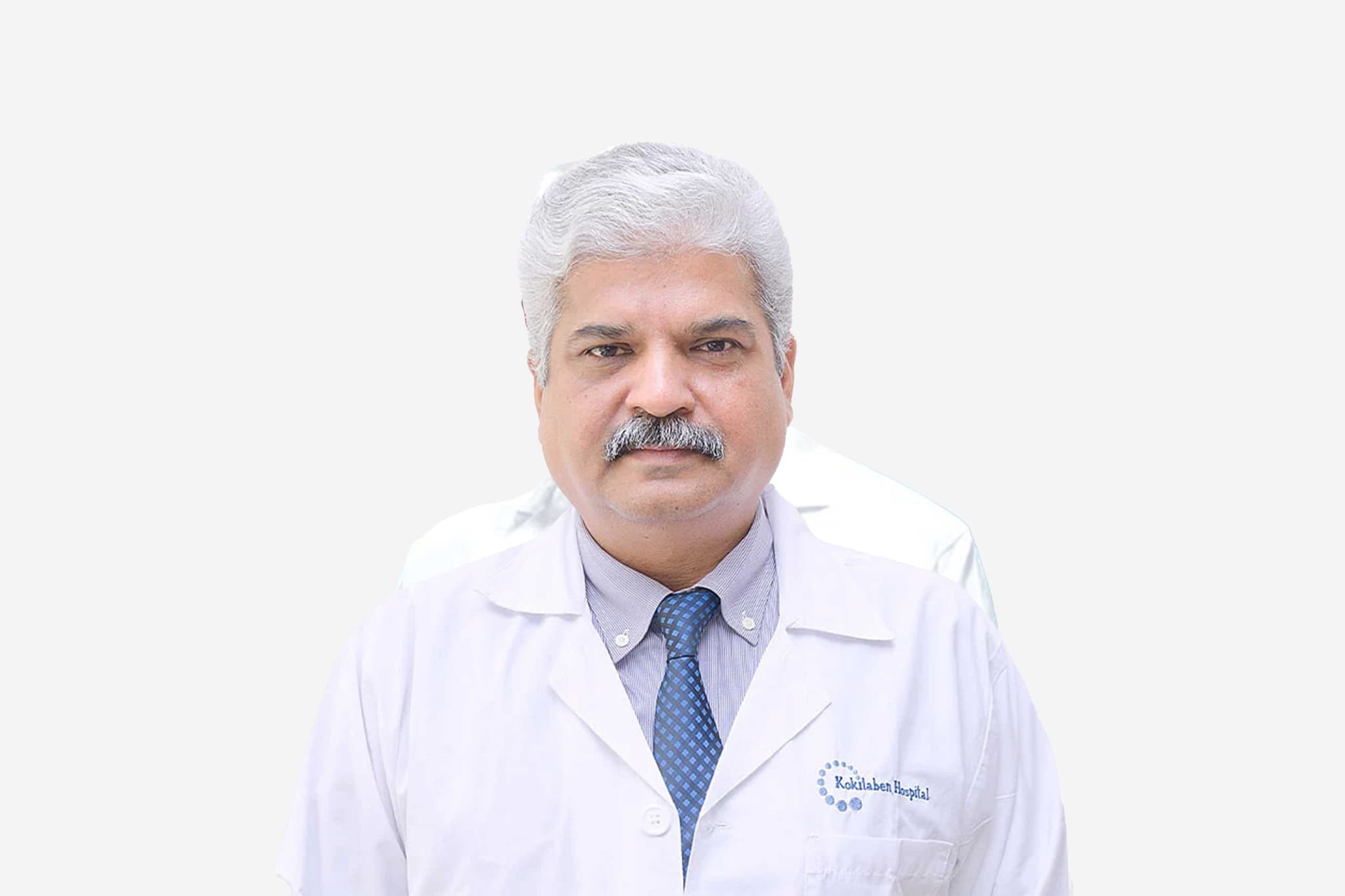
Dr Rajesh Mistry, Senior Director (Group), Oncology at Kokilaben Dhirubhai Ambani Hospital - Kokilaben Dhirubhai Ambani Hospital
  1. Home
  2. Doctors
  3. Dr Rajesh Mistry

About Dr Rajesh Mistry

Dr. Rajesh Mistry is a highly distinguished surgical oncologist with 39 years of extensive clinical practice. Currently serving as the Senior Director (Group) of Oncology and Director of the Department of Oncology at Kokilaben Dhirubhai Ambani Hospital (KDAH), Mumbai, he is recognized as a leading authority in the surgical management of cancers involving the chest, upper gastrointestinal tract, and the head and neck region. His career is defined by nearly four decades of surgical innovation and leadership in some of India's most prestigious oncology centers.

Professional Experience and Institutional Leadership

Dr. Mistry’s professional journey is highlighted by a long-standing tenure at the Tata Memorial Hospital, India's premier cancer institute. His leadership roles there and in his current capacity include:

  • Tata Memorial Hospital (1992–2009): Served initially as Assistant Surgeon in Head & Neck Oncology, eventually rising to the rank of Professor and Surgeon heading a specialized Head & Neck Unit.

  • Chief of Thoracic Service (2002): Became Professor and Chief of Thoracic Surgical Oncology at Tata Memorial, where he pioneered advanced protocols for lung and esophageal cancers.

  • Kokilaben Hospital (2009–Present): Joined KDAH at its inception to lead the Center for Cancer, where he currently oversees the oncology department as Director and Consultant Surgeon.

Academic Excellence and Specialized Training

Dr. Mistry possesses a robust academic background from Mumbai's leading medical institutions. His credentials include:

  • MBBS and MS: Received his medical degree with honors from Seth G.S. Medical College and KEM Hospital in 1984.

  • General Surgical Residency: Completed his residency training at KEM Hospital, Mumbai (1985).

  • Surgical Oncology Training: Completed specialized oncology training at Tata Memorial Hospital in 1992.

Surgical Specializations and Modern Techniques

Dr. Mistry is a certified surgeon with a mastery of both traditional and modern surgical modalities. He is particularly noted for his expertise in:

  • Thoracic Oncology: Surgical treatment of cancers involving the lungs, pleura, and mediastinum.

  • Foregut Oncology: Advanced management of cancers of the esophagus and stomach.

  • Head & Neck Oncology: Complex resections and reconstructions for tumors of the oral cavity, throat, and thyroid.

  • Minimal Access & Robotic Surgery: Utilizing state-of-the-art robotic platforms to perform high-precision cancer surgeries with smaller incisions and faster recovery times.

Communication and Patient-Centric Care

Fluent in Hindi, English, Marathi, and Gujarati, Dr. Mistry is able to provide clear and compassionate guidance to a diverse patient population. His long-standing commitment to oncology is centered on achieving optimal oncological outcomes while prioritizing the patient’s quality of life. His multidisciplinary approach ensures that complex cases receive comprehensive surgical and rehabilitative care.

Dr. Rajesh Mistry at a Glance

  • Senior Director (Group) and Director of Oncology at Kokilaben Hospital.

  • 39 years of experience in Surgical Oncology, Robotic Surgery, and Minimal Access Surgery.

  • Former Professor and Chief of Thoracic Surgical Oncology at Tata Memorial Hospital.

  • Specialist in Thoracic, Foregut (Esophagus/Stomach), and Head & Neck Oncology.

  • Honors graduate from Seth G.S. Medical College and KEM Hospital.

  • Pioneer in utilizing robotic technology for complex thoracic and oncology resections.

  • Multilingual professional providing expert care in Hindi, English, Marathi, and Gujarati.

MBBS, MS

No awards & achievements available

May we help you?

Enter digits only (6-15 digits). We'll add your country code.

Related Treatments

Gynecologic Oncology Surgery

Gynecologic oncology surgery is a specialized field focused on the surgical treatment of cancers affecting the female reproductive system, including the ovaries, uterus (endometrium), cervix, vulva, and vagina. These complex procedures are performed by gynecologic oncologists who have advanced training in pelvic, abdominal, urologic, and gastrointestinal surgery to manage tumor spread. Many of these surgeries now utilize robotic-assisted platforms to ensure maximum precision within the narrow pelvic cavity.

When You Should Consider Gynecologic Oncology Surgery

  • Ovarian or Fallopian Tube Cancer: When a mass is detected that requires both removal and "surgical staging" to determine the extent of the disease.

  • Endometrial (Uterine) Cancer: Often the primary treatment for cancer of the uterine lining, typically involving the removal of the uterus and ovaries.

  • Cervical Cancer: For localized tumors that require a radical hysterectomy or, in younger patients, fertility-sparing options.

  • Vulvar or Vaginal Cancer: When lesions are present on the external genitalia or the vaginal canal that require surgical excision.

  • Recurrent Pelvic Cancer: When cancer returns to the pelvic region after previous radiation or chemotherapy treatments.

  • Prophylactic (Risk-Reducing) Surgery: For women with genetic mutations (like BRCA1/2 or Lynch Syndrome) who are at a high risk of developing gynecologic cancers.

Common Surgical Procedures

  • Hysterectomy: Removal of the uterus. A radical hysterectomy is used for cervical cancer and involves removing the uterus, cervix, part of the vagina, and surrounding supportive tissues.

  • Salpingo-Oophorectomy: Removal of one or both ovaries and fallopian tubes.

  • Debulking (Cytoreduction): Often performed for advanced ovarian cancer; the goal is to remove as much visible tumor as possible to improve chemotherapy effectiveness.

  • Lymph Node Dissection: Removal of pelvic or para-aortic lymph nodes for staging. Sentinel lymph node mapping uses dye to target only the most likely nodes, reducing the risk of leg swelling.

  • Vulvectomy: Removal of part or all of the vulva. Advanced cases may require plastic reconstruction or skin grafts.

  • Pelvic Exenteration: A radical procedure for recurrent cancer that involves removing all pelvic organs, which may include the bladder and/or rectum.

How Is Performed

  • Anesthesia: Performed under general anesthesia. For open abdominal surgeries, an epidural may be used for superior post-operative pain control.

  • Robotic-Assisted Surgery: The standard for many hysterectomies and stagings. It provides 3D visualization and instruments that can operate effectively in the deep pelvis.

  • Laparoscopy: A minimally invasive approach using several small incisions, which significantly reduces recovery time and blood loss.

  • Systematic Staging: The surgeon meticulously inspects the diaphragm, liver, bowel, and omentum (fatty apron in the abdomen) to identify any microscopic spread.

  • Cold Knife Conization: A smaller procedure used for very early cervical cancer or high-grade precancerous changes to remove a cone-shaped piece of the cervix.

Pre-Procedure Preparation

  • Imaging Correlation: Reviewing high-resolution MRI or CT scans to check for involvement of the ureters or major pelvic blood vessels.

  • ERAS Protocols: Following "Enhanced Recovery" guidelines, which may include drinking specialized carbohydrate-loading liquids 2–3 hours before surgery.

  • Bowel Preparation: In some cases, a mechanical bowel prep is required if there is a high likelihood of the tumor involving the intestines.

  • Genetic Counseling: Confirming genetic status to determine if the ovaries should be removed during a hysterectomy for high-risk patients.

  • Fertility Discussion: Reviewing options such as egg freezing or fertility-sparing surgery (like a trachelectomy) if the patient wishes to maintain pregnancy potential.

Tests Before Gynecologic Oncology Surgery

  • Pelvic MRI or CT: To map the tumor size and look for enlarged lymph nodes or fluid (ascites) in the abdomen.

  • Tumor Markers (CA-125, HE4, CEA): Blood tests used as a baseline to monitor the effectiveness of surgery and future treatments.

  • Chest X-ray or CT Chest: To ensure the cancer has not spread to the lungs before starting a major abdominal operation.

  • Cystoscopy/Proctoscopy: If the cancer is advanced, these tests check if the tumor has invaded the bladder or rectum.

  • Baseline Blood Work: Standard CBC and chemistry panels to check for anemia or kidney issues that might affect surgical safety.

Life After Gynecologic Surgery (Recovery & Risks)

  • Hospital Stay: Varies by procedure—1–2 days for robotic surgery, but 4–7 days for major open debulking or radical procedures.

  • Early Mobilization: Recovery protocols emphasize walking within 24 hours of surgery to prevent blood clots and jumpstart bowel function.

  • Lymphedema: Chronic swelling in the legs can occur if extensive lymph nodes were removed; this is managed with specialized physical therapy.

  • Surgical Menopause: If the ovaries are removed in a pre-menopausal patient, symptoms like hot flashes may occur immediately.

  • Organ Monitoring: Because tumors are often near the bladder and ureters, there is a risk of temporary urinary issues that require monitoring.

Why Specialized Treatment Is Highly Effective

  • Superior Debulking: Patients treated by gynecologic oncologists generally have better "optimal debulking" rates, which directly leads to longer survival.

  • Fertility Preservation: Procedures like radical trachelectomy allow women with early cervical cancer to keep their uterus and potentially have children.

  • MIS Advancements: Minimally invasive techniques mean less surgical stress, allowing patients to start necessary chemotherapy or radiation much sooner.

  • Sentinel Mapping Precision: Modern dye-mapping technology allows for accurate staging while sparing majority of lymph nodes, preventing life-long swelling.

  • Multidisciplinary Care: Combining surgery with modern immunotherapy and PARP inhibitors provides a comprehensive path to management and cure.

Starting Cost: $ 2000

Related Specialists

Dr Manish Hinduja
Dr Manish Hinduja
Consultant - Adult Cardiac Surgery & Cardiothoracic & Vascular Surgery
Kokilaben Dhirubhai Ambani Hospital
15+years experience
View Profile
Dr Jamshed Dalal
Dr Jamshed Dalal
Director - Cardiac Sciences
Kokilaben Dhirubhai Ambani Hospital
45+years experience
View Profile
Dr Dinshaw Pardiwala
Director - Arthroscopy, Sports Orthopedics & Shoulder Service
Kokilaben Dhirubhai Ambani Hospital
27+years experience
View Profile
Dr Shreyash Gajjar
Dr Shreyash Gajjar
Consultant, Unit Lead - Sports Orthopedics, Arthroscopy & Trauma
Kokilaben Dhirubhai Ambani Hospital
27+years experience
View Profile
Dr Abhaya Kumar
Dr Abhaya Kumar
Head - Neurosurgery & Consultant - Minimally Invasive Spine Surgery
Kokilaben Dhirubhai Ambani Hospital
20+years experience
View Profile
Dr Mohit Bhatt
Dr Mohit Bhatt
Director - Neurosciences, Consultant - Neurology, Director - Medical Research
Kokilaben Dhirubhai Ambani Hospital
35+years experience
View Profile
Dr Raghuram Sekhar
Dr Raghuram Sekhar
Head - Vascular Surgery
Kokilaben Dhirubhai Ambani Hospital
35+years experience
View Profile
Dr Prashant Bobhate
Dr Prashant Bobhate
Consultant - Children's Heart Centre
Kokilaben Dhirubhai Ambani Hospital
16+years experience
View Profile
Dr Sanjay Pandey
Dr Sanjay Pandey
Director, Urology; Head, Andrology & Reconstructive Urology; Consultant, Robotic Urology & Gender Reassignment Surgery
Kokilaben Dhirubhai Ambani Hospital
25+years experience
View Profile

May we help you?

Enter digits only (6-15 digits). We'll add your country code.