Medivisor India Treatment Logo
  • Home
              • Become a Partner

              +91 83407 80250

              Medivisor Logo

              Medivisor India Treatment is a trusted New Delhi–based medical travel partner connecting global patients to advanced, affordable, high-quality healthcare in India.

              • Medivisor House 359, Sector 1, Vaishali, Ghaziabad, (Delhi/NCR) India
              • +91 8340 780 250
              • info@medivisorhealth.com

              About Us

              • About Us
              • Our Services
              • Our Team
              • Our Medical Advisors
              • Our Safety Measures
              • Join Our Network
              • Contact Us

              India Treatment

              • Hospitals
              • Treatments
              • Treatment Cost
              • Treatment Process
              • Visa Process
              • Travel Guide
              • FAQs
              • Why Medivisor

              Gallery

              • Patient Testimonials
              • Patient Activities
              • News Coverage
              • Blog

              Get in Touch

              © 2026 Medivisor India Treatment. All rights reserved.

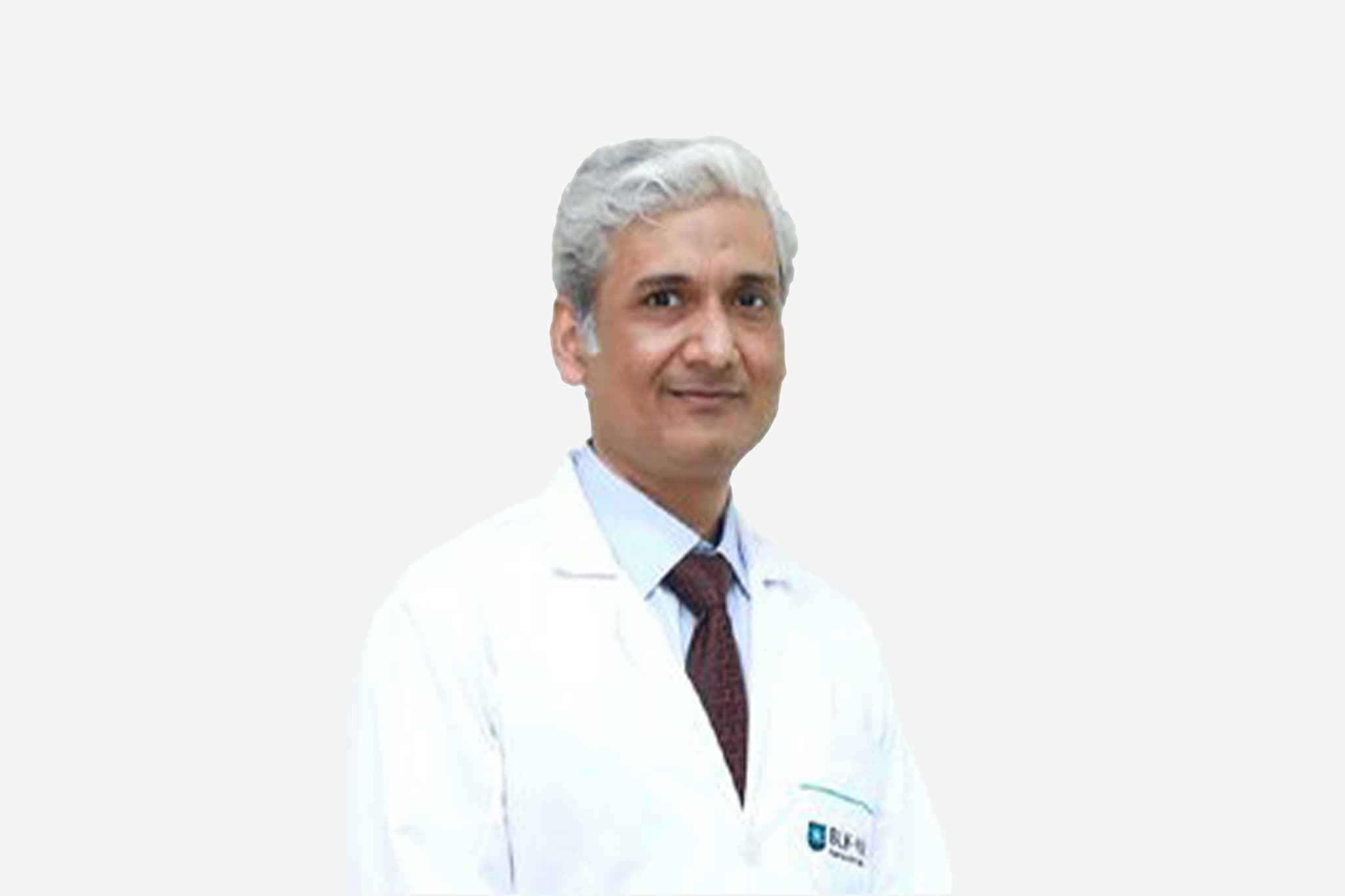
              Dr. Dr. Sameer Shrivastava

              Dr. Sameer Shrivastava

              Chairman - Non Invasive Cardiology

              31+ years experience

              MBBS MD (General Medicine) DM (Cardiology)
              1. Home
              2. Doctors
              3. Dr. Sameer Shrivastava

              About Dr. Sameer Shrivastava

              Dr. Sameer Shrivastava is a highly distinguished cardiologist currently leading the non-invasive cardiology services at Max Healthcare. With a career defined by diagnostic precision, he previously served as the Executive Director and HOD of Non-Invasive Cardiology at the Escorts Heart Institute. He is widely recognized for his ability to detect complex cardiac conditions using advanced imaging technology, ensuring patients receive accurate diagnoses before proceeding with treatment.

              Dr. Shrivastava specializes in cutting-edge diagnostic techniques that provide a clear picture of heart health without surgery. His expertise includes 3D Echocardiography, Trans-Esophageal Echocardiography (TEE), and Tissue Doppler Imaging. By utilizing these sophisticated tools, he can evaluate heart valve function, blood flow, and muscle health with exceptional detail, making him a vital asset in the management of structural and vascular heart diseases.

              National Recognition and Excellence

              Throughout his career, Dr. Shrivastava has been honored with numerous prestigious awards for his contributions to medicine. He was named "Clinical Cardiologist of the Year" by the IMA and was recognized as one of the ten most distinguished doctors in Delhi by the NCT Government. His commitment to geriatric and preventive care has also earned him multiple Distinguished Service Awards from the World Congress on Clinical Cardiology.

              Academic Foundation and Global Fellowships

              Dr. Shrivastava’s medical journey is backed by a robust academic background, including an MD in General Medicine and a DM in Cardiology. He is an International Fellow of the European Society of Cardiology and a Fellow of the International Society of Cardiovascular Ultrasound. These global affiliations reflect his dedication to maintaining the highest standards of evidence-based practice and staying updated on the latest international imaging protocols.

              Commitment to Medical Ethics and Education

              Beyond his clinical practice, Dr. Shrivastava is deeply involved in the ethical and professional development of the medical community. He is a member of the Forum for Ethics Review Committees in India (FERCI) and the Cardiological Society of India. His work as an educator and researcher ensures that the next generation of cardiologists is trained in the importance of diagnostic accuracy and empathetic patient care.

              Dr. Sameer Shrivastava at a Glance

              • Leading expert in Non-Invasive Cardiology at Max Healthcare.

              • Specialized in 3D Echocardiography, Stress Echo, and Tissue Doppler Imaging.

              • Named "Clinical Cardiologist of the Year" and "Distinguished Doctor of Delhi."

              • Former Executive Director & HOD at Escorts Heart Institute.

              • International Fellow of the European Society of Cardiology.

              • Fellow of the International Society of Cardiovascular Ultrasound.

              MBBS MD (General Medicine) DM (Cardiology)
              Specialization: Chairman - Non Invasive Cardiology
              “Clinical Cardiologist of the Year 2003 award” by IMA New Delhi branch in association with Heart Care foundation of India
              IJCP Group. One of the ten distinguished doctors for 2006, honoured by Dr. Yoganand Shastri, Ex-Health Minister, Govt. of NCT of Delhi Distinguished Service Award
              outstanding contribution in the field of cardiology from World Congress on Clinical, Preventive &amp
              Geriatric Cardiology (WCCPGC) Dr. J. J. Sood Memorial Award for Excellence 2010 by IMA – NDB Chapter of IMA AMS Award of Excellence in Cardiology - honoured by Late Smt. Sheila Dixit, Ex-Chief Minister, Govt. of NCT of Delhi Distinguished Services Award 2010 by 7th International Congress Geriatric Care 2010 Token of Appreciation award from Indian Journal of Geriatric Care – 2012 Distinguished Service Award by 4th Dil Ka Darbar 2012 – A Heart Summit organized by E-medinews, Heart Care Foundation of India on September 23, 2012 National Excellence Award 2012 by 19th MTNL Perfect Health Mela organized by Health Care Foundation of India. Honoured by Akhil Bhartiya Kayasth Mahasabha (Prashasti Patra) in 2013 International Fellow of the European Society of Cardiology, 2014

              Affiliated Hospitals

              BLK-Max Super Specialty Hospital, Delhi
              BLK-Max Super Specialty Hospital, Delhi

              Super Specialty

              New Delhi, Delhi NCR

              1959

              Estd.

              650+

              Beds

              300+

              Doctors

              Max Super Specialty Hospital, Saket
              Max Super Specialty Hospital, Saket

              Super Specialty

              New Delhi, Delhi NCR

              2006

              Estd.

              540+

              Beds

              450+

              Doctors

              May we help you?

              Enter digits only (6-15 digits). We'll add your country code.

              May we help you?

              Enter digits only (6-15 digits). We'll add your country code.

              Related Treatments

              Bifurcation Stenting
              Bifurcation Stenting

              Bifurcation Stenting Bifurcation Stenting is a complex procedure used when a coronary artery blockage occurs at a branch point, where a main vessel divides into two. These cases account for approximately 15–20% of all angioplasties and are technically demanding due to the risk of closing the "side branch" while treating the main vessel. While surgical repair remains a "gold standard" for some cases, transcatheter techniques for complex branch points have expanded significantly. When You Should Consider Bifurcation Stenting Blockages located precisely where a main heart artery divides into two branches. Shortness of breath or chest pain caused by multi-vessel narrowing. Evidence of left-sided heart enlargement or significant heart overload. High pressure in the lung arteries or decreased blood flow to the heart muscle. Cases where a single stent may not adequately support both the main and side branches. Primary Treatment Strategies Provisional Stenting: A single stent is placed in the main vessel across the side branch as the default approach. Side Branch Protection: The side branch is only stented if it remains significantly narrowed or blocked after the first stent. Planned Two-Stent Strategy: Used for "true" bifurcation lesions where both branches have significant, long blockages (>10mm). Full Vessel Coverage: A strategy that ensures both vessel openings are supported from the start of the procedure. Simple Approach: Preferred for most cases as it is faster and has fewer long-term complications. Common Specialized Techniques DK-Crush (Double Kissing Crush): One of the most effective two-stent techniques, particularly for left main artery blockages. Stent Crushing: Involves "crushing" part of the side branch stent against the wall to ensure the opening is perfectly scaffolded. Culotte Technique: Best for cases where the two branches are nearly the same size, layering stents like "trouser legs". TAP (T and Small Protrusion): A simpler method where the side branch stent protrudes slightly to ensure no gap at the fork. Hybrid Approach: A combination of techniques used for complex, hard-to-reach branch defects. Optimization Techniques POT (Proximal Optimization Technique): A mandatory step using a high-pressure balloon to expand the stent to match the larger vessel diameter. Kissing Balloon Inflation (KBI): Two balloons are inflated simultaneously in both branches to re-shape the fork. Strut Clearing: KBI is used to clear any metal struts that might be blocking the side branch opening. Real-time Imaging: Monitoring ensures the device or patch is perfectly positioned before finishing. Device Deployment: Specialized occluder-like stents are expanded across the hole or blockage to seal it permanently. Pre-Procedure Preparation Fasting for 8-12 hours before the catheterization or surgery. Blood tests, ECG, and chest X-rays to assess overall cardiac health. Adjusting current medications, specifically blood thinners, as directed by the cardiology team. Discussing any allergies, particularly to nickel used in some stents or contrast dye. Arranging for post-operative care and a support person for the recovery period. Tests Before Bifurcation Stenting Echocardiogram (TTE or TEE) to determine the size and location of the branch blockages. Cardiac Catheterization to measure lung pressures and map the arterial branches. Cardiac MRI or CT scan for detailed 3D mapping of complex bifurcation defects. ECG to monitor the heart's electrical rhythm and check for conduction issues. Pulse oximetry to evaluate oxygen saturation levels in the blood. Life After Bifurcation Stenting Short hospital stay, usually 1-2 days for device closure or observation. Avoid strenuous activity and heavy lifting for a few weeks post-procedure. Take prescribed antiplatelet medications to prevent blood clots on the multiple layers of metal. Regular follow-up visits with a cardiologist to monitor the repair site. Immediate improvement in breathing, energy levels, and physical stamina. Benefits of Bifurcation Stenting Restores normal blood flow to both the main artery and its side branches. Protects the heart from damage caused by complex branch-point blockages. Reduces the risk of heart failure and enlargement of the heart's chambers. Provides a long-term cure with high technical success rates in experienced hands. Prevents oxygen-rich and poor blood from mixing inefficiently due to restricted flow.

              CTO (Chronic Total Occlusion) Angioplasty
              CTO (Chronic Total Occlusion) Angioplasty

              Chronic Total Occlusion (CTO) Angioplasty Chronic Total Occlusion (CTO) Angioplasty, also known as CTO PCI, is a specialized, minimally invasive procedure used to open a coronary artery that has been 100% blocked for three months or longer. Historically considered too complex for standard stenting, advances now allow interventional cardiologists to treat these "final frontier" blockages with high success rates. The procedure restores blood flow to heart muscle that is still viable but "starving" for oxygen. When You Should Consider CTO Angioplasty Lifestyle-limiting chest pain (angina) that persists despite taking heart medications. Extreme fatigue or shortness of breath during daily activities. Evidence from a Cardiac MRI or Stress Echo showing heart muscle behind the blockage is still alive. Patients who are not ideal candidates for traditional open-heart bypass surgery. Documented 100% blockage of a coronary artery for a duration of three months or more. Methods of CTO Angioplasty Antegrade Approach: Attempting to cross the blockage from the "front" in the direction of normal blood flow. Retrograde Approach: Accessing the blockage from the "back" through small collateral vessels that have naturally grown around the occlusion. Dual Access: Using both the radial (wrist) and femoral (groin) arteries simultaneously to navigate complex blockages. Microcatheter Support: Using specialized, thin tubes to provide extra support for wires crossing "stone-hard" plaque. Stent Placement: Deploying drug-eluting stents to keep the newly opened channel clear permanently. How CTO Angioplasty Is Performed Specialized Access: Procedures often require two access points (wrist and groin) to visualize the blockage from both sides. Extended Navigation: Cardiologists use advanced wires to penetrate the solid cap of the occlusion. Plaque Modification: Specialized balloons or drills may be used to create a path through the chronic blockage. Device Deployment: Once a wire crosses the blockage, a stent is expanded to restore the artery's original diameter. Real-time Monitoring: High-definition imaging ensures the stent is perfectly positioned and blood flow is fully restored. Pre-Procedure Preparation Fasting for 8-12 hours before the procedure due to its longer duration (3-5 hours). Blood tests to assess kidney function, as more contrast dye is often required. Adjusting current heart and blood-thinning medications as directed by the cardiology team. Discussing any allergies to contrast dye or materials used in cardiac devices. Arranging for an overnight hospital stay and a support person for the recovery period. Tests Before CTO Angioplasty Cardiac MRI or Stress Echo to confirm the heart muscle is viable and will benefit from the procedure. Coronary Angiogram to map the "front" and "back" entry points of the blockage. CT Scan (Cardiac) for 3D mapping of the calcium levels within the total occlusion. ECG to monitor electrical rhythm and check for conduction issues caused by the blockage. Blood tests to ensure the patient can tolerate the longer procedure time. Life After CTO Angioplasty Short hospital stay, typically involving one night of observation for safety. Resume light activity within 24 to 48 hours, avoiding heavy lifting for one week. Mandatory Medication: Patients must take blood thinners (DAPT) for 6 to 12 months to prevent stent clotting. Regular follow-up visits with a cardiologist to monitor the success of the revascularization. Significant improvement in energy levels, breathing, and physical stamina. Benefits of CTO Angioplasty Relief of chronic chest pain and shortness of breath that did not respond to medication. Improved quality of life and the ability to return to physical activities. Protects the heart muscle from permanent damage and reduces the risk of future heart failure. High success rates (85% to 90%) at specialized centers using modern retrograde techniques. Avoids the need for more invasive open-heart bypass surgery in eligible patients.
              TAVI/TAVR (Transcatheter Aortic Valve Replacement)
              TAVI/TAVR (Transcatheter Aortic Valve Replacement)

              TAVI/TAVR (Transcatheter Aortic Valve Replacement) (Cardiology) Transcatheter Aortic Valve Implantation (TAVI), also known as TAVR, is a minimally invasive procedure used to treat severe aortic stenosis. As of 2026, it has become a standard of care for patients across all surgical risk categories—from high-risk to low-risk—offering an alternative to traditional open-heart surgery. When You Should Consider TAVI/TAVR Diagnosis of severe aortic stenosis causing restricted blood flow Chest pain (angina) or tightness during physical activity Frequent shortness of breath or feeling easily winded Dizziness, lightheadedness, or fainting spells Symptoms of heart failure, such as swelling in the ankles or feet Key Benefits of TAVI/TAVR Minimally invasive approach with no need for a large chest incision Avoids the use of a heart-lung bypass machine in most cases Significantly shorter recovery time compared to open-heart surgery Faster improvement in breathing and energy levels Lower risk of certain complications like major bleeding or infection How the Procedure Is Performed Access: Usually performed through a tiny incision in the groin (transfemoral approach). Catheterization: A thin tube carries the collapsed replacement valve to the heart. Deployment: The new valve is expanded, pushing the old valve leaflets aside. Immediate Function: The new valve starts working instantly to restore blood flow. Anesthesia: Most procedures use conscious sedation rather than general anesthesia. 2026 Innovations in TAVI Care Universal Risk Application: Now available for low-risk patients as well as high-risk. Advanced Valve Materials: 2026 bioprosthetic valves are designed for greater durability. Conscious Sedation: Improved protocols allow for faster wake-up and recovery times. Cerebral Protection: Specialized filters are used during deployment to reduce stroke risk. Precision Imaging: 3D mapping ensures perfect valve placement and fit. Recovery and Expectations Hospital Stay: Most patients are ready to go home within 1 to 2 days. Post-Op Activity: Walking is encouraged almost immediately after the procedure. Incision Care: The small groin incision heals quickly with minimal scarring. Follow-up: Regular check-ups include an echocardiogram to monitor valve function. Return to Life: Most patients return to normal daily activities within a week. Living with Your New Valve Heart-Healthy Lifestyle: Balanced diet and light exercise support long-term success. Medication Management: Patients typically take blood-thinning medications for a short period. Infection Prevention: Always inform dentists and doctors about your valve before procedures. Regular Monitoring: Periodic imaging ensures the valve remains seated and functional. Immediate Relief: Most patients report a dramatic reduction in symptoms right away.

              MitraClip (Mitral Regurgitation)
              MitraClip (Mitral Regurgitation)

              MitraClip Therapy MitraClip therapy, also known as Transcatheter Edge-to-Edge Repair (TEER), is a minimally invasive, catheter-based procedure used to treat Mitral Regurgitation (MR). This is a condition where the heart's mitral valve does not close tightly, causing blood to leak backward into the heart. In 2026, this remains a vital option for patients who are at high risk for traditional open-heart surgery. When You Should Consider MitraClip Severe symptomatic mitral regurgitation that limits daily activity. Heart failure symptoms like shortness of breath or fatigue that persist despite medication. Primary (Degenerative) MR in patients at prohibitive risk for traditional surgery due to age or frailty. Secondary (Functional) MR caused by an enlarged heart or heart muscle damage. Evidence of left-sided heart enlargement or significant heart overload. Methods of MitraClip Therapy Transcatheter Edge-to-Edge Repair: A minimally invasive method using a groin catheter to "clip" the valve leaflets together. Leaflet Approximation: The clip holds the flaps of the mitral valve to allow it to close more completely. Beating Heart Procedure: Unlike traditional surgery, this is performed while the heart continues to beat without a heart-lung machine. Real-time Guidance: Use of specialized imaging to ensure the clip is perfectly positioned to block the leak. Device Occlusion: Deployment of a "soft" low-profile clip to reduce backward blood flow. How MitraClip Is Performed Catheter Access: A tube is guided through the femoral vein in the groin to reach the heart. Navigation: The delivery system is steered into the left atrium and positioned above the mitral valve. Clip Deployment: The MitraClip is expanded and used to grasp the valve leaflets, sealing the leak. Monitoring: Real-time imaging (TEE) ensures the clip has significantly reduced the regurgitation before finishing. Finalization: Once the position is verified, the clip is permanently detached and the catheter is removed. Pre-Procedure Preparation Fasting for 8-12 hours before the catheterization. Blood tests, ECG, and chest X-rays to assess overall health and valve function. Adjusting current medications as directed by the cardiology team. Discussing any allergies, particularly to materials used in the device or contrast dye. Arranging for post-operative care and a support person for the recovery period. Tests Before MitraClip Therapy Echocardiogram (TTE or TEE) to determine the severity and location of the valve leak. Cardiac Catheterization to measure heart and lung pressures. Cardiac MRI or CT scan for detailed 3D mapping of the valve anatomy. ECG to monitor the heart's electrical rhythm and check for conduction issues. Pulse oximetry to evaluate oxygen saturation levels in the blood. Life After MitraClip Short hospital stay, usually 1-3 days for monitoring. Avoid strenuous activity and heavy lifting for about a month post-procedure. Take prescribed medications, including blood thinners, as directed by the cardiologist. Regular follow-up visits with a cardiologist to monitor the repair site. Immediate improvement in breathing, energy levels, and physical stamina. Benefits of MitraClip Therapy Restores normal blood flow and prevents oxygen-rich blood from leaking backward. Protects the lungs and heart from permanent damage caused by fluid backup. High technical success rates, reported between 93% and 98%. Significant reduction in heart failure-related hospitalizations. Provides a long-term cure for symptoms with a much shorter recovery than surgery.

              Coronary Angioplasty (PTCA)
              Coronary Angioplasty (PTCA)

              Coronary Angioplasty (PTCA) Coronary Angioplasty, also known as Percutaneous Transluminal Coronary Angioplasty (PTCA), is a minimally invasive procedure used to open clogged heart arteries. While surgical bypass remains an option for multi-vessel disease, transcatheter techniques using drug-eluting stents have expanded to treat even complex blockages, restoring vital blood flow to the heart muscle. When You Should Consider PTCA Refractory Angina: Chest pain that does not improve with standard medication. Exertional Dyspnea: Shortness of breath during physical activity or exercise. Positive Stress Test: Significant blockages identified during a cardiac stress test. Emergency Intervention: Performed during a heart attack to rapidly restore flow and limit heart muscle damage. Cardiac Strain: Evidence of reduced blood flow causing heart enlargement or visible strain on imaging. Methods of Angioplasty Balloon Angioplasty: A small, medical-grade balloon is inflated at the blockage site to push plaque against the artery walls. Stent Placement: A tiny mesh tube is inserted and expanded to act as a permanent scaffold to keep the artery open. Drug-Eluting Stents (DES): Stents coated with specialized medication that is slowly released to prevent the buildup of scar tissue (restenosis). Rotational Atherectomy: Using a high-speed, diamond-tipped drill to break up heavily calcified or "hardened" plaque. Laser Angioplasty: Utilizing precise laser energy to vaporize blockages within the coronary arteries. How Is Performed Catheter Access: Under local anesthesia and sedation, a thin, flexible tube is guided through the radial artery (wrist) or femoral artery (groin) to the heart. Real-time Imaging: Contrast dye is injected, and X-ray imaging (fluoroscopy) is used to ensure tools are perfectly positioned at the blockage. Balloon Expansion: The balloon is inflated at the site of the narrowing to widen the passage for blood flow. Stent Deployment: The mesh stent is expanded against the artery wall; the balloon is then deflated and removed, leaving the stent in place. Final Validation: Heart rhythm and blood flow are monitored via an angiogram to confirm the artery is fully open before removing the catheters. Pre-Procedure Preparation Fasting (NPO): No food or drink for 8–12 hours before the catheterization to ensure safety during sedation. Baseline Diagnostics: Blood tests, ECG, and chest X-rays to assess overall cardiac health and kidney function. Medication Adjustment: Reviewing all current prescriptions; blood thinners or certain diabetes medications may be adjusted by the clinical team. Allergy Check: Discussing any known history of allergies, particularly to iodine-based contrast dye or metals like nickel. Recovery Logistics: Arranging for a support person to drive you home and assist during the initial recovery period. Tests Before PTCA Echocardiogram (TTE): An ultrasound to determine the heart's pumping efficiency and valve function. Cardiac Angiogram: The primary diagnostic mapping tool used to identify the exact location and severity of blockages. Cardiac MRI or CT Scan: For detailed 3D mapping of the coronary anatomy in complex cases. ECG: To monitor the heart's electrical rhythm and check for signs of current or past ischemia. Pulse Oximetry: To evaluate baseline oxygen saturation levels in the blood. Life After PTCA Short Observation: Most patients require a short hospital stay, often 1–2 days, to monitor the access site and heart rhythm. Activity Restrictions: Avoid strenuous activity, heavy lifting, or immersion in water (baths/pools) for several days post-procedure. Medication Compliance: Strict adherence to prescribed antiplatelet medications (like Aspirin or Clopidogrel) is vital to prevent blood clots from forming on the new stent. Follow-up Care: Regular visits with a cardiologist to monitor the treated site and manage underlying cardiovascular risk factors. Symptom Relief: Most patients experience an immediate improvement in breathing, energy levels, and physical stamina. Benefits of PTCA Restored Perfusion: Immediately restores normal blood flow to the oxygen-starved heart muscle. Muscle Preservation: Protects the heart from permanent damage or scarring caused by chronic ischemia. Improved Mobility: Allows patients to return to physical activities and maintain an active, healthy lifestyle. Risk Reduction: Significantly reduces the long-term risk of heart failure and enlargement of the heart's chambers. High Success Rates: Provides a durable, long-term solution with exceptionally high technical success rates.

              Drug-Eluting Stent (DES) Placement
              Drug-Eluting Stent (DES) Placement

              Drug-Eluting Stent (DES) Placement A Drug-Eluting Stent (DES) is a small, metal mesh tube coated with specialized medication that is permanently placed in a narrowed heart artery. It is the most common type of stent used to treat Coronary Artery Disease (CAD). These devices are designed to provide both mechanical support and controlled drug release to ensure long-term arterial health. When You Should Consider DES Placement Chronic Chest Pain (Angina): Pain or pressure that limits physical activity. Significant Blockages: Evidence of arterial narrowing found during an echocardiogram or stress test. Heart Failure Risk: High risk of heart failure due to restricted blood flow to the heart muscle. Emergency Treatment: Used during a heart attack to rapidly restore circulation. Functional Improvement: Prevention of breathing difficulties caused by poor heart pump function. Key Components of a DES The Scaffold: A metal mesh structure, typically made of cobalt-chromium or platinum-chromium alloys, providing mechanical support to prevent the artery from recoiling. The Polymer Coating: A thin layer that holds the medication and controls its release into the artery wall over several weeks or months. The Therapeutic Agent: Specialized drugs (typically from the "limus" family) that inhibit the growth of scar tissue within the artery. How Is Performed Catheter Access: A thin tube is guided through the radial artery (wrist) or femoral artery (groin) to the heart. Navigation: Real-time X-ray imaging and contrast dye ensure the catheter is perfectly positioned at the blockage. Expansion: A tiny balloon at the catheter's tip is inflated to widen the blockage and expand the collapsed stent against the artery wall. Device Deployment: The balloon is deflated and removed, leaving the low-profile stent to support the vessel permanently. Monitoring: Imaging confirms the stent is perfectly positioned before finishing the procedure. Pre-Procedure Preparation Fasting: Required for 8–12 hours before the catheterization. Baseline Screening: Blood tests, ECG, and chest X-rays to assess overall health and kidney function. Medication Adjustment: Adjusting current medications as directed by the cardiology team. Allergy Check: Discussing any allergies, particularly to nickel (used in some stents) or contrast dye. Recovery Planning: Arranging for a support person for the post-operative period. Tests Before DES Procedure Echocardiogram (TTE or TEE): To determine the location and severity of arterial issues. Cardiac Catheterization: To measure heart pressures and map the coronary anatomy. Cardiac MRI or CT Scan: For detailed 3D mapping of complex blockages. ECG: To monitor the heart's electrical rhythm. Pulse Oximetry: To evaluate oxygen saturation levels in the blood. Life After DES Placement Hospital Stay: Usually 1–2 days for observation. Activity Restrictions: Avoid strenuous activity and heavy lifting for a few weeks post-procedure. Mandatory Medication: Patients must take dual antiplatelet therapy (DAPT), such as aspirin and a second blood thinner, for 6 to 12 months to prevent clots. Long-term Follow-up: Regular visits with a cardiologist to monitor the stent site. Functional Recovery: Immediate improvement in breathing, energy levels, and physical stamina. Benefits of Drug-Eluting Stents Reduced Restenosis: Significantly lowers the risk of the artery re-narrowing compared to older bare-metal stents. Organ Protection: Protects the heart and lungs from damage caused by poor circulation. Fewer Procedures: Patients are less likely to need repeat angioplasties or bypass surgery. High Success Rate: Modern DES provide a long-term solution with technical success rates often exceeding 95%. Efficient Circulation: Restores normal blood flow and ensures the heart muscle receives adequate oxygen.

              Rotablation (for calcified arteries)
              Rotablation (for calcified arteries)

              Rotablation (Rotational Atherectomy) Rotablation, also known as Rotational Atherectomy, is a specialized cardiac procedure used to treat coronary arteries that have become "stone-hard" due to severe calcium buildup. When plaque is heavily calcified, standard balloon angioplasty may fail to expand the artery, potentially leading to balloon rupture or inadequate stent deployment. This high-speed drilling technique is essential for modifying plaque to make the artery flexible enough for a stent to be placed successfully. When You Should Consider Rotablation Severely Calcified Arteries: When imaging shows blockages that have hardened into "rock-like" structures that won't budge with standard tools. Balloon-Uncrossable Lesions: When a blockage is so hard or narrow that a standard angioplasty balloon cannot pass through or expand. Failed Prior Angioplasty: If previous attempts to open the artery failed because the plaque was too rigid or inelastic. Preparation for Stenting: To ensure the vessel wall is soft enough for a stent to fully expand and stay open long-term. Heart Overload: When restricted blood flow in hardened vessels causes significant strain or "overload" on the heart muscle. Methods Of Rotablation High-Speed Rotation: Utilizing a diamond-coated burr that spins at incredible speeds, typically between 140,000 and 200,000 RPM. Differential Cutting: A unique mechanism where the burr selectively grinds hard, calcified plaque while deflecting off healthy, elastic vessel tissue. Plaque Pulverization: The hardened calcium is ground into microscopic particles, much smaller than red blood cells, which can pass safely through the capillaries. Mechanical Modification: Softening the internal vessel wall to transform a rigid "pipe" back into a flexible artery. Combined Therapy: Almost always followed by traditional balloon angioplasty or the deployment of a drug-eluting stent. How Is Performed Catheter Access: Under local anesthesia and sedation, a thin tube is guided through the radial artery (wrist) or femoral artery (groin) to the heart. Burr Navigation: A specialized diamond-tipped catheter is positioned precisely at the site of the calcified blockage using X-ray guidance. Plaque Modification: The surgeon activates the burr in short "passes" to grind away the calcium, which is then safely cleared by the bloodstream. Artery Preparation: Once the "stone" is modified, a balloon is used to further stretch the now-flexible artery. Stent Deployment: A permanent metal mesh (stent) is expanded to seal the opening and keep the blood flowing freely. Real-time Monitoring: Continuous imaging ensures the artery is sufficiently prepared and the stent is perfectly opposed to the vessel wall. Pre-Procedure Preparation Fasting (NPO): No food or drink for 8–12 hours before the cardiac catheterization to ensure safety during the procedure. Baseline Diagnostics: Blood tests, ECG, and chest X-rays to assess overall health and ensure the kidneys can process the contrast dye. Medication Adjustment: Reviewing all current medications; blood thinners may need to be paused or adjusted by the cardiology team. Allergy Screening: Discussing any known allergies, particularly to iodine (contrast dye) or the materials used in the surgical tools. Recovery Planning: Arranging for a support person to drive you home and assist during the initial 24-hour recovery period. Tests Before Rotablation Echocardiogram: An ultrasound of the heart (TTE or TEE) to determine the size and location of the calcified blockage and assess heart pump function. Cardiac Catheterization: An initial "scout" procedure to measure internal pressures and map the exact location of the arterial "stones." Cardiac CT or MRI: Advanced 3D mapping used to visualize the depth and complexity of the hardened plaque. Electrocardiogram (ECG): To monitor the heart's electrical rhythm and check for any conduction issues before the procedure. Pulse Oximetry: To evaluate oxygen saturation levels in the blood, ensuring the lungs and heart are working in sync. Life After Rotablation Hospital Stay: Usually requires 1–2 days of monitoring in the hospital to ensure the access site is healing and the heart rhythm is stable. Immediate Post-Op Rest: A mandatory period of 6–8 hours of flat bed rest is required if the femoral artery was used for access. Activity Restrictions: Patients should avoid strenuous activity and heavy lifting (usually over 10 lbs) for at least a few weeks. Medication Adherence: Strict compliance with "dual antiplatelet therapy" (blood thinners) is vital to prevent blood clots from forming on the new stent. Follow-Up Care: Regular visits with a cardiologist are essential to monitor the treated artery and ensure the stent remains open. Benefits Of Rotablation High Success Rate: Successfully modifies difficult, "uncrossable" lesions in over 95% of cases. Enables Complex Stenting: Makes it possible to place stents in patients who were previously told their blockages were "untreatable" by standard means. Protects Heart Muscle: By restoring flow, it prevents long-term damage caused by chronic, high-pressure blockages. Restores Blood Flow: Effectively removes "stone-hard" obstructions that balloons simply cannot push aside. Long-Term Durability: Provides a robust solution for complex coronary artery disease, significantly improving energy levels and physical stamina.

              Intravascular Lithotripsy (IVL)
              Intravascular Lithotripsy (IVL)

              Intravascular Lithotripsy (IVL) Intravascular Lithotripsy (IVL) is an advanced plaque modification technique that uses sonic shockwaves to break up severe coronary artery calcification. It is particularly effective for "stone-like" blockages that standard balloons cannot expand. This technology has expanded significantly for treating complex, hardened defects that were previously difficult to manage with traditional methods. When You Should Consider IVL Severely calcified "stone-like" blockages identified during imaging. Evidence of significant heart overload or left-sided heart enlargement. When standard balloon angioplasty fails to expand the artery due to rigidity. Cases where deep-layer calcium fracturing is required for safe stent deployment. Patients seeking a lower-risk alternative to rotational atherectomy for circumferential calcium. Methods of IVL Acoustic Wave Generation: Emitters on the catheter's balloon vaporize fluid to create rapidly expanding bubbles. Selective Fracturing: Sonic pressure waves (approx. 50 atmospheres) fracture both superficial and deep calcium deposits. Vessel Compliance Restoration: Creating micro-cracks in the calcium to restore elasticity to the artery wall. Deep Plaque Modification: Targeting deep-layer calcium that traditional drilling techniques might miss. Standard Balloon Delivery: Using a familiar delivery system to "plug" the resistance of the calcium without major surgery. How IVL Is Performed Catheter Access: A tube is guided through the femoral vein or radial artery to the heart. Device Positioning: The specialized IVL balloon is perfectly positioned across the calcified hole or blockage. Shockwave Deployment: The generator sends sonic waves through the balloon to fracture the hardened plaque. Monitoring: Real-time imaging ensures the calcium is sufficiently cracked before finishing the expansion. Stent Deployment: Once elasticity is restored, an occluder device or stent is expanded to seal the artery open. Pre-Procedure Preparation Fasting for 8-12 hours before the catheterization. Blood tests, ECG, and chest X-rays to assess overall health. Adjusting current medications as directed by the cardiology team. Discussing any allergies, particularly to contrast dye or nickel. Arranging for post-operative care and a support person for the recovery period. Tests Before IVL Procedure Echocardiogram (TTE or TEE) to determine the size and location of the calcification. Cardiac Catheterization to measure lung pressures and arterial resistance. Cardiac MRI or CT scan for detailed 3D mapping of the hardened defects. ECG to monitor the heart's electrical rhythm and check for conduction issues. Pulse oximetry to evaluate oxygen saturation levels in the blood. Life After IVL Short hospital stay, usually 1-2 days (24–48 hours) for monitoring. Avoid strenuous activity and heavy exercise for the first 7 days post-procedure. Immediate improvement in breathing, energy levels, and physical stamina. Regular follow-up visits with a cardiologist to monitor the repair site. Return to most daily activities within a few days to a week. Benefits of IVL Provides a high procedural success rate, often reported over 92%. Significantly lower risk of arterial perforation compared to traditional drilling. Restores normal blood flow by increasing vessel compliance and elasticity. Reduces the risk of heart failure by allowing for full, safe stent expansion. High technical success rates even for complex, deep-layer calcium.

              Bifurcation Stenting
              Bifurcation Stenting

              Bifurcation Stenting Bifurcation Stenting is a complex procedure used when a coronary artery blockage occurs at a branch point, where a main vessel divides into two. These cases account for approximately 15–20% of all angioplasties and are technically demanding due to the risk of closing the "side branch" while treating the main vessel. While surgical repair remains a "gold standard" for some cases, transcatheter techniques for complex branch points have expanded significantly. When You Should Consider Bifurcation Stenting Blockages located precisely where a main heart artery divides into two branches. Shortness of breath or chest pain caused by multi-vessel narrowing. Evidence of left-sided heart enlargement or significant heart overload. High pressure in the lung arteries or decreased blood flow to the heart muscle. Cases where a single stent may not adequately support both the main and side branches. Primary Treatment Strategies Provisional Stenting: A single stent is placed in the main vessel across the side branch as the default approach. Side Branch Protection: The side branch is only stented if it remains significantly narrowed or blocked after the first stent. Planned Two-Stent Strategy: Used for "true" bifurcation lesions where both branches have significant, long blockages (>10mm). Full Vessel Coverage: A strategy that ensures both vessel openings are supported from the start of the procedure. Simple Approach: Preferred for most cases as it is faster and has fewer long-term complications. Common Specialized Techniques DK-Crush (Double Kissing Crush): One of the most effective two-stent techniques, particularly for left main artery blockages. Stent Crushing: Involves "crushing" part of the side branch stent against the wall to ensure the opening is perfectly scaffolded. Culotte Technique: Best for cases where the two branches are nearly the same size, layering stents like "trouser legs". TAP (T and Small Protrusion): A simpler method where the side branch stent protrudes slightly to ensure no gap at the fork. Hybrid Approach: A combination of techniques used for complex, hard-to-reach branch defects. Optimization Techniques POT (Proximal Optimization Technique): A mandatory step using a high-pressure balloon to expand the stent to match the larger vessel diameter. Kissing Balloon Inflation (KBI): Two balloons are inflated simultaneously in both branches to re-shape the fork. Strut Clearing: KBI is used to clear any metal struts that might be blocking the side branch opening. Real-time Imaging: Monitoring ensures the device or patch is perfectly positioned before finishing. Device Deployment: Specialized occluder-like stents are expanded across the hole or blockage to seal it permanently. Pre-Procedure Preparation Fasting for 8-12 hours before the catheterization or surgery. Blood tests, ECG, and chest X-rays to assess overall cardiac health. Adjusting current medications, specifically blood thinners, as directed by the cardiology team. Discussing any allergies, particularly to nickel used in some stents or contrast dye. Arranging for post-operative care and a support person for the recovery period. Tests Before Bifurcation Stenting Echocardiogram (TTE or TEE) to determine the size and location of the branch blockages. Cardiac Catheterization to measure lung pressures and map the arterial branches. Cardiac MRI or CT scan for detailed 3D mapping of complex bifurcation defects. ECG to monitor the heart's electrical rhythm and check for conduction issues. Pulse oximetry to evaluate oxygen saturation levels in the blood. Life After Bifurcation Stenting Short hospital stay, usually 1-2 days for device closure or observation. Avoid strenuous activity and heavy lifting for a few weeks post-procedure. Take prescribed antiplatelet medications to prevent blood clots on the multiple layers of metal. Regular follow-up visits with a cardiologist to monitor the repair site. Immediate improvement in breathing, energy levels, and physical stamina. Benefits of Bifurcation Stenting Restores normal blood flow to both the main artery and its side branches. Protects the heart from damage caused by complex branch-point blockages. Reduces the risk of heart failure and enlargement of the heart's chambers. Provides a long-term cure with high technical success rates in experienced hands. Prevents oxygen-rich and poor blood from mixing inefficiently due to restricted flow.

              CTO (Chronic Total Occlusion) Angioplasty
              CTO (Chronic Total Occlusion) Angioplasty

              Chronic Total Occlusion (CTO) Angioplasty Chronic Total Occlusion (CTO) Angioplasty, also known as CTO PCI, is a specialized, minimally invasive procedure used to open a coronary artery that has been 100% blocked for three months or longer. Historically considered too complex for standard stenting, advances now allow interventional cardiologists to treat these "final frontier" blockages with high success rates. The procedure restores blood flow to heart muscle that is still viable but "starving" for oxygen. When You Should Consider CTO Angioplasty Lifestyle-limiting chest pain (angina) that persists despite taking heart medications. Extreme fatigue or shortness of breath during daily activities. Evidence from a Cardiac MRI or Stress Echo showing heart muscle behind the blockage is still alive. Patients who are not ideal candidates for traditional open-heart bypass surgery. Documented 100% blockage of a coronary artery for a duration of three months or more. Methods of CTO Angioplasty Antegrade Approach: Attempting to cross the blockage from the "front" in the direction of normal blood flow. Retrograde Approach: Accessing the blockage from the "back" through small collateral vessels that have naturally grown around the occlusion. Dual Access: Using both the radial (wrist) and femoral (groin) arteries simultaneously to navigate complex blockages. Microcatheter Support: Using specialized, thin tubes to provide extra support for wires crossing "stone-hard" plaque. Stent Placement: Deploying drug-eluting stents to keep the newly opened channel clear permanently. How CTO Angioplasty Is Performed Specialized Access: Procedures often require two access points (wrist and groin) to visualize the blockage from both sides. Extended Navigation: Cardiologists use advanced wires to penetrate the solid cap of the occlusion. Plaque Modification: Specialized balloons or drills may be used to create a path through the chronic blockage. Device Deployment: Once a wire crosses the blockage, a stent is expanded to restore the artery's original diameter. Real-time Monitoring: High-definition imaging ensures the stent is perfectly positioned and blood flow is fully restored. Pre-Procedure Preparation Fasting for 8-12 hours before the procedure due to its longer duration (3-5 hours). Blood tests to assess kidney function, as more contrast dye is often required. Adjusting current heart and blood-thinning medications as directed by the cardiology team. Discussing any allergies to contrast dye or materials used in cardiac devices. Arranging for an overnight hospital stay and a support person for the recovery period. Tests Before CTO Angioplasty Cardiac MRI or Stress Echo to confirm the heart muscle is viable and will benefit from the procedure. Coronary Angiogram to map the "front" and "back" entry points of the blockage. CT Scan (Cardiac) for 3D mapping of the calcium levels within the total occlusion. ECG to monitor electrical rhythm and check for conduction issues caused by the blockage. Blood tests to ensure the patient can tolerate the longer procedure time. Life After CTO Angioplasty Short hospital stay, typically involving one night of observation for safety. Resume light activity within 24 to 48 hours, avoiding heavy lifting for one week. Mandatory Medication: Patients must take blood thinners (DAPT) for 6 to 12 months to prevent stent clotting. Regular follow-up visits with a cardiologist to monitor the success of the revascularization. Significant improvement in energy levels, breathing, and physical stamina. Benefits of CTO Angioplasty Relief of chronic chest pain and shortness of breath that did not respond to medication. Improved quality of life and the ability to return to physical activities. Protects the heart muscle from permanent damage and reduces the risk of future heart failure. High success rates (85% to 90%) at specialized centers using modern retrograde techniques. Avoids the need for more invasive open-heart bypass surgery in eligible patients.

              TAVI/TAVR (Transcatheter Aortic Valve Replacement)
              TAVI/TAVR (Transcatheter Aortic Valve Replacement)

              TAVI/TAVR (Transcatheter Aortic Valve Replacement) (Cardiology) Transcatheter Aortic Valve Implantation (TAVI), also known as TAVR, is a minimally invasive procedure used to treat severe aortic stenosis. As of 2026, it has become a standard of care for patients across all surgical risk categories—from high-risk to low-risk—offering an alternative to traditional open-heart surgery. When You Should Consider TAVI/TAVR Diagnosis of severe aortic stenosis causing restricted blood flow Chest pain (angina) or tightness during physical activity Frequent shortness of breath or feeling easily winded Dizziness, lightheadedness, or fainting spells Symptoms of heart failure, such as swelling in the ankles or feet Key Benefits of TAVI/TAVR Minimally invasive approach with no need for a large chest incision Avoids the use of a heart-lung bypass machine in most cases Significantly shorter recovery time compared to open-heart surgery Faster improvement in breathing and energy levels Lower risk of certain complications like major bleeding or infection How the Procedure Is Performed Access: Usually performed through a tiny incision in the groin (transfemoral approach). Catheterization: A thin tube carries the collapsed replacement valve to the heart. Deployment: The new valve is expanded, pushing the old valve leaflets aside. Immediate Function: The new valve starts working instantly to restore blood flow. Anesthesia: Most procedures use conscious sedation rather than general anesthesia. 2026 Innovations in TAVI Care Universal Risk Application: Now available for low-risk patients as well as high-risk. Advanced Valve Materials: 2026 bioprosthetic valves are designed for greater durability. Conscious Sedation: Improved protocols allow for faster wake-up and recovery times. Cerebral Protection: Specialized filters are used during deployment to reduce stroke risk. Precision Imaging: 3D mapping ensures perfect valve placement and fit. Recovery and Expectations Hospital Stay: Most patients are ready to go home within 1 to 2 days. Post-Op Activity: Walking is encouraged almost immediately after the procedure. Incision Care: The small groin incision heals quickly with minimal scarring. Follow-up: Regular check-ups include an echocardiogram to monitor valve function. Return to Life: Most patients return to normal daily activities within a week. Living with Your New Valve Heart-Healthy Lifestyle: Balanced diet and light exercise support long-term success. Medication Management: Patients typically take blood-thinning medications for a short period. Infection Prevention: Always inform dentists and doctors about your valve before procedures. Regular Monitoring: Periodic imaging ensures the valve remains seated and functional. Immediate Relief: Most patients report a dramatic reduction in symptoms right away.

              MitraClip (Mitral Regurgitation)
              MitraClip (Mitral Regurgitation)

              MitraClip Therapy MitraClip therapy, also known as Transcatheter Edge-to-Edge Repair (TEER), is a minimally invasive, catheter-based procedure used to treat Mitral Regurgitation (MR). This is a condition where the heart's mitral valve does not close tightly, causing blood to leak backward into the heart. In 2026, this remains a vital option for patients who are at high risk for traditional open-heart surgery. When You Should Consider MitraClip Severe symptomatic mitral regurgitation that limits daily activity. Heart failure symptoms like shortness of breath or fatigue that persist despite medication. Primary (Degenerative) MR in patients at prohibitive risk for traditional surgery due to age or frailty. Secondary (Functional) MR caused by an enlarged heart or heart muscle damage. Evidence of left-sided heart enlargement or significant heart overload. Methods of MitraClip Therapy Transcatheter Edge-to-Edge Repair: A minimally invasive method using a groin catheter to "clip" the valve leaflets together. Leaflet Approximation: The clip holds the flaps of the mitral valve to allow it to close more completely. Beating Heart Procedure: Unlike traditional surgery, this is performed while the heart continues to beat without a heart-lung machine. Real-time Guidance: Use of specialized imaging to ensure the clip is perfectly positioned to block the leak. Device Occlusion: Deployment of a "soft" low-profile clip to reduce backward blood flow. How MitraClip Is Performed Catheter Access: A tube is guided through the femoral vein in the groin to reach the heart. Navigation: The delivery system is steered into the left atrium and positioned above the mitral valve. Clip Deployment: The MitraClip is expanded and used to grasp the valve leaflets, sealing the leak. Monitoring: Real-time imaging (TEE) ensures the clip has significantly reduced the regurgitation before finishing. Finalization: Once the position is verified, the clip is permanently detached and the catheter is removed. Pre-Procedure Preparation Fasting for 8-12 hours before the catheterization. Blood tests, ECG, and chest X-rays to assess overall health and valve function. Adjusting current medications as directed by the cardiology team. Discussing any allergies, particularly to materials used in the device or contrast dye. Arranging for post-operative care and a support person for the recovery period. Tests Before MitraClip Therapy Echocardiogram (TTE or TEE) to determine the severity and location of the valve leak. Cardiac Catheterization to measure heart and lung pressures. Cardiac MRI or CT scan for detailed 3D mapping of the valve anatomy. ECG to monitor the heart's electrical rhythm and check for conduction issues. Pulse oximetry to evaluate oxygen saturation levels in the blood. Life After MitraClip Short hospital stay, usually 1-3 days for monitoring. Avoid strenuous activity and heavy lifting for about a month post-procedure. Take prescribed medications, including blood thinners, as directed by the cardiologist. Regular follow-up visits with a cardiologist to monitor the repair site. Immediate improvement in breathing, energy levels, and physical stamina. Benefits of MitraClip Therapy Restores normal blood flow and prevents oxygen-rich blood from leaking backward. Protects the lungs and heart from permanent damage caused by fluid backup. High technical success rates, reported between 93% and 98%. Significant reduction in heart failure-related hospitalizations. Provides a long-term cure for symptoms with a much shorter recovery than surgery.

              Coronary Angioplasty (PTCA)
              Coronary Angioplasty (PTCA)

              Coronary Angioplasty (PTCA) Coronary Angioplasty, also known as Percutaneous Transluminal Coronary Angioplasty (PTCA), is a minimally invasive procedure used to open clogged heart arteries. While surgical bypass remains an option for multi-vessel disease, transcatheter techniques using drug-eluting stents have expanded to treat even complex blockages, restoring vital blood flow to the heart muscle. When You Should Consider PTCA Refractory Angina: Chest pain that does not improve with standard medication. Exertional Dyspnea: Shortness of breath during physical activity or exercise. Positive Stress Test: Significant blockages identified during a cardiac stress test. Emergency Intervention: Performed during a heart attack to rapidly restore flow and limit heart muscle damage. Cardiac Strain: Evidence of reduced blood flow causing heart enlargement or visible strain on imaging. Methods of Angioplasty Balloon Angioplasty: A small, medical-grade balloon is inflated at the blockage site to push plaque against the artery walls. Stent Placement: A tiny mesh tube is inserted and expanded to act as a permanent scaffold to keep the artery open. Drug-Eluting Stents (DES): Stents coated with specialized medication that is slowly released to prevent the buildup of scar tissue (restenosis). Rotational Atherectomy: Using a high-speed, diamond-tipped drill to break up heavily calcified or "hardened" plaque. Laser Angioplasty: Utilizing precise laser energy to vaporize blockages within the coronary arteries. How Is Performed Catheter Access: Under local anesthesia and sedation, a thin, flexible tube is guided through the radial artery (wrist) or femoral artery (groin) to the heart. Real-time Imaging: Contrast dye is injected, and X-ray imaging (fluoroscopy) is used to ensure tools are perfectly positioned at the blockage. Balloon Expansion: The balloon is inflated at the site of the narrowing to widen the passage for blood flow. Stent Deployment: The mesh stent is expanded against the artery wall; the balloon is then deflated and removed, leaving the stent in place. Final Validation: Heart rhythm and blood flow are monitored via an angiogram to confirm the artery is fully open before removing the catheters. Pre-Procedure Preparation Fasting (NPO): No food or drink for 8–12 hours before the catheterization to ensure safety during sedation. Baseline Diagnostics: Blood tests, ECG, and chest X-rays to assess overall cardiac health and kidney function. Medication Adjustment: Reviewing all current prescriptions; blood thinners or certain diabetes medications may be adjusted by the clinical team. Allergy Check: Discussing any known history of allergies, particularly to iodine-based contrast dye or metals like nickel. Recovery Logistics: Arranging for a support person to drive you home and assist during the initial recovery period. Tests Before PTCA Echocardiogram (TTE): An ultrasound to determine the heart's pumping efficiency and valve function. Cardiac Angiogram: The primary diagnostic mapping tool used to identify the exact location and severity of blockages. Cardiac MRI or CT Scan: For detailed 3D mapping of the coronary anatomy in complex cases. ECG: To monitor the heart's electrical rhythm and check for signs of current or past ischemia. Pulse Oximetry: To evaluate baseline oxygen saturation levels in the blood. Life After PTCA Short Observation: Most patients require a short hospital stay, often 1–2 days, to monitor the access site and heart rhythm. Activity Restrictions: Avoid strenuous activity, heavy lifting, or immersion in water (baths/pools) for several days post-procedure. Medication Compliance: Strict adherence to prescribed antiplatelet medications (like Aspirin or Clopidogrel) is vital to prevent blood clots from forming on the new stent. Follow-up Care: Regular visits with a cardiologist to monitor the treated site and manage underlying cardiovascular risk factors. Symptom Relief: Most patients experience an immediate improvement in breathing, energy levels, and physical stamina. Benefits of PTCA Restored Perfusion: Immediately restores normal blood flow to the oxygen-starved heart muscle. Muscle Preservation: Protects the heart from permanent damage or scarring caused by chronic ischemia. Improved Mobility: Allows patients to return to physical activities and maintain an active, healthy lifestyle. Risk Reduction: Significantly reduces the long-term risk of heart failure and enlargement of the heart's chambers. High Success Rates: Provides a durable, long-term solution with exceptionally high technical success rates.

              Drug-Eluting Stent (DES) Placement
              Drug-Eluting Stent (DES) Placement

              Drug-Eluting Stent (DES) Placement A Drug-Eluting Stent (DES) is a small, metal mesh tube coated with specialized medication that is permanently placed in a narrowed heart artery. It is the most common type of stent used to treat Coronary Artery Disease (CAD). These devices are designed to provide both mechanical support and controlled drug release to ensure long-term arterial health. When You Should Consider DES Placement Chronic Chest Pain (Angina): Pain or pressure that limits physical activity. Significant Blockages: Evidence of arterial narrowing found during an echocardiogram or stress test. Heart Failure Risk: High risk of heart failure due to restricted blood flow to the heart muscle. Emergency Treatment: Used during a heart attack to rapidly restore circulation. Functional Improvement: Prevention of breathing difficulties caused by poor heart pump function. Key Components of a DES The Scaffold: A metal mesh structure, typically made of cobalt-chromium or platinum-chromium alloys, providing mechanical support to prevent the artery from recoiling. The Polymer Coating: A thin layer that holds the medication and controls its release into the artery wall over several weeks or months. The Therapeutic Agent: Specialized drugs (typically from the "limus" family) that inhibit the growth of scar tissue within the artery. How Is Performed Catheter Access: A thin tube is guided through the radial artery (wrist) or femoral artery (groin) to the heart. Navigation: Real-time X-ray imaging and contrast dye ensure the catheter is perfectly positioned at the blockage. Expansion: A tiny balloon at the catheter's tip is inflated to widen the blockage and expand the collapsed stent against the artery wall. Device Deployment: The balloon is deflated and removed, leaving the low-profile stent to support the vessel permanently. Monitoring: Imaging confirms the stent is perfectly positioned before finishing the procedure. Pre-Procedure Preparation Fasting: Required for 8–12 hours before the catheterization. Baseline Screening: Blood tests, ECG, and chest X-rays to assess overall health and kidney function. Medication Adjustment: Adjusting current medications as directed by the cardiology team. Allergy Check: Discussing any allergies, particularly to nickel (used in some stents) or contrast dye. Recovery Planning: Arranging for a support person for the post-operative period. Tests Before DES Procedure Echocardiogram (TTE or TEE): To determine the location and severity of arterial issues. Cardiac Catheterization: To measure heart pressures and map the coronary anatomy. Cardiac MRI or CT Scan: For detailed 3D mapping of complex blockages. ECG: To monitor the heart's electrical rhythm. Pulse Oximetry: To evaluate oxygen saturation levels in the blood. Life After DES Placement Hospital Stay: Usually 1–2 days for observation. Activity Restrictions: Avoid strenuous activity and heavy lifting for a few weeks post-procedure. Mandatory Medication: Patients must take dual antiplatelet therapy (DAPT), such as aspirin and a second blood thinner, for 6 to 12 months to prevent clots. Long-term Follow-up: Regular visits with a cardiologist to monitor the stent site. Functional Recovery: Immediate improvement in breathing, energy levels, and physical stamina. Benefits of Drug-Eluting Stents Reduced Restenosis: Significantly lowers the risk of the artery re-narrowing compared to older bare-metal stents. Organ Protection: Protects the heart and lungs from damage caused by poor circulation. Fewer Procedures: Patients are less likely to need repeat angioplasties or bypass surgery. High Success Rate: Modern DES provide a long-term solution with technical success rates often exceeding 95%. Efficient Circulation: Restores normal blood flow and ensures the heart muscle receives adequate oxygen.

              Rotablation (for calcified arteries)
              Rotablation (for calcified arteries)

              Rotablation (Rotational Atherectomy) Rotablation, also known as Rotational Atherectomy, is a specialized cardiac procedure used to treat coronary arteries that have become "stone-hard" due to severe calcium buildup. When plaque is heavily calcified, standard balloon angioplasty may fail to expand the artery, potentially leading to balloon rupture or inadequate stent deployment. This high-speed drilling technique is essential for modifying plaque to make the artery flexible enough for a stent to be placed successfully. When You Should Consider Rotablation Severely Calcified Arteries: When imaging shows blockages that have hardened into "rock-like" structures that won't budge with standard tools. Balloon-Uncrossable Lesions: When a blockage is so hard or narrow that a standard angioplasty balloon cannot pass through or expand. Failed Prior Angioplasty: If previous attempts to open the artery failed because the plaque was too rigid or inelastic. Preparation for Stenting: To ensure the vessel wall is soft enough for a stent to fully expand and stay open long-term. Heart Overload: When restricted blood flow in hardened vessels causes significant strain or "overload" on the heart muscle. Methods Of Rotablation High-Speed Rotation: Utilizing a diamond-coated burr that spins at incredible speeds, typically between 140,000 and 200,000 RPM. Differential Cutting: A unique mechanism where the burr selectively grinds hard, calcified plaque while deflecting off healthy, elastic vessel tissue. Plaque Pulverization: The hardened calcium is ground into microscopic particles, much smaller than red blood cells, which can pass safely through the capillaries. Mechanical Modification: Softening the internal vessel wall to transform a rigid "pipe" back into a flexible artery. Combined Therapy: Almost always followed by traditional balloon angioplasty or the deployment of a drug-eluting stent. How Is Performed Catheter Access: Under local anesthesia and sedation, a thin tube is guided through the radial artery (wrist) or femoral artery (groin) to the heart. Burr Navigation: A specialized diamond-tipped catheter is positioned precisely at the site of the calcified blockage using X-ray guidance. Plaque Modification: The surgeon activates the burr in short "passes" to grind away the calcium, which is then safely cleared by the bloodstream. Artery Preparation: Once the "stone" is modified, a balloon is used to further stretch the now-flexible artery. Stent Deployment: A permanent metal mesh (stent) is expanded to seal the opening and keep the blood flowing freely. Real-time Monitoring: Continuous imaging ensures the artery is sufficiently prepared and the stent is perfectly opposed to the vessel wall. Pre-Procedure Preparation Fasting (NPO): No food or drink for 8–12 hours before the cardiac catheterization to ensure safety during the procedure. Baseline Diagnostics: Blood tests, ECG, and chest X-rays to assess overall health and ensure the kidneys can process the contrast dye. Medication Adjustment: Reviewing all current medications; blood thinners may need to be paused or adjusted by the cardiology team. Allergy Screening: Discussing any known allergies, particularly to iodine (contrast dye) or the materials used in the surgical tools. Recovery Planning: Arranging for a support person to drive you home and assist during the initial 24-hour recovery period. Tests Before Rotablation Echocardiogram: An ultrasound of the heart (TTE or TEE) to determine the size and location of the calcified blockage and assess heart pump function. Cardiac Catheterization: An initial "scout" procedure to measure internal pressures and map the exact location of the arterial "stones." Cardiac CT or MRI: Advanced 3D mapping used to visualize the depth and complexity of the hardened plaque. Electrocardiogram (ECG): To monitor the heart's electrical rhythm and check for any conduction issues before the procedure. Pulse Oximetry: To evaluate oxygen saturation levels in the blood, ensuring the lungs and heart are working in sync. Life After Rotablation Hospital Stay: Usually requires 1–2 days of monitoring in the hospital to ensure the access site is healing and the heart rhythm is stable. Immediate Post-Op Rest: A mandatory period of 6–8 hours of flat bed rest is required if the femoral artery was used for access. Activity Restrictions: Patients should avoid strenuous activity and heavy lifting (usually over 10 lbs) for at least a few weeks. Medication Adherence: Strict compliance with "dual antiplatelet therapy" (blood thinners) is vital to prevent blood clots from forming on the new stent. Follow-Up Care: Regular visits with a cardiologist are essential to monitor the treated artery and ensure the stent remains open. Benefits Of Rotablation High Success Rate: Successfully modifies difficult, "uncrossable" lesions in over 95% of cases. Enables Complex Stenting: Makes it possible to place stents in patients who were previously told their blockages were "untreatable" by standard means. Protects Heart Muscle: By restoring flow, it prevents long-term damage caused by chronic, high-pressure blockages. Restores Blood Flow: Effectively removes "stone-hard" obstructions that balloons simply cannot push aside. Long-Term Durability: Provides a robust solution for complex coronary artery disease, significantly improving energy levels and physical stamina.

              Intravascular Lithotripsy (IVL)
              Intravascular Lithotripsy (IVL)

              Intravascular Lithotripsy (IVL) Intravascular Lithotripsy (IVL) is an advanced plaque modification technique that uses sonic shockwaves to break up severe coronary artery calcification. It is particularly effective for "stone-like" blockages that standard balloons cannot expand. This technology has expanded significantly for treating complex, hardened defects that were previously difficult to manage with traditional methods. When You Should Consider IVL Severely calcified "stone-like" blockages identified during imaging. Evidence of significant heart overload or left-sided heart enlargement. When standard balloon angioplasty fails to expand the artery due to rigidity. Cases where deep-layer calcium fracturing is required for safe stent deployment. Patients seeking a lower-risk alternative to rotational atherectomy for circumferential calcium. Methods of IVL Acoustic Wave Generation: Emitters on the catheter's balloon vaporize fluid to create rapidly expanding bubbles. Selective Fracturing: Sonic pressure waves (approx. 50 atmospheres) fracture both superficial and deep calcium deposits. Vessel Compliance Restoration: Creating micro-cracks in the calcium to restore elasticity to the artery wall. Deep Plaque Modification: Targeting deep-layer calcium that traditional drilling techniques might miss. Standard Balloon Delivery: Using a familiar delivery system to "plug" the resistance of the calcium without major surgery. How IVL Is Performed Catheter Access: A tube is guided through the femoral vein or radial artery to the heart. Device Positioning: The specialized IVL balloon is perfectly positioned across the calcified hole or blockage. Shockwave Deployment: The generator sends sonic waves through the balloon to fracture the hardened plaque. Monitoring: Real-time imaging ensures the calcium is sufficiently cracked before finishing the expansion. Stent Deployment: Once elasticity is restored, an occluder device or stent is expanded to seal the artery open. Pre-Procedure Preparation Fasting for 8-12 hours before the catheterization. Blood tests, ECG, and chest X-rays to assess overall health. Adjusting current medications as directed by the cardiology team. Discussing any allergies, particularly to contrast dye or nickel. Arranging for post-operative care and a support person for the recovery period. Tests Before IVL Procedure Echocardiogram (TTE or TEE) to determine the size and location of the calcification. Cardiac Catheterization to measure lung pressures and arterial resistance. Cardiac MRI or CT scan for detailed 3D mapping of the hardened defects. ECG to monitor the heart's electrical rhythm and check for conduction issues. Pulse oximetry to evaluate oxygen saturation levels in the blood. Life After IVL Short hospital stay, usually 1-2 days (24–48 hours) for monitoring. Avoid strenuous activity and heavy exercise for the first 7 days post-procedure. Immediate improvement in breathing, energy levels, and physical stamina. Regular follow-up visits with a cardiologist to monitor the repair site. Return to most daily activities within a few days to a week. Benefits of IVL Provides a high procedural success rate, often reported over 92%. Significantly lower risk of arterial perforation compared to traditional drilling. Restores normal blood flow by increasing vessel compliance and elasticity. Reduces the risk of heart failure by allowing for full, safe stent expansion. High technical success rates even for complex, deep-layer calcium.

              MitraClip (Mitral Regurgitation)
              MitraClip (Mitral Regurgitation)

              MitraClip Therapy MitraClip therapy, also known as Transcatheter Edge-to-Edge Repair (TEER), is a minimally invasive, catheter-based procedure used to treat Mitral Regurgitation (MR). This is a condition where the heart's mitral valve does not close tightly, causing blood to leak backward into the heart. In 2026, this remains a vital option for patients who are at high risk for traditional open-heart surgery. When You Should Consider MitraClip Severe symptomatic mitral regurgitation that limits daily activity. Heart failure symptoms like shortness of breath or fatigue that persist despite medication. Primary (Degenerative) MR in patients at prohibitive risk for traditional surgery due to age or frailty. Secondary (Functional) MR caused by an enlarged heart or heart muscle damage. Evidence of left-sided heart enlargement or significant heart overload. Methods of MitraClip Therapy Transcatheter Edge-to-Edge Repair: A minimally invasive method using a groin catheter to "clip" the valve leaflets together. Leaflet Approximation: The clip holds the flaps of the mitral valve to allow it to close more completely. Beating Heart Procedure: Unlike traditional surgery, this is performed while the heart continues to beat without a heart-lung machine. Real-time Guidance: Use of specialized imaging to ensure the clip is perfectly positioned to block the leak. Device Occlusion: Deployment of a "soft" low-profile clip to reduce backward blood flow. How MitraClip Is Performed Catheter Access: A tube is guided through the femoral vein in the groin to reach the heart. Navigation: The delivery system is steered into the left atrium and positioned above the mitral valve. Clip Deployment: The MitraClip is expanded and used to grasp the valve leaflets, sealing the leak. Monitoring: Real-time imaging (TEE) ensures the clip has significantly reduced the regurgitation before finishing. Finalization: Once the position is verified, the clip is permanently detached and the catheter is removed. Pre-Procedure Preparation Fasting for 8-12 hours before the catheterization. Blood tests, ECG, and chest X-rays to assess overall health and valve function. Adjusting current medications as directed by the cardiology team. Discussing any allergies, particularly to materials used in the device or contrast dye. Arranging for post-operative care and a support person for the recovery period. Tests Before MitraClip Therapy Echocardiogram (TTE or TEE) to determine the severity and location of the valve leak. Cardiac Catheterization to measure heart and lung pressures. Cardiac MRI or CT scan for detailed 3D mapping of the valve anatomy. ECG to monitor the heart's electrical rhythm and check for conduction issues. Pulse oximetry to evaluate oxygen saturation levels in the blood. Life After MitraClip Short hospital stay, usually 1-3 days for monitoring. Avoid strenuous activity and heavy lifting for about a month post-procedure. Take prescribed medications, including blood thinners, as directed by the cardiologist. Regular follow-up visits with a cardiologist to monitor the repair site. Immediate improvement in breathing, energy levels, and physical stamina. Benefits of MitraClip Therapy Restores normal blood flow and prevents oxygen-rich blood from leaking backward. Protects the lungs and heart from permanent damage caused by fluid backup. High technical success rates, reported between 93% and 98%. Significant reduction in heart failure-related hospitalizations. Provides a long-term cure for symptoms with a much shorter recovery than surgery.

              Coronary Angioplasty (PTCA)
              Coronary Angioplasty (PTCA)

              Coronary Angioplasty (PTCA) Coronary Angioplasty, also known as Percutaneous Transluminal Coronary Angioplasty (PTCA), is a minimally invasive procedure used to open clogged heart arteries. While surgical bypass remains an option for multi-vessel disease, transcatheter techniques using drug-eluting stents have expanded to treat even complex blockages, restoring vital blood flow to the heart muscle. When You Should Consider PTCA Refractory Angina: Chest pain that does not improve with standard medication. Exertional Dyspnea: Shortness of breath during physical activity or exercise. Positive Stress Test: Significant blockages identified during a cardiac stress test. Emergency Intervention: Performed during a heart attack to rapidly restore flow and limit heart muscle damage. Cardiac Strain: Evidence of reduced blood flow causing heart enlargement or visible strain on imaging. Methods of Angioplasty Balloon Angioplasty: A small, medical-grade balloon is inflated at the blockage site to push plaque against the artery walls. Stent Placement: A tiny mesh tube is inserted and expanded to act as a permanent scaffold to keep the artery open. Drug-Eluting Stents (DES): Stents coated with specialized medication that is slowly released to prevent the buildup of scar tissue (restenosis). Rotational Atherectomy: Using a high-speed, diamond-tipped drill to break up heavily calcified or "hardened" plaque. Laser Angioplasty: Utilizing precise laser energy to vaporize blockages within the coronary arteries. How Is Performed Catheter Access: Under local anesthesia and sedation, a thin, flexible tube is guided through the radial artery (wrist) or femoral artery (groin) to the heart. Real-time Imaging: Contrast dye is injected, and X-ray imaging (fluoroscopy) is used to ensure tools are perfectly positioned at the blockage. Balloon Expansion: The balloon is inflated at the site of the narrowing to widen the passage for blood flow. Stent Deployment: The mesh stent is expanded against the artery wall; the balloon is then deflated and removed, leaving the stent in place. Final Validation: Heart rhythm and blood flow are monitored via an angiogram to confirm the artery is fully open before removing the catheters. Pre-Procedure Preparation Fasting (NPO): No food or drink for 8–12 hours before the catheterization to ensure safety during sedation. Baseline Diagnostics: Blood tests, ECG, and chest X-rays to assess overall cardiac health and kidney function. Medication Adjustment: Reviewing all current prescriptions; blood thinners or certain diabetes medications may be adjusted by the clinical team. Allergy Check: Discussing any known history of allergies, particularly to iodine-based contrast dye or metals like nickel. Recovery Logistics: Arranging for a support person to drive you home and assist during the initial recovery period. Tests Before PTCA Echocardiogram (TTE): An ultrasound to determine the heart's pumping efficiency and valve function. Cardiac Angiogram: The primary diagnostic mapping tool used to identify the exact location and severity of blockages. Cardiac MRI or CT Scan: For detailed 3D mapping of the coronary anatomy in complex cases. ECG: To monitor the heart's electrical rhythm and check for signs of current or past ischemia. Pulse Oximetry: To evaluate baseline oxygen saturation levels in the blood. Life After PTCA Short Observation: Most patients require a short hospital stay, often 1–2 days, to monitor the access site and heart rhythm. Activity Restrictions: Avoid strenuous activity, heavy lifting, or immersion in water (baths/pools) for several days post-procedure. Medication Compliance: Strict adherence to prescribed antiplatelet medications (like Aspirin or Clopidogrel) is vital to prevent blood clots from forming on the new stent. Follow-up Care: Regular visits with a cardiologist to monitor the treated site and manage underlying cardiovascular risk factors. Symptom Relief: Most patients experience an immediate improvement in breathing, energy levels, and physical stamina. Benefits of PTCA Restored Perfusion: Immediately restores normal blood flow to the oxygen-starved heart muscle. Muscle Preservation: Protects the heart from permanent damage or scarring caused by chronic ischemia. Improved Mobility: Allows patients to return to physical activities and maintain an active, healthy lifestyle. Risk Reduction: Significantly reduces the long-term risk of heart failure and enlargement of the heart's chambers. High Success Rates: Provides a durable, long-term solution with exceptionally high technical success rates.

              Drug-Eluting Stent (DES) Placement
              Drug-Eluting Stent (DES) Placement

              Drug-Eluting Stent (DES) Placement A Drug-Eluting Stent (DES) is a small, metal mesh tube coated with specialized medication that is permanently placed in a narrowed heart artery. It is the most common type of stent used to treat Coronary Artery Disease (CAD). These devices are designed to provide both mechanical support and controlled drug release to ensure long-term arterial health. When You Should Consider DES Placement Chronic Chest Pain (Angina): Pain or pressure that limits physical activity. Significant Blockages: Evidence of arterial narrowing found during an echocardiogram or stress test. Heart Failure Risk: High risk of heart failure due to restricted blood flow to the heart muscle. Emergency Treatment: Used during a heart attack to rapidly restore circulation. Functional Improvement: Prevention of breathing difficulties caused by poor heart pump function. Key Components of a DES The Scaffold: A metal mesh structure, typically made of cobalt-chromium or platinum-chromium alloys, providing mechanical support to prevent the artery from recoiling. The Polymer Coating: A thin layer that holds the medication and controls its release into the artery wall over several weeks or months. The Therapeutic Agent: Specialized drugs (typically from the "limus" family) that inhibit the growth of scar tissue within the artery. How Is Performed Catheter Access: A thin tube is guided through the radial artery (wrist) or femoral artery (groin) to the heart. Navigation: Real-time X-ray imaging and contrast dye ensure the catheter is perfectly positioned at the blockage. Expansion: A tiny balloon at the catheter's tip is inflated to widen the blockage and expand the collapsed stent against the artery wall. Device Deployment: The balloon is deflated and removed, leaving the low-profile stent to support the vessel permanently. Monitoring: Imaging confirms the stent is perfectly positioned before finishing the procedure. Pre-Procedure Preparation Fasting: Required for 8–12 hours before the catheterization. Baseline Screening: Blood tests, ECG, and chest X-rays to assess overall health and kidney function. Medication Adjustment: Adjusting current medications as directed by the cardiology team. Allergy Check: Discussing any allergies, particularly to nickel (used in some stents) or contrast dye. Recovery Planning: Arranging for a support person for the post-operative period. Tests Before DES Procedure Echocardiogram (TTE or TEE): To determine the location and severity of arterial issues. Cardiac Catheterization: To measure heart pressures and map the coronary anatomy. Cardiac MRI or CT Scan: For detailed 3D mapping of complex blockages. ECG: To monitor the heart's electrical rhythm. Pulse Oximetry: To evaluate oxygen saturation levels in the blood. Life After DES Placement Hospital Stay: Usually 1–2 days for observation. Activity Restrictions: Avoid strenuous activity and heavy lifting for a few weeks post-procedure. Mandatory Medication: Patients must take dual antiplatelet therapy (DAPT), such as aspirin and a second blood thinner, for 6 to 12 months to prevent clots. Long-term Follow-up: Regular visits with a cardiologist to monitor the stent site. Functional Recovery: Immediate improvement in breathing, energy levels, and physical stamina. Benefits of Drug-Eluting Stents Reduced Restenosis: Significantly lowers the risk of the artery re-narrowing compared to older bare-metal stents. Organ Protection: Protects the heart and lungs from damage caused by poor circulation. Fewer Procedures: Patients are less likely to need repeat angioplasties or bypass surgery. High Success Rate: Modern DES provide a long-term solution with technical success rates often exceeding 95%. Efficient Circulation: Restores normal blood flow and ensures the heart muscle receives adequate oxygen.

              Rotablation (for calcified arteries)
              Rotablation (for calcified arteries)

              Rotablation (Rotational Atherectomy) Rotablation, also known as Rotational Atherectomy, is a specialized cardiac procedure used to treat coronary arteries that have become "stone-hard" due to severe calcium buildup. When plaque is heavily calcified, standard balloon angioplasty may fail to expand the artery, potentially leading to balloon rupture or inadequate stent deployment. This high-speed drilling technique is essential for modifying plaque to make the artery flexible enough for a stent to be placed successfully. When You Should Consider Rotablation Severely Calcified Arteries: When imaging shows blockages that have hardened into "rock-like" structures that won't budge with standard tools. Balloon-Uncrossable Lesions: When a blockage is so hard or narrow that a standard angioplasty balloon cannot pass through or expand. Failed Prior Angioplasty: If previous attempts to open the artery failed because the plaque was too rigid or inelastic. Preparation for Stenting: To ensure the vessel wall is soft enough for a stent to fully expand and stay open long-term. Heart Overload: When restricted blood flow in hardened vessels causes significant strain or "overload" on the heart muscle. Methods Of Rotablation High-Speed Rotation: Utilizing a diamond-coated burr that spins at incredible speeds, typically between 140,000 and 200,000 RPM. Differential Cutting: A unique mechanism where the burr selectively grinds hard, calcified plaque while deflecting off healthy, elastic vessel tissue. Plaque Pulverization: The hardened calcium is ground into microscopic particles, much smaller than red blood cells, which can pass safely through the capillaries. Mechanical Modification: Softening the internal vessel wall to transform a rigid "pipe" back into a flexible artery. Combined Therapy: Almost always followed by traditional balloon angioplasty or the deployment of a drug-eluting stent. How Is Performed Catheter Access: Under local anesthesia and sedation, a thin tube is guided through the radial artery (wrist) or femoral artery (groin) to the heart. Burr Navigation: A specialized diamond-tipped catheter is positioned precisely at the site of the calcified blockage using X-ray guidance. Plaque Modification: The surgeon activates the burr in short "passes" to grind away the calcium, which is then safely cleared by the bloodstream. Artery Preparation: Once the "stone" is modified, a balloon is used to further stretch the now-flexible artery. Stent Deployment: A permanent metal mesh (stent) is expanded to seal the opening and keep the blood flowing freely. Real-time Monitoring: Continuous imaging ensures the artery is sufficiently prepared and the stent is perfectly opposed to the vessel wall. Pre-Procedure Preparation Fasting (NPO): No food or drink for 8–12 hours before the cardiac catheterization to ensure safety during the procedure. Baseline Diagnostics: Blood tests, ECG, and chest X-rays to assess overall health and ensure the kidneys can process the contrast dye. Medication Adjustment: Reviewing all current medications; blood thinners may need to be paused or adjusted by the cardiology team. Allergy Screening: Discussing any known allergies, particularly to iodine (contrast dye) or the materials used in the surgical tools. Recovery Planning: Arranging for a support person to drive you home and assist during the initial 24-hour recovery period. Tests Before Rotablation Echocardiogram: An ultrasound of the heart (TTE or TEE) to determine the size and location of the calcified blockage and assess heart pump function. Cardiac Catheterization: An initial "scout" procedure to measure internal pressures and map the exact location of the arterial "stones." Cardiac CT or MRI: Advanced 3D mapping used to visualize the depth and complexity of the hardened plaque. Electrocardiogram (ECG): To monitor the heart's electrical rhythm and check for any conduction issues before the procedure. Pulse Oximetry: To evaluate oxygen saturation levels in the blood, ensuring the lungs and heart are working in sync. Life After Rotablation Hospital Stay: Usually requires 1–2 days of monitoring in the hospital to ensure the access site is healing and the heart rhythm is stable. Immediate Post-Op Rest: A mandatory period of 6–8 hours of flat bed rest is required if the femoral artery was used for access. Activity Restrictions: Patients should avoid strenuous activity and heavy lifting (usually over 10 lbs) for at least a few weeks. Medication Adherence: Strict compliance with "dual antiplatelet therapy" (blood thinners) is vital to prevent blood clots from forming on the new stent. Follow-Up Care: Regular visits with a cardiologist are essential to monitor the treated artery and ensure the stent remains open. Benefits Of Rotablation High Success Rate: Successfully modifies difficult, "uncrossable" lesions in over 95% of cases. Enables Complex Stenting: Makes it possible to place stents in patients who were previously told their blockages were "untreatable" by standard means. Protects Heart Muscle: By restoring flow, it prevents long-term damage caused by chronic, high-pressure blockages. Restores Blood Flow: Effectively removes "stone-hard" obstructions that balloons simply cannot push aside. Long-Term Durability: Provides a robust solution for complex coronary artery disease, significantly improving energy levels and physical stamina.

              Intravascular Lithotripsy (IVL)
              Intravascular Lithotripsy (IVL)

              Intravascular Lithotripsy (IVL) Intravascular Lithotripsy (IVL) is an advanced plaque modification technique that uses sonic shockwaves to break up severe coronary artery calcification. It is particularly effective for "stone-like" blockages that standard balloons cannot expand. This technology has expanded significantly for treating complex, hardened defects that were previously difficult to manage with traditional methods. When You Should Consider IVL Severely calcified "stone-like" blockages identified during imaging. Evidence of significant heart overload or left-sided heart enlargement. When standard balloon angioplasty fails to expand the artery due to rigidity. Cases where deep-layer calcium fracturing is required for safe stent deployment. Patients seeking a lower-risk alternative to rotational atherectomy for circumferential calcium. Methods of IVL Acoustic Wave Generation: Emitters on the catheter's balloon vaporize fluid to create rapidly expanding bubbles. Selective Fracturing: Sonic pressure waves (approx. 50 atmospheres) fracture both superficial and deep calcium deposits. Vessel Compliance Restoration: Creating micro-cracks in the calcium to restore elasticity to the artery wall. Deep Plaque Modification: Targeting deep-layer calcium that traditional drilling techniques might miss. Standard Balloon Delivery: Using a familiar delivery system to "plug" the resistance of the calcium without major surgery. How IVL Is Performed Catheter Access: A tube is guided through the femoral vein or radial artery to the heart. Device Positioning: The specialized IVL balloon is perfectly positioned across the calcified hole or blockage. Shockwave Deployment: The generator sends sonic waves through the balloon to fracture the hardened plaque. Monitoring: Real-time imaging ensures the calcium is sufficiently cracked before finishing the expansion. Stent Deployment: Once elasticity is restored, an occluder device or stent is expanded to seal the artery open. Pre-Procedure Preparation Fasting for 8-12 hours before the catheterization. Blood tests, ECG, and chest X-rays to assess overall health. Adjusting current medications as directed by the cardiology team. Discussing any allergies, particularly to contrast dye or nickel. Arranging for post-operative care and a support person for the recovery period. Tests Before IVL Procedure Echocardiogram (TTE or TEE) to determine the size and location of the calcification. Cardiac Catheterization to measure lung pressures and arterial resistance. Cardiac MRI or CT scan for detailed 3D mapping of the hardened defects. ECG to monitor the heart's electrical rhythm and check for conduction issues. Pulse oximetry to evaluate oxygen saturation levels in the blood. Life After IVL Short hospital stay, usually 1-2 days (24–48 hours) for monitoring. Avoid strenuous activity and heavy exercise for the first 7 days post-procedure. Immediate improvement in breathing, energy levels, and physical stamina. Regular follow-up visits with a cardiologist to monitor the repair site. Return to most daily activities within a few days to a week. Benefits of IVL Provides a high procedural success rate, often reported over 92%. Significantly lower risk of arterial perforation compared to traditional drilling. Restores normal blood flow by increasing vessel compliance and elasticity. Reduces the risk of heart failure by allowing for full, safe stent expansion. High technical success rates even for complex, deep-layer calcium.

              Bifurcation Stenting
              Bifurcation Stenting

              Bifurcation Stenting Bifurcation Stenting is a complex procedure used when a coronary artery blockage occurs at a branch point, where a main vessel divides into two. These cases account for approximately 15–20% of all angioplasties and are technically demanding due to the risk of closing the "side branch" while treating the main vessel. While surgical repair remains a "gold standard" for some cases, transcatheter techniques for complex branch points have expanded significantly. When You Should Consider Bifurcation Stenting Blockages located precisely where a main heart artery divides into two branches. Shortness of breath or chest pain caused by multi-vessel narrowing. Evidence of left-sided heart enlargement or significant heart overload. High pressure in the lung arteries or decreased blood flow to the heart muscle. Cases where a single stent may not adequately support both the main and side branches. Primary Treatment Strategies Provisional Stenting: A single stent is placed in the main vessel across the side branch as the default approach. Side Branch Protection: The side branch is only stented if it remains significantly narrowed or blocked after the first stent. Planned Two-Stent Strategy: Used for "true" bifurcation lesions where both branches have significant, long blockages (>10mm). Full Vessel Coverage: A strategy that ensures both vessel openings are supported from the start of the procedure. Simple Approach: Preferred for most cases as it is faster and has fewer long-term complications. Common Specialized Techniques DK-Crush (Double Kissing Crush): One of the most effective two-stent techniques, particularly for left main artery blockages. Stent Crushing: Involves "crushing" part of the side branch stent against the wall to ensure the opening is perfectly scaffolded. Culotte Technique: Best for cases where the two branches are nearly the same size, layering stents like "trouser legs". TAP (T and Small Protrusion): A simpler method where the side branch stent protrudes slightly to ensure no gap at the fork. Hybrid Approach: A combination of techniques used for complex, hard-to-reach branch defects. Optimization Techniques POT (Proximal Optimization Technique): A mandatory step using a high-pressure balloon to expand the stent to match the larger vessel diameter. Kissing Balloon Inflation (KBI): Two balloons are inflated simultaneously in both branches to re-shape the fork. Strut Clearing: KBI is used to clear any metal struts that might be blocking the side branch opening. Real-time Imaging: Monitoring ensures the device or patch is perfectly positioned before finishing. Device Deployment: Specialized occluder-like stents are expanded across the hole or blockage to seal it permanently. Pre-Procedure Preparation Fasting for 8-12 hours before the catheterization or surgery. Blood tests, ECG, and chest X-rays to assess overall cardiac health. Adjusting current medications, specifically blood thinners, as directed by the cardiology team. Discussing any allergies, particularly to nickel used in some stents or contrast dye. Arranging for post-operative care and a support person for the recovery period. Tests Before Bifurcation Stenting Echocardiogram (TTE or TEE) to determine the size and location of the branch blockages. Cardiac Catheterization to measure lung pressures and map the arterial branches. Cardiac MRI or CT scan for detailed 3D mapping of complex bifurcation defects. ECG to monitor the heart's electrical rhythm and check for conduction issues. Pulse oximetry to evaluate oxygen saturation levels in the blood. Life After Bifurcation Stenting Short hospital stay, usually 1-2 days for device closure or observation. Avoid strenuous activity and heavy lifting for a few weeks post-procedure. Take prescribed antiplatelet medications to prevent blood clots on the multiple layers of metal. Regular follow-up visits with a cardiologist to monitor the repair site. Immediate improvement in breathing, energy levels, and physical stamina. Benefits of Bifurcation Stenting Restores normal blood flow to both the main artery and its side branches. Protects the heart from damage caused by complex branch-point blockages. Reduces the risk of heart failure and enlargement of the heart's chambers. Provides a long-term cure with high technical success rates in experienced hands. Prevents oxygen-rich and poor blood from mixing inefficiently due to restricted flow.

              CTO (Chronic Total Occlusion) Angioplasty
              CTO (Chronic Total Occlusion) Angioplasty

              Chronic Total Occlusion (CTO) Angioplasty Chronic Total Occlusion (CTO) Angioplasty, also known as CTO PCI, is a specialized, minimally invasive procedure used to open a coronary artery that has been 100% blocked for three months or longer. Historically considered too complex for standard stenting, advances now allow interventional cardiologists to treat these "final frontier" blockages with high success rates. The procedure restores blood flow to heart muscle that is still viable but "starving" for oxygen. When You Should Consider CTO Angioplasty Lifestyle-limiting chest pain (angina) that persists despite taking heart medications. Extreme fatigue or shortness of breath during daily activities. Evidence from a Cardiac MRI or Stress Echo showing heart muscle behind the blockage is still alive. Patients who are not ideal candidates for traditional open-heart bypass surgery. Documented 100% blockage of a coronary artery for a duration of three months or more. Methods of CTO Angioplasty Antegrade Approach: Attempting to cross the blockage from the "front" in the direction of normal blood flow. Retrograde Approach: Accessing the blockage from the "back" through small collateral vessels that have naturally grown around the occlusion. Dual Access: Using both the radial (wrist) and femoral (groin) arteries simultaneously to navigate complex blockages. Microcatheter Support: Using specialized, thin tubes to provide extra support for wires crossing "stone-hard" plaque. Stent Placement: Deploying drug-eluting stents to keep the newly opened channel clear permanently. How CTO Angioplasty Is Performed Specialized Access: Procedures often require two access points (wrist and groin) to visualize the blockage from both sides. Extended Navigation: Cardiologists use advanced wires to penetrate the solid cap of the occlusion. Plaque Modification: Specialized balloons or drills may be used to create a path through the chronic blockage. Device Deployment: Once a wire crosses the blockage, a stent is expanded to restore the artery's original diameter. Real-time Monitoring: High-definition imaging ensures the stent is perfectly positioned and blood flow is fully restored. Pre-Procedure Preparation Fasting for 8-12 hours before the procedure due to its longer duration (3-5 hours). Blood tests to assess kidney function, as more contrast dye is often required. Adjusting current heart and blood-thinning medications as directed by the cardiology team. Discussing any allergies to contrast dye or materials used in cardiac devices. Arranging for an overnight hospital stay and a support person for the recovery period. Tests Before CTO Angioplasty Cardiac MRI or Stress Echo to confirm the heart muscle is viable and will benefit from the procedure. Coronary Angiogram to map the "front" and "back" entry points of the blockage. CT Scan (Cardiac) for 3D mapping of the calcium levels within the total occlusion. ECG to monitor electrical rhythm and check for conduction issues caused by the blockage. Blood tests to ensure the patient can tolerate the longer procedure time. Life After CTO Angioplasty Short hospital stay, typically involving one night of observation for safety. Resume light activity within 24 to 48 hours, avoiding heavy lifting for one week. Mandatory Medication: Patients must take blood thinners (DAPT) for 6 to 12 months to prevent stent clotting. Regular follow-up visits with a cardiologist to monitor the success of the revascularization. Significant improvement in energy levels, breathing, and physical stamina. Benefits of CTO Angioplasty Relief of chronic chest pain and shortness of breath that did not respond to medication. Improved quality of life and the ability to return to physical activities. Protects the heart muscle from permanent damage and reduces the risk of future heart failure. High success rates (85% to 90%) at specialized centers using modern retrograde techniques. Avoids the need for more invasive open-heart bypass surgery in eligible patients.

              TAVI/TAVR (Transcatheter Aortic Valve Replacement)
              TAVI/TAVR (Transcatheter Aortic Valve Replacement)

              TAVI/TAVR (Transcatheter Aortic Valve Replacement) (Cardiology) Transcatheter Aortic Valve Implantation (TAVI), also known as TAVR, is a minimally invasive procedure used to treat severe aortic stenosis. As of 2026, it has become a standard of care for patients across all surgical risk categories—from high-risk to low-risk—offering an alternative to traditional open-heart surgery. When You Should Consider TAVI/TAVR Diagnosis of severe aortic stenosis causing restricted blood flow Chest pain (angina) or tightness during physical activity Frequent shortness of breath or feeling easily winded Dizziness, lightheadedness, or fainting spells Symptoms of heart failure, such as swelling in the ankles or feet Key Benefits of TAVI/TAVR Minimally invasive approach with no need for a large chest incision Avoids the use of a heart-lung bypass machine in most cases Significantly shorter recovery time compared to open-heart surgery Faster improvement in breathing and energy levels Lower risk of certain complications like major bleeding or infection How the Procedure Is Performed Access: Usually performed through a tiny incision in the groin (transfemoral approach). Catheterization: A thin tube carries the collapsed replacement valve to the heart. Deployment: The new valve is expanded, pushing the old valve leaflets aside. Immediate Function: The new valve starts working instantly to restore blood flow. Anesthesia: Most procedures use conscious sedation rather than general anesthesia. 2026 Innovations in TAVI Care Universal Risk Application: Now available for low-risk patients as well as high-risk. Advanced Valve Materials: 2026 bioprosthetic valves are designed for greater durability. Conscious Sedation: Improved protocols allow for faster wake-up and recovery times. Cerebral Protection: Specialized filters are used during deployment to reduce stroke risk. Precision Imaging: 3D mapping ensures perfect valve placement and fit. Recovery and Expectations Hospital Stay: Most patients are ready to go home within 1 to 2 days. Post-Op Activity: Walking is encouraged almost immediately after the procedure. Incision Care: The small groin incision heals quickly with minimal scarring. Follow-up: Regular check-ups include an echocardiogram to monitor valve function. Return to Life: Most patients return to normal daily activities within a week. Living with Your New Valve Heart-Healthy Lifestyle: Balanced diet and light exercise support long-term success. Medication Management: Patients typically take blood-thinning medications for a short period. Infection Prevention: Always inform dentists and doctors about your valve before procedures. Regular Monitoring: Periodic imaging ensures the valve remains seated and functional. Immediate Relief: Most patients report a dramatic reduction in symptoms right away.

              MitraClip (Mitral Regurgitation)
              MitraClip (Mitral Regurgitation)

              MitraClip Therapy MitraClip therapy, also known as Transcatheter Edge-to-Edge Repair (TEER), is a minimally invasive, catheter-based procedure used to treat Mitral Regurgitation (MR). This is a condition where the heart's mitral valve does not close tightly, causing blood to leak backward into the heart. In 2026, this remains a vital option for patients who are at high risk for traditional open-heart surgery. When You Should Consider MitraClip Severe symptomatic mitral regurgitation that limits daily activity. Heart failure symptoms like shortness of breath or fatigue that persist despite medication. Primary (Degenerative) MR in patients at prohibitive risk for traditional surgery due to age or frailty. Secondary (Functional) MR caused by an enlarged heart or heart muscle damage. Evidence of left-sided heart enlargement or significant heart overload. Methods of MitraClip Therapy Transcatheter Edge-to-Edge Repair: A minimally invasive method using a groin catheter to "clip" the valve leaflets together. Leaflet Approximation: The clip holds the flaps of the mitral valve to allow it to close more completely. Beating Heart Procedure: Unlike traditional surgery, this is performed while the heart continues to beat without a heart-lung machine. Real-time Guidance: Use of specialized imaging to ensure the clip is perfectly positioned to block the leak. Device Occlusion: Deployment of a "soft" low-profile clip to reduce backward blood flow. How MitraClip Is Performed Catheter Access: A tube is guided through the femoral vein in the groin to reach the heart. Navigation: The delivery system is steered into the left atrium and positioned above the mitral valve. Clip Deployment: The MitraClip is expanded and used to grasp the valve leaflets, sealing the leak. Monitoring: Real-time imaging (TEE) ensures the clip has significantly reduced the regurgitation before finishing. Finalization: Once the position is verified, the clip is permanently detached and the catheter is removed. Pre-Procedure Preparation Fasting for 8-12 hours before the catheterization. Blood tests, ECG, and chest X-rays to assess overall health and valve function. Adjusting current medications as directed by the cardiology team. Discussing any allergies, particularly to materials used in the device or contrast dye. Arranging for post-operative care and a support person for the recovery period. Tests Before MitraClip Therapy Echocardiogram (TTE or TEE) to determine the severity and location of the valve leak. Cardiac Catheterization to measure heart and lung pressures. Cardiac MRI or CT scan for detailed 3D mapping of the valve anatomy. ECG to monitor the heart's electrical rhythm and check for conduction issues. Pulse oximetry to evaluate oxygen saturation levels in the blood. Life After MitraClip Short hospital stay, usually 1-3 days for monitoring. Avoid strenuous activity and heavy lifting for about a month post-procedure. Take prescribed medications, including blood thinners, as directed by the cardiologist. Regular follow-up visits with a cardiologist to monitor the repair site. Immediate improvement in breathing, energy levels, and physical stamina. Benefits of MitraClip Therapy Restores normal blood flow and prevents oxygen-rich blood from leaking backward. Protects the lungs and heart from permanent damage caused by fluid backup. High technical success rates, reported between 93% and 98%. Significant reduction in heart failure-related hospitalizations. Provides a long-term cure for symptoms with a much shorter recovery than surgery.

              Coronary Angioplasty (PTCA)
              Coronary Angioplasty (PTCA)

              Coronary Angioplasty (PTCA) Coronary Angioplasty, also known as Percutaneous Transluminal Coronary Angioplasty (PTCA), is a minimally invasive procedure used to open clogged heart arteries. While surgical bypass remains an option for multi-vessel disease, transcatheter techniques using drug-eluting stents have expanded to treat even complex blockages, restoring vital blood flow to the heart muscle. When You Should Consider PTCA Refractory Angina: Chest pain that does not improve with standard medication. Exertional Dyspnea: Shortness of breath during physical activity or exercise. Positive Stress Test: Significant blockages identified during a cardiac stress test. Emergency Intervention: Performed during a heart attack to rapidly restore flow and limit heart muscle damage. Cardiac Strain: Evidence of reduced blood flow causing heart enlargement or visible strain on imaging. Methods of Angioplasty Balloon Angioplasty: A small, medical-grade balloon is inflated at the blockage site to push plaque against the artery walls. Stent Placement: A tiny mesh tube is inserted and expanded to act as a permanent scaffold to keep the artery open. Drug-Eluting Stents (DES): Stents coated with specialized medication that is slowly released to prevent the buildup of scar tissue (restenosis). Rotational Atherectomy: Using a high-speed, diamond-tipped drill to break up heavily calcified or "hardened" plaque. Laser Angioplasty: Utilizing precise laser energy to vaporize blockages within the coronary arteries. How Is Performed Catheter Access: Under local anesthesia and sedation, a thin, flexible tube is guided through the radial artery (wrist) or femoral artery (groin) to the heart. Real-time Imaging: Contrast dye is injected, and X-ray imaging (fluoroscopy) is used to ensure tools are perfectly positioned at the blockage. Balloon Expansion: The balloon is inflated at the site of the narrowing to widen the passage for blood flow. Stent Deployment: The mesh stent is expanded against the artery wall; the balloon is then deflated and removed, leaving the stent in place. Final Validation: Heart rhythm and blood flow are monitored via an angiogram to confirm the artery is fully open before removing the catheters. Pre-Procedure Preparation Fasting (NPO): No food or drink for 8–12 hours before the catheterization to ensure safety during sedation. Baseline Diagnostics: Blood tests, ECG, and chest X-rays to assess overall cardiac health and kidney function. Medication Adjustment: Reviewing all current prescriptions; blood thinners or certain diabetes medications may be adjusted by the clinical team. Allergy Check: Discussing any known history of allergies, particularly to iodine-based contrast dye or metals like nickel. Recovery Logistics: Arranging for a support person to drive you home and assist during the initial recovery period. Tests Before PTCA Echocardiogram (TTE): An ultrasound to determine the heart's pumping efficiency and valve function. Cardiac Angiogram: The primary diagnostic mapping tool used to identify the exact location and severity of blockages. Cardiac MRI or CT Scan: For detailed 3D mapping of the coronary anatomy in complex cases. ECG: To monitor the heart's electrical rhythm and check for signs of current or past ischemia. Pulse Oximetry: To evaluate baseline oxygen saturation levels in the blood. Life After PTCA Short Observation: Most patients require a short hospital stay, often 1–2 days, to monitor the access site and heart rhythm. Activity Restrictions: Avoid strenuous activity, heavy lifting, or immersion in water (baths/pools) for several days post-procedure. Medication Compliance: Strict adherence to prescribed antiplatelet medications (like Aspirin or Clopidogrel) is vital to prevent blood clots from forming on the new stent. Follow-up Care: Regular visits with a cardiologist to monitor the treated site and manage underlying cardiovascular risk factors. Symptom Relief: Most patients experience an immediate improvement in breathing, energy levels, and physical stamina. Benefits of PTCA Restored Perfusion: Immediately restores normal blood flow to the oxygen-starved heart muscle. Muscle Preservation: Protects the heart from permanent damage or scarring caused by chronic ischemia. Improved Mobility: Allows patients to return to physical activities and maintain an active, healthy lifestyle. Risk Reduction: Significantly reduces the long-term risk of heart failure and enlargement of the heart's chambers. High Success Rates: Provides a durable, long-term solution with exceptionally high technical success rates.

              Related Specialists

              Dr. Atul Mathur
              Dr. Atul Mathur

              Chairman - Cardiology

              Interventional Cardiologist

              34+ years experience

              Dr. Balbir Singh
              Dr. Balbir Singh

              Group Chairman - Cardiac Sciences

              Electrophysiologist

              35+ years experience

              Dr. D. K. Jhamb
              Dr. D. K. Jhamb

              Chief - Cardiology (Unit IV)

              Electrophysiologist

              35+ years experience

              Dr. Hasmukh Ravat
              Dr. Hasmukh Ravat

              Director - Cardiology

              Interventional Cardiologist

              26+ years experience

              Dr Robert Mao
              Dr Robert Mao

              Senior Consultant - Interventional Cardiology

              Interventional Cardiologist

              35+ years experience

              Dr. Ajit Menon
              Dr. Ajit Menon

              Director - Cardiology

              Interventional Cardiologist

              30+ years experience

              Dr. Ashok Seth
              Dr. Ashok Seth

              Chairman - Cardiac Science

              Interventional Cardiologist

              40+ years experience

              Dr. Ashwin B. Mehta
              Dr. Ashwin B. Mehta

              Interventional Cardiologist

              50+ years experience

              Dr. Atul Mathur
              Dr. Atul Mathur

              Chairman - Cardiology

              Interventional Cardiologist

              34+ years experience

              Dr. Balbir Singh
              Dr. Balbir Singh

              Group Chairman - Cardiac Sciences

              Electrophysiologist

              35+ years experience

              Dr. D. K. Jhamb
              Dr. D. K. Jhamb

              Chief - Cardiology (Unit IV)

              Electrophysiologist

              35+ years experience

              Dr. Hasmukh Ravat
              Dr. Hasmukh Ravat

              Director - Cardiology

              Interventional Cardiologist

              26+ years experience

              Dr Robert Mao
              Dr Robert Mao

              Senior Consultant - Interventional Cardiology

              Interventional Cardiologist

              35+ years experience

              Dr. Ajit Menon
              Dr. Ajit Menon

              Director - Cardiology

              Interventional Cardiologist

              30+ years experience

              Dr. Ashok Seth
              Dr. Ashok Seth

              Chairman - Cardiac Science

              Interventional Cardiologist

              40+ years experience

              Dr. Ashwin B. Mehta
              Dr. Ashwin B. Mehta

              Interventional Cardiologist

              50+ years experience

              Dr. Hasmukh Ravat
              Dr. Hasmukh Ravat

              Director - Cardiology

              Interventional Cardiologist

              26+ years experience

              Dr Robert Mao
              Dr Robert Mao

              Senior Consultant - Interventional Cardiology

              Interventional Cardiologist

              35+ years experience

              Dr. Ajit Menon
              Dr. Ajit Menon

              Director - Cardiology

              Interventional Cardiologist

              30+ years experience

              Dr. Ashok Seth
              Dr. Ashok Seth

              Chairman - Cardiac Science

              Interventional Cardiologist

              40+ years experience

              Dr. Ashwin B. Mehta
              Dr. Ashwin B. Mehta

              Interventional Cardiologist

              50+ years experience

              Dr. Atul Mathur
              Dr. Atul Mathur

              Chairman - Cardiology

              Interventional Cardiologist

              34+ years experience

              Dr. Balbir Singh
              Dr. Balbir Singh

              Group Chairman - Cardiac Sciences

              Electrophysiologist

              35+ years experience

              Dr. D. K. Jhamb
              Dr. D. K. Jhamb

              Chief - Cardiology (Unit IV)

              Electrophysiologist

              35+ years experience

              Dr. Hasmukh Ravat
              Dr. Hasmukh Ravat

              Director - Cardiology

              Interventional Cardiologist

              26+ years experience

              Dr Robert Mao
              Dr Robert Mao

              Senior Consultant - Interventional Cardiology

              Interventional Cardiologist

              35+ years experience