+91 83682 47758
info@medivisorhealth.com
Medivisor India Treatment Logo
  • Home
    • About Us
    • Our Services
    • Our Team
    • Our Safety Measures
    • Loading treatments...
    • Loading hospitals...
    • Loading doctors...
    • Loading tests & diagnoses...
    • Treatment Cost
    • Treatment Process
    • Visa Process
    • Travel Guide
    • FAQs
    • Why Medivisor
    • Success Stories
    • Patient Activities
    • Social Activities
    • News Coverage
    • Blog
  • Become a Partner

Medivisor India Treatment is a trusted New Delhi-based medical travel company assisting international patients with advanced, affordable, and seamless treatment in India.

  • Medivisor House 359, Sector 1, Vaishali, Ghaziabad, (Delhi/NCR) India
  • +91 8368 247 758
  • info@medivisorhealth.com

About Us

  • About Us
  • Our Services
  • Our Team
  • Our Medical Advisors
  • Our Safety Measures
  • Join Our Network
  • Contact Us

India Treatment

  • Hospitals
  • Treatments
  • Treatment Cost
  • Treatment Process
  • Visa Process
  • Travel Guide
  • FAQs
  • Why Medivisor

Gallery

  • Patient Testimonials
  • Patient Activities
  • News Coverage
  • Blog

Get in Touch

© 2026 Medivisor India Treatment. All rights reserved.

SPARSH Hospital, Yeswanthpur
SPARSH Hospitals

SPARSH Hospital, Yeswanthpur

4/1, Tumkur Road, Yeshwanthpur Industrial Area, Phase 1, Yeshwanthpur, Bengaluru, Karnataka - 560022.

  1. Home
  2. Hospitals
  3. SPARSH Hospital, Yeswanthpur

Quick Overview

2015

Established

Multi

Speciality

260

Beds

45

Doctors

SPARSH Hospital - Best Multispeciality Hospital in Yeshwanthpur, Bangalore

SPARSH Hospital, Yeshwanthpur, is a premier tertiary care center in Bangalore, recognized for its high clinical standards and compassionate patient care. As a leading facility within the SPARSH Group, it is known for pioneering complex medical procedures and fostering a deep sense of social responsibility. Strategically located on Tumkur Road, the hospital serves as a critical healthcare hub for the region, combining state-of-the-art infrastructure with a multidisciplinary team of experts dedicated to Quaternary care.

Why Patients Trust SPARSH Hospital, Yeshwanthpur

Patients choose this facility for its "one-stop solution" approach to diverse medical needs and its heritage in specialized surgical care. The hospital is celebrated for its philosophy of "social relevance," exemplified by the SPARSH Foundation, which ensures high-quality healthcare is accessible to the underprivileged. With NABH accreditation and a commitment to evidence-based medicine, it provides a transparent and secure environment where clinical excellence meets human empathy.

Excellence in Advanced Care

SPARSH Hospital, Yeshwanthpur, specializes in high-complexity medical treatments across several dedicated Centres of Excellence:

  • Orthopaedics & Joint Replacement: A national leader in bone and joint care, specializing in robotic-assisted knee replacements and complex trauma.

  • Cardiac Sciences: A premier center for interventional cardiology and cardiothoracic surgery, including heart transplants and LVAD implantations.

  • Neurosciences: Providing advanced management for stroke, epilepsy, and Parkinson’s disease using high-precision neuro-imaging.

  • Women & Children’s Health: Offering dedicated maternal support for high-risk pregnancies and advanced neonatal intensive care (NICU).

  • Gastroenterology & HPB Surgery: Specialized care for complex liver, gallbladder, and digestive tract disorders.

  • Oncology: Comprehensive cancer care integrating surgical oncology and specialized chemotherapy protocols.

World-Class Facilities & Technology

The hospital features a modern campus equipped with high-end diagnostic and surgical infrastructure:

  • Robotic-Assisted Surgery: Features the da Vinci Robotic System for high-precision, minimally invasive procedures.

  • Precision Diagnostics: Houses advanced imaging centers and fully automated clinical laboratories for rapid, accurate assessments.

  • Critical Care Excellence: Operates specialized Intensive Care Units (ICUs) designed to provide life-sustaining support for critically ill patients.

  • Advanced Surgical Suites: Modular operation theaters integrated with international infection control and sterilization protocols.

  • 24/7 Emergency Services: A Level III trauma center with a dedicated rapid-response team available round-the-clock.

Easy Access for Patients

Strategically located on Tumkur Road (National Highway 48), SPARSH Hospital, Yeshwanthpur, offers excellent connectivity for local, outstation, and international patients. Its proximity to the Yeshwanthpur Railway Station and major metro lines makes it highly accessible. For global visitors, the hospital provides a dedicated International Patient Desk, offering end-to-end support including visa assistance, travel logistics, and language interpretation. The facility also features a 24/7 pharmacy and multi-cuisine cafeteria to ensure a seamless and comfortable experience for families.

SPARSH Hospital, Yeshwanthpur at a Glance

The hospital represents a landmark of clinical innovation and social impact:

  • Multidisciplinary expertise covering over 100 specialized medical and surgical departments.

  • Socially relevant programs like SPARSH Vachana and Guru Namana providing free surgeries for the needy.

  • NABH-accredited facility ensuring the highest national standards for patient safety and quality.

  • Quaternary care destination for complex organ transplants and robotic-assisted interventions.

Read about SPARSH Hospitals

May we help you?

Enter digits only (6-15 digits). We'll add your country code.

SPARSH Hospital, Yeswanthpur

Pericardiocentesis
Pericardiocentesis

Pericardiectomy is a surgical procedure to remove part or all of the pericardium, the thin sac surrounding the heart. This surgery is performed to allow the heart to move and pump freely when the sac has become diseased, scarred, or restrictive.

  • Persistent fatigue or weakness during physical exertion

  • Significant swelling in the legs, ankles, or abdomen (edema)

  • Shortness of breath, especially when lying down or exercising

  • Chronic chest pain that does not improve with medication

  • Signs of heart failure caused by a restrictive or stiff heart sac

  • Constrictive Pericarditis: The sac becomes stiff, thick, or calcified, preventing heart expansion.

  • Recurrent Pericarditis: Chronic inflammation that fails to respond to standard medical treatments.

  • Persistent Pericardial Effusion: Frequent or dangerous buildup of fluid around the heart.

  • Partial Agenesis: A rare congenital defect where part of the pericardium is missing.

  • Post-Viral Scarring: Long-term thickening of the sac following a severe viral infection.

  • Anesthesia: The surgery is performed under general anesthesia and typically takes 2 to 3 hours.

  • Approach: Surgeons usually use a median sternotomy (breastbone incision) to access the heart.

  • Support: A heart-lung bypass machine is often used to maintain circulation during the surgery.

  • Removal: The surgeon carefully removes the damaged or scarred pericardial tissue.

  • Closing: Once the heart is free to expand fully, the incision is closed with sutures or staples.

  • Hospital Stay: Patients typically remain in the hospital for 5 to 7 days for close monitoring.

  • Monitoring: The medical team tracks heart rhythm, fluid levels, and lung function post-surgery.

  • Initial Healing: Pain management and respiratory therapy are prioritized during the first week.

  • Full Recovery: It generally takes 6 to 8 weeks to return to normal daily activities and work.

  • Activity: Gradual walking and light movement are encouraged to prevent blood clots.

  • Surgical Cure: This is often a definitive cure for constrictive pericarditis.

  • Survival Rate: Long-term survival is approximately 80% at 5 years, depending on the cause.

  • Potential Risks: Includes standard heart surgery risks like infection, bleeding, or blood clots.

  • Arrhythmias: Some patients may experience temporary abnormal heart rhythms during recovery.

  • Success Factor: Outcomes are generally excellent when the surgery is performed before heart damage occurs.

  • Restores the heart's ability to fill with blood and expand normally

  • Immediate relief from the restrictive pressure causing heart failure symptoms

  • Significant reduction in fluid retention and swelling throughout the body

  • Improved physical stamina and the ability to return to an active lifestyle

  • Eliminates the need for long-term anti-inflammatory medications in chronic cases

Top Doctors at SPARSH Hospital, Yeswanthpur in India

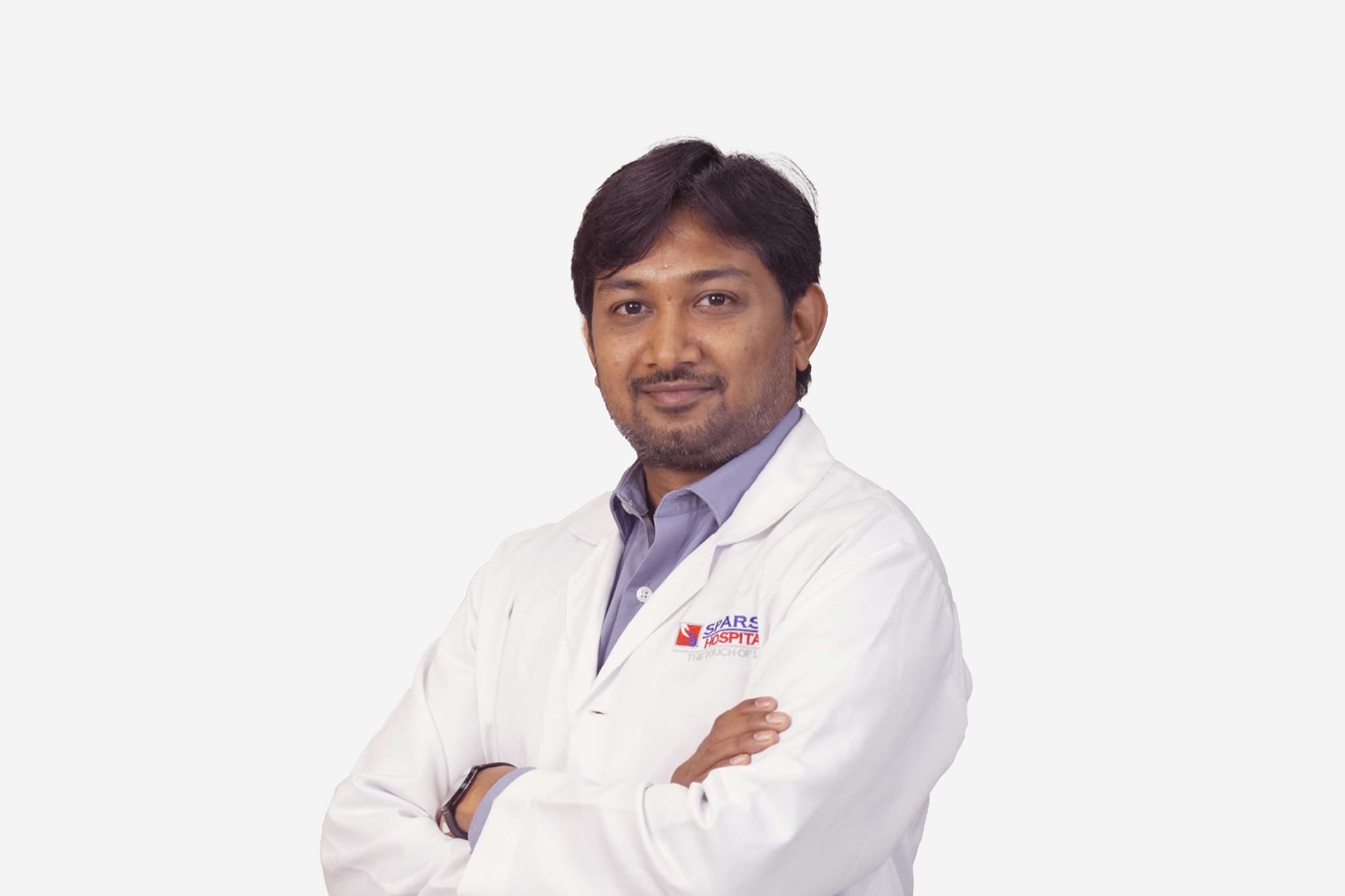
Dr Abhilash V
Dr Abhilash V
Consultant – Vascular Surgery
SPARSH Hospital, Yelahanka, Bengaluru
15+years experience

May we help you?

Enter digits only (6-15 digits). We'll add your country code.