Laser Varicose Vein Treatment
Laser Varicose Vein Treatment (EVLA/EVLT)
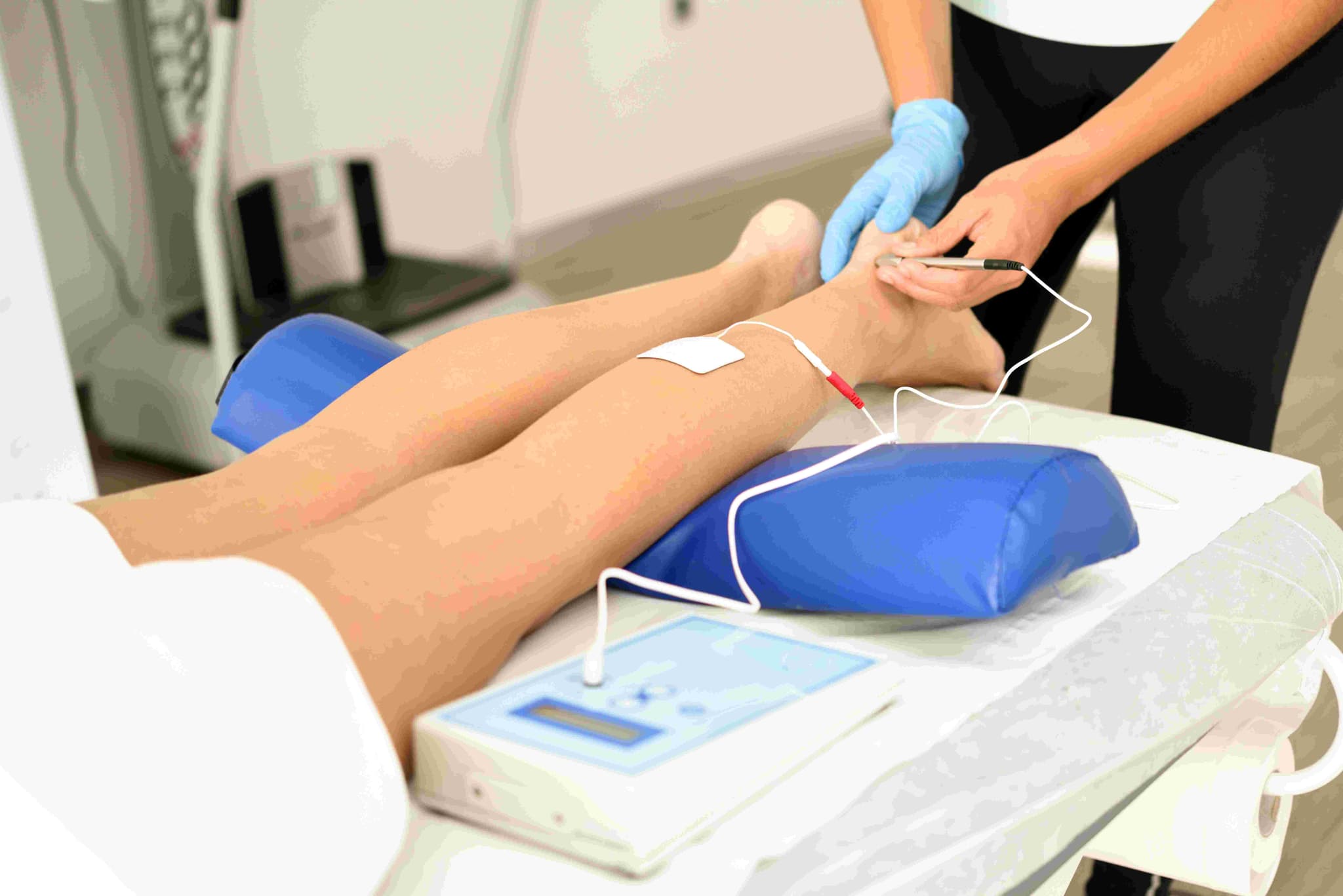
Laser Varicose Vein Treatment, scientifically known as Endovenous Laser Ablation (EVLA) or EVLT, is a minimally invasive procedure used to seal shut diseased veins. Unlike traditional "vein stripping," this approach uses targeted laser heat to collapse the vein from the inside, naturally rerouting blood flow to healthier veins. It is considered the modern gold standard for treating the underlying cause of painful, bulging varicose veins.
When You Should Consider Laser Varicose Vein Treatment
Chronic Venous Insufficiency: When leaky valves in the leg veins cause blood to pool, leading to leg heaviness, aching, and swelling.
Bulging Varicose Veins: Large, twisted veins on the surface of the legs that are often painful or cause skin irritation.
Venous Ulcers: Open sores near the ankles caused by long-term high pressure in the leg veins.
Phlebitis: Recurrent inflammation or painful "clots" in the superficial veins.
Skin Changes: Brownish discoloration (hyperpigmentation) or thickening of the skin near the ankles, which indicates advanced vein disease.
Methods of Laser Varicose Vein Treatment
Endovenous Laser Ablation (EVLA): The primary method using a specialized laser fiber to deliver heat energy directly to the vein wall.
Radiofrequency Ablation (RFA): A similar technique that uses high-frequency electrical energy instead of light to generate heat and close the vein.
Ultrasound-Guided Sclerotherapy: Often used as a secondary treatment to close smaller "branch" veins that remain after the main vein is sealed.
VenaSeal (Medical Adhesive): A non-thermal alternative that uses a specialized medical "glue" to seal the vein without the need for heat or tumescent numbing.
Clarivein (MOCA): A mechanical-chemical approach that uses a rotating wire and a liquid sclerosant to close the vein without heat.
How Laser Varicose Vein Treatment Is Performed
Mapping: Under ultrasound guidance, the surgeon identifies the exact "leaky" segment of the Great Saphenous Vein or Small Saphenous Vein.
Access: A tiny needle is used to create a small "stab" entry point, usually near the knee or ankle.
Fiber Placement: A thin laser fiber is threaded through a catheter and positioned at the top of the diseased vein, near the groin or behind the knee.
Tumescent Anesthesia: A large volume of numbing fluid (lidocaine and saline) is injected around the vein. This "cushion" numbs the area and protects the skin and nerves from the laser's heat.
Laser Activation: As the surgeon slowly withdraws the fiber, the laser emits intense light energy that collapses and seals the vein wall.
Completion: The fiber is removed, and since the entry point is so small, no stitches are required—only a simple adhesive bandage.
[Image showing the steps of EVLT from catheter insertion to vein closure]
Pre-Procedure Preparation
Venous Doppler Ultrasound: A mandatory "mapping" scan to identify the location of leaky valves and measure the diameter of the veins.
Compression Fitting: Patients should be measured for medical-grade compression stockings to be worn immediately after the procedure.
Attire: Wear loose-fitting clothing or shorts to the clinic to accommodate the bandages and stockings.
Medication: Most patients can continue their normal medications, as the procedure is performed under local rather than general anesthesia.
Tests Before Laser Varicose Vein Treatment
Duplex Ultrasound: The primary tool used to confirm "reflux" (blood flowing the wrong way) and plan the surgical path.
Visual Assessment: To document the presence of edema (swelling), skin changes, or ulcers for insurance and clinical staging.
Ankle-Brachial Index (ABI): Occasionally performed to ensure the arterial circulation in the legs is healthy before applying high-pressure compression.
Life After Laser Varicose Vein Treatment
Immediate Mobilization: This is a "walk-in, walk-out" procedure; you are required to walk for 15–20 minutes immediately after the session.
Compression Therapy: High-pressure stockings must be worn 24/7 for the first 3–7 days, and then during the day for another 1–2 weeks to ensure the vein remains closed.
Activity: Normal daily activities and walking can resume immediately. However, heavy weightlifting and hot baths should be avoided for 2 weeks.
Healing Sensations: It is normal to feel a "tightness" or a pulling sensation along the inner thigh for 5–10 days as the vein naturally turns into scar tissue.
Follow-up Scan: An ultrasound is typically performed within the first week to confirm the vein is successfully occluded and to rule out any deep vein clots.
Benefits of Laser Varicose Vein Treatment
Extremely High Success Rate: Over 95% of treated veins remain permanently closed and are eventually absorbed by the body.
No Surgical Incisions: Eliminates the need for large cuts, preventing scarring and significantly reducing the risk of infection.
Minimal Downtime: Most patients return to work the following day with very little discomfort.
Symptom Relief: Provides rapid relief from the "heavy leg" sensation, aching, and nighttime cramping associated with venous disease.
Cosmetic Improvement: Bulgy surface veins often shrink or disappear once the high-pressure "root cause" is sealed shut.
Laser Varicose Vein Treatment Cost in India
The cost of Laser Varicose Vein Treatment in India is generally affordable compared with many other countries, making India a popular destination for international patients seeking quality medical care. The treatment cost depends on factors such as the hospital, doctor's experience, treatment approach, medical condition, hospital stay, diagnostic tests, medicines, and any additional procedures required. For international patients, the starting cost of Laser Varicose Vein Treatment in India is approximately 500 USD, although the final price may vary based on individual treatment requirements. Patients are advised to obtain a personalized treatment estimate after medical evaluation.