Carotid Endarterectomy
Carotid Endarterectomy (CEA)
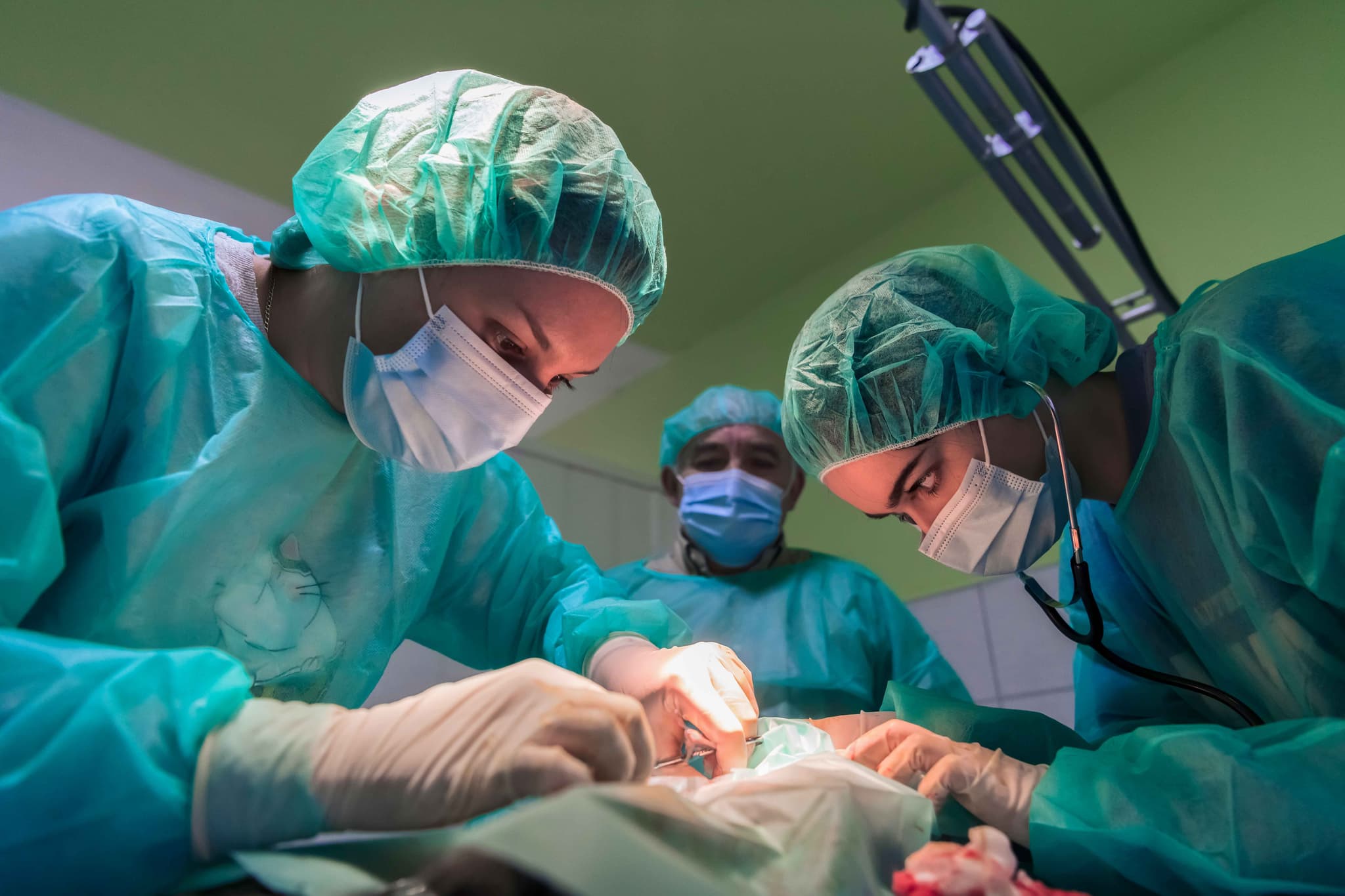
Carotid Endarterectomy (CEA) is a major surgical procedure used to remove fatty deposits (plaque) from the carotid artery in the neck. This is the primary surgical method for stroke prevention when the artery is significantly narrowed (stenosis). By cleaning out the artery, the surgery restores healthy blood flow to the brain and removes the source of potential blood clots.
When You Should Consider Carotid Endarterectomy
Significant Stenosis: When the carotid artery is blocked by more than 70%, even if you have not experienced symptoms.
Symptomatic Narrowing: When the artery is blocked by more than 50% and you have already experienced a stroke or a Transient Ischemic Attack (TIA/mini-stroke).
TIA (Mini-Stroke): Warning signs such as sudden numbness, facial drooping, or speech difficulty that resolve within 24 hours but indicate high stroke risk.
Amaurosis Fugax: Temporary loss of vision in one eye, often described as a "shade being pulled down," caused by a small piece of plaque blocking a retinal artery.
Failed Medical Management: When plaque continues to build up despite the use of blood thinners and high-dose cholesterol medications.
Methods of Carotid Endarterectomy
Traditional CEA: The standard method where the artery is opened vertically to peel out the plaque and then closed with a patch to widen the vessel.
Eversion CEA: A technique where the internal carotid artery is cut at its base, turned inside out to remove the plaque, and then reattached to the main artery.
CEA under Local/Regional Anesthesia: Performing the surgery while the patient is awake to allow the surgeon to monitor neurological function (speech and grip) in real-time.
CEA with Shunting: Using a temporary plastic tube to reroute blood to the brain while the artery is being cleaned, ensuring continuous oxygen delivery.
Patch Angioplasty: The use of a synthetic (Dacron) or biological (vein) patch during closure to prevent the artery from narrowing again.
How Carotid Endarterectomy Is Performed
Exposure: A vertical incision (approx. 7–10 cm) is made along the side of the neck, following a natural skin crease to minimize scarring.
Control: The surgeon identifies the common, internal, and external carotid arteries and places temporary surgical clamps to pause blood flow to the treatment site.
Plaque Removal: A vertical cut is made in the artery, and the surgeon meticulously "peels" out the yellow, waxy plaque from the inner lining of the vessel.
Widening: To ensure the artery remains wide and open, a patch made of synthetic material or a vein harvested from the leg is stitched over the incision.
Flushing and Restoration: The surgeon carefully flushes the artery to remove any debris before removing the clamps and restoring full blood flow to the brain.
Closure: A small drain may be left in the neck for 24 hours to prevent fluid buildup, and the skin is closed with fine sutures or surgical glue.
Pre-Procedure Preparation
Vascular Mapping: Diagnosis is confirmed via Carotid Ultrasound, CT Angiography (CTA), or MR Angiography (MRA) to determine the exact location and "hardness" of the plaque.
Cardiac Clearance: Because carotid disease often coexists with heart disease, a cardiology evaluation is often required to ensure the heart is stable for surgery.
Medication Review: Patients are typically instructed to continue taking aspirin but may need to adjust other blood thinners under surgical guidance.
Fasting (NPO): No food or drink for 8–12 hours before the procedure to ensure safety during anesthesia.
Tests Before Carotid Endarterectomy
Carotid Duplex Ultrasound: A non-invasive test that uses sound waves to measure the speed of blood flow and the degree of narrowing.
CT Angiography (CTA): Provides a detailed 3D map of the neck arteries and identifies calcified (hard) vs. soft plaque.
Electrocardiogram (EKG): To assess heart rhythm and check for underlying coronary artery disease before the stress of surgery.
Neurological Assessment: A baseline exam of speech, vision, and motor strength to allow for accurate post-operative comparisons.
Life After Carotid Endarterectomy
Hospital Stay: Typically 24 to 48 hours; intensive blood pressure monitoring is critical during the first 12 hours to prevent stress on the repair.
Immediate Recovery: Soreness and numbness around the neck incision are common and can last for several weeks or months.
Activity Resumption: Most patients return to normal light activities within 1 to 2 weeks. Driving is usually restricted for one week until full neck rotation is comfortable.
Lifelong Medication: Daily Aspirin and Statins (cholesterol medication) are mandatory to prevent new plaque from forming in the repaired artery.
Long-Term Surveillance: A follow-up Carotid Ultrasound is typically performed at 1 month, 6 months, and then annually to ensure the artery remains open.
Benefits of Carotid Endarterectomy
Significant Stroke Prevention: Reduces the risk of a future stroke on the operated side by over 60–80% compared to medication alone.
Restores Cerebral Blood Flow: Increases the volume of oxygenated blood reaching the brain, which can improve cognitive clarity and reduce "mini-stroke" symptoms.
Long-Term Durability: The artery remains open in approximately 95% of cases over a 10-year period.
Minimal Scarring: The use of skin-crease incisions and fine suturing techniques ensures a subtle cosmetic result once fully healed.
Carotid Endarterectomy Cost in India
The cost of Carotid Endarterectomy in India is generally affordable compared with many other countries, making India a popular destination for international patients seeking quality medical care. The treatment cost depends on factors such as the hospital, doctor's experience, treatment approach, medical condition, hospital stay, diagnostic tests, medicines, and any additional procedures required. For international patients, the starting cost of Carotid Endarterectomy in India is approximately 2000 USD, although the final price may vary based on individual treatment requirements. Patients are advised to obtain a personalized treatment estimate after medical evaluation.