Cochlear Implant Surgery (Hearing Restoration)
Cochlear Implant Surgery
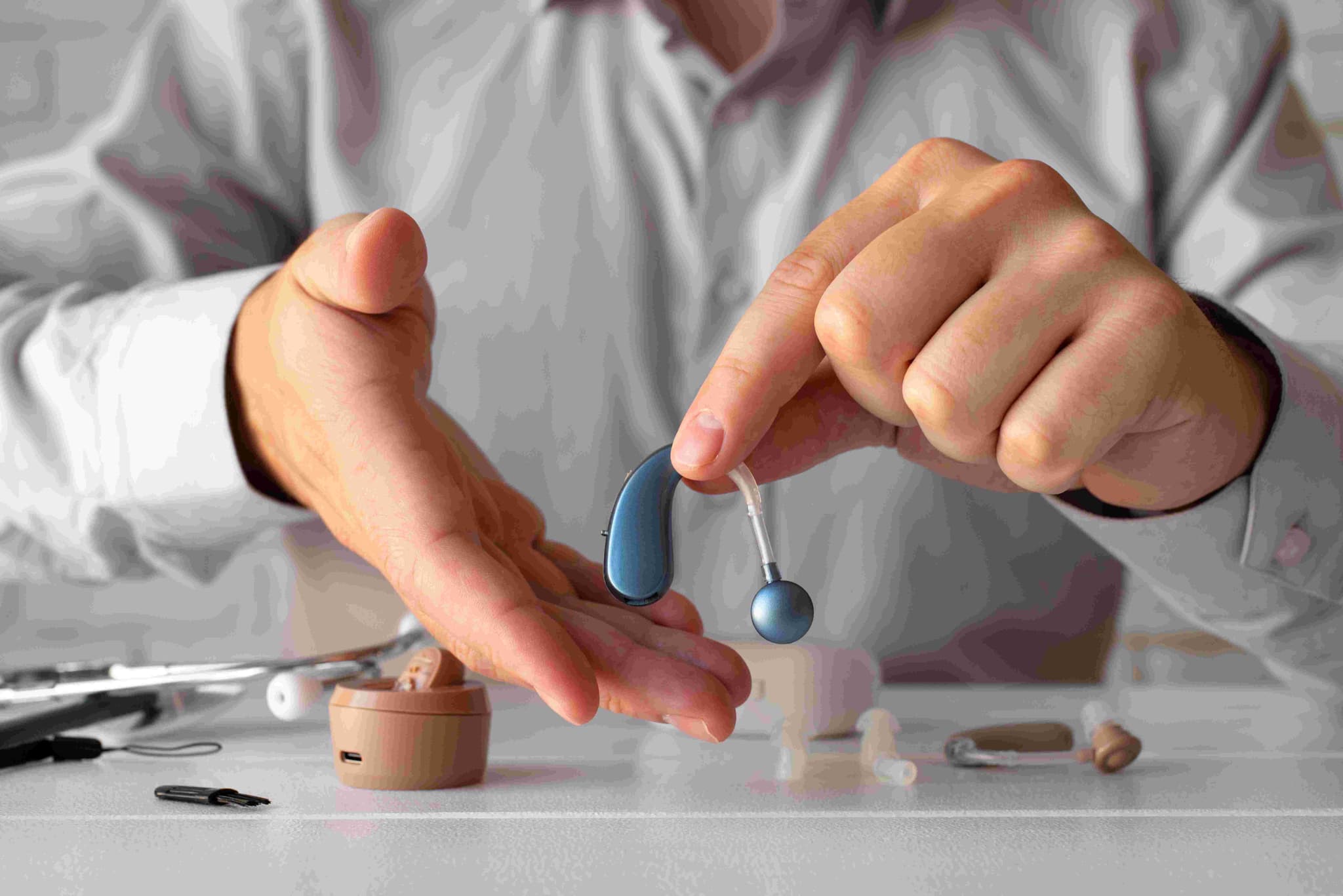
Cochlear implant surgery is a specialized procedure that restores a sense of sound by bypassing damaged parts of the inner ear and directly stimulating the auditory nerve. Unlike hearing aids, which amplify sound, cochlear implants convert sound into electrical signals that the brain interprets as speech and environmental noise.
When You Should Consider a Cochlear Implant
Severe-to-Profound Hearing Loss: When high-power hearing aids no longer provide enough clarity for speech understanding in one or both ears.
Poor Speech Recognition: For adults who score poorly on speech recognition tests (typically less than 50%) even with well-fitted hearing aids.
Early Childhood Intervention: Children as young as 9 to 12 months who are born with profound hearing loss to support near-normal speech and language development.
Hybrid Candidacy: For individuals who have some residual low-frequency hearing but suffer from profound high-frequency hearing loss.
Sensorineural Loss: When the tiny hair cells in the cochlea are damaged or missing, but the auditory nerve remains functional.
How Is Performed
Anesthesia: The surgery is an outpatient procedure performed under general anesthesia and typically lasts between 1.5 and 2.5 hours.
Incision and Access: The surgeon makes a small, discreet incision behind the ear and creates a tiny opening in the mastoid bone to reach the inner ear.
Electrode Insertion: A thin, flexible electrode array is carefully threaded into the cochlea—the spiral-shaped hearing organ.
Internal Component Placement: The receiver-stimulator is secured under the skin against the skull, where it will communicate with the external processor.
Verification: Surgeons use intraoperative tests or X-rays to confirm the electrodes are correctly positioned before closing the incision with sutures.
Same-Day Discharge: Most patients are monitored for a few hours and then allowed to return home the same day.
Pre-Procedure Preparation
Comprehensive Audiological Evaluation: Detailed testing to ensure hearing aids are no longer providing sufficient benefit.
CT or MRI Imaging: High-resolution scans to confirm the cochlea is shaped correctly and the auditory nerve is present.
Vaccination Review: Recipients are often recommended to receive meningitis vaccinations prior to surgery as a standard safety precaution.
Expectation Setting: Discussing the "rehabilitation" phase, as the brain requires time and practice to interpret the new electrical signals.
Transportation: Arranging for a ride home, as you will be drowsy from the anesthesia and may experience temporary dizziness.
Tests Before Cochlear Implantation
Speech-in-Noise Testing: Measuring your ability to understand sentences in a noisy environment while wearing hearing aids.
Promontory Stimulation: In some cases, a small test to confirm the auditory nerve responds to electrical pulses.
Vestibular Testing: Assessing your balance system, as the inner ear is responsible for both hearing and equilibrium.
Otoacoustic Emissions (OAEs): To check the function of the outer hair cells in the cochlea.
Life After Cochlear Implant Surgery
Initial Healing (1–2 weeks): Stitches are typically removed after 7–14 days. You may experience mild swelling, temporary changes in taste, or a "full" feeling in the ear.
Activation (2–4 weeks post-op): Hearing is not immediate. Once the site has healed, an audiologist fits the external processor and "switches on" the device for the first time.
Mapping and Rehabilitation: Initial sounds often seem "robotic" or "mechanical." You will undergo multiple "mapping" sessions to fine-tune the device settings.
Brain Training: Consistent participation in auditory therapy is essential to help the brain learn to interpret these new signals into recognizable speech.
Activity Restrictions: Avoid heavy lifting or strenuous exercise for the first 1–2 weeks to allow the internal components to settle.
Why Specialized Treatment Is Highly Effective
Direct Nerve Stimulation: By bypassing damaged hair cells, the implant provides a clear signal directly to the brain, overcoming severe biological barriers.
Proven Success in Children: Early implantation allows children to attend mainstream schools and develop complex language skills alongside their peers.
Restores Social Connection: Significantly improves the ability to communicate in groups, use the telephone, and enjoy music.
Advanced Technology: Modern implants are "MRI-safe" and offer water-resistant processors, allowing for a highly active lifestyle.
Lifelong Support: Once implanted, the internal device is designed to last for decades, while the external processor can be upgraded as technology improves.
Cochlear Implant Surgery (Hearing Restoration) Cost in India
The cost of Cochlear Implant Surgery (Hearing Restoration) in India is generally affordable compared with many other countries, making India a popular destination for international patients seeking quality medical care. The treatment cost depends on factors such as the hospital, doctor's experience, treatment approach, medical condition, hospital stay, diagnostic tests, medicines, and any additional procedures required. For international patients, the starting cost of Cochlear Implant Surgery (Hearing Restoration) in India is approximately 5000 USD, although the final price may vary based on individual treatment requirements. Patients are advised to obtain a personalized treatment estimate after medical evaluation.