Medivisor India Treatment Logo
  • Home
              • Become a Partner

              +91 83407 80250

              Medivisor Logo

              Medivisor India Treatment is a trusted New Delhi–based medical travel partner connecting global patients to advanced, affordable, high-quality healthcare in India.

              • Medivisor House 359, Sector 1, Vaishali, Ghaziabad, (Delhi/NCR) India
              • +91 8340 780 250
              • info@medivisorhealth.com

              About Us

              • About Us
              • Our Services
              • Our Team
              • Our Medical Advisors
              • Our Safety Measures
              • Join Our Network
              • Contact Us

              India Treatment

              • Hospitals
              • Treatments
              • Treatment Cost
              • Treatment Process
              • Visa Process
              • Travel Guide
              • FAQs
              • Why Medivisor

              Gallery

              • Patient Testimonials
              • Patient Activities
              • News Coverage
              • Blog

              Get in Touch

              © 2026 Medivisor India Treatment. All rights reserved.

              Dr. Dr. Atul Kumar Mittal

              Dr. Atul Kumar Mittal

              Principal Director - ENT (Ear, Nose, Throat)

              33+ years experience

              M.S. (E.N.T.). Safdarjung Hospital, New Delhi. (1991-94 M.B.B.S.University College of Medical Sciences. Delhi, (1985 - 90)
              1. Home
              2. Doctors
              3. Dr. Atul Kumar Mittal

              About Dr. Atul Kumar Mittal

              Dr. Atul Mittal is a highly distinguished ENT specialist with over 30 years of extensive surgical proficiency and clinical practice. He currently serves as the Director of ENT at Fortis Memorial Research Institute, Gurugram, where his leadership ensures the delivery of high-quality patient care and efficient clinical management. An expert in his field, Dr. Mittal performs more than 800 surgeries annually, demonstrating exceptional skill across the entire spectrum of Otorhinolaryngology.

              Throughout his three decades of practice, Dr. Mittal has established himself as a prominent leader in the ENT community. In his role as Director, he has successfully managed specialized clinical teams and streamlined departmental operations to prioritize patient safety and outcomes. His career is marked by a consistent commitment to surgical innovation and the implementation of advanced medical protocols within a hospital setting.

              Academic Excellence and Surgical Specializations

              Dr. Mittal earned his MBBS and MS degrees from Delhi University, forming a robust foundation for his surgical career. His expertise encompasses a broad range of specialized procedures, with a particular focus on:

              • Minimal Access Endoscopic Sinus and Skull Base surgery

              • Balloon Sinuplasty and Endoscopic Adenoidectomy

              • Sleep Surgery and intracapsular tonsillectomy using coblation

              • Complex Thyroid and Laryngeal surgeries

              • Cochlear Implantation Programs and Immunotherapy for allergic respiratory diseases

              Contributions to Medical Research and Academics

              Beyond his clinical work, Dr. Mittal is a prolific contributor to medical literature, with numerous publications in esteemed national and international journals. He is a frequent participant in medical conferences and Continuing Medical Education (CME) programs, staying at the forefront of the latest ENT advancements. His dedication to research and peer education ensures that his surgical techniques remain aligned with the most current global standards in respiratory and aural health.

              Dr. Atul Mittal at a Glance

              • Over 30 years of clinical experience and surgical proficiency in ENT.

              • Director of ENT at Fortis Memorial Research Institute, Gurugram.

              • Alumnus of Delhi University with MBBS and MS qualifications.

              • Performs more than 800 specialized surgeries annually.

              • Expert in Minimal Access Endoscopic Sinus surgery, Skull Base surgery, and Balloon Sinuplasty.

              • Leads advanced Cochlear Implantation and Immunotherapy programs for allergic diseases.

              • Extensive contributor to national and international medical journals and academic conferences.

              M.S. (E.N.T.). Safdarjung Hospital, New Delhi. (1991-94 M.B.B.S.University College of Medical Sciences. Delhi, (1985 - 90)
              Specialization: Principal Director - ENT (Ear, Nose, Throat)

              No awards & achievements available
              Affiliated Hospitals

              Fortis Memorial Research Institute, Gurugram
              Fortis Memorial Research Institute, Gurugram

              Multi Specialty

              Gurugram, Haryana

              2013

              Estd.

              330+

              Beds

              200+

              Doctors

              May we help you?

              Enter digits only (6-15 digits). We'll add your country code.

              May we help you?

              Enter digits only (6-15 digits). We'll add your country code.

              Related Treatments

              Stapedectomy (otosclerosis)
              Stapedectomy (otosclerosis)

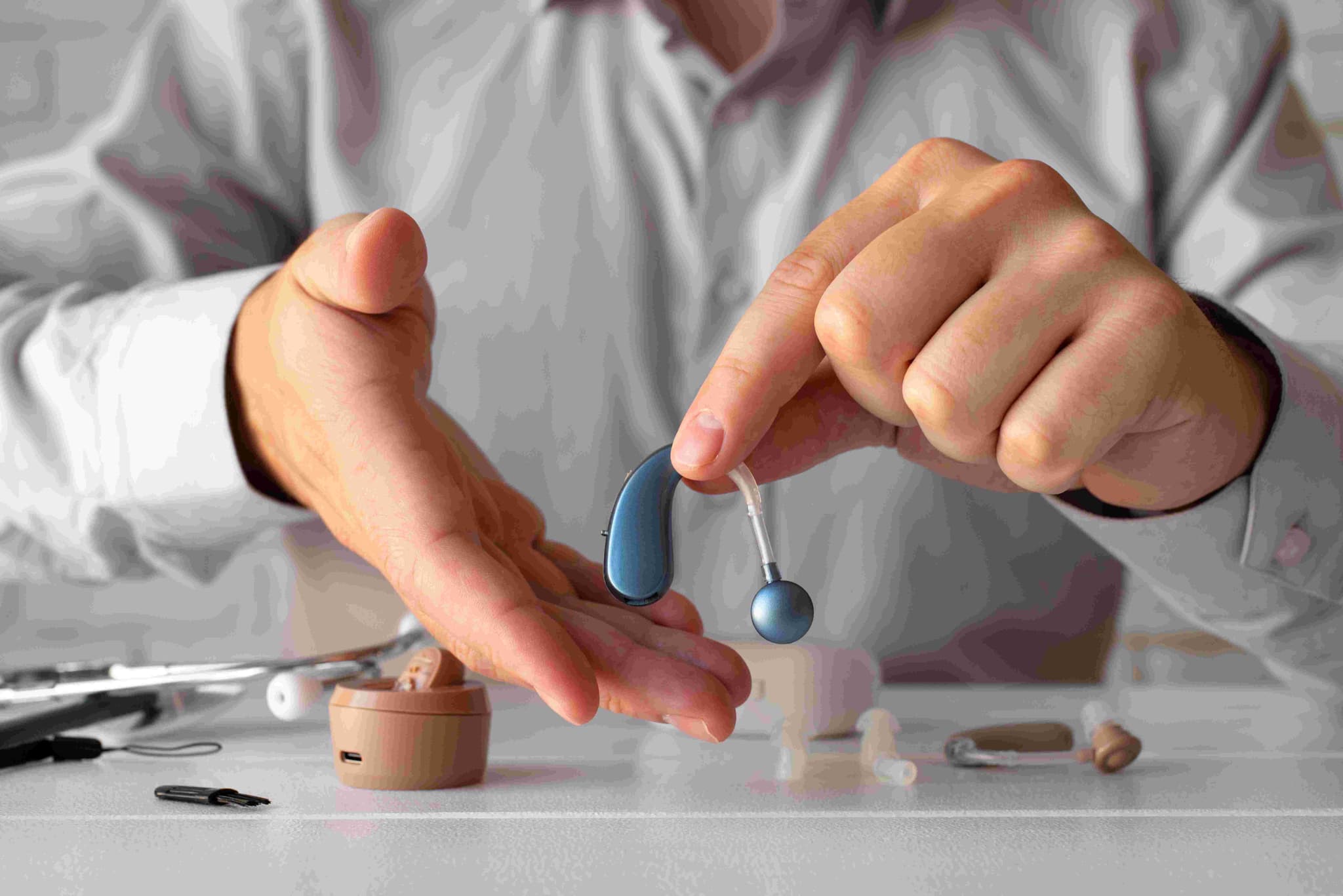
              Stapedectomy Stapedectomy is a specialized microsurgical procedure used to treat otosclerosis, a condition where the smallest bone in the human body—the stapes (stirrup)—becomes stuck in place by abnormal bone growth. This prevents the bone from vibrating, leading to progressive conductive hearing loss. By replacing the immobile bone with a medical-grade prosthesis, the surgery restores the natural transmission of sound waves to the inner ear. When You Should Consider Stapedectomy Otosclerosis Diagnosis: When clinical exams confirm that abnormal bone remodeling is "fixing" the stapes bone in place. Conductive Hearing Loss: If you have significant difficulty hearing faint sounds or identifying speech, particularly in the lower frequencies. Air-Bone Gap: When hearing tests show a large difference between how well you hear through the air versus through the bone. Desire to Eliminate Hearing Aids: For patients who prefer a permanent surgical solution over the daily use of external amplification devices. Good Inner Ear Health: When the hearing nerve (cochlea) is still healthy and capable of processing sound once the mechanical blockage is removed. How Is Performed Anesthesia: The surgery is typically performed as an outpatient procedure under local anesthesia with sedation or general anesthesia and takes about 45 to 90 minutes. Access: The surgeon reaches the middle ear directly through the ear canal using a high-powered microscope or endoscope, usually leaving no external incision. Removal: The immobile stapes bone is carefully removed, or a microscopic hole is made in its base (a variation known as a Stapedotomy). Prosthesis Placement: A tiny artificial piston, usually made of biocompatible materials like Teflon, titanium, or stainless steel, is inserted into the middle ear. Restoration: The prosthesis is securely attached to the second ear bone (the incus) and the inner ear, allowing sound vibrations to bypass the diseased bone and reach the hearing nerve. Closure: Small pieces of tissue or dissolvable packing are placed to support the new prosthesis while it heals. Pre-Procedure Preparation Audiometry (Hearing Test): A detailed baseline test to measure the exact degree of conductive hearing loss and ensure the inner ear is healthy. Tympanometry: To confirm that the eardrum is moving correctly and that the hearing loss is caused by bone stiffness rather than fluid. CT Scan of the Temporal Bone: In some cases, to visualize the thickness of the otosclerotic bone and plan the surgical approach. Medication Review: Discussing the management of blood thinners and supplements that could interfere with delicate microsurgery. Transportation: Arranging for a ride home, as it is very common to feel "off-balance" or dizzy immediately following the procedure. Tests Before Stapedectomy Rinne and Weber Tests: Simple tuning fork tests used by the specialist to differentiate between conductive and sensorineural hearing loss. Speech Discrimination Score: To determine how clearly you can understand words once sound is loud enough, which helps predict surgical success. Acoustic Reflex Testing: Measuring the involuntary muscle contraction in the middle ear, which is typically absent in cases of otosclerosis. Physical Examination: Ensuring the ear canal and eardrum are free of infection or inflammation before the sterile procedure. Life After Stapedectomy Initial Recovery: It is very common to feel dizzy or experience mild vertigo for the first 24–48 hours. The ear will feel "blocked" due to the internal packing material. The "Pop": Hearing often improves dramatically once the packing is removed (usually 1–3 weeks later), though some patients notice an immediate difference. Pressure Restrictions: For 4 weeks, you must strictly avoid blowing your nose hard, flying, high-altitude travel, or heavy lifting, as internal pressure can dislodge the prosthesis. Water Protection: Keep the ear completely dry for at least 2–3 weeks. Use a cotton ball coated in petroleum jelly during showers to prevent any moisture entry. Taste Disturbance: A metallic taste on the side of the tongue is common because the taste nerve runs right next to the surgical site; this usually resolves within a few weeks. Why Specialized Treatment Is Highly Effective Superior Success Rates: Significant and lasting improvement in hearing is achieved in approximately 90% to 95% of cases. Permanent Mechanical Fix: Unlike hearing aids that require batteries and maintenance, the prosthesis provides a lifelong mechanical restoration of sound. No External Scars: Because the procedure is performed through the ear canal, there are typically no visible signs of surgery once the area has healed. Rapid Return to Normalcy: Most patients return to light daily activities within a few days, with a significant boost in their quality of life and social communication. Standard of Care: Stapedectomy is the global gold standard for treating conductive hearing loss caused by otosclerosis, offering a highly predictable outcome.



              FESS (Functional Endoscopic Sinus Surgery)
              FESS (Functional Endoscopic Sinus Surgery)

              Functional Endoscopic Sinus Surgery (FESS) Functional Endoscopic Sinus Surgery (FESS) is a minimally invasive procedure used to treat chronic sinus conditions, such as persistent sinusitis and nasal polyps. By restoring natural drainage and airflow, FESS eliminates the root cause of chronic inflammation. The procedure is performed entirely through the nostrils using a specialized nasal endoscope (a thin tube with a magnified camera), meaning there are no external incisions or visible scars. When You Should Consider FESS Chronic Sinusitis: If you suffer from sinus inflammation lasting more than 12 weeks that hasn't responded to medical therapy. Nasal Polyps: Benign growths in the nasal passages that physically obstruct your breathing and block natural fluid drainage. Recurrent Acute Infections: When you experience four or more severe sinus infections per year, significantly impacting your quality of life. Anatomical Obstructions: To correct issues such as a deviated septum or enlarged turbinates that contribute to chronic blockages. Failed Medication: When antibiotics, steroid sprays, and saline rinses are no longer effective in managing your symptoms. How Is Performed Anesthesia: The surgery is usually performed as an outpatient (day-care) procedure under general anesthesia and typically lasts 2 to 3 hours. Visualisation: The surgeon inserts the endoscope into the nostrils to obtain a high-definition, magnified 3D view of the internal sinus passages. Tissue Removal: Using precise micro-instruments, the surgeon removes obstructions such as nasal polyps, diseased tissue, or small pieces of bone blocking the sinus openings. Opening the Passageways: The natural drainage pathways (ostia) are carefully widened to improve long-term ventilation and allow future nasal rinses to reach deep into the sinus cavities. Completion: To control minor bleeding, the surgeon may place dissolvable packing or temporary splints inside the nose, which do not require manual removal. Pre-Procedure Preparation CT Scan of the Sinuses: A mandatory high-resolution "map" used by the surgeon to navigate the complex anatomy near the eyes and brain. Medication Review: You may be prescribed a short course of oral steroids or antibiotics before surgery to reduce inflammation and bleeding. Smoking Cessation: Patients are strongly advised to stop smoking several weeks before surgery, as tobacco use significantly hinders the healing of sinus tissue. Fasting: Following strict "nothing by mouth" instructions for the hours preceding your general anesthesia. Transportation: Arranging for a ride home, as you will be drowsy and may have temporary nasal congestion affecting your comfort. Tests Before FESS Nasal Endoscopy: An in-office diagnostic check to visualize the extent of polyps or structural blockages. Allergy Testing: To determine if underlying allergies need to be managed alongside surgery for the best long-term outcome. Blood Tests: Standard pre-operative panels to ensure healthy clotting factors and general surgical readiness. Olfactory Testing: Assessing your baseline sense of smell to monitor improvements after the airways are cleared. Life After FESS Immediate Symptoms: It is normal to experience stuffiness, mild facial pressure, and blood-stained drainage for the first 3 to 5 days. Nasal Irrigation: Using a saline nasal wash (usually 4+ times daily) is essential to flush out debris, prevent crusting, and ensure the new openings stay clear. Crucial Restrictions: You must strictly avoid blowing your nose for at least 7 to 14 days and avoid strenuous activity or heavy lifting for 2 to 3 weeks to prevent bleeding. Debridement: Follow-up visits are vital for your surgeon to professionally clean out dried mucus and ensure the sinuses are healing without excessive scar tissue. Healing Timeline: While most patients return to work or school within one week, full internal healing and the stabilization of the sinus lining can take several months. Why Specialized Treatment Is Highly Effective Targeted Precision: FESS focuses only on the diseased areas, preserving as much healthy nasal tissue and mucous membrane as possible. No External Scarring: Because the surgery is entirely internal, there is no change to your physical appearance and no external stitches to remove. High Safety Profile: With major complication rates of less than 0.5%, FESS is considered one of the safest and most effective ways to treat chronic sinus disease. Long-Term Relief: By widening the natural ostia, the surgery provides a permanent structural improvement that allows for better drainage for years to come. Improved Medication Delivery: Post-operative nasal sprays and rinses can finally reach the deep sinus cavities, making ongoing maintenance far more effective.

              Septoplasty (Deviated Septum Correction)
              Septoplasty (Deviated Septum Correction)

              Septoplasty Septoplasty is a specialized surgical procedure performed to straighten a deviated septum—the internal wall of bone and cartilage that separates your two nostrils. When the septum is crooked or "deviated," it can block one side of the nose and significantly reduce airflow. By repositioning the septal midline, this procedure restores balanced breathing and improves overall nasal health. When You Should Consider Septoplasty Chronic Nasal Obstruction: If one or both nostrils feel constantly blocked, making it difficult to breathe through your nose. Recurrent Sinus Infections: When a deviated septum prevents proper drainage, leading to frequent sinus pressure and infections. Chronic Snoring or Sleep Apnea: If the nasal blockage contributes to disrupted breathing patterns during sleep. Frequent Nosebleeds: When the air flowing over a crooked septum dries out the nasal lining, causing recurrent bleeding. Unilateral Congestion: A persistent "stuffy" feeling that is always worse on the same side of the nose. How Is Performed Anesthesia: The surgery is typically an outpatient procedure performed under general or local anesthesia and takes about 30 to 90 minutes. Incision: The surgeon makes a precise incision entirely inside the nose. In most cases, there are no external cuts or visible scars. Mucosal Elevation: The protective lining of the septum (mucosa) is gently lifted away from the underlying cartilage and bone. Reshaping: The crooked portions of the cartilage or bone are trimmed, repositioned, or removed to straighten the midline. Repositioning: The mucosal lining is laid back over the newly straightened structural framework. Stabilization: The surgeon may place soft silicone splints or dissolvable packing inside the nostrils to support the septum as it heals in its new position. Pre-Procedure Preparation Nasal Examination: A thorough evaluation of the internal nasal structure to ensure the breathing issues are caused by the septum and not just enlarged turbinates. Medication Audit: You must stop taking aspirin, ibuprofen, and certain herbal supplements for 1–2 weeks prior to surgery to minimize the risk of bleeding. Smoking Cessation: Stopping smoking is highly recommended, as nicotine restricts blood flow and can slow the healing of the nasal mucosa. Fasting: Following strict "nothing by mouth" instructions for the hours preceding your anesthesia. Transportation: Arranging for a ride home, as you will be drowsy and your nose will feel quite congested immediately after the procedure. Tests Before Septoplasty Nasal Endoscopy: Using a thin camera to view the back of the nasal passage and confirm the extent of the deviation. Acoustic Rhinometry: A non-invasive test that uses sound waves to measure the width of the nasal cavity and the location of the narrowest point. Peak Nasal Inspiratory Flow (PNIF): Measuring the maximum amount of air you can inhale through your nose to establish a functional baseline. CT Scan (Optional): Sometimes used if the surgeon needs to evaluate the sinuses simultaneously for chronic sinusitis. Life After Septoplasty Immediate Symptoms: Expect some internal swelling, "stuffiness," and mild blood-stained drainage for the first 3 to 5 days. Nasal Splints: If splints were used, they are typically removed by the doctor during a follow-up visit approximately one week after surgery. Crucial Rule: You must not blow your nose for at least 7 to 10 days post-surgery to prevent bleeding or displacement of the healing tissue. Nasal Care: Using saline nasal sprays or rinses is essential to keep the passages clean, moist, and free of crusting. Activity Restrictions: Avoid strenuous exercise, heavy lifting, and contact sports for 2 to 4 weeks to prevent injury or pressure-related nosebleeds. Why Specialized Treatment Is Highly Effective Restores Natural Airflow: Directly addresses the structural cause of nasal blockage, providing a permanent improvement in breathing quality. No External Changes: Unlike a rhinoplasty, a standard septoplasty focuses on the internal structure and does not change the outward shape of your nose. Reduces Sinus Pressure: By opening the nasal airway, the procedure allows for better ventilation and drainage of the paranasal sinuses. Rapid Recovery: Most patients return to work or sedentary activities within a few days, with a significant boost in energy levels due to better oxygen intake. High Patient Satisfaction: Septoplasty is one of the most successful functional surgeries, with the majority of patients reporting a dramatic improvement in their quality of life.

              Turbinate Reduction
              Turbinate Reduction

              Turbinate Reduction Turbinate reduction (or turbinoplasty) is a specialized surgical procedure performed to shrink enlarged bony and soft tissue structures inside the nose. These structures, known as turbinates, are responsible for cleansing, warming, and humidifying the air you breathe. When they become chronically swollen—often due to allergies or irritants—they can severely block nasal airflow. When You Should Consider Turbinate Reduction Chronic Nasal Congestion: If you experience a persistent "stuffy" feeling that does not improve with steroid sprays or antihistamines. Difficulty Breathing Through the Nose: When enlarged tissue physically obstructs the airway, forcing you to breathe through your mouth. Disrupted Sleep: If nasal blockages contribute to heavy snoring or interfere with CPAP therapy for sleep apnea. Persistent Post-Nasal Drip: When swollen turbinates lead to excessive mucus production and a constant "dripping" sensation in the throat. Failed Medical Management: When you have exhausted non-surgical options like nasal rinses, allergy shots, or decongestants. How Is Performed Anesthesia: The procedure is typically performed as an outpatient surgery under either local or general anesthesia and takes approximately 15 to 30 minutes. Surgical Techniques: Radiofrequency Ablation (RFA): A needle-like probe uses controlled heat energy to shrink the soft tissue beneath the surface. This is the least invasive method. Coblation: Similar to RFA, but utilizes lower temperatures to dissolve excess tissue while preserving the surrounding area. Microdebrider Submucosal Resection: A tiny, rotating device removes a small amount of bone or deep tissue through a microscopic incision, keeping the outer lining (mucosa) intact. Partial Resection: A small portion of the turbinate bone and tissue is physically trimmed away to create a wider airway. Access: All work is performed entirely through the nostrils; there are no external incisions or visible scars. Completion: Dissolvable packing or light gauze may be placed in the nose to control minor bleeding and support the tissues as they heal. Pre-Procedure Preparation Nasal Endoscopy: A diagnostic check to confirm that the obstruction is caused by turbinate hypertrophy rather than polyps or a deviated septum. Medication Audit: You must stop taking blood-thinning medications, including aspirin and certain herbal supplements, at least one week before surgery. Allergy Assessment: Identifying underlying triggers to ensure long-term success, as unmanaged allergies can cause tissue to regrow over time. Fasting: Following strict "nothing by mouth" instructions for the hours preceding your anesthesia. Transportation: Arranging for a ride home, as you will feel congested and may be drowsy from the sedation or anesthesia. Tests Before Turbinate Reduction Acoustic Rhinometry: To measure the cross-sectional area of the nasal cavity and identify the narrowest points of resistance. Rhinomanometry: A functional test that evaluates the pressure and flow of air during active breathing through the nose. Decongestant Challenge: Applying a temporary spray to see how much the tissue is capable of shrinking, which helps predict the surgical outcome. CT Scan (Optional): Usually only required if the surgeon is planning to address the sinuses or a deviated septum during the same session. Life After Turbinate Reduction Immediate Symptoms: You will feel very "stuffy" for the first 1 to 2 weeks due to internal swelling and natural crusting during the healing phase. Mandatory Nasal Rinses: Using saline nasal sprays or neti pots (4–6 times daily) is essential to wash away crusts and prevent infection. Crucial Rule: You must not blow your nose for at least 7 to 10 days post-surgery to prevent a sudden nosebleed. Activity Restrictions: Most people return to work within 2 to 3 days, but you must avoid heavy lifting or intense exercise for at least 2 weeks. Full Recovery: While breathing improves as swelling subsides, the final stabilized result is typically achieved 3 to 6 weeks after the procedure. Why Specialized Treatment Is Highly Effective Permanent Airway Opening: Provides a long-term structural solution for patients who have become dependent on temporary nasal sprays. Preserves Nasal Function: Modern "submucosal" techniques shrink the bulk of the turbinate while leaving the protective lining healthy and functional. Minimally Invasive: Most methods involve zero external cutting and a very rapid return to daily routines with minimal discomfort. Improved Sleep Quality: Clearing the nasal passage often leads to significantly reduced snoring and better oxygen intake during rest. High Success Rates: When combined with proper allergy management, turbinate reduction offers a highly predictable and transformative improvement in breathing.

              Myringotomy with Grommet Insertion
              Myringotomy with Grommet Insertion

              Myringotomy with Grommet Insertion Myringotomy with grommet insertion is a specialized minor surgical procedure used to treat persistent middle ear fluid (commonly known as "glue ear") or recurrent ear infections. The procedure involves making a microscopic incision in the eardrum to drain trapped fluid and inserting a small ventilation tube, or grommet, to maintain continuous airflow and pressure equalization. When You Should Consider Myringotomy Persistent Glue Ear: When thick fluid remains trapped behind the eardrum for more than three months, causing muffled hearing. Recurrent Ear Infections: If a child or adult experiences frequent, painful middle ear infections (otitis media) that do not respond well to antibiotics. Speech and Language Delays: In children, when fluid-related hearing loss interferes with their ability to develop clear speech or follow instructions. Ear Pressure or Fullness: A constant, uncomfortable sensation of "clogged" ears or pressure that affects balance or daily comfort. Retracted Eardrum: When a chronic vacuum in the middle ear causes the eardrum to be sucked inward, potentially damaging the delicate hearing bones. How Is Performed Anesthesia: Children typically undergo a brief general anesthesia for safety, while the procedure can often be performed under local anesthesia for adults. Microscopic Incision (Myringotomy): Using a high-powered operating microscope, the surgeon makes a microscopic cut in the eardrum (tympanic membrane). Aspiration: Any trapped fluid, mucus, or pus is gently suctioned out from the middle ear space to clear the visual and auditory path. Grommet Insertion: A tiny, bobbin-shaped tube called a grommet is placed into the incision. This tube acts as a pressure equalization valve, allowing air to enter the middle ear. No Stitches: The eardrum naturally grips the tube to hold it in place; no sutures or bandages are required inside the ear. Duration: The entire clinical process typically takes between 15 and 30 minutes. Pre-Procedure Preparation Audiometry (Hearing Test): A baseline test to document the degree of hearing loss caused by the trapped fluid. Tympanometry: A specialized test that measures the movement of the eardrum and confirms the presence of fluid or a vacuum. Infection Screen: Ensuring the ear is not actively draining or severely inflamed on the day of the procedure. Fasting: Following "nothing by mouth" instructions if general anesthesia is required for a child. Anesthesia Consultation: Briefly reviewing the health history to ensure the safest level of sedation is used. Tests Before Myringotomy Otoscopy: A high-magnification view of the eardrum to check for redness, bulging, or scarring. Acoustic Reflex Testing: To assess how the middle ear muscles respond to sound, which is often dampened by fluid. Speech Reception Threshold (SRT): Especially in children, to determine the lowest volume at which they can recognize words. Medical Review: Confirming that the fluid has not cleared on its own during the "watchful waiting" period. Life After Myringotomy Immediate Results: Most patients notice a dramatic improvement in hearing and a relief of internal pressure as soon as they wake up. Activity: Recovery is rapid; most children can return to school or daycare the very next day. Water Precautions: It is important to keep the ears dry while the tubes are in place. Your doctor may recommend earplugs or cotton wool with petroleum jelly during hair washing or swimming. Natural Extrusion: Grommets are temporary. As the eardrum heals, it naturally pushes the tube out, usually after 6 to 18 months. Monitoring: Regular follow-up appointments are necessary to ensure the tubes remain open and to check the eardrum's healing once they fall out. Why Specialized Treatment Is Highly Effective Instant Hearing Restoration: Physically removing the "glue" immediately eliminates the conductive hearing loss associated with fluid buildup. Break the Infection Cycle: By keeping the middle ear ventilated, grommets prevent the stagnant environment where bacteria and viruses thrive. Supports Development: Resolving hearing issues early is critical for a child's educational and social progress. Minimally Invasive: The procedure is performed entirely through the ear canal, leaving no external scars or visible changes to the ear. Self-Resolving: Because the body eventually rejects the tubes and the eardrum heals itself, it is a low-impact solution for a common childhood condition.

              Tympanoplasty (Eardrum Repair)
              Tympanoplasty (Eardrum Repair)

              Tympanoplasty Tympanoplasty is a specialized surgical procedure performed to repair a perforated (torn) eardrum or to reconstruct the tiny bones (ossicles) of the middle ear. The primary goals are to prevent recurrent ear infections and to improve hearing by restoring the natural vibration of the eardrum and sound conduction through the middle ear. When You Should Consider Tympanoplasty Chronic Perforations: When a hole in the eardrum fails to heal on its own after 3 to 6 months, leaving the middle ear exposed. Recurrent Ear Infections: If you experience frequent bouts of chronic otitis media caused by water or bacteria entering through the perforation. Conductive Hearing Loss: When a ruptured eardrum or damaged middle ear bones prevent sound from reaching the inner ear effectively. Cholesteatoma: If a skin cyst begins to grow behind the eardrum, requiring removal and subsequent reconstruction of the ear structure. Water Sensitivity: When you must constantly protect your ear from any moisture to avoid immediate pain or infection. How Is Performed Anesthesia: The surgery is typically performed as an outpatient procedure under general or local anesthesia and takes between 1 and 2 hours. Surgical Approach: The surgeon accesses the eardrum through a precise incision made either inside the ear canal (transcanal) or behind the ear (post-auricular). Grafting: A small piece of the patient's own tissue—usually fascia (connective tissue from a muscle) or tragus cartilage (from the outer ear)—is harvested to act as a permanent "patch" for the hole. Placement: The graft is carefully tucked over or under the perforation and supported by dissolvable packing material (gel foam) to keep it in place during the initial healing phase. Ossiculoplasty (If Needed): If the middle ear bones are damaged, the surgeon may repair them using synthetic implants or the patient's own bone to restore sound conduction. Closure: Any external incisions are closed with fine sutures, and the ear canal is protected with a sterile dressing. Pre-Procedure Preparation Audiometry (Hearing Test): A comprehensive baseline test to document the degree of hearing loss before the reconstruction. Infection Clearance: Ensuring the ear is "dry" and free of active infection for several weeks leading up to the surgery. Imaging: In complex cases involving the middle ear bones, a CT scan of the temporal bone may be used to map the internal anatomy. Fasting: Following strict "nothing by mouth" instructions if general anesthesia is planned. Transportation: Arranging for a ride home, as you may feel dizzy or "off-balance" immediately following the procedure. Tests Before Tympanoplasty Otoscopy: A high-magnification view of the eardrum to determine the size and location of the perforation. Tympanometry: To assess the pressure and mobility of the eardrum and the status of the middle ear space. Speech Discrimination Test: To evaluate how well you can understand words, which helps predict the potential for hearing improvement. Microscopic Clearance: Cleaning the ear canal of any debris or wax to provide the surgeon with a clear surgical field. Life After Tympanoplasty Initial Recovery: You may feel dizzy or have a sense of "fullness" in the ear for a few days due to the internal packing material. Water Protection: It is critical to keep the ear bone-dry for at least 4 to 6 weeks. Use a cotton ball coated in petroleum jelly during showers to prevent any moisture entry. Pressure Restrictions: Avoid blowing your nose, flying, or strenuous lifting for 2 to 4 weeks, as internal pressure can dislodge the delicate graft. Healing Timeline: The internal packing dissolves or is removed after 2 to 3 weeks. A follow-up hearing test is usually performed 6 to 12 weeks later to confirm success. Sensation Changes: Some patients notice a temporary metallic taste on one side of the tongue if a small nerve near the eardrum is stretched during surgery. Why Specialized Treatment Is Highly Effective High Success Rates: Modern grafting techniques result in successful eardrum closure in approximately 85% to 90% of cases. Restores Natural Barrier: Successfully sealing the eardrum prevents bacteria from entering the middle ear, ending the cycle of chronic infections. Improves Quality of Life: Restoring hearing and eliminating the need for strict water precautions allows for a return to swimming and other daily activities. Prevents Bone Damage: Closing the perforation protects the delicate ossicles from erosion caused by chronic inflammation. Permanent Repair: Using the patient's own tissue (fascia or cartilage) provides a highly biocompatible and durable repair that lasts a lifetime.

              Mastoidectomy (Chronic Infection/Cholesteatoma)
              Mastoidectomy (Chronic Infection/Cholesteatoma)

              Mastoidectomy Mastoidectomy is a specialized surgical procedure performed to remove diseased air cells from the mastoid bone—the honeycomb-like bone located directly behind the ear. It is primarily used to treat a cholesteatoma, a non-cancerous skin cyst that can erode ear structures, or to clear severe, chronic infections that have not responded to intensive antibiotic therapy. When You Should Consider Mastoidectomy Cholesteatoma: When a skin cyst forms in the middle ear and begins to expand into the mastoid bone, risking damage to the hearing bones or facial nerve. Chronic Mastoiditis: If a persistent ear infection spreads into the bone, causing pain, swelling, and a risk of deeper abscesses. Failed Antibiotic Therapy: When chronic drainage (otorrhea) continues despite multiple rounds of specialized ear drops and medications. Complicated Ear Infections: If an infection threatens to spread toward the brain (meningitis) or the inner ear (labyrinthitis). Aural Polyps: When chronic inflammation causes fleshy growths to form in the ear canal, often masking underlying bone disease. How Is Performed Anesthesia: The surgery is performed under general anesthesia and typically takes between 2 to 4 hours due to the delicate nature of the structures involved. Incision: The surgeon makes a precise incision either behind the ear (post-auricular) or inside the ear canal to gain access to the bone. Bone Removal: Using a high-speed surgical drill and a high-powered operating microscope, the surgeon carefully opens the mastoid bone to reach the diseased air cells. Cleaning: All infected tissue or the cholesteatoma cyst is meticulously removed to create a "dry, safe ear" and prevent recurrence. Surgical Variations: Simple (Cortical) Mastoidectomy: Only the mastoid air cells are removed; the ear canal and middle ear structures remain intact. Modified Radical Mastoidectomy: The most common approach for cholesteatoma, where some middle ear structures are preserved to allow for future hearing reconstruction. Radical Mastoidectomy: The eardrum and most middle ear structures are removed to create a single "common cavity" for the ear canal and mastoid. Pre-Procedure Preparation High-Resolution CT Scan: A vital "roadmap" used by the surgeon to visualize the exact anatomy of your mastoid bone and the location of the facial nerve. Audiometry (Hearing Test): Establishing a detailed baseline of your current hearing levels to plan for potential reconstruction. Infection Management: Using specialized ear drops in the weeks leading up to surgery to reduce inflammation and "quiet" the ear. Fasting: Following strict "nothing by mouth" instructions for the hours preceding general anesthesia. Transportation: Arranging for a ride home and a caregiver for the first 24 hours, as dizziness is common immediately following the procedure. Tests Before Mastoidectomy Ear Swab/Culture: To identify the specific bacteria causing the infection and ensure the most effective antibiotics are used. Microscopic Ear Exam: A thorough cleaning and inspection of the ear canal by the specialist to assess the extent of the disease. Tympanometry: Measuring the pressure in the middle ear and the mobility of the eardrum. Neurological Screening: Checking the function of the facial nerve and balance system before the bone is opened. Life After Mastoidectomy Hospital Stay: Most patients go home the same day or remain for one night of observation. A large "head bandage" is often worn for the first 24 hours. Immediate Symptoms: It is normal to feel dizzy, have a "stuffy" sensation, or hear popping and crackling sounds as internal packing dissolves. Water Protection: The ear must be kept completely dry for 4 to 6 weeks. Use a cotton ball with petroleum jelly during showers to prevent any moisture entry. Pressure Restrictions: Avoid blowing your nose, heavy lifting, or flying for at least 3 to 4 weeks to prevent internal pressure from damaging the healing area. Wound Care: External stitches are usually removed after 7 to 10 days. Follow-up appointments are critical to clean the "mastoid cavity" and monitor for regrowth. Why Specialized Treatment Is Highly Effective Prevents Life-Threatening Complications: By removing deep-seated disease, the procedure stops infections from spreading to the brain or spinal fluid. Eliminates Chronic Drainage: Successfully clearing the mastoid air cells finally ends the cycle of foul-smelling ear discharge and pain. Safety-First Approach: Modern microsurgical techniques allow for the meticulous removal of cysts while protecting the delicate facial nerve and inner ear. Hearing Potential: While the primary goal is safety, a "safe ear" provides the necessary foundation for future hearing bone reconstruction (ossiculoplasty). Long-Term Stability: For many patients with chronic disease, a mastoidectomy is the only way to achieve a permanently dry and healthy ear.

              Cochlear Implant Surgery (Hearing Restoration)
              Cochlear Implant Surgery (Hearing Restoration)

              Cochlear Implant Surgery Cochlear implant surgery is a specialized procedure that restores a sense of sound by bypassing damaged parts of the inner ear and directly stimulating the auditory nerve. Unlike hearing aids, which amplify sound, cochlear implants convert sound into electrical signals that the brain interprets as speech and environmental noise. When You Should Consider a Cochlear Implant Severe-to-Profound Hearing Loss: When high-power hearing aids no longer provide enough clarity for speech understanding in one or both ears. Poor Speech Recognition: For adults who score poorly on speech recognition tests (typically less than 50%) even with well-fitted hearing aids. Early Childhood Intervention: Children as young as 9 to 12 months who are born with profound hearing loss to support near-normal speech and language development. Hybrid Candidacy: For individuals who have some residual low-frequency hearing but suffer from profound high-frequency hearing loss. Sensorineural Loss: When the tiny hair cells in the cochlea are damaged or missing, but the auditory nerve remains functional. How Is Performed Anesthesia: The surgery is an outpatient procedure performed under general anesthesia and typically lasts between 1.5 and 2.5 hours. Incision and Access: The surgeon makes a small, discreet incision behind the ear and creates a tiny opening in the mastoid bone to reach the inner ear. Electrode Insertion: A thin, flexible electrode array is carefully threaded into the cochlea—the spiral-shaped hearing organ. Internal Component Placement: The receiver-stimulator is secured under the skin against the skull, where it will communicate with the external processor. Verification: Surgeons use intraoperative tests or X-rays to confirm the electrodes are correctly positioned before closing the incision with sutures. Same-Day Discharge: Most patients are monitored for a few hours and then allowed to return home the same day. Pre-Procedure Preparation Comprehensive Audiological Evaluation: Detailed testing to ensure hearing aids are no longer providing sufficient benefit. CT or MRI Imaging: High-resolution scans to confirm the cochlea is shaped correctly and the auditory nerve is present. Vaccination Review: Recipients are often recommended to receive meningitis vaccinations prior to surgery as a standard safety precaution. Expectation Setting: Discussing the "rehabilitation" phase, as the brain requires time and practice to interpret the new electrical signals. Transportation: Arranging for a ride home, as you will be drowsy from the anesthesia and may experience temporary dizziness. Tests Before Cochlear Implantation Speech-in-Noise Testing: Measuring your ability to understand sentences in a noisy environment while wearing hearing aids. Promontory Stimulation: In some cases, a small test to confirm the auditory nerve responds to electrical pulses. Vestibular Testing: Assessing your balance system, as the inner ear is responsible for both hearing and equilibrium. Otoacoustic Emissions (OAEs): To check the function of the outer hair cells in the cochlea. Life After Cochlear Implant Surgery Initial Healing (1–2 weeks): Stitches are typically removed after 7–14 days. You may experience mild swelling, temporary changes in taste, or a "full" feeling in the ear. Activation (2–4 weeks post-op): Hearing is not immediate. Once the site has healed, an audiologist fits the external processor and "switches on" the device for the first time. Mapping and Rehabilitation: Initial sounds often seem "robotic" or "mechanical." You will undergo multiple "mapping" sessions to fine-tune the device settings. Brain Training: Consistent participation in auditory therapy is essential to help the brain learn to interpret these new signals into recognizable speech. Activity Restrictions: Avoid heavy lifting or strenuous exercise for the first 1–2 weeks to allow the internal components to settle. Why Specialized Treatment Is Highly Effective Direct Nerve Stimulation: By bypassing damaged hair cells, the implant provides a clear signal directly to the brain, overcoming severe biological barriers. Proven Success in Children: Early implantation allows children to attend mainstream schools and develop complex language skills alongside their peers. Restores Social Connection: Significantly improves the ability to communicate in groups, use the telephone, and enjoy music. Advanced Technology: Modern implants are "MRI-safe" and offer water-resistant processors, allowing for a highly active lifestyle. Lifelong Support: Once implanted, the internal device is designed to last for decades, while the external processor can be upgraded as technology improves.

              Stapedectomy (otosclerosis)
              Stapedectomy (otosclerosis)

              Stapedectomy Stapedectomy is a specialized microsurgical procedure used to treat otosclerosis, a condition where the smallest bone in the human body—the stapes (stirrup)—becomes stuck in place by abnormal bone growth. This prevents the bone from vibrating, leading to progressive conductive hearing loss. By replacing the immobile bone with a medical-grade prosthesis, the surgery restores the natural transmission of sound waves to the inner ear. When You Should Consider Stapedectomy Otosclerosis Diagnosis: When clinical exams confirm that abnormal bone remodeling is "fixing" the stapes bone in place. Conductive Hearing Loss: If you have significant difficulty hearing faint sounds or identifying speech, particularly in the lower frequencies. Air-Bone Gap: When hearing tests show a large difference between how well you hear through the air versus through the bone. Desire to Eliminate Hearing Aids: For patients who prefer a permanent surgical solution over the daily use of external amplification devices. Good Inner Ear Health: When the hearing nerve (cochlea) is still healthy and capable of processing sound once the mechanical blockage is removed. How Is Performed Anesthesia: The surgery is typically performed as an outpatient procedure under local anesthesia with sedation or general anesthesia and takes about 45 to 90 minutes. Access: The surgeon reaches the middle ear directly through the ear canal using a high-powered microscope or endoscope, usually leaving no external incision. Removal: The immobile stapes bone is carefully removed, or a microscopic hole is made in its base (a variation known as a Stapedotomy). Prosthesis Placement: A tiny artificial piston, usually made of biocompatible materials like Teflon, titanium, or stainless steel, is inserted into the middle ear. Restoration: The prosthesis is securely attached to the second ear bone (the incus) and the inner ear, allowing sound vibrations to bypass the diseased bone and reach the hearing nerve. Closure: Small pieces of tissue or dissolvable packing are placed to support the new prosthesis while it heals. Pre-Procedure Preparation Audiometry (Hearing Test): A detailed baseline test to measure the exact degree of conductive hearing loss and ensure the inner ear is healthy. Tympanometry: To confirm that the eardrum is moving correctly and that the hearing loss is caused by bone stiffness rather than fluid. CT Scan of the Temporal Bone: In some cases, to visualize the thickness of the otosclerotic bone and plan the surgical approach. Medication Review: Discussing the management of blood thinners and supplements that could interfere with delicate microsurgery. Transportation: Arranging for a ride home, as it is very common to feel "off-balance" or dizzy immediately following the procedure. Tests Before Stapedectomy Rinne and Weber Tests: Simple tuning fork tests used by the specialist to differentiate between conductive and sensorineural hearing loss. Speech Discrimination Score: To determine how clearly you can understand words once sound is loud enough, which helps predict surgical success. Acoustic Reflex Testing: Measuring the involuntary muscle contraction in the middle ear, which is typically absent in cases of otosclerosis. Physical Examination: Ensuring the ear canal and eardrum are free of infection or inflammation before the sterile procedure. Life After Stapedectomy Initial Recovery: It is very common to feel dizzy or experience mild vertigo for the first 24–48 hours. The ear will feel "blocked" due to the internal packing material. The "Pop": Hearing often improves dramatically once the packing is removed (usually 1–3 weeks later), though some patients notice an immediate difference. Pressure Restrictions: For 4 weeks, you must strictly avoid blowing your nose hard, flying, high-altitude travel, or heavy lifting, as internal pressure can dislodge the prosthesis. Water Protection: Keep the ear completely dry for at least 2–3 weeks. Use a cotton ball coated in petroleum jelly during showers to prevent any moisture entry. Taste Disturbance: A metallic taste on the side of the tongue is common because the taste nerve runs right next to the surgical site; this usually resolves within a few weeks. Why Specialized Treatment Is Highly Effective Superior Success Rates: Significant and lasting improvement in hearing is achieved in approximately 90% to 95% of cases. Permanent Mechanical Fix: Unlike hearing aids that require batteries and maintenance, the prosthesis provides a lifelong mechanical restoration of sound. No External Scars: Because the procedure is performed through the ear canal, there are typically no visible signs of surgery once the area has healed. Rapid Return to Normalcy: Most patients return to light daily activities within a few days, with a significant boost in their quality of life and social communication. Standard of Care: Stapedectomy is the global gold standard for treating conductive hearing loss caused by otosclerosis, offering a highly predictable outcome.

              FESS (Functional Endoscopic Sinus Surgery)
              FESS (Functional Endoscopic Sinus Surgery)

              Functional Endoscopic Sinus Surgery (FESS) Functional Endoscopic Sinus Surgery (FESS) is a minimally invasive procedure used to treat chronic sinus conditions, such as persistent sinusitis and nasal polyps. By restoring natural drainage and airflow, FESS eliminates the root cause of chronic inflammation. The procedure is performed entirely through the nostrils using a specialized nasal endoscope (a thin tube with a magnified camera), meaning there are no external incisions or visible scars. When You Should Consider FESS Chronic Sinusitis: If you suffer from sinus inflammation lasting more than 12 weeks that hasn't responded to medical therapy. Nasal Polyps: Benign growths in the nasal passages that physically obstruct your breathing and block natural fluid drainage. Recurrent Acute Infections: When you experience four or more severe sinus infections per year, significantly impacting your quality of life. Anatomical Obstructions: To correct issues such as a deviated septum or enlarged turbinates that contribute to chronic blockages. Failed Medication: When antibiotics, steroid sprays, and saline rinses are no longer effective in managing your symptoms. How Is Performed Anesthesia: The surgery is usually performed as an outpatient (day-care) procedure under general anesthesia and typically lasts 2 to 3 hours. Visualisation: The surgeon inserts the endoscope into the nostrils to obtain a high-definition, magnified 3D view of the internal sinus passages. Tissue Removal: Using precise micro-instruments, the surgeon removes obstructions such as nasal polyps, diseased tissue, or small pieces of bone blocking the sinus openings. Opening the Passageways: The natural drainage pathways (ostia) are carefully widened to improve long-term ventilation and allow future nasal rinses to reach deep into the sinus cavities. Completion: To control minor bleeding, the surgeon may place dissolvable packing or temporary splints inside the nose, which do not require manual removal. Pre-Procedure Preparation CT Scan of the Sinuses: A mandatory high-resolution "map" used by the surgeon to navigate the complex anatomy near the eyes and brain. Medication Review: You may be prescribed a short course of oral steroids or antibiotics before surgery to reduce inflammation and bleeding. Smoking Cessation: Patients are strongly advised to stop smoking several weeks before surgery, as tobacco use significantly hinders the healing of sinus tissue. Fasting: Following strict "nothing by mouth" instructions for the hours preceding your general anesthesia. Transportation: Arranging for a ride home, as you will be drowsy and may have temporary nasal congestion affecting your comfort. Tests Before FESS Nasal Endoscopy: An in-office diagnostic check to visualize the extent of polyps or structural blockages. Allergy Testing: To determine if underlying allergies need to be managed alongside surgery for the best long-term outcome. Blood Tests: Standard pre-operative panels to ensure healthy clotting factors and general surgical readiness. Olfactory Testing: Assessing your baseline sense of smell to monitor improvements after the airways are cleared. Life After FESS Immediate Symptoms: It is normal to experience stuffiness, mild facial pressure, and blood-stained drainage for the first 3 to 5 days. Nasal Irrigation: Using a saline nasal wash (usually 4+ times daily) is essential to flush out debris, prevent crusting, and ensure the new openings stay clear. Crucial Restrictions: You must strictly avoid blowing your nose for at least 7 to 14 days and avoid strenuous activity or heavy lifting for 2 to 3 weeks to prevent bleeding. Debridement: Follow-up visits are vital for your surgeon to professionally clean out dried mucus and ensure the sinuses are healing without excessive scar tissue. Healing Timeline: While most patients return to work or school within one week, full internal healing and the stabilization of the sinus lining can take several months. Why Specialized Treatment Is Highly Effective Targeted Precision: FESS focuses only on the diseased areas, preserving as much healthy nasal tissue and mucous membrane as possible. No External Scarring: Because the surgery is entirely internal, there is no change to your physical appearance and no external stitches to remove. High Safety Profile: With major complication rates of less than 0.5%, FESS is considered one of the safest and most effective ways to treat chronic sinus disease. Long-Term Relief: By widening the natural ostia, the surgery provides a permanent structural improvement that allows for better drainage for years to come. Improved Medication Delivery: Post-operative nasal sprays and rinses can finally reach the deep sinus cavities, making ongoing maintenance far more effective.

              Septoplasty (Deviated Septum Correction)
              Septoplasty (Deviated Septum Correction)

              Septoplasty Septoplasty is a specialized surgical procedure performed to straighten a deviated septum—the internal wall of bone and cartilage that separates your two nostrils. When the septum is crooked or "deviated," it can block one side of the nose and significantly reduce airflow. By repositioning the septal midline, this procedure restores balanced breathing and improves overall nasal health. When You Should Consider Septoplasty Chronic Nasal Obstruction: If one or both nostrils feel constantly blocked, making it difficult to breathe through your nose. Recurrent Sinus Infections: When a deviated septum prevents proper drainage, leading to frequent sinus pressure and infections. Chronic Snoring or Sleep Apnea: If the nasal blockage contributes to disrupted breathing patterns during sleep. Frequent Nosebleeds: When the air flowing over a crooked septum dries out the nasal lining, causing recurrent bleeding. Unilateral Congestion: A persistent "stuffy" feeling that is always worse on the same side of the nose. How Is Performed Anesthesia: The surgery is typically an outpatient procedure performed under general or local anesthesia and takes about 30 to 90 minutes. Incision: The surgeon makes a precise incision entirely inside the nose. In most cases, there are no external cuts or visible scars. Mucosal Elevation: The protective lining of the septum (mucosa) is gently lifted away from the underlying cartilage and bone. Reshaping: The crooked portions of the cartilage or bone are trimmed, repositioned, or removed to straighten the midline. Repositioning: The mucosal lining is laid back over the newly straightened structural framework. Stabilization: The surgeon may place soft silicone splints or dissolvable packing inside the nostrils to support the septum as it heals in its new position. Pre-Procedure Preparation Nasal Examination: A thorough evaluation of the internal nasal structure to ensure the breathing issues are caused by the septum and not just enlarged turbinates. Medication Audit: You must stop taking aspirin, ibuprofen, and certain herbal supplements for 1–2 weeks prior to surgery to minimize the risk of bleeding. Smoking Cessation: Stopping smoking is highly recommended, as nicotine restricts blood flow and can slow the healing of the nasal mucosa. Fasting: Following strict "nothing by mouth" instructions for the hours preceding your anesthesia. Transportation: Arranging for a ride home, as you will be drowsy and your nose will feel quite congested immediately after the procedure. Tests Before Septoplasty Nasal Endoscopy: Using a thin camera to view the back of the nasal passage and confirm the extent of the deviation. Acoustic Rhinometry: A non-invasive test that uses sound waves to measure the width of the nasal cavity and the location of the narrowest point. Peak Nasal Inspiratory Flow (PNIF): Measuring the maximum amount of air you can inhale through your nose to establish a functional baseline. CT Scan (Optional): Sometimes used if the surgeon needs to evaluate the sinuses simultaneously for chronic sinusitis. Life After Septoplasty Immediate Symptoms: Expect some internal swelling, "stuffiness," and mild blood-stained drainage for the first 3 to 5 days. Nasal Splints: If splints were used, they are typically removed by the doctor during a follow-up visit approximately one week after surgery. Crucial Rule: You must not blow your nose for at least 7 to 10 days post-surgery to prevent bleeding or displacement of the healing tissue. Nasal Care: Using saline nasal sprays or rinses is essential to keep the passages clean, moist, and free of crusting. Activity Restrictions: Avoid strenuous exercise, heavy lifting, and contact sports for 2 to 4 weeks to prevent injury or pressure-related nosebleeds. Why Specialized Treatment Is Highly Effective Restores Natural Airflow: Directly addresses the structural cause of nasal blockage, providing a permanent improvement in breathing quality. No External Changes: Unlike a rhinoplasty, a standard septoplasty focuses on the internal structure and does not change the outward shape of your nose. Reduces Sinus Pressure: By opening the nasal airway, the procedure allows for better ventilation and drainage of the paranasal sinuses. Rapid Recovery: Most patients return to work or sedentary activities within a few days, with a significant boost in energy levels due to better oxygen intake. High Patient Satisfaction: Septoplasty is one of the most successful functional surgeries, with the majority of patients reporting a dramatic improvement in their quality of life.

              Turbinate Reduction
              Turbinate Reduction

              Turbinate Reduction Turbinate reduction (or turbinoplasty) is a specialized surgical procedure performed to shrink enlarged bony and soft tissue structures inside the nose. These structures, known as turbinates, are responsible for cleansing, warming, and humidifying the air you breathe. When they become chronically swollen—often due to allergies or irritants—they can severely block nasal airflow. When You Should Consider Turbinate Reduction Chronic Nasal Congestion: If you experience a persistent "stuffy" feeling that does not improve with steroid sprays or antihistamines. Difficulty Breathing Through the Nose: When enlarged tissue physically obstructs the airway, forcing you to breathe through your mouth. Disrupted Sleep: If nasal blockages contribute to heavy snoring or interfere with CPAP therapy for sleep apnea. Persistent Post-Nasal Drip: When swollen turbinates lead to excessive mucus production and a constant "dripping" sensation in the throat. Failed Medical Management: When you have exhausted non-surgical options like nasal rinses, allergy shots, or decongestants. How Is Performed Anesthesia: The procedure is typically performed as an outpatient surgery under either local or general anesthesia and takes approximately 15 to 30 minutes. Surgical Techniques: Radiofrequency Ablation (RFA): A needle-like probe uses controlled heat energy to shrink the soft tissue beneath the surface. This is the least invasive method. Coblation: Similar to RFA, but utilizes lower temperatures to dissolve excess tissue while preserving the surrounding area. Microdebrider Submucosal Resection: A tiny, rotating device removes a small amount of bone or deep tissue through a microscopic incision, keeping the outer lining (mucosa) intact. Partial Resection: A small portion of the turbinate bone and tissue is physically trimmed away to create a wider airway. Access: All work is performed entirely through the nostrils; there are no external incisions or visible scars. Completion: Dissolvable packing or light gauze may be placed in the nose to control minor bleeding and support the tissues as they heal. Pre-Procedure Preparation Nasal Endoscopy: A diagnostic check to confirm that the obstruction is caused by turbinate hypertrophy rather than polyps or a deviated septum. Medication Audit: You must stop taking blood-thinning medications, including aspirin and certain herbal supplements, at least one week before surgery. Allergy Assessment: Identifying underlying triggers to ensure long-term success, as unmanaged allergies can cause tissue to regrow over time. Fasting: Following strict "nothing by mouth" instructions for the hours preceding your anesthesia. Transportation: Arranging for a ride home, as you will feel congested and may be drowsy from the sedation or anesthesia. Tests Before Turbinate Reduction Acoustic Rhinometry: To measure the cross-sectional area of the nasal cavity and identify the narrowest points of resistance. Rhinomanometry: A functional test that evaluates the pressure and flow of air during active breathing through the nose. Decongestant Challenge: Applying a temporary spray to see how much the tissue is capable of shrinking, which helps predict the surgical outcome. CT Scan (Optional): Usually only required if the surgeon is planning to address the sinuses or a deviated septum during the same session. Life After Turbinate Reduction Immediate Symptoms: You will feel very "stuffy" for the first 1 to 2 weeks due to internal swelling and natural crusting during the healing phase. Mandatory Nasal Rinses: Using saline nasal sprays or neti pots (4–6 times daily) is essential to wash away crusts and prevent infection. Crucial Rule: You must not blow your nose for at least 7 to 10 days post-surgery to prevent a sudden nosebleed. Activity Restrictions: Most people return to work within 2 to 3 days, but you must avoid heavy lifting or intense exercise for at least 2 weeks. Full Recovery: While breathing improves as swelling subsides, the final stabilized result is typically achieved 3 to 6 weeks after the procedure. Why Specialized Treatment Is Highly Effective Permanent Airway Opening: Provides a long-term structural solution for patients who have become dependent on temporary nasal sprays. Preserves Nasal Function: Modern "submucosal" techniques shrink the bulk of the turbinate while leaving the protective lining healthy and functional. Minimally Invasive: Most methods involve zero external cutting and a very rapid return to daily routines with minimal discomfort. Improved Sleep Quality: Clearing the nasal passage often leads to significantly reduced snoring and better oxygen intake during rest. High Success Rates: When combined with proper allergy management, turbinate reduction offers a highly predictable and transformative improvement in breathing.

              Myringotomy with Grommet Insertion
              Myringotomy with Grommet Insertion

              Myringotomy with Grommet Insertion Myringotomy with grommet insertion is a specialized minor surgical procedure used to treat persistent middle ear fluid (commonly known as "glue ear") or recurrent ear infections. The procedure involves making a microscopic incision in the eardrum to drain trapped fluid and inserting a small ventilation tube, or grommet, to maintain continuous airflow and pressure equalization. When You Should Consider Myringotomy Persistent Glue Ear: When thick fluid remains trapped behind the eardrum for more than three months, causing muffled hearing. Recurrent Ear Infections: If a child or adult experiences frequent, painful middle ear infections (otitis media) that do not respond well to antibiotics. Speech and Language Delays: In children, when fluid-related hearing loss interferes with their ability to develop clear speech or follow instructions. Ear Pressure or Fullness: A constant, uncomfortable sensation of "clogged" ears or pressure that affects balance or daily comfort. Retracted Eardrum: When a chronic vacuum in the middle ear causes the eardrum to be sucked inward, potentially damaging the delicate hearing bones. How Is Performed Anesthesia: Children typically undergo a brief general anesthesia for safety, while the procedure can often be performed under local anesthesia for adults. Microscopic Incision (Myringotomy): Using a high-powered operating microscope, the surgeon makes a microscopic cut in the eardrum (tympanic membrane). Aspiration: Any trapped fluid, mucus, or pus is gently suctioned out from the middle ear space to clear the visual and auditory path. Grommet Insertion: A tiny, bobbin-shaped tube called a grommet is placed into the incision. This tube acts as a pressure equalization valve, allowing air to enter the middle ear. No Stitches: The eardrum naturally grips the tube to hold it in place; no sutures or bandages are required inside the ear. Duration: The entire clinical process typically takes between 15 and 30 minutes. Pre-Procedure Preparation Audiometry (Hearing Test): A baseline test to document the degree of hearing loss caused by the trapped fluid. Tympanometry: A specialized test that measures the movement of the eardrum and confirms the presence of fluid or a vacuum. Infection Screen: Ensuring the ear is not actively draining or severely inflamed on the day of the procedure. Fasting: Following "nothing by mouth" instructions if general anesthesia is required for a child. Anesthesia Consultation: Briefly reviewing the health history to ensure the safest level of sedation is used. Tests Before Myringotomy Otoscopy: A high-magnification view of the eardrum to check for redness, bulging, or scarring. Acoustic Reflex Testing: To assess how the middle ear muscles respond to sound, which is often dampened by fluid. Speech Reception Threshold (SRT): Especially in children, to determine the lowest volume at which they can recognize words. Medical Review: Confirming that the fluid has not cleared on its own during the "watchful waiting" period. Life After Myringotomy Immediate Results: Most patients notice a dramatic improvement in hearing and a relief of internal pressure as soon as they wake up. Activity: Recovery is rapid; most children can return to school or daycare the very next day. Water Precautions: It is important to keep the ears dry while the tubes are in place. Your doctor may recommend earplugs or cotton wool with petroleum jelly during hair washing or swimming. Natural Extrusion: Grommets are temporary. As the eardrum heals, it naturally pushes the tube out, usually after 6 to 18 months. Monitoring: Regular follow-up appointments are necessary to ensure the tubes remain open and to check the eardrum's healing once they fall out. Why Specialized Treatment Is Highly Effective Instant Hearing Restoration: Physically removing the "glue" immediately eliminates the conductive hearing loss associated with fluid buildup. Break the Infection Cycle: By keeping the middle ear ventilated, grommets prevent the stagnant environment where bacteria and viruses thrive. Supports Development: Resolving hearing issues early is critical for a child's educational and social progress. Minimally Invasive: The procedure is performed entirely through the ear canal, leaving no external scars or visible changes to the ear. Self-Resolving: Because the body eventually rejects the tubes and the eardrum heals itself, it is a low-impact solution for a common childhood condition.

              Tympanoplasty (Eardrum Repair)
              Tympanoplasty (Eardrum Repair)

              Tympanoplasty Tympanoplasty is a specialized surgical procedure performed to repair a perforated (torn) eardrum or to reconstruct the tiny bones (ossicles) of the middle ear. The primary goals are to prevent recurrent ear infections and to improve hearing by restoring the natural vibration of the eardrum and sound conduction through the middle ear. When You Should Consider Tympanoplasty Chronic Perforations: When a hole in the eardrum fails to heal on its own after 3 to 6 months, leaving the middle ear exposed. Recurrent Ear Infections: If you experience frequent bouts of chronic otitis media caused by water or bacteria entering through the perforation. Conductive Hearing Loss: When a ruptured eardrum or damaged middle ear bones prevent sound from reaching the inner ear effectively. Cholesteatoma: If a skin cyst begins to grow behind the eardrum, requiring removal and subsequent reconstruction of the ear structure. Water Sensitivity: When you must constantly protect your ear from any moisture to avoid immediate pain or infection. How Is Performed Anesthesia: The surgery is typically performed as an outpatient procedure under general or local anesthesia and takes between 1 and 2 hours. Surgical Approach: The surgeon accesses the eardrum through a precise incision made either inside the ear canal (transcanal) or behind the ear (post-auricular). Grafting: A small piece of the patient's own tissue—usually fascia (connective tissue from a muscle) or tragus cartilage (from the outer ear)—is harvested to act as a permanent "patch" for the hole. Placement: The graft is carefully tucked over or under the perforation and supported by dissolvable packing material (gel foam) to keep it in place during the initial healing phase. Ossiculoplasty (If Needed): If the middle ear bones are damaged, the surgeon may repair them using synthetic implants or the patient's own bone to restore sound conduction. Closure: Any external incisions are closed with fine sutures, and the ear canal is protected with a sterile dressing. Pre-Procedure Preparation Audiometry (Hearing Test): A comprehensive baseline test to document the degree of hearing loss before the reconstruction. Infection Clearance: Ensuring the ear is "dry" and free of active infection for several weeks leading up to the surgery. Imaging: In complex cases involving the middle ear bones, a CT scan of the temporal bone may be used to map the internal anatomy. Fasting: Following strict "nothing by mouth" instructions if general anesthesia is planned. Transportation: Arranging for a ride home, as you may feel dizzy or "off-balance" immediately following the procedure. Tests Before Tympanoplasty Otoscopy: A high-magnification view of the eardrum to determine the size and location of the perforation. Tympanometry: To assess the pressure and mobility of the eardrum and the status of the middle ear space. Speech Discrimination Test: To evaluate how well you can understand words, which helps predict the potential for hearing improvement. Microscopic Clearance: Cleaning the ear canal of any debris or wax to provide the surgeon with a clear surgical field. Life After Tympanoplasty Initial Recovery: You may feel dizzy or have a sense of "fullness" in the ear for a few days due to the internal packing material. Water Protection: It is critical to keep the ear bone-dry for at least 4 to 6 weeks. Use a cotton ball coated in petroleum jelly during showers to prevent any moisture entry. Pressure Restrictions: Avoid blowing your nose, flying, or strenuous lifting for 2 to 4 weeks, as internal pressure can dislodge the delicate graft. Healing Timeline: The internal packing dissolves or is removed after 2 to 3 weeks. A follow-up hearing test is usually performed 6 to 12 weeks later to confirm success. Sensation Changes: Some patients notice a temporary metallic taste on one side of the tongue if a small nerve near the eardrum is stretched during surgery. Why Specialized Treatment Is Highly Effective High Success Rates: Modern grafting techniques result in successful eardrum closure in approximately 85% to 90% of cases. Restores Natural Barrier: Successfully sealing the eardrum prevents bacteria from entering the middle ear, ending the cycle of chronic infections. Improves Quality of Life: Restoring hearing and eliminating the need for strict water precautions allows for a return to swimming and other daily activities. Prevents Bone Damage: Closing the perforation protects the delicate ossicles from erosion caused by chronic inflammation. Permanent Repair: Using the patient's own tissue (fascia or cartilage) provides a highly biocompatible and durable repair that lasts a lifetime.

              Mastoidectomy (Chronic Infection/Cholesteatoma)
              Mastoidectomy (Chronic Infection/Cholesteatoma)

              Mastoidectomy Mastoidectomy is a specialized surgical procedure performed to remove diseased air cells from the mastoid bone—the honeycomb-like bone located directly behind the ear. It is primarily used to treat a cholesteatoma, a non-cancerous skin cyst that can erode ear structures, or to clear severe, chronic infections that have not responded to intensive antibiotic therapy. When You Should Consider Mastoidectomy Cholesteatoma: When a skin cyst forms in the middle ear and begins to expand into the mastoid bone, risking damage to the hearing bones or facial nerve. Chronic Mastoiditis: If a persistent ear infection spreads into the bone, causing pain, swelling, and a risk of deeper abscesses. Failed Antibiotic Therapy: When chronic drainage (otorrhea) continues despite multiple rounds of specialized ear drops and medications. Complicated Ear Infections: If an infection threatens to spread toward the brain (meningitis) or the inner ear (labyrinthitis). Aural Polyps: When chronic inflammation causes fleshy growths to form in the ear canal, often masking underlying bone disease. How Is Performed Anesthesia: The surgery is performed under general anesthesia and typically takes between 2 to 4 hours due to the delicate nature of the structures involved. Incision: The surgeon makes a precise incision either behind the ear (post-auricular) or inside the ear canal to gain access to the bone. Bone Removal: Using a high-speed surgical drill and a high-powered operating microscope, the surgeon carefully opens the mastoid bone to reach the diseased air cells. Cleaning: All infected tissue or the cholesteatoma cyst is meticulously removed to create a "dry, safe ear" and prevent recurrence. Surgical Variations: Simple (Cortical) Mastoidectomy: Only the mastoid air cells are removed; the ear canal and middle ear structures remain intact. Modified Radical Mastoidectomy: The most common approach for cholesteatoma, where some middle ear structures are preserved to allow for future hearing reconstruction. Radical Mastoidectomy: The eardrum and most middle ear structures are removed to create a single "common cavity" for the ear canal and mastoid. Pre-Procedure Preparation High-Resolution CT Scan: A vital "roadmap" used by the surgeon to visualize the exact anatomy of your mastoid bone and the location of the facial nerve. Audiometry (Hearing Test): Establishing a detailed baseline of your current hearing levels to plan for potential reconstruction. Infection Management: Using specialized ear drops in the weeks leading up to surgery to reduce inflammation and "quiet" the ear. Fasting: Following strict "nothing by mouth" instructions for the hours preceding general anesthesia. Transportation: Arranging for a ride home and a caregiver for the first 24 hours, as dizziness is common immediately following the procedure. Tests Before Mastoidectomy Ear Swab/Culture: To identify the specific bacteria causing the infection and ensure the most effective antibiotics are used. Microscopic Ear Exam: A thorough cleaning and inspection of the ear canal by the specialist to assess the extent of the disease. Tympanometry: Measuring the pressure in the middle ear and the mobility of the eardrum. Neurological Screening: Checking the function of the facial nerve and balance system before the bone is opened. Life After Mastoidectomy Hospital Stay: Most patients go home the same day or remain for one night of observation. A large "head bandage" is often worn for the first 24 hours. Immediate Symptoms: It is normal to feel dizzy, have a "stuffy" sensation, or hear popping and crackling sounds as internal packing dissolves. Water Protection: The ear must be kept completely dry for 4 to 6 weeks. Use a cotton ball with petroleum jelly during showers to prevent any moisture entry. Pressure Restrictions: Avoid blowing your nose, heavy lifting, or flying for at least 3 to 4 weeks to prevent internal pressure from damaging the healing area. Wound Care: External stitches are usually removed after 7 to 10 days. Follow-up appointments are critical to clean the "mastoid cavity" and monitor for regrowth. Why Specialized Treatment Is Highly Effective Prevents Life-Threatening Complications: By removing deep-seated disease, the procedure stops infections from spreading to the brain or spinal fluid. Eliminates Chronic Drainage: Successfully clearing the mastoid air cells finally ends the cycle of foul-smelling ear discharge and pain. Safety-First Approach: Modern microsurgical techniques allow for the meticulous removal of cysts while protecting the delicate facial nerve and inner ear. Hearing Potential: While the primary goal is safety, a "safe ear" provides the necessary foundation for future hearing bone reconstruction (ossiculoplasty). Long-Term Stability: For many patients with chronic disease, a mastoidectomy is the only way to achieve a permanently dry and healthy ear.

              Cochlear Implant Surgery (Hearing Restoration)
              Cochlear Implant Surgery (Hearing Restoration)

              Cochlear Implant Surgery Cochlear implant surgery is a specialized procedure that restores a sense of sound by bypassing damaged parts of the inner ear and directly stimulating the auditory nerve. Unlike hearing aids, which amplify sound, cochlear implants convert sound into electrical signals that the brain interprets as speech and environmental noise. When You Should Consider a Cochlear Implant Severe-to-Profound Hearing Loss: When high-power hearing aids no longer provide enough clarity for speech understanding in one or both ears. Poor Speech Recognition: For adults who score poorly on speech recognition tests (typically less than 50%) even with well-fitted hearing aids. Early Childhood Intervention: Children as young as 9 to 12 months who are born with profound hearing loss to support near-normal speech and language development. Hybrid Candidacy: For individuals who have some residual low-frequency hearing but suffer from profound high-frequency hearing loss. Sensorineural Loss: When the tiny hair cells in the cochlea are damaged or missing, but the auditory nerve remains functional. How Is Performed Anesthesia: The surgery is an outpatient procedure performed under general anesthesia and typically lasts between 1.5 and 2.5 hours. Incision and Access: The surgeon makes a small, discreet incision behind the ear and creates a tiny opening in the mastoid bone to reach the inner ear. Electrode Insertion: A thin, flexible electrode array is carefully threaded into the cochlea—the spiral-shaped hearing organ. Internal Component Placement: The receiver-stimulator is secured under the skin against the skull, where it will communicate with the external processor. Verification: Surgeons use intraoperative tests or X-rays to confirm the electrodes are correctly positioned before closing the incision with sutures. Same-Day Discharge: Most patients are monitored for a few hours and then allowed to return home the same day. Pre-Procedure Preparation Comprehensive Audiological Evaluation: Detailed testing to ensure hearing aids are no longer providing sufficient benefit. CT or MRI Imaging: High-resolution scans to confirm the cochlea is shaped correctly and the auditory nerve is present. Vaccination Review: Recipients are often recommended to receive meningitis vaccinations prior to surgery as a standard safety precaution. Expectation Setting: Discussing the "rehabilitation" phase, as the brain requires time and practice to interpret the new electrical signals. Transportation: Arranging for a ride home, as you will be drowsy from the anesthesia and may experience temporary dizziness. Tests Before Cochlear Implantation Speech-in-Noise Testing: Measuring your ability to understand sentences in a noisy environment while wearing hearing aids. Promontory Stimulation: In some cases, a small test to confirm the auditory nerve responds to electrical pulses. Vestibular Testing: Assessing your balance system, as the inner ear is responsible for both hearing and equilibrium. Otoacoustic Emissions (OAEs): To check the function of the outer hair cells in the cochlea. Life After Cochlear Implant Surgery Initial Healing (1–2 weeks): Stitches are typically removed after 7–14 days. You may experience mild swelling, temporary changes in taste, or a "full" feeling in the ear. Activation (2–4 weeks post-op): Hearing is not immediate. Once the site has healed, an audiologist fits the external processor and "switches on" the device for the first time. Mapping and Rehabilitation: Initial sounds often seem "robotic" or "mechanical." You will undergo multiple "mapping" sessions to fine-tune the device settings. Brain Training: Consistent participation in auditory therapy is essential to help the brain learn to interpret these new signals into recognizable speech. Activity Restrictions: Avoid heavy lifting or strenuous exercise for the first 1–2 weeks to allow the internal components to settle. Why Specialized Treatment Is Highly Effective Direct Nerve Stimulation: By bypassing damaged hair cells, the implant provides a clear signal directly to the brain, overcoming severe biological barriers. Proven Success in Children: Early implantation allows children to attend mainstream schools and develop complex language skills alongside their peers. Restores Social Connection: Significantly improves the ability to communicate in groups, use the telephone, and enjoy music. Advanced Technology: Modern implants are "MRI-safe" and offer water-resistant processors, allowing for a highly active lifestyle. Lifelong Support: Once implanted, the internal device is designed to last for decades, while the external processor can be upgraded as technology improves.

              Turbinate Reduction
              Turbinate Reduction

              Turbinate Reduction Turbinate reduction (or turbinoplasty) is a specialized surgical procedure performed to shrink enlarged bony and soft tissue structures inside the nose. These structures, known as turbinates, are responsible for cleansing, warming, and humidifying the air you breathe. When they become chronically swollen—often due to allergies or irritants—they can severely block nasal airflow. When You Should Consider Turbinate Reduction Chronic Nasal Congestion: If you experience a persistent "stuffy" feeling that does not improve with steroid sprays or antihistamines. Difficulty Breathing Through the Nose: When enlarged tissue physically obstructs the airway, forcing you to breathe through your mouth. Disrupted Sleep: If nasal blockages contribute to heavy snoring or interfere with CPAP therapy for sleep apnea. Persistent Post-Nasal Drip: When swollen turbinates lead to excessive mucus production and a constant "dripping" sensation in the throat. Failed Medical Management: When you have exhausted non-surgical options like nasal rinses, allergy shots, or decongestants. How Is Performed Anesthesia: The procedure is typically performed as an outpatient surgery under either local or general anesthesia and takes approximately 15 to 30 minutes. Surgical Techniques: Radiofrequency Ablation (RFA): A needle-like probe uses controlled heat energy to shrink the soft tissue beneath the surface. This is the least invasive method. Coblation: Similar to RFA, but utilizes lower temperatures to dissolve excess tissue while preserving the surrounding area. Microdebrider Submucosal Resection: A tiny, rotating device removes a small amount of bone or deep tissue through a microscopic incision, keeping the outer lining (mucosa) intact. Partial Resection: A small portion of the turbinate bone and tissue is physically trimmed away to create a wider airway. Access: All work is performed entirely through the nostrils; there are no external incisions or visible scars. Completion: Dissolvable packing or light gauze may be placed in the nose to control minor bleeding and support the tissues as they heal. Pre-Procedure Preparation Nasal Endoscopy: A diagnostic check to confirm that the obstruction is caused by turbinate hypertrophy rather than polyps or a deviated septum. Medication Audit: You must stop taking blood-thinning medications, including aspirin and certain herbal supplements, at least one week before surgery. Allergy Assessment: Identifying underlying triggers to ensure long-term success, as unmanaged allergies can cause tissue to regrow over time. Fasting: Following strict "nothing by mouth" instructions for the hours preceding your anesthesia. Transportation: Arranging for a ride home, as you will feel congested and may be drowsy from the sedation or anesthesia. Tests Before Turbinate Reduction Acoustic Rhinometry: To measure the cross-sectional area of the nasal cavity and identify the narrowest points of resistance. Rhinomanometry: A functional test that evaluates the pressure and flow of air during active breathing through the nose. Decongestant Challenge: Applying a temporary spray to see how much the tissue is capable of shrinking, which helps predict the surgical outcome. CT Scan (Optional): Usually only required if the surgeon is planning to address the sinuses or a deviated septum during the same session. Life After Turbinate Reduction Immediate Symptoms: You will feel very "stuffy" for the first 1 to 2 weeks due to internal swelling and natural crusting during the healing phase. Mandatory Nasal Rinses: Using saline nasal sprays or neti pots (4–6 times daily) is essential to wash away crusts and prevent infection. Crucial Rule: You must not blow your nose for at least 7 to 10 days post-surgery to prevent a sudden nosebleed. Activity Restrictions: Most people return to work within 2 to 3 days, but you must avoid heavy lifting or intense exercise for at least 2 weeks. Full Recovery: While breathing improves as swelling subsides, the final stabilized result is typically achieved 3 to 6 weeks after the procedure. Why Specialized Treatment Is Highly Effective Permanent Airway Opening: Provides a long-term structural solution for patients who have become dependent on temporary nasal sprays. Preserves Nasal Function: Modern "submucosal" techniques shrink the bulk of the turbinate while leaving the protective lining healthy and functional. Minimally Invasive: Most methods involve zero external cutting and a very rapid return to daily routines with minimal discomfort. Improved Sleep Quality: Clearing the nasal passage often leads to significantly reduced snoring and better oxygen intake during rest. High Success Rates: When combined with proper allergy management, turbinate reduction offers a highly predictable and transformative improvement in breathing.

              Myringotomy with Grommet Insertion
              Myringotomy with Grommet Insertion

              Myringotomy with Grommet Insertion Myringotomy with grommet insertion is a specialized minor surgical procedure used to treat persistent middle ear fluid (commonly known as "glue ear") or recurrent ear infections. The procedure involves making a microscopic incision in the eardrum to drain trapped fluid and inserting a small ventilation tube, or grommet, to maintain continuous airflow and pressure equalization. When You Should Consider Myringotomy Persistent Glue Ear: When thick fluid remains trapped behind the eardrum for more than three months, causing muffled hearing. Recurrent Ear Infections: If a child or adult experiences frequent, painful middle ear infections (otitis media) that do not respond well to antibiotics. Speech and Language Delays: In children, when fluid-related hearing loss interferes with their ability to develop clear speech or follow instructions. Ear Pressure or Fullness: A constant, uncomfortable sensation of "clogged" ears or pressure that affects balance or daily comfort. Retracted Eardrum: When a chronic vacuum in the middle ear causes the eardrum to be sucked inward, potentially damaging the delicate hearing bones. How Is Performed Anesthesia: Children typically undergo a brief general anesthesia for safety, while the procedure can often be performed under local anesthesia for adults. Microscopic Incision (Myringotomy): Using a high-powered operating microscope, the surgeon makes a microscopic cut in the eardrum (tympanic membrane). Aspiration: Any trapped fluid, mucus, or pus is gently suctioned out from the middle ear space to clear the visual and auditory path. Grommet Insertion: A tiny, bobbin-shaped tube called a grommet is placed into the incision. This tube acts as a pressure equalization valve, allowing air to enter the middle ear. No Stitches: The eardrum naturally grips the tube to hold it in place; no sutures or bandages are required inside the ear. Duration: The entire clinical process typically takes between 15 and 30 minutes. Pre-Procedure Preparation Audiometry (Hearing Test): A baseline test to document the degree of hearing loss caused by the trapped fluid. Tympanometry: A specialized test that measures the movement of the eardrum and confirms the presence of fluid or a vacuum. Infection Screen: Ensuring the ear is not actively draining or severely inflamed on the day of the procedure. Fasting: Following "nothing by mouth" instructions if general anesthesia is required for a child. Anesthesia Consultation: Briefly reviewing the health history to ensure the safest level of sedation is used. Tests Before Myringotomy Otoscopy: A high-magnification view of the eardrum to check for redness, bulging, or scarring. Acoustic Reflex Testing: To assess how the middle ear muscles respond to sound, which is often dampened by fluid. Speech Reception Threshold (SRT): Especially in children, to determine the lowest volume at which they can recognize words. Medical Review: Confirming that the fluid has not cleared on its own during the "watchful waiting" period. Life After Myringotomy Immediate Results: Most patients notice a dramatic improvement in hearing and a relief of internal pressure as soon as they wake up. Activity: Recovery is rapid; most children can return to school or daycare the very next day. Water Precautions: It is important to keep the ears dry while the tubes are in place. Your doctor may recommend earplugs or cotton wool with petroleum jelly during hair washing or swimming. Natural Extrusion: Grommets are temporary. As the eardrum heals, it naturally pushes the tube out, usually after 6 to 18 months. Monitoring: Regular follow-up appointments are necessary to ensure the tubes remain open and to check the eardrum's healing once they fall out. Why Specialized Treatment Is Highly Effective Instant Hearing Restoration: Physically removing the "glue" immediately eliminates the conductive hearing loss associated with fluid buildup. Break the Infection Cycle: By keeping the middle ear ventilated, grommets prevent the stagnant environment where bacteria and viruses thrive. Supports Development: Resolving hearing issues early is critical for a child's educational and social progress. Minimally Invasive: The procedure is performed entirely through the ear canal, leaving no external scars or visible changes to the ear. Self-Resolving: Because the body eventually rejects the tubes and the eardrum heals itself, it is a low-impact solution for a common childhood condition.

              Tympanoplasty (Eardrum Repair)
              Tympanoplasty (Eardrum Repair)

              Tympanoplasty Tympanoplasty is a specialized surgical procedure performed to repair a perforated (torn) eardrum or to reconstruct the tiny bones (ossicles) of the middle ear. The primary goals are to prevent recurrent ear infections and to improve hearing by restoring the natural vibration of the eardrum and sound conduction through the middle ear. When You Should Consider Tympanoplasty Chronic Perforations: When a hole in the eardrum fails to heal on its own after 3 to 6 months, leaving the middle ear exposed. Recurrent Ear Infections: If you experience frequent bouts of chronic otitis media caused by water or bacteria entering through the perforation. Conductive Hearing Loss: When a ruptured eardrum or damaged middle ear bones prevent sound from reaching the inner ear effectively. Cholesteatoma: If a skin cyst begins to grow behind the eardrum, requiring removal and subsequent reconstruction of the ear structure. Water Sensitivity: When you must constantly protect your ear from any moisture to avoid immediate pain or infection. How Is Performed Anesthesia: The surgery is typically performed as an outpatient procedure under general or local anesthesia and takes between 1 and 2 hours. Surgical Approach: The surgeon accesses the eardrum through a precise incision made either inside the ear canal (transcanal) or behind the ear (post-auricular). Grafting: A small piece of the patient's own tissue—usually fascia (connective tissue from a muscle) or tragus cartilage (from the outer ear)—is harvested to act as a permanent "patch" for the hole. Placement: The graft is carefully tucked over or under the perforation and supported by dissolvable packing material (gel foam) to keep it in place during the initial healing phase. Ossiculoplasty (If Needed): If the middle ear bones are damaged, the surgeon may repair them using synthetic implants or the patient's own bone to restore sound conduction. Closure: Any external incisions are closed with fine sutures, and the ear canal is protected with a sterile dressing. Pre-Procedure Preparation Audiometry (Hearing Test): A comprehensive baseline test to document the degree of hearing loss before the reconstruction. Infection Clearance: Ensuring the ear is "dry" and free of active infection for several weeks leading up to the surgery. Imaging: In complex cases involving the middle ear bones, a CT scan of the temporal bone may be used to map the internal anatomy. Fasting: Following strict "nothing by mouth" instructions if general anesthesia is planned. Transportation: Arranging for a ride home, as you may feel dizzy or "off-balance" immediately following the procedure. Tests Before Tympanoplasty Otoscopy: A high-magnification view of the eardrum to determine the size and location of the perforation. Tympanometry: To assess the pressure and mobility of the eardrum and the status of the middle ear space. Speech Discrimination Test: To evaluate how well you can understand words, which helps predict the potential for hearing improvement. Microscopic Clearance: Cleaning the ear canal of any debris or wax to provide the surgeon with a clear surgical field. Life After Tympanoplasty Initial Recovery: You may feel dizzy or have a sense of "fullness" in the ear for a few days due to the internal packing material. Water Protection: It is critical to keep the ear bone-dry for at least 4 to 6 weeks. Use a cotton ball coated in petroleum jelly during showers to prevent any moisture entry. Pressure Restrictions: Avoid blowing your nose, flying, or strenuous lifting for 2 to 4 weeks, as internal pressure can dislodge the delicate graft. Healing Timeline: The internal packing dissolves or is removed after 2 to 3 weeks. A follow-up hearing test is usually performed 6 to 12 weeks later to confirm success. Sensation Changes: Some patients notice a temporary metallic taste on one side of the tongue if a small nerve near the eardrum is stretched during surgery. Why Specialized Treatment Is Highly Effective High Success Rates: Modern grafting techniques result in successful eardrum closure in approximately 85% to 90% of cases. Restores Natural Barrier: Successfully sealing the eardrum prevents bacteria from entering the middle ear, ending the cycle of chronic infections. Improves Quality of Life: Restoring hearing and eliminating the need for strict water precautions allows for a return to swimming and other daily activities. Prevents Bone Damage: Closing the perforation protects the delicate ossicles from erosion caused by chronic inflammation. Permanent Repair: Using the patient's own tissue (fascia or cartilage) provides a highly biocompatible and durable repair that lasts a lifetime.

              Mastoidectomy (Chronic Infection/Cholesteatoma)
              Mastoidectomy (Chronic Infection/Cholesteatoma)

              Mastoidectomy Mastoidectomy is a specialized surgical procedure performed to remove diseased air cells from the mastoid bone—the honeycomb-like bone located directly behind the ear. It is primarily used to treat a cholesteatoma, a non-cancerous skin cyst that can erode ear structures, or to clear severe, chronic infections that have not responded to intensive antibiotic therapy. When You Should Consider Mastoidectomy Cholesteatoma: When a skin cyst forms in the middle ear and begins to expand into the mastoid bone, risking damage to the hearing bones or facial nerve. Chronic Mastoiditis: If a persistent ear infection spreads into the bone, causing pain, swelling, and a risk of deeper abscesses. Failed Antibiotic Therapy: When chronic drainage (otorrhea) continues despite multiple rounds of specialized ear drops and medications. Complicated Ear Infections: If an infection threatens to spread toward the brain (meningitis) or the inner ear (labyrinthitis). Aural Polyps: When chronic inflammation causes fleshy growths to form in the ear canal, often masking underlying bone disease. How Is Performed Anesthesia: The surgery is performed under general anesthesia and typically takes between 2 to 4 hours due to the delicate nature of the structures involved. Incision: The surgeon makes a precise incision either behind the ear (post-auricular) or inside the ear canal to gain access to the bone. Bone Removal: Using a high-speed surgical drill and a high-powered operating microscope, the surgeon carefully opens the mastoid bone to reach the diseased air cells. Cleaning: All infected tissue or the cholesteatoma cyst is meticulously removed to create a "dry, safe ear" and prevent recurrence. Surgical Variations: Simple (Cortical) Mastoidectomy: Only the mastoid air cells are removed; the ear canal and middle ear structures remain intact. Modified Radical Mastoidectomy: The most common approach for cholesteatoma, where some middle ear structures are preserved to allow for future hearing reconstruction. Radical Mastoidectomy: The eardrum and most middle ear structures are removed to create a single "common cavity" for the ear canal and mastoid. Pre-Procedure Preparation High-Resolution CT Scan: A vital "roadmap" used by the surgeon to visualize the exact anatomy of your mastoid bone and the location of the facial nerve. Audiometry (Hearing Test): Establishing a detailed baseline of your current hearing levels to plan for potential reconstruction. Infection Management: Using specialized ear drops in the weeks leading up to surgery to reduce inflammation and "quiet" the ear. Fasting: Following strict "nothing by mouth" instructions for the hours preceding general anesthesia. Transportation: Arranging for a ride home and a caregiver for the first 24 hours, as dizziness is common immediately following the procedure. Tests Before Mastoidectomy Ear Swab/Culture: To identify the specific bacteria causing the infection and ensure the most effective antibiotics are used. Microscopic Ear Exam: A thorough cleaning and inspection of the ear canal by the specialist to assess the extent of the disease. Tympanometry: Measuring the pressure in the middle ear and the mobility of the eardrum. Neurological Screening: Checking the function of the facial nerve and balance system before the bone is opened. Life After Mastoidectomy Hospital Stay: Most patients go home the same day or remain for one night of observation. A large "head bandage" is often worn for the first 24 hours. Immediate Symptoms: It is normal to feel dizzy, have a "stuffy" sensation, or hear popping and crackling sounds as internal packing dissolves. Water Protection: The ear must be kept completely dry for 4 to 6 weeks. Use a cotton ball with petroleum jelly during showers to prevent any moisture entry. Pressure Restrictions: Avoid blowing your nose, heavy lifting, or flying for at least 3 to 4 weeks to prevent internal pressure from damaging the healing area. Wound Care: External stitches are usually removed after 7 to 10 days. Follow-up appointments are critical to clean the "mastoid cavity" and monitor for regrowth. Why Specialized Treatment Is Highly Effective Prevents Life-Threatening Complications: By removing deep-seated disease, the procedure stops infections from spreading to the brain or spinal fluid. Eliminates Chronic Drainage: Successfully clearing the mastoid air cells finally ends the cycle of foul-smelling ear discharge and pain. Safety-First Approach: Modern microsurgical techniques allow for the meticulous removal of cysts while protecting the delicate facial nerve and inner ear. Hearing Potential: While the primary goal is safety, a "safe ear" provides the necessary foundation for future hearing bone reconstruction (ossiculoplasty). Long-Term Stability: For many patients with chronic disease, a mastoidectomy is the only way to achieve a permanently dry and healthy ear.

              Cochlear Implant Surgery (Hearing Restoration)
              Cochlear Implant Surgery (Hearing Restoration)

              Cochlear Implant Surgery Cochlear implant surgery is a specialized procedure that restores a sense of sound by bypassing damaged parts of the inner ear and directly stimulating the auditory nerve. Unlike hearing aids, which amplify sound, cochlear implants convert sound into electrical signals that the brain interprets as speech and environmental noise. When You Should Consider a Cochlear Implant Severe-to-Profound Hearing Loss: When high-power hearing aids no longer provide enough clarity for speech understanding in one or both ears. Poor Speech Recognition: For adults who score poorly on speech recognition tests (typically less than 50%) even with well-fitted hearing aids. Early Childhood Intervention: Children as young as 9 to 12 months who are born with profound hearing loss to support near-normal speech and language development. Hybrid Candidacy: For individuals who have some residual low-frequency hearing but suffer from profound high-frequency hearing loss. Sensorineural Loss: When the tiny hair cells in the cochlea are damaged or missing, but the auditory nerve remains functional. How Is Performed Anesthesia: The surgery is an outpatient procedure performed under general anesthesia and typically lasts between 1.5 and 2.5 hours. Incision and Access: The surgeon makes a small, discreet incision behind the ear and creates a tiny opening in the mastoid bone to reach the inner ear. Electrode Insertion: A thin, flexible electrode array is carefully threaded into the cochlea—the spiral-shaped hearing organ. Internal Component Placement: The receiver-stimulator is secured under the skin against the skull, where it will communicate with the external processor. Verification: Surgeons use intraoperative tests or X-rays to confirm the electrodes are correctly positioned before closing the incision with sutures. Same-Day Discharge: Most patients are monitored for a few hours and then allowed to return home the same day. Pre-Procedure Preparation Comprehensive Audiological Evaluation: Detailed testing to ensure hearing aids are no longer providing sufficient benefit. CT or MRI Imaging: High-resolution scans to confirm the cochlea is shaped correctly and the auditory nerve is present. Vaccination Review: Recipients are often recommended to receive meningitis vaccinations prior to surgery as a standard safety precaution. Expectation Setting: Discussing the "rehabilitation" phase, as the brain requires time and practice to interpret the new electrical signals. Transportation: Arranging for a ride home, as you will be drowsy from the anesthesia and may experience temporary dizziness. Tests Before Cochlear Implantation Speech-in-Noise Testing: Measuring your ability to understand sentences in a noisy environment while wearing hearing aids. Promontory Stimulation: In some cases, a small test to confirm the auditory nerve responds to electrical pulses. Vestibular Testing: Assessing your balance system, as the inner ear is responsible for both hearing and equilibrium. Otoacoustic Emissions (OAEs): To check the function of the outer hair cells in the cochlea. Life After Cochlear Implant Surgery Initial Healing (1–2 weeks): Stitches are typically removed after 7–14 days. You may experience mild swelling, temporary changes in taste, or a "full" feeling in the ear. Activation (2–4 weeks post-op): Hearing is not immediate. Once the site has healed, an audiologist fits the external processor and "switches on" the device for the first time. Mapping and Rehabilitation: Initial sounds often seem "robotic" or "mechanical." You will undergo multiple "mapping" sessions to fine-tune the device settings. Brain Training: Consistent participation in auditory therapy is essential to help the brain learn to interpret these new signals into recognizable speech. Activity Restrictions: Avoid heavy lifting or strenuous exercise for the first 1–2 weeks to allow the internal components to settle. Why Specialized Treatment Is Highly Effective Direct Nerve Stimulation: By bypassing damaged hair cells, the implant provides a clear signal directly to the brain, overcoming severe biological barriers. Proven Success in Children: Early implantation allows children to attend mainstream schools and develop complex language skills alongside their peers. Restores Social Connection: Significantly improves the ability to communicate in groups, use the telephone, and enjoy music. Advanced Technology: Modern implants are "MRI-safe" and offer water-resistant processors, allowing for a highly active lifestyle. Lifelong Support: Once implanted, the internal device is designed to last for decades, while the external processor can be upgraded as technology improves.

              Stapedectomy (otosclerosis)
              Stapedectomy (otosclerosis)

              Stapedectomy Stapedectomy is a specialized microsurgical procedure used to treat otosclerosis, a condition where the smallest bone in the human body—the stapes (stirrup)—becomes stuck in place by abnormal bone growth. This prevents the bone from vibrating, leading to progressive conductive hearing loss. By replacing the immobile bone with a medical-grade prosthesis, the surgery restores the natural transmission of sound waves to the inner ear. When You Should Consider Stapedectomy Otosclerosis Diagnosis: When clinical exams confirm that abnormal bone remodeling is "fixing" the stapes bone in place. Conductive Hearing Loss: If you have significant difficulty hearing faint sounds or identifying speech, particularly in the lower frequencies. Air-Bone Gap: When hearing tests show a large difference between how well you hear through the air versus through the bone. Desire to Eliminate Hearing Aids: For patients who prefer a permanent surgical solution over the daily use of external amplification devices. Good Inner Ear Health: When the hearing nerve (cochlea) is still healthy and capable of processing sound once the mechanical blockage is removed. How Is Performed Anesthesia: The surgery is typically performed as an outpatient procedure under local anesthesia with sedation or general anesthesia and takes about 45 to 90 minutes. Access: The surgeon reaches the middle ear directly through the ear canal using a high-powered microscope or endoscope, usually leaving no external incision. Removal: The immobile stapes bone is carefully removed, or a microscopic hole is made in its base (a variation known as a Stapedotomy). Prosthesis Placement: A tiny artificial piston, usually made of biocompatible materials like Teflon, titanium, or stainless steel, is inserted into the middle ear. Restoration: The prosthesis is securely attached to the second ear bone (the incus) and the inner ear, allowing sound vibrations to bypass the diseased bone and reach the hearing nerve. Closure: Small pieces of tissue or dissolvable packing are placed to support the new prosthesis while it heals. Pre-Procedure Preparation Audiometry (Hearing Test): A detailed baseline test to measure the exact degree of conductive hearing loss and ensure the inner ear is healthy. Tympanometry: To confirm that the eardrum is moving correctly and that the hearing loss is caused by bone stiffness rather than fluid. CT Scan of the Temporal Bone: In some cases, to visualize the thickness of the otosclerotic bone and plan the surgical approach. Medication Review: Discussing the management of blood thinners and supplements that could interfere with delicate microsurgery. Transportation: Arranging for a ride home, as it is very common to feel "off-balance" or dizzy immediately following the procedure. Tests Before Stapedectomy Rinne and Weber Tests: Simple tuning fork tests used by the specialist to differentiate between conductive and sensorineural hearing loss. Speech Discrimination Score: To determine how clearly you can understand words once sound is loud enough, which helps predict surgical success. Acoustic Reflex Testing: Measuring the involuntary muscle contraction in the middle ear, which is typically absent in cases of otosclerosis. Physical Examination: Ensuring the ear canal and eardrum are free of infection or inflammation before the sterile procedure. Life After Stapedectomy Initial Recovery: It is very common to feel dizzy or experience mild vertigo for the first 24–48 hours. The ear will feel "blocked" due to the internal packing material. The "Pop": Hearing often improves dramatically once the packing is removed (usually 1–3 weeks later), though some patients notice an immediate difference. Pressure Restrictions: For 4 weeks, you must strictly avoid blowing your nose hard, flying, high-altitude travel, or heavy lifting, as internal pressure can dislodge the prosthesis. Water Protection: Keep the ear completely dry for at least 2–3 weeks. Use a cotton ball coated in petroleum jelly during showers to prevent any moisture entry. Taste Disturbance: A metallic taste on the side of the tongue is common because the taste nerve runs right next to the surgical site; this usually resolves within a few weeks. Why Specialized Treatment Is Highly Effective Superior Success Rates: Significant and lasting improvement in hearing is achieved in approximately 90% to 95% of cases. Permanent Mechanical Fix: Unlike hearing aids that require batteries and maintenance, the prosthesis provides a lifelong mechanical restoration of sound. No External Scars: Because the procedure is performed through the ear canal, there are typically no visible signs of surgery once the area has healed. Rapid Return to Normalcy: Most patients return to light daily activities within a few days, with a significant boost in their quality of life and social communication. Standard of Care: Stapedectomy is the global gold standard for treating conductive hearing loss caused by otosclerosis, offering a highly predictable outcome.

              FESS (Functional Endoscopic Sinus Surgery)
              FESS (Functional Endoscopic Sinus Surgery)

              Functional Endoscopic Sinus Surgery (FESS) Functional Endoscopic Sinus Surgery (FESS) is a minimally invasive procedure used to treat chronic sinus conditions, such as persistent sinusitis and nasal polyps. By restoring natural drainage and airflow, FESS eliminates the root cause of chronic inflammation. The procedure is performed entirely through the nostrils using a specialized nasal endoscope (a thin tube with a magnified camera), meaning there are no external incisions or visible scars. When You Should Consider FESS Chronic Sinusitis: If you suffer from sinus inflammation lasting more than 12 weeks that hasn't responded to medical therapy. Nasal Polyps: Benign growths in the nasal passages that physically obstruct your breathing and block natural fluid drainage. Recurrent Acute Infections: When you experience four or more severe sinus infections per year, significantly impacting your quality of life. Anatomical Obstructions: To correct issues such as a deviated septum or enlarged turbinates that contribute to chronic blockages. Failed Medication: When antibiotics, steroid sprays, and saline rinses are no longer effective in managing your symptoms. How Is Performed Anesthesia: The surgery is usually performed as an outpatient (day-care) procedure under general anesthesia and typically lasts 2 to 3 hours. Visualisation: The surgeon inserts the endoscope into the nostrils to obtain a high-definition, magnified 3D view of the internal sinus passages. Tissue Removal: Using precise micro-instruments, the surgeon removes obstructions such as nasal polyps, diseased tissue, or small pieces of bone blocking the sinus openings. Opening the Passageways: The natural drainage pathways (ostia) are carefully widened to improve long-term ventilation and allow future nasal rinses to reach deep into the sinus cavities. Completion: To control minor bleeding, the surgeon may place dissolvable packing or temporary splints inside the nose, which do not require manual removal. Pre-Procedure Preparation CT Scan of the Sinuses: A mandatory high-resolution "map" used by the surgeon to navigate the complex anatomy near the eyes and brain. Medication Review: You may be prescribed a short course of oral steroids or antibiotics before surgery to reduce inflammation and bleeding. Smoking Cessation: Patients are strongly advised to stop smoking several weeks before surgery, as tobacco use significantly hinders the healing of sinus tissue. Fasting: Following strict "nothing by mouth" instructions for the hours preceding your general anesthesia. Transportation: Arranging for a ride home, as you will be drowsy and may have temporary nasal congestion affecting your comfort. Tests Before FESS Nasal Endoscopy: An in-office diagnostic check to visualize the extent of polyps or structural blockages. Allergy Testing: To determine if underlying allergies need to be managed alongside surgery for the best long-term outcome. Blood Tests: Standard pre-operative panels to ensure healthy clotting factors and general surgical readiness. Olfactory Testing: Assessing your baseline sense of smell to monitor improvements after the airways are cleared. Life After FESS Immediate Symptoms: It is normal to experience stuffiness, mild facial pressure, and blood-stained drainage for the first 3 to 5 days. Nasal Irrigation: Using a saline nasal wash (usually 4+ times daily) is essential to flush out debris, prevent crusting, and ensure the new openings stay clear. Crucial Restrictions: You must strictly avoid blowing your nose for at least 7 to 14 days and avoid strenuous activity or heavy lifting for 2 to 3 weeks to prevent bleeding. Debridement: Follow-up visits are vital for your surgeon to professionally clean out dried mucus and ensure the sinuses are healing without excessive scar tissue. Healing Timeline: While most patients return to work or school within one week, full internal healing and the stabilization of the sinus lining can take several months. Why Specialized Treatment Is Highly Effective Targeted Precision: FESS focuses only on the diseased areas, preserving as much healthy nasal tissue and mucous membrane as possible. No External Scarring: Because the surgery is entirely internal, there is no change to your physical appearance and no external stitches to remove. High Safety Profile: With major complication rates of less than 0.5%, FESS is considered one of the safest and most effective ways to treat chronic sinus disease. Long-Term Relief: By widening the natural ostia, the surgery provides a permanent structural improvement that allows for better drainage for years to come. Improved Medication Delivery: Post-operative nasal sprays and rinses can finally reach the deep sinus cavities, making ongoing maintenance far more effective.

              Septoplasty (Deviated Septum Correction)
              Septoplasty (Deviated Septum Correction)

              Septoplasty Septoplasty is a specialized surgical procedure performed to straighten a deviated septum—the internal wall of bone and cartilage that separates your two nostrils. When the septum is crooked or "deviated," it can block one side of the nose and significantly reduce airflow. By repositioning the septal midline, this procedure restores balanced breathing and improves overall nasal health. When You Should Consider Septoplasty Chronic Nasal Obstruction: If one or both nostrils feel constantly blocked, making it difficult to breathe through your nose. Recurrent Sinus Infections: When a deviated septum prevents proper drainage, leading to frequent sinus pressure and infections. Chronic Snoring or Sleep Apnea: If the nasal blockage contributes to disrupted breathing patterns during sleep. Frequent Nosebleeds: When the air flowing over a crooked septum dries out the nasal lining, causing recurrent bleeding. Unilateral Congestion: A persistent "stuffy" feeling that is always worse on the same side of the nose. How Is Performed Anesthesia: The surgery is typically an outpatient procedure performed under general or local anesthesia and takes about 30 to 90 minutes. Incision: The surgeon makes a precise incision entirely inside the nose. In most cases, there are no external cuts or visible scars. Mucosal Elevation: The protective lining of the septum (mucosa) is gently lifted away from the underlying cartilage and bone. Reshaping: The crooked portions of the cartilage or bone are trimmed, repositioned, or removed to straighten the midline. Repositioning: The mucosal lining is laid back over the newly straightened structural framework. Stabilization: The surgeon may place soft silicone splints or dissolvable packing inside the nostrils to support the septum as it heals in its new position. Pre-Procedure Preparation Nasal Examination: A thorough evaluation of the internal nasal structure to ensure the breathing issues are caused by the septum and not just enlarged turbinates. Medication Audit: You must stop taking aspirin, ibuprofen, and certain herbal supplements for 1–2 weeks prior to surgery to minimize the risk of bleeding. Smoking Cessation: Stopping smoking is highly recommended, as nicotine restricts blood flow and can slow the healing of the nasal mucosa. Fasting: Following strict "nothing by mouth" instructions for the hours preceding your anesthesia. Transportation: Arranging for a ride home, as you will be drowsy and your nose will feel quite congested immediately after the procedure. Tests Before Septoplasty Nasal Endoscopy: Using a thin camera to view the back of the nasal passage and confirm the extent of the deviation. Acoustic Rhinometry: A non-invasive test that uses sound waves to measure the width of the nasal cavity and the location of the narrowest point. Peak Nasal Inspiratory Flow (PNIF): Measuring the maximum amount of air you can inhale through your nose to establish a functional baseline. CT Scan (Optional): Sometimes used if the surgeon needs to evaluate the sinuses simultaneously for chronic sinusitis. Life After Septoplasty Immediate Symptoms: Expect some internal swelling, "stuffiness," and mild blood-stained drainage for the first 3 to 5 days. Nasal Splints: If splints were used, they are typically removed by the doctor during a follow-up visit approximately one week after surgery. Crucial Rule: You must not blow your nose for at least 7 to 10 days post-surgery to prevent bleeding or displacement of the healing tissue. Nasal Care: Using saline nasal sprays or rinses is essential to keep the passages clean, moist, and free of crusting. Activity Restrictions: Avoid strenuous exercise, heavy lifting, and contact sports for 2 to 4 weeks to prevent injury or pressure-related nosebleeds. Why Specialized Treatment Is Highly Effective Restores Natural Airflow: Directly addresses the structural cause of nasal blockage, providing a permanent improvement in breathing quality. No External Changes: Unlike a rhinoplasty, a standard septoplasty focuses on the internal structure and does not change the outward shape of your nose. Reduces Sinus Pressure: By opening the nasal airway, the procedure allows for better ventilation and drainage of the paranasal sinuses. Rapid Recovery: Most patients return to work or sedentary activities within a few days, with a significant boost in energy levels due to better oxygen intake. High Patient Satisfaction: Septoplasty is one of the most successful functional surgeries, with the majority of patients reporting a dramatic improvement in their quality of life.

              Turbinate Reduction
              Turbinate Reduction

              Turbinate Reduction Turbinate reduction (or turbinoplasty) is a specialized surgical procedure performed to shrink enlarged bony and soft tissue structures inside the nose. These structures, known as turbinates, are responsible for cleansing, warming, and humidifying the air you breathe. When they become chronically swollen—often due to allergies or irritants—they can severely block nasal airflow. When You Should Consider Turbinate Reduction Chronic Nasal Congestion: If you experience a persistent "stuffy" feeling that does not improve with steroid sprays or antihistamines. Difficulty Breathing Through the Nose: When enlarged tissue physically obstructs the airway, forcing you to breathe through your mouth. Disrupted Sleep: If nasal blockages contribute to heavy snoring or interfere with CPAP therapy for sleep apnea. Persistent Post-Nasal Drip: When swollen turbinates lead to excessive mucus production and a constant "dripping" sensation in the throat. Failed Medical Management: When you have exhausted non-surgical options like nasal rinses, allergy shots, or decongestants. How Is Performed Anesthesia: The procedure is typically performed as an outpatient surgery under either local or general anesthesia and takes approximately 15 to 30 minutes. Surgical Techniques: Radiofrequency Ablation (RFA): A needle-like probe uses controlled heat energy to shrink the soft tissue beneath the surface. This is the least invasive method. Coblation: Similar to RFA, but utilizes lower temperatures to dissolve excess tissue while preserving the surrounding area. Microdebrider Submucosal Resection: A tiny, rotating device removes a small amount of bone or deep tissue through a microscopic incision, keeping the outer lining (mucosa) intact. Partial Resection: A small portion of the turbinate bone and tissue is physically trimmed away to create a wider airway. Access: All work is performed entirely through the nostrils; there are no external incisions or visible scars. Completion: Dissolvable packing or light gauze may be placed in the nose to control minor bleeding and support the tissues as they heal. Pre-Procedure Preparation Nasal Endoscopy: A diagnostic check to confirm that the obstruction is caused by turbinate hypertrophy rather than polyps or a deviated septum. Medication Audit: You must stop taking blood-thinning medications, including aspirin and certain herbal supplements, at least one week before surgery. Allergy Assessment: Identifying underlying triggers to ensure long-term success, as unmanaged allergies can cause tissue to regrow over time. Fasting: Following strict "nothing by mouth" instructions for the hours preceding your anesthesia. Transportation: Arranging for a ride home, as you will feel congested and may be drowsy from the sedation or anesthesia. Tests Before Turbinate Reduction Acoustic Rhinometry: To measure the cross-sectional area of the nasal cavity and identify the narrowest points of resistance. Rhinomanometry: A functional test that evaluates the pressure and flow of air during active breathing through the nose. Decongestant Challenge: Applying a temporary spray to see how much the tissue is capable of shrinking, which helps predict the surgical outcome. CT Scan (Optional): Usually only required if the surgeon is planning to address the sinuses or a deviated septum during the same session. Life After Turbinate Reduction Immediate Symptoms: You will feel very "stuffy" for the first 1 to 2 weeks due to internal swelling and natural crusting during the healing phase. Mandatory Nasal Rinses: Using saline nasal sprays or neti pots (4–6 times daily) is essential to wash away crusts and prevent infection. Crucial Rule: You must not blow your nose for at least 7 to 10 days post-surgery to prevent a sudden nosebleed. Activity Restrictions: Most people return to work within 2 to 3 days, but you must avoid heavy lifting or intense exercise for at least 2 weeks. Full Recovery: While breathing improves as swelling subsides, the final stabilized result is typically achieved 3 to 6 weeks after the procedure. Why Specialized Treatment Is Highly Effective Permanent Airway Opening: Provides a long-term structural solution for patients who have become dependent on temporary nasal sprays. Preserves Nasal Function: Modern "submucosal" techniques shrink the bulk of the turbinate while leaving the protective lining healthy and functional. Minimally Invasive: Most methods involve zero external cutting and a very rapid return to daily routines with minimal discomfort. Improved Sleep Quality: Clearing the nasal passage often leads to significantly reduced snoring and better oxygen intake during rest. High Success Rates: When combined with proper allergy management, turbinate reduction offers a highly predictable and transformative improvement in breathing.

              Myringotomy with Grommet Insertion
              Myringotomy with Grommet Insertion

              Myringotomy with Grommet Insertion Myringotomy with grommet insertion is a specialized minor surgical procedure used to treat persistent middle ear fluid (commonly known as "glue ear") or recurrent ear infections. The procedure involves making a microscopic incision in the eardrum to drain trapped fluid and inserting a small ventilation tube, or grommet, to maintain continuous airflow and pressure equalization. When You Should Consider Myringotomy Persistent Glue Ear: When thick fluid remains trapped behind the eardrum for more than three months, causing muffled hearing. Recurrent Ear Infections: If a child or adult experiences frequent, painful middle ear infections (otitis media) that do not respond well to antibiotics. Speech and Language Delays: In children, when fluid-related hearing loss interferes with their ability to develop clear speech or follow instructions. Ear Pressure or Fullness: A constant, uncomfortable sensation of "clogged" ears or pressure that affects balance or daily comfort. Retracted Eardrum: When a chronic vacuum in the middle ear causes the eardrum to be sucked inward, potentially damaging the delicate hearing bones. How Is Performed Anesthesia: Children typically undergo a brief general anesthesia for safety, while the procedure can often be performed under local anesthesia for adults. Microscopic Incision (Myringotomy): Using a high-powered operating microscope, the surgeon makes a microscopic cut in the eardrum (tympanic membrane). Aspiration: Any trapped fluid, mucus, or pus is gently suctioned out from the middle ear space to clear the visual and auditory path. Grommet Insertion: A tiny, bobbin-shaped tube called a grommet is placed into the incision. This tube acts as a pressure equalization valve, allowing air to enter the middle ear. No Stitches: The eardrum naturally grips the tube to hold it in place; no sutures or bandages are required inside the ear. Duration: The entire clinical process typically takes between 15 and 30 minutes. Pre-Procedure Preparation Audiometry (Hearing Test): A baseline test to document the degree of hearing loss caused by the trapped fluid. Tympanometry: A specialized test that measures the movement of the eardrum and confirms the presence of fluid or a vacuum. Infection Screen: Ensuring the ear is not actively draining or severely inflamed on the day of the procedure. Fasting: Following "nothing by mouth" instructions if general anesthesia is required for a child. Anesthesia Consultation: Briefly reviewing the health history to ensure the safest level of sedation is used. Tests Before Myringotomy Otoscopy: A high-magnification view of the eardrum to check for redness, bulging, or scarring. Acoustic Reflex Testing: To assess how the middle ear muscles respond to sound, which is often dampened by fluid. Speech Reception Threshold (SRT): Especially in children, to determine the lowest volume at which they can recognize words. Medical Review: Confirming that the fluid has not cleared on its own during the "watchful waiting" period. Life After Myringotomy Immediate Results: Most patients notice a dramatic improvement in hearing and a relief of internal pressure as soon as they wake up. Activity: Recovery is rapid; most children can return to school or daycare the very next day. Water Precautions: It is important to keep the ears dry while the tubes are in place. Your doctor may recommend earplugs or cotton wool with petroleum jelly during hair washing or swimming. Natural Extrusion: Grommets are temporary. As the eardrum heals, it naturally pushes the tube out, usually after 6 to 18 months. Monitoring: Regular follow-up appointments are necessary to ensure the tubes remain open and to check the eardrum's healing once they fall out. Why Specialized Treatment Is Highly Effective Instant Hearing Restoration: Physically removing the "glue" immediately eliminates the conductive hearing loss associated with fluid buildup. Break the Infection Cycle: By keeping the middle ear ventilated, grommets prevent the stagnant environment where bacteria and viruses thrive. Supports Development: Resolving hearing issues early is critical for a child's educational and social progress. Minimally Invasive: The procedure is performed entirely through the ear canal, leaving no external scars or visible changes to the ear. Self-Resolving: Because the body eventually rejects the tubes and the eardrum heals itself, it is a low-impact solution for a common childhood condition.

              Related Specialists

              Dr. Kalpana Nagpal
              Dr. Kalpana Nagpal

              ENT Specialist

              27+ years experience

              Dr. Milind Kirtane
              Dr. Milind Kirtane

              Consultant - ENT Surgeon

              ENT Specialist

              52+ years experience

              Dr. Nidhi Dhawan
              Dr. Nidhi Dhawan

              Director & HOD - ENT

              ENT Specialist

              35+ years experience

              Dr. Nupur K. Nerurkar
              Dr. Nupur K. Nerurkar

              ENT Specialist

              23+ years experience

              Dr. (Prof) Sampath Chandra Prasad Rao
              Dr. (Prof) Sampath Chandra Prasad Rao

              Program Lead - Skull Base Surgery, Consultant – ENT, Head & Neck Surgeon, Cochlear Implantologist

              ENT Specialist

              25+ years experience

              Dr. (Prof) Satish Nair
              Dr. (Prof) Satish Nair

              Academic Head & Consultant ENT - Head & Neck Surgeon & Skull Base Surgeon

              ENT Specialist

              37+ years experience

              Dr. Anup Sabherwal
              Dr. Anup Sabherwal

              Senior Consultant - ENT

              ENT Specialist

              24+ years experience

              Dr. EV Raman
              Dr. EV Raman

              Consultant - Ear Nose & Throat (ENT)

              ENT Specialist

              38+ years experience

              Dr. Kalpana Nagpal
              Dr. Kalpana Nagpal

              ENT Specialist

              27+ years experience

              Dr. Milind Kirtane
              Dr. Milind Kirtane

              Consultant - ENT Surgeon

              ENT Specialist

              52+ years experience

              Dr. Nidhi Dhawan
              Dr. Nidhi Dhawan

              Director & HOD - ENT

              ENT Specialist

              35+ years experience

              Dr. Nupur K. Nerurkar
              Dr. Nupur K. Nerurkar

              ENT Specialist

              23+ years experience

              Dr. (Prof) Sampath Chandra Prasad Rao
              Dr. (Prof) Sampath Chandra Prasad Rao

              Program Lead - Skull Base Surgery, Consultant – ENT, Head & Neck Surgeon, Cochlear Implantologist

              ENT Specialist

              25+ years experience

              Dr. (Prof) Satish Nair
              Dr. (Prof) Satish Nair

              Academic Head & Consultant ENT - Head & Neck Surgeon & Skull Base Surgeon

              ENT Specialist

              37+ years experience

              Dr. Anup Sabherwal
              Dr. Anup Sabherwal

              Senior Consultant - ENT

              ENT Specialist

              24+ years experience

              Dr. EV Raman
              Dr. EV Raman

              Consultant - Ear Nose & Throat (ENT)

              ENT Specialist

              38+ years experience

              Dr. Nupur K. Nerurkar
              Dr. Nupur K. Nerurkar

              ENT Specialist

              23+ years experience

              Dr. (Prof) Sampath Chandra Prasad Rao
              Dr. (Prof) Sampath Chandra Prasad Rao

              Program Lead - Skull Base Surgery, Consultant – ENT, Head & Neck Surgeon, Cochlear Implantologist

              ENT Specialist

              25+ years experience

              Dr. (Prof) Satish Nair
              Dr. (Prof) Satish Nair

              Academic Head & Consultant ENT - Head & Neck Surgeon & Skull Base Surgeon

              ENT Specialist

              37+ years experience

              Dr. Anup Sabherwal
              Dr. Anup Sabherwal

              Senior Consultant - ENT

              ENT Specialist

              24+ years experience

              Dr. EV Raman
              Dr. EV Raman

              Consultant - Ear Nose & Throat (ENT)

              ENT Specialist

              38+ years experience

              Dr. Kalpana Nagpal
              Dr. Kalpana Nagpal

              ENT Specialist

              27+ years experience

              Dr. Milind Kirtane
              Dr. Milind Kirtane

              Consultant - ENT Surgeon

              ENT Specialist

              52+ years experience

              Dr. Nidhi Dhawan
              Dr. Nidhi Dhawan

              Director & HOD - ENT

              ENT Specialist

              35+ years experience

              Dr. Nupur K. Nerurkar
              Dr. Nupur K. Nerurkar

              ENT Specialist

              23+ years experience

              Dr. (Prof) Sampath Chandra Prasad Rao
              Dr. (Prof) Sampath Chandra Prasad Rao

              Program Lead - Skull Base Surgery, Consultant – ENT, Head & Neck Surgeon, Cochlear Implantologist

              ENT Specialist

              25+ years experience