Colectomy (Colon Cancer)
Colon Cancer Treatment
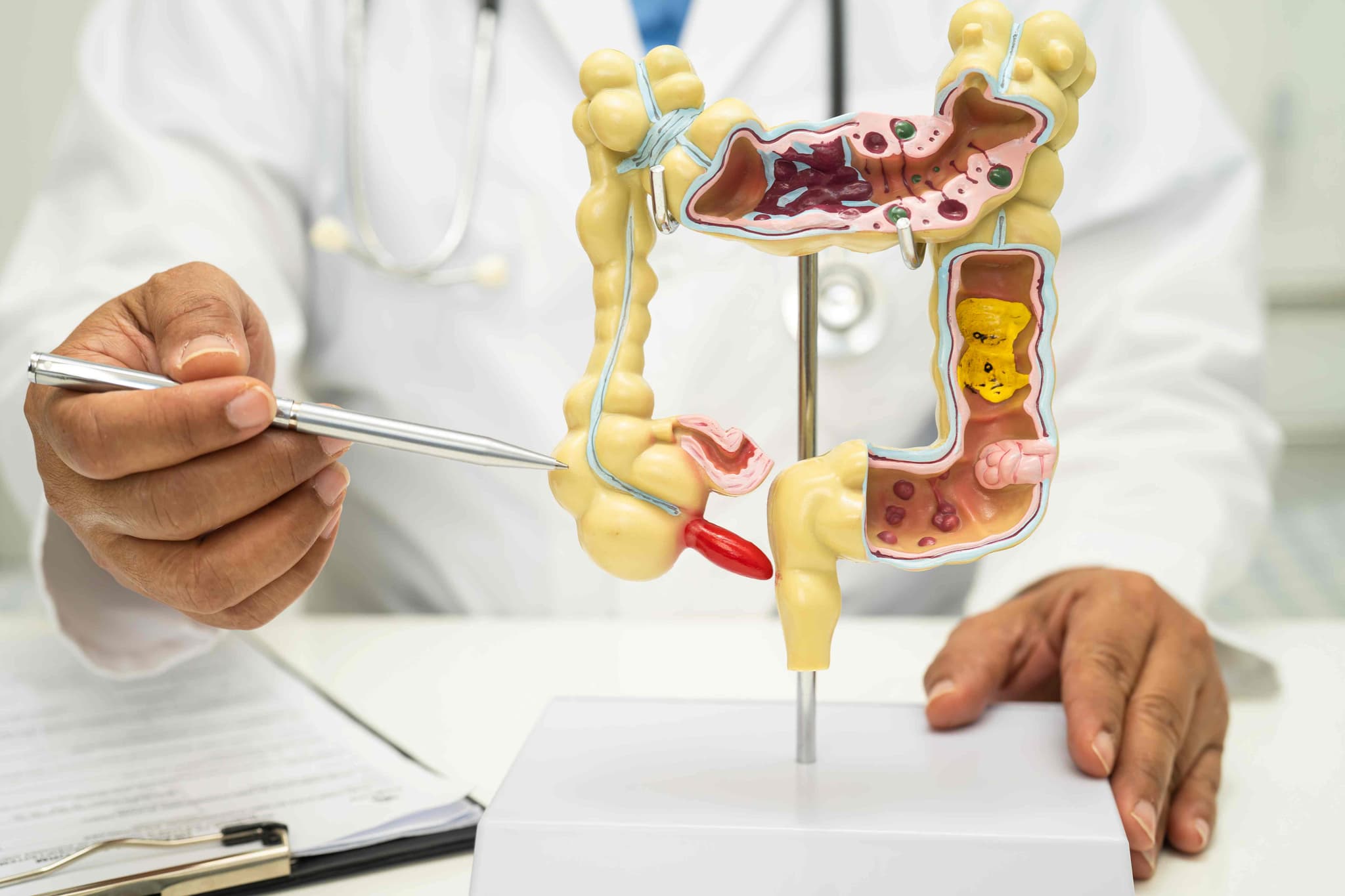
Colon Cancer Treatment involves a combination of specialized surgical, medical, and radiological interventions to remove malignant tumors from the large intestine. As of 2026, clinical standards emphasize a precision-based approach, utilizing robotic surgery for localized tumors and advanced immunotherapy for cases with specific genetic biomarkers (MSI-H/dMMR), aiming to achieve long-term remission while preserving bowel function.
When You Should Consider Screening
Persistent changes in bowel habits, such as diarrhea, constipation, or narrowing of the stool.
Presence of bright red blood or dark, tarry stools during bowel movements.
Ongoing abdominal discomfort, including persistent cramps, gas, or localized pain.
A frequent feeling that the bowel does not empty completely after a movement.
Unexplained weight loss accompanied by chronic fatigue or weakness.
Signs of anemia, such as paleness and lack of energy, due to hidden internal bleeding.
Conditions That Require Specialized Care
Adenomatous Polyps that show signs of high-grade dysplasia or early transformation.
Localized Colon Adenocarcinoma confined to the inner layers of the intestinal wall.
Hereditary Syndromes including Lynch Syndrome or Familial Adenomatous Polyposis (FAP).
Inflammatory Bowel Disease (IBD) such as long-term Ulcerative Colitis or Crohn’s disease.
Advanced or metastatic colon cancer that has spread to the liver, lungs, or peritoneum.
How Colon Cancer Treatment Is Performed
Diagnostic colonoscopy is utilized to visualize the colon and remove precancerous polyps.
High-resolution CT, MRI, or PET scans are performed to map the tumor’s size and spread.
A partial or total colectomy is surgically performed to remove the malignant section of the colon.
Adjuvant chemotherapy is administered after surgery to eliminate any remaining microscopic cells.
Systematic immunotherapy is introduced for tumors with specific genetic MSI-H or dMMR markers.
Targeted drug therapy is used to block the proteins that allow cancer cells to grow and spread.
Types of Colon Cancer Treatment
Laparoscopic or Robotic Colectomy A minimally invasive surgery to remove the cancerous part of the colon through small abdominal incisions.
Polypectomy The removal of small, early-stage cancerous growths directly through a colonoscope without external incisions.
Immunotherapy (Pembrolizumab/Nivolumab) Advanced biological treatments that help the immune system identify and attack cancer cells.
Targeted Therapy (Bevacizumab/Cetuximab) Precision medications that target specific growth factors or blood vessel formation in the tumor.
Cytoreductive Surgery with HIPEC A specialized procedure where the abdominal cavity is bathed in heated chemotherapy after tumor removal.
Colostomy or Ileostomy A surgical procedure to create a stoma (opening) in the abdomen to allow waste to exit the body temporarily or permanently.
Pre-Surgery Preparation
Complete a "bowel prep" to thoroughly clear the colon of stool before the procedure.
Consult with a dietitian to establish a low-residue diet in the days leading up to surgery.
Adjust or stop blood-thinning medications as instructed by the surgical oncology team.
Undergo a preoperative physical to ensure readiness for general anesthesia and recovery.
Meet with an ostomy nurse if there is a possibility of needing a temporary or permanent stoma.
Pre-Surgery Tests
Colonoscopy with biopsy to confirm the specific pathology and grade of the cancer.
CT Scan of the chest, abdomen, and pelvis to determine the clinical stage of the disease.
CEA (Carcinoembryonic Antigen) Blood Test to establish a baseline for post-treatment monitoring.
MSI/dMMR Biomarker Testing to identify if the tumor will respond to modern immunotherapies.
Complete Blood Count (CBC) to check for anemia or other blood-related issues before surgery.
Why Specialized Treatment Is Highly Effective
Features a 91% five-year survival rate for localized cases through early detection and surgery.
Utilizes 2026 precision medicine to match treatments to the tumor's unique genetic profile.
Offers minimally invasive robotic options that significantly reduce recovery time and pain.
Employs neoadjuvant therapies to shrink large tumors, making them easier to remove safely.
Integrates multidisciplinary care to manage complex cases that have spread to other organs.
Recovery After Treatment
In-hospital monitoring for 3–5 days to ensure the return of normal bowel function.
Personalized pain management and early mobilization to prevent blood clots and lung issues.
Gradual transition from a liquid diet to soft foods as the digestive tract heals.
Specialized wound care and training for patients who require a temporary or permanent stoma.
Follow-up visits with the surgical and oncology teams to monitor healing and plan next steps.
Life After Colon Cancer Treatment
Regular surveillance through colonoscopies and blood tests every 6–12 months for the first few years.
Adoption of a high-fiber diet rich in fruits, vegetables, and whole grains to support colon health.
Commitment to regular physical activity and maintaining a healthy weight to reduce recurrence risk.
Avoidance of tobacco products and limiting alcohol consumption as part of a cancer-prevention lifestyle.
Participation in survivorship programs to manage the emotional and physical transition after treatment.
Colectomy (Colon Cancer) Cost in India
The cost of Colectomy (Colon Cancer) in India is generally affordable compared with many other countries, making India a popular destination for international patients seeking quality medical care. The treatment cost depends on factors such as the hospital, doctor's experience, treatment approach, medical condition, hospital stay, diagnostic tests, medicines, and any additional procedures required. For international patients, the starting cost of Colectomy (Colon Cancer) in India is approximately 2500 USD, although the final price may vary based on individual treatment requirements. Patients are advised to obtain a personalized treatment estimate after medical evaluation.