Nasal Airway Correction
Nasal Airway Correction
Nasal airway correction refers to a group of procedures aimed at fixing physical blockages inside the nose to improve breathing. Depending on the location of the obstruction, a surgeon may perform a single procedure or a combination of treatments to restore clear airflow.
When You Should Consider Nasal Airway Correction
Chronic Nasal Obstruction: If you consistently struggle to breathe through one or both nostrils.
Persistent Congestion: A "stuffy" feeling that does not resolve with allergy medications or nasal sprays.
Sleep Disturbances: If nasal blockages lead to heavy mouth-breathing, snoring, or poor sleep quality.
Recurrent Sinus Infections: When physical blockages prevent proper sinus drainage, leading to frequent infections.
Reduced Exercise Tolerance: If you cannot get enough oxygen through your nose during physical activity.
Common Surgical Procedures
Septoplasty: The most frequent correction, which involves straightening a deviated septum—the internal wall of cartilage and bone separating the nostrils—to open a blocked airway.
Turbinate Reduction: Shrinking enlarged turbinates (small bony structures lined with soft tissue) that often swell due to allergies or chronic inflammation.
Nasal Valve Repair: Strengthening the narrowest part of the nasal passage; if these side walls are weak, they can collapse inward during inhalation. This is often fixed using small cartilage grafts or synthetic supports like Latera.
Nasal Polyp Removal (Polypectomy): Clearing out non-cancerous, teardrop-shaped growths that physically block airflow and nasal drainage.
How Is Performed
Technique: Most corrections are minimally invasive and performed entirely through the nostrils using an endoscope.
External Appearance: Because the work is internal, there are usually no external scars or changes to the shape of the nose unless the procedure is combined with a rhinoplasty.
Anesthesia: These are usually performed under general anesthesia as an outpatient procedure, allowing you to return home the same day.
Duration: The surgery typically takes between 30 to 90 minutes, depending on how many areas require correction.
Pre-Procedure Preparation
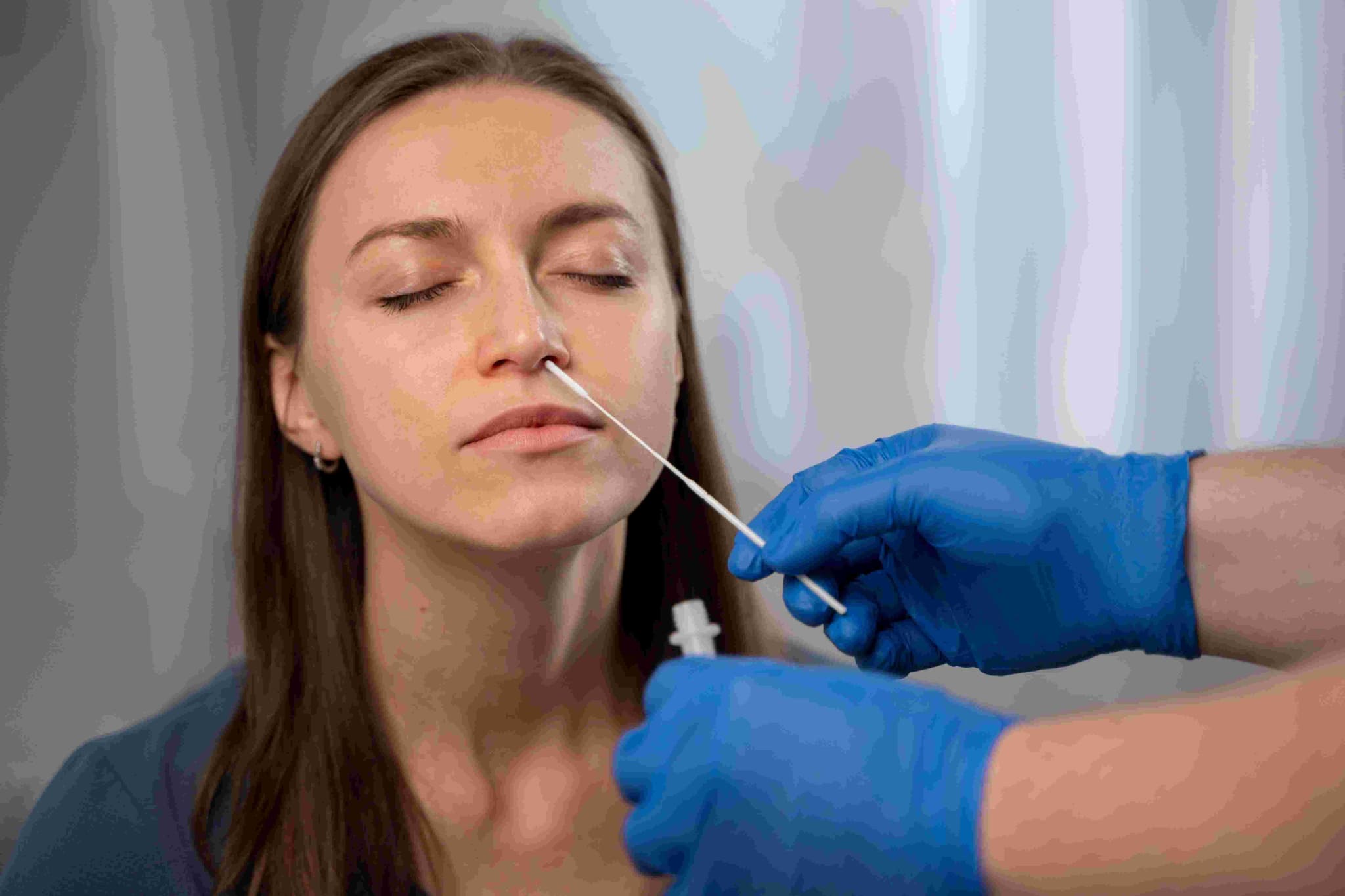
Nasal Endoscopy: A diagnostic check where the surgeon uses a small camera to identify the exact site of the obstruction.
Medication Audit: You may be asked to stop taking aspirin or other blood thinners for 7–10 days prior to surgery to minimize the risk of bleeding.
Imaging: In some cases, a CT scan may be used to provide a detailed map of the internal nasal and sinus structures.
Fasting: Following strict "nothing by mouth" instructions for the hours preceding your anesthesia.
Home Setup: Preparing saline rinse supplies and arranging for a ride home after the procedure.
Tests Before Nasal Airway Correction
Acoustic Rhinometry: To measure the internal dimensions of the nasal cavity and locate the narrowest points.
Rhinomanometry: A functional test that evaluates the pressure and flow of air during active breathing.
Peak Nasal Inspiratory Flow (PNIF): Measuring the maximum amount of air you can inhale through your nose to establish a baseline.
Allergy Testing: To determine if chronic swelling is caused by treatable environmental triggers.
Life After Nasal Airway Correction
Immediate Symptoms: You will feel very "stuffy" or congested for the first 1–2 weeks due to internal swelling and the presence of medical packing or splints.
Mandatory Nasal Rinses: Using a saline squeeze bottle or Neti pot (usually 4+ times a day) is required to wash away crusting and old blood.
Crucial Rule: You must not blow your nose for at least 7–10 days post-surgery to prevent bleeding.
Activity Restrictions: Most people return to work in 3–5 days, but heavy lifting and vigorous exercise are restricted for a full 2 weeks.
Healing Timeline: While initial breathing improvements are felt quickly, full stabilization of the nasal tissues usually takes several weeks.
Why Specialized Treatment Is Highly Effective
Easier Breathing: Provides a significant and often permanent increase in airflow through both nostrils.
Better Sleep: Reduces the need for mouth-breathing and can lead to a noticeable decrease in snoring.
Sinus Relief: Improved drainage helps prevent the bacterial buildup that causes recurrent sinus infections.
High Success Rates: Modern endoscopic techniques allow for precise correction with minimal tissue trauma and a rapid recovery.
Comprehensive Care: Addressing the specific structural cause—whether it is the septum, valves, or turbinates—ensures a tailored solution for long-term respiratory health.
Nasal Airway Correction Cost in India
The cost of Nasal Airway Correction in India is generally affordable compared with many other countries, making India a popular destination for international patients seeking quality medical care. The treatment cost depends on factors such as the hospital, doctor's experience, treatment approach, medical condition, hospital stay, diagnostic tests, medicines, and any additional procedures required. For international patients, the starting cost of Nasal Airway Correction in India is approximately 500 USD, although the final price may vary based on individual treatment requirements. Patients are advised to obtain a personalized treatment estimate after medical evaluation.