Septoplasty (Deviated Septum Correction)
Septoplasty
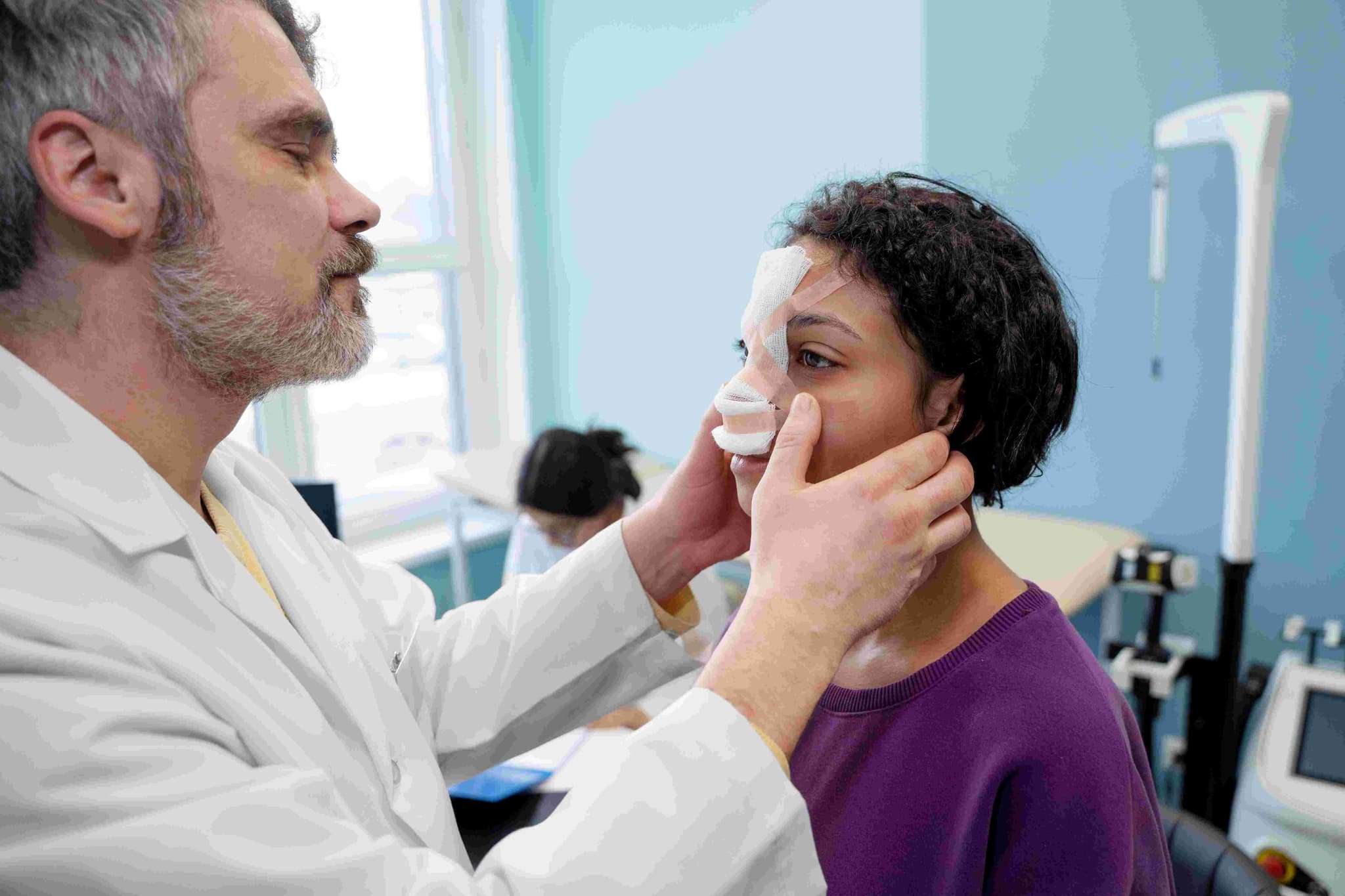
Septoplasty is a specialized surgical procedure performed to straighten a deviated septum—the internal wall of bone and cartilage that separates your two nostrils. When the septum is crooked or "deviated," it can block one side of the nose and significantly reduce airflow. By repositioning the septal midline, this procedure restores balanced breathing and improves overall nasal health.
When You Should Consider Septoplasty
Chronic Nasal Obstruction: If one or both nostrils feel constantly blocked, making it difficult to breathe through your nose.
Recurrent Sinus Infections: When a deviated septum prevents proper drainage, leading to frequent sinus pressure and infections.
Chronic Snoring or Sleep Apnea: If the nasal blockage contributes to disrupted breathing patterns during sleep.
Frequent Nosebleeds: When the air flowing over a crooked septum dries out the nasal lining, causing recurrent bleeding.
Unilateral Congestion: A persistent "stuffy" feeling that is always worse on the same side of the nose.
How Is Performed
Anesthesia: The surgery is typically an outpatient procedure performed under general or local anesthesia and takes about 30 to 90 minutes.
Incision: The surgeon makes a precise incision entirely inside the nose. In most cases, there are no external cuts or visible scars.
Mucosal Elevation: The protective lining of the septum (mucosa) is gently lifted away from the underlying cartilage and bone.
Reshaping: The crooked portions of the cartilage or bone are trimmed, repositioned, or removed to straighten the midline.
Repositioning: The mucosal lining is laid back over the newly straightened structural framework.
Stabilization: The surgeon may place soft silicone splints or dissolvable packing inside the nostrils to support the septum as it heals in its new position.
Pre-Procedure Preparation
Nasal Examination: A thorough evaluation of the internal nasal structure to ensure the breathing issues are caused by the septum and not just enlarged turbinates.
Medication Audit: You must stop taking aspirin, ibuprofen, and certain herbal supplements for 1–2 weeks prior to surgery to minimize the risk of bleeding.
Smoking Cessation: Stopping smoking is highly recommended, as nicotine restricts blood flow and can slow the healing of the nasal mucosa.
Fasting: Following strict "nothing by mouth" instructions for the hours preceding your anesthesia.
Transportation: Arranging for a ride home, as you will be drowsy and your nose will feel quite congested immediately after the procedure.
Tests Before Septoplasty
Nasal Endoscopy: Using a thin camera to view the back of the nasal passage and confirm the extent of the deviation.
Acoustic Rhinometry: A non-invasive test that uses sound waves to measure the width of the nasal cavity and the location of the narrowest point.
Peak Nasal Inspiratory Flow (PNIF): Measuring the maximum amount of air you can inhale through your nose to establish a functional baseline.
CT Scan (Optional): Sometimes used if the surgeon needs to evaluate the sinuses simultaneously for chronic sinusitis.
Life After Septoplasty
Immediate Symptoms: Expect some internal swelling, "stuffiness," and mild blood-stained drainage for the first 3 to 5 days.
Nasal Splints: If splints were used, they are typically removed by the doctor during a follow-up visit approximately one week after surgery.
Crucial Rule: You must not blow your nose for at least 7 to 10 days post-surgery to prevent bleeding or displacement of the healing tissue.
Nasal Care: Using saline nasal sprays or rinses is essential to keep the passages clean, moist, and free of crusting.
Activity Restrictions: Avoid strenuous exercise, heavy lifting, and contact sports for 2 to 4 weeks to prevent injury or pressure-related nosebleeds.
Why Specialized Treatment Is Highly Effective
Restores Natural Airflow: Directly addresses the structural cause of nasal blockage, providing a permanent improvement in breathing quality.
No External Changes: Unlike a rhinoplasty, a standard septoplasty focuses on the internal structure and does not change the outward shape of your nose.
Reduces Sinus Pressure: By opening the nasal airway, the procedure allows for better ventilation and drainage of the paranasal sinuses.
Rapid Recovery: Most patients return to work or sedentary activities within a few days, with a significant boost in energy levels due to better oxygen intake.
High Patient Satisfaction: Septoplasty is one of the most successful functional surgeries, with the majority of patients reporting a dramatic improvement in their quality of life.
Septoplasty (Deviated Septum Correction) Cost in India
The cost of Septoplasty (Deviated Septum Correction) in India is generally affordable compared with many other countries, making India a popular destination for international patients seeking quality medical care. The treatment cost depends on factors such as the hospital, doctor's experience, treatment approach, medical condition, hospital stay, diagnostic tests, medicines, and any additional procedures required. For international patients, the starting cost of Septoplasty (Deviated Septum Correction) in India is approximately 500 USD, although the final price may vary based on individual treatment requirements. Patients are advised to obtain a personalized treatment estimate after medical evaluation.