Thyroidectomy (Non-Cancerous)
Non-Cancerous Thyroidectomy
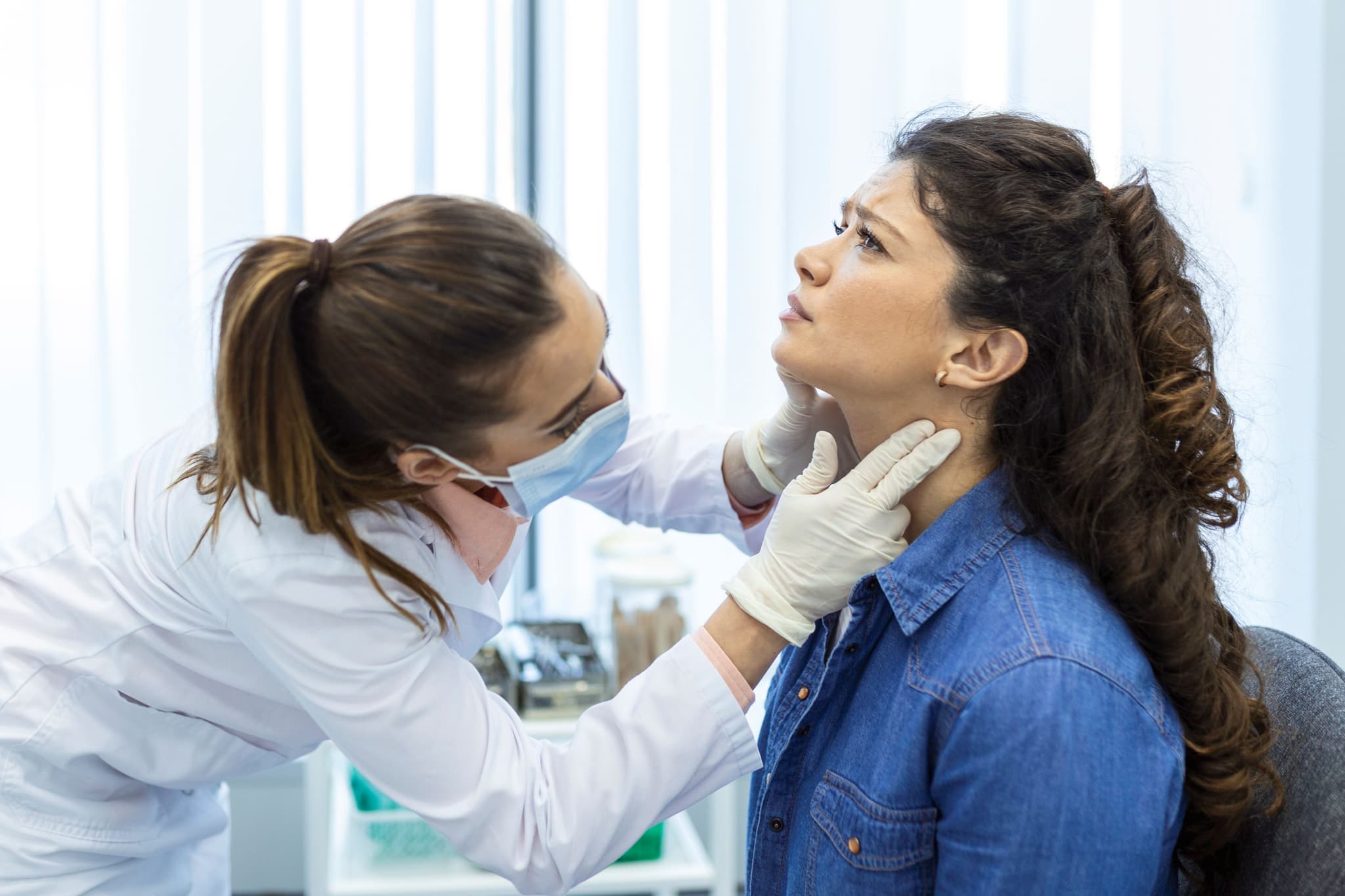
Non-cancerous thyroidectomy is a surgical procedure to remove all or part of the thyroid gland to treat benign conditions such as a large goitre, symptomatic nodules, or an overactive thyroid (hyperthyroidism). The primary goals are to relieve physical symptoms—like difficulty breathing or swallowing—and to normalize hormone production when medications are ineffective.
When You Should Consider a Thyroidectomy
Symptomatic Goitre: When an enlarged thyroid compresses the trachea (windpipe) or esophagus, causing shortness of breath or difficulty swallowing.
Large Benign Nodules: Growths, typically 4 cm or larger, that are visible as a lump in the neck or cause physical discomfort.
Hyperthyroidism: Conditions like Graves' disease or toxic multinodular goitre where the gland produces excess hormone and other treatments (like radioactive iodine) are not preferred or feasible.
Cosmetic Concerns: Large, visible goitres that the patient finds unsightly or that cause significant self-consciousness.
Suspicious Growths: When a biopsy is inconclusive but the risk of future problems warrants the removal of the affected lobe.
How Is Performed
Anesthesia: The surgery is performed under general anesthesia and typically takes between 1 and 2 hours.
Incision: The surgeon makes a small horizontal incision in the lower neck, often placed within a natural skin crease to minimise scarring and ensure a discreet cosmetic result.
Surgical Types:
Hemithyroidectomy (Lobectomy): Removal of only one lobe (half) of the thyroid. This often preserves enough function that lifelong hormone medication may not be needed.
Total Thyroidectomy: Removal of the entire gland. This is a definitive cure for multinodular goitre and hyperthyroidism.Nerve Monitoring: Surgeons often use specialized equipment during the procedure to identify and protect the nerves that control the vocal cords.
Parathyroid Preservation: Great care is taken to identify and save the tiny parathyroid glands, which sit behind the thyroid and regulate the body's calcium levels.
Pre-Procedure Preparation
Ultrasound of the Neck: To provide a detailed map of the thyroid size and the exact location of any nodules.
Thyroid Function Tests: Blood tests (TSH, T3, T4) to determine if the gland is overactive or underactive before surgery.
Vocal Cord Assessment: A baseline check of vocal cord movement, often done via a quick endoscopic exam, to ensure the nerves are functioning correctly.
Medication Audit: You may need to stop taking certain blood thinners or supplements 7–10 days prior to the procedure.
Fasting: Adhering to strict "nothing by mouth" instructions for the hours preceding your general anesthesia.
Tests Before Thyroidectomy
Fine Needle Aspiration (FNA): A biopsy performed before surgery to confirm that the nodules being removed are indeed benign.
Calcium Level Check: To establish a baseline for your calcium levels, which helps in monitoring parathyroid function after surgery.
Chest X-ray or CT Scan: In cases of very large goitres, imaging may be used to see how far the thyroid extends into the chest (substernal goitre).
Electrocardiogram (EKG): A standard heart check to ensure you are healthy enough for the administration of anesthesia.
Life After Thyroidectomy
Hospital Stay: Most patients stay for one night for observation, though some partial removals may be discharged the same day.
Hormone Replacement: If the entire gland is removed, you will require lifelong daily thyroid hormone medication (e.g., levothyroxine) to replace what the gland used to produce.
Initial Symptoms: You may experience a mild sore throat, neck stiffness, or temporary voice hoarseness for a few days after the procedure.
Calcium Monitoring: You may be asked to take temporary calcium supplements if the parathyroid glands experience "stunning" during surgery, which can cause tingling in the fingers or lips.
Activity Restrictions: Light activities can resume within a day, but you must avoid strenuous exercise and heavy lifting for 10 to 14 days to prevent internal bleeding.
Why Specialized Treatment Is Highly Effective
Permanent Resolution: For patients with hyperthyroidism or large goitres, surgery provides an immediate and definitive cure for their symptoms.
Relieves Pressure: Removing an enlarged gland instantly clears the airway and esophagus, restoring the ability to breathe and swallow comfortably.
Minimal Cosmetic Impact: Using modern surgical techniques and skin-crease incisions, the resulting scar is typically very thin and fades significantly over time.
High Safety Standards: When performed by a specialist, the risk of serious complications is extremely low, making it a reliable option for long-term health.
Personalized Approach: By choosing between a partial or total removal, the surgeon can tailor the procedure to your specific needs while maximizing your remaining thyroid function.
Thyroidectomy (Non-Cancerous) Cost in India
The cost of Thyroidectomy (Non-Cancerous) in India is generally affordable compared with many other countries, making India a popular destination for international patients seeking quality medical care. The treatment cost depends on factors such as the hospital, doctor's experience, treatment approach, medical condition, hospital stay, diagnostic tests, medicines, and any additional procedures required. For international patients, the starting cost of Thyroidectomy (Non-Cancerous) in India is approximately 500 USD, although the final price may vary based on individual treatment requirements. Patients are advised to obtain a personalized treatment estimate after medical evaluation.