Uvulopalatopharyngoplasty (UPPP)
Uvulopalatopharyngoplasty (UPPP)
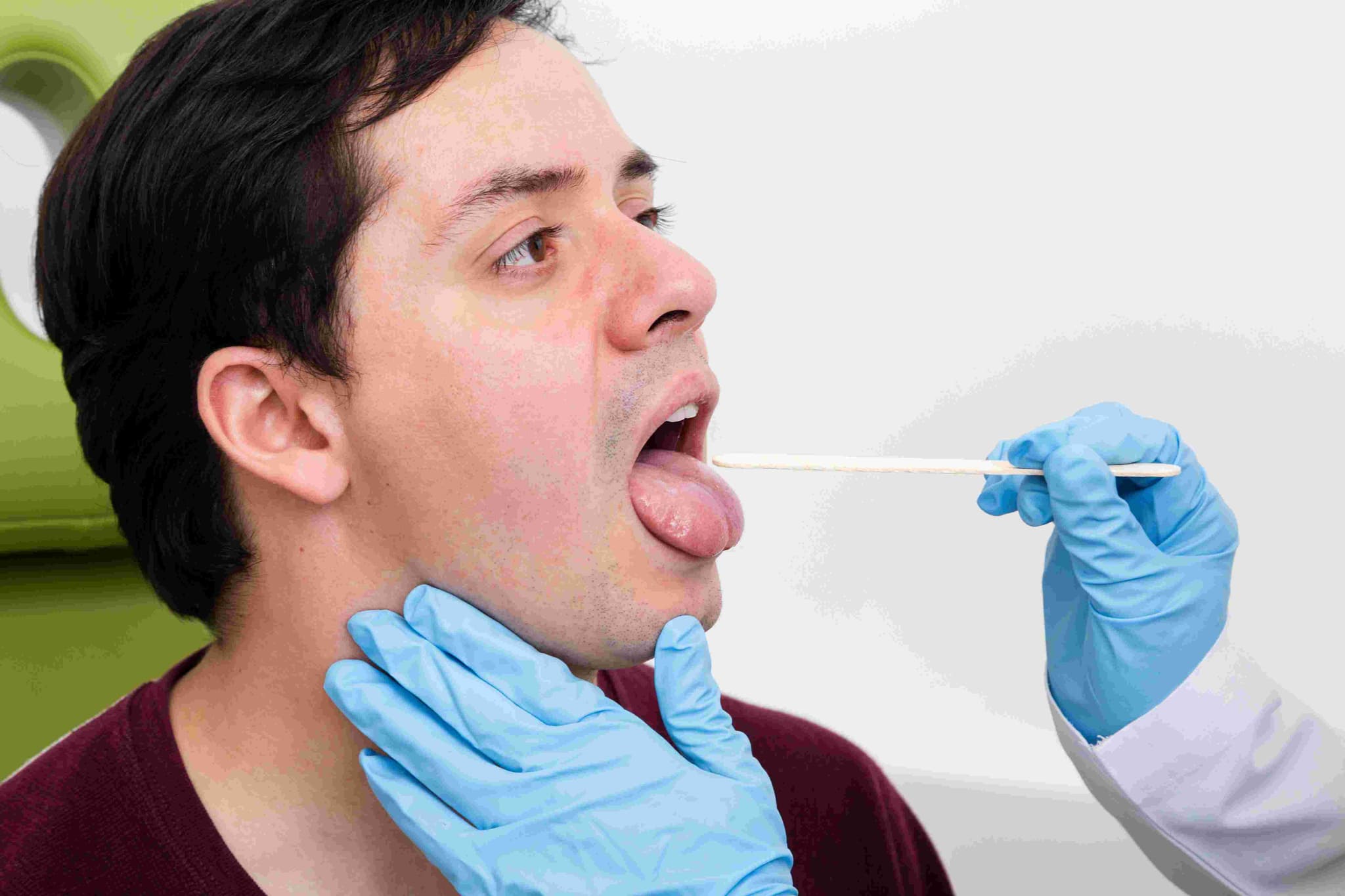
Uvulopalatopharyngoplasty (UPPP) is a surgical procedure used to treat Obstructive Sleep Apnea (OSA) and severe snoring. It involves reshaping the back of the throat by removing or tightening excess tissue to widen the airway and reduce vibrations that cause snoring.
When You Should Consider UPPP
Severe Snoring: When the vibration of excess throat tissue causes disruptive snoring that impacts sleep quality.
Obstructive Sleep Apnea (OSA): If you have been diagnosed with OSA and the primary blockage is located at the level of the soft palate.
Failed Non-Surgical Treatment: When CPAP therapy or oral appliances have been unsuccessful or are not tolerated.
Airway Crowding: If large tonsils or an elongated uvula are significantly obstructing the back of the throat.
Moderate-to-Severe Apnea: For patients seeking a surgical reduction in the number of apnea events experienced per hour.
How Is Performed
Anesthesia: The surgery is performed under general anesthesia and typically takes between 45 to 90 minutes.
Tissue Removal: The surgeon removes the uvula (the small tissue hanging at the back of the throat) and portions of the soft palate.
Tonsillectomy: If the tonsils are still present, they are almost always removed during UPPP to further expand the airway.
Repositioning: The remaining tissues and muscles at the side of the throat are pulled tight and sutured to increase the diameter of the airway.
Surgical Techniques:
Traditional Scalpel: Precise manual removal of excess tissue.
Laser (LAUP): Using laser energy to vaporize or trim the palate.
Coblation: Utilizing radiofrequency energy to dissolve tissue, which may reduce thermal damage to surrounding areas.
Pre-Procedure Preparation
Sleep Study: A mandatory polysomnography to confirm the severity of OSA and identify the site of obstruction.
Nasal Examination: To ensure the nasal passages are clear, as UPPP is more effective when nasal breathing is optimal.
Medication Audit: You must stop taking aspirin, ibuprofen, or certain herbal supplements for 7–10 days prior to surgery to minimize bleeding.
Fasting: Following strict "nothing by mouth" instructions for the hours preceding your general anesthesia.
Home Recovery Setup: Preparing a "cold and soft" diet and arranging for a support person to assist during the initial recovery period.
Tests Before UPPP
Polysomnography (Sleep Study): To determine the Apnea-Hypopnea Index (AHI) and categorize the severity of the condition.
Drug-Induced Sleep Endoscopy (DISE): A brief procedure to visualize exactly where the throat collapses during sleep.
Electrocardiogram (EKG): A standard heart check to ensure you are healthy enough for general anesthesia.
Blood Clotting Panel: Ensuring your blood's ability to clot is optimal for a safe recovery.
Life After UPPP
Pain Management: Throat pain is severe and often radiates to the ears; a strict schedule of strong pain medication is required for the first 7 to 10 days.
Dietary Restrictions: Start with a "cold and soft" diet (ice cream, jelly, cold soup) and avoid spicy, acidic, or "scratchy" foods for at least 14 days.
Hydration: Constant sipping of water is vital to keep the surgical area moist and prevent painful scabbing.
Activity Limits: Most patients return to work after 2 weeks, but heavy lifting and vigorous exercise are restricted for 21 days to prevent bleeding.
Healing Symptoms: A temporary change where voice may sound more "nasal" or fluids may go up into the nose while swallowing is common during initial healing.
Why Specialized Treatment Is Highly Effective
Airway Expansion: Directly prevents the throat from collapsing during sleep, reducing or eliminating apnea events.
Significant Snoring Relief: By removing the vibrating palate and uvula, the intensity and frequency of snoring are significantly lowered.
Permanent Tissue Reshaping: Provides a long-term structural change to the airway that does not require the use of nightly masks or devices.
Targeted Solution: Most effective when the primary blockage is identified at the palate level rather than the base of the tongue.
Improved Quality of Life: Successful reduction of apnea leads to increased daytime energy, improved focus, and better overall cardiovascular health.
Uvulopalatopharyngoplasty (UPPP) Cost in India
The cost of Uvulopalatopharyngoplasty (UPPP) in India is generally affordable compared with many other countries, making India a popular destination for international patients seeking quality medical care. The treatment cost depends on factors such as the hospital, doctor's experience, treatment approach, medical condition, hospital stay, diagnostic tests, medicines, and any additional procedures required. For international patients, the starting cost of Uvulopalatopharyngoplasty (UPPP) in India is approximately 1000 USD, although the final price may vary based on individual treatment requirements. Patients are advised to obtain a personalized treatment estimate after medical evaluation.