ACL Reconstruction Surgery
ACL Reconstruction Surgery
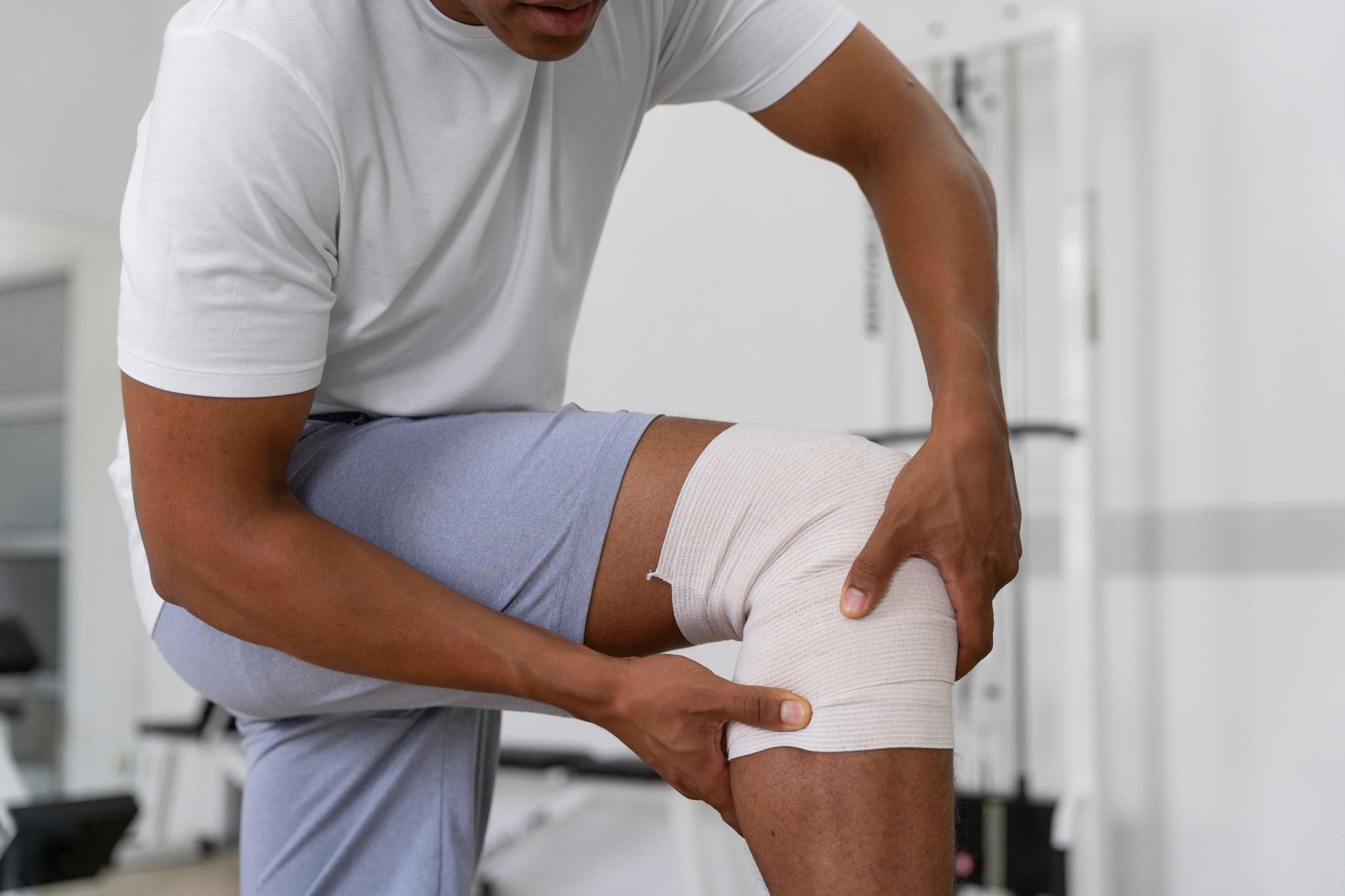
ACL Reconstruction is a specialized surgical procedure to replace a torn Anterior Cruciate Ligament with a high-strength tissue graft to restore stability and rotation to the knee. The clinical focus is on "anatomic reconstruction" and biologic augmentation, utilizing sub-millimeter robotic precision and internal bracing to return athletes to peak performance while minimizing the risk of future joint degeneration.
When You Should Consider ACL Surgery
Audible Trauma: A loud "pop" sensation in the knee followed by immediate, severe swelling.
Instability: A feeling of the knee "giving way" or extreme instability during pivoting movements.
Functional Limitation: Inability to continue playing sports or perform physical labor after a twisting injury.
Persistent Pain: Knee pain and a limited range of motion that hinders daily activities.
Mechanical Buckling: Recurrent episodes of the knee buckling during simple tasks like walking or climbing stairs.
Therapy Failure: Failure of conservative physical therapy to provide the stability required for your desired activity level.
Conditions That Require Specialized Care
High-Grade Tears: Complete or high-grade partial ACL tears identified via MRI.
Multi-Ligament Injuries: Complex cases involving the ACL along with the MCL, PCL, or meniscus.
Chronic Deficiency: Long-term ACL instability leading to secondary meniscus tears or cartilage damage.
High-Pivot Athletes: Individuals in sports like soccer, basketball, or skiing who require maximum rotational stability.
Revision Surgery: Failed primary ACL reconstruction requiring a complex revision with specialized graft placement.
Types of ACL Grafts and Innovations
Quadriceps Tendon Autograft: A modern gold standard offering robust thickness and excellent stability with lower donor-site pain.
Patellar Tendon Autograft (BTB): A high-strength option often preferred for elite athletes due to its reliable bone-to-bone healing.
Hamstring Tendon Autograft: A traditional, minimally invasive choice that provides a strong, flexible replacement.
Internal Brace Reinforcement: The use of high-strength fiber tape to protect the healing graft and allow for earlier rehabilitation.
Robotic-Assisted Placement: The use of digital mapping to ensure perfect graft alignment, reducing the risk of long-term failure.
Biologic Augmentation: The application of Platelet-Rich Plasma (PRP) during surgery to accelerate the graft’s integration into the bone.
How ACL Reconstruction Surgery Is Performed
Arthroscopic Visualization: Small cameras are used to inspect the joint and treat any associated meniscus or cartilage damage.
Graft Harvesting: A graft is harvested from the patient’s own tissue (autograft) or prepared from a donor (allograft).
Tunnel Drilling: Precision tunnels are drilled into the femur (thigh bone) and tibia (shin bone) using robotic navigation.
Graft Fixation: The new graft is pulled through the tunnels and secured with specialized screws or suspensory buttons.
Augmentation: An "Internal Brace" or Anterolateral Ligament (ALL) reinforcement may be added for extra stability.
Tensioning: Real-time tensioning ensures the graft perfectly mimics the natural ligament's function and tension.
Pre-Procedure Preparation
"Pre-hab" Therapy: Engaging in physical therapy to reduce swelling and regain full extension before the operation.
Muscle Strengthening: Strengthening the quadriceps and hamstrings to provide better support for the joint post-operatively.
Recovery Logistics: Arrange for a recovery assistant, as you will likely be on crutches for the first 1 to 2 weeks.
Cold Therapy: Prepare a station at home with an ice machine to manage post-surgical inflammation and pain.
Anatomical Mapping: Complete all pre-operative imaging to allow the surgeon to map the exact anatomy of your knee.
Tests Before ACL Reconstruction
High-Resolution MRI: To confirm the ACL tear and assess for associated meniscus or cartilage involvement.
Stress Radiographs: Specialized X-rays to measure the degree of laxity (looseness) in the knee joint.
Systemic Health Screening: Complete Blood Count (CBC) and Metabolic Panel to ensure safety for anesthesia.
Cardiac Clearance (EKG): A heart check to ensure the patient is fit for surgery, particularly for high-intensity athletes.
Laxity Testing: Clinical stability testing to compare the injured knee against the healthy knee.
Recovery After ACL Reconstruction Surgery
Initial Phase: Focus on the "straightening" of the knee and activation of the quadriceps in the first 4 weeks.
Graft Maturation: Strict adherence to a phased 9-to-12-month rehabilitation protocol to allow the graft to fully integrate.
Endurance Building: Introduction of low-impact cycling and swimming between months 2 and 4 to build stamina.
Agility Training: Sport-specific agility training and "Return to Play" testing typically starting around the 6-month mark.
Functional Bracing: Use of a functional knee brace during the early stages of returning to high-impact activities.
Benefits of Specialized Reconstruction
High Success Rate: Boasts a 90% success rate for returning patients to their pre-injury levels of physical activity.
Anatomic Precision: Replicates the original ligament's rotational stability to provide a more "natural" feeling knee.
Reduced Re-tear Risk: Significantly lowers re-tear rates when combined with modern reinforcement or internal bracing.
Minimally Invasive: Advanced arthroscopic methods lead to less surgical trauma and smaller scars.
Joint Longevity: Provides a durable solution that helps protect the knee from early-onset osteoarthritis.
ACL Reconstruction Surgery Cost in India
The cost of ACL Reconstruction Surgery in India is generally affordable compared with many other countries, making India a popular destination for international patients seeking quality medical care. The treatment cost depends on factors such as the hospital, doctor’s experience, treatment approach, medical condition, hospital stay, diagnostic tests, medicines, and any additional procedures required. For international patients, the starting cost of ACL Reconstruction Surgery in India is approximately $1000 USD, although the final price may vary based on individual treatment requirements. Patients are advised to obtain a personalized treatment estimate after medical evaluation.
ACL Reconstruction Surgery Cost in India
The cost of ACL Reconstruction Surgery in India is generally affordable compared with many other countries, making India a popular destination for international patients seeking quality medical care. The treatment cost depends on factors such as the hospital, doctor's experience, treatment approach, medical condition, hospital stay, diagnostic tests, medicines, and any additional procedures required. For international patients, the starting cost of ACL Reconstruction Surgery in India is approximately 1000 USD, although the final price may vary based on individual treatment requirements. Patients are advised to obtain a personalized treatment estimate after medical evaluation.