Medivisor India Treatment Logo
  • Home
              • Become a Partner

              +91 83407 80250

              Medivisor Logo

              Medivisor India Treatment is a trusted New Delhi–based medical travel partner connecting global patients to advanced, affordable, high-quality healthcare in India.

              • Medivisor House 359, Sector 1, Vaishali, Ghaziabad, (Delhi/NCR) India
              • +91 8340 780 250
              • info@medivisorhealth.com

              About Us

              • About Us
              • Our Services
              • Our Team
              • Our Medical Advisors
              • Our Safety Measures
              • Join Our Network
              • Contact Us

              India Treatment

              • Hospitals
              • Treatments
              • Treatment Cost
              • Treatment Process
              • Visa Process
              • Travel Guide
              • FAQs
              • Why Medivisor

              Gallery

              • Patient Testimonials
              • Patient Activities
              • News Coverage
              • Blog

              Get in Touch

              © 2026 Medivisor India Treatment. All rights reserved.

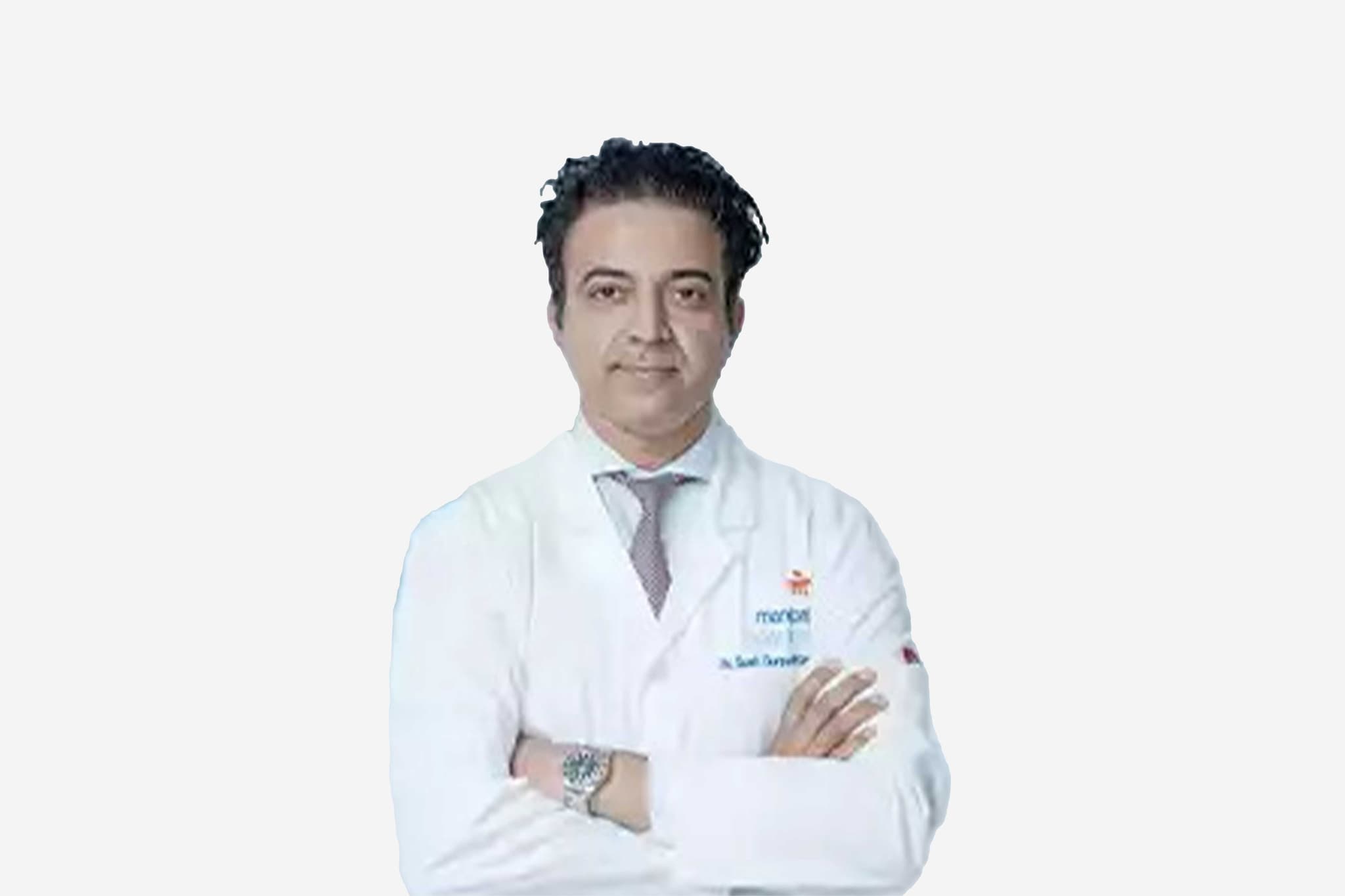
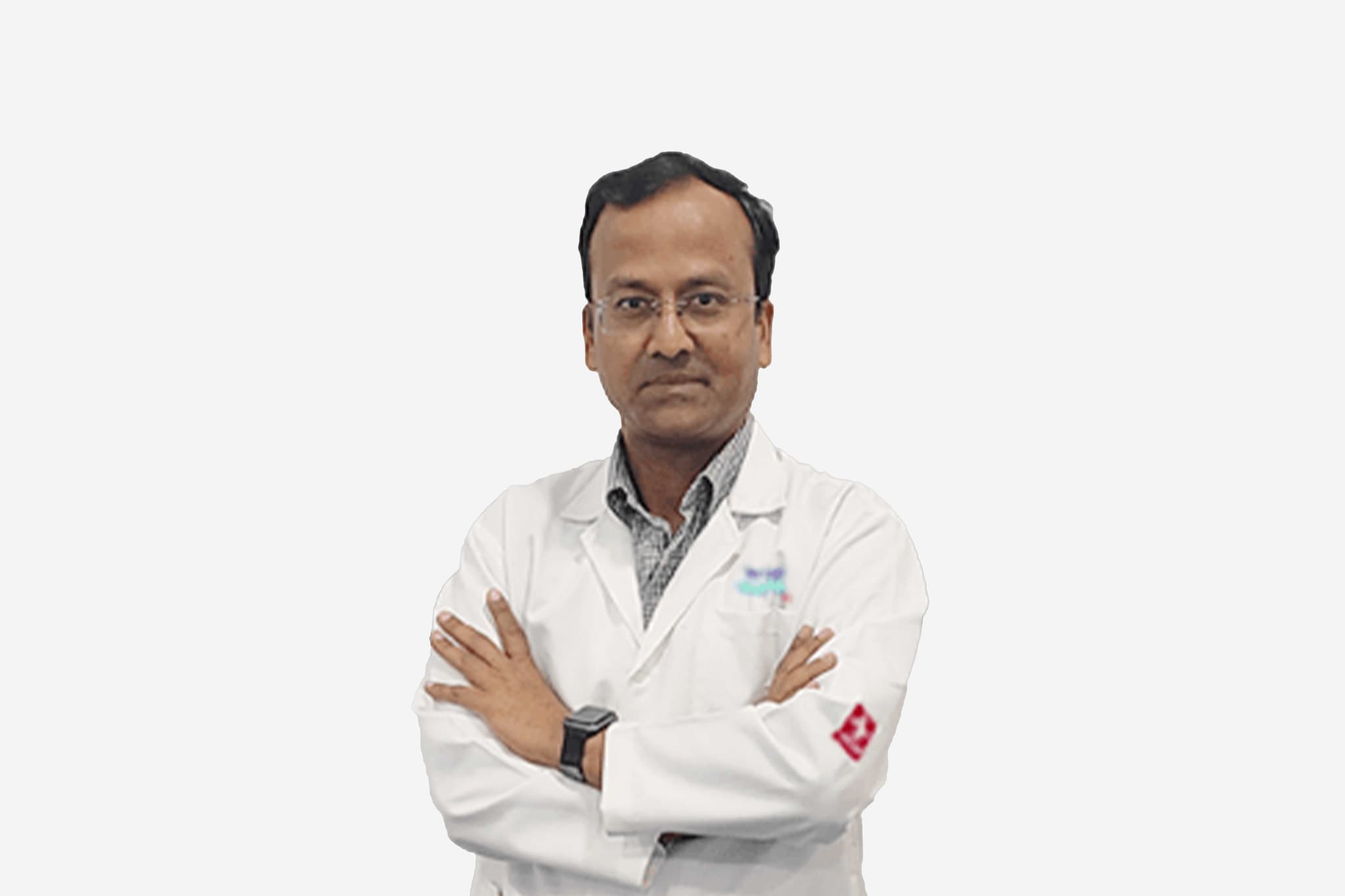
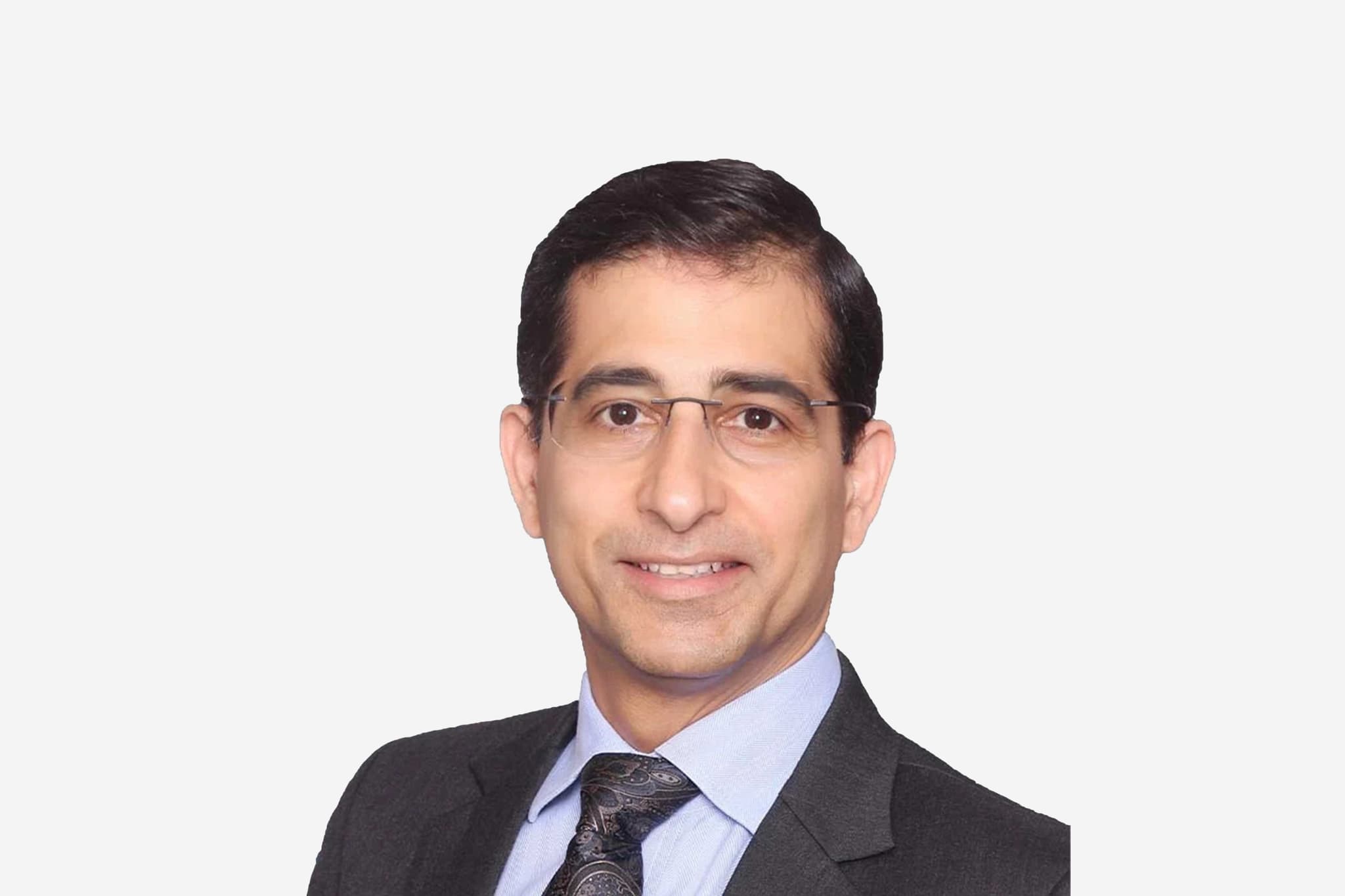
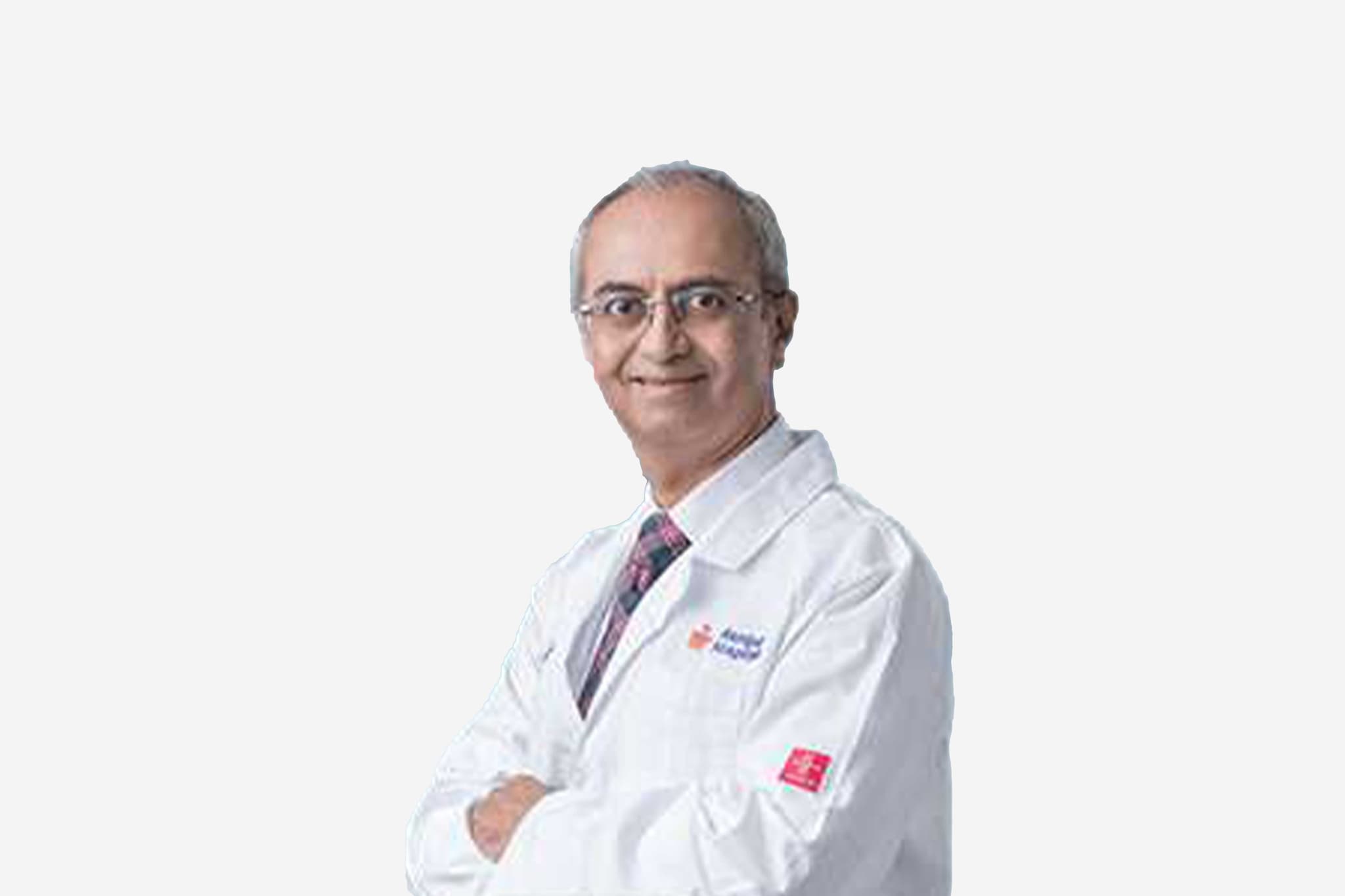
              Dr. Dr. Sunil G Kini

              Dr. Sunil G Kini

              HOD & Consultant - Orthopedic & Robotic Joint Replacement Surgery

              25+ years experience

              MBBS | M.S | DNB | MRCS (Glasgow & Edinburgh) | M.Ch | MNAMS | Dip. SICOT (Belgium)
              1. Home
              2. Doctors
              3. Dr. Sunil G Kini

              About Dr. Sunil G Kini

              Dr. Kini is a highly distinguished specialist in orthopedics and robotic joint replacement surgery with over 22 years of clinical experience. He currently serves as the HOD and Consultant of Orthopedic and Robotic Joint Replacement Surgery at Manipal Hospitals, Old Airport Road, Bangalore, where he leads advanced surgical initiatives and clinical research.

              With a prolific record of over 12,000 surgeries, including 5,000 joint replacements and 3,000 arthroscopic procedures, Dr. Kini is a leading expert in robotic-assisted knee and hip replacements. He is among the select few surgeons in Karnataka proficient in performing hip arthroscopies and robotic hip replacements, alongside complex ligament reconstructions, cartilage repair, and stem cell therapies.

              Global Academic and Professional Qualifications

              Dr. Kini’s extensive academic background includes an MS from Bangalore Medical College, a DNB from the National Board of Examinations, and dual MRCS certifications from the Royal Colleges of Glasgow and Edinburgh. He also holds an M. Ch from the University of Seychelles and MNAMS from the National Academy of Medical Sciences, New Delhi, reflecting a deep foundation in international surgical standards.

              Leadership, Research, and Recognition

              A dedicated mentor and core faculty member for training emerging surgeons, Dr. Kini serves as a reviewer for prestigious publications like the Bone and Joint Journal. He has authored over 30 internationally indexed publications and received the LESTER-LOWE Young Surgeon SICOT Award in Sweden. His clinical insights on bone health and joint care are frequently featured in leading national newspapers, including The Economic Times.

              Dr. Sunil G Kini at a Glance

              • HOD and Consultant in Orthopedic and Robotic Joint Replacement Surgery at Manipal Hospitals.

              • Over 22 years of experience with 12,000+ surgeries performed.

              • Specialist in robotic hip and knee replacements and advanced hip arthroscopy.

              • Recipient of the SICOT German Travelling Fellowship and IOA-Thailand Ambassadorship.

              • Prolific researcher with over 30 publications in internationally indexed journals.

              • Expert in sports medicine, cartilage repair, and complex trauma procedures.

              MBBS | M.S | DNB | MRCS (Glasgow & Edinburgh) | M.Ch | MNAMS | Dip. SICOT (Belgium)
              Specialization: HOD & Consultant - Orthopedic & Robotic Joint Replacement Surgery
              Performed more than 2000 Joint Replacement surgeries. Performed more than 1500 Arthroscopy (Keyhole) surgeries. One of the few surgeons to perform Hip Arthroscopy in Karnataka. Authored 30 publications in International Indexed Journals. Presented more than 50 papers/posters in International Conferences. Core Faculty
              mentor to train surgeons in Joint Replacement
              Arthroscopy. Reviewer for Bone
              Joint Journal. Awarded the IOA-Thailand Ambassadorship
              Awarded the SICOT German Travelling Fellowship (Arthroplasty/Sports Medicine). for the year 2012(Oct-Dec). Recipient of LESTER-LOWE Young Surgeon SICOT Award 2010 presented at the Annual Conference in Sep 2010 at Gothenburg, Sweden. Editorial Board Member of International Journal of Orthopaedics. Reviewer for International Orthopaedics Journal. Editorial Board Member of Journal OA Orthopaedics published by Open Access Publishing London.
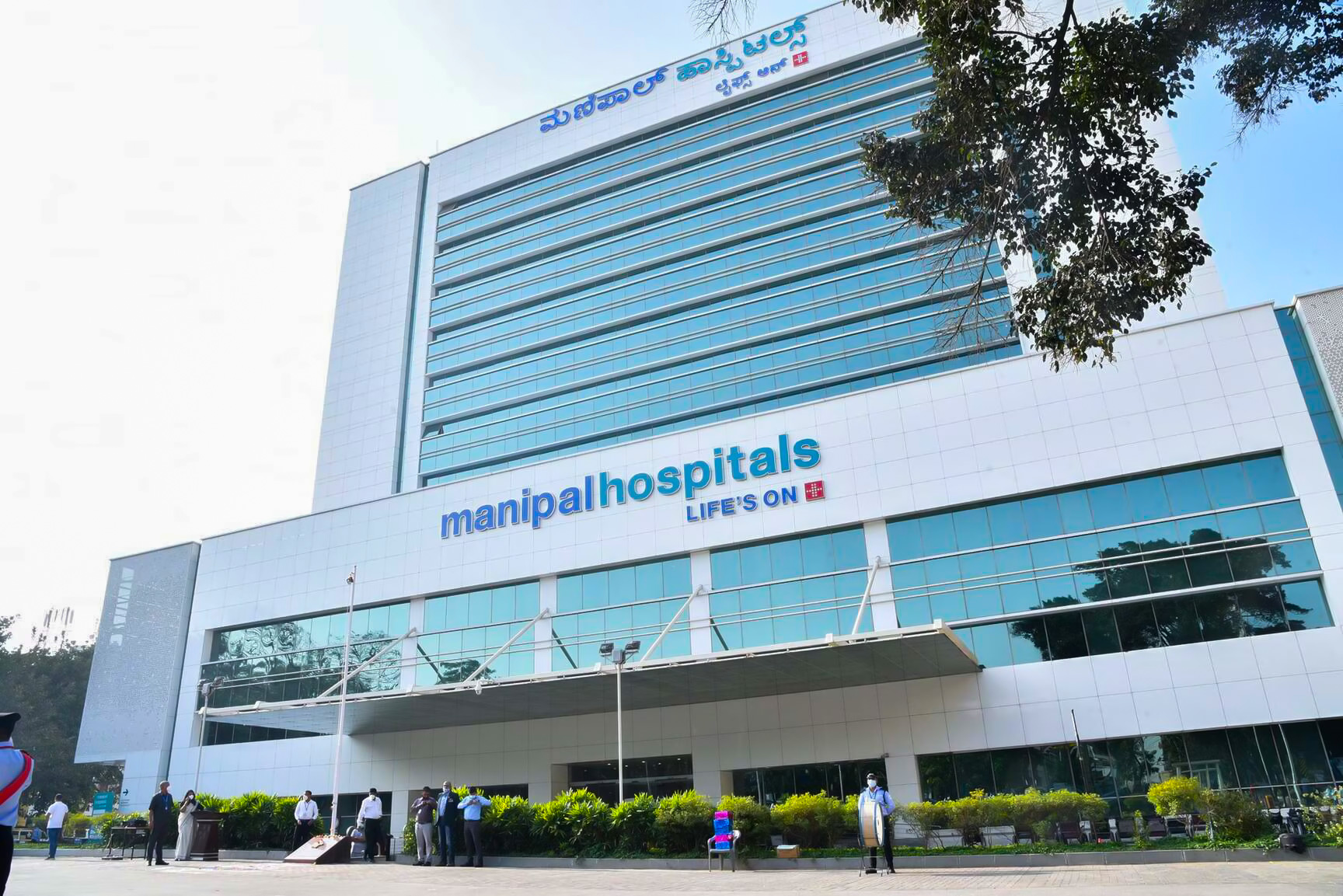
              Affiliated Hospitals

              Manipal Hospital, Old Airport Road
              Manipal Hospital, Old Airport Road

              Multi Specialty

              Bengaluru, Karnataka

              1991

              Estd.

              650+

              Beds

              250+

              Doctors

              May we help you?

              Enter digits only (6-15 digits). We'll add your country code.

              May we help you?

              Enter digits only (6-15 digits). We'll add your country code.

              Related Treatments

              Knee Arthroscopy Surgery
              Knee Arthroscopy Surgery

              Knee Arthroscopy Knee Arthroscopy is a minimally invasive surgical procedure used to diagnose and treat problems in the knee joint through tiny incisions using a camera. This specialized "keyhole" approach allows surgeons to view and repair joint structures without the need for a large open incision. When You Should Consider Knee Arthroscopy Persistent knee pain that has not responded to rest, physical therapy, or injections. Mechanical symptoms such as the knee "locking," "catching," or "giving way" during movement. Swelling and stiffness caused by loose fragments of bone or cartilage within the joint. Confirmed soft tissue injuries, such as a meniscus tear or a ligament injury (ACL/PCL). Chronic inflammation of the joint lining (synovium) that requires surgical removal. Methods of Knee Arthroscopy Diagnostic Arthroscopy: A procedure focused on exploring the joint to identify the source of unexplained pain or instability. Meniscectomy: Trimming away the damaged or frayed edges of a torn meniscus. Meniscal Repair: Suturing a torn meniscus back together to preserve the natural cushioning of the knee. Chondroplasty: Smoothing out damaged or irregular articular cartilage to improve joint glide. Loose Body Removal: Extracting floating bits of bone or cartilage that cause painful mechanical interference. How Knee Arthroscopy Is Performed Portal Creation: The surgeon makes two or three tiny incisions, or portals (about 0.5 cm each), around the kneecap. Saline Insufflation: The joint is expanded with sterile saline to stretch the capsule, providing a clear view and space for the tools. Visualization: A high-definition fiber-optic camera (arthroscope) is inserted through one portal to project live images onto a monitor. Surgical Intervention: Miniature specialized tools, such as shavers or probes, are used to repair, trim, or remove damaged tissue. Closure: After the saline is drained, the tiny portals are closed with a single stitch or sterile tape (Steri-Strips). Pre-Procedure Preparation Fasting (NPO) for 6–8 hours prior to the surgery to ensure safety during anesthesia. Evaluation of current medications; blood thinners are typically only stopped if significant bleeding is anticipated. Choosing the most appropriate anesthesia option, which may include general, spinal, or a regional nerve block. Diagnostic confirmation through physical stability tests and imaging to map out the internal damage. Tests Before Knee Arthroscopy MRI Scan: The primary imaging tool used to visualize soft tissues like ligaments, tendons, and cartilage. X-rays: Used to rule out significant bone-on-bone arthritis or fractures that may not be treatable via arthroscopy. Physical Stability Exams: Specialized maneuvers (like the Lachman or McMurray tests) to assess ligament and meniscus integrity. Blood Panels: Routine screens to ensure general health and fitness for an outpatient surgical procedure. Life After Knee Arthroscopy Almost always an outpatient procedure, with most patients returning home 2–3 hours after waking up. Adherence to the R.I.C.E. protocol (Rest, Ice, Compression, Elevation) is critical for the first 48–72 hours. Weight-bearing status depends on the procedure: simple trimming allows walking in days, while repairs may require crutches for 4–6 weeks. Driving is typically restricted for 1–2 weeks, particularly if the surgery was on the right leg or the patient drives a manual vehicle. Physical therapy focuses on restoring range of motion and strengthening the muscles surrounding the knee joint. Benefits of Knee Arthroscopy Minimally invasive nature results in significantly less post-operative pain and swelling than open surgery. Tiny incisions lead to faster wound healing and minimal surgical scarring. High success rates for resolving mechanical issues like joint locking or catching. Reduced risk of infection and lower blood loss compared to traditional joint procedures.

              ACL Reconstruction Surgery
              ACL Reconstruction Surgery

              ACL Reconstruction Surgery ACL Reconstruction is a specialized surgical procedure to replace a torn Anterior Cruciate Ligament with a high-strength tissue graft to restore stability and rotation to the knee. The clinical focus is on "anatomic reconstruction" and biologic augmentation, utilizing sub-millimeter robotic precision and internal bracing to return athletes to peak performance while minimizing the risk of future joint degeneration. When You Should Consider ACL Surgery Audible Trauma: A loud "pop" sensation in the knee followed by immediate, severe swelling. Instability: A feeling of the knee "giving way" or extreme instability during pivoting movements. Functional Limitation: Inability to continue playing sports or perform physical labor after a twisting injury. Persistent Pain: Knee pain and a limited range of motion that hinders daily activities. Mechanical Buckling: Recurrent episodes of the knee buckling during simple tasks like walking or climbing stairs. Therapy Failure: Failure of conservative physical therapy to provide the stability required for your desired activity level. Conditions That Require Specialized Care High-Grade Tears: Complete or high-grade partial ACL tears identified via MRI. Multi-Ligament Injuries: Complex cases involving the ACL along with the MCL, PCL, or meniscus. Chronic Deficiency: Long-term ACL instability leading to secondary meniscus tears or cartilage damage. High-Pivot Athletes: Individuals in sports like soccer, basketball, or skiing who require maximum rotational stability. Revision Surgery: Failed primary ACL reconstruction requiring a complex revision with specialized graft placement. Types of ACL Grafts and Innovations Quadriceps Tendon Autograft: A modern gold standard offering robust thickness and excellent stability with lower donor-site pain. Patellar Tendon Autograft (BTB): A high-strength option often preferred for elite athletes due to its reliable bone-to-bone healing. Hamstring Tendon Autograft: A traditional, minimally invasive choice that provides a strong, flexible replacement. Internal Brace Reinforcement: The use of high-strength fiber tape to protect the healing graft and allow for earlier rehabilitation. Robotic-Assisted Placement: The use of digital mapping to ensure perfect graft alignment, reducing the risk of long-term failure. Biologic Augmentation: The application of Platelet-Rich Plasma (PRP) during surgery to accelerate the graft’s integration into the bone. [Image showing different types of ACL grafts: Hamstring, Patellar, and Quadriceps] How Is Performed Arthroscopic Visualization: Small cameras are used to inspect the joint and treat any associated meniscus or cartilage damage. Graft Harvesting: A graft is harvested from the patient’s own tissue (autograft) or prepared from a donor (allograft). Tunnel Drilling: Precision tunnels are drilled into the femur (thigh bone) and tibia (shin bone) using robotic navigation. Graft Fixation: The new graft is pulled through the tunnels and secured with specialized screws or suspensory buttons. Augmentation: An "Internal Brace" or Anterolateral Ligament (ALL) reinforcement may be added for extra stability. Tensioning: Real-time tensioning ensures the graft perfectly mimics the natural ligament's function and tension. Pre-Procedure Preparation "Pre-hab" Therapy: Engaging in physical therapy to reduce swelling and regain full extension before the operation. Muscle Strengthening: Strengthening the quadriceps and hamstrings to provide better support for the joint post-operatively. Recovery Logistics: Arrange for a recovery assistant, as you will likely be on crutches for the first 1 to 2 weeks. Cold Therapy: Prepare a station at home with an ice machine to manage post-surgical inflammation and pain. Anatomical Mapping: Complete all pre-operative imaging to allow the surgeon to map the exact anatomy of your knee. Tests Before ACL Reconstruction High-Resolution MRI: To confirm the ACL tear and assess for associated meniscus or cartilage involvement. Stress Radiographs: Specialized X-rays to measure the degree of laxity (looseness) in the knee joint. Systemic Health Screening: Complete Blood Count (CBC) and Metabolic Panel to ensure safety for anesthesia. Cardiac Clearance (EKG): A heart check to ensure the patient is fit for surgery, particularly for high-intensity athletes. Laxity Testing: Clinical stability testing to compare the injured knee against the healthy knee. Recovery After Treatment Initial Phase: Focus on the "straightening" of the knee and activation of the quadriceps in the first 4 weeks. Graft Maturation: Strict adherence to a phased 9-to-12-month rehabilitation protocol to allow the graft to fully integrate. Endurance Building: Introduction of low-impact cycling and swimming between months 2 and 4 to build stamina. Agility Training: Sport-specific agility training and "Return to Play" testing typically starting around the 6-month mark. Functional Bracing: Use of a functional knee brace during the early stages of returning to high-impact activities. Benefits of Specialized Reconstruction High Success Rate: Boasts a 90% success rate for returning patients to their pre-injury levels of physical activity. Anatomic Precision: Replicates the original ligament's rotational stability to provide a more "natural" feeling knee. Reduced Re-tear Risk: Significantly lowers re-tear rates when combined with modern reinforcement or internal bracing. Minimally Invasive: Advanced arthroscopic methods lead to less surgical trauma and smaller scars. Joint Longevity: Provides a durable solution that helps protect the knee from early-onset osteoarthritis.

              PCL Reconstruction
              PCL Reconstruction

              Posterior Cruciate Ligament (PCL) Reconstruction Posterior Cruciate Ligament (PCL) Reconstruction is a surgical procedure to replace a torn PCL—the strongest ligament in the knee—with a graft. The PCL is the primary stabilizer that prevents the shinbone (tibia) from sliding too far backward. This surgery is essential for restoring joint stability, especially following high-impact injuries such as dashboard accidents or significant sports falls. When You Should Consider PCL Reconstruction Grade III Tears: A complete tear of the ligament that results in significant knee instability. Multi-Ligament Injuries: Cases where the PCL is torn alongside other structures like the ACL, MCL, or meniscus. Persistent Instability: Feeling the knee "give way" during daily activities or sport, despite undergoing physical therapy. Chronic Pain and Swelling: Persistent joint issues related to the tibia sagging backward (posterior sag). High-Demand Lifestyle: For athletes or individuals in physically demanding jobs who require maximum joint stability. Methods of PCL Reconstruction Arthroscopic Reconstruction: A minimally invasive approach using a camera and small incisions to replace the ligament. Single-Bundle Technique: Replacing the PCL with a single graft strand, focusing on the largest part of the original ligament. Double-Bundle Technique: Using two separate graft strands to more closely mimic the natural, complex anatomy of the PCL. Autograft Replacement: Utilizing the patient's own tissue, typically from the hamstring or quadriceps tendon. Allograft Replacement: Utilizing donor tissue (cadaver), often preferred in PCL surgery to achieve a thicker, stronger graft. How PCL Reconstruction Is Performed Graft Preparation: The selected autograft or allograft is prepared and sized to match the patient's original ligament dimensions. Portal Creation: Small arthroscopic incisions are made around the knee to allow for the camera and surgical instruments. Tunnel Drilling: Precise tunnels are drilled through the femur (thigh bone) and tibia (shin bone) at the exact attachment points of the PCL. Graft Passage: The new ligament graft is pulled through the bone tunnels and positioned across the knee joint. Fixation: The graft is secured tightly under tension using interference screws, metal buttons, or specialized surgical staples. Stability Check: The surgeon performs stability tests to ensure the tibia no longer slides backward before closing the incisions. Pre-Procedure Preparation Diagnostic confirmation using the "Posterior Drawer Test" and MRI to assess the extent of the damage. A "pre-habilitation" program lasting 3–4 weeks to strengthen the quadriceps muscles. Fasting (NPO) and preoperative medical clearance for general anesthesia. Coordination of a femoral nerve block to provide localized pain relief for the first 12–24 hours post-surgery. Tests Before PCL Reconstruction MRI Scan: The gold standard for visualizing the PCL and checking for associated injuries to cartilage or other ligaments. Posterior Drawer Test: A physical exam where the surgeon pushes the tibia backward to measure the degree of joint laxity. Stress X-rays: Occasionally used to measure the exact amount of "posterior shift" in millimeters compared to the healthy knee. Blood Panels: Routine testing to ensure the patient is fit for surgery and has no underlying signs of infection. Life After PCL Reconstruction Recovery is often slower and more restrictive than ACL surgery, with most patients being outpatients or staying one night. A specialized PCL Jack Brace is mandatory for 6 to 12 weeks to keep the tibia pushed forward while the graft heals. Patients are typically non-weight-bearing on crutches for the first 4 to 6 weeks. Bending the knee is usually limited to 90 degrees for the first month to avoid putting stress on the new graft. Full return to competitive sports typically requires 9 to 12 months of intensive, quadriceps-focused rehabilitation. Benefits of PCL Reconstruction Restores essential stability to the knee, preventing the "sagging" sensation and joint shifting. Reduces the long-term risk of developing premature osteoarthritis caused by joint misalignment. Allows approximately 80% of patients to return to their previous levels of daily activity and non-contact sports. Effectively protects other structures in the knee, such as the meniscus and cartilage, from secondary damage.
              Meniscus Repair
              Meniscus Repair

              Meniscus Repair Meniscus Repair is a minimally invasive surgical procedure used to stitch together a torn meniscus—the crescent-shaped cartilage that acts as a shock absorber in the knee. Unlike a meniscectomy, which trims the tear away, a repair aims to preserve the natural tissue to prevent long-term joint wear and premature arthritis. When You Should Consider Meniscus Repair Presence of a "red zone" tear located in the outer 25% of the meniscus, where blood supply is rich enough for healing. Mechanical symptoms like knee locking, catching, or a painful clicking sensation. Younger age or an active lifestyle where preserving the joint's natural shock absorbers is critical. Tears occurring alongside an ACL injury, as repairing both simultaneously often improves healing outcomes. Persistent joint line tenderness that has not improved with rest or physical therapy. Methods of Meniscus Repair All-Inside Repair: Performed entirely within the knee joint using tiny anchors and sutures, typically for tears in the back of the meniscus. Inside-Out Repair: The gold standard for large tears, involving flexible needles that pass sutures from the inside of the knee to be tied on the outside. Outside-In Repair: Sutures are passed from the outside skin through the meniscus to fix tears located in the front (anterior horn). Meniscal Root Repair: Re-anchoring the meniscus to the shinbone using small bone tunnels when it has detached from its primary attachment point. Fibrin Clot or Stem Cell Augmentation: Specialized biological techniques sometimes used to enhance the healing environment of the repair. How Meniscus Repair Is Performed Diagnostic Mapping: The surgeon uses an arthroscope to grade the severity and location of the tear. Tissue Debridement: The frayed edges of the tear are "sanded" or smoothed to stimulate fresh blood flow to the area. Suture Placement: Using specialized needles or anchors, the surgeon precisely stitches the torn edges of the cartilage back together. Knot Security: The sutures are tied securely to ensure the meniscus remains stable under the natural pressure of the joint. Final Inspection: The surgeon checks the tension of the repair throughout a range of motion before draining the saline and closing the portals. Pre-Procedure Preparation Fasting (NPO) for at least 12 hours prior to the surgery. Smoking cessation at least 6 weeks before the procedure to ensure adequate blood oxygenation for tissue healing. Confirmation of the tear's grade and location via a specialized knee MRI. Pre-operative coordination for crutches and a hinged knee brace to be used immediately following the surgery. Tests Before Meniscus Repair Knee MRI: The primary diagnostic tool used to determine if a tear is in the "red zone" (repairable) or "white zone" (non-repairable). McMurray Test: A physical exam maneuver where the surgeon rotates the knee to identify the specific location of the tear. Joint Line Palpation: Checking for pinpoint tenderness along the space where the femur and tibia meet. Standard Blood Panels: To confirm the patient is a healthy candidate for general or regional anesthesia. Life After Meniscus Repair Recovery is slower than a simple trimming because the tissue must physically grow back together. Patients are typically non-weight-bearing on crutches for 4 to 6 weeks to protect the delicate stitches. A hinged knee brace, often locked in a straight position, is worn for approximately 6 weeks. Bending the knee is usually restricted to 90 degrees for the first month to avoid putting shear force on the repair. Full return to high-impact sports like basketball or soccer generally takes 6 to 9 months of rehabilitation. Benefits of Meniscus Repair Preserves the knee's natural shock-absorbing capacity, significantly reducing the risk of early-onset arthritis. Maintains the long-term structural stability of the knee joint. Offers a high success rate (85–90%), particularly when the repair is performed alongside an ACL reconstruction. Provides a superior long-term outcome for younger patients compared to removing the damaged cartilage.

              Clubfoot Correction
              Clubfoot Correction

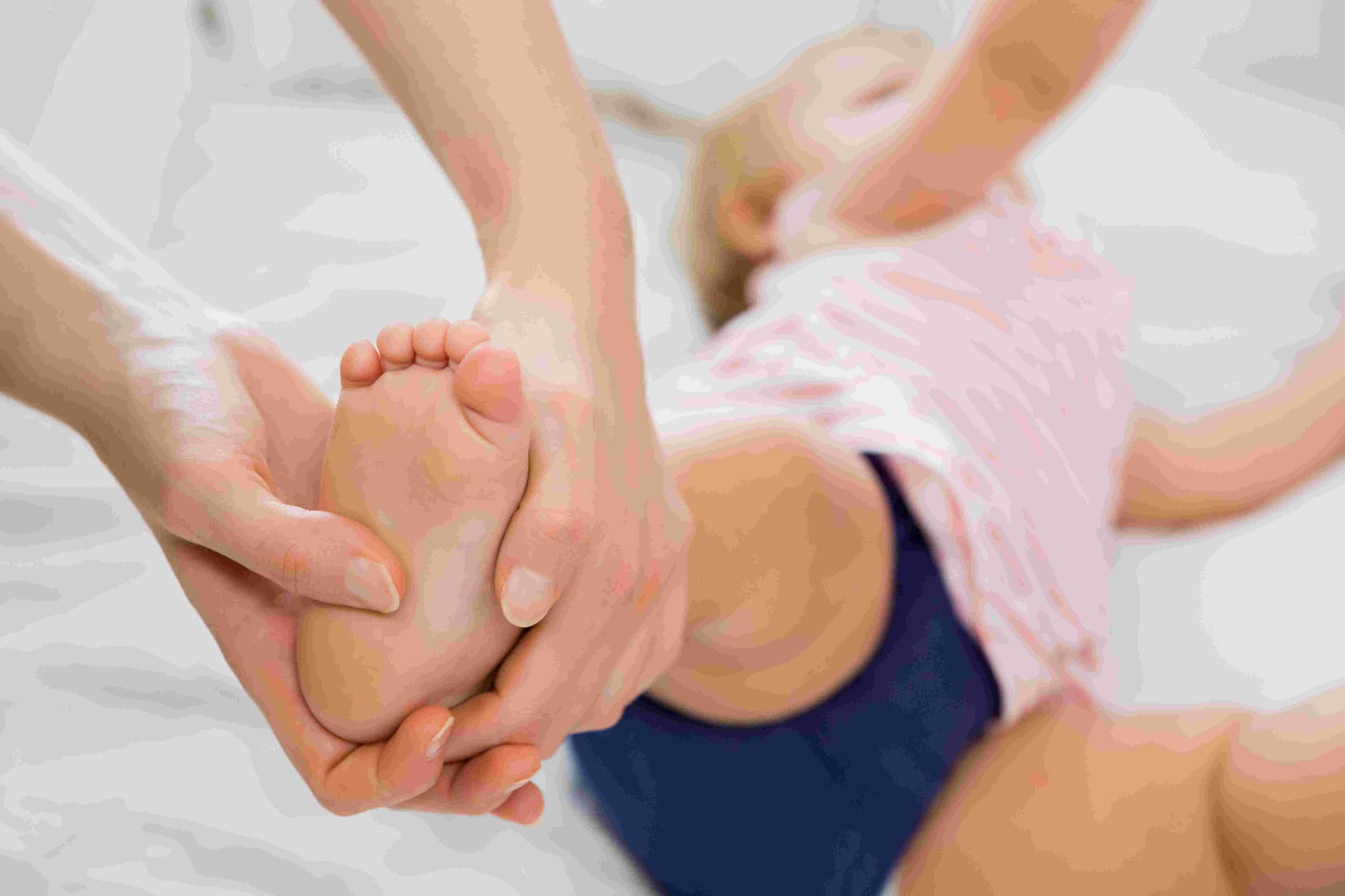
              Clubfoot Surgery Clubfoot correction via surgery is typically reserved for severe cases or when non-surgical methods, such as the Ponseti method (casting), fail. The surgery aims to realign the foot by releasing or lengthening tight tissues to allow for a functional, pain-free position. While the procedure is highly effective, the affected foot and calf may remain slightly smaller than the unaffected side throughout the child's life. When You Should Consider Surgery Severe Deformity: For cases where the foot is rigidly fixed in an abnormal position. Failed Casting: When traditional serial casting (Ponseti method) does not achieve the necessary correction. Relapsed Clubfoot: If the deformity returns after initial successful non-surgical treatment. Late Diagnosis: In older children where the bones and tissues are less flexible and require structural realignment. How Is Performed Anesthesia: Most clubfoot surgeries are performed under general anesthesia to ensure the child is comfortable. Incision & Release: The surgeon makes one or two incisions, usually on the back and inside of the foot, to access tight structures. Tissue Lengthening: Surgeons meticulously lengthen tight tendons, such as the Achilles, and release tight ligaments around the joints. Stabilization: In complex cases, small metal pins, screws, or plates may be inserted to hold bones in their new, correct positions during healing. Duration: The surgical procedure typically takes between 2 and 3 hours to complete. Pre-Procedure Preparation Medical Evaluation: The healthcare provider performs a physical exam, reviews medical history, and orders X-rays of the foot. Blood Tests: Standard tests, including a complete blood count (CBC) and checks for clotting factors, are required. Medication Audit: Parents are typically instructed to stop giving the child blood-thinning medications, such as ibuprofen, roughly 10 days before the operation. Fasting (NPO): The child must not eat or drink anything for 4 to 6 hours before surgery to minimize anesthesia risks. Hygiene: Bathe the child with antiseptic soap the night before or the morning of the surgery to reduce infection risks. Tests Before Clubfoot Surgery Foot X-rays: To visualize the alignment of the tarsal bones and plan the surgical correction. Physical Assessment: To document the range of motion and the flexibility of the foot structures. Complete Blood Count (CBC): To ensure there are no underlying infections or issues with blood cell levels. Clotting Profile: To confirm the blood can clot properly during and after the surgical incisions. Life After Clubfoot Surgery Hospital Stay: Depending on complexity, the child may stay in the hospital for 1 to 3 days for monitoring. Casting Phase: A long-leg cast is applied initially; these are changed every few weeks for a total of 6 to 12 weeks. Pin Removal: If metal pins were used for stabilization, they are typically removed in the office 4 to 6 weeks after surgery. Bracing Phase: Once the final cast is removed, a brace (orthosis) is required to prevent the foot from returning to the clubfoot position. Physical Therapy: A therapist guides the family through exercises to strengthen the repaired foot and improve its range of motion. Why Specialized Treatment Is Highly Effective Structural Realignment: Directly addresses the tight ligaments and tendons that prevent the foot from sitting flat. Long-Term Function: Most children achieve a functional foot and can lead active, athletic lives. Customized Bracing: Post-operative bracing plans are tailored to the child's growth to maintain the correction. Comprehensive Care: Involves a multidisciplinary team of surgeons and therapists to manage healing and strength

              Limb Lengthening Surgery
              Limb Lengthening Surgery

              Limb Lengthening Limb lengthening is a multi-phase orthopedic process that utilizes distraction osteogenesis—the body's ability to grow new bone in response to mechanical tension. This procedure is used to treat limb length discrepancies or to increase stature by surgically lengthening the femur or tibia. When You Should Consider Limb Lengthening Limb Length Discrepancy: When one leg is significantly shorter than the other due to congenital conditions, previous injuries, or bone infections. Stature Concerns: For individuals with certain types of dwarfism or constitutional short stature who seek to increase their height. Post-Traumatic Deformity: To correct bones that have healed improperly or shortened following a severe fracture. Congenital Bone Defects: For conditions like fibular hemimelia where part of a bone is missing or underdeveloped. How Is Performed Osteotomy (The Bone Cut): Under general anesthesia, the surgeon makes a precise, low-energy cut through the bone while carefully preserving the nutrient-rich outer membrane (periosteum) and blood supply. Internal Device Installation: A motorized telescopic rod is inserted into the bone's marrow canal and secured with screws. External Device Installation: A metal frame (such as an Ilizarov fixator) is attached to the bone segments via pins and wires that pass through the skin. Hospitalization: Patients typically remain in the hospital for 3 to 7 days for monitoring, pain management, and initial mobility training. The Three Healing Phases Latency Phase (5–10 Days): After surgery, the bone is left to rest to allow a hematoma and soft repair tissue (callus) to develop at the site. Distraction Phase (Lengthening): The device is adjusted to pull the bone segments apart, typically at a rate of 1 mm per day, often split into four increments. Internal devices are adjusted using an External Remote Controller (ERC) with magnets. External fixators are manually adjusted by turning a knob or "clicker". Consolidation Phase (Hardening): Once the target length is reached, the device is locked. The soft tissue gradually mineralizes into hard, weight-bearing bone, typically taking double the time of the distraction phase. Pre-Procedure Preparation Physical Evaluation: A thorough assessment of joint range of motion and muscle strength in the affected limb. Imaging Workup: Full-length X-rays (teleoroentgenograms) to precisely measure existing bone lengths and alignment. Psychological Screening: Ensuring the patient and family are prepared for the intensive, months-long commitment to the lengthening and rehab process. Tobacco Cessation: Patients must stop smoking as nicotine significantly impairs bone healing and increases the risk of nonunion. Nutritional Optimization: Ensuring adequate intake of Vitamin D and Calcium to support the rapid growth of new bone tissue. Tests During Limb Lengthening Frequent X-rays: Performed weekly during the distraction phase to monitor the "regenerate" (new bone) and ensure the lengthening rate is appropriate. Nerve Conduction Checks: Regular clinical exams to ensure the stretching of nerves isn't causing numbness or weakness. Bone Density Scans: Used during the consolidation phase to determine when the new bone is strong enough for full weight-bearing. Infection Monitoring: Continuous visual checks of pin sites (for external frames) and blood tests if a deep infection is suspected. Life During Limb Lengthening Physical Therapy: Mandatory sessions 2 to 5 times per week to prevent joint stiffness and muscle contractures as the bone grows. Weight-Bearing: Patients start with partial weight-bearing using crutches; full weight-bearing is only permitted after X-rays confirm sufficient bone density. Daily Device Management: Patients or caregivers must perform the scheduled adjustments (distractions) and clean pin sites meticulously. Hardware Removal: Internal rods are typically removed via a minor surgery 1 to 2 years after the initial procedure. Why Specialized Treatment Is Highly Effective Natural Bone Growth: Uses the body's own regenerative power to create real, permanent bone tissue. High Precision: Modern motorized internal rods allow for extremely accurate lengthening with minimal discomfort. Simultaneous Correction: Can often correct bone rotations or angular deformities (like bow-legs) at the same time as lengthening. Restored Symmetry: Provides a permanent solution to limb length discrepancies, improving gait and preventing long-term back or hip pain.

              Osteotomy
              Osteotomy

              Osteotomy An osteotomy is a surgical procedure where a bone is precisely cut, reshaped, or removed to change its alignment or length. In the context of limb lengthening, it is the foundational step that allows for new bone growth. This specialized intervention triggers the body's natural healing mechanisms to bridge gaps or correct structural deformities. Types of Osteotomy Closing Wedge: A wedge of bone is removed to straighten a tilted bone, a technique commonly used in "knock-knee" corrections. Opening Wedge: A cut is made and the bone is pulled open to create a gap, which is then filled with a bone graft or allowed to grow new bone. Rotational: The bone is cut and turned to correct a twist or "torsion" within the limb. Corticotomy: A specific type used in lengthening where only the hard outer shell (cortex) is cut, preserving the inner marrow and blood supply to speed up healing. How Is Performed Incision: The surgeon makes a small skin incision to access the target bone, usually the femur or tibia. Protection: Surrounding nerves, blood vessels, and muscles are retracted and shielded using specialized tools during the procedure. The Cut: Using a surgical saw, drill, or osteotome (a chisel-like tool), the surgeon performs a "low-energy" cut to minimize heat damage to the bone cells. Hardware Fixation: Once the bone is cut, an internal rod (intramedullary nail) or an external fixator (pins and frames) is attached to hold the segments in the new position. Biological Healing (The "Glow") The primary goal of an osteotomy in lengthening is to trigger Distraction Osteogenesis: Hematoma Formation: Immediately after the cut, blood fills the gap, creating a "scaffold" for the healing process. Callus Formation: Within days, the body sends "osteoblasts" (bone-building cells) to create a soft, cartilage-like bridge called a callus. Tension-Stress Effect: By slowly pulling the two cut pieces apart (distraction), the body is "tricked" into continuously creating more callus, which eventually hardens into solid bone. Pre-Procedure Preparation Imaging Workup: Detailed X-rays or CT scans are required to plan the exact angle and location of the bone cut. Vascular Assessment: Ensuring healthy blood flow to the limb is critical, as the bone depends on this supply to grow new tissue. Medication Audit: Patients must pause anti-inflammatory drugs (NSAIDs) or blood thinners that could interfere with hematoma formation and bone healing. Smoking Cessation: Nicotine must be avoided entirely, as it constricts blood vessels and significantly increases the risk of the bone failing to knit back together. Tests Before Osteotomy Weight-Bearing X-rays: To assess the overall mechanical axis of the leg and determine the degree of correction needed. Blood Panels: Checking calcium, Vitamin D, and alkaline phosphatase levels to ensure the body has the mineral resources for bone growth. CT Scan (3D Reconstruction): Provides a precise anatomical map for complex rotational or multi-planar corrections. Nerve Conduction Study: May be performed if there is a pre-existing nerve issue to establish a baseline before the bone is realigned. Life After Osteotomy Nerve/Vessel Monitoring: Surgeons monitor the limb post-op for "compartment syndrome" or nerve compression because the bone has been physically severed. Pain Management: The first 48–72 hours involve the most acute pain as the bone ends and surrounding tissue settle. Weight-Bearing Restrictions: Weight-bearing is strictly limited until X-rays show "bridging" (new bone crossing the gap) to prevent hardware failure or bone shifting. Physical Therapy: Early motion of the joints above and below the osteotomy is encouraged to prevent stiffness while the bone heals. Why Specialized Treatment Is Highly Effective Permanent Realignment: Corrects the root cause of joint pain and uneven wear by shifting the load to healthy areas of the bone. Bone Preservation: Modern "low-energy" techniques preserve the biological vitality of the bone, leading to faster consolidation. Customized Hardware: 2026-standard internal nails and external frames allow for microscopic adjustments to ensure a perfect final alignment. Prevents Arthritis: By correcting a tilted or twisted bone early, an osteotomy can often delay or eliminate the need for a joint replacement later in life.

              Angular Deformity Correction
              Angular Deformity Correction

              Angular Deformity Correction Angular deformity correction is a surgical process used to straighten bones that are abnormally bowed or twisted, such as knock-knees (genu valgum) or bow-legs (genu varum). When performed alongside limb lengthening, it ensures the mechanical axis of the leg is correctly aligned as the bone grows. This procedure is critical for distributing weight-bearing forces evenly across the joints to prevent long-term wear and arthritis. When You Should Consider Correction Genu Varum (Bow-legs): When the knees stay wide apart even when the feet and ankles are touching. Genu Valgum (Knock-knees): When the knees touch but the ankles remain far apart. Mechanical Axis Deviation: When a full-length X-ray shows the weight-bearing line from the hip to the ankle passes outside the center of the knee. Joint Pain: Persistent discomfort in the hip, knee, or ankle caused by uneven loading of the joint surfaces. Combined Deformity: When a limb requires both straightening and lengthening to restore symmetry. How Is Performed Deformity Analysis: Surgeons identify the Center of Rotation of Angulation (CORA), the precise "apex" where the bone is bent. The Osteotomy: A precise bone cut is made, ideally at the CORA, to allow for realignment without shifting the bone segments sideways. Acute Correction: The bone is cut and immediately moved into a straight position during surgery, then secured with internal plates and screws. Gradual Correction: Used for larger deformities, an external fixator slowly adjusts the angle by roughly 1 degree per day. Fixation: Advanced systems like the Taylor Spatial Frame use adjustable struts to correct angulation, rotation, and length simultaneously based on a computer-generated "prescription." Correction Approaches Opening Wedge Osteotomy: A single cut is made and "pried open" to create a gap that corrects the angle; this gap eventually fills with new bone. Closing Wedge Osteotomy: A triangular wedge of bone is removed and the remaining ends are brought together, providing high stability. Dome Osteotomy: A curved, circular cut allows the bone to rotate like a ball-and-socket joint to the correct angle without changing length. Fixator-Assisted Nailing (FAN): A hybrid technique where a temporary external fixator achieves alignment during surgery before an internal rod is inserted to lock the position. Pre-Procedure Preparation Long-Film Radiography: Surgeons use full-length X-rays to calculate the mechanical axis and identify the exact CORA for planning. Software Simulation: Entering bone measurements into computer programs to map out the daily adjustments required for hexapod fixators. Joint Assessment: Evaluating the range of motion and stability of the hip and ankle to ensure they can accommodate the new alignment. Hardware Selection: Determining whether internal plates, specialized nails, or external frames are best suited for the specific deformity. Tests Before Deformity Correction Full-Length Standing X-rays: The primary tool for measuring the deviation of the mechanical axis from the center of the knee. CT Scan with Rotational Profile: Used to measure "torsion" or twisting in the bone that may not be fully visible on standard X-rays. Gait Analysis: To document how the deformity affects walking patterns and joint loading before the intervention. Bone Quality Assessment: Ensuring the bone is healthy enough to support the hardware and the healing process. Life After Correction Unloading the Joint: Bow-leg correction typically unloads the inner (medial) knee, while knock-knee correction unloads the outer (lateral) knee. Daily Adjustments: For gradual correction, patients must follow a strict schedule of turning fixator struts to move the bone into alignment. Physical Therapy: Crucial for maintaining joint flexibility as the surrounding muscles and ligaments adapt to the new leg structure. Hardware Removal: Internal plates or rods may be removed in a minor procedure once the bone has fully consolidated in its new position. Why Specialized Treatment Is Highly Effective Precise Realignment: Using CORA planning ensures the bone is straightened with mathematical accuracy. Prevents Degeneration: By restoring the mechanical axis, surgery protects the knee cartilage from premature wear and arthritis. Multi-Planar Correction: Modern hexapod frames can fix bowing, twisting, and shortening all at once. Stable Fixation: Modern internal and external systems allow for early mobility while the bone heals in the corrected position.

              Knee Arthroscopy Surgery
              Knee Arthroscopy Surgery

              Knee Arthroscopy Knee Arthroscopy is a minimally invasive surgical procedure used to diagnose and treat problems in the knee joint through tiny incisions using a camera. This specialized "keyhole" approach allows surgeons to view and repair joint structures without the need for a large open incision. When You Should Consider Knee Arthroscopy Persistent knee pain that has not responded to rest, physical therapy, or injections. Mechanical symptoms such as the knee "locking," "catching," or "giving way" during movement. Swelling and stiffness caused by loose fragments of bone or cartilage within the joint. Confirmed soft tissue injuries, such as a meniscus tear or a ligament injury (ACL/PCL). Chronic inflammation of the joint lining (synovium) that requires surgical removal. Methods of Knee Arthroscopy Diagnostic Arthroscopy: A procedure focused on exploring the joint to identify the source of unexplained pain or instability. Meniscectomy: Trimming away the damaged or frayed edges of a torn meniscus. Meniscal Repair: Suturing a torn meniscus back together to preserve the natural cushioning of the knee. Chondroplasty: Smoothing out damaged or irregular articular cartilage to improve joint glide. Loose Body Removal: Extracting floating bits of bone or cartilage that cause painful mechanical interference. How Knee Arthroscopy Is Performed Portal Creation: The surgeon makes two or three tiny incisions, or portals (about 0.5 cm each), around the kneecap. Saline Insufflation: The joint is expanded with sterile saline to stretch the capsule, providing a clear view and space for the tools. Visualization: A high-definition fiber-optic camera (arthroscope) is inserted through one portal to project live images onto a monitor. Surgical Intervention: Miniature specialized tools, such as shavers or probes, are used to repair, trim, or remove damaged tissue. Closure: After the saline is drained, the tiny portals are closed with a single stitch or sterile tape (Steri-Strips). Pre-Procedure Preparation Fasting (NPO) for 6–8 hours prior to the surgery to ensure safety during anesthesia. Evaluation of current medications; blood thinners are typically only stopped if significant bleeding is anticipated. Choosing the most appropriate anesthesia option, which may include general, spinal, or a regional nerve block. Diagnostic confirmation through physical stability tests and imaging to map out the internal damage. Tests Before Knee Arthroscopy MRI Scan: The primary imaging tool used to visualize soft tissues like ligaments, tendons, and cartilage. X-rays: Used to rule out significant bone-on-bone arthritis or fractures that may not be treatable via arthroscopy. Physical Stability Exams: Specialized maneuvers (like the Lachman or McMurray tests) to assess ligament and meniscus integrity. Blood Panels: Routine screens to ensure general health and fitness for an outpatient surgical procedure. Life After Knee Arthroscopy Almost always an outpatient procedure, with most patients returning home 2–3 hours after waking up. Adherence to the R.I.C.E. protocol (Rest, Ice, Compression, Elevation) is critical for the first 48–72 hours. Weight-bearing status depends on the procedure: simple trimming allows walking in days, while repairs may require crutches for 4–6 weeks. Driving is typically restricted for 1–2 weeks, particularly if the surgery was on the right leg or the patient drives a manual vehicle. Physical therapy focuses on restoring range of motion and strengthening the muscles surrounding the knee joint. Benefits of Knee Arthroscopy Minimally invasive nature results in significantly less post-operative pain and swelling than open surgery. Tiny incisions lead to faster wound healing and minimal surgical scarring. High success rates for resolving mechanical issues like joint locking or catching. Reduced risk of infection and lower blood loss compared to traditional joint procedures.

              ACL Reconstruction Surgery
              ACL Reconstruction Surgery

              ACL Reconstruction Surgery ACL Reconstruction is a specialized surgical procedure to replace a torn Anterior Cruciate Ligament with a high-strength tissue graft to restore stability and rotation to the knee. The clinical focus is on "anatomic reconstruction" and biologic augmentation, utilizing sub-millimeter robotic precision and internal bracing to return athletes to peak performance while minimizing the risk of future joint degeneration. When You Should Consider ACL Surgery Audible Trauma: A loud "pop" sensation in the knee followed by immediate, severe swelling. Instability: A feeling of the knee "giving way" or extreme instability during pivoting movements. Functional Limitation: Inability to continue playing sports or perform physical labor after a twisting injury. Persistent Pain: Knee pain and a limited range of motion that hinders daily activities. Mechanical Buckling: Recurrent episodes of the knee buckling during simple tasks like walking or climbing stairs. Therapy Failure: Failure of conservative physical therapy to provide the stability required for your desired activity level. Conditions That Require Specialized Care High-Grade Tears: Complete or high-grade partial ACL tears identified via MRI. Multi-Ligament Injuries: Complex cases involving the ACL along with the MCL, PCL, or meniscus. Chronic Deficiency: Long-term ACL instability leading to secondary meniscus tears or cartilage damage. High-Pivot Athletes: Individuals in sports like soccer, basketball, or skiing who require maximum rotational stability. Revision Surgery: Failed primary ACL reconstruction requiring a complex revision with specialized graft placement. Types of ACL Grafts and Innovations Quadriceps Tendon Autograft: A modern gold standard offering robust thickness and excellent stability with lower donor-site pain. Patellar Tendon Autograft (BTB): A high-strength option often preferred for elite athletes due to its reliable bone-to-bone healing. Hamstring Tendon Autograft: A traditional, minimally invasive choice that provides a strong, flexible replacement. Internal Brace Reinforcement: The use of high-strength fiber tape to protect the healing graft and allow for earlier rehabilitation. Robotic-Assisted Placement: The use of digital mapping to ensure perfect graft alignment, reducing the risk of long-term failure. Biologic Augmentation: The application of Platelet-Rich Plasma (PRP) during surgery to accelerate the graft’s integration into the bone. [Image showing different types of ACL grafts: Hamstring, Patellar, and Quadriceps] How Is Performed Arthroscopic Visualization: Small cameras are used to inspect the joint and treat any associated meniscus or cartilage damage. Graft Harvesting: A graft is harvested from the patient’s own tissue (autograft) or prepared from a donor (allograft). Tunnel Drilling: Precision tunnels are drilled into the femur (thigh bone) and tibia (shin bone) using robotic navigation. Graft Fixation: The new graft is pulled through the tunnels and secured with specialized screws or suspensory buttons. Augmentation: An "Internal Brace" or Anterolateral Ligament (ALL) reinforcement may be added for extra stability. Tensioning: Real-time tensioning ensures the graft perfectly mimics the natural ligament's function and tension. Pre-Procedure Preparation "Pre-hab" Therapy: Engaging in physical therapy to reduce swelling and regain full extension before the operation. Muscle Strengthening: Strengthening the quadriceps and hamstrings to provide better support for the joint post-operatively. Recovery Logistics: Arrange for a recovery assistant, as you will likely be on crutches for the first 1 to 2 weeks. Cold Therapy: Prepare a station at home with an ice machine to manage post-surgical inflammation and pain. Anatomical Mapping: Complete all pre-operative imaging to allow the surgeon to map the exact anatomy of your knee. Tests Before ACL Reconstruction High-Resolution MRI: To confirm the ACL tear and assess for associated meniscus or cartilage involvement. Stress Radiographs: Specialized X-rays to measure the degree of laxity (looseness) in the knee joint. Systemic Health Screening: Complete Blood Count (CBC) and Metabolic Panel to ensure safety for anesthesia. Cardiac Clearance (EKG): A heart check to ensure the patient is fit for surgery, particularly for high-intensity athletes. Laxity Testing: Clinical stability testing to compare the injured knee against the healthy knee. Recovery After Treatment Initial Phase: Focus on the "straightening" of the knee and activation of the quadriceps in the first 4 weeks. Graft Maturation: Strict adherence to a phased 9-to-12-month rehabilitation protocol to allow the graft to fully integrate. Endurance Building: Introduction of low-impact cycling and swimming between months 2 and 4 to build stamina. Agility Training: Sport-specific agility training and "Return to Play" testing typically starting around the 6-month mark. Functional Bracing: Use of a functional knee brace during the early stages of returning to high-impact activities. Benefits of Specialized Reconstruction High Success Rate: Boasts a 90% success rate for returning patients to their pre-injury levels of physical activity. Anatomic Precision: Replicates the original ligament's rotational stability to provide a more "natural" feeling knee. Reduced Re-tear Risk: Significantly lowers re-tear rates when combined with modern reinforcement or internal bracing. Minimally Invasive: Advanced arthroscopic methods lead to less surgical trauma and smaller scars. Joint Longevity: Provides a durable solution that helps protect the knee from early-onset osteoarthritis.

              PCL Reconstruction
              PCL Reconstruction

              Posterior Cruciate Ligament (PCL) Reconstruction Posterior Cruciate Ligament (PCL) Reconstruction is a surgical procedure to replace a torn PCL—the strongest ligament in the knee—with a graft. The PCL is the primary stabilizer that prevents the shinbone (tibia) from sliding too far backward. This surgery is essential for restoring joint stability, especially following high-impact injuries such as dashboard accidents or significant sports falls. When You Should Consider PCL Reconstruction Grade III Tears: A complete tear of the ligament that results in significant knee instability. Multi-Ligament Injuries: Cases where the PCL is torn alongside other structures like the ACL, MCL, or meniscus. Persistent Instability: Feeling the knee "give way" during daily activities or sport, despite undergoing physical therapy. Chronic Pain and Swelling: Persistent joint issues related to the tibia sagging backward (posterior sag). High-Demand Lifestyle: For athletes or individuals in physically demanding jobs who require maximum joint stability. Methods of PCL Reconstruction Arthroscopic Reconstruction: A minimally invasive approach using a camera and small incisions to replace the ligament. Single-Bundle Technique: Replacing the PCL with a single graft strand, focusing on the largest part of the original ligament. Double-Bundle Technique: Using two separate graft strands to more closely mimic the natural, complex anatomy of the PCL. Autograft Replacement: Utilizing the patient's own tissue, typically from the hamstring or quadriceps tendon. Allograft Replacement: Utilizing donor tissue (cadaver), often preferred in PCL surgery to achieve a thicker, stronger graft. How PCL Reconstruction Is Performed Graft Preparation: The selected autograft or allograft is prepared and sized to match the patient's original ligament dimensions. Portal Creation: Small arthroscopic incisions are made around the knee to allow for the camera and surgical instruments. Tunnel Drilling: Precise tunnels are drilled through the femur (thigh bone) and tibia (shin bone) at the exact attachment points of the PCL. Graft Passage: The new ligament graft is pulled through the bone tunnels and positioned across the knee joint. Fixation: The graft is secured tightly under tension using interference screws, metal buttons, or specialized surgical staples. Stability Check: The surgeon performs stability tests to ensure the tibia no longer slides backward before closing the incisions. Pre-Procedure Preparation Diagnostic confirmation using the "Posterior Drawer Test" and MRI to assess the extent of the damage. A "pre-habilitation" program lasting 3–4 weeks to strengthen the quadriceps muscles. Fasting (NPO) and preoperative medical clearance for general anesthesia. Coordination of a femoral nerve block to provide localized pain relief for the first 12–24 hours post-surgery. Tests Before PCL Reconstruction MRI Scan: The gold standard for visualizing the PCL and checking for associated injuries to cartilage or other ligaments. Posterior Drawer Test: A physical exam where the surgeon pushes the tibia backward to measure the degree of joint laxity. Stress X-rays: Occasionally used to measure the exact amount of "posterior shift" in millimeters compared to the healthy knee. Blood Panels: Routine testing to ensure the patient is fit for surgery and has no underlying signs of infection. Life After PCL Reconstruction Recovery is often slower and more restrictive than ACL surgery, with most patients being outpatients or staying one night. A specialized PCL Jack Brace is mandatory for 6 to 12 weeks to keep the tibia pushed forward while the graft heals. Patients are typically non-weight-bearing on crutches for the first 4 to 6 weeks. Bending the knee is usually limited to 90 degrees for the first month to avoid putting stress on the new graft. Full return to competitive sports typically requires 9 to 12 months of intensive, quadriceps-focused rehabilitation. Benefits of PCL Reconstruction Restores essential stability to the knee, preventing the "sagging" sensation and joint shifting. Reduces the long-term risk of developing premature osteoarthritis caused by joint misalignment. Allows approximately 80% of patients to return to their previous levels of daily activity and non-contact sports. Effectively protects other structures in the knee, such as the meniscus and cartilage, from secondary damage.
              Meniscus Repair
              Meniscus Repair

              Meniscus Repair Meniscus Repair is a minimally invasive surgical procedure used to stitch together a torn meniscus—the crescent-shaped cartilage that acts as a shock absorber in the knee. Unlike a meniscectomy, which trims the tear away, a repair aims to preserve the natural tissue to prevent long-term joint wear and premature arthritis. When You Should Consider Meniscus Repair Presence of a "red zone" tear located in the outer 25% of the meniscus, where blood supply is rich enough for healing. Mechanical symptoms like knee locking, catching, or a painful clicking sensation. Younger age or an active lifestyle where preserving the joint's natural shock absorbers is critical. Tears occurring alongside an ACL injury, as repairing both simultaneously often improves healing outcomes. Persistent joint line tenderness that has not improved with rest or physical therapy. Methods of Meniscus Repair All-Inside Repair: Performed entirely within the knee joint using tiny anchors and sutures, typically for tears in the back of the meniscus. Inside-Out Repair: The gold standard for large tears, involving flexible needles that pass sutures from the inside of the knee to be tied on the outside. Outside-In Repair: Sutures are passed from the outside skin through the meniscus to fix tears located in the front (anterior horn). Meniscal Root Repair: Re-anchoring the meniscus to the shinbone using small bone tunnels when it has detached from its primary attachment point. Fibrin Clot or Stem Cell Augmentation: Specialized biological techniques sometimes used to enhance the healing environment of the repair. How Meniscus Repair Is Performed Diagnostic Mapping: The surgeon uses an arthroscope to grade the severity and location of the tear. Tissue Debridement: The frayed edges of the tear are "sanded" or smoothed to stimulate fresh blood flow to the area. Suture Placement: Using specialized needles or anchors, the surgeon precisely stitches the torn edges of the cartilage back together. Knot Security: The sutures are tied securely to ensure the meniscus remains stable under the natural pressure of the joint. Final Inspection: The surgeon checks the tension of the repair throughout a range of motion before draining the saline and closing the portals. Pre-Procedure Preparation Fasting (NPO) for at least 12 hours prior to the surgery. Smoking cessation at least 6 weeks before the procedure to ensure adequate blood oxygenation for tissue healing. Confirmation of the tear's grade and location via a specialized knee MRI. Pre-operative coordination for crutches and a hinged knee brace to be used immediately following the surgery. Tests Before Meniscus Repair Knee MRI: The primary diagnostic tool used to determine if a tear is in the "red zone" (repairable) or "white zone" (non-repairable). McMurray Test: A physical exam maneuver where the surgeon rotates the knee to identify the specific location of the tear. Joint Line Palpation: Checking for pinpoint tenderness along the space where the femur and tibia meet. Standard Blood Panels: To confirm the patient is a healthy candidate for general or regional anesthesia. Life After Meniscus Repair Recovery is slower than a simple trimming because the tissue must physically grow back together. Patients are typically non-weight-bearing on crutches for 4 to 6 weeks to protect the delicate stitches. A hinged knee brace, often locked in a straight position, is worn for approximately 6 weeks. Bending the knee is usually restricted to 90 degrees for the first month to avoid putting shear force on the repair. Full return to high-impact sports like basketball or soccer generally takes 6 to 9 months of rehabilitation. Benefits of Meniscus Repair Preserves the knee's natural shock-absorbing capacity, significantly reducing the risk of early-onset arthritis. Maintains the long-term structural stability of the knee joint. Offers a high success rate (85–90%), particularly when the repair is performed alongside an ACL reconstruction. Provides a superior long-term outcome for younger patients compared to removing the damaged cartilage.

              Clubfoot Correction
              Clubfoot Correction

              Clubfoot Surgery Clubfoot correction via surgery is typically reserved for severe cases or when non-surgical methods, such as the Ponseti method (casting), fail. The surgery aims to realign the foot by releasing or lengthening tight tissues to allow for a functional, pain-free position. While the procedure is highly effective, the affected foot and calf may remain slightly smaller than the unaffected side throughout the child's life. When You Should Consider Surgery Severe Deformity: For cases where the foot is rigidly fixed in an abnormal position. Failed Casting: When traditional serial casting (Ponseti method) does not achieve the necessary correction. Relapsed Clubfoot: If the deformity returns after initial successful non-surgical treatment. Late Diagnosis: In older children where the bones and tissues are less flexible and require structural realignment. How Is Performed Anesthesia: Most clubfoot surgeries are performed under general anesthesia to ensure the child is comfortable. Incision & Release: The surgeon makes one or two incisions, usually on the back and inside of the foot, to access tight structures. Tissue Lengthening: Surgeons meticulously lengthen tight tendons, such as the Achilles, and release tight ligaments around the joints. Stabilization: In complex cases, small metal pins, screws, or plates may be inserted to hold bones in their new, correct positions during healing. Duration: The surgical procedure typically takes between 2 and 3 hours to complete. Pre-Procedure Preparation Medical Evaluation: The healthcare provider performs a physical exam, reviews medical history, and orders X-rays of the foot. Blood Tests: Standard tests, including a complete blood count (CBC) and checks for clotting factors, are required. Medication Audit: Parents are typically instructed to stop giving the child blood-thinning medications, such as ibuprofen, roughly 10 days before the operation. Fasting (NPO): The child must not eat or drink anything for 4 to 6 hours before surgery to minimize anesthesia risks. Hygiene: Bathe the child with antiseptic soap the night before or the morning of the surgery to reduce infection risks. Tests Before Clubfoot Surgery Foot X-rays: To visualize the alignment of the tarsal bones and plan the surgical correction. Physical Assessment: To document the range of motion and the flexibility of the foot structures. Complete Blood Count (CBC): To ensure there are no underlying infections or issues with blood cell levels. Clotting Profile: To confirm the blood can clot properly during and after the surgical incisions. Life After Clubfoot Surgery Hospital Stay: Depending on complexity, the child may stay in the hospital for 1 to 3 days for monitoring. Casting Phase: A long-leg cast is applied initially; these are changed every few weeks for a total of 6 to 12 weeks. Pin Removal: If metal pins were used for stabilization, they are typically removed in the office 4 to 6 weeks after surgery. Bracing Phase: Once the final cast is removed, a brace (orthosis) is required to prevent the foot from returning to the clubfoot position. Physical Therapy: A therapist guides the family through exercises to strengthen the repaired foot and improve its range of motion. Why Specialized Treatment Is Highly Effective Structural Realignment: Directly addresses the tight ligaments and tendons that prevent the foot from sitting flat. Long-Term Function: Most children achieve a functional foot and can lead active, athletic lives. Customized Bracing: Post-operative bracing plans are tailored to the child's growth to maintain the correction. Comprehensive Care: Involves a multidisciplinary team of surgeons and therapists to manage healing and strength

              Limb Lengthening Surgery
              Limb Lengthening Surgery

              Limb Lengthening Limb lengthening is a multi-phase orthopedic process that utilizes distraction osteogenesis—the body's ability to grow new bone in response to mechanical tension. This procedure is used to treat limb length discrepancies or to increase stature by surgically lengthening the femur or tibia. When You Should Consider Limb Lengthening Limb Length Discrepancy: When one leg is significantly shorter than the other due to congenital conditions, previous injuries, or bone infections. Stature Concerns: For individuals with certain types of dwarfism or constitutional short stature who seek to increase their height. Post-Traumatic Deformity: To correct bones that have healed improperly or shortened following a severe fracture. Congenital Bone Defects: For conditions like fibular hemimelia where part of a bone is missing or underdeveloped. How Is Performed Osteotomy (The Bone Cut): Under general anesthesia, the surgeon makes a precise, low-energy cut through the bone while carefully preserving the nutrient-rich outer membrane (periosteum) and blood supply. Internal Device Installation: A motorized telescopic rod is inserted into the bone's marrow canal and secured with screws. External Device Installation: A metal frame (such as an Ilizarov fixator) is attached to the bone segments via pins and wires that pass through the skin. Hospitalization: Patients typically remain in the hospital for 3 to 7 days for monitoring, pain management, and initial mobility training. The Three Healing Phases Latency Phase (5–10 Days): After surgery, the bone is left to rest to allow a hematoma and soft repair tissue (callus) to develop at the site. Distraction Phase (Lengthening): The device is adjusted to pull the bone segments apart, typically at a rate of 1 mm per day, often split into four increments. Internal devices are adjusted using an External Remote Controller (ERC) with magnets. External fixators are manually adjusted by turning a knob or "clicker". Consolidation Phase (Hardening): Once the target length is reached, the device is locked. The soft tissue gradually mineralizes into hard, weight-bearing bone, typically taking double the time of the distraction phase. Pre-Procedure Preparation Physical Evaluation: A thorough assessment of joint range of motion and muscle strength in the affected limb. Imaging Workup: Full-length X-rays (teleoroentgenograms) to precisely measure existing bone lengths and alignment. Psychological Screening: Ensuring the patient and family are prepared for the intensive, months-long commitment to the lengthening and rehab process. Tobacco Cessation: Patients must stop smoking as nicotine significantly impairs bone healing and increases the risk of nonunion. Nutritional Optimization: Ensuring adequate intake of Vitamin D and Calcium to support the rapid growth of new bone tissue. Tests During Limb Lengthening Frequent X-rays: Performed weekly during the distraction phase to monitor the "regenerate" (new bone) and ensure the lengthening rate is appropriate. Nerve Conduction Checks: Regular clinical exams to ensure the stretching of nerves isn't causing numbness or weakness. Bone Density Scans: Used during the consolidation phase to determine when the new bone is strong enough for full weight-bearing. Infection Monitoring: Continuous visual checks of pin sites (for external frames) and blood tests if a deep infection is suspected. Life During Limb Lengthening Physical Therapy: Mandatory sessions 2 to 5 times per week to prevent joint stiffness and muscle contractures as the bone grows. Weight-Bearing: Patients start with partial weight-bearing using crutches; full weight-bearing is only permitted after X-rays confirm sufficient bone density. Daily Device Management: Patients or caregivers must perform the scheduled adjustments (distractions) and clean pin sites meticulously. Hardware Removal: Internal rods are typically removed via a minor surgery 1 to 2 years after the initial procedure. Why Specialized Treatment Is Highly Effective Natural Bone Growth: Uses the body's own regenerative power to create real, permanent bone tissue. High Precision: Modern motorized internal rods allow for extremely accurate lengthening with minimal discomfort. Simultaneous Correction: Can often correct bone rotations or angular deformities (like bow-legs) at the same time as lengthening. Restored Symmetry: Provides a permanent solution to limb length discrepancies, improving gait and preventing long-term back or hip pain.

              Osteotomy
              Osteotomy

              Osteotomy An osteotomy is a surgical procedure where a bone is precisely cut, reshaped, or removed to change its alignment or length. In the context of limb lengthening, it is the foundational step that allows for new bone growth. This specialized intervention triggers the body's natural healing mechanisms to bridge gaps or correct structural deformities. Types of Osteotomy Closing Wedge: A wedge of bone is removed to straighten a tilted bone, a technique commonly used in "knock-knee" corrections. Opening Wedge: A cut is made and the bone is pulled open to create a gap, which is then filled with a bone graft or allowed to grow new bone. Rotational: The bone is cut and turned to correct a twist or "torsion" within the limb. Corticotomy: A specific type used in lengthening where only the hard outer shell (cortex) is cut, preserving the inner marrow and blood supply to speed up healing. How Is Performed Incision: The surgeon makes a small skin incision to access the target bone, usually the femur or tibia. Protection: Surrounding nerves, blood vessels, and muscles are retracted and shielded using specialized tools during the procedure. The Cut: Using a surgical saw, drill, or osteotome (a chisel-like tool), the surgeon performs a "low-energy" cut to minimize heat damage to the bone cells. Hardware Fixation: Once the bone is cut, an internal rod (intramedullary nail) or an external fixator (pins and frames) is attached to hold the segments in the new position. Biological Healing (The "Glow") The primary goal of an osteotomy in lengthening is to trigger Distraction Osteogenesis: Hematoma Formation: Immediately after the cut, blood fills the gap, creating a "scaffold" for the healing process. Callus Formation: Within days, the body sends "osteoblasts" (bone-building cells) to create a soft, cartilage-like bridge called a callus. Tension-Stress Effect: By slowly pulling the two cut pieces apart (distraction), the body is "tricked" into continuously creating more callus, which eventually hardens into solid bone. Pre-Procedure Preparation Imaging Workup: Detailed X-rays or CT scans are required to plan the exact angle and location of the bone cut. Vascular Assessment: Ensuring healthy blood flow to the limb is critical, as the bone depends on this supply to grow new tissue. Medication Audit: Patients must pause anti-inflammatory drugs (NSAIDs) or blood thinners that could interfere with hematoma formation and bone healing. Smoking Cessation: Nicotine must be avoided entirely, as it constricts blood vessels and significantly increases the risk of the bone failing to knit back together. Tests Before Osteotomy Weight-Bearing X-rays: To assess the overall mechanical axis of the leg and determine the degree of correction needed. Blood Panels: Checking calcium, Vitamin D, and alkaline phosphatase levels to ensure the body has the mineral resources for bone growth. CT Scan (3D Reconstruction): Provides a precise anatomical map for complex rotational or multi-planar corrections. Nerve Conduction Study: May be performed if there is a pre-existing nerve issue to establish a baseline before the bone is realigned. Life After Osteotomy Nerve/Vessel Monitoring: Surgeons monitor the limb post-op for "compartment syndrome" or nerve compression because the bone has been physically severed. Pain Management: The first 48–72 hours involve the most acute pain as the bone ends and surrounding tissue settle. Weight-Bearing Restrictions: Weight-bearing is strictly limited until X-rays show "bridging" (new bone crossing the gap) to prevent hardware failure or bone shifting. Physical Therapy: Early motion of the joints above and below the osteotomy is encouraged to prevent stiffness while the bone heals. Why Specialized Treatment Is Highly Effective Permanent Realignment: Corrects the root cause of joint pain and uneven wear by shifting the load to healthy areas of the bone. Bone Preservation: Modern "low-energy" techniques preserve the biological vitality of the bone, leading to faster consolidation. Customized Hardware: 2026-standard internal nails and external frames allow for microscopic adjustments to ensure a perfect final alignment. Prevents Arthritis: By correcting a tilted or twisted bone early, an osteotomy can often delay or eliminate the need for a joint replacement later in life.

              Angular Deformity Correction
              Angular Deformity Correction

              Angular Deformity Correction Angular deformity correction is a surgical process used to straighten bones that are abnormally bowed or twisted, such as knock-knees (genu valgum) or bow-legs (genu varum). When performed alongside limb lengthening, it ensures the mechanical axis of the leg is correctly aligned as the bone grows. This procedure is critical for distributing weight-bearing forces evenly across the joints to prevent long-term wear and arthritis. When You Should Consider Correction Genu Varum (Bow-legs): When the knees stay wide apart even when the feet and ankles are touching. Genu Valgum (Knock-knees): When the knees touch but the ankles remain far apart. Mechanical Axis Deviation: When a full-length X-ray shows the weight-bearing line from the hip to the ankle passes outside the center of the knee. Joint Pain: Persistent discomfort in the hip, knee, or ankle caused by uneven loading of the joint surfaces. Combined Deformity: When a limb requires both straightening and lengthening to restore symmetry. How Is Performed Deformity Analysis: Surgeons identify the Center of Rotation of Angulation (CORA), the precise "apex" where the bone is bent. The Osteotomy: A precise bone cut is made, ideally at the CORA, to allow for realignment without shifting the bone segments sideways. Acute Correction: The bone is cut and immediately moved into a straight position during surgery, then secured with internal plates and screws. Gradual Correction: Used for larger deformities, an external fixator slowly adjusts the angle by roughly 1 degree per day. Fixation: Advanced systems like the Taylor Spatial Frame use adjustable struts to correct angulation, rotation, and length simultaneously based on a computer-generated "prescription." Correction Approaches Opening Wedge Osteotomy: A single cut is made and "pried open" to create a gap that corrects the angle; this gap eventually fills with new bone. Closing Wedge Osteotomy: A triangular wedge of bone is removed and the remaining ends are brought together, providing high stability. Dome Osteotomy: A curved, circular cut allows the bone to rotate like a ball-and-socket joint to the correct angle without changing length. Fixator-Assisted Nailing (FAN): A hybrid technique where a temporary external fixator achieves alignment during surgery before an internal rod is inserted to lock the position. Pre-Procedure Preparation Long-Film Radiography: Surgeons use full-length X-rays to calculate the mechanical axis and identify the exact CORA for planning. Software Simulation: Entering bone measurements into computer programs to map out the daily adjustments required for hexapod fixators. Joint Assessment: Evaluating the range of motion and stability of the hip and ankle to ensure they can accommodate the new alignment. Hardware Selection: Determining whether internal plates, specialized nails, or external frames are best suited for the specific deformity. Tests Before Deformity Correction Full-Length Standing X-rays: The primary tool for measuring the deviation of the mechanical axis from the center of the knee. CT Scan with Rotational Profile: Used to measure "torsion" or twisting in the bone that may not be fully visible on standard X-rays. Gait Analysis: To document how the deformity affects walking patterns and joint loading before the intervention. Bone Quality Assessment: Ensuring the bone is healthy enough to support the hardware and the healing process. Life After Correction Unloading the Joint: Bow-leg correction typically unloads the inner (medial) knee, while knock-knee correction unloads the outer (lateral) knee. Daily Adjustments: For gradual correction, patients must follow a strict schedule of turning fixator struts to move the bone into alignment. Physical Therapy: Crucial for maintaining joint flexibility as the surrounding muscles and ligaments adapt to the new leg structure. Hardware Removal: Internal plates or rods may be removed in a minor procedure once the bone has fully consolidated in its new position. Why Specialized Treatment Is Highly Effective Precise Realignment: Using CORA planning ensures the bone is straightened with mathematical accuracy. Prevents Degeneration: By restoring the mechanical axis, surgery protects the knee cartilage from premature wear and arthritis. Multi-Planar Correction: Modern hexapod frames can fix bowing, twisting, and shortening all at once. Stable Fixation: Modern internal and external systems allow for early mobility while the bone heals in the corrected position.

              Meniscus Repair
              Meniscus Repair

              Meniscus Repair Meniscus Repair is a minimally invasive surgical procedure used to stitch together a torn meniscus—the crescent-shaped cartilage that acts as a shock absorber in the knee. Unlike a meniscectomy, which trims the tear away, a repair aims to preserve the natural tissue to prevent long-term joint wear and premature arthritis. When You Should Consider Meniscus Repair Presence of a "red zone" tear located in the outer 25% of the meniscus, where blood supply is rich enough for healing. Mechanical symptoms like knee locking, catching, or a painful clicking sensation. Younger age or an active lifestyle where preserving the joint's natural shock absorbers is critical. Tears occurring alongside an ACL injury, as repairing both simultaneously often improves healing outcomes. Persistent joint line tenderness that has not improved with rest or physical therapy. Methods of Meniscus Repair All-Inside Repair: Performed entirely within the knee joint using tiny anchors and sutures, typically for tears in the back of the meniscus. Inside-Out Repair: The gold standard for large tears, involving flexible needles that pass sutures from the inside of the knee to be tied on the outside. Outside-In Repair: Sutures are passed from the outside skin through the meniscus to fix tears located in the front (anterior horn). Meniscal Root Repair: Re-anchoring the meniscus to the shinbone using small bone tunnels when it has detached from its primary attachment point. Fibrin Clot or Stem Cell Augmentation: Specialized biological techniques sometimes used to enhance the healing environment of the repair. How Meniscus Repair Is Performed Diagnostic Mapping: The surgeon uses an arthroscope to grade the severity and location of the tear. Tissue Debridement: The frayed edges of the tear are "sanded" or smoothed to stimulate fresh blood flow to the area. Suture Placement: Using specialized needles or anchors, the surgeon precisely stitches the torn edges of the cartilage back together. Knot Security: The sutures are tied securely to ensure the meniscus remains stable under the natural pressure of the joint. Final Inspection: The surgeon checks the tension of the repair throughout a range of motion before draining the saline and closing the portals. Pre-Procedure Preparation Fasting (NPO) for at least 12 hours prior to the surgery. Smoking cessation at least 6 weeks before the procedure to ensure adequate blood oxygenation for tissue healing. Confirmation of the tear's grade and location via a specialized knee MRI. Pre-operative coordination for crutches and a hinged knee brace to be used immediately following the surgery. Tests Before Meniscus Repair Knee MRI: The primary diagnostic tool used to determine if a tear is in the "red zone" (repairable) or "white zone" (non-repairable). McMurray Test: A physical exam maneuver where the surgeon rotates the knee to identify the specific location of the tear. Joint Line Palpation: Checking for pinpoint tenderness along the space where the femur and tibia meet. Standard Blood Panels: To confirm the patient is a healthy candidate for general or regional anesthesia. Life After Meniscus Repair Recovery is slower than a simple trimming because the tissue must physically grow back together. Patients are typically non-weight-bearing on crutches for 4 to 6 weeks to protect the delicate stitches. A hinged knee brace, often locked in a straight position, is worn for approximately 6 weeks. Bending the knee is usually restricted to 90 degrees for the first month to avoid putting shear force on the repair. Full return to high-impact sports like basketball or soccer generally takes 6 to 9 months of rehabilitation. Benefits of Meniscus Repair Preserves the knee's natural shock-absorbing capacity, significantly reducing the risk of early-onset arthritis. Maintains the long-term structural stability of the knee joint. Offers a high success rate (85–90%), particularly when the repair is performed alongside an ACL reconstruction. Provides a superior long-term outcome for younger patients compared to removing the damaged cartilage.

              Clubfoot Correction
              Clubfoot Correction

              Clubfoot Surgery Clubfoot correction via surgery is typically reserved for severe cases or when non-surgical methods, such as the Ponseti method (casting), fail. The surgery aims to realign the foot by releasing or lengthening tight tissues to allow for a functional, pain-free position. While the procedure is highly effective, the affected foot and calf may remain slightly smaller than the unaffected side throughout the child's life. When You Should Consider Surgery Severe Deformity: For cases where the foot is rigidly fixed in an abnormal position. Failed Casting: When traditional serial casting (Ponseti method) does not achieve the necessary correction. Relapsed Clubfoot: If the deformity returns after initial successful non-surgical treatment. Late Diagnosis: In older children where the bones and tissues are less flexible and require structural realignment. How Is Performed Anesthesia: Most clubfoot surgeries are performed under general anesthesia to ensure the child is comfortable. Incision & Release: The surgeon makes one or two incisions, usually on the back and inside of the foot, to access tight structures. Tissue Lengthening: Surgeons meticulously lengthen tight tendons, such as the Achilles, and release tight ligaments around the joints. Stabilization: In complex cases, small metal pins, screws, or plates may be inserted to hold bones in their new, correct positions during healing. Duration: The surgical procedure typically takes between 2 and 3 hours to complete. Pre-Procedure Preparation Medical Evaluation: The healthcare provider performs a physical exam, reviews medical history, and orders X-rays of the foot. Blood Tests: Standard tests, including a complete blood count (CBC) and checks for clotting factors, are required. Medication Audit: Parents are typically instructed to stop giving the child blood-thinning medications, such as ibuprofen, roughly 10 days before the operation. Fasting (NPO): The child must not eat or drink anything for 4 to 6 hours before surgery to minimize anesthesia risks. Hygiene: Bathe the child with antiseptic soap the night before or the morning of the surgery to reduce infection risks. Tests Before Clubfoot Surgery Foot X-rays: To visualize the alignment of the tarsal bones and plan the surgical correction. Physical Assessment: To document the range of motion and the flexibility of the foot structures. Complete Blood Count (CBC): To ensure there are no underlying infections or issues with blood cell levels. Clotting Profile: To confirm the blood can clot properly during and after the surgical incisions. Life After Clubfoot Surgery Hospital Stay: Depending on complexity, the child may stay in the hospital for 1 to 3 days for monitoring. Casting Phase: A long-leg cast is applied initially; these are changed every few weeks for a total of 6 to 12 weeks. Pin Removal: If metal pins were used for stabilization, they are typically removed in the office 4 to 6 weeks after surgery. Bracing Phase: Once the final cast is removed, a brace (orthosis) is required to prevent the foot from returning to the clubfoot position. Physical Therapy: A therapist guides the family through exercises to strengthen the repaired foot and improve its range of motion. Why Specialized Treatment Is Highly Effective Structural Realignment: Directly addresses the tight ligaments and tendons that prevent the foot from sitting flat. Long-Term Function: Most children achieve a functional foot and can lead active, athletic lives. Customized Bracing: Post-operative bracing plans are tailored to the child's growth to maintain the correction. Comprehensive Care: Involves a multidisciplinary team of surgeons and therapists to manage healing and strength

              Limb Lengthening Surgery
              Limb Lengthening Surgery

              Limb Lengthening Limb lengthening is a multi-phase orthopedic process that utilizes distraction osteogenesis—the body's ability to grow new bone in response to mechanical tension. This procedure is used to treat limb length discrepancies or to increase stature by surgically lengthening the femur or tibia. When You Should Consider Limb Lengthening Limb Length Discrepancy: When one leg is significantly shorter than the other due to congenital conditions, previous injuries, or bone infections. Stature Concerns: For individuals with certain types of dwarfism or constitutional short stature who seek to increase their height. Post-Traumatic Deformity: To correct bones that have healed improperly or shortened following a severe fracture. Congenital Bone Defects: For conditions like fibular hemimelia where part of a bone is missing or underdeveloped. How Is Performed Osteotomy (The Bone Cut): Under general anesthesia, the surgeon makes a precise, low-energy cut through the bone while carefully preserving the nutrient-rich outer membrane (periosteum) and blood supply. Internal Device Installation: A motorized telescopic rod is inserted into the bone's marrow canal and secured with screws. External Device Installation: A metal frame (such as an Ilizarov fixator) is attached to the bone segments via pins and wires that pass through the skin. Hospitalization: Patients typically remain in the hospital for 3 to 7 days for monitoring, pain management, and initial mobility training. The Three Healing Phases Latency Phase (5–10 Days): After surgery, the bone is left to rest to allow a hematoma and soft repair tissue (callus) to develop at the site. Distraction Phase (Lengthening): The device is adjusted to pull the bone segments apart, typically at a rate of 1 mm per day, often split into four increments. Internal devices are adjusted using an External Remote Controller (ERC) with magnets. External fixators are manually adjusted by turning a knob or "clicker". Consolidation Phase (Hardening): Once the target length is reached, the device is locked. The soft tissue gradually mineralizes into hard, weight-bearing bone, typically taking double the time of the distraction phase. Pre-Procedure Preparation Physical Evaluation: A thorough assessment of joint range of motion and muscle strength in the affected limb. Imaging Workup: Full-length X-rays (teleoroentgenograms) to precisely measure existing bone lengths and alignment. Psychological Screening: Ensuring the patient and family are prepared for the intensive, months-long commitment to the lengthening and rehab process. Tobacco Cessation: Patients must stop smoking as nicotine significantly impairs bone healing and increases the risk of nonunion. Nutritional Optimization: Ensuring adequate intake of Vitamin D and Calcium to support the rapid growth of new bone tissue. Tests During Limb Lengthening Frequent X-rays: Performed weekly during the distraction phase to monitor the "regenerate" (new bone) and ensure the lengthening rate is appropriate. Nerve Conduction Checks: Regular clinical exams to ensure the stretching of nerves isn't causing numbness or weakness. Bone Density Scans: Used during the consolidation phase to determine when the new bone is strong enough for full weight-bearing. Infection Monitoring: Continuous visual checks of pin sites (for external frames) and blood tests if a deep infection is suspected. Life During Limb Lengthening Physical Therapy: Mandatory sessions 2 to 5 times per week to prevent joint stiffness and muscle contractures as the bone grows. Weight-Bearing: Patients start with partial weight-bearing using crutches; full weight-bearing is only permitted after X-rays confirm sufficient bone density. Daily Device Management: Patients or caregivers must perform the scheduled adjustments (distractions) and clean pin sites meticulously. Hardware Removal: Internal rods are typically removed via a minor surgery 1 to 2 years after the initial procedure. Why Specialized Treatment Is Highly Effective Natural Bone Growth: Uses the body's own regenerative power to create real, permanent bone tissue. High Precision: Modern motorized internal rods allow for extremely accurate lengthening with minimal discomfort. Simultaneous Correction: Can often correct bone rotations or angular deformities (like bow-legs) at the same time as lengthening. Restored Symmetry: Provides a permanent solution to limb length discrepancies, improving gait and preventing long-term back or hip pain.

              Osteotomy
              Osteotomy

              Osteotomy An osteotomy is a surgical procedure where a bone is precisely cut, reshaped, or removed to change its alignment or length. In the context of limb lengthening, it is the foundational step that allows for new bone growth. This specialized intervention triggers the body's natural healing mechanisms to bridge gaps or correct structural deformities. Types of Osteotomy Closing Wedge: A wedge of bone is removed to straighten a tilted bone, a technique commonly used in "knock-knee" corrections. Opening Wedge: A cut is made and the bone is pulled open to create a gap, which is then filled with a bone graft or allowed to grow new bone. Rotational: The bone is cut and turned to correct a twist or "torsion" within the limb. Corticotomy: A specific type used in lengthening where only the hard outer shell (cortex) is cut, preserving the inner marrow and blood supply to speed up healing. How Is Performed Incision: The surgeon makes a small skin incision to access the target bone, usually the femur or tibia. Protection: Surrounding nerves, blood vessels, and muscles are retracted and shielded using specialized tools during the procedure. The Cut: Using a surgical saw, drill, or osteotome (a chisel-like tool), the surgeon performs a "low-energy" cut to minimize heat damage to the bone cells. Hardware Fixation: Once the bone is cut, an internal rod (intramedullary nail) or an external fixator (pins and frames) is attached to hold the segments in the new position. Biological Healing (The "Glow") The primary goal of an osteotomy in lengthening is to trigger Distraction Osteogenesis: Hematoma Formation: Immediately after the cut, blood fills the gap, creating a "scaffold" for the healing process. Callus Formation: Within days, the body sends "osteoblasts" (bone-building cells) to create a soft, cartilage-like bridge called a callus. Tension-Stress Effect: By slowly pulling the two cut pieces apart (distraction), the body is "tricked" into continuously creating more callus, which eventually hardens into solid bone. Pre-Procedure Preparation Imaging Workup: Detailed X-rays or CT scans are required to plan the exact angle and location of the bone cut. Vascular Assessment: Ensuring healthy blood flow to the limb is critical, as the bone depends on this supply to grow new tissue. Medication Audit: Patients must pause anti-inflammatory drugs (NSAIDs) or blood thinners that could interfere with hematoma formation and bone healing. Smoking Cessation: Nicotine must be avoided entirely, as it constricts blood vessels and significantly increases the risk of the bone failing to knit back together. Tests Before Osteotomy Weight-Bearing X-rays: To assess the overall mechanical axis of the leg and determine the degree of correction needed. Blood Panels: Checking calcium, Vitamin D, and alkaline phosphatase levels to ensure the body has the mineral resources for bone growth. CT Scan (3D Reconstruction): Provides a precise anatomical map for complex rotational or multi-planar corrections. Nerve Conduction Study: May be performed if there is a pre-existing nerve issue to establish a baseline before the bone is realigned. Life After Osteotomy Nerve/Vessel Monitoring: Surgeons monitor the limb post-op for "compartment syndrome" or nerve compression because the bone has been physically severed. Pain Management: The first 48–72 hours involve the most acute pain as the bone ends and surrounding tissue settle. Weight-Bearing Restrictions: Weight-bearing is strictly limited until X-rays show "bridging" (new bone crossing the gap) to prevent hardware failure or bone shifting. Physical Therapy: Early motion of the joints above and below the osteotomy is encouraged to prevent stiffness while the bone heals. Why Specialized Treatment Is Highly Effective Permanent Realignment: Corrects the root cause of joint pain and uneven wear by shifting the load to healthy areas of the bone. Bone Preservation: Modern "low-energy" techniques preserve the biological vitality of the bone, leading to faster consolidation. Customized Hardware: 2026-standard internal nails and external frames allow for microscopic adjustments to ensure a perfect final alignment. Prevents Arthritis: By correcting a tilted or twisted bone early, an osteotomy can often delay or eliminate the need for a joint replacement later in life.

              Angular Deformity Correction
              Angular Deformity Correction

              Angular Deformity Correction Angular deformity correction is a surgical process used to straighten bones that are abnormally bowed or twisted, such as knock-knees (genu valgum) or bow-legs (genu varum). When performed alongside limb lengthening, it ensures the mechanical axis of the leg is correctly aligned as the bone grows. This procedure is critical for distributing weight-bearing forces evenly across the joints to prevent long-term wear and arthritis. When You Should Consider Correction Genu Varum (Bow-legs): When the knees stay wide apart even when the feet and ankles are touching. Genu Valgum (Knock-knees): When the knees touch but the ankles remain far apart. Mechanical Axis Deviation: When a full-length X-ray shows the weight-bearing line from the hip to the ankle passes outside the center of the knee. Joint Pain: Persistent discomfort in the hip, knee, or ankle caused by uneven loading of the joint surfaces. Combined Deformity: When a limb requires both straightening and lengthening to restore symmetry. How Is Performed Deformity Analysis: Surgeons identify the Center of Rotation of Angulation (CORA), the precise "apex" where the bone is bent. The Osteotomy: A precise bone cut is made, ideally at the CORA, to allow for realignment without shifting the bone segments sideways. Acute Correction: The bone is cut and immediately moved into a straight position during surgery, then secured with internal plates and screws. Gradual Correction: Used for larger deformities, an external fixator slowly adjusts the angle by roughly 1 degree per day. Fixation: Advanced systems like the Taylor Spatial Frame use adjustable struts to correct angulation, rotation, and length simultaneously based on a computer-generated "prescription." Correction Approaches Opening Wedge Osteotomy: A single cut is made and "pried open" to create a gap that corrects the angle; this gap eventually fills with new bone. Closing Wedge Osteotomy: A triangular wedge of bone is removed and the remaining ends are brought together, providing high stability. Dome Osteotomy: A curved, circular cut allows the bone to rotate like a ball-and-socket joint to the correct angle without changing length. Fixator-Assisted Nailing (FAN): A hybrid technique where a temporary external fixator achieves alignment during surgery before an internal rod is inserted to lock the position. Pre-Procedure Preparation Long-Film Radiography: Surgeons use full-length X-rays to calculate the mechanical axis and identify the exact CORA for planning. Software Simulation: Entering bone measurements into computer programs to map out the daily adjustments required for hexapod fixators. Joint Assessment: Evaluating the range of motion and stability of the hip and ankle to ensure they can accommodate the new alignment. Hardware Selection: Determining whether internal plates, specialized nails, or external frames are best suited for the specific deformity. Tests Before Deformity Correction Full-Length Standing X-rays: The primary tool for measuring the deviation of the mechanical axis from the center of the knee. CT Scan with Rotational Profile: Used to measure "torsion" or twisting in the bone that may not be fully visible on standard X-rays. Gait Analysis: To document how the deformity affects walking patterns and joint loading before the intervention. Bone Quality Assessment: Ensuring the bone is healthy enough to support the hardware and the healing process. Life After Correction Unloading the Joint: Bow-leg correction typically unloads the inner (medial) knee, while knock-knee correction unloads the outer (lateral) knee. Daily Adjustments: For gradual correction, patients must follow a strict schedule of turning fixator struts to move the bone into alignment. Physical Therapy: Crucial for maintaining joint flexibility as the surrounding muscles and ligaments adapt to the new leg structure. Hardware Removal: Internal plates or rods may be removed in a minor procedure once the bone has fully consolidated in its new position. Why Specialized Treatment Is Highly Effective Precise Realignment: Using CORA planning ensures the bone is straightened with mathematical accuracy. Prevents Degeneration: By restoring the mechanical axis, surgery protects the knee cartilage from premature wear and arthritis. Multi-Planar Correction: Modern hexapod frames can fix bowing, twisting, and shortening all at once. Stable Fixation: Modern internal and external systems allow for early mobility while the bone heals in the corrected position.

              Knee Arthroscopy Surgery
              Knee Arthroscopy Surgery

              Knee Arthroscopy Knee Arthroscopy is a minimally invasive surgical procedure used to diagnose and treat problems in the knee joint through tiny incisions using a camera. This specialized "keyhole" approach allows surgeons to view and repair joint structures without the need for a large open incision. When You Should Consider Knee Arthroscopy Persistent knee pain that has not responded to rest, physical therapy, or injections. Mechanical symptoms such as the knee "locking," "catching," or "giving way" during movement. Swelling and stiffness caused by loose fragments of bone or cartilage within the joint. Confirmed soft tissue injuries, such as a meniscus tear or a ligament injury (ACL/PCL). Chronic inflammation of the joint lining (synovium) that requires surgical removal. Methods of Knee Arthroscopy Diagnostic Arthroscopy: A procedure focused on exploring the joint to identify the source of unexplained pain or instability. Meniscectomy: Trimming away the damaged or frayed edges of a torn meniscus. Meniscal Repair: Suturing a torn meniscus back together to preserve the natural cushioning of the knee. Chondroplasty: Smoothing out damaged or irregular articular cartilage to improve joint glide. Loose Body Removal: Extracting floating bits of bone or cartilage that cause painful mechanical interference. How Knee Arthroscopy Is Performed Portal Creation: The surgeon makes two or three tiny incisions, or portals (about 0.5 cm each), around the kneecap. Saline Insufflation: The joint is expanded with sterile saline to stretch the capsule, providing a clear view and space for the tools. Visualization: A high-definition fiber-optic camera (arthroscope) is inserted through one portal to project live images onto a monitor. Surgical Intervention: Miniature specialized tools, such as shavers or probes, are used to repair, trim, or remove damaged tissue. Closure: After the saline is drained, the tiny portals are closed with a single stitch or sterile tape (Steri-Strips). Pre-Procedure Preparation Fasting (NPO) for 6–8 hours prior to the surgery to ensure safety during anesthesia. Evaluation of current medications; blood thinners are typically only stopped if significant bleeding is anticipated. Choosing the most appropriate anesthesia option, which may include general, spinal, or a regional nerve block. Diagnostic confirmation through physical stability tests and imaging to map out the internal damage. Tests Before Knee Arthroscopy MRI Scan: The primary imaging tool used to visualize soft tissues like ligaments, tendons, and cartilage. X-rays: Used to rule out significant bone-on-bone arthritis or fractures that may not be treatable via arthroscopy. Physical Stability Exams: Specialized maneuvers (like the Lachman or McMurray tests) to assess ligament and meniscus integrity. Blood Panels: Routine screens to ensure general health and fitness for an outpatient surgical procedure. Life After Knee Arthroscopy Almost always an outpatient procedure, with most patients returning home 2–3 hours after waking up. Adherence to the R.I.C.E. protocol (Rest, Ice, Compression, Elevation) is critical for the first 48–72 hours. Weight-bearing status depends on the procedure: simple trimming allows walking in days, while repairs may require crutches for 4–6 weeks. Driving is typically restricted for 1–2 weeks, particularly if the surgery was on the right leg or the patient drives a manual vehicle. Physical therapy focuses on restoring range of motion and strengthening the muscles surrounding the knee joint. Benefits of Knee Arthroscopy Minimally invasive nature results in significantly less post-operative pain and swelling than open surgery. Tiny incisions lead to faster wound healing and minimal surgical scarring. High success rates for resolving mechanical issues like joint locking or catching. Reduced risk of infection and lower blood loss compared to traditional joint procedures.

              ACL Reconstruction Surgery
              ACL Reconstruction Surgery

              ACL Reconstruction Surgery ACL Reconstruction is a specialized surgical procedure to replace a torn Anterior Cruciate Ligament with a high-strength tissue graft to restore stability and rotation to the knee. The clinical focus is on "anatomic reconstruction" and biologic augmentation, utilizing sub-millimeter robotic precision and internal bracing to return athletes to peak performance while minimizing the risk of future joint degeneration. When You Should Consider ACL Surgery Audible Trauma: A loud "pop" sensation in the knee followed by immediate, severe swelling. Instability: A feeling of the knee "giving way" or extreme instability during pivoting movements. Functional Limitation: Inability to continue playing sports or perform physical labor after a twisting injury. Persistent Pain: Knee pain and a limited range of motion that hinders daily activities. Mechanical Buckling: Recurrent episodes of the knee buckling during simple tasks like walking or climbing stairs. Therapy Failure: Failure of conservative physical therapy to provide the stability required for your desired activity level. Conditions That Require Specialized Care High-Grade Tears: Complete or high-grade partial ACL tears identified via MRI. Multi-Ligament Injuries: Complex cases involving the ACL along with the MCL, PCL, or meniscus. Chronic Deficiency: Long-term ACL instability leading to secondary meniscus tears or cartilage damage. High-Pivot Athletes: Individuals in sports like soccer, basketball, or skiing who require maximum rotational stability. Revision Surgery: Failed primary ACL reconstruction requiring a complex revision with specialized graft placement. Types of ACL Grafts and Innovations Quadriceps Tendon Autograft: A modern gold standard offering robust thickness and excellent stability with lower donor-site pain. Patellar Tendon Autograft (BTB): A high-strength option often preferred for elite athletes due to its reliable bone-to-bone healing. Hamstring Tendon Autograft: A traditional, minimally invasive choice that provides a strong, flexible replacement. Internal Brace Reinforcement: The use of high-strength fiber tape to protect the healing graft and allow for earlier rehabilitation. Robotic-Assisted Placement: The use of digital mapping to ensure perfect graft alignment, reducing the risk of long-term failure. Biologic Augmentation: The application of Platelet-Rich Plasma (PRP) during surgery to accelerate the graft’s integration into the bone. [Image showing different types of ACL grafts: Hamstring, Patellar, and Quadriceps] How Is Performed Arthroscopic Visualization: Small cameras are used to inspect the joint and treat any associated meniscus or cartilage damage. Graft Harvesting: A graft is harvested from the patient’s own tissue (autograft) or prepared from a donor (allograft). Tunnel Drilling: Precision tunnels are drilled into the femur (thigh bone) and tibia (shin bone) using robotic navigation. Graft Fixation: The new graft is pulled through the tunnels and secured with specialized screws or suspensory buttons. Augmentation: An "Internal Brace" or Anterolateral Ligament (ALL) reinforcement may be added for extra stability. Tensioning: Real-time tensioning ensures the graft perfectly mimics the natural ligament's function and tension. Pre-Procedure Preparation "Pre-hab" Therapy: Engaging in physical therapy to reduce swelling and regain full extension before the operation. Muscle Strengthening: Strengthening the quadriceps and hamstrings to provide better support for the joint post-operatively. Recovery Logistics: Arrange for a recovery assistant, as you will likely be on crutches for the first 1 to 2 weeks. Cold Therapy: Prepare a station at home with an ice machine to manage post-surgical inflammation and pain. Anatomical Mapping: Complete all pre-operative imaging to allow the surgeon to map the exact anatomy of your knee. Tests Before ACL Reconstruction High-Resolution MRI: To confirm the ACL tear and assess for associated meniscus or cartilage involvement. Stress Radiographs: Specialized X-rays to measure the degree of laxity (looseness) in the knee joint. Systemic Health Screening: Complete Blood Count (CBC) and Metabolic Panel to ensure safety for anesthesia. Cardiac Clearance (EKG): A heart check to ensure the patient is fit for surgery, particularly for high-intensity athletes. Laxity Testing: Clinical stability testing to compare the injured knee against the healthy knee. Recovery After Treatment Initial Phase: Focus on the "straightening" of the knee and activation of the quadriceps in the first 4 weeks. Graft Maturation: Strict adherence to a phased 9-to-12-month rehabilitation protocol to allow the graft to fully integrate. Endurance Building: Introduction of low-impact cycling and swimming between months 2 and 4 to build stamina. Agility Training: Sport-specific agility training and "Return to Play" testing typically starting around the 6-month mark. Functional Bracing: Use of a functional knee brace during the early stages of returning to high-impact activities. Benefits of Specialized Reconstruction High Success Rate: Boasts a 90% success rate for returning patients to their pre-injury levels of physical activity. Anatomic Precision: Replicates the original ligament's rotational stability to provide a more "natural" feeling knee. Reduced Re-tear Risk: Significantly lowers re-tear rates when combined with modern reinforcement or internal bracing. Minimally Invasive: Advanced arthroscopic methods lead to less surgical trauma and smaller scars. Joint Longevity: Provides a durable solution that helps protect the knee from early-onset osteoarthritis.

              PCL Reconstruction
              PCL Reconstruction

              Posterior Cruciate Ligament (PCL) Reconstruction Posterior Cruciate Ligament (PCL) Reconstruction is a surgical procedure to replace a torn PCL—the strongest ligament in the knee—with a graft. The PCL is the primary stabilizer that prevents the shinbone (tibia) from sliding too far backward. This surgery is essential for restoring joint stability, especially following high-impact injuries such as dashboard accidents or significant sports falls. When You Should Consider PCL Reconstruction Grade III Tears: A complete tear of the ligament that results in significant knee instability. Multi-Ligament Injuries: Cases where the PCL is torn alongside other structures like the ACL, MCL, or meniscus. Persistent Instability: Feeling the knee "give way" during daily activities or sport, despite undergoing physical therapy. Chronic Pain and Swelling: Persistent joint issues related to the tibia sagging backward (posterior sag). High-Demand Lifestyle: For athletes or individuals in physically demanding jobs who require maximum joint stability. Methods of PCL Reconstruction Arthroscopic Reconstruction: A minimally invasive approach using a camera and small incisions to replace the ligament. Single-Bundle Technique: Replacing the PCL with a single graft strand, focusing on the largest part of the original ligament. Double-Bundle Technique: Using two separate graft strands to more closely mimic the natural, complex anatomy of the PCL. Autograft Replacement: Utilizing the patient's own tissue, typically from the hamstring or quadriceps tendon. Allograft Replacement: Utilizing donor tissue (cadaver), often preferred in PCL surgery to achieve a thicker, stronger graft. How PCL Reconstruction Is Performed Graft Preparation: The selected autograft or allograft is prepared and sized to match the patient's original ligament dimensions. Portal Creation: Small arthroscopic incisions are made around the knee to allow for the camera and surgical instruments. Tunnel Drilling: Precise tunnels are drilled through the femur (thigh bone) and tibia (shin bone) at the exact attachment points of the PCL. Graft Passage: The new ligament graft is pulled through the bone tunnels and positioned across the knee joint. Fixation: The graft is secured tightly under tension using interference screws, metal buttons, or specialized surgical staples. Stability Check: The surgeon performs stability tests to ensure the tibia no longer slides backward before closing the incisions. Pre-Procedure Preparation Diagnostic confirmation using the "Posterior Drawer Test" and MRI to assess the extent of the damage. A "pre-habilitation" program lasting 3–4 weeks to strengthen the quadriceps muscles. Fasting (NPO) and preoperative medical clearance for general anesthesia. Coordination of a femoral nerve block to provide localized pain relief for the first 12–24 hours post-surgery. Tests Before PCL Reconstruction MRI Scan: The gold standard for visualizing the PCL and checking for associated injuries to cartilage or other ligaments. Posterior Drawer Test: A physical exam where the surgeon pushes the tibia backward to measure the degree of joint laxity. Stress X-rays: Occasionally used to measure the exact amount of "posterior shift" in millimeters compared to the healthy knee. Blood Panels: Routine testing to ensure the patient is fit for surgery and has no underlying signs of infection. Life After PCL Reconstruction Recovery is often slower and more restrictive than ACL surgery, with most patients being outpatients or staying one night. A specialized PCL Jack Brace is mandatory for 6 to 12 weeks to keep the tibia pushed forward while the graft heals. Patients are typically non-weight-bearing on crutches for the first 4 to 6 weeks. Bending the knee is usually limited to 90 degrees for the first month to avoid putting stress on the new graft. Full return to competitive sports typically requires 9 to 12 months of intensive, quadriceps-focused rehabilitation. Benefits of PCL Reconstruction Restores essential stability to the knee, preventing the "sagging" sensation and joint shifting. Reduces the long-term risk of developing premature osteoarthritis caused by joint misalignment. Allows approximately 80% of patients to return to their previous levels of daily activity and non-contact sports. Effectively protects other structures in the knee, such as the meniscus and cartilage, from secondary damage.

              Meniscus Repair
              Meniscus Repair

              Meniscus Repair Meniscus Repair is a minimally invasive surgical procedure used to stitch together a torn meniscus—the crescent-shaped cartilage that acts as a shock absorber in the knee. Unlike a meniscectomy, which trims the tear away, a repair aims to preserve the natural tissue to prevent long-term joint wear and premature arthritis. When You Should Consider Meniscus Repair Presence of a "red zone" tear located in the outer 25% of the meniscus, where blood supply is rich enough for healing. Mechanical symptoms like knee locking, catching, or a painful clicking sensation. Younger age or an active lifestyle where preserving the joint's natural shock absorbers is critical. Tears occurring alongside an ACL injury, as repairing both simultaneously often improves healing outcomes. Persistent joint line tenderness that has not improved with rest or physical therapy. Methods of Meniscus Repair All-Inside Repair: Performed entirely within the knee joint using tiny anchors and sutures, typically for tears in the back of the meniscus. Inside-Out Repair: The gold standard for large tears, involving flexible needles that pass sutures from the inside of the knee to be tied on the outside. Outside-In Repair: Sutures are passed from the outside skin through the meniscus to fix tears located in the front (anterior horn). Meniscal Root Repair: Re-anchoring the meniscus to the shinbone using small bone tunnels when it has detached from its primary attachment point. Fibrin Clot or Stem Cell Augmentation: Specialized biological techniques sometimes used to enhance the healing environment of the repair. How Meniscus Repair Is Performed Diagnostic Mapping: The surgeon uses an arthroscope to grade the severity and location of the tear. Tissue Debridement: The frayed edges of the tear are "sanded" or smoothed to stimulate fresh blood flow to the area. Suture Placement: Using specialized needles or anchors, the surgeon precisely stitches the torn edges of the cartilage back together. Knot Security: The sutures are tied securely to ensure the meniscus remains stable under the natural pressure of the joint. Final Inspection: The surgeon checks the tension of the repair throughout a range of motion before draining the saline and closing the portals. Pre-Procedure Preparation Fasting (NPO) for at least 12 hours prior to the surgery. Smoking cessation at least 6 weeks before the procedure to ensure adequate blood oxygenation for tissue healing. Confirmation of the tear's grade and location via a specialized knee MRI. Pre-operative coordination for crutches and a hinged knee brace to be used immediately following the surgery. Tests Before Meniscus Repair Knee MRI: The primary diagnostic tool used to determine if a tear is in the "red zone" (repairable) or "white zone" (non-repairable). McMurray Test: A physical exam maneuver where the surgeon rotates the knee to identify the specific location of the tear. Joint Line Palpation: Checking for pinpoint tenderness along the space where the femur and tibia meet. Standard Blood Panels: To confirm the patient is a healthy candidate for general or regional anesthesia. Life After Meniscus Repair Recovery is slower than a simple trimming because the tissue must physically grow back together. Patients are typically non-weight-bearing on crutches for 4 to 6 weeks to protect the delicate stitches. A hinged knee brace, often locked in a straight position, is worn for approximately 6 weeks. Bending the knee is usually restricted to 90 degrees for the first month to avoid putting shear force on the repair. Full return to high-impact sports like basketball or soccer generally takes 6 to 9 months of rehabilitation. Benefits of Meniscus Repair Preserves the knee's natural shock-absorbing capacity, significantly reducing the risk of early-onset arthritis. Maintains the long-term structural stability of the knee joint. Offers a high success rate (85–90%), particularly when the repair is performed alongside an ACL reconstruction. Provides a superior long-term outcome for younger patients compared to removing the damaged cartilage.

              Clubfoot Correction
              Clubfoot Correction

              Clubfoot Surgery Clubfoot correction via surgery is typically reserved for severe cases or when non-surgical methods, such as the Ponseti method (casting), fail. The surgery aims to realign the foot by releasing or lengthening tight tissues to allow for a functional, pain-free position. While the procedure is highly effective, the affected foot and calf may remain slightly smaller than the unaffected side throughout the child's life. When You Should Consider Surgery Severe Deformity: For cases where the foot is rigidly fixed in an abnormal position. Failed Casting: When traditional serial casting (Ponseti method) does not achieve the necessary correction. Relapsed Clubfoot: If the deformity returns after initial successful non-surgical treatment. Late Diagnosis: In older children where the bones and tissues are less flexible and require structural realignment. How Is Performed Anesthesia: Most clubfoot surgeries are performed under general anesthesia to ensure the child is comfortable. Incision & Release: The surgeon makes one or two incisions, usually on the back and inside of the foot, to access tight structures. Tissue Lengthening: Surgeons meticulously lengthen tight tendons, such as the Achilles, and release tight ligaments around the joints. Stabilization: In complex cases, small metal pins, screws, or plates may be inserted to hold bones in their new, correct positions during healing. Duration: The surgical procedure typically takes between 2 and 3 hours to complete. Pre-Procedure Preparation Medical Evaluation: The healthcare provider performs a physical exam, reviews medical history, and orders X-rays of the foot. Blood Tests: Standard tests, including a complete blood count (CBC) and checks for clotting factors, are required. Medication Audit: Parents are typically instructed to stop giving the child blood-thinning medications, such as ibuprofen, roughly 10 days before the operation. Fasting (NPO): The child must not eat or drink anything for 4 to 6 hours before surgery to minimize anesthesia risks. Hygiene: Bathe the child with antiseptic soap the night before or the morning of the surgery to reduce infection risks. Tests Before Clubfoot Surgery Foot X-rays: To visualize the alignment of the tarsal bones and plan the surgical correction. Physical Assessment: To document the range of motion and the flexibility of the foot structures. Complete Blood Count (CBC): To ensure there are no underlying infections or issues with blood cell levels. Clotting Profile: To confirm the blood can clot properly during and after the surgical incisions. Life After Clubfoot Surgery Hospital Stay: Depending on complexity, the child may stay in the hospital for 1 to 3 days for monitoring. Casting Phase: A long-leg cast is applied initially; these are changed every few weeks for a total of 6 to 12 weeks. Pin Removal: If metal pins were used for stabilization, they are typically removed in the office 4 to 6 weeks after surgery. Bracing Phase: Once the final cast is removed, a brace (orthosis) is required to prevent the foot from returning to the clubfoot position. Physical Therapy: A therapist guides the family through exercises to strengthen the repaired foot and improve its range of motion. Why Specialized Treatment Is Highly Effective Structural Realignment: Directly addresses the tight ligaments and tendons that prevent the foot from sitting flat. Long-Term Function: Most children achieve a functional foot and can lead active, athletic lives. Customized Bracing: Post-operative bracing plans are tailored to the child's growth to maintain the correction. Comprehensive Care: Involves a multidisciplinary team of surgeons and therapists to manage healing and strength

              Related Specialists

              Dr. Bhushan Nariani
              Dr. Bhushan Nariani

              Vice Chairman - Orthopedics

              Spine Surgeon

              25+ years experience

              Dr. Chandrashekar P
              Dr. Chandrashekar P

              Director - Orthopedics

              Orthopedic Surgeon

              Dr. Dinshaw Pardiwala
              Dr. Dinshaw Pardiwala

              Director - Arthroscopy, Sports Orthopedics & Shoulder Service

              Orthopedic Surgeon

              27+ years experience

              Dr. Harshavardhan Hegde
              Dr. Harshavardhan Hegde

              Senior Director - Orthopedics & Joint Replacement, Spine Surgery

              Spine Surgeon

              40+ years experience

              Dr Rajashekhar K T
              Dr Rajashekhar K T

              Orthopedic Surgeon

              22+ years experience

              Dr. (Prof.) Anil Arora
              Dr. (Prof.) Anil Arora

              Chairman & Head of Department - Orthopedics & Joint Replacement

              Orthopedic Surgeon

              38+ years experience

              Dr. Amite Pankaj Aggarwal
              Dr. Amite Pankaj Aggarwal

              Principal Director & HOD - Orthopedics

              Orthopedic Surgeon

              27+ years experience

              Dr. Ashok Rajgopal
              Dr. Ashok Rajgopal

              Group Chairman - Institute of Musculo Skeletal Disorders and Orthopedics

              Orthopedic Surgeon

              50+ years experience

              Dr. Bhushan Nariani
              Dr. Bhushan Nariani

              Vice Chairman - Orthopedics

              Spine Surgeon

              25+ years experience

              Dr. Chandrashekar P
              Dr. Chandrashekar P

              Director - Orthopedics

              Orthopedic Surgeon

              Dr. Dinshaw Pardiwala
              Dr. Dinshaw Pardiwala

              Director - Arthroscopy, Sports Orthopedics & Shoulder Service

              Orthopedic Surgeon

              27+ years experience

              Dr. Harshavardhan Hegde
              Dr. Harshavardhan Hegde

              Senior Director - Orthopedics & Joint Replacement, Spine Surgery

              Spine Surgeon

              40+ years experience

              Dr Rajashekhar K T
              Dr Rajashekhar K T

              Orthopedic Surgeon

              22+ years experience

              Dr. (Prof.) Anil Arora
              Dr. (Prof.) Anil Arora

              Chairman & Head of Department - Orthopedics & Joint Replacement

              Orthopedic Surgeon

              38+ years experience

              Dr. Amite Pankaj Aggarwal
              Dr. Amite Pankaj Aggarwal

              Principal Director & HOD - Orthopedics

              Orthopedic Surgeon

              27+ years experience

              Dr. Ashok Rajgopal
              Dr. Ashok Rajgopal

              Group Chairman - Institute of Musculo Skeletal Disorders and Orthopedics

              Orthopedic Surgeon

              50+ years experience

              Dr. Harshavardhan Hegde
              Dr. Harshavardhan Hegde

              Senior Director - Orthopedics & Joint Replacement, Spine Surgery

              Spine Surgeon

              40+ years experience

              Dr Rajashekhar K T
              Dr Rajashekhar K T

              Orthopedic Surgeon

              22+ years experience

              Dr. (Prof.) Anil Arora
              Dr. (Prof.) Anil Arora

              Chairman & Head of Department - Orthopedics & Joint Replacement

              Orthopedic Surgeon

              38+ years experience

              Dr. Amite Pankaj Aggarwal
              Dr. Amite Pankaj Aggarwal

              Principal Director & HOD - Orthopedics

              Orthopedic Surgeon

              27+ years experience

              Dr. Ashok Rajgopal
              Dr. Ashok Rajgopal

              Group Chairman - Institute of Musculo Skeletal Disorders and Orthopedics

              Orthopedic Surgeon

              50+ years experience

              Dr. Bhushan Nariani
              Dr. Bhushan Nariani

              Vice Chairman - Orthopedics

              Spine Surgeon

              25+ years experience

              Dr. Chandrashekar P
              Dr. Chandrashekar P

              Director - Orthopedics

              Orthopedic Surgeon

              Dr. Dinshaw Pardiwala
              Dr. Dinshaw Pardiwala

              Director - Arthroscopy, Sports Orthopedics & Shoulder Service

              Orthopedic Surgeon

              27+ years experience

              Dr. Harshavardhan Hegde
              Dr. Harshavardhan Hegde

              Senior Director - Orthopedics & Joint Replacement, Spine Surgery

              Spine Surgeon

              40+ years experience

              Dr Rajashekhar K T
              Dr Rajashekhar K T

              Orthopedic Surgeon

              22+ years experience