ORIF (Open Reduction Internal Fixation)
ORIF (Open Reduction Internal Fixation)
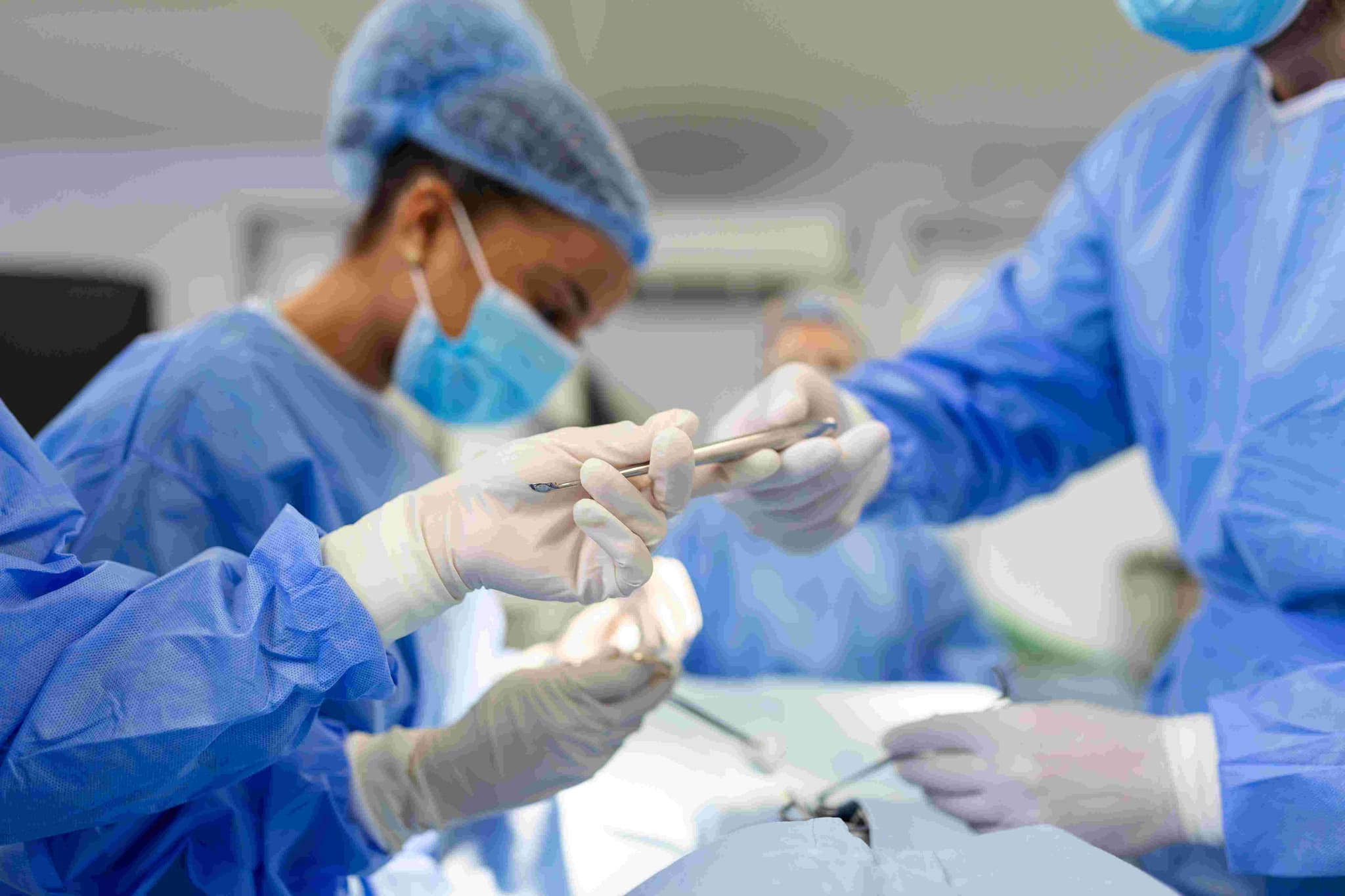
ORIF (Open Reduction Internal Fixation) is a two-part surgical procedure used to fix severe bone fractures that cannot be treated with a simple cast or splint. It involves manually "reducing" (realigning) the bone through an incision and "fixing" it in place using permanent hardware like plates, screws, or rods to ensure proper healing.
When You Should Consider ORIF
Displaced Fractures: The bone fragments have moved out of their normal alignment and cannot be reset manually.
Comminuted Fractures: The bone has shattered into multiple pieces that require mechanical stabilization.
Intra-articular Fractures: The break extends into a joint surface (such as the ankle, wrist, or hip), where perfect alignment is critical to prevent future arthritis.
Open Fractures: Cases where the bone has broken through the skin, requiring surgical cleaning and immediate stabilization.
Failed Conservative Treatment: When a fracture fails to heal correctly or shifts while in a traditional cast.
Methods of Internal Fixation
Plates and Screws: A metal plate is contoured to the bone and secured with screws to bridge the fracture site.
Intramedullary (IM) Nailing: Inserting a long metal rod into the hollow center of long bones, such as the femur or tibia, for internal support.
K-Wires and Pins: Utilizing thin wires to hold smaller bone fragments in place, often used in the hand, foot, or wrist.
Cerclage Wiring: Wrapping high-strength wire around bone fragments to hold them together, frequently used in complex hip or kneecap fractures.
Lag Screws: Using individual screws to compress two bone fragments together for maximum stability.
How ORIF Is Performed
Surgical Exposure: An incision is made over the fracture site to allow the surgeon to directly visualize the broken bone.
Open Reduction: Using specialized clamps and levers, the surgeon manually pulls and maneuvers the bone fragments back into their anatomically correct position.
Hardware Application: Once aligned, the appropriate fixation (plate, rod, or screws) is applied to "lock" the bones in place.
Fluoroscopy (X-ray) Verification: Real-time X-rays are taken during the surgery to ensure the hardware is positioned perfectly and the bone alignment is correct.
Wound Closure: The soft tissues and skin are stitched back together, sometimes with a temporary drain to prevent fluid buildup.
Pre-Procedure Preparation
Mandatory high-resolution X-rays; CT scans are often required for complex joint fractures to map fragments in 3D.
Potential delay of 5–7 days if the skin is severely swollen or blistered, which reduces the risk of wound complications.
Fasting (NPO) and preoperative medical clearance for general anesthesia or regional blocks.
Discussion of long-term hardware expectations, as these implants are typically intended to remain in the body permanently.
Tests Before ORIF
High-Resolution X-rays: The primary tool for identifying the fracture pattern and planning the surgical approach.
CT Scan: Provides a 3D view of the bone, which is essential for fractures involving joint surfaces or multiple fragments.
Vascular Assessment: Checking pulses and blood flow distal to the fracture to ensure no major arteries are compromised.
Blood Panels: Routine screens to check for anemia (blood loss) and ensure the patient is fit for surgery.
Life After ORIF
Hospital stays vary by injury: wrist repairs may be same-day, while hip or femur fractures often require 3–5 days of monitoring.
Strict weight-bearing restrictions are common; patients may be Non-Weight-Bearing (NWB) for 6 to 12 weeks to protect the hardware.
Physical therapy usually begins within days to prevent joint stiffness, though heavy strengthening is delayed until bone healing is visible on X-ray.
Hardware is only removed in a secondary surgery if it causes localized pain, irritation, or becomes infected.
Total biological healing of the bone typically takes several months, during which time smoking should be avoided to prevent "non-union."
Benefits of ORIF
Provides immediate internal stability, often allowing for earlier joint movement compared to a full-leg or arm cast.
Ensures the highest level of anatomical accuracy, which is vital for maintaining joint function and preventing long-term disability.
Significantly reduces the risk of "malunion," where a bone heals in a crooked or shortened position.
Allows for the successful repair of complex fractures that would otherwise result in permanent loss of limb function.