Medivisor India Treatment Logo
  • Home
              • Become a Partner

              +91 83407 80250

              Medivisor Logo

              Medivisor India Treatment is a trusted New Delhi–based medical travel partner connecting global patients to advanced, affordable, high-quality healthcare in India.

              • Medivisor House 359, Sector 1, Vaishali, Ghaziabad, (Delhi/NCR) India
              • +91 8340 780 250
              • info@medivisorhealth.com

              About Us

              • About Us
              • Our Services
              • Our Team
              • Our Medical Advisors
              • Our Safety Measures
              • Join Our Network
              • Contact Us

              India Treatment

              • Hospitals
              • Treatments
              • Treatment Cost
              • Treatment Process
              • Visa Process
              • Travel Guide
              • FAQs
              • Why Medivisor

              Gallery

              • Patient Testimonials
              • Patient Activities
              • News Coverage
              • Blog

              Get in Touch

              © 2026 Medivisor India Treatment. All rights reserved.

              Dr. Dr. Keiki R. Mehta

              Dr. Keiki R. Mehta

              54+ years experience

              M.B.B.S M.S. (Ophth) DOMS, D.O. FRSH, FIOS
              1. Home
              2. Doctors
              3. Dr. Keiki R. Mehta

              About Dr. Keiki R. Mehta

              Dr. Keiki R. Mehta is a distinguished Indian ophthalmologist, medical researcher, and surgical director widely regarded as the "Father of Phacoemulsification" in India. With a career spanning over 45 years, he is recognized for pioneering advanced cataract and refractive surgery techniques in the country. Currently, he serves as the Surgical Director and Chief Surgeon at the Mehta International Eye Institute in Mumbai.

              Dr. Mehta is credited with revolutionizing cataract treatment in India by introducing and popularizing Phacoemulsification—a modern surgical method that uses ultrasonic vibrations to emulsify the eye's internal lens.

              • Introduction of Phacoemulsification: He was the first to bring this "stitchless" cataract surgery technology to India, significantly reducing recovery times for patients.

              • Intraocular Lens (IOL) Innovation: He pioneered the use of various advanced intraocular lenses, including multifocal and toric lenses, to correct vision during cataract procedures.

              • Surgical Refinement: He developed specialized surgical instruments and techniques that have become standard practice for complicated cataract cases.

              Expertise in Refractive and Laser Surgery

              Beyond cataract care, Dr. Mehta has been at the forefront of eliminating dependency on glasses and contact lenses:

              • LASIK and SMILE: An early adopter of laser vision correction, he has performed thousands of procedures to treat myopia, hyperopia, and astigmatism.

              • Keratoconus Management: He specializes in treating thinning of the cornea using advanced cross-linking (CXL) and specialized lens implants.

              • Glaucoma and Retinal Care: His practice encompasses the management of complex glaucoma cases and diabetic retinopathy using state-of-the-art diagnostic imaging.

              Academic Leadership and Global Recognition

              Dr. Mehta’s influence extends far beyond the operating room through his extensive research and leadership in professional bodies:

              • Padma Shri Awardee: He was honored with the Padma Shri, one of India's highest civilian awards, for his exceptional contributions to the field of medicine.

              • International Faculty: He is a frequent keynote speaker at global conferences, including the American Academy of Ophthalmology (AAO) and the European Society of Cataract and Refractive Surgeons (ESCRS).

              • Research and Publications: He has authored numerous medical textbooks and hundreds of research papers that have advanced ophthalmic surgical protocols worldwide.

              • Professional Memberships: He has served in leadership capacities for the All India Ophthalmological Society (AIOS) and the Intraocular Lens and Refractive Society of India.

              Dr. Keiki R. Mehta at a Glance

              • Title: Father of Phacoemulsification in India.

              • Experience: Over 45 years of clinical and surgical excellence.

              • Core Achievement: Introduced stitchless cataract surgery and advanced IOLs to the Indian subcontinent.

              • Honors: Recipient of the Padma Shri for his medical research and surgical innovations.

              • Current Role: Surgical Director at Mehta International Eye Institute, Mumbai.

              • Specialization: Expert in Cataract, LASIK, Keratoconus, and complex refractive errors.

              M.B.B.S M.S. (Ophth) DOMS, D.O. FRSH, FIOS
              American Intraocular Implant Society – Los Angeles 1978 for the Development of the Soft Intraocular Implants. National Eye Research Foundation Chicago, Illinois for Outstanding Research in Ophthalmology presented to an Indian Doctor for the first time. The Ravi Bhandare award for Indian Contact Lens Society, Bombay
              The Ravi Bhandare award for Indian Contact Lens Society, New Delhi
              Appreciation award for Contact Lens Society, Calcutta

              Affiliated Hospitals

              Breach Candy Hospital
              Breach Candy Hospital

              Multi Specialty

              Mumbai, Maharashtra

              1950

              Estd.

              275+

              Beds

              400+

              Doctors

              May we help you?

              Enter digits only (6-15 digits). We'll add your country code.

              May we help you?

              Enter digits only (6-15 digits). We'll add your country code.

              Related Treatments

              Phacoemulsifacation
              Phacoemulsifacation

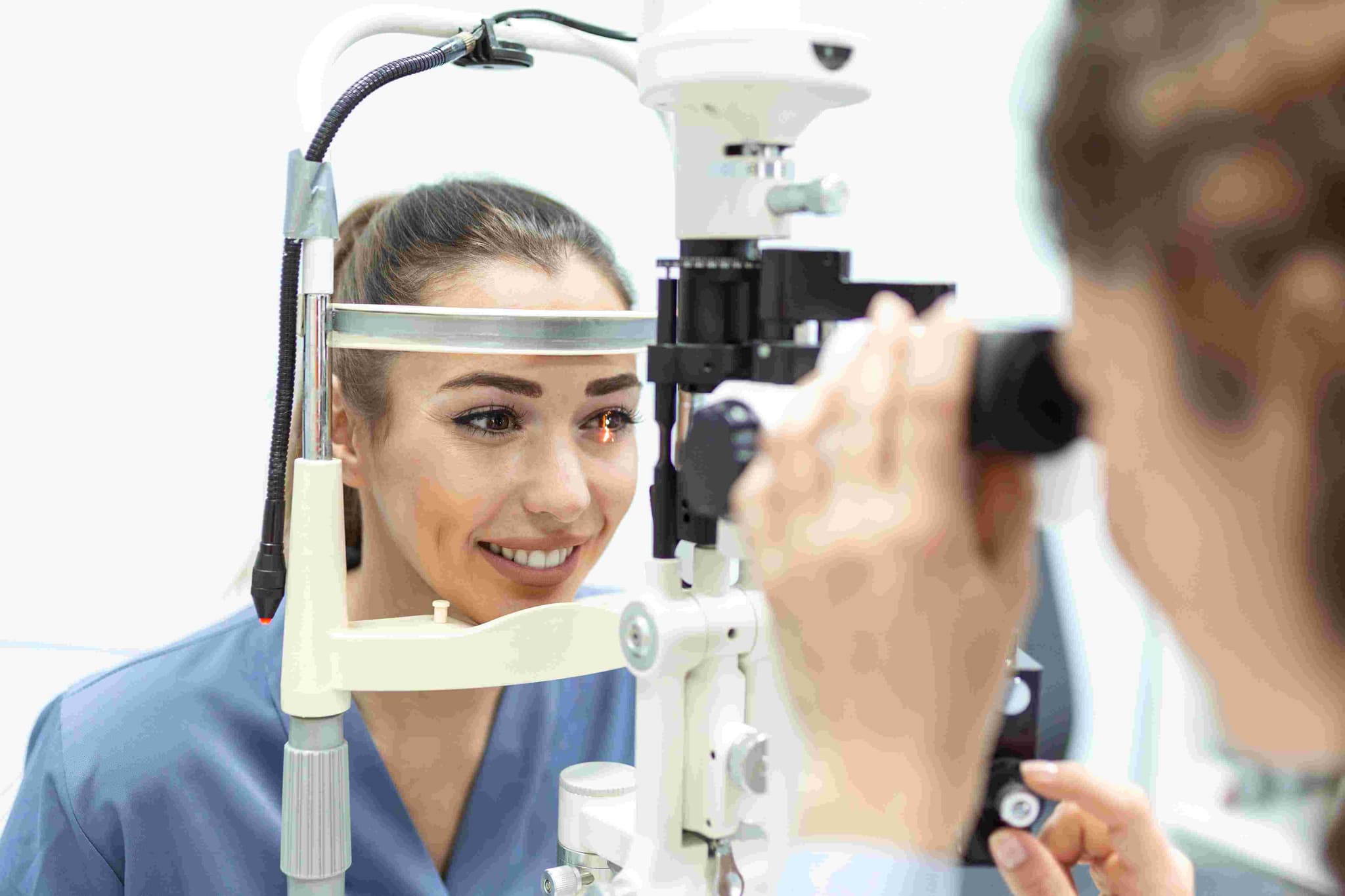
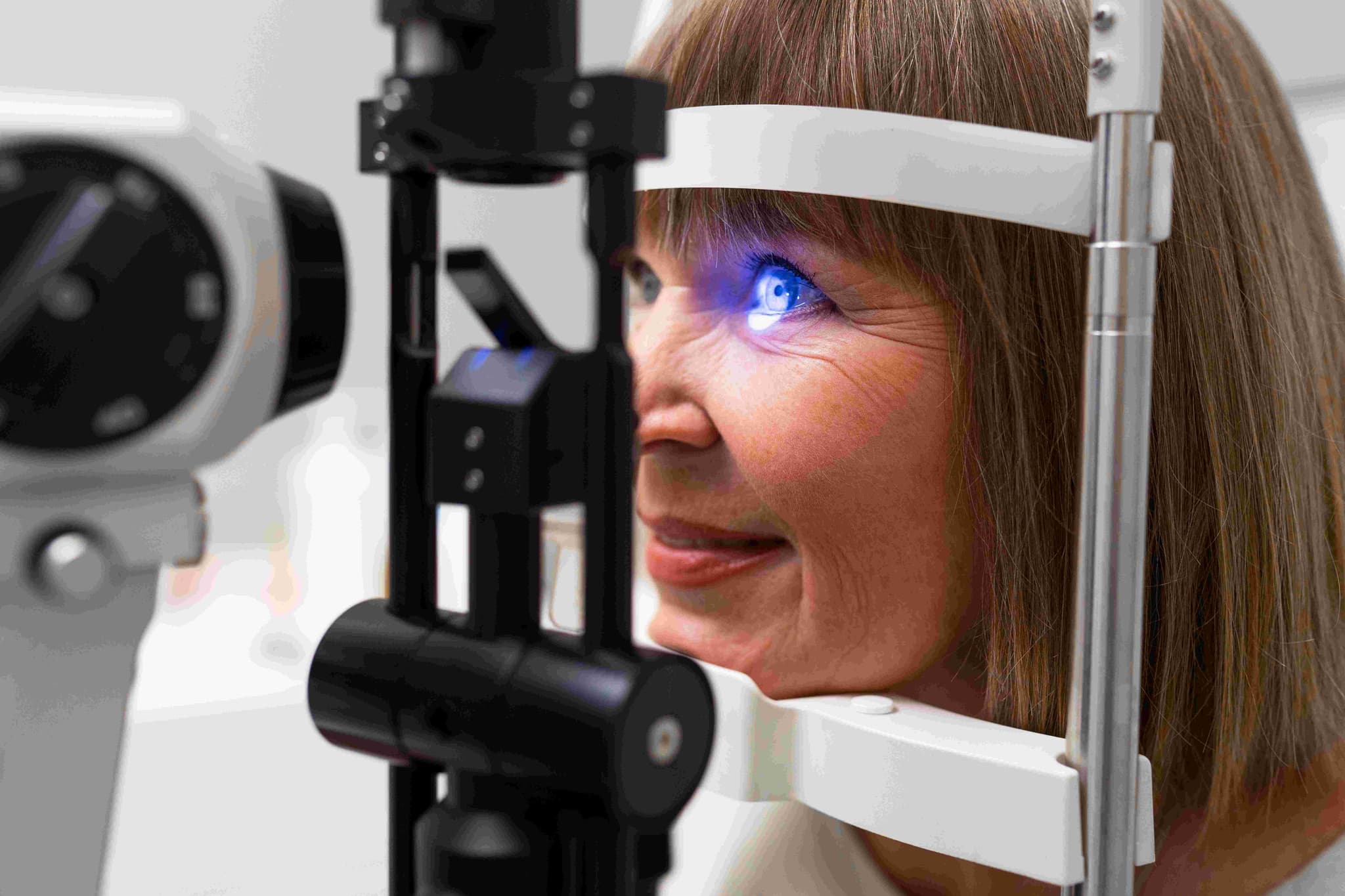
              Phacoemulsification (Cataract Surgery) Phacoemulsification, commonly referred to as "phaco," is the modern gold standard for cataract surgery. This procedure uses ultrasonic energy to fragment a clouded natural lens (cataract), allowing it to be removed through a microscopic, often stitchless incision. It is then replaced with a permanent artificial intraocular lens (IOL) to restore clear vision. When You Should Consider Phacoemulsification Cloudy or Blurry Vision: When daily activities like reading or driving become difficult due to a "foggy" lens. Glare and Halos: Increased sensitivity to light, especially during night driving. Fading Colors: When vibrant colors appear yellowed, dull, or faded. Frequent Prescription Changes: Rapid changes in eyeglass or contact lens strength. Double Vision: Experiencing multiple images in a single eye. How Is Performed Anesthesia: Numbing eye drops (topical anesthesia) or a local injection are used so the patient remains awake but feels no pain. The Incision: A microscopic, self-sealing incision (typically 2.2 to 2.8 mm) is made at the edge of the cornea. Capsulorhexis: A precise circular opening is created in the thin membrane (capsule) that surrounds the lens. Phacoemulsification: A specialized probe emitting ultrasonic waves vibrates at high frequencies to fragment the cataract into tiny pieces. Aspiration: The fragmented pieces are gently suctioned out of the eye using the same high-tech probe. IOL Implantation: A foldable artificial lens is inserted through the tiny incision; it unfolds naturally inside the lens capsule to restore focus. Closure: Because of the precise shape of the incision, stitches are usually unnecessary. Pre-Procedure Preparation Eye Measurement (Biometry): Precise ultrasound or laser measurements are taken to determine the correct power of the artificial lens (IOL). Medication Audit: Patients may be asked to start antibiotic or anti-inflammatory drops a few days before the procedure. Fasting: Following specific instructions regarding food and drink intake on the morning of the surgery. Transportation: Arranging for a family member or friend to drive you home, as vision will be blurry immediately after the procedure. Tests Before Cataract Surgery Visual Acuity Test: To measure exactly how much the cataract is affecting your sight. Slit-Lamp Examination: A detailed microscopic look at the front structures of the eye, including the lens. Retinal Exam: Checking the back of the eye to ensure the retina is healthy and capable of good vision after surgery. Keratometry: Measuring the curvature of the cornea to help select the most appropriate artificial lens. Life After Phacoemulsification Initial Vision: Vision may be blurry for the first 24–48 hours but typically improves rapidly as the eye heals. Medication: Patients must use prescribed antibiotic and anti-inflammatory eye drops for several weeks to prevent infection. Eye Protection: A plastic shield is often worn while sleeping for the first week to prevent accidental rubbing or pressure. Activity Restrictions: Avoid heavy lifting, bending over, or getting water/soap in the eye for at least the first 2–3 weeks. Follow-up: Regular checkups ensure the IOL is perfectly positioned and the eye pressure remains stable. Why Specialized Treatment Is Highly Effective Rapid Recovery: Most patients return to light daily activities within one to two days. Micro-Incision Precision: Smaller incisions significantly reduce the risk of surgically induced astigmatism. Customized Vision: Modern IOLs can correct pre-existing nearsightedness, farsightedness, or even presbyopia (reading vision). Minimal Complications: Advanced technology has lowered the risks of infection, bleeding, and inflammation compared to older methods. Permanent Solution: Once the clouded lens is removed and replaced, a cataract cannot grow back on the artificial lens.

              SICS (Small Incision Cataract Surgery)
              SICS (Small Incision Cataract Surgery)

              Manual Small Incision Cataract Surgery (MSICS) Manual Small Incision Cataract Surgery (MSICS or SICS) is a surgical technique where the clouded lens is manually removed through a specialized, self-sealing tunnel. It is primarily used as a cost-effective, high-volume alternative for treating advanced cataracts, especially in resource-limited settings. This procedure is a vital bridge in global eye care, offering outcomes comparable to more expensive technologies. When You Should Consider MSICS Mature or "Hard" Cataracts: When the cataract is very dense (black or brown) and may be difficult to break apart using ultrasound energy. Cost-Effective Treatment: When seeking a high-quality surgical outcome at a lower price point compared to laser or ultrasonic methods. Limited Infrastructure: Ideal for settings where consistent electricity or expensive high-tech maintenance is unavailable. Complex Eye Conditions: Useful for patients with small pupils, weak fibers holding the lens (zonules), or a history of eye trauma. Advanced Vision Loss: When the cataract has progressed to the point of "white" or "hypermature" stages, making other techniques riskier. How Is Performed Preparation: The eye is numbed using local or peribulbar anesthesia and sterilized with povidone-iodine. Sclerocorneal Tunnel Construction: The surgeon creates a 5.5 mm to 7 mm triplanar tunnel in the sclera (the white of the eye) that extends into the cornea. Capsulotomy: An opening is made in the lens capsule—the "bag" holding the lens—to access the cataract. Hydrodissection: Fluid is injected to gently loosen the lens from its surrounding capsule. Nucleus Delivery: The hard central part of the lens (nucleus) is manually expressed through the tunnel using specialized tools like an irrigating vectis or via hydrostatic pressure. IOL Implantation: A permanent artificial intraocular lens (IOL) is inserted into the capsule to restore clear focus. Closure: The tunnel's specific internal shape makes it self-sealing, meaning it stays closed due to natural eye pressure and usually does not require stitches. Pre-Procedure Preparation Biometry: Precise measurements of the eye's length and corneal curvature to determine the correct power for the artificial lens. Infection Screen: Ensuring the eyelids and surrounding skin are free of infection or inflammation before the incision. Medication Audit: Discussing current medications with the surgeon, particularly blood thinners or prostate medications that can affect the iris. Fasting: Following clinical instructions regarding food and water intake on the day of the procedure. Tests Before MSICS Visual Acuity: Measuring the baseline level of vision impairment caused by the cataract. Slit-Lamp Exam: A microscopic evaluation of the cataract's density and the health of the cornea and iris. Intraocular Pressure (IOP): Checking the pressure inside the eye to ensure it is within a safe range for surgery. B-Scan Ultrasound: Performed if the cataract is so dense that the surgeon cannot see the back of the eye, to ensure the retina is healthy. Life After MSICS Initial Vision: Vision often improves within 24 to 48 hours, though full stabilization and final healing typically take 4 to 6 weeks. Medications: Patients must strictly use prescribed antibiotic and anti-inflammatory eye drops for several weeks. Eye Protection: Wearing a protective shield or glasses to prevent accidental rubbing, especially while sleeping. Activity Restrictions: Avoid heavy lifting, bending over, or getting water, soap, or dust in the eye for the first 1–2 weeks. Follow-up: Attending scheduled appointments to monitor the healing of the self-sealing tunnel and check for any inflammation. Why Specialized Treatment Is Highly Effective Superior for Dense Cataracts: Allows for the safe removal of very hard lenses that might cause complications with other methods. Rapid Visual Recovery: Provides a quick return to functional vision, which is essential for patients in high-volume settings. Durability: The self-sealing tunnel is structurally strong and resistant to accidental trauma during the healing phase. Accessibility: Eliminates the need for phacoemulsification machines, making life-changing surgery available in rural and remote areas. Excellent Outcomes: When performed by skilled surgeons, the visual results and safety profile are excellent and long-lasting.

              Femtosecond Laser Cataract Surgery
              Femtosecond Laser Cataract Surgery

              FLACS (Femtosecond Laser-Assisted Cataract Surgery) Femtosecond Laser-Assisted Cataract Surgery (FLACS) is a modern, high-precision version of cataract surgery that uses a computer-guided laser to perform several critical steps traditionally done by hand. Often referred to as "robotic" cataract surgery, it relies on advanced 3D imaging and automated laser pulses to ensure unparalleled accuracy and safety. When You Should Consider FLACS Premium Lens Selection: If you are choosing multifocal, trifocal, or toric IOLs, where perfect lens centration is critical for optimal vision. Pre-existing Astigmatism: When you wish to correct corneal astigmatism during the same procedure to reduce dependence on glasses. Vulnerable Corneas: For patients with conditions like Fuchs' dystrophy, where reducing surgical energy is vital to protecting the cornea. Advanced Cataracts: When the lens is particularly dense, the laser can pre-soften the cataract, making removal safer. Desire for Precision: When seeking the highest level of computer-guided accuracy to minimize manual variability. How Is Performed Imaging & Mapping: The surgeon uses Optical Coherence Tomography (OCT) to create a detailed 3D map of the eye's unique internal anatomy. Corneal Incisions: Based on the 3D map, the laser creates ultra-precise, self-sealing incisions for surgical entry. Capsulotomy: The laser creates a perfectly circular opening in the thin membrane (capsule) that holds the lens. Lens Fragmentation: The laser vibrates at high speeds to soften and break the cataract into tiny pieces before any tools enter the eye. Lens Removal: The pre-softened fragments are gently suctioned out using an ultrasonic probe with significantly reduced energy. IOL Implantation: A permanent artificial intraocular lens (IOL) is inserted to restore clear focus. Duration: The entire outpatient process typically takes between 15 and 30 minutes per eye. Pre-Procedure Preparation Detailed Biometry: Advanced laser measurements of the eye's length and curvature to select the most appropriate IOL. 3D Surgical Planning: Using the OCT data to program the laser for the exact depth and location of all incisions. Medication Audit: Starting antibiotic or anti-inflammatory eye drops a few days before the procedure as prescribed. Fasting: Following clinical instructions regarding food and water intake on the morning of the surgery. Logistics: Arranging for a companion to assist with the return home, as vision may be temporarily blurry. Tests Before FLACS Optical Coherence Tomography (OCT): To visualize the different layers of the eye and ensure the macula is healthy. Topography: Mapping the surface of the cornea to plan for astigmatism correction. Endothelial Cell Count: Checking the health of the inner corneal layer, especially for patients with pre-existing corneal issues. Visual Field Testing: To confirm that the cataract is the primary cause of vision loss and rule out other underlying conditions. Life After FLACS Initial Vision: Many patients report clearer vision within 24 to 48 hours due to reduced intraoperative inflammation. Medication: Strict adherence to antibiotic and anti-inflammatory eye drops for several weeks is necessary for healing. Eye Protection: Wearing a protective shield while sleeping for the first week to prevent accidental pressure or rubbing. Activity Restrictions: Patients should avoid heavy lifting, bending over, or getting water/dust in the eye for the first 2–3 weeks. Long-Term Healing: While initial improvement is rapid, full stabilization of the eye typically takes 4 to 6 weeks. Why Specialized Treatment Is Highly Effective Enhanced Precision: Laser-guided steps are accurate to within a hundredth of a millimeter, significantly reducing manual variability. Reduced Stress on the Eye: Because the laser pre-softens the lens, much less ultrasound energy is required, leading to faster corneal recovery. Perfect Centration: The automated capsulotomy ensures the artificial lens is perfectly centered, which is vital for the performance of premium lenses. Customized Correction: The laser can reshape the cornea to treat minor astigmatism with a level of accuracy difficult to achieve by hand. Consistent Outcomes: The integration of real-time 3D imaging allows for a highly predictable and standardized surgical experience.

              Femtosecond Laser Cataract Surgery
              Femtosecond Laser Cataract Surgery

              FLACS (Femtosecond Laser-Assisted Cataract Surgery) Femtosecond Laser-Assisted Cataract Surgery (FLACS) is a modern, high-precision version of cataract surgery that uses a computer-guided laser to perform several critical steps traditionally done by hand. Often referred to as "robotic" cataract surgery, it relies on advanced 3D imaging and automated laser pulses to ensure unparalleled accuracy and safety. When You Should Consider FLACS Premium Lens Selection: If you are choosing multifocal, trifocal, or toric IOLs, where perfect lens centration is critical for optimal vision. Pre-existing Astigmatism: When you wish to correct corneal astigmatism during the same procedure to reduce dependence on glasses. Vulnerable Corneas: For patients with conditions like Fuchs' dystrophy, where reducing surgical energy is vital to protecting the cornea. Advanced Cataracts: When the lens is particularly dense, the laser can pre-soften the cataract, making removal safer. Desire for Precision: When seeking the highest level of computer-guided accuracy to minimize manual variability. How Is Performed Imaging & Mapping: The surgeon uses Optical Coherence Tomography (OCT) to create a detailed 3D map of the eye's unique internal anatomy. Corneal Incisions: Based on the 3D map, the laser creates ultra-precise, self-sealing incisions for surgical entry. Capsulotomy: The laser creates a perfectly circular opening in the thin membrane (capsule) that holds the lens. Lens Fragmentation: The laser vibrates at high speeds to soften and break the cataract into tiny pieces before any tools enter the eye. Lens Removal: The pre-softened fragments are gently suctioned out using an ultrasonic probe with significantly reduced energy. IOL Implantation: A permanent artificial intraocular lens (IOL) is inserted to restore clear focus. Duration: The entire outpatient process typically takes between 15 and 30 minutes per eye. Pre-Procedure Preparation Detailed Biometry: Advanced laser measurements of the eye's length and curvature to select the most appropriate IOL. 3D Surgical Planning: Using the OCT data to program the laser for the exact depth and location of all incisions. Medication Audit: Starting antibiotic or anti-inflammatory eye drops a few days before the procedure as prescribed. Fasting: Following clinical instructions regarding food and water intake on the morning of the surgery. Logistics: Arranging for a companion to assist with the return home, as vision may be temporarily blurry. Tests Before FLACS Optical Coherence Tomography (OCT): To visualize the different layers of the eye and ensure the macula is healthy. Topography: Mapping the surface of the cornea to plan for astigmatism correction. Endothelial Cell Count: Checking the health of the inner corneal layer, especially for patients with pre-existing corneal issues. Visual Field Testing: To confirm that the cataract is the primary cause of vision loss and rule out other underlying conditions. Life After FLACS Initial Vision: Many patients report clearer vision within 24 to 48 hours due to reduced intraoperative inflammation. Medication: Strict adherence to antibiotic and anti-inflammatory eye drops for several weeks is necessary for healing. Eye Protection: Wearing a protective shield while sleeping for the first week to prevent accidental pressure or rubbing. Activity Restrictions: Patients should avoid heavy lifting, bending over, or getting water/dust in the eye for the first 2–3 weeks. Long-Term Healing: While initial improvement is rapid, full stabilization of the eye typically takes 4 to 6 weeks. Why Specialized Treatment Is Highly Effective Enhanced Precision: Laser-guided steps are accurate to within a hundredth of a millimeter, significantly reducing manual variability. Reduced Stress on the Eye: Because the laser pre-softens the lens, much less ultrasound energy is required, leading to faster corneal recovery. Perfect Centration: The automated capsulotomy ensures the artificial lens is perfectly centered, which is vital for the performance of premium lenses. Customized Correction: The laser can reshape the cornea to treat minor astigmatism with a level of accuracy difficult to achieve by hand. Consistent Outcomes: The integration of real-time 3D imaging allows for a highly predictable and standardized surgical experience.

              Phacoemulsifacation
              Phacoemulsifacation

              Phacoemulsification (Cataract Surgery) Phacoemulsification, commonly referred to as "phaco," is the modern gold standard for cataract surgery. This procedure uses ultrasonic energy to fragment a clouded natural lens (cataract), allowing it to be removed through a microscopic, often stitchless incision. It is then replaced with a permanent artificial intraocular lens (IOL) to restore clear vision. When You Should Consider Phacoemulsification Cloudy or Blurry Vision: When daily activities like reading or driving become difficult due to a "foggy" lens. Glare and Halos: Increased sensitivity to light, especially during night driving. Fading Colors: When vibrant colors appear yellowed, dull, or faded. Frequent Prescription Changes: Rapid changes in eyeglass or contact lens strength. Double Vision: Experiencing multiple images in a single eye. How Is Performed Anesthesia: Numbing eye drops (topical anesthesia) or a local injection are used so the patient remains awake but feels no pain. The Incision: A microscopic, self-sealing incision (typically 2.2 to 2.8 mm) is made at the edge of the cornea. Capsulorhexis: A precise circular opening is created in the thin membrane (capsule) that surrounds the lens. Phacoemulsification: A specialized probe emitting ultrasonic waves vibrates at high frequencies to fragment the cataract into tiny pieces. Aspiration: The fragmented pieces are gently suctioned out of the eye using the same high-tech probe. IOL Implantation: A foldable artificial lens is inserted through the tiny incision; it unfolds naturally inside the lens capsule to restore focus. Closure: Because of the precise shape of the incision, stitches are usually unnecessary. Pre-Procedure Preparation Eye Measurement (Biometry): Precise ultrasound or laser measurements are taken to determine the correct power of the artificial lens (IOL). Medication Audit: Patients may be asked to start antibiotic or anti-inflammatory drops a few days before the procedure. Fasting: Following specific instructions regarding food and drink intake on the morning of the surgery. Transportation: Arranging for a family member or friend to drive you home, as vision will be blurry immediately after the procedure. Tests Before Cataract Surgery Visual Acuity Test: To measure exactly how much the cataract is affecting your sight. Slit-Lamp Examination: A detailed microscopic look at the front structures of the eye, including the lens. Retinal Exam: Checking the back of the eye to ensure the retina is healthy and capable of good vision after surgery. Keratometry: Measuring the curvature of the cornea to help select the most appropriate artificial lens. Life After Phacoemulsification Initial Vision: Vision may be blurry for the first 24–48 hours but typically improves rapidly as the eye heals. Medication: Patients must use prescribed antibiotic and anti-inflammatory eye drops for several weeks to prevent infection. Eye Protection: A plastic shield is often worn while sleeping for the first week to prevent accidental rubbing or pressure. Activity Restrictions: Avoid heavy lifting, bending over, or getting water/soap in the eye for at least the first 2–3 weeks. Follow-up: Regular checkups ensure the IOL is perfectly positioned and the eye pressure remains stable. Why Specialized Treatment Is Highly Effective Rapid Recovery: Most patients return to light daily activities within one to two days. Micro-Incision Precision: Smaller incisions significantly reduce the risk of surgically induced astigmatism. Customized Vision: Modern IOLs can correct pre-existing nearsightedness, farsightedness, or even presbyopia (reading vision). Minimal Complications: Advanced technology has lowered the risks of infection, bleeding, and inflammation compared to older methods. Permanent Solution: Once the clouded lens is removed and replaced, a cataract cannot grow back on the artificial lens.

              SICS (Small Incision Cataract Surgery)
              SICS (Small Incision Cataract Surgery)

              Manual Small Incision Cataract Surgery (MSICS) Manual Small Incision Cataract Surgery (MSICS or SICS) is a surgical technique where the clouded lens is manually removed through a specialized, self-sealing tunnel. It is primarily used as a cost-effective, high-volume alternative for treating advanced cataracts, especially in resource-limited settings. This procedure is a vital bridge in global eye care, offering outcomes comparable to more expensive technologies. When You Should Consider MSICS Mature or "Hard" Cataracts: When the cataract is very dense (black or brown) and may be difficult to break apart using ultrasound energy. Cost-Effective Treatment: When seeking a high-quality surgical outcome at a lower price point compared to laser or ultrasonic methods. Limited Infrastructure: Ideal for settings where consistent electricity or expensive high-tech maintenance is unavailable. Complex Eye Conditions: Useful for patients with small pupils, weak fibers holding the lens (zonules), or a history of eye trauma. Advanced Vision Loss: When the cataract has progressed to the point of "white" or "hypermature" stages, making other techniques riskier. How Is Performed Preparation: The eye is numbed using local or peribulbar anesthesia and sterilized with povidone-iodine. Sclerocorneal Tunnel Construction: The surgeon creates a 5.5 mm to 7 mm triplanar tunnel in the sclera (the white of the eye) that extends into the cornea. Capsulotomy: An opening is made in the lens capsule—the "bag" holding the lens—to access the cataract. Hydrodissection: Fluid is injected to gently loosen the lens from its surrounding capsule. Nucleus Delivery: The hard central part of the lens (nucleus) is manually expressed through the tunnel using specialized tools like an irrigating vectis or via hydrostatic pressure. IOL Implantation: A permanent artificial intraocular lens (IOL) is inserted into the capsule to restore clear focus. Closure: The tunnel's specific internal shape makes it self-sealing, meaning it stays closed due to natural eye pressure and usually does not require stitches. Pre-Procedure Preparation Biometry: Precise measurements of the eye's length and corneal curvature to determine the correct power for the artificial lens. Infection Screen: Ensuring the eyelids and surrounding skin are free of infection or inflammation before the incision. Medication Audit: Discussing current medications with the surgeon, particularly blood thinners or prostate medications that can affect the iris. Fasting: Following clinical instructions regarding food and water intake on the day of the procedure. Tests Before MSICS Visual Acuity: Measuring the baseline level of vision impairment caused by the cataract. Slit-Lamp Exam: A microscopic evaluation of the cataract's density and the health of the cornea and iris. Intraocular Pressure (IOP): Checking the pressure inside the eye to ensure it is within a safe range for surgery. B-Scan Ultrasound: Performed if the cataract is so dense that the surgeon cannot see the back of the eye, to ensure the retina is healthy. Life After MSICS Initial Vision: Vision often improves within 24 to 48 hours, though full stabilization and final healing typically take 4 to 6 weeks. Medications: Patients must strictly use prescribed antibiotic and anti-inflammatory eye drops for several weeks. Eye Protection: Wearing a protective shield or glasses to prevent accidental rubbing, especially while sleeping. Activity Restrictions: Avoid heavy lifting, bending over, or getting water, soap, or dust in the eye for the first 1–2 weeks. Follow-up: Attending scheduled appointments to monitor the healing of the self-sealing tunnel and check for any inflammation. Why Specialized Treatment Is Highly Effective Superior for Dense Cataracts: Allows for the safe removal of very hard lenses that might cause complications with other methods. Rapid Visual Recovery: Provides a quick return to functional vision, which is essential for patients in high-volume settings. Durability: The self-sealing tunnel is structurally strong and resistant to accidental trauma during the healing phase. Accessibility: Eliminates the need for phacoemulsification machines, making life-changing surgery available in rural and remote areas. Excellent Outcomes: When performed by skilled surgeons, the visual results and safety profile are excellent and long-lasting.

              Femtosecond Laser Cataract Surgery
              Femtosecond Laser Cataract Surgery

              FLACS (Femtosecond Laser-Assisted Cataract Surgery) Femtosecond Laser-Assisted Cataract Surgery (FLACS) is a modern, high-precision version of cataract surgery that uses a computer-guided laser to perform several critical steps traditionally done by hand. Often referred to as "robotic" cataract surgery, it relies on advanced 3D imaging and automated laser pulses to ensure unparalleled accuracy and safety. When You Should Consider FLACS Premium Lens Selection: If you are choosing multifocal, trifocal, or toric IOLs, where perfect lens centration is critical for optimal vision. Pre-existing Astigmatism: When you wish to correct corneal astigmatism during the same procedure to reduce dependence on glasses. Vulnerable Corneas: For patients with conditions like Fuchs' dystrophy, where reducing surgical energy is vital to protecting the cornea. Advanced Cataracts: When the lens is particularly dense, the laser can pre-soften the cataract, making removal safer. Desire for Precision: When seeking the highest level of computer-guided accuracy to minimize manual variability. How Is Performed Imaging & Mapping: The surgeon uses Optical Coherence Tomography (OCT) to create a detailed 3D map of the eye's unique internal anatomy. Corneal Incisions: Based on the 3D map, the laser creates ultra-precise, self-sealing incisions for surgical entry. Capsulotomy: The laser creates a perfectly circular opening in the thin membrane (capsule) that holds the lens. Lens Fragmentation: The laser vibrates at high speeds to soften and break the cataract into tiny pieces before any tools enter the eye. Lens Removal: The pre-softened fragments are gently suctioned out using an ultrasonic probe with significantly reduced energy. IOL Implantation: A permanent artificial intraocular lens (IOL) is inserted to restore clear focus. Duration: The entire outpatient process typically takes between 15 and 30 minutes per eye. Pre-Procedure Preparation Detailed Biometry: Advanced laser measurements of the eye's length and curvature to select the most appropriate IOL. 3D Surgical Planning: Using the OCT data to program the laser for the exact depth and location of all incisions. Medication Audit: Starting antibiotic or anti-inflammatory eye drops a few days before the procedure as prescribed. Fasting: Following clinical instructions regarding food and water intake on the morning of the surgery. Logistics: Arranging for a companion to assist with the return home, as vision may be temporarily blurry. Tests Before FLACS Optical Coherence Tomography (OCT): To visualize the different layers of the eye and ensure the macula is healthy. Topography: Mapping the surface of the cornea to plan for astigmatism correction. Endothelial Cell Count: Checking the health of the inner corneal layer, especially for patients with pre-existing corneal issues. Visual Field Testing: To confirm that the cataract is the primary cause of vision loss and rule out other underlying conditions. Life After FLACS Initial Vision: Many patients report clearer vision within 24 to 48 hours due to reduced intraoperative inflammation. Medication: Strict adherence to antibiotic and anti-inflammatory eye drops for several weeks is necessary for healing. Eye Protection: Wearing a protective shield while sleeping for the first week to prevent accidental pressure or rubbing. Activity Restrictions: Patients should avoid heavy lifting, bending over, or getting water/dust in the eye for the first 2–3 weeks. Long-Term Healing: While initial improvement is rapid, full stabilization of the eye typically takes 4 to 6 weeks. Why Specialized Treatment Is Highly Effective Enhanced Precision: Laser-guided steps are accurate to within a hundredth of a millimeter, significantly reducing manual variability. Reduced Stress on the Eye: Because the laser pre-softens the lens, much less ultrasound energy is required, leading to faster corneal recovery. Perfect Centration: The automated capsulotomy ensures the artificial lens is perfectly centered, which is vital for the performance of premium lenses. Customized Correction: The laser can reshape the cornea to treat minor astigmatism with a level of accuracy difficult to achieve by hand. Consistent Outcomes: The integration of real-time 3D imaging allows for a highly predictable and standardized surgical experience.

              Phacoemulsifacation
              Phacoemulsifacation

              Phacoemulsification (Cataract Surgery) Phacoemulsification, commonly referred to as "phaco," is the modern gold standard for cataract surgery. This procedure uses ultrasonic energy to fragment a clouded natural lens (cataract), allowing it to be removed through a microscopic, often stitchless incision. It is then replaced with a permanent artificial intraocular lens (IOL) to restore clear vision. When You Should Consider Phacoemulsification Cloudy or Blurry Vision: When daily activities like reading or driving become difficult due to a "foggy" lens. Glare and Halos: Increased sensitivity to light, especially during night driving. Fading Colors: When vibrant colors appear yellowed, dull, or faded. Frequent Prescription Changes: Rapid changes in eyeglass or contact lens strength. Double Vision: Experiencing multiple images in a single eye. How Is Performed Anesthesia: Numbing eye drops (topical anesthesia) or a local injection are used so the patient remains awake but feels no pain. The Incision: A microscopic, self-sealing incision (typically 2.2 to 2.8 mm) is made at the edge of the cornea. Capsulorhexis: A precise circular opening is created in the thin membrane (capsule) that surrounds the lens. Phacoemulsification: A specialized probe emitting ultrasonic waves vibrates at high frequencies to fragment the cataract into tiny pieces. Aspiration: The fragmented pieces are gently suctioned out of the eye using the same high-tech probe. IOL Implantation: A foldable artificial lens is inserted through the tiny incision; it unfolds naturally inside the lens capsule to restore focus. Closure: Because of the precise shape of the incision, stitches are usually unnecessary. Pre-Procedure Preparation Eye Measurement (Biometry): Precise ultrasound or laser measurements are taken to determine the correct power of the artificial lens (IOL). Medication Audit: Patients may be asked to start antibiotic or anti-inflammatory drops a few days before the procedure. Fasting: Following specific instructions regarding food and drink intake on the morning of the surgery. Transportation: Arranging for a family member or friend to drive you home, as vision will be blurry immediately after the procedure. Tests Before Cataract Surgery Visual Acuity Test: To measure exactly how much the cataract is affecting your sight. Slit-Lamp Examination: A detailed microscopic look at the front structures of the eye, including the lens. Retinal Exam: Checking the back of the eye to ensure the retina is healthy and capable of good vision after surgery. Keratometry: Measuring the curvature of the cornea to help select the most appropriate artificial lens. Life After Phacoemulsification Initial Vision: Vision may be blurry for the first 24–48 hours but typically improves rapidly as the eye heals. Medication: Patients must use prescribed antibiotic and anti-inflammatory eye drops for several weeks to prevent infection. Eye Protection: A plastic shield is often worn while sleeping for the first week to prevent accidental rubbing or pressure. Activity Restrictions: Avoid heavy lifting, bending over, or getting water/soap in the eye for at least the first 2–3 weeks. Follow-up: Regular checkups ensure the IOL is perfectly positioned and the eye pressure remains stable. Why Specialized Treatment Is Highly Effective Rapid Recovery: Most patients return to light daily activities within one to two days. Micro-Incision Precision: Smaller incisions significantly reduce the risk of surgically induced astigmatism. Customized Vision: Modern IOLs can correct pre-existing nearsightedness, farsightedness, or even presbyopia (reading vision). Minimal Complications: Advanced technology has lowered the risks of infection, bleeding, and inflammation compared to older methods. Permanent Solution: Once the clouded lens is removed and replaced, a cataract cannot grow back on the artificial lens.

              Related Specialists

              Dr. Ajanta Chakravarty
              Dr. Ajanta Chakravarty

              Consultant - Ophthalmology

              Glaucoma Specialist

              35+ years experience

              Dr. Anita Sethi
              Dr. Anita Sethi

              Principal Director & HOD – Cataract, Lasik and Oculoplasty

              Oculoplastic Surgeon

              36+ years experience

              Dr. Parul Maheshwari Sharma
              Dr. Parul Maheshwari Sharma

              Principal Director & HOD - Ophthalmology

              Pediatric Ophthalmologist

              25+ years experience

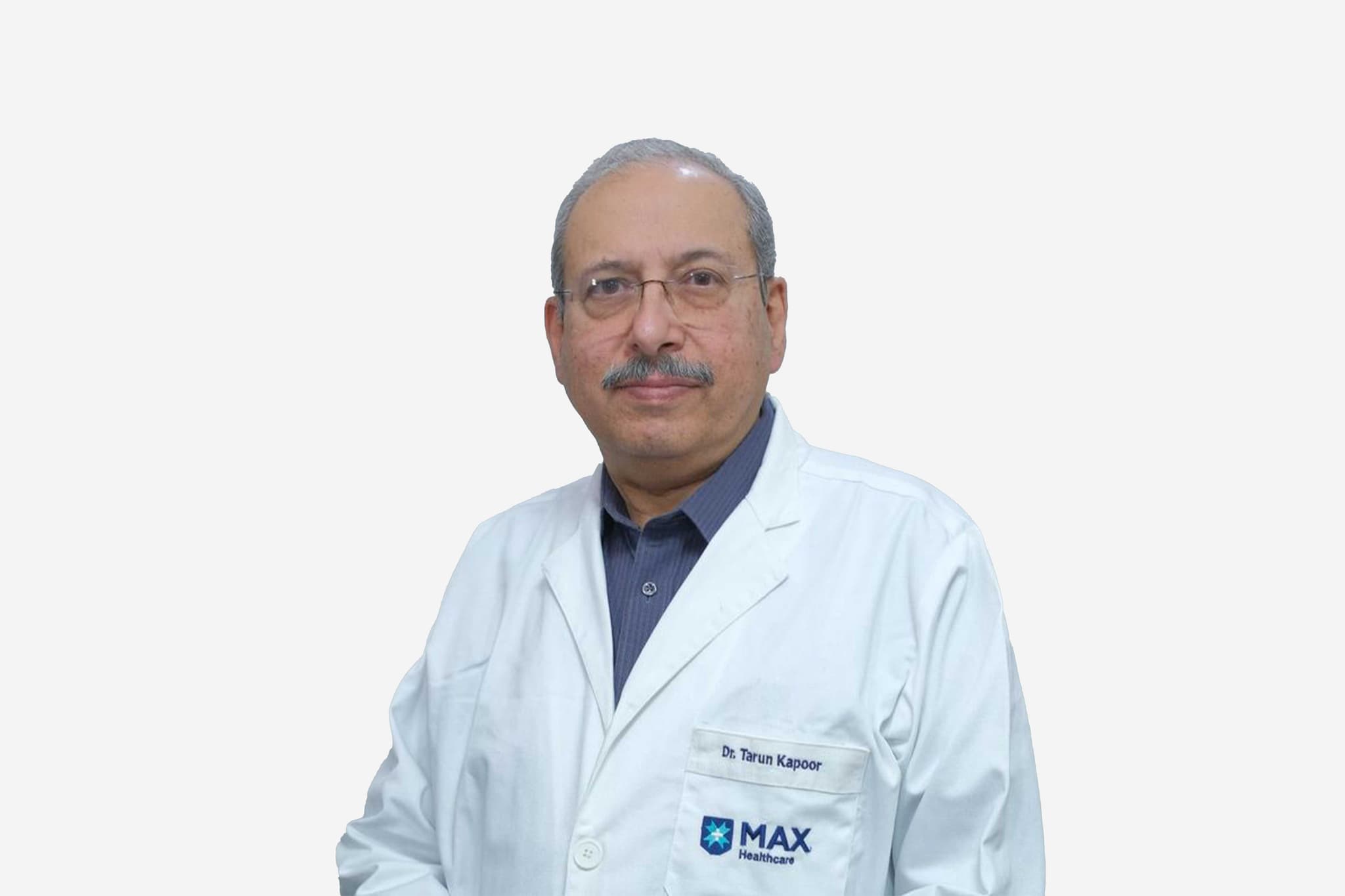
              Dr. Tarun Kapur
              Dr. Tarun Kapur

              Senior Director & HOD - Ophthalmology

              Glaucoma Specialist

              36+ years experience

              Dr Sudipto Pakrasi
              Dr Sudipto Pakrasi

              Chairman - Ophthalmology

              Glaucoma Specialist

              44+ years experience

              Dr. Ajanta Chakravarty
              Dr. Ajanta Chakravarty

              Consultant - Ophthalmology

              Glaucoma Specialist

              35+ years experience

              Dr. Anita Sethi
              Dr. Anita Sethi

              Principal Director & HOD – Cataract, Lasik and Oculoplasty

              Oculoplastic Surgeon

              36+ years experience

              Dr. Parul Maheshwari Sharma
              Dr. Parul Maheshwari Sharma

              Principal Director & HOD - Ophthalmology

              Pediatric Ophthalmologist

              25+ years experience

              Dr. Tarun Kapur
              Dr. Tarun Kapur

              Senior Director & HOD - Ophthalmology

              Glaucoma Specialist

              36+ years experience

              Dr Sudipto Pakrasi
              Dr Sudipto Pakrasi

              Chairman - Ophthalmology

              Glaucoma Specialist

              44+ years experience

              Dr. Ajanta Chakravarty
              Dr. Ajanta Chakravarty

              Consultant - Ophthalmology

              Glaucoma Specialist

              35+ years experience

              Dr. Anita Sethi
              Dr. Anita Sethi

              Principal Director & HOD – Cataract, Lasik and Oculoplasty

              Oculoplastic Surgeon

              36+ years experience

              Dr. Parul Maheshwari Sharma
              Dr. Parul Maheshwari Sharma

              Principal Director & HOD - Ophthalmology

              Pediatric Ophthalmologist

              25+ years experience

              Dr. Tarun Kapur
              Dr. Tarun Kapur

              Senior Director & HOD - Ophthalmology

              Glaucoma Specialist

              36+ years experience

              Dr Sudipto Pakrasi
              Dr Sudipto Pakrasi

              Chairman - Ophthalmology

              Glaucoma Specialist

              44+ years experience

              Dr. Ajanta Chakravarty
              Dr. Ajanta Chakravarty

              Consultant - Ophthalmology

              Glaucoma Specialist

              35+ years experience

              Dr. Anita Sethi
              Dr. Anita Sethi

              Principal Director & HOD – Cataract, Lasik and Oculoplasty

              Oculoplastic Surgeon

              36+ years experience

              Dr. Parul Maheshwari Sharma
              Dr. Parul Maheshwari Sharma

              Principal Director & HOD - Ophthalmology

              Pediatric Ophthalmologist

              25+ years experience

              Dr. Tarun Kapur
              Dr. Tarun Kapur

              Senior Director & HOD - Ophthalmology

              Glaucoma Specialist

              36+ years experience

              Dr Sudipto Pakrasi
              Dr Sudipto Pakrasi

              Chairman - Ophthalmology

              Glaucoma Specialist

              44+ years experience