Medivisor India Treatment Logo
  • Home
              • Become a Partner

              +91 83407 80250

              Medivisor Logo

              Medivisor India Treatment is a trusted New Delhi–based medical travel partner connecting global patients to advanced, affordable, high-quality healthcare in India.

              • Medivisor House 359, Sector 1, Vaishali, Ghaziabad, (Delhi/NCR) India
              • +91 8340 780 250
              • info@medivisorhealth.com

              About Us

              • About Us
              • Our Services
              • Our Team
              • Our Medical Advisors
              • Our Safety Measures
              • Join Our Network
              • Contact Us

              India Treatment

              • Hospitals
              • Treatments
              • Treatment Cost
              • Treatment Process
              • Visa Process
              • Travel Guide
              • FAQs
              • Why Medivisor

              Gallery

              • Patient Testimonials
              • Patient Activities
              • News Coverage
              • Blog

              Get in Touch

              © 2026 Medivisor India Treatment. All rights reserved.

              Dr. Dr. Parul Maheshwari Sharma

              Dr. Parul Maheshwari Sharma

              Principal Director & HOD - Ophthalmology

              25+ years experience

              MBBS, MS, DNB, MNAMS, FICO
              1. Home
              2. Doctors
              3. Dr. Parul Maheshwari Sharma

              About Dr. Parul Maheshwari Sharma

              Dr. Parul M Sharma is a highly accomplished ophthalmologist with an illustrious career spanning over 25 years. She is recognized for her extensive clinical expertise and her commitment to delivering advanced eye care using the latest surgical technologies. Dr. Sharma specializes in a wide range of ocular conditions, including glaucoma, complex cataracts, and pediatric eye disorders. Her practice is defined by a focus on precision and the integration of cutting-edge diagnostic and therapeutic techniques.

              Dr. Sharma has honed her surgical skills at some of the most prestigious ophthalmic institutions in the world. Her professional journey includes advanced training at Moorfields Eye Hospital in London, the Singapore National Eye Centre (SNEC), and the LV Prasad Eye Institute in Hyderabad. These global exposures have equipped her with a versatile perspective on international standards of eye care, which she applies to her clinical practice in India, focusing on pediatric ophthalmology and anterior segment surgeries.

              Academic Excellence and Surgical Specializations

              Dr. Sharma’s academic foundation is built on a post-graduation from JNMC, Aligarh Muslim University. She holds multiple distinguished qualifications, including MS, DNB, MNAMS, and FICO (Fellow of the International Council of Ophthalmology). Her surgical repertoire includes:

              • Cataract Surgery: specializing in FEMTO Bladeless and Micro Phacoemulsification techniques.

              • Refractive Surgery: expert in FEMTO Bladeless LASIK, PRK, and Phakic ICL for vision correction.

              • Specialized Care: comprehensive management of Glaucoma, Squint, and Keratoconus.

              • Anterior Segment: advanced procedures for pediatric eye care and anterior segment lasers.

              Awards and Professional Recognition

              Throughout her distinguished career, Dr. Sharma has made significant contributions to the field of ophthalmology, which have been recognized with several prestigious accolades. She is the recipient of the VN Raizada Award and the Dr. AC Agarwal Trophy for best paper presentation. These honors reflect her dedication to clinical research and her role as a thought leader in the ophthalmic community, where she continues to contribute to the advancement of surgical standards and patient outcomes.

              Dr. Parul M Sharma at a Glance

              • Over 25 years of extensive experience in comprehensive ophthalmology and eye surgery.

              • Expert in advanced FEMTO Bladeless technologies for both Cataract and LASIK procedures.

              • Specialized training from world-renowned centers including Moorfields (London) and LVPEI (Hyderabad).

              • Holds MS, DNB, MNAMS, and FICO certifications with a background from Aligarh Muslim University.

              • Focused expertise in Glaucoma, Squint, Keratoconus, and Pediatric ophthalmology.

              • Honored with multiple awards including the VN Raizada Award and Dr. AC Agarwal Trophy for clinical excellence.

              • Recognized leader in anterior segment surgeries and refractive vision correction.

              MBBS, MS, DNB, MNAMS, FICO
              Specialization: Principal Director & HOD - Ophthalmology

              No awards & achievements available
              Affiliated Hospitals

              Fortis Flt. Lt. Rajan Dhall Hospital, Vasant Kunj
              Fortis Flt. Lt. Rajan Dhall Hospital, Vasant Kunj

              Multi-Super Specialty

              Greater Noida, Uttar Pradesh

              2006

              Estd.

              200+

              Beds

              115+

              Doctors

              Fortis Memorial Research Institute, Gurugram
              Fortis Memorial Research Institute, Gurugram

              Multi Specialty

              Gurugram, Haryana

              2013

              Estd.

              330+

              Beds

              200+

              Doctors

              May we help you?

              Enter digits only (6-15 digits). We'll add your country code.

              May we help you?

              Enter digits only (6-15 digits). We'll add your country code.

              Related Treatments

              Laser Iridotomy
              Laser Iridotomy

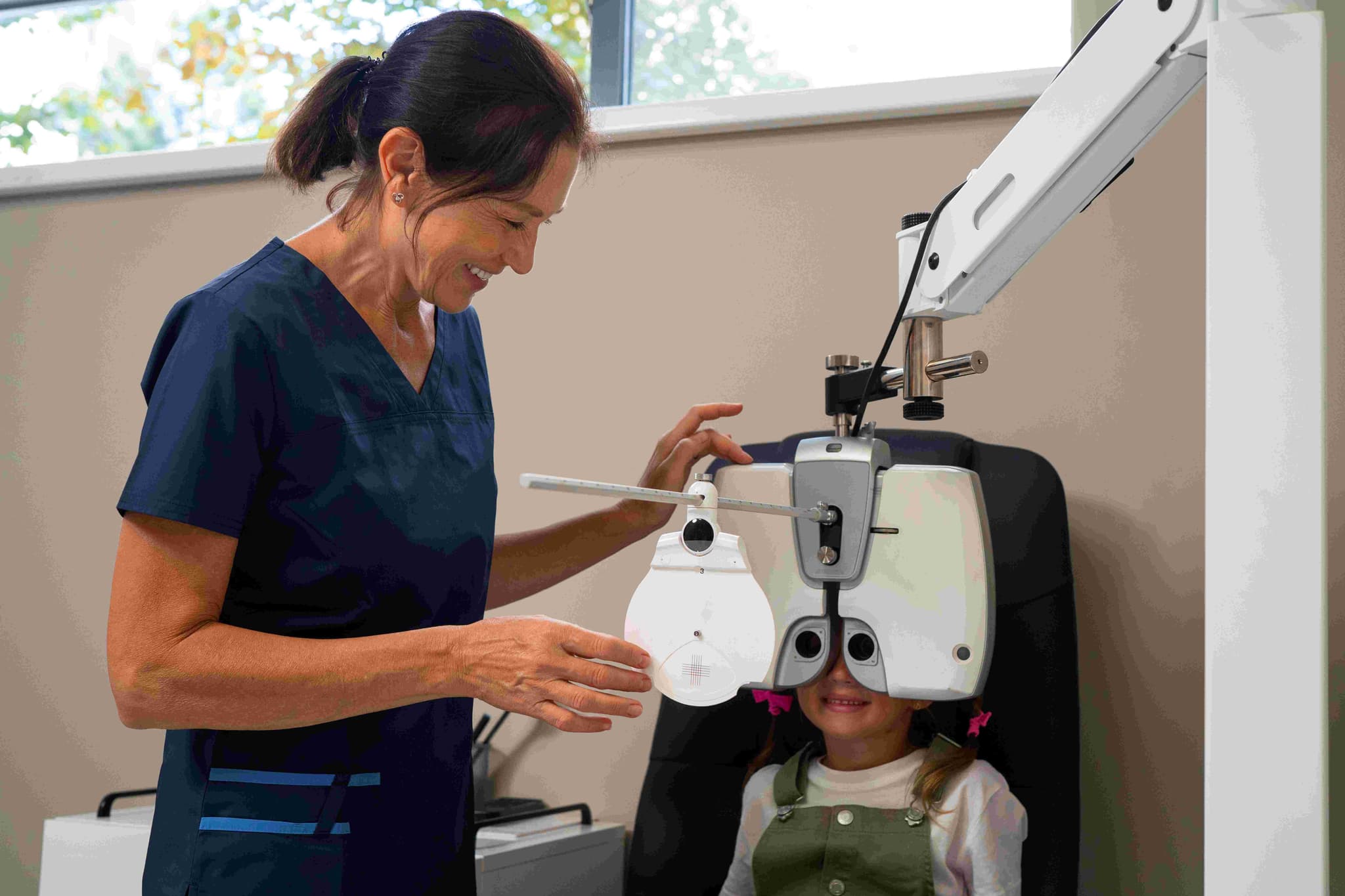
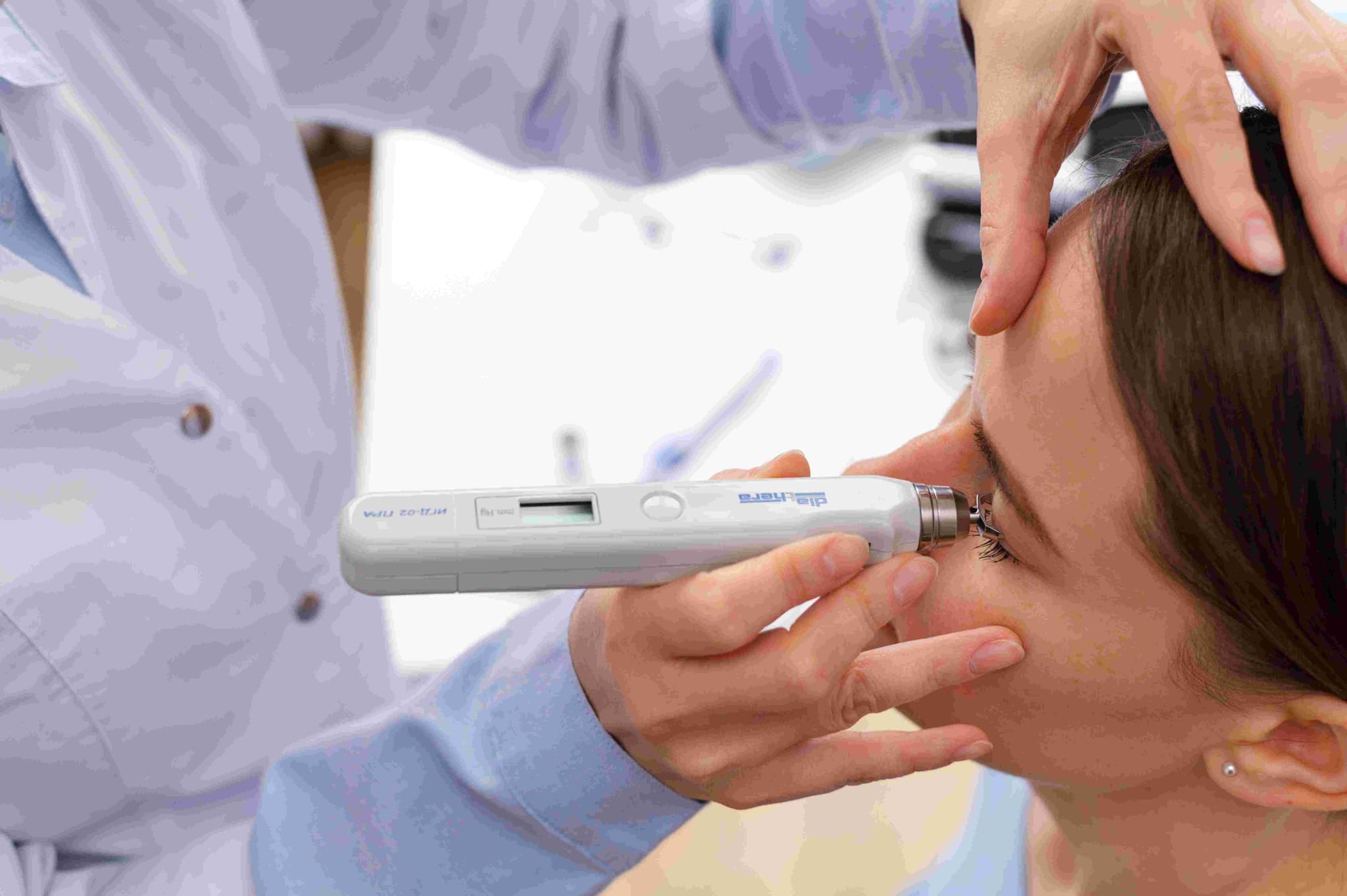
              Laser Iridotomy (LPI) Laser Iridotomy, or Laser Peripheral Iridotomy (LPI), is a quick outpatient procedure used primarily to treat or prevent angle-closure glaucoma. By creating a microscopic hole in the outer edge of the iris, the procedure allows fluid to flow more freely between the back and front of the eye. This bypass balances internal pressure and prevents sudden, sight-threatening pressure spikes. When You Should Consider Laser Iridotomy Narrow-Angle Suspects: If a routine eye exam reveals that your drainage angles are naturally narrow, putting you at high risk for a sudden glaucoma "attack." Acute Angle-Closure: Used as an emergency intervention during a sudden, painful spike in eye pressure to save vision. Chronic Angle-Closure: For patients whose drainage system is permanently narrowed or partially blocked by the iris. Preventative Care: If you have had an angle-closure attack in one eye, LPI is typically performed on the other eye as a preventative measure. Anatomical Narrowing: When the iris is physically "bowed" forward, preventing the natural drainage of aqueous humor. How Is Performed Preparation: The eye is numbed with anesthetic drops. Specialized drops (like pilocarpine) are used to constrict the pupil, which thins the iris and makes it easier for the laser to penetrate. Positioning: You sit at a slit-lamp machine—similar to a standard eye exam microscope—with your chin and forehead in a steady rest. Focusing: A specialized contact lens is placed on the eye to focus the laser beam and keep your eyelids open during the pulses. Laser Application: The surgeon uses a focused laser (commonly a YAG or Argon laser) to create a tiny opening in the outer edge of the iris, usually hidden under the upper eyelid. Monitoring: You will remain at the clinic for 30 minutes to 2 hours post-procedure so the specialist can check for any immediate spikes in eye pressure. Duration: The procedure is typically completed in 5 to 15 minutes per eye. Pre-Procedure Preparation Gonioscopy: A specialized diagnostic exam to view the drainage angle and confirm that the iris is causing the obstruction. Medication Review: Discussing any blood thinners or history of eye inflammation (uveitis) with your surgeon. Pupil Preparation: Being aware that the constricting drops used before surgery may cause a temporary brow ache or dim vision. Transportation: Arranging for a ride home, as your vision may be temporarily blurred from the specialized lenses and laser light. Tests Before Laser Iridotomy Intraocular Pressure (IOP) Check: Establishing a baseline pressure to compare against post-laser readings. Anterior Segment OCT: A high-resolution scan that provides a cross-sectional view of the drainage angle and iris position. Visual Acuity: Measuring your current vision to ensure the laser treatment does not affect your baseline sight. Slit-Lamp Examination: A microscopic check of the iris thickness and the health of the cornea before the laser application. Life After Laser Iridotomy Initial Recovery: Most patients return to normal activities within 24 to 48 hours. Common Symptoms: Temporary blurred vision, mild headache, light sensitivity, or a "gritty" feeling in the eye are normal for a day or two. Medication: You will be prescribed anti-inflammatory (steroid) eye drops to use for about a week to ensure the microscopic hole stays open and heals. Activity Restrictions: Avoid strenuous exercise, heavy lifting, or rubbing the eyes for the first 2–3 days. Follow-up: A pressure check and gonioscopy are usually performed 1 to 2 weeks later to confirm the angle has successfully opened. Why Specialized Treatment Is Highly Effective Prevents Blindness: It is the primary defense against acute angle-closure glaucoma, which can cause permanent blindness in hours if untreated. Minimally Invasive: Requires no surgical incisions, no stitches, and is performed entirely in an office setting. Permanent Solution: Once the microscopic hole is created and healed, it typically provides a life-long pathway for fluid flow. Rapid Results: The internal pressure often begins to stabilize immediately after the bypass is created. High Safety Profile: Complications are uncommon, and the procedure is considered the global standard of care for narrow-angle conditions.

              MIGS (Minimally Invasive Glaucoma Surgery)
              MIGS (Minimally Invasive Glaucoma Surgery)

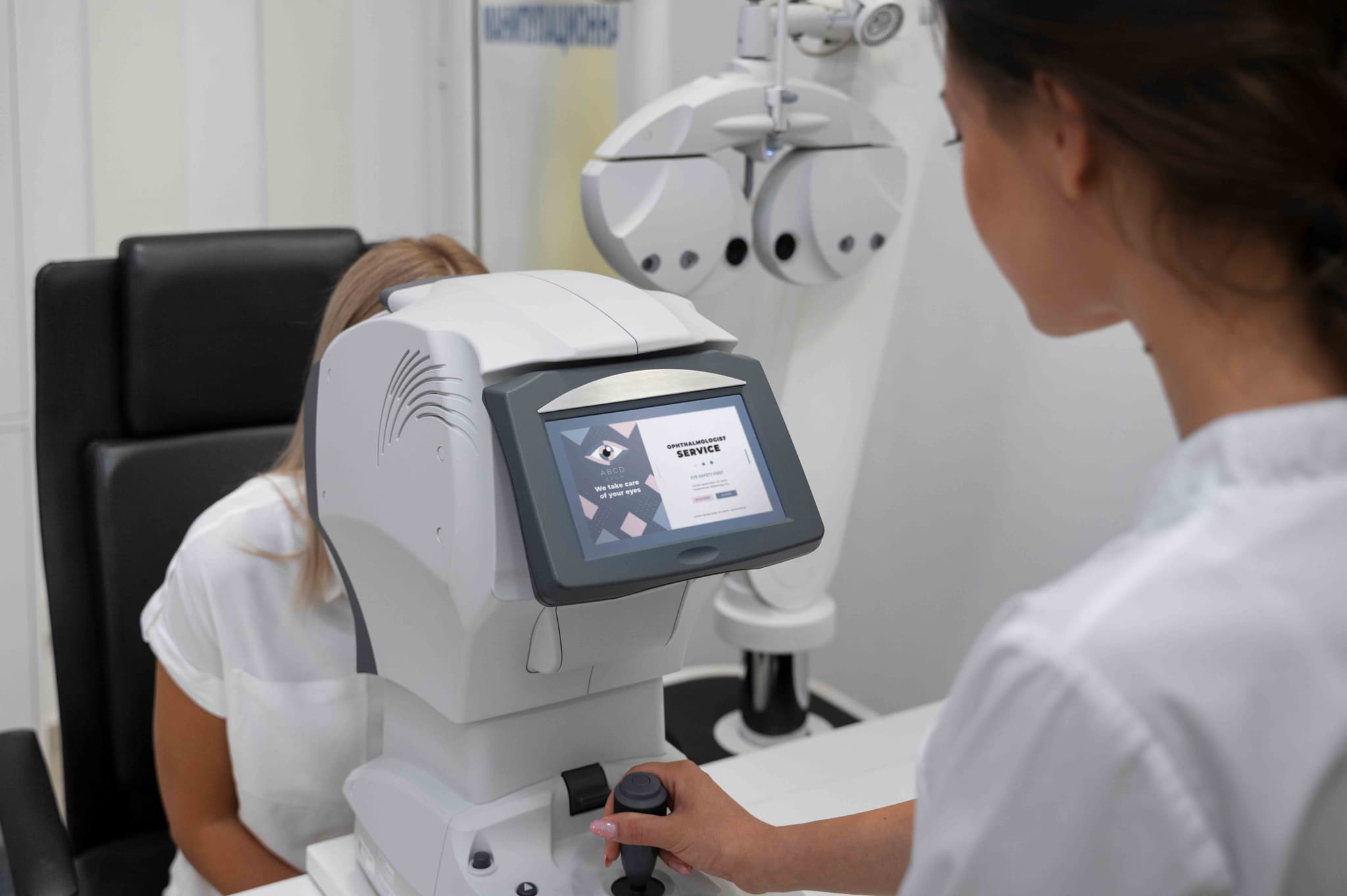
              MIGS (Minimally Invasive Glaucoma Surgery) Minimally Invasive Glaucoma Surgery (MIGS) is a group of modern surgical techniques designed to lower eye pressure with significantly less trauma than traditional glaucoma surgeries. These procedures use microscopic incisions and specialized devices to improve fluid drainage, typically for patients with mild-to-moderate open-angle glaucoma who wish to reduce their dependence on daily eye drops. When You Should Consider MIGS Mild-to-Moderate Glaucoma: When your eye pressure is not adequately controlled by one or two types of eye drops. Concurrent Cataract Surgery: MIGS is frequently performed alongside cataract removal, as it uses the same tiny incision and adds only minutes to the total procedure time. Intolerance to Medications: If you experience severe dry eye, redness, or allergies caused by long-term use of glaucoma eye drops. Desire for Faster Recovery: When you require a pressure-lowering procedure but cannot afford the long downtime associated with traditional surgery. Preserving Future Options: Because MIGS is "micro-invasive," it preserves the outer layers of the eye (conjunctiva) in case more intensive surgery is needed later in life. How Is Performed Micro-Incision: The surgeon enters the eye through a microscopic incision (often only 1–2 mm) in the clear cornea. Ab Interno Approach: The procedure is performed from the inside of the eye, allowing the surgeon to view the internal drainage angle directly through a specialized lens. Methods of Treatment: Trabecular Bypass (Stents): Tiny implants like the iStent or Hydrus Microstent are placed into the eye's natural drainage canal to bypass blockages. Tissue Excision: Tools like the Kahook Dual Blade (KDB) are used to remove a small strip of the blocked meshwork to let fluid flow freely. Subconjunctival Filtration: A flexible gelatin tube, such as the Xen Gel Stent, creates a tiny tunnel to redirect fluid to a reservoir under the eye's outer membrane. Ciliary Body Ablation: A laser probe (ECP) is used inside the eye to treat the tissue that produces fluid, reducing the overall "inflow" of pressure. Duration: When performed alone, MIGS typically takes 10 to 15 minutes; when combined with cataract surgery, it adds approximately 5 to 10 minutes. Pre-Procedure Preparation Gonioscopy: A detailed exam using a mirrored lens to view your internal drainage angle and ensure it is "open" enough for MIGS. Visual Field Mapping: Documenting your current peripheral vision to establish a baseline for long-term stability. Medication Audit: Reviewing your current eye drops; your surgeon will determine if you should continue or stop them immediately after the procedure. Transportation: Arranging for a ride home, as your vision may be temporarily blurry from the surgical microscope and dilating drops. Tests Before MIGS Optical Coherence Tomography (OCT): To measure the thickness of the optic nerve fibers and assess the severity of glaucoma. Intraocular Pressure (IOP) Tracking: Recording your pressure at different times of the day to determine your "target pressure." Pachymetry: Measuring the thickness of your cornea to ensure the most accurate eye pressure readings. Endothelial Cell Count: Checking the health of the inner cornea, especially if a permanent stent is being considered. Life After MIGS Rapid Recovery: Most patients return to normal daily activities within 3 to 7 days, which is much faster than traditional glaucoma surgery. Medication Regimen: You will need to use antibiotic and anti-inflammatory eye drops for several weeks to ensure proper healing. Pressure Monitoring: Temporary "pressure spikes" can occur in the first few days, requiring close follow-up with your surgeon. Activity Restrictions: Avoid heavy lifting, swimming, or rubbing the treated eye for at least 2 to 4 weeks. Reduced Drop Burden: Many patients are able to significantly reduce or even stop their daily glaucoma eye drops once the drainage device is fully functional. Why Specialized Treatment Is Highly Effective High Safety Profile: Carries a much lower risk of serious complications like hypotony (dangerously low pressure) or severe bleeding. Versatile Pathways: Surgeons can target multiple drainage pathways (trabecular, uveoscleral, or subconjunctival) depending on your eye's unique anatomy. Standardized Precision: The use of microscopic stents and blades ensures a predictable result with minimal damage to healthy tissue. Sustained Control: Unlike eye drops, which can be forgotten or difficult to administer, a MIGS implant provides 24/7 pressure management. Synergy with Cataract Care: Offers a "two-for-one" opportunity to improve vision clarity and lower eye pressure in a single, efficient session.

              LASIK / Femto-LASIK
              LASIK / Femto-LASIK

              LASIK & Femto-LASIK LASIK and Femto-LASIK are refractive surgeries designed to correct vision problems like nearsightedness (myopia), farsightedness (hyperopia), and astigmatism by reshaping the cornea. While both follow the same basic restorative principles, the primary difference lies in how the initial corneal flap is created, with Femto-LASIK offering a completely "bladeless" experience. When You Should Consider LASIK Nearsightedness (Myopia): When nearby objects are clear, but distant objects appear blurry. Farsightedness (Hyperopia): When you can see distant objects clearly, but close-up tasks cause eye strain or blur. Astigmatism: When the cornea is shaped more like a football than a basketball, causing overall distorted vision. Dependence on Corrective Lenses: When you wish to eliminate or significantly reduce the need for glasses or contact lenses for daily activities. Stable Vision: When your eye prescription has remained unchanged for at least one to two years. How Is Performed Step 1: Numbing: Anesthetic eye drops are applied so you remain awake and comfortable throughout the procedure. Step 2: Flap Creation: A thin, hinged flap is created on the outer layer of the cornea and folded back to access the underlying tissue. Traditional LASIK: Uses a mechanical handheld blade called a microkeratome. Femto-LASIK: Uses a high-precision femtosecond laser to create the flap, making it "bladeless." Step 3: Reshaping: An excimer laser is used to remove microscopic amounts of tissue from the inner cornea to improve how light focuses on the retina. Step 4: Repositioning: The corneal flap is folded back into its original position, where it bonds naturally and begins healing immediately without the need for stitches. Duration: The entire outpatient process typically takes about 10 to 20 minutes for both eyes. Pre-Procedure Preparation Contact Lens Holiday: You must stop wearing contact lenses (usually 1–3 weeks before) to allow the cornea to return to its natural shape. Corneal Mapping: Detailed 3D scans are taken of the eye's surface to program the laser for your specific correction needs. Medication Audit: Discussing any history of dry eyes or autoimmune conditions with your surgeon that might affect healing. Transportation: Arranging for a ride home after the procedure, as your vision will be foggy and you may experience light sensitivity. Tests Before LASIK Corneal Topography: A specialized map that measures the curvature and thickness of the cornea to ensure it is healthy enough for surgery. Pachymetry: Measuring corneal thickness; Femto-LASIK is often preferred for patients with thinner corneas. Dry Eye Assessment: Checking tear production to determine if post-operative dryness needs to be managed proactively. Wavefront Analysis: A highly detailed "fingerprint" of your vision that detects subtle imperfections to guide a customized laser treatment. Life After LASIK Initial Vision: Most patients see clearly within 24 to 48 hours, though vision may fluctuate slightly for the first few days. Post-Op Symptoms: Temporary grittiness, dryness, or light sensitivity is normal immediately following the surgery. Prescribed Drops: You must strictly follow the schedule for antibiotic and anti-inflammatory eye drops to prevent infection. Eye Protection: Wearing protective sunglasses or shields is recommended, especially while sleeping, to prevent accidental rubbing. Activity Restrictions: For the first week, avoid wearing eye makeup, swimming, or participating in contact sports. Why Specialized Treatment Is Highly Effective Higher Precision: Femto-LASIK allows for customizable flap dimensions, ensuring a safer and more predictable surgical outcome. Expanded Eligibility: Bladeless technology makes refractive surgery an option for patients who were previously told their corneas were too thin for a blade. Reduced Complications: The use of a computer-guided laser minimizes risks such as irregular flap creation or flap dislocation. Rapid Results: Most patients return to work and light daily activities within 24 hours of the procedure. Permanent Vision Correction: By physically reshaping the cornea, the procedure provides a long-term solution for refractive errors.

              SMILE Surgery (Small Incision Lenticule Extraction)
              SMILE Surgery (Small Incision Lenticule Extraction)

              SMILE (Small Incision Lenticule Extraction) SMILE (Small Incision Lenticule Extraction) is the latest advancement in laser vision correction. It is a flapless, minimally invasive procedure used to treat nearsightedness (myopia) and astigmatism. Unlike LASIK, which requires creating a large circular flap, SMILE utilizes a single high-precision laser to perform the entire correction through a microscopic opening. When You Should Consider SMILE Active Lifestyles: Ideal for individuals involved in contact sports, professional athletics, or high-intensity professions where a corneal flap displacement risk must be zero. Dry Eye Concerns: For patients prone to dry eyes, as the procedure preserves more corneal nerves than traditional refractive surgeries. Nearsightedness (Myopia): Specifically designed for patients with high degrees of myopia who have adequate corneal thickness. Astigmatism: Effective for correcting blurred vision caused by an irregularly shaped cornea. Structural Preference: For those who prefer a procedure that maintains the maximum structural integrity of the upper corneal layers. How Is Performed Numbing: Anesthetic drops are applied to the eye so the patient remains awake and comfortable, feeling no pain during the process. Lenticule Creation: Using the VisuMax femtosecond laser, the surgeon creates a thin, contact-lens-shaped layer of tissue (a lenticule) inside the intact cornea. Small Incision: The same laser creates a microscopic incision—typically less than 4 mm—on the corneal surface. Extraction: The surgeon manually removes the lenticule through this tiny incision, which reshapes the cornea and allows light to focus correctly on the retina. Quiet & Odourless: The laser operates silently, and unlike other methods, there is no "burning" smell during the correction. Duration: The entire process usually takes about 10–15 minutes for both eyes. Pre-Procedure Preparation Corneal Topography: Detailed mapping of the eye's surface to ensure the curvature is suitable for the lenticule extraction method. Contact Lens Holiday: Patients must stop wearing contact lenses for a specified period (usually 1–2 weeks) to allow the cornea to reach its natural shape. Tear Film Analysis: Assessing the quality of the tear film to establish a baseline for post-operative comfort. Fasting: Following clinical instructions regarding food and water intake on the morning of the procedure. Logistics: Arranging for a ride home, as vision may be "foggy" immediately following the laser application. Tests Before SMILE Pachymetry: Measuring corneal thickness to confirm there is enough tissue to safely create and remove the lenticule. Refraction Test: A precise measurement of your prescription to program the laser for the exact correction needed. Slit-Lamp Exam: A microscopic evaluation to ensure the cornea is clear and free of any underlying structural issues or infections. Pupillometry: Measuring pupil size in different lighting conditions to optimize the treatment zone and prevent night vision issues. Life After SMILE Vision Restoration: Most patients see clearly within 24 hours, though full stabilization of the vision may take a few days. Medication: Use of prescribed antibiotic and lubricating eye drops for several weeks is necessary to ensure smooth healing. Fast Return to Activity: You can typically return to sports, swimming, and wearing makeup much sooner—often within 3–5 days—than with traditional methods. Post-Op Symptoms: Some temporary light sensitivity or a "halo" effect around lights at night may occur during the first few weeks of healing. Follow-up: Scheduled checkups allow the surgeon to monitor the microscopic incision site and confirm the new corneal shape is focusing light correctly. Why Specialized Treatment Is Highly Effective No Flap Complications: Since no flap is created, there is zero risk of flap displacement, "folds," or epithelial ingrowth. Superior Stability: Leaves the strongest, outermost layers of the cornea mostly untouched, preserving more of the eye's natural biomechanical strength. Reduced Dry Eye Risk: Because fewer corneal nerves are severed during the small incision, the risk and severity of post-operative dry eye syndrome are significantly lower. High Precision: The use of a single, highly advanced femtosecond laser reduces the number of steps and specialized tools required for the correction. Minimally Invasive: The tiny incision heals very quickly, often resulting in less discomfort and a faster return to a high-intensity lifestyle.

              Squint Correction Surgery
              Squint Correction Surgery

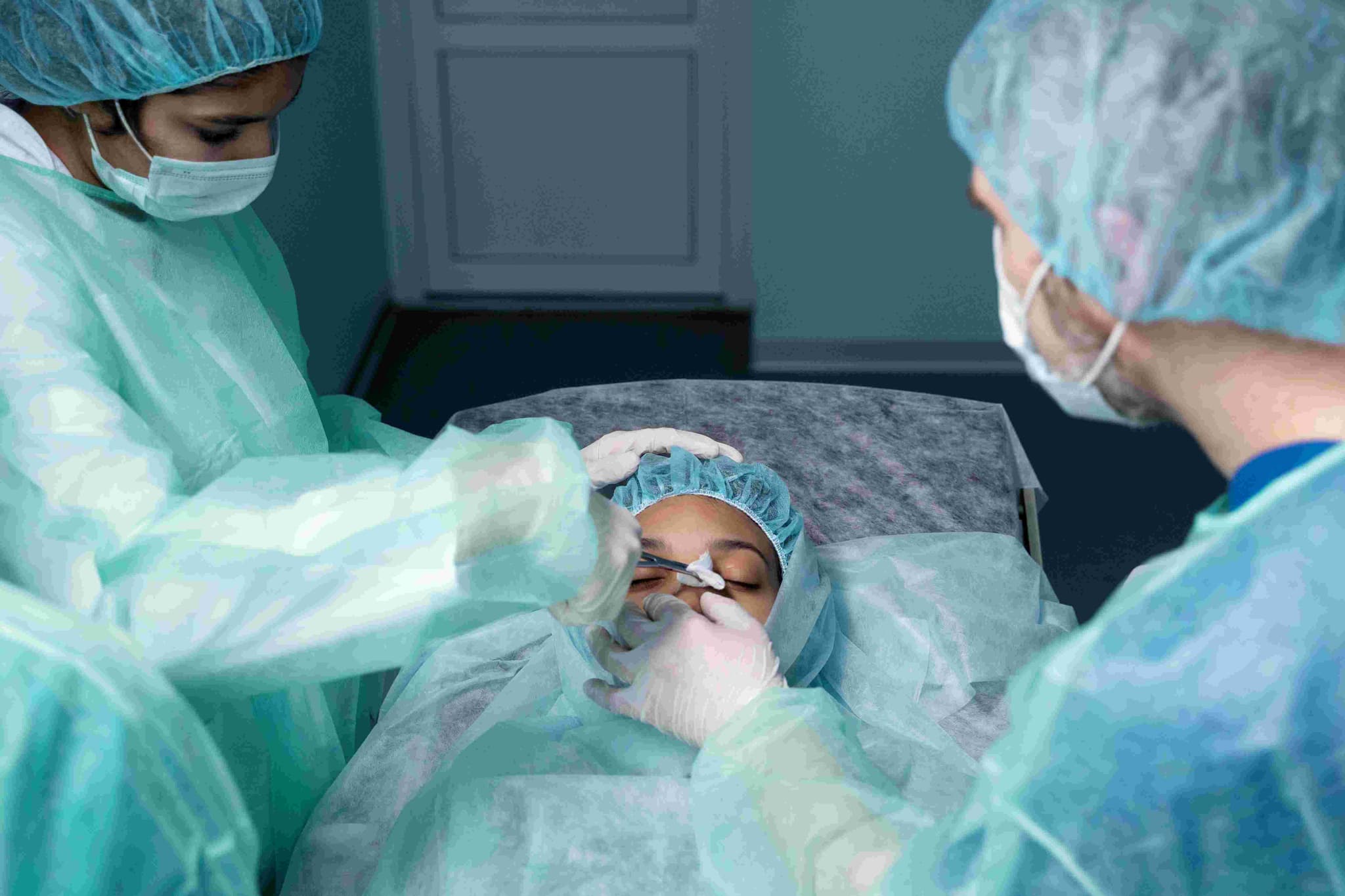
              Squint Correction Surgery (Strabismus Surgery) Squint correction surgery, or strabismus surgery, is a specialized procedure performed to align the eyes by adjusting the tension of the external eye muscles. This procedure can be performed on both children and adults to improve eye coordination, eliminate double vision, and enhance the physical appearance of the eyes. When You Should Consider Squint Correction Misaligned Eyes: When one or both eyes turn inward (esotropia), outward (exotropia), upward, or downward. Double Vision (Diplopia): If the misalignment causes you to see two images of a single object, affecting your daily activities. Loss of Depth Perception: When the eyes do not work together (binocular vision), making it difficult to judge distances accurately. Eye Strain and Headaches: When significant effort is required to keep the eyes focused and aligned, leading to chronic discomfort. Aesthetic Concerns: To improve the symmetry and appearance of the eyes, which can significantly boost self-confidence. How Is Performed Anesthesia: The surgery is typically an outpatient procedure performed under general anesthesia for children and either general or local anesthesia for adults. Accessing the Muscles: The surgeon makes a small incision in the conjunctiva—the clear membrane covering the white of the eye—to reach the six muscles that control movement. The eyeball itself is never removed or cut into. Muscle Adjustment: Recession (Weakening): The muscle is detached and reattached further back on the eye to reduce its pull and "relax" the eye's position. Resection (Strengthening): A small section of the muscle is removed to make it shorter and "tighter," increasing its pull to bring the eye into alignment. Adjustable Sutures (Adults): In some adult cases, temporary knots are used. Once the patient is awake, the alignment is checked and fine-tuned for the best result before being permanently tied. Closure: The incisions are closed with absorbable stitches that dissolve on their own over 2–4 weeks. Duration: The procedure typically takes between 30 and 60 minutes. Pre-Procedure Preparation Orthoptic Assessment: A detailed measurement of the squint in all directions of gaze to plan exactly which muscles need adjustment. Refraction Test: Checking if glasses can partially or fully correct the squint before proceeding with surgery. Binocular Vision Testing: Assessing how well the brain is currently using both eyes together. Fasting: Following "nothing by mouth" instructions if general anesthesia is planned for the procedure. Transportation: Arranging for a ride home, as your vision and coordination may be temporarily affected by the anesthesia and eye adjustments. Tests Before Squint Surgery Prism Cover Test: Using specialized prisms to measure the degree of deviation (the "angle" of the squint). Motility Exam: Checking the range of motion for all six muscles in each eye to identify any overactive or underactive muscles. Stereopsis Test: Measuring your level of depth perception to determine the potential for functional improvement. Slit-Lamp Examination: Ensuring the surface of the eye is healthy and free of inflammation before making the conjunctival incisions. Life After Squint Surgery Initial Symptoms: The white of the eye will look very red (similar to a bruise) for 2–3 weeks. The eyes may feel "gritty" or sore for the first few days. Vision Adjustment: Double vision is common for the first few days as the brain adapts to the new eye position. Medication: You must use prescribed antibiotic and steroid eye drops for 2 to 4 weeks to prevent infection and swelling. Activity Restrictions: No swimming for 4 weeks and no contact sports for 2–4 weeks. Most patients return to work or school within one week. Follow-up: Regular appointments with an orthoptist or surgeon are necessary to monitor the final alignment as the muscles heal. Why Specialized Treatment Is Highly Effective Restores Binocularity: By aligning the eyes, the procedure helps the brain use both eyes together, significantly improving depth perception. Eliminates Diplopia: Successfully resolves the misalignment that causes confusing and disorienting double vision. Customized Precision: The use of adjustable sutures in adults allows for "real-time" fine-tuning of the eye position for a more accurate outcome. Reduces Fatigue: Eases the constant muscular effort previously required to keep the eyes focused, reducing strain and headaches. High Success Rates: Modern surgical techniques provide predictable results, often achieving excellent alignment in a single session.

              Pediatric Cataract Surgery
              Pediatric Cataract Surgery

              Pediatric Cataract Surgery Pediatric cataract surgery is a specialized procedure to remove a clouded lens in infants or children. Unlike adult surgery, a child’s eye is still growing and is significantly more prone to inflammation and scarring. This requires different surgical techniques, absorbable sutures, and intensive long-term follow-up to ensure the brain develops clear vision. When You Should Consider Pediatric Cataract Surgery Congenital Cataracts: When a baby is born with a clouded lens that blocks light from reaching the retina. Developmental Cataracts: If a cataract develops during early childhood, affecting school performance or physical coordination. Leukocoria (White Pupil): When a white reflection is noticed in the child’s pupil in photos or under bright light. Nystagmus: If the child's eyes begin to shake or wander because they cannot focus on objects clearly. Strabismus (Squint): When an eye begins to turn inward or outward because the cataract is preventing the eyes from working together. How Is Performed Anesthesia: The surgery is performed under general anesthesia to ensure the child remains perfectly still and comfortable. Incision: A microscopic incision is made in the cornea or the white part of the eye (sclera). Lensectomy: Because a child’s lens is naturally soft, it is usually aspirated (gently suctioned out) rather than broken up with ultrasound energy. Primary Posterior Capsulotomy (PPC): In children (especially under age 5), the back part of the lens capsule is intentionally opened to prevent a "secondary cataract" from forming. Anterior Vitrectomy: A small amount of the vitreous gel is removed from the front of the eye to keep the visual axis clear for light to pass through. IOL Implantation: * Children (over 1–2 years): An artificial Intraocular Lens (IOL) is usually implanted. Infants: Surgeons may leave the eye "aphakic" (no lens) and use specialized contact lenses or glasses until the eye grows larger. Suturing: Unlike adult surgery, the incisions must be stitched with absorbable sutures to ensure the wound is strong enough for an active child. Duration: The procedure typically takes between 45 and 90 minutes. Pre-Procedure Preparation Pediatric Assessment: A comprehensive eye exam, often done under light sedation for younger children, to measure the eye's length and curvature. IOL Calculation: Using specialized formulas to predict how the eye will grow and what lens power will be needed for the future. Fasting: Following strict "nothing by mouth" instructions for the hours leading up to general anesthesia. Amblyopia Plan: Discussing the likelihood of needing Patching Therapy after surgery to treat "lazy eye." Logistics: Preparing for a day-care hospital stay and ensuring the child is healthy (no coughs or colds) on the day of surgery. Tests Before Pediatric Cataract Surgery A-Scan Biometry: To measure the length of the eye and calculate the appropriate lens power. B-Scan Ultrasound: To ensure the retina is healthy and attached behind the clouded lens. Red Reflex Test: A simple but vital check to see how much light is actually being blocked by the cataract. Retinoscopy: To assess the refractive error and prepare for the high-power glasses or contacts needed post-op. Life After Pediatric Cataract Surgery Intensive Medication: Antibiotic and steroid eye drops are required for 4 to 8 weeks to manage the child's strong immune response. Eye Protection: The child must wear a protective shield or specialized "arm restraints" (for infants) to prevent them from rubbing or poking the eye. Vision Correction: Almost all children will need high-power glasses or contact lenses immediately to help the brain learn to see. Patching Therapy: The "good" eye may be covered for several hours a day to force the brain to use the eye that had surgery. Long-Term Monitoring: Frequent check-ups are required to watch for Glaucoma or "Visual Axis Opacification" (where the capsule tries to grow back shut). Why Specialized Treatment Is Highly Effective Prevents Permanent Blindness: Removing the cataract early allows light to stimulate the brain during the critical period of visual development. Reduces Secondary Cataracts: Techniques like PPC and vitrectomy significantly lower the risk of the vision clouding over again. Customized for Growth: The surgical approach is tailored to the child's age, whether they need an immediate IOL or temporary contact lenses. Stronger Wound Closure: The use of absorbable sutures provides the necessary structural integrity for a child's active lifestyle. Comprehensive Care: Combines surgery with orthoptic therapy (patching) to ensure the highest possible quality of long-term vision.

              Trabeculectomy Surgery
              Trabeculectomy Surgery

              Trabeculectomy (Glaucoma Surgery) Trabeculectomy is a specialized surgical procedure used to treat glaucoma by creating a new drainage pathway to lower the internal pressure of the eye (IOP). It is typically recommended when eye drops or laser treatments are no longer effective at preventing progressive optic nerve damage and vision loss. When You Should Consider Trabeculectomy Uncontrolled Glaucoma: When your intraocular pressure remains high despite the maximum use of eye drops or oral medications. Progressive Vision Loss: If visual field tests show that your peripheral vision is continuing to deteriorate. Optic Nerve Damage: When clinical examinations show worsening "cupping" or thinning of the optic nerve fibers. Inadequate Laser Results: If previous procedures like Selective Laser Trabeculoplasty (SLT) have failed to maintain a safe pressure level. Advanced Disease: In cases of severe glaucoma where a very low "target pressure" is required to preserve the remaining sight. How Is Performed Anesthesia: The surgery is usually performed as an outpatient procedure under local anesthesia and takes about 45 to 60 minutes. Creating the Flap: The surgeon creates a microscopic "trapdoor" (flap) in the sclera—the white part of the eye—usually hidden under the upper eyelid. Removing Tissue: A tiny piece of the eye's blocked drainage meshwork is removed from under the flap to create a new opening. The "Bleb": The flap is loosely stitched back in place, allowing fluid (aqueous humor) to bypass the blocked natural drains and flow into a small reservoir called a Filtering Bleb. Fluid Absorption: The fluid in the bleb is naturally reabsorbed by the surrounding blood vessels, effectively lowering the pressure inside the eye. Anti-Scarring Medication: Medications like Mitomycin-C (MMC) are applied during surgery to prevent the new drainage hole from scarring shut. Pre-Procedure Preparation Pressure Mapping: Recording several pressure readings to establish the baseline and determine the "target pressure" needed for safety. Medication Audit: Reviewing current glaucoma drops; some may need to be stopped or adjusted before surgery to reduce inflammation. Infection Screen: Ensuring the eyelids and tear ducts are healthy and free of infection before the procedure. Transportation: Arranging for a ride home, as the eye will be patched and vision will be temporarily blurry. Anesthesia Discussion: Confirming the type of sedation or local numbing that will be used for your comfort. Tests Before Trabeculectomy Visual Field Test: To document the current extent of peripheral vision loss and provide a baseline for post-operative monitoring. Optical Coherence Tomography (OCT): To measure the thickness of the retinal nerve fiber layer around the optic nerve. Gonioscopy: A specialized exam using a mirrored lens to view the drainage angle and plan the surgical entry point. Pachymetry: Measuring corneal thickness, which can influence how eye pressure readings are interpreted. Life After Trabeculectomy Initial Vision: Vision is usually blurry for the first 2 to 4 weeks as the eye pressure stabilizes and the internal fluid levels adjust. Frequent Check-ups: Close monitoring is required in the first few weeks to allow the surgeon to adjust stitches or manage the flow of fluid. Medication Regimen: Patients must strictly use prescribed antibiotic and steroid eye drops for several weeks to prevent infection and control inflammation. Activity Restrictions: Avoid heavy lifting, bending over, or strenuous exercise for about one month to prevent dangerous pressure spikes. Long-Term Monitoring: Because there is a permanent "hole" in the eye, patients must watch for signs of Blebitis (infection of the bleb), such as sudden redness or pain. Why Specialized Treatment Is Highly Effective Significant Pressure Reduction: It is one of the most powerful tools available for achieving the very low pressures needed in advanced glaucoma. Protects Remaining Sight: By reaching the target pressure, the procedure stops the ongoing "mechanical" damage to the optic nerve. Outpatient Experience: Allows for major internal eye reconstruction with minimal downtime and a return to home on the same day. Customizable Flow: The use of adjustable or "removable" sutures allows the surgeon to fine-tune the eye pressure in the office after the surgery. Long-Lasting Results: When the bleb heals correctly and remains functional, it can provide years of stable pressure control without the need for additional drops.

              Glaucoma Drainage Device Implant
              Glaucoma Drainage Device Implant

              Glaucoma Drainage Device (GDD) Implant A Glaucoma Drainage Device (GDD) implant, also known as a tube shunt or aqueous shunt, is a specialized medical device used to lower intraocular pressure (IOP). This procedure is typically reserved for cases where conventional treatments, such as eye drops, laser therapy, or trabeculectomy, have been insufficient or are likely to fail. When You Should Consider a GDD Implant Refractory Glaucoma: When previous glaucoma surgeries, like a trabeculectomy, have failed or are high-risk due to scarring. Neovascular Glaucoma: If abnormal blood vessel growth in the eye is blocking the natural drainage angles. Uveitic Glaucoma: For managing high pressure caused by chronic internal eye inflammation. Traumatic Glaucoma: When physical injury to the eye has permanently damaged the natural drainage meshwork. Congenital Glaucoma: In pediatric cases where the eye's drainage system did not develop correctly. How Is Performed Anesthesia: The procedure is usually performed as an outpatient surgery under local anesthesia with sedation and takes about one hour. Incision: A small pocket is created under the conjunctiva (the clear membrane covering the white of the eye). Plate Fixation: A thin, curved silicone plate is sutured to the sclera (the white part of the eye), usually tucked high under the upper eyelid. Tube Insertion: A microscopic, flexible tube is trimmed and inserted into the front chamber of the eye to create a new drainage channel. Patch Graft: A small piece of donor tissue (sclera or cornea) is often placed over the tube to protect it and prevent it from eroding through the eye's surface. Fluid Flow: Excess fluid (aqueous humor) flows through the tube to the plate, where it forms a reservoir (bleb) and is naturally absorbed by the body. Common Implant Models Valved Implants (e.g., Ahmed Valve): These feature a pressure-sensitive valve that limits fluid flow until a specific pressure is reached, helping to prevent the eye pressure from dropping too low (hypotony) immediately after surgery. Non-Valved Implants (e.g., Baerveldt or Molteno): These lack a valve and offer a larger surface area for drainage. The surgeon often temporarily ties off the tube during surgery to allow a protective capsule to form before drainage begins. Pre-Procedure Preparation Surgical Planning: A detailed evaluation to choose between a valved or non-valved device based on your specific pressure goals. Medication Review: Discussing current glaucoma drops; some may need to be adjusted to manage inflammation before the implant. Donor Tissue Coordination: Ensuring the necessary patch graft material is available for the day of surgery. Transportation: Arranging for a companion to drive you home, as the eye will be patched and vision will be temporarily blurry. Physical Readiness: Confirming you are comfortable lying still for approximately one hour during the micro-surgical steps. Tests Before GDD Surgery Gonioscopy: A specialized exam to view the internal drainage angle and determine the safest placement for the tube. Visual Field Test: Establishing a baseline of peripheral vision to monitor the long-term success of the pressure control. Endothelial Cell Count: Checking the health of the inner cornea, as the tube's position must not interfere with these delicate cells. Intraocular Pressure (IOP) Profile: Tracking your pressure fluctuations to confirm the need for a surgical shunt. Life After a GDD Implant Initial Vision: Vision may be blurry for several days to a few weeks as the eye adjusts to the new drainage system. Activity Restrictions: Patients must avoid bending over, straining, or lifting objects heavier than 5 kg for several weeks to prevent pressure spikes or tube movement. Medication Use: Most patients will still need to continue some glaucoma medications even after the implant is fully functional. Monitoring: Regular checkups are essential to ensure the tube is in the correct position and the plate is draining fluid effectively. Safety Watch: Monitor for rare signs of complications, such as double vision (if the plate affects eye muscles) or redness at the patch graft site. Why Specialized Treatment Is Highly Effective Robust Pressure Control: Offers a reliable long-term solution for eyes that do not respond to other forms of glaucoma treatment. Bypasses Scarred Tissue: Because the tube is inserted directly into the eye, it bypasses damaged or scarred natural drainage channels. Standard of Care for Complex Cases: Successfully manages pressure in high-risk conditions like neovascular or inflammatory glaucoma. Durable Design: The silicone materials used are highly biocompatible and designed to remain functional inside the eye for many years. Predictable Outcomes: Modern surgical techniques and a variety of implant sizes allow surgeons to tailor the treatment to the specific volume of the patient's eye.

              Laser Iridotomy
              Laser Iridotomy

              Laser Iridotomy (LPI) Laser Iridotomy, or Laser Peripheral Iridotomy (LPI), is a quick outpatient procedure used primarily to treat or prevent angle-closure glaucoma. By creating a microscopic hole in the outer edge of the iris, the procedure allows fluid to flow more freely between the back and front of the eye. This bypass balances internal pressure and prevents sudden, sight-threatening pressure spikes. When You Should Consider Laser Iridotomy Narrow-Angle Suspects: If a routine eye exam reveals that your drainage angles are naturally narrow, putting you at high risk for a sudden glaucoma "attack." Acute Angle-Closure: Used as an emergency intervention during a sudden, painful spike in eye pressure to save vision. Chronic Angle-Closure: For patients whose drainage system is permanently narrowed or partially blocked by the iris. Preventative Care: If you have had an angle-closure attack in one eye, LPI is typically performed on the other eye as a preventative measure. Anatomical Narrowing: When the iris is physically "bowed" forward, preventing the natural drainage of aqueous humor. How Is Performed Preparation: The eye is numbed with anesthetic drops. Specialized drops (like pilocarpine) are used to constrict the pupil, which thins the iris and makes it easier for the laser to penetrate. Positioning: You sit at a slit-lamp machine—similar to a standard eye exam microscope—with your chin and forehead in a steady rest. Focusing: A specialized contact lens is placed on the eye to focus the laser beam and keep your eyelids open during the pulses. Laser Application: The surgeon uses a focused laser (commonly a YAG or Argon laser) to create a tiny opening in the outer edge of the iris, usually hidden under the upper eyelid. Monitoring: You will remain at the clinic for 30 minutes to 2 hours post-procedure so the specialist can check for any immediate spikes in eye pressure. Duration: The procedure is typically completed in 5 to 15 minutes per eye. Pre-Procedure Preparation Gonioscopy: A specialized diagnostic exam to view the drainage angle and confirm that the iris is causing the obstruction. Medication Review: Discussing any blood thinners or history of eye inflammation (uveitis) with your surgeon. Pupil Preparation: Being aware that the constricting drops used before surgery may cause a temporary brow ache or dim vision. Transportation: Arranging for a ride home, as your vision may be temporarily blurred from the specialized lenses and laser light. Tests Before Laser Iridotomy Intraocular Pressure (IOP) Check: Establishing a baseline pressure to compare against post-laser readings. Anterior Segment OCT: A high-resolution scan that provides a cross-sectional view of the drainage angle and iris position. Visual Acuity: Measuring your current vision to ensure the laser treatment does not affect your baseline sight. Slit-Lamp Examination: A microscopic check of the iris thickness and the health of the cornea before the laser application. Life After Laser Iridotomy Initial Recovery: Most patients return to normal activities within 24 to 48 hours. Common Symptoms: Temporary blurred vision, mild headache, light sensitivity, or a "gritty" feeling in the eye are normal for a day or two. Medication: You will be prescribed anti-inflammatory (steroid) eye drops to use for about a week to ensure the microscopic hole stays open and heals. Activity Restrictions: Avoid strenuous exercise, heavy lifting, or rubbing the eyes for the first 2–3 days. Follow-up: A pressure check and gonioscopy are usually performed 1 to 2 weeks later to confirm the angle has successfully opened. Why Specialized Treatment Is Highly Effective Prevents Blindness: It is the primary defense against acute angle-closure glaucoma, which can cause permanent blindness in hours if untreated. Minimally Invasive: Requires no surgical incisions, no stitches, and is performed entirely in an office setting. Permanent Solution: Once the microscopic hole is created and healed, it typically provides a life-long pathway for fluid flow. Rapid Results: The internal pressure often begins to stabilize immediately after the bypass is created. High Safety Profile: Complications are uncommon, and the procedure is considered the global standard of care for narrow-angle conditions.

              MIGS (Minimally Invasive Glaucoma Surgery)
              MIGS (Minimally Invasive Glaucoma Surgery)

              MIGS (Minimally Invasive Glaucoma Surgery) Minimally Invasive Glaucoma Surgery (MIGS) is a group of modern surgical techniques designed to lower eye pressure with significantly less trauma than traditional glaucoma surgeries. These procedures use microscopic incisions and specialized devices to improve fluid drainage, typically for patients with mild-to-moderate open-angle glaucoma who wish to reduce their dependence on daily eye drops. When You Should Consider MIGS Mild-to-Moderate Glaucoma: When your eye pressure is not adequately controlled by one or two types of eye drops. Concurrent Cataract Surgery: MIGS is frequently performed alongside cataract removal, as it uses the same tiny incision and adds only minutes to the total procedure time. Intolerance to Medications: If you experience severe dry eye, redness, or allergies caused by long-term use of glaucoma eye drops. Desire for Faster Recovery: When you require a pressure-lowering procedure but cannot afford the long downtime associated with traditional surgery. Preserving Future Options: Because MIGS is "micro-invasive," it preserves the outer layers of the eye (conjunctiva) in case more intensive surgery is needed later in life. How Is Performed Micro-Incision: The surgeon enters the eye through a microscopic incision (often only 1–2 mm) in the clear cornea. Ab Interno Approach: The procedure is performed from the inside of the eye, allowing the surgeon to view the internal drainage angle directly through a specialized lens. Methods of Treatment: Trabecular Bypass (Stents): Tiny implants like the iStent or Hydrus Microstent are placed into the eye's natural drainage canal to bypass blockages. Tissue Excision: Tools like the Kahook Dual Blade (KDB) are used to remove a small strip of the blocked meshwork to let fluid flow freely. Subconjunctival Filtration: A flexible gelatin tube, such as the Xen Gel Stent, creates a tiny tunnel to redirect fluid to a reservoir under the eye's outer membrane. Ciliary Body Ablation: A laser probe (ECP) is used inside the eye to treat the tissue that produces fluid, reducing the overall "inflow" of pressure. Duration: When performed alone, MIGS typically takes 10 to 15 minutes; when combined with cataract surgery, it adds approximately 5 to 10 minutes. Pre-Procedure Preparation Gonioscopy: A detailed exam using a mirrored lens to view your internal drainage angle and ensure it is "open" enough for MIGS. Visual Field Mapping: Documenting your current peripheral vision to establish a baseline for long-term stability. Medication Audit: Reviewing your current eye drops; your surgeon will determine if you should continue or stop them immediately after the procedure. Transportation: Arranging for a ride home, as your vision may be temporarily blurry from the surgical microscope and dilating drops. Tests Before MIGS Optical Coherence Tomography (OCT): To measure the thickness of the optic nerve fibers and assess the severity of glaucoma. Intraocular Pressure (IOP) Tracking: Recording your pressure at different times of the day to determine your "target pressure." Pachymetry: Measuring the thickness of your cornea to ensure the most accurate eye pressure readings. Endothelial Cell Count: Checking the health of the inner cornea, especially if a permanent stent is being considered. Life After MIGS Rapid Recovery: Most patients return to normal daily activities within 3 to 7 days, which is much faster than traditional glaucoma surgery. Medication Regimen: You will need to use antibiotic and anti-inflammatory eye drops for several weeks to ensure proper healing. Pressure Monitoring: Temporary "pressure spikes" can occur in the first few days, requiring close follow-up with your surgeon. Activity Restrictions: Avoid heavy lifting, swimming, or rubbing the treated eye for at least 2 to 4 weeks. Reduced Drop Burden: Many patients are able to significantly reduce or even stop their daily glaucoma eye drops once the drainage device is fully functional. Why Specialized Treatment Is Highly Effective High Safety Profile: Carries a much lower risk of serious complications like hypotony (dangerously low pressure) or severe bleeding. Versatile Pathways: Surgeons can target multiple drainage pathways (trabecular, uveoscleral, or subconjunctival) depending on your eye's unique anatomy. Standardized Precision: The use of microscopic stents and blades ensures a predictable result with minimal damage to healthy tissue. Sustained Control: Unlike eye drops, which can be forgotten or difficult to administer, a MIGS implant provides 24/7 pressure management. Synergy with Cataract Care: Offers a "two-for-one" opportunity to improve vision clarity and lower eye pressure in a single, efficient session.

              LASIK / Femto-LASIK
              LASIK / Femto-LASIK

              LASIK & Femto-LASIK LASIK and Femto-LASIK are refractive surgeries designed to correct vision problems like nearsightedness (myopia), farsightedness (hyperopia), and astigmatism by reshaping the cornea. While both follow the same basic restorative principles, the primary difference lies in how the initial corneal flap is created, with Femto-LASIK offering a completely "bladeless" experience. When You Should Consider LASIK Nearsightedness (Myopia): When nearby objects are clear, but distant objects appear blurry. Farsightedness (Hyperopia): When you can see distant objects clearly, but close-up tasks cause eye strain or blur. Astigmatism: When the cornea is shaped more like a football than a basketball, causing overall distorted vision. Dependence on Corrective Lenses: When you wish to eliminate or significantly reduce the need for glasses or contact lenses for daily activities. Stable Vision: When your eye prescription has remained unchanged for at least one to two years. How Is Performed Step 1: Numbing: Anesthetic eye drops are applied so you remain awake and comfortable throughout the procedure. Step 2: Flap Creation: A thin, hinged flap is created on the outer layer of the cornea and folded back to access the underlying tissue. Traditional LASIK: Uses a mechanical handheld blade called a microkeratome. Femto-LASIK: Uses a high-precision femtosecond laser to create the flap, making it "bladeless." Step 3: Reshaping: An excimer laser is used to remove microscopic amounts of tissue from the inner cornea to improve how light focuses on the retina. Step 4: Repositioning: The corneal flap is folded back into its original position, where it bonds naturally and begins healing immediately without the need for stitches. Duration: The entire outpatient process typically takes about 10 to 20 minutes for both eyes. Pre-Procedure Preparation Contact Lens Holiday: You must stop wearing contact lenses (usually 1–3 weeks before) to allow the cornea to return to its natural shape. Corneal Mapping: Detailed 3D scans are taken of the eye's surface to program the laser for your specific correction needs. Medication Audit: Discussing any history of dry eyes or autoimmune conditions with your surgeon that might affect healing. Transportation: Arranging for a ride home after the procedure, as your vision will be foggy and you may experience light sensitivity. Tests Before LASIK Corneal Topography: A specialized map that measures the curvature and thickness of the cornea to ensure it is healthy enough for surgery. Pachymetry: Measuring corneal thickness; Femto-LASIK is often preferred for patients with thinner corneas. Dry Eye Assessment: Checking tear production to determine if post-operative dryness needs to be managed proactively. Wavefront Analysis: A highly detailed "fingerprint" of your vision that detects subtle imperfections to guide a customized laser treatment. Life After LASIK Initial Vision: Most patients see clearly within 24 to 48 hours, though vision may fluctuate slightly for the first few days. Post-Op Symptoms: Temporary grittiness, dryness, or light sensitivity is normal immediately following the surgery. Prescribed Drops: You must strictly follow the schedule for antibiotic and anti-inflammatory eye drops to prevent infection. Eye Protection: Wearing protective sunglasses or shields is recommended, especially while sleeping, to prevent accidental rubbing. Activity Restrictions: For the first week, avoid wearing eye makeup, swimming, or participating in contact sports. Why Specialized Treatment Is Highly Effective Higher Precision: Femto-LASIK allows for customizable flap dimensions, ensuring a safer and more predictable surgical outcome. Expanded Eligibility: Bladeless technology makes refractive surgery an option for patients who were previously told their corneas were too thin for a blade. Reduced Complications: The use of a computer-guided laser minimizes risks such as irregular flap creation or flap dislocation. Rapid Results: Most patients return to work and light daily activities within 24 hours of the procedure. Permanent Vision Correction: By physically reshaping the cornea, the procedure provides a long-term solution for refractive errors.

              SMILE Surgery (Small Incision Lenticule Extraction)
              SMILE Surgery (Small Incision Lenticule Extraction)

              SMILE (Small Incision Lenticule Extraction) SMILE (Small Incision Lenticule Extraction) is the latest advancement in laser vision correction. It is a flapless, minimally invasive procedure used to treat nearsightedness (myopia) and astigmatism. Unlike LASIK, which requires creating a large circular flap, SMILE utilizes a single high-precision laser to perform the entire correction through a microscopic opening. When You Should Consider SMILE Active Lifestyles: Ideal for individuals involved in contact sports, professional athletics, or high-intensity professions where a corneal flap displacement risk must be zero. Dry Eye Concerns: For patients prone to dry eyes, as the procedure preserves more corneal nerves than traditional refractive surgeries. Nearsightedness (Myopia): Specifically designed for patients with high degrees of myopia who have adequate corneal thickness. Astigmatism: Effective for correcting blurred vision caused by an irregularly shaped cornea. Structural Preference: For those who prefer a procedure that maintains the maximum structural integrity of the upper corneal layers. How Is Performed Numbing: Anesthetic drops are applied to the eye so the patient remains awake and comfortable, feeling no pain during the process. Lenticule Creation: Using the VisuMax femtosecond laser, the surgeon creates a thin, contact-lens-shaped layer of tissue (a lenticule) inside the intact cornea. Small Incision: The same laser creates a microscopic incision—typically less than 4 mm—on the corneal surface. Extraction: The surgeon manually removes the lenticule through this tiny incision, which reshapes the cornea and allows light to focus correctly on the retina. Quiet & Odourless: The laser operates silently, and unlike other methods, there is no "burning" smell during the correction. Duration: The entire process usually takes about 10–15 minutes for both eyes. Pre-Procedure Preparation Corneal Topography: Detailed mapping of the eye's surface to ensure the curvature is suitable for the lenticule extraction method. Contact Lens Holiday: Patients must stop wearing contact lenses for a specified period (usually 1–2 weeks) to allow the cornea to reach its natural shape. Tear Film Analysis: Assessing the quality of the tear film to establish a baseline for post-operative comfort. Fasting: Following clinical instructions regarding food and water intake on the morning of the procedure. Logistics: Arranging for a ride home, as vision may be "foggy" immediately following the laser application. Tests Before SMILE Pachymetry: Measuring corneal thickness to confirm there is enough tissue to safely create and remove the lenticule. Refraction Test: A precise measurement of your prescription to program the laser for the exact correction needed. Slit-Lamp Exam: A microscopic evaluation to ensure the cornea is clear and free of any underlying structural issues or infections. Pupillometry: Measuring pupil size in different lighting conditions to optimize the treatment zone and prevent night vision issues. Life After SMILE Vision Restoration: Most patients see clearly within 24 hours, though full stabilization of the vision may take a few days. Medication: Use of prescribed antibiotic and lubricating eye drops for several weeks is necessary to ensure smooth healing. Fast Return to Activity: You can typically return to sports, swimming, and wearing makeup much sooner—often within 3–5 days—than with traditional methods. Post-Op Symptoms: Some temporary light sensitivity or a "halo" effect around lights at night may occur during the first few weeks of healing. Follow-up: Scheduled checkups allow the surgeon to monitor the microscopic incision site and confirm the new corneal shape is focusing light correctly. Why Specialized Treatment Is Highly Effective No Flap Complications: Since no flap is created, there is zero risk of flap displacement, "folds," or epithelial ingrowth. Superior Stability: Leaves the strongest, outermost layers of the cornea mostly untouched, preserving more of the eye's natural biomechanical strength. Reduced Dry Eye Risk: Because fewer corneal nerves are severed during the small incision, the risk and severity of post-operative dry eye syndrome are significantly lower. High Precision: The use of a single, highly advanced femtosecond laser reduces the number of steps and specialized tools required for the correction. Minimally Invasive: The tiny incision heals very quickly, often resulting in less discomfort and a faster return to a high-intensity lifestyle.

              Squint Correction Surgery
              Squint Correction Surgery

              Squint Correction Surgery (Strabismus Surgery) Squint correction surgery, or strabismus surgery, is a specialized procedure performed to align the eyes by adjusting the tension of the external eye muscles. This procedure can be performed on both children and adults to improve eye coordination, eliminate double vision, and enhance the physical appearance of the eyes. When You Should Consider Squint Correction Misaligned Eyes: When one or both eyes turn inward (esotropia), outward (exotropia), upward, or downward. Double Vision (Diplopia): If the misalignment causes you to see two images of a single object, affecting your daily activities. Loss of Depth Perception: When the eyes do not work together (binocular vision), making it difficult to judge distances accurately. Eye Strain and Headaches: When significant effort is required to keep the eyes focused and aligned, leading to chronic discomfort. Aesthetic Concerns: To improve the symmetry and appearance of the eyes, which can significantly boost self-confidence. How Is Performed Anesthesia: The surgery is typically an outpatient procedure performed under general anesthesia for children and either general or local anesthesia for adults. Accessing the Muscles: The surgeon makes a small incision in the conjunctiva—the clear membrane covering the white of the eye—to reach the six muscles that control movement. The eyeball itself is never removed or cut into. Muscle Adjustment: Recession (Weakening): The muscle is detached and reattached further back on the eye to reduce its pull and "relax" the eye's position. Resection (Strengthening): A small section of the muscle is removed to make it shorter and "tighter," increasing its pull to bring the eye into alignment. Adjustable Sutures (Adults): In some adult cases, temporary knots are used. Once the patient is awake, the alignment is checked and fine-tuned for the best result before being permanently tied. Closure: The incisions are closed with absorbable stitches that dissolve on their own over 2–4 weeks. Duration: The procedure typically takes between 30 and 60 minutes. Pre-Procedure Preparation Orthoptic Assessment: A detailed measurement of the squint in all directions of gaze to plan exactly which muscles need adjustment. Refraction Test: Checking if glasses can partially or fully correct the squint before proceeding with surgery. Binocular Vision Testing: Assessing how well the brain is currently using both eyes together. Fasting: Following "nothing by mouth" instructions if general anesthesia is planned for the procedure. Transportation: Arranging for a ride home, as your vision and coordination may be temporarily affected by the anesthesia and eye adjustments. Tests Before Squint Surgery Prism Cover Test: Using specialized prisms to measure the degree of deviation (the "angle" of the squint). Motility Exam: Checking the range of motion for all six muscles in each eye to identify any overactive or underactive muscles. Stereopsis Test: Measuring your level of depth perception to determine the potential for functional improvement. Slit-Lamp Examination: Ensuring the surface of the eye is healthy and free of inflammation before making the conjunctival incisions. Life After Squint Surgery Initial Symptoms: The white of the eye will look very red (similar to a bruise) for 2–3 weeks. The eyes may feel "gritty" or sore for the first few days. Vision Adjustment: Double vision is common for the first few days as the brain adapts to the new eye position. Medication: You must use prescribed antibiotic and steroid eye drops for 2 to 4 weeks to prevent infection and swelling. Activity Restrictions: No swimming for 4 weeks and no contact sports for 2–4 weeks. Most patients return to work or school within one week. Follow-up: Regular appointments with an orthoptist or surgeon are necessary to monitor the final alignment as the muscles heal. Why Specialized Treatment Is Highly Effective Restores Binocularity: By aligning the eyes, the procedure helps the brain use both eyes together, significantly improving depth perception. Eliminates Diplopia: Successfully resolves the misalignment that causes confusing and disorienting double vision. Customized Precision: The use of adjustable sutures in adults allows for "real-time" fine-tuning of the eye position for a more accurate outcome. Reduces Fatigue: Eases the constant muscular effort previously required to keep the eyes focused, reducing strain and headaches. High Success Rates: Modern surgical techniques provide predictable results, often achieving excellent alignment in a single session.

              Pediatric Cataract Surgery
              Pediatric Cataract Surgery

              Pediatric Cataract Surgery Pediatric cataract surgery is a specialized procedure to remove a clouded lens in infants or children. Unlike adult surgery, a child’s eye is still growing and is significantly more prone to inflammation and scarring. This requires different surgical techniques, absorbable sutures, and intensive long-term follow-up to ensure the brain develops clear vision. When You Should Consider Pediatric Cataract Surgery Congenital Cataracts: When a baby is born with a clouded lens that blocks light from reaching the retina. Developmental Cataracts: If a cataract develops during early childhood, affecting school performance or physical coordination. Leukocoria (White Pupil): When a white reflection is noticed in the child’s pupil in photos or under bright light. Nystagmus: If the child's eyes begin to shake or wander because they cannot focus on objects clearly. Strabismus (Squint): When an eye begins to turn inward or outward because the cataract is preventing the eyes from working together. How Is Performed Anesthesia: The surgery is performed under general anesthesia to ensure the child remains perfectly still and comfortable. Incision: A microscopic incision is made in the cornea or the white part of the eye (sclera). Lensectomy: Because a child’s lens is naturally soft, it is usually aspirated (gently suctioned out) rather than broken up with ultrasound energy. Primary Posterior Capsulotomy (PPC): In children (especially under age 5), the back part of the lens capsule is intentionally opened to prevent a "secondary cataract" from forming. Anterior Vitrectomy: A small amount of the vitreous gel is removed from the front of the eye to keep the visual axis clear for light to pass through. IOL Implantation: * Children (over 1–2 years): An artificial Intraocular Lens (IOL) is usually implanted. Infants: Surgeons may leave the eye "aphakic" (no lens) and use specialized contact lenses or glasses until the eye grows larger. Suturing: Unlike adult surgery, the incisions must be stitched with absorbable sutures to ensure the wound is strong enough for an active child. Duration: The procedure typically takes between 45 and 90 minutes. Pre-Procedure Preparation Pediatric Assessment: A comprehensive eye exam, often done under light sedation for younger children, to measure the eye's length and curvature. IOL Calculation: Using specialized formulas to predict how the eye will grow and what lens power will be needed for the future. Fasting: Following strict "nothing by mouth" instructions for the hours leading up to general anesthesia. Amblyopia Plan: Discussing the likelihood of needing Patching Therapy after surgery to treat "lazy eye." Logistics: Preparing for a day-care hospital stay and ensuring the child is healthy (no coughs or colds) on the day of surgery. Tests Before Pediatric Cataract Surgery A-Scan Biometry: To measure the length of the eye and calculate the appropriate lens power. B-Scan Ultrasound: To ensure the retina is healthy and attached behind the clouded lens. Red Reflex Test: A simple but vital check to see how much light is actually being blocked by the cataract. Retinoscopy: To assess the refractive error and prepare for the high-power glasses or contacts needed post-op. Life After Pediatric Cataract Surgery Intensive Medication: Antibiotic and steroid eye drops are required for 4 to 8 weeks to manage the child's strong immune response. Eye Protection: The child must wear a protective shield or specialized "arm restraints" (for infants) to prevent them from rubbing or poking the eye. Vision Correction: Almost all children will need high-power glasses or contact lenses immediately to help the brain learn to see. Patching Therapy: The "good" eye may be covered for several hours a day to force the brain to use the eye that had surgery. Long-Term Monitoring: Frequent check-ups are required to watch for Glaucoma or "Visual Axis Opacification" (where the capsule tries to grow back shut). Why Specialized Treatment Is Highly Effective Prevents Permanent Blindness: Removing the cataract early allows light to stimulate the brain during the critical period of visual development. Reduces Secondary Cataracts: Techniques like PPC and vitrectomy significantly lower the risk of the vision clouding over again. Customized for Growth: The surgical approach is tailored to the child's age, whether they need an immediate IOL or temporary contact lenses. Stronger Wound Closure: The use of absorbable sutures provides the necessary structural integrity for a child's active lifestyle. Comprehensive Care: Combines surgery with orthoptic therapy (patching) to ensure the highest possible quality of long-term vision.

              Trabeculectomy Surgery
              Trabeculectomy Surgery

              Trabeculectomy (Glaucoma Surgery) Trabeculectomy is a specialized surgical procedure used to treat glaucoma by creating a new drainage pathway to lower the internal pressure of the eye (IOP). It is typically recommended when eye drops or laser treatments are no longer effective at preventing progressive optic nerve damage and vision loss. When You Should Consider Trabeculectomy Uncontrolled Glaucoma: When your intraocular pressure remains high despite the maximum use of eye drops or oral medications. Progressive Vision Loss: If visual field tests show that your peripheral vision is continuing to deteriorate. Optic Nerve Damage: When clinical examinations show worsening "cupping" or thinning of the optic nerve fibers. Inadequate Laser Results: If previous procedures like Selective Laser Trabeculoplasty (SLT) have failed to maintain a safe pressure level. Advanced Disease: In cases of severe glaucoma where a very low "target pressure" is required to preserve the remaining sight. How Is Performed Anesthesia: The surgery is usually performed as an outpatient procedure under local anesthesia and takes about 45 to 60 minutes. Creating the Flap: The surgeon creates a microscopic "trapdoor" (flap) in the sclera—the white part of the eye—usually hidden under the upper eyelid. Removing Tissue: A tiny piece of the eye's blocked drainage meshwork is removed from under the flap to create a new opening. The "Bleb": The flap is loosely stitched back in place, allowing fluid (aqueous humor) to bypass the blocked natural drains and flow into a small reservoir called a Filtering Bleb. Fluid Absorption: The fluid in the bleb is naturally reabsorbed by the surrounding blood vessels, effectively lowering the pressure inside the eye. Anti-Scarring Medication: Medications like Mitomycin-C (MMC) are applied during surgery to prevent the new drainage hole from scarring shut. Pre-Procedure Preparation Pressure Mapping: Recording several pressure readings to establish the baseline and determine the "target pressure" needed for safety. Medication Audit: Reviewing current glaucoma drops; some may need to be stopped or adjusted before surgery to reduce inflammation. Infection Screen: Ensuring the eyelids and tear ducts are healthy and free of infection before the procedure. Transportation: Arranging for a ride home, as the eye will be patched and vision will be temporarily blurry. Anesthesia Discussion: Confirming the type of sedation or local numbing that will be used for your comfort. Tests Before Trabeculectomy Visual Field Test: To document the current extent of peripheral vision loss and provide a baseline for post-operative monitoring. Optical Coherence Tomography (OCT): To measure the thickness of the retinal nerve fiber layer around the optic nerve. Gonioscopy: A specialized exam using a mirrored lens to view the drainage angle and plan the surgical entry point. Pachymetry: Measuring corneal thickness, which can influence how eye pressure readings are interpreted. Life After Trabeculectomy Initial Vision: Vision is usually blurry for the first 2 to 4 weeks as the eye pressure stabilizes and the internal fluid levels adjust. Frequent Check-ups: Close monitoring is required in the first few weeks to allow the surgeon to adjust stitches or manage the flow of fluid. Medication Regimen: Patients must strictly use prescribed antibiotic and steroid eye drops for several weeks to prevent infection and control inflammation. Activity Restrictions: Avoid heavy lifting, bending over, or strenuous exercise for about one month to prevent dangerous pressure spikes. Long-Term Monitoring: Because there is a permanent "hole" in the eye, patients must watch for signs of Blebitis (infection of the bleb), such as sudden redness or pain. Why Specialized Treatment Is Highly Effective Significant Pressure Reduction: It is one of the most powerful tools available for achieving the very low pressures needed in advanced glaucoma. Protects Remaining Sight: By reaching the target pressure, the procedure stops the ongoing "mechanical" damage to the optic nerve. Outpatient Experience: Allows for major internal eye reconstruction with minimal downtime and a return to home on the same day. Customizable Flow: The use of adjustable or "removable" sutures allows the surgeon to fine-tune the eye pressure in the office after the surgery. Long-Lasting Results: When the bleb heals correctly and remains functional, it can provide years of stable pressure control without the need for additional drops.

              Glaucoma Drainage Device Implant
              Glaucoma Drainage Device Implant

              Glaucoma Drainage Device (GDD) Implant A Glaucoma Drainage Device (GDD) implant, also known as a tube shunt or aqueous shunt, is a specialized medical device used to lower intraocular pressure (IOP). This procedure is typically reserved for cases where conventional treatments, such as eye drops, laser therapy, or trabeculectomy, have been insufficient or are likely to fail. When You Should Consider a GDD Implant Refractory Glaucoma: When previous glaucoma surgeries, like a trabeculectomy, have failed or are high-risk due to scarring. Neovascular Glaucoma: If abnormal blood vessel growth in the eye is blocking the natural drainage angles. Uveitic Glaucoma: For managing high pressure caused by chronic internal eye inflammation. Traumatic Glaucoma: When physical injury to the eye has permanently damaged the natural drainage meshwork. Congenital Glaucoma: In pediatric cases where the eye's drainage system did not develop correctly. How Is Performed Anesthesia: The procedure is usually performed as an outpatient surgery under local anesthesia with sedation and takes about one hour. Incision: A small pocket is created under the conjunctiva (the clear membrane covering the white of the eye). Plate Fixation: A thin, curved silicone plate is sutured to the sclera (the white part of the eye), usually tucked high under the upper eyelid. Tube Insertion: A microscopic, flexible tube is trimmed and inserted into the front chamber of the eye to create a new drainage channel. Patch Graft: A small piece of donor tissue (sclera or cornea) is often placed over the tube to protect it and prevent it from eroding through the eye's surface. Fluid Flow: Excess fluid (aqueous humor) flows through the tube to the plate, where it forms a reservoir (bleb) and is naturally absorbed by the body. Common Implant Models Valved Implants (e.g., Ahmed Valve): These feature a pressure-sensitive valve that limits fluid flow until a specific pressure is reached, helping to prevent the eye pressure from dropping too low (hypotony) immediately after surgery. Non-Valved Implants (e.g., Baerveldt or Molteno): These lack a valve and offer a larger surface area for drainage. The surgeon often temporarily ties off the tube during surgery to allow a protective capsule to form before drainage begins. Pre-Procedure Preparation Surgical Planning: A detailed evaluation to choose between a valved or non-valved device based on your specific pressure goals. Medication Review: Discussing current glaucoma drops; some may need to be adjusted to manage inflammation before the implant. Donor Tissue Coordination: Ensuring the necessary patch graft material is available for the day of surgery. Transportation: Arranging for a companion to drive you home, as the eye will be patched and vision will be temporarily blurry. Physical Readiness: Confirming you are comfortable lying still for approximately one hour during the micro-surgical steps. Tests Before GDD Surgery Gonioscopy: A specialized exam to view the internal drainage angle and determine the safest placement for the tube. Visual Field Test: Establishing a baseline of peripheral vision to monitor the long-term success of the pressure control. Endothelial Cell Count: Checking the health of the inner cornea, as the tube's position must not interfere with these delicate cells. Intraocular Pressure (IOP) Profile: Tracking your pressure fluctuations to confirm the need for a surgical shunt. Life After a GDD Implant Initial Vision: Vision may be blurry for several days to a few weeks as the eye adjusts to the new drainage system. Activity Restrictions: Patients must avoid bending over, straining, or lifting objects heavier than 5 kg for several weeks to prevent pressure spikes or tube movement. Medication Use: Most patients will still need to continue some glaucoma medications even after the implant is fully functional. Monitoring: Regular checkups are essential to ensure the tube is in the correct position and the plate is draining fluid effectively. Safety Watch: Monitor for rare signs of complications, such as double vision (if the plate affects eye muscles) or redness at the patch graft site. Why Specialized Treatment Is Highly Effective Robust Pressure Control: Offers a reliable long-term solution for eyes that do not respond to other forms of glaucoma treatment. Bypasses Scarred Tissue: Because the tube is inserted directly into the eye, it bypasses damaged or scarred natural drainage channels. Standard of Care for Complex Cases: Successfully manages pressure in high-risk conditions like neovascular or inflammatory glaucoma. Durable Design: The silicone materials used are highly biocompatible and designed to remain functional inside the eye for many years. Predictable Outcomes: Modern surgical techniques and a variety of implant sizes allow surgeons to tailor the treatment to the specific volume of the patient's eye.

              SMILE Surgery (Small Incision Lenticule Extraction)
              SMILE Surgery (Small Incision Lenticule Extraction)

              SMILE (Small Incision Lenticule Extraction) SMILE (Small Incision Lenticule Extraction) is the latest advancement in laser vision correction. It is a flapless, minimally invasive procedure used to treat nearsightedness (myopia) and astigmatism. Unlike LASIK, which requires creating a large circular flap, SMILE utilizes a single high-precision laser to perform the entire correction through a microscopic opening. When You Should Consider SMILE Active Lifestyles: Ideal for individuals involved in contact sports, professional athletics, or high-intensity professions where a corneal flap displacement risk must be zero. Dry Eye Concerns: For patients prone to dry eyes, as the procedure preserves more corneal nerves than traditional refractive surgeries. Nearsightedness (Myopia): Specifically designed for patients with high degrees of myopia who have adequate corneal thickness. Astigmatism: Effective for correcting blurred vision caused by an irregularly shaped cornea. Structural Preference: For those who prefer a procedure that maintains the maximum structural integrity of the upper corneal layers. How Is Performed Numbing: Anesthetic drops are applied to the eye so the patient remains awake and comfortable, feeling no pain during the process. Lenticule Creation: Using the VisuMax femtosecond laser, the surgeon creates a thin, contact-lens-shaped layer of tissue (a lenticule) inside the intact cornea. Small Incision: The same laser creates a microscopic incision—typically less than 4 mm—on the corneal surface. Extraction: The surgeon manually removes the lenticule through this tiny incision, which reshapes the cornea and allows light to focus correctly on the retina. Quiet & Odourless: The laser operates silently, and unlike other methods, there is no "burning" smell during the correction. Duration: The entire process usually takes about 10–15 minutes for both eyes. Pre-Procedure Preparation Corneal Topography: Detailed mapping of the eye's surface to ensure the curvature is suitable for the lenticule extraction method. Contact Lens Holiday: Patients must stop wearing contact lenses for a specified period (usually 1–2 weeks) to allow the cornea to reach its natural shape. Tear Film Analysis: Assessing the quality of the tear film to establish a baseline for post-operative comfort. Fasting: Following clinical instructions regarding food and water intake on the morning of the procedure. Logistics: Arranging for a ride home, as vision may be "foggy" immediately following the laser application. Tests Before SMILE Pachymetry: Measuring corneal thickness to confirm there is enough tissue to safely create and remove the lenticule. Refraction Test: A precise measurement of your prescription to program the laser for the exact correction needed. Slit-Lamp Exam: A microscopic evaluation to ensure the cornea is clear and free of any underlying structural issues or infections. Pupillometry: Measuring pupil size in different lighting conditions to optimize the treatment zone and prevent night vision issues. Life After SMILE Vision Restoration: Most patients see clearly within 24 hours, though full stabilization of the vision may take a few days. Medication: Use of prescribed antibiotic and lubricating eye drops for several weeks is necessary to ensure smooth healing. Fast Return to Activity: You can typically return to sports, swimming, and wearing makeup much sooner—often within 3–5 days—than with traditional methods. Post-Op Symptoms: Some temporary light sensitivity or a "halo" effect around lights at night may occur during the first few weeks of healing. Follow-up: Scheduled checkups allow the surgeon to monitor the microscopic incision site and confirm the new corneal shape is focusing light correctly. Why Specialized Treatment Is Highly Effective No Flap Complications: Since no flap is created, there is zero risk of flap displacement, "folds," or epithelial ingrowth. Superior Stability: Leaves the strongest, outermost layers of the cornea mostly untouched, preserving more of the eye's natural biomechanical strength. Reduced Dry Eye Risk: Because fewer corneal nerves are severed during the small incision, the risk and severity of post-operative dry eye syndrome are significantly lower. High Precision: The use of a single, highly advanced femtosecond laser reduces the number of steps and specialized tools required for the correction. Minimally Invasive: The tiny incision heals very quickly, often resulting in less discomfort and a faster return to a high-intensity lifestyle.

              Squint Correction Surgery
              Squint Correction Surgery

              Squint Correction Surgery (Strabismus Surgery) Squint correction surgery, or strabismus surgery, is a specialized procedure performed to align the eyes by adjusting the tension of the external eye muscles. This procedure can be performed on both children and adults to improve eye coordination, eliminate double vision, and enhance the physical appearance of the eyes. When You Should Consider Squint Correction Misaligned Eyes: When one or both eyes turn inward (esotropia), outward (exotropia), upward, or downward. Double Vision (Diplopia): If the misalignment causes you to see two images of a single object, affecting your daily activities. Loss of Depth Perception: When the eyes do not work together (binocular vision), making it difficult to judge distances accurately. Eye Strain and Headaches: When significant effort is required to keep the eyes focused and aligned, leading to chronic discomfort. Aesthetic Concerns: To improve the symmetry and appearance of the eyes, which can significantly boost self-confidence. How Is Performed Anesthesia: The surgery is typically an outpatient procedure performed under general anesthesia for children and either general or local anesthesia for adults. Accessing the Muscles: The surgeon makes a small incision in the conjunctiva—the clear membrane covering the white of the eye—to reach the six muscles that control movement. The eyeball itself is never removed or cut into. Muscle Adjustment: Recession (Weakening): The muscle is detached and reattached further back on the eye to reduce its pull and "relax" the eye's position. Resection (Strengthening): A small section of the muscle is removed to make it shorter and "tighter," increasing its pull to bring the eye into alignment. Adjustable Sutures (Adults): In some adult cases, temporary knots are used. Once the patient is awake, the alignment is checked and fine-tuned for the best result before being permanently tied. Closure: The incisions are closed with absorbable stitches that dissolve on their own over 2–4 weeks. Duration: The procedure typically takes between 30 and 60 minutes. Pre-Procedure Preparation Orthoptic Assessment: A detailed measurement of the squint in all directions of gaze to plan exactly which muscles need adjustment. Refraction Test: Checking if glasses can partially or fully correct the squint before proceeding with surgery. Binocular Vision Testing: Assessing how well the brain is currently using both eyes together. Fasting: Following "nothing by mouth" instructions if general anesthesia is planned for the procedure. Transportation: Arranging for a ride home, as your vision and coordination may be temporarily affected by the anesthesia and eye adjustments. Tests Before Squint Surgery Prism Cover Test: Using specialized prisms to measure the degree of deviation (the "angle" of the squint). Motility Exam: Checking the range of motion for all six muscles in each eye to identify any overactive or underactive muscles. Stereopsis Test: Measuring your level of depth perception to determine the potential for functional improvement. Slit-Lamp Examination: Ensuring the surface of the eye is healthy and free of inflammation before making the conjunctival incisions. Life After Squint Surgery Initial Symptoms: The white of the eye will look very red (similar to a bruise) for 2–3 weeks. The eyes may feel "gritty" or sore for the first few days. Vision Adjustment: Double vision is common for the first few days as the brain adapts to the new eye position. Medication: You must use prescribed antibiotic and steroid eye drops for 2 to 4 weeks to prevent infection and swelling. Activity Restrictions: No swimming for 4 weeks and no contact sports for 2–4 weeks. Most patients return to work or school within one week. Follow-up: Regular appointments with an orthoptist or surgeon are necessary to monitor the final alignment as the muscles heal. Why Specialized Treatment Is Highly Effective Restores Binocularity: By aligning the eyes, the procedure helps the brain use both eyes together, significantly improving depth perception. Eliminates Diplopia: Successfully resolves the misalignment that causes confusing and disorienting double vision. Customized Precision: The use of adjustable sutures in adults allows for "real-time" fine-tuning of the eye position for a more accurate outcome. Reduces Fatigue: Eases the constant muscular effort previously required to keep the eyes focused, reducing strain and headaches. High Success Rates: Modern surgical techniques provide predictable results, often achieving excellent alignment in a single session.

              Pediatric Cataract Surgery
              Pediatric Cataract Surgery

              Pediatric Cataract Surgery Pediatric cataract surgery is a specialized procedure to remove a clouded lens in infants or children. Unlike adult surgery, a child’s eye is still growing and is significantly more prone to inflammation and scarring. This requires different surgical techniques, absorbable sutures, and intensive long-term follow-up to ensure the brain develops clear vision. When You Should Consider Pediatric Cataract Surgery Congenital Cataracts: When a baby is born with a clouded lens that blocks light from reaching the retina. Developmental Cataracts: If a cataract develops during early childhood, affecting school performance or physical coordination. Leukocoria (White Pupil): When a white reflection is noticed in the child’s pupil in photos or under bright light. Nystagmus: If the child's eyes begin to shake or wander because they cannot focus on objects clearly. Strabismus (Squint): When an eye begins to turn inward or outward because the cataract is preventing the eyes from working together. How Is Performed Anesthesia: The surgery is performed under general anesthesia to ensure the child remains perfectly still and comfortable. Incision: A microscopic incision is made in the cornea or the white part of the eye (sclera). Lensectomy: Because a child’s lens is naturally soft, it is usually aspirated (gently suctioned out) rather than broken up with ultrasound energy. Primary Posterior Capsulotomy (PPC): In children (especially under age 5), the back part of the lens capsule is intentionally opened to prevent a "secondary cataract" from forming. Anterior Vitrectomy: A small amount of the vitreous gel is removed from the front of the eye to keep the visual axis clear for light to pass through. IOL Implantation: * Children (over 1–2 years): An artificial Intraocular Lens (IOL) is usually implanted. Infants: Surgeons may leave the eye "aphakic" (no lens) and use specialized contact lenses or glasses until the eye grows larger. Suturing: Unlike adult surgery, the incisions must be stitched with absorbable sutures to ensure the wound is strong enough for an active child. Duration: The procedure typically takes between 45 and 90 minutes. Pre-Procedure Preparation Pediatric Assessment: A comprehensive eye exam, often done under light sedation for younger children, to measure the eye's length and curvature. IOL Calculation: Using specialized formulas to predict how the eye will grow and what lens power will be needed for the future. Fasting: Following strict "nothing by mouth" instructions for the hours leading up to general anesthesia. Amblyopia Plan: Discussing the likelihood of needing Patching Therapy after surgery to treat "lazy eye." Logistics: Preparing for a day-care hospital stay and ensuring the child is healthy (no coughs or colds) on the day of surgery. Tests Before Pediatric Cataract Surgery A-Scan Biometry: To measure the length of the eye and calculate the appropriate lens power. B-Scan Ultrasound: To ensure the retina is healthy and attached behind the clouded lens. Red Reflex Test: A simple but vital check to see how much light is actually being blocked by the cataract. Retinoscopy: To assess the refractive error and prepare for the high-power glasses or contacts needed post-op. Life After Pediatric Cataract Surgery Intensive Medication: Antibiotic and steroid eye drops are required for 4 to 8 weeks to manage the child's strong immune response. Eye Protection: The child must wear a protective shield or specialized "arm restraints" (for infants) to prevent them from rubbing or poking the eye. Vision Correction: Almost all children will need high-power glasses or contact lenses immediately to help the brain learn to see. Patching Therapy: The "good" eye may be covered for several hours a day to force the brain to use the eye that had surgery. Long-Term Monitoring: Frequent check-ups are required to watch for Glaucoma or "Visual Axis Opacification" (where the capsule tries to grow back shut). Why Specialized Treatment Is Highly Effective Prevents Permanent Blindness: Removing the cataract early allows light to stimulate the brain during the critical period of visual development. Reduces Secondary Cataracts: Techniques like PPC and vitrectomy significantly lower the risk of the vision clouding over again. Customized for Growth: The surgical approach is tailored to the child's age, whether they need an immediate IOL or temporary contact lenses. Stronger Wound Closure: The use of absorbable sutures provides the necessary structural integrity for a child's active lifestyle. Comprehensive Care: Combines surgery with orthoptic therapy (patching) to ensure the highest possible quality of long-term vision.

              Trabeculectomy Surgery
              Trabeculectomy Surgery

              Trabeculectomy (Glaucoma Surgery) Trabeculectomy is a specialized surgical procedure used to treat glaucoma by creating a new drainage pathway to lower the internal pressure of the eye (IOP). It is typically recommended when eye drops or laser treatments are no longer effective at preventing progressive optic nerve damage and vision loss. When You Should Consider Trabeculectomy Uncontrolled Glaucoma: When your intraocular pressure remains high despite the maximum use of eye drops or oral medications. Progressive Vision Loss: If visual field tests show that your peripheral vision is continuing to deteriorate. Optic Nerve Damage: When clinical examinations show worsening "cupping" or thinning of the optic nerve fibers. Inadequate Laser Results: If previous procedures like Selective Laser Trabeculoplasty (SLT) have failed to maintain a safe pressure level. Advanced Disease: In cases of severe glaucoma where a very low "target pressure" is required to preserve the remaining sight. How Is Performed Anesthesia: The surgery is usually performed as an outpatient procedure under local anesthesia and takes about 45 to 60 minutes. Creating the Flap: The surgeon creates a microscopic "trapdoor" (flap) in the sclera—the white part of the eye—usually hidden under the upper eyelid. Removing Tissue: A tiny piece of the eye's blocked drainage meshwork is removed from under the flap to create a new opening. The "Bleb": The flap is loosely stitched back in place, allowing fluid (aqueous humor) to bypass the blocked natural drains and flow into a small reservoir called a Filtering Bleb. Fluid Absorption: The fluid in the bleb is naturally reabsorbed by the surrounding blood vessels, effectively lowering the pressure inside the eye. Anti-Scarring Medication: Medications like Mitomycin-C (MMC) are applied during surgery to prevent the new drainage hole from scarring shut. Pre-Procedure Preparation Pressure Mapping: Recording several pressure readings to establish the baseline and determine the "target pressure" needed for safety. Medication Audit: Reviewing current glaucoma drops; some may need to be stopped or adjusted before surgery to reduce inflammation. Infection Screen: Ensuring the eyelids and tear ducts are healthy and free of infection before the procedure. Transportation: Arranging for a ride home, as the eye will be patched and vision will be temporarily blurry. Anesthesia Discussion: Confirming the type of sedation or local numbing that will be used for your comfort. Tests Before Trabeculectomy Visual Field Test: To document the current extent of peripheral vision loss and provide a baseline for post-operative monitoring. Optical Coherence Tomography (OCT): To measure the thickness of the retinal nerve fiber layer around the optic nerve. Gonioscopy: A specialized exam using a mirrored lens to view the drainage angle and plan the surgical entry point. Pachymetry: Measuring corneal thickness, which can influence how eye pressure readings are interpreted. Life After Trabeculectomy Initial Vision: Vision is usually blurry for the first 2 to 4 weeks as the eye pressure stabilizes and the internal fluid levels adjust. Frequent Check-ups: Close monitoring is required in the first few weeks to allow the surgeon to adjust stitches or manage the flow of fluid. Medication Regimen: Patients must strictly use prescribed antibiotic and steroid eye drops for several weeks to prevent infection and control inflammation. Activity Restrictions: Avoid heavy lifting, bending over, or strenuous exercise for about one month to prevent dangerous pressure spikes. Long-Term Monitoring: Because there is a permanent "hole" in the eye, patients must watch for signs of Blebitis (infection of the bleb), such as sudden redness or pain. Why Specialized Treatment Is Highly Effective Significant Pressure Reduction: It is one of the most powerful tools available for achieving the very low pressures needed in advanced glaucoma. Protects Remaining Sight: By reaching the target pressure, the procedure stops the ongoing "mechanical" damage to the optic nerve. Outpatient Experience: Allows for major internal eye reconstruction with minimal downtime and a return to home on the same day. Customizable Flow: The use of adjustable or "removable" sutures allows the surgeon to fine-tune the eye pressure in the office after the surgery. Long-Lasting Results: When the bleb heals correctly and remains functional, it can provide years of stable pressure control without the need for additional drops.

              Glaucoma Drainage Device Implant
              Glaucoma Drainage Device Implant

              Glaucoma Drainage Device (GDD) Implant A Glaucoma Drainage Device (GDD) implant, also known as a tube shunt or aqueous shunt, is a specialized medical device used to lower intraocular pressure (IOP). This procedure is typically reserved for cases where conventional treatments, such as eye drops, laser therapy, or trabeculectomy, have been insufficient or are likely to fail. When You Should Consider a GDD Implant Refractory Glaucoma: When previous glaucoma surgeries, like a trabeculectomy, have failed or are high-risk due to scarring. Neovascular Glaucoma: If abnormal blood vessel growth in the eye is blocking the natural drainage angles. Uveitic Glaucoma: For managing high pressure caused by chronic internal eye inflammation. Traumatic Glaucoma: When physical injury to the eye has permanently damaged the natural drainage meshwork. Congenital Glaucoma: In pediatric cases where the eye's drainage system did not develop correctly. How Is Performed Anesthesia: The procedure is usually performed as an outpatient surgery under local anesthesia with sedation and takes about one hour. Incision: A small pocket is created under the conjunctiva (the clear membrane covering the white of the eye). Plate Fixation: A thin, curved silicone plate is sutured to the sclera (the white part of the eye), usually tucked high under the upper eyelid. Tube Insertion: A microscopic, flexible tube is trimmed and inserted into the front chamber of the eye to create a new drainage channel. Patch Graft: A small piece of donor tissue (sclera or cornea) is often placed over the tube to protect it and prevent it from eroding through the eye's surface. Fluid Flow: Excess fluid (aqueous humor) flows through the tube to the plate, where it forms a reservoir (bleb) and is naturally absorbed by the body. Common Implant Models Valved Implants (e.g., Ahmed Valve): These feature a pressure-sensitive valve that limits fluid flow until a specific pressure is reached, helping to prevent the eye pressure from dropping too low (hypotony) immediately after surgery. Non-Valved Implants (e.g., Baerveldt or Molteno): These lack a valve and offer a larger surface area for drainage. The surgeon often temporarily ties off the tube during surgery to allow a protective capsule to form before drainage begins. Pre-Procedure Preparation Surgical Planning: A detailed evaluation to choose between a valved or non-valved device based on your specific pressure goals. Medication Review: Discussing current glaucoma drops; some may need to be adjusted to manage inflammation before the implant. Donor Tissue Coordination: Ensuring the necessary patch graft material is available for the day of surgery. Transportation: Arranging for a companion to drive you home, as the eye will be patched and vision will be temporarily blurry. Physical Readiness: Confirming you are comfortable lying still for approximately one hour during the micro-surgical steps. Tests Before GDD Surgery Gonioscopy: A specialized exam to view the internal drainage angle and determine the safest placement for the tube. Visual Field Test: Establishing a baseline of peripheral vision to monitor the long-term success of the pressure control. Endothelial Cell Count: Checking the health of the inner cornea, as the tube's position must not interfere with these delicate cells. Intraocular Pressure (IOP) Profile: Tracking your pressure fluctuations to confirm the need for a surgical shunt. Life After a GDD Implant Initial Vision: Vision may be blurry for several days to a few weeks as the eye adjusts to the new drainage system. Activity Restrictions: Patients must avoid bending over, straining, or lifting objects heavier than 5 kg for several weeks to prevent pressure spikes or tube movement. Medication Use: Most patients will still need to continue some glaucoma medications even after the implant is fully functional. Monitoring: Regular checkups are essential to ensure the tube is in the correct position and the plate is draining fluid effectively. Safety Watch: Monitor for rare signs of complications, such as double vision (if the plate affects eye muscles) or redness at the patch graft site. Why Specialized Treatment Is Highly Effective Robust Pressure Control: Offers a reliable long-term solution for eyes that do not respond to other forms of glaucoma treatment. Bypasses Scarred Tissue: Because the tube is inserted directly into the eye, it bypasses damaged or scarred natural drainage channels. Standard of Care for Complex Cases: Successfully manages pressure in high-risk conditions like neovascular or inflammatory glaucoma. Durable Design: The silicone materials used are highly biocompatible and designed to remain functional inside the eye for many years. Predictable Outcomes: Modern surgical techniques and a variety of implant sizes allow surgeons to tailor the treatment to the specific volume of the patient's eye.

              Laser Iridotomy
              Laser Iridotomy

              Laser Iridotomy (LPI) Laser Iridotomy, or Laser Peripheral Iridotomy (LPI), is a quick outpatient procedure used primarily to treat or prevent angle-closure glaucoma. By creating a microscopic hole in the outer edge of the iris, the procedure allows fluid to flow more freely between the back and front of the eye. This bypass balances internal pressure and prevents sudden, sight-threatening pressure spikes. When You Should Consider Laser Iridotomy Narrow-Angle Suspects: If a routine eye exam reveals that your drainage angles are naturally narrow, putting you at high risk for a sudden glaucoma "attack." Acute Angle-Closure: Used as an emergency intervention during a sudden, painful spike in eye pressure to save vision. Chronic Angle-Closure: For patients whose drainage system is permanently narrowed or partially blocked by the iris. Preventative Care: If you have had an angle-closure attack in one eye, LPI is typically performed on the other eye as a preventative measure. Anatomical Narrowing: When the iris is physically "bowed" forward, preventing the natural drainage of aqueous humor. How Is Performed Preparation: The eye is numbed with anesthetic drops. Specialized drops (like pilocarpine) are used to constrict the pupil, which thins the iris and makes it easier for the laser to penetrate. Positioning: You sit at a slit-lamp machine—similar to a standard eye exam microscope—with your chin and forehead in a steady rest. Focusing: A specialized contact lens is placed on the eye to focus the laser beam and keep your eyelids open during the pulses. Laser Application: The surgeon uses a focused laser (commonly a YAG or Argon laser) to create a tiny opening in the outer edge of the iris, usually hidden under the upper eyelid. Monitoring: You will remain at the clinic for 30 minutes to 2 hours post-procedure so the specialist can check for any immediate spikes in eye pressure. Duration: The procedure is typically completed in 5 to 15 minutes per eye. Pre-Procedure Preparation Gonioscopy: A specialized diagnostic exam to view the drainage angle and confirm that the iris is causing the obstruction. Medication Review: Discussing any blood thinners or history of eye inflammation (uveitis) with your surgeon. Pupil Preparation: Being aware that the constricting drops used before surgery may cause a temporary brow ache or dim vision. Transportation: Arranging for a ride home, as your vision may be temporarily blurred from the specialized lenses and laser light. Tests Before Laser Iridotomy Intraocular Pressure (IOP) Check: Establishing a baseline pressure to compare against post-laser readings. Anterior Segment OCT: A high-resolution scan that provides a cross-sectional view of the drainage angle and iris position. Visual Acuity: Measuring your current vision to ensure the laser treatment does not affect your baseline sight. Slit-Lamp Examination: A microscopic check of the iris thickness and the health of the cornea before the laser application. Life After Laser Iridotomy Initial Recovery: Most patients return to normal activities within 24 to 48 hours. Common Symptoms: Temporary blurred vision, mild headache, light sensitivity, or a "gritty" feeling in the eye are normal for a day or two. Medication: You will be prescribed anti-inflammatory (steroid) eye drops to use for about a week to ensure the microscopic hole stays open and heals. Activity Restrictions: Avoid strenuous exercise, heavy lifting, or rubbing the eyes for the first 2–3 days. Follow-up: A pressure check and gonioscopy are usually performed 1 to 2 weeks later to confirm the angle has successfully opened. Why Specialized Treatment Is Highly Effective Prevents Blindness: It is the primary defense against acute angle-closure glaucoma, which can cause permanent blindness in hours if untreated. Minimally Invasive: Requires no surgical incisions, no stitches, and is performed entirely in an office setting. Permanent Solution: Once the microscopic hole is created and healed, it typically provides a life-long pathway for fluid flow. Rapid Results: The internal pressure often begins to stabilize immediately after the bypass is created. High Safety Profile: Complications are uncommon, and the procedure is considered the global standard of care for narrow-angle conditions.

              MIGS (Minimally Invasive Glaucoma Surgery)
              MIGS (Minimally Invasive Glaucoma Surgery)

              MIGS (Minimally Invasive Glaucoma Surgery) Minimally Invasive Glaucoma Surgery (MIGS) is a group of modern surgical techniques designed to lower eye pressure with significantly less trauma than traditional glaucoma surgeries. These procedures use microscopic incisions and specialized devices to improve fluid drainage, typically for patients with mild-to-moderate open-angle glaucoma who wish to reduce their dependence on daily eye drops. When You Should Consider MIGS Mild-to-Moderate Glaucoma: When your eye pressure is not adequately controlled by one or two types of eye drops. Concurrent Cataract Surgery: MIGS is frequently performed alongside cataract removal, as it uses the same tiny incision and adds only minutes to the total procedure time. Intolerance to Medications: If you experience severe dry eye, redness, or allergies caused by long-term use of glaucoma eye drops. Desire for Faster Recovery: When you require a pressure-lowering procedure but cannot afford the long downtime associated with traditional surgery. Preserving Future Options: Because MIGS is "micro-invasive," it preserves the outer layers of the eye (conjunctiva) in case more intensive surgery is needed later in life. How Is Performed Micro-Incision: The surgeon enters the eye through a microscopic incision (often only 1–2 mm) in the clear cornea. Ab Interno Approach: The procedure is performed from the inside of the eye, allowing the surgeon to view the internal drainage angle directly through a specialized lens. Methods of Treatment: Trabecular Bypass (Stents): Tiny implants like the iStent or Hydrus Microstent are placed into the eye's natural drainage canal to bypass blockages. Tissue Excision: Tools like the Kahook Dual Blade (KDB) are used to remove a small strip of the blocked meshwork to let fluid flow freely. Subconjunctival Filtration: A flexible gelatin tube, such as the Xen Gel Stent, creates a tiny tunnel to redirect fluid to a reservoir under the eye's outer membrane. Ciliary Body Ablation: A laser probe (ECP) is used inside the eye to treat the tissue that produces fluid, reducing the overall "inflow" of pressure. Duration: When performed alone, MIGS typically takes 10 to 15 minutes; when combined with cataract surgery, it adds approximately 5 to 10 minutes. Pre-Procedure Preparation Gonioscopy: A detailed exam using a mirrored lens to view your internal drainage angle and ensure it is "open" enough for MIGS. Visual Field Mapping: Documenting your current peripheral vision to establish a baseline for long-term stability. Medication Audit: Reviewing your current eye drops; your surgeon will determine if you should continue or stop them immediately after the procedure. Transportation: Arranging for a ride home, as your vision may be temporarily blurry from the surgical microscope and dilating drops. Tests Before MIGS Optical Coherence Tomography (OCT): To measure the thickness of the optic nerve fibers and assess the severity of glaucoma. Intraocular Pressure (IOP) Tracking: Recording your pressure at different times of the day to determine your "target pressure." Pachymetry: Measuring the thickness of your cornea to ensure the most accurate eye pressure readings. Endothelial Cell Count: Checking the health of the inner cornea, especially if a permanent stent is being considered. Life After MIGS Rapid Recovery: Most patients return to normal daily activities within 3 to 7 days, which is much faster than traditional glaucoma surgery. Medication Regimen: You will need to use antibiotic and anti-inflammatory eye drops for several weeks to ensure proper healing. Pressure Monitoring: Temporary "pressure spikes" can occur in the first few days, requiring close follow-up with your surgeon. Activity Restrictions: Avoid heavy lifting, swimming, or rubbing the treated eye for at least 2 to 4 weeks. Reduced Drop Burden: Many patients are able to significantly reduce or even stop their daily glaucoma eye drops once the drainage device is fully functional. Why Specialized Treatment Is Highly Effective High Safety Profile: Carries a much lower risk of serious complications like hypotony (dangerously low pressure) or severe bleeding. Versatile Pathways: Surgeons can target multiple drainage pathways (trabecular, uveoscleral, or subconjunctival) depending on your eye's unique anatomy. Standardized Precision: The use of microscopic stents and blades ensures a predictable result with minimal damage to healthy tissue. Sustained Control: Unlike eye drops, which can be forgotten or difficult to administer, a MIGS implant provides 24/7 pressure management. Synergy with Cataract Care: Offers a "two-for-one" opportunity to improve vision clarity and lower eye pressure in a single, efficient session.

              LASIK / Femto-LASIK
              LASIK / Femto-LASIK

              LASIK & Femto-LASIK LASIK and Femto-LASIK are refractive surgeries designed to correct vision problems like nearsightedness (myopia), farsightedness (hyperopia), and astigmatism by reshaping the cornea. While both follow the same basic restorative principles, the primary difference lies in how the initial corneal flap is created, with Femto-LASIK offering a completely "bladeless" experience. When You Should Consider LASIK Nearsightedness (Myopia): When nearby objects are clear, but distant objects appear blurry. Farsightedness (Hyperopia): When you can see distant objects clearly, but close-up tasks cause eye strain or blur. Astigmatism: When the cornea is shaped more like a football than a basketball, causing overall distorted vision. Dependence on Corrective Lenses: When you wish to eliminate or significantly reduce the need for glasses or contact lenses for daily activities. Stable Vision: When your eye prescription has remained unchanged for at least one to two years. How Is Performed Step 1: Numbing: Anesthetic eye drops are applied so you remain awake and comfortable throughout the procedure. Step 2: Flap Creation: A thin, hinged flap is created on the outer layer of the cornea and folded back to access the underlying tissue. Traditional LASIK: Uses a mechanical handheld blade called a microkeratome. Femto-LASIK: Uses a high-precision femtosecond laser to create the flap, making it "bladeless." Step 3: Reshaping: An excimer laser is used to remove microscopic amounts of tissue from the inner cornea to improve how light focuses on the retina. Step 4: Repositioning: The corneal flap is folded back into its original position, where it bonds naturally and begins healing immediately without the need for stitches. Duration: The entire outpatient process typically takes about 10 to 20 minutes for both eyes. Pre-Procedure Preparation Contact Lens Holiday: You must stop wearing contact lenses (usually 1–3 weeks before) to allow the cornea to return to its natural shape. Corneal Mapping: Detailed 3D scans are taken of the eye's surface to program the laser for your specific correction needs. Medication Audit: Discussing any history of dry eyes or autoimmune conditions with your surgeon that might affect healing. Transportation: Arranging for a ride home after the procedure, as your vision will be foggy and you may experience light sensitivity. Tests Before LASIK Corneal Topography: A specialized map that measures the curvature and thickness of the cornea to ensure it is healthy enough for surgery. Pachymetry: Measuring corneal thickness; Femto-LASIK is often preferred for patients with thinner corneas. Dry Eye Assessment: Checking tear production to determine if post-operative dryness needs to be managed proactively. Wavefront Analysis: A highly detailed "fingerprint" of your vision that detects subtle imperfections to guide a customized laser treatment. Life After LASIK Initial Vision: Most patients see clearly within 24 to 48 hours, though vision may fluctuate slightly for the first few days. Post-Op Symptoms: Temporary grittiness, dryness, or light sensitivity is normal immediately following the surgery. Prescribed Drops: You must strictly follow the schedule for antibiotic and anti-inflammatory eye drops to prevent infection. Eye Protection: Wearing protective sunglasses or shields is recommended, especially while sleeping, to prevent accidental rubbing. Activity Restrictions: For the first week, avoid wearing eye makeup, swimming, or participating in contact sports. Why Specialized Treatment Is Highly Effective Higher Precision: Femto-LASIK allows for customizable flap dimensions, ensuring a safer and more predictable surgical outcome. Expanded Eligibility: Bladeless technology makes refractive surgery an option for patients who were previously told their corneas were too thin for a blade. Reduced Complications: The use of a computer-guided laser minimizes risks such as irregular flap creation or flap dislocation. Rapid Results: Most patients return to work and light daily activities within 24 hours of the procedure. Permanent Vision Correction: By physically reshaping the cornea, the procedure provides a long-term solution for refractive errors.

              SMILE Surgery (Small Incision Lenticule Extraction)
              SMILE Surgery (Small Incision Lenticule Extraction)

              SMILE (Small Incision Lenticule Extraction) SMILE (Small Incision Lenticule Extraction) is the latest advancement in laser vision correction. It is a flapless, minimally invasive procedure used to treat nearsightedness (myopia) and astigmatism. Unlike LASIK, which requires creating a large circular flap, SMILE utilizes a single high-precision laser to perform the entire correction through a microscopic opening. When You Should Consider SMILE Active Lifestyles: Ideal for individuals involved in contact sports, professional athletics, or high-intensity professions where a corneal flap displacement risk must be zero. Dry Eye Concerns: For patients prone to dry eyes, as the procedure preserves more corneal nerves than traditional refractive surgeries. Nearsightedness (Myopia): Specifically designed for patients with high degrees of myopia who have adequate corneal thickness. Astigmatism: Effective for correcting blurred vision caused by an irregularly shaped cornea. Structural Preference: For those who prefer a procedure that maintains the maximum structural integrity of the upper corneal layers. How Is Performed Numbing: Anesthetic drops are applied to the eye so the patient remains awake and comfortable, feeling no pain during the process. Lenticule Creation: Using the VisuMax femtosecond laser, the surgeon creates a thin, contact-lens-shaped layer of tissue (a lenticule) inside the intact cornea. Small Incision: The same laser creates a microscopic incision—typically less than 4 mm—on the corneal surface. Extraction: The surgeon manually removes the lenticule through this tiny incision, which reshapes the cornea and allows light to focus correctly on the retina. Quiet & Odourless: The laser operates silently, and unlike other methods, there is no "burning" smell during the correction. Duration: The entire process usually takes about 10–15 minutes for both eyes. Pre-Procedure Preparation Corneal Topography: Detailed mapping of the eye's surface to ensure the curvature is suitable for the lenticule extraction method. Contact Lens Holiday: Patients must stop wearing contact lenses for a specified period (usually 1–2 weeks) to allow the cornea to reach its natural shape. Tear Film Analysis: Assessing the quality of the tear film to establish a baseline for post-operative comfort. Fasting: Following clinical instructions regarding food and water intake on the morning of the procedure. Logistics: Arranging for a ride home, as vision may be "foggy" immediately following the laser application. Tests Before SMILE Pachymetry: Measuring corneal thickness to confirm there is enough tissue to safely create and remove the lenticule. Refraction Test: A precise measurement of your prescription to program the laser for the exact correction needed. Slit-Lamp Exam: A microscopic evaluation to ensure the cornea is clear and free of any underlying structural issues or infections. Pupillometry: Measuring pupil size in different lighting conditions to optimize the treatment zone and prevent night vision issues. Life After SMILE Vision Restoration: Most patients see clearly within 24 hours, though full stabilization of the vision may take a few days. Medication: Use of prescribed antibiotic and lubricating eye drops for several weeks is necessary to ensure smooth healing. Fast Return to Activity: You can typically return to sports, swimming, and wearing makeup much sooner—often within 3–5 days—than with traditional methods. Post-Op Symptoms: Some temporary light sensitivity or a "halo" effect around lights at night may occur during the first few weeks of healing. Follow-up: Scheduled checkups allow the surgeon to monitor the microscopic incision site and confirm the new corneal shape is focusing light correctly. Why Specialized Treatment Is Highly Effective No Flap Complications: Since no flap is created, there is zero risk of flap displacement, "folds," or epithelial ingrowth. Superior Stability: Leaves the strongest, outermost layers of the cornea mostly untouched, preserving more of the eye's natural biomechanical strength. Reduced Dry Eye Risk: Because fewer corneal nerves are severed during the small incision, the risk and severity of post-operative dry eye syndrome are significantly lower. High Precision: The use of a single, highly advanced femtosecond laser reduces the number of steps and specialized tools required for the correction. Minimally Invasive: The tiny incision heals very quickly, often resulting in less discomfort and a faster return to a high-intensity lifestyle.

              Squint Correction Surgery
              Squint Correction Surgery

              Squint Correction Surgery (Strabismus Surgery) Squint correction surgery, or strabismus surgery, is a specialized procedure performed to align the eyes by adjusting the tension of the external eye muscles. This procedure can be performed on both children and adults to improve eye coordination, eliminate double vision, and enhance the physical appearance of the eyes. When You Should Consider Squint Correction Misaligned Eyes: When one or both eyes turn inward (esotropia), outward (exotropia), upward, or downward. Double Vision (Diplopia): If the misalignment causes you to see two images of a single object, affecting your daily activities. Loss of Depth Perception: When the eyes do not work together (binocular vision), making it difficult to judge distances accurately. Eye Strain and Headaches: When significant effort is required to keep the eyes focused and aligned, leading to chronic discomfort. Aesthetic Concerns: To improve the symmetry and appearance of the eyes, which can significantly boost self-confidence. How Is Performed Anesthesia: The surgery is typically an outpatient procedure performed under general anesthesia for children and either general or local anesthesia for adults. Accessing the Muscles: The surgeon makes a small incision in the conjunctiva—the clear membrane covering the white of the eye—to reach the six muscles that control movement. The eyeball itself is never removed or cut into. Muscle Adjustment: Recession (Weakening): The muscle is detached and reattached further back on the eye to reduce its pull and "relax" the eye's position. Resection (Strengthening): A small section of the muscle is removed to make it shorter and "tighter," increasing its pull to bring the eye into alignment. Adjustable Sutures (Adults): In some adult cases, temporary knots are used. Once the patient is awake, the alignment is checked and fine-tuned for the best result before being permanently tied. Closure: The incisions are closed with absorbable stitches that dissolve on their own over 2–4 weeks. Duration: The procedure typically takes between 30 and 60 minutes. Pre-Procedure Preparation Orthoptic Assessment: A detailed measurement of the squint in all directions of gaze to plan exactly which muscles need adjustment. Refraction Test: Checking if glasses can partially or fully correct the squint before proceeding with surgery. Binocular Vision Testing: Assessing how well the brain is currently using both eyes together. Fasting: Following "nothing by mouth" instructions if general anesthesia is planned for the procedure. Transportation: Arranging for a ride home, as your vision and coordination may be temporarily affected by the anesthesia and eye adjustments. Tests Before Squint Surgery Prism Cover Test: Using specialized prisms to measure the degree of deviation (the "angle" of the squint). Motility Exam: Checking the range of motion for all six muscles in each eye to identify any overactive or underactive muscles. Stereopsis Test: Measuring your level of depth perception to determine the potential for functional improvement. Slit-Lamp Examination: Ensuring the surface of the eye is healthy and free of inflammation before making the conjunctival incisions. Life After Squint Surgery Initial Symptoms: The white of the eye will look very red (similar to a bruise) for 2–3 weeks. The eyes may feel "gritty" or sore for the first few days. Vision Adjustment: Double vision is common for the first few days as the brain adapts to the new eye position. Medication: You must use prescribed antibiotic and steroid eye drops for 2 to 4 weeks to prevent infection and swelling. Activity Restrictions: No swimming for 4 weeks and no contact sports for 2–4 weeks. Most patients return to work or school within one week. Follow-up: Regular appointments with an orthoptist or surgeon are necessary to monitor the final alignment as the muscles heal. Why Specialized Treatment Is Highly Effective Restores Binocularity: By aligning the eyes, the procedure helps the brain use both eyes together, significantly improving depth perception. Eliminates Diplopia: Successfully resolves the misalignment that causes confusing and disorienting double vision. Customized Precision: The use of adjustable sutures in adults allows for "real-time" fine-tuning of the eye position for a more accurate outcome. Reduces Fatigue: Eases the constant muscular effort previously required to keep the eyes focused, reducing strain and headaches. High Success Rates: Modern surgical techniques provide predictable results, often achieving excellent alignment in a single session.

              Related Specialists

              Dr Sudipto Pakrasi
              Dr Sudipto Pakrasi

              Chairman - Ophthalmology

              Glaucoma Specialist

              44+ years experience

              Dr. Tarun Kapur
              Dr. Tarun Kapur

              Senior Director & HOD - Ophthalmology

              Glaucoma Specialist

              36+ years experience

              Dr. Anita Sethi
              Dr. Anita Sethi

              Principal Director & HOD – Cataract, Lasik and Oculoplasty

              Oculoplastic Surgeon

              36+ years experience

              Dr. Keiki R. Mehta
              Dr. Keiki R. Mehta

              Cataract Surgeon

              54+ years experience

              Dr. Ajanta Chakravarty
              Dr. Ajanta Chakravarty

              Consultant - Ophthalmology

              Glaucoma Specialist

              35+ years experience

              Dr Sudipto Pakrasi
              Dr Sudipto Pakrasi

              Chairman - Ophthalmology

              Glaucoma Specialist

              44+ years experience

              Dr. Tarun Kapur
              Dr. Tarun Kapur

              Senior Director & HOD - Ophthalmology

              Glaucoma Specialist

              36+ years experience

              Dr. Anita Sethi
              Dr. Anita Sethi

              Principal Director & HOD – Cataract, Lasik and Oculoplasty

              Oculoplastic Surgeon

              36+ years experience

              Dr. Keiki R. Mehta
              Dr. Keiki R. Mehta

              Cataract Surgeon

              54+ years experience

              Dr. Ajanta Chakravarty
              Dr. Ajanta Chakravarty

              Consultant - Ophthalmology

              Glaucoma Specialist

              35+ years experience

              Dr Sudipto Pakrasi
              Dr Sudipto Pakrasi

              Chairman - Ophthalmology

              Glaucoma Specialist

              44+ years experience

              Dr. Tarun Kapur
              Dr. Tarun Kapur

              Senior Director & HOD - Ophthalmology

              Glaucoma Specialist

              36+ years experience

              Dr. Anita Sethi
              Dr. Anita Sethi

              Principal Director & HOD – Cataract, Lasik and Oculoplasty

              Oculoplastic Surgeon

              36+ years experience

              Dr. Keiki R. Mehta
              Dr. Keiki R. Mehta

              Cataract Surgeon

              54+ years experience

              Dr. Ajanta Chakravarty
              Dr. Ajanta Chakravarty

              Consultant - Ophthalmology

              Glaucoma Specialist

              35+ years experience

              Dr Sudipto Pakrasi
              Dr Sudipto Pakrasi

              Chairman - Ophthalmology

              Glaucoma Specialist

              44+ years experience

              Dr. Tarun Kapur
              Dr. Tarun Kapur

              Senior Director & HOD - Ophthalmology

              Glaucoma Specialist

              36+ years experience

              Dr. Anita Sethi
              Dr. Anita Sethi

              Principal Director & HOD – Cataract, Lasik and Oculoplasty

              Oculoplastic Surgeon

              36+ years experience

              Dr. Keiki R. Mehta
              Dr. Keiki R. Mehta

              Cataract Surgeon

              54+ years experience

              Dr. Ajanta Chakravarty
              Dr. Ajanta Chakravarty

              Consultant - Ophthalmology

              Glaucoma Specialist

              35+ years experience