+91 83682 47758
info@medivisorhealth.com
Medivisor India Treatment Logo
  • Home
    • About Us
    • Our Services
    • Our Team
    • Our Safety Measures
    • Loading treatments...
    • Loading hospitals...
    • Loading doctors...
    • Treatment Cost
    • Treatment Process
    • Visa Process
    • Travel Guide
    • FAQs
    • Why Medivisor
    • Success Stories
    • Patient Activities
    • Social Activities
    • News Coverage
    • Blog
  • Become a Partner

Medivisor India Treatment is a trusted New Delhi-based medical travel company assisting international patients with advanced, affordable, and seamless treatment in India.

  • Medivisor House 359, Sector 1, Vaishali, Ghaziabad, (Delhi/NCR) India
  • +91 8368 247 758
  • info@medivisorhealth.com

About Us

  • About Us
  • Our Services
  • Our Team
  • Our Medical Advisors
  • Our Safety Measures
  • Join Our Network
  • Contact Us

India Treatment

  • Hospitals
  • Treatments
  • Treatment Cost
  • Treatment Process
  • Visa Process
  • Travel Guide
  • FAQs
  • Why Medivisor

Gallery

  • Patient Testimonials
  • Patient Activities
  • News Coverage
  • Blog

Get in Touch

© 2026 Medivisor India Treatment. All rights reserved.

Plastic & Reconstructive Surgery

Plastic & Reconstructive Surgery

  1. Home
  2. Departments
  3. Plastic & Reconstructive Surgery

Department of Plastic & Reconstructive Surgery

The Plastic & Reconstructive Surgery Department—frequently known as the Center for Tissue Restoration & Aesthetic Excellence—is a specialized wing dedicated to restoring both form and function to the human body. This department seamlessly balances complex reconstructive interventions for tissue damaged by trauma, cancer, or congenital conditions with high-precision aesthetic surgery. For international and local patients alike, this wing offers a patient-centered care model, integrating compassionate restoration with world-class, microsurgical expertise.

A Multidisciplinary Circle of Reconstructive Experts

Our department is staffed by a specialized team of clinicians who restore appearance and physical capability across all ages:

  • Reconstructive Surgeons: Primary experts focused on repairing complex tissue defects caused by trauma, tumor removals, and severe wounds.

  • Microsurgeons: Highly trained specialists who perform intricate procedures involving the reattachment of minute blood vessels and nerves under high-powered microscopes.

  • Craniofacial & Pediatric Plastic Surgeons: Experts dedicated to correcting congenital anomalies such as cleft lip and palate, ear deformities, and skull malformations.

  • Hand & Peripheral Nerve Specialists: Skilled surgeons focused on restoring fine motor function, nerve continuity, and mobility following limb or digit injuries.

  • Burn & Scar Management Specialists: Clinicians focused on acute burn care, complex wound management, and advanced scar reduction techniques.

  • Aesthetic (Cosmetic) Surgeons: Specialists who perform refined procedures aimed at enhancing physical symmetry, body contouring, and facial rejuvenation.

Advanced Technology and Precision Care

The department utilizes specialized imaging, bio-compatible materials, and micro-instrumentation designed for delicate tissue manipulation:

  • High-Powered Surgical Operating Microscopes: Advanced optical systems that allow surgeons to suture micro-vessels and nerve bundles thinner than a strand of hair.

  • 3D Surface Imaging & Surgical Planning: High-resolution digital modeling systems that generate precise 3D maps for custom facial and structural reconstructions.

  • Tissue Expansion Systems: Specialized, expandable devices placed under the skin to naturally grow extra local tissue for scar-free defect coverage.

  • Ultrasonic & Water-Jet Dissection Tools: Precision technology that selectively cuts or removes tissue while preserving delicate underlying blood vessels and nerves.

  • Regenerative Matrix & Skin Grafting Tech: Advanced bio-engineered tissue matrices that promote rapid cellular growth and seamless wound closure.

Specialized Functional and Diagnostic Areas

To support the journey from initial evaluation to complete functional recovery, the department integrates specialized recovery and treatment zones:

  • Microsurgical Intensive Care Unit (MICU): A high-intensity monitoring environment specifically designed for continuous blood-flow assessment of transferred tissue flaps.

  • The Wound & Scar Care Clinic: A dedicated outpatient hub for advanced dressing changes, laser scar therapies, and non-invasive tissue remodeling.

  • Dedicated Burn Rehabilitation Suite: A specialized recovery zone equipped for hydrotherapy, range-of-motion therapy, and skin-contracture prevention.

  • Craniofacial Diagnostic Center: A multidisciplinary assessment area for pediatric patients and families to consult with speech therapists, orthodontists, and surgeons in one visit.

  • Aesthetic & Private Recovery Lounge: A sanctuary designed to offer privacy, discretion, and comfortable post-operative care for elective and cosmetic procedures.

A Focus on Function and Restorative Care

The modern plastic surgery experience is designed to minimize recovery time, reduce scarring, and empower overall quality of life:

  • Nerve-Sparing & Function-Preserving Protocols: Utilizing high-definition visualization to perform cancer reconstructions without sacrificing nerve function or muscle mobility.

  • Immediate One-Stage Reconstruction: Integrating reconstructive procedures directly into tumor-removal surgeries (such as immediate breast reconstruction following mastectomy).

  • Minimally Invasive Endoscopic Techniques: Using miniaturized scopes to perform brow lifts, tissue releases, and muscle repairs through hidden, micro-incisions.

  • Holistic Occupational & Hand Therapy: Integrated rehabilitation plans designed to help patients regain strength, dexterity, and independence in daily activities post-surgery.
May we help you?

Enter digits only (6-15 digits). We'll add your country code.

Plastic & Reconstructive Surgery Treatments in India

Abdominoplasty (Tummy Tuck)

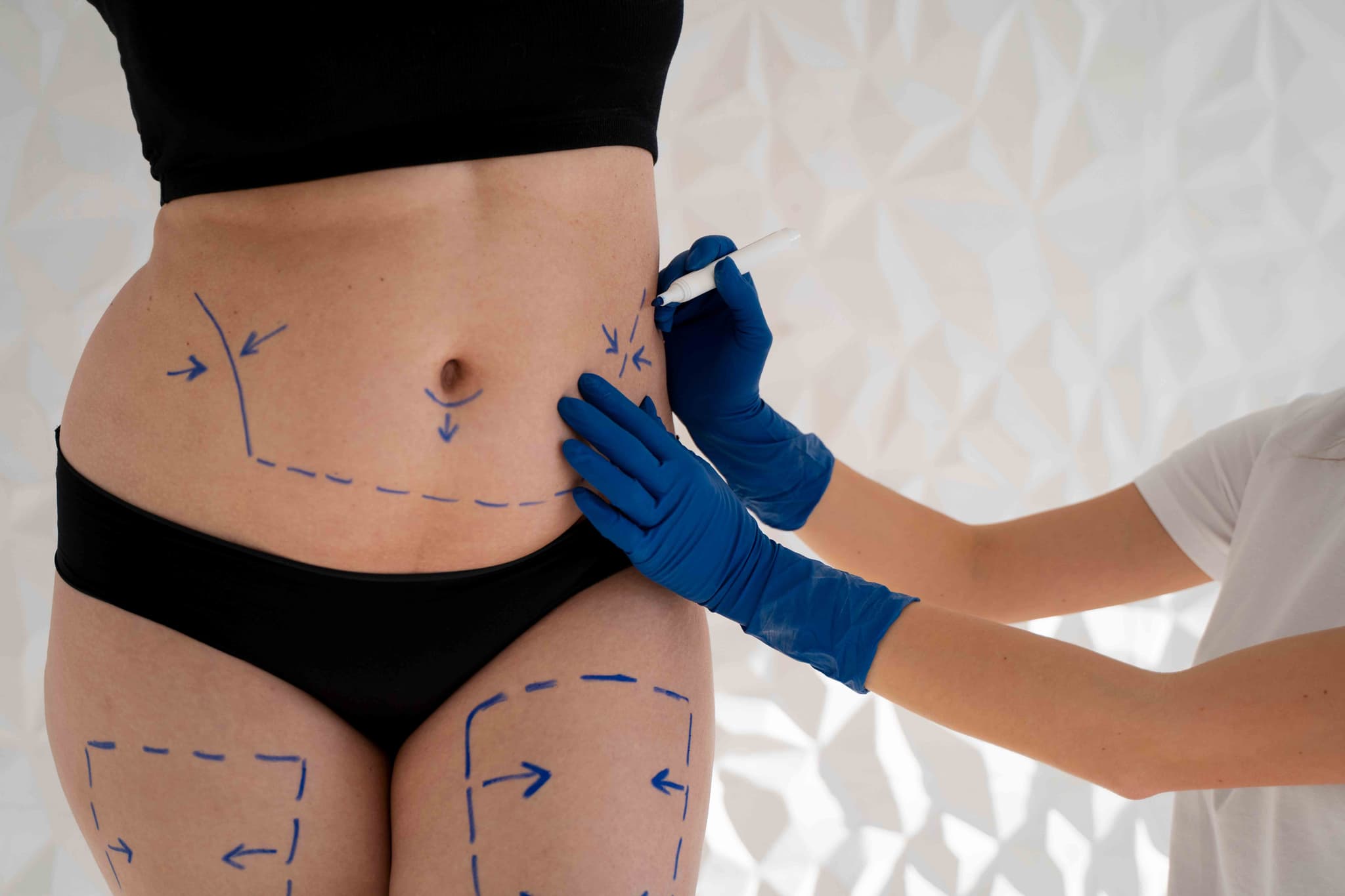
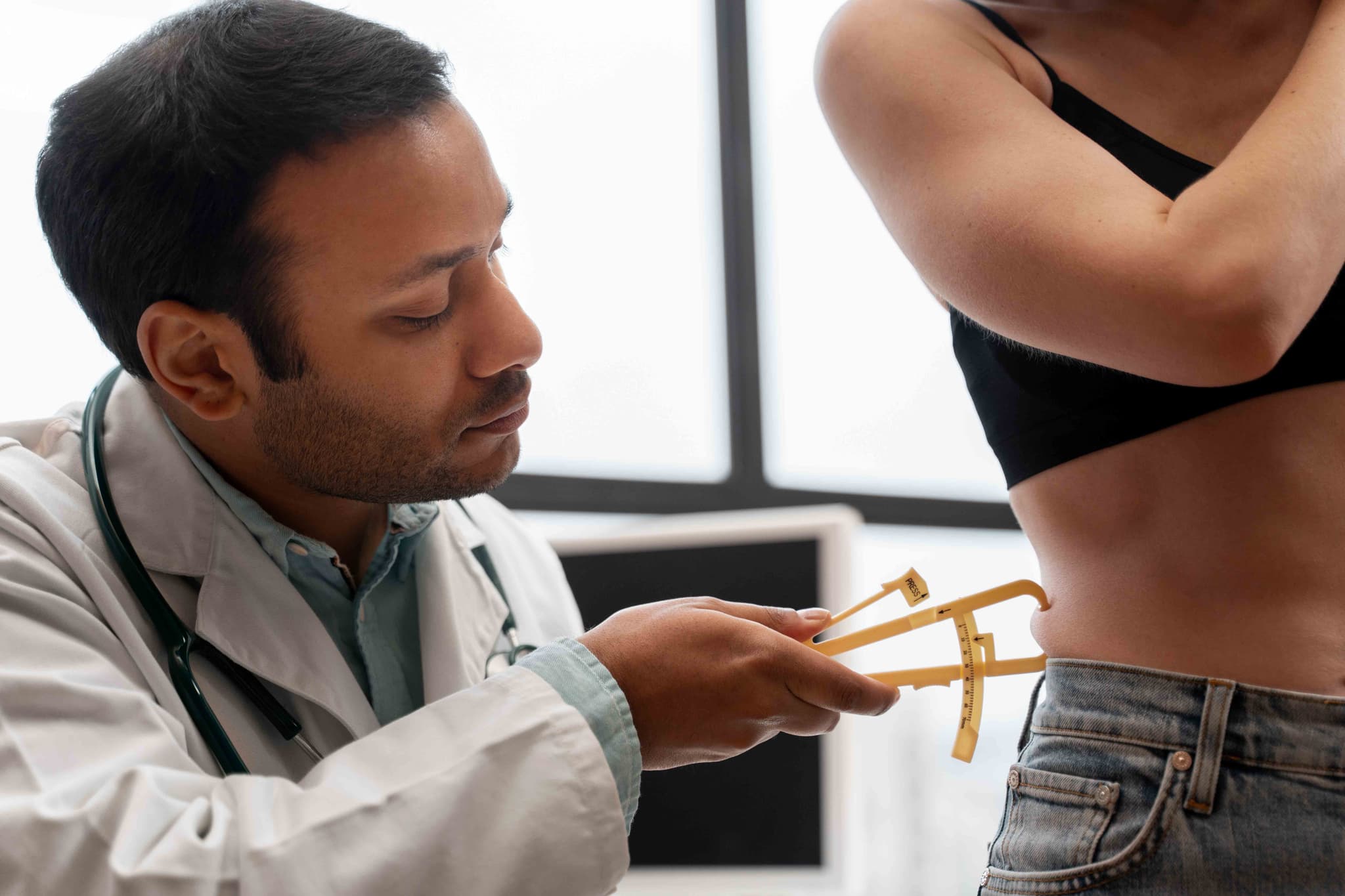
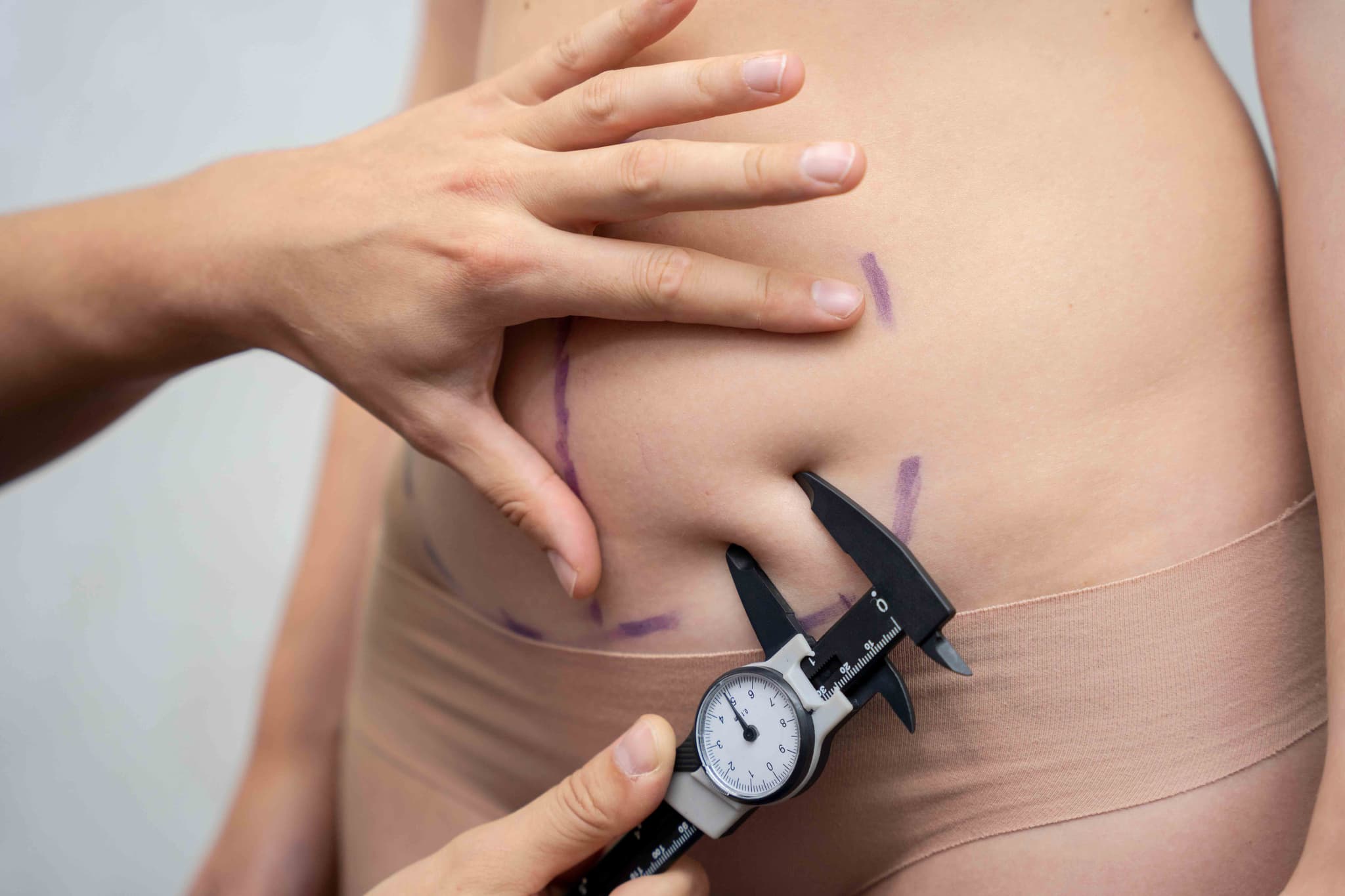
Abdominoplasty, or a tummy tuck, is a major surgical procedure designed to remove excess abdominal skin and fat while tightening weakened or separated muscles. It is most commonly sought after pregnancy or significant weight loss when the skin lacks the natural elasticity to retract on its own.

This procedure is ideal for individuals who have stabilized their weight but struggle with abdominal concerns that do not respond to diet or exercise. Key indications include:

  • Skin Laxity: Loose, sagging skin on the abdomen following pregnancy or massive weight loss.

  • Diastasis Recti: Separation of the abdominal muscles, which often causes a persistent protrusion or "bulge."

  • Excess Stubborn Fat: Localized fat deposits in the midsection that resist traditional weight loss methods.

  • Poor Core Stability: Weakened abdominal walls that contribute to back pain or poor posture.

  • Significant Contouring Needs: When a patient is at their goal weight but desires a firmer, flatter midsection.

  • Full (Standard) Abdominoplasty: Addresses both the upper and lower abdomen, involving a hip-to-hip incision and repositioning of the navel.

  • Mini Tummy Tuck: Focuses specifically on the area below the belly button with a smaller incision and no navel repositioning.

  • Extended Tummy Tuck: Targets the abdomen and the flanks (love handles) for a more comprehensive body contour.

  • Fleur-de-lis Abdominoplasty: Utilizes both vertical and horizontal incisions for patients with significant skin redundancy following massive weight loss.

  • Lipo-Abdominoplasty: Combines the skin tightening of a tummy tuck with liposuction for superior contouring and definition.

  • Surgical Access: A horizontal incision is made low on the abdomen, strategically placed to be hidden by swimwear or undergarments.

  • Muscle Repair: The surgeon pulls the weakened or separated abdominal muscles together and stitches them into a tighter, firmer position.

  • Tissue Removal: Excess skin and fat are carefully trimmed away to create a smooth abdominal profile.

  • Navel Repositioning: In full procedures, the belly button is brought through a new opening to maintain a natural appearance.

  • Closure and Drains: The incisions are closed with sutures, and surgical drains may be placed to prevent fluid accumulation during early healing.

  • Fasting: Patients are typically required to fast for 8–12 hours before the surgery.

  • Medical Clearances: Comprehensive blood tests and an ECG are conducted to ensure the patient is fit for general anesthesia.

  • Smoking Cessation: Patients must quit smoking several weeks before and after surgery to prevent tissue necrosis and healing complications.

  • Medication Review: Adjusting medications, specifically blood thinners or certain supplements, as directed by the surgical team.

  • Basic Blood Panel: To check hemoglobin levels and ensure there are no underlying infections.

  • ECG: To monitor the heart's rhythm and ensure safety during a procedure that lasts 2 to 5 hours.

  • Physical Assessment: To measure skin elasticity and the degree of muscle separation (diastasis recti).

  • Pregnancy Test: To ensure the patient is not currently pregnant, as the procedure is not recommended during or immediately before pregnancy.

  • Hospital Stay: Depending on the complexity, patients may go home the same day or stay for 1–2 days for observation.

  • Support Garments: A compression garment or abdominal binder must be worn 24/7 for approximately 6 weeks to reduce swelling.

  • Activity Restrictions: Light walking is encouraged immediately; however, heavy lifting (over 5–10 lbs) and strenuous exercise must be avoided for 6–8 weeks.

  • Long-Term Results: Final contours typically emerge within 3 to 6 months, while scars continue to fade over 12 to 18 months.

  • Improved Core Strength: Tightening the abdominal muscles provides better support for the spine and reduces back pain.

  • Enhanced Body Contour: Removes "overhanging" skin and stubborn fat for a flatter, firmer appearance.

  • Clothing Fit: Patients often find that clothing fits more comfortably and look more tailored to their frame.

  • Long-Term Solution: Provides permanent removal of excess skin and fat, assuming the patient maintains a stable weight.

Arm Lift (Brachioplasty)

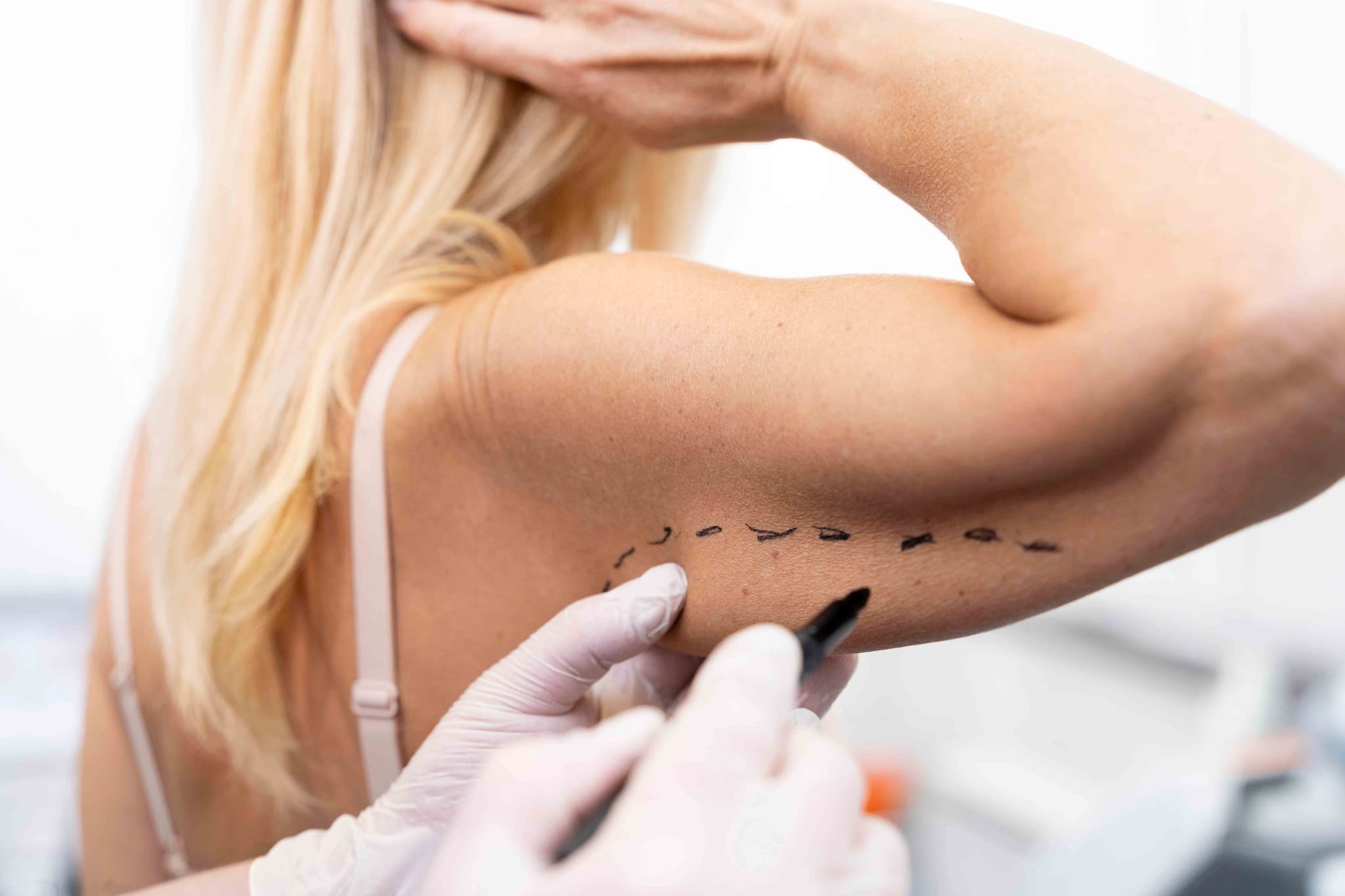
An Arm Lift, or brachioplasty, is a surgical procedure used in 2026 to remove excess, sagging skin and fat from the upper arms. Often referred to as correcting "bat wings," this procedure is most common among individuals who have experienced significant weight loss or natural aging where the skin has lost its ability to retract.

This procedure is ideal for those who have achieved a stable weight but are left with redundant skin that does not respond to exercise. Key indications include:

  • Significant Skin Laxity: Loose, "crepey" skin that hangs from the underside of the upper arm.

  • Post-Weight Loss: Excess tissue remaining after losing a significant amount of weight.

  • Stubborn Arm Fat: Localized fat deposits combined with loose skin that create a heavy arm appearance.

  • Ineffective Toning: When strength training has built muscle, but it remains hidden under sagging tissue.

  • Personal Comfort: Difficulty finding clothing that fits or feeling self-conscious in short-sleeved or sleeveless attire.

  • Traditional Brachioplasty: The most common method, involving an incision from the armpit to the elbow to remove significant amounts of skin.

  • Mini Arm Lift: Utilizes a smaller, crescent-shaped incision hidden in the armpit for patients with minimal sagging.

  • Extended Brachioplasty: The incision continues from the arm onto the side of the chest to address sagging lateral chest tissue.

  • Lipo-Brachioplasty: A 2026 hybrid approach using aggressive liposuction first to protect nerves and lymphatics, followed by skin removal.

  • Non-Surgical Skin Tightening: Radiofrequency or ultrasound treatments for very mild cases (not a substitute for surgery).

  • Surgical Access: The surgeon makes an incision along the underside or back of the arm, strategically placed to be as discrete as possible.

  • Fat Removal: Liposuction is often used first to thin the fat layer and contour the arm.

  • Tissue Tightening: The underlying supportive tissues are reshaped and tightened with internal sutures.

  • Skin Excision: The excess skin is trimmed away, and the remaining skin is smoothed over the new, toned contour.

  • Closure: The incisions are closed with multi-layered sutures, and the arms are wrapped in sterile dressings and compression sleeves.

  • Fasting: Patients must fast for 8–12 hours before the procedure.

  • Medical Clearances: Standard blood tests and an ECG are required to ensure the patient is fit for anesthesia.

  • Weight Stability: Ideal candidates should have maintained a stable weight for at least 6 months.

  • Medication Review: Patients must avoid medications that increase bleeding, such as aspirin or certain herbal supplements, for 2 weeks prior.

  • Basic Blood Panel: To evaluate hemoglobin levels, white blood cell count, and clotting ability.

  • ECG: Performed to monitor heart health during the 2 to 3-hour procedure under general anesthesia.

  • Physical Assessment: To measure the amount of excess skin versus fat and determine the most effective incision pattern.

  • Nicotine Test: In 2026, many surgeons require a nicotine-free test to ensure optimal wound healing and minimize scar widening.

  • Hospital Stay: Usually performed as an outpatient procedure; patients return home the same day.

  • Initial Milestones: Most patients return to light desk work and basic self-care within 1 week.

  • Compression Therapy: Specialized compression sleeves must be worn 24/7 for the first 3 to 4 weeks to manage swelling.

  • Activity Restrictions: No heavy lifting (over 5–10 lbs) or reaching over the head for 6 weeks to protect the incisions.

  • Toned Appearance: Creates a slender, more defined arm profile that reflects the patient’s actual fitness level.

  • Improved Mobility: Removes heavy, excess skin that can cause discomfort or chafing during physical activity.

  • Clothing Confidence: Allows for a wider range of clothing options, including sleeveless tops and well-fitted jackets.

  • Permanent Skin Removal: Once the excess skin is surgically removed, it does not return, provided a stable weight is maintained.

Asymmetrical Face (Facial Implant Surgery)

A Facelift, or rhytidectomy, is a major surgical procedure in 2026 designed to rejuvenate the face by repositioning skin and tightening the underlying muscles. It is the most comprehensive solution for addressing sagging tissues caused by aging, gravity, and the loss of facial volume.

This procedure is ideal for individuals looking to reverse significant signs of facial aging. Key indications include:

  • Formation of Jowls: Loose skin and fat deposits along the jawline.

  • Sagging Cheeks: Loss of mid-face volume and downward displacement of cheek tissues.

  • Loose Neck Skin: Often referred to as "turkey neck" or prominent vertical bands in the neck.

  • Deep Nasolabial Folds: Deepening creases running from the nose to the corners of the mouth.

  • Facial Tissue Laxity: General sagging that does not respond to non-surgical fillers or skin tightening treatments.

  • Full Facelift: The standard approach for significant aging, addressing the lower face, jawline, and neck.

  • Mini Facelift: A less invasive option focusing on the jawline and jowls, ideal for moderate sagging with shorter recovery times.

  • Deep Plane Facelift: An advanced technique that lifts the muscle and skin as one unit for superior mid-face rejuvenation.

  • SMAS (Superficial Musculoaponeurotic System) Lift: Focuses on tightening the muscular layer beneath the skin to ensure a natural, long-lasting look.

  • Neck Lift: Specifically targets the area under the chin and the neck muscles, often performed in conjunction with a facelift.

  • Surgical Access: Incisions are strategically placed in the hairline at the temples and continue around the ear to ensure scars are hidden in natural folds.

  • Muscle Repositioning: The surgeon lifts and tightens the SMAS layer (the underlying muscle) to provide a structural foundation for the face.

  • Skin Redraping: The skin is carefully draped over the newly contoured facial structures, and excess skin is trimmed away.

  • Closing the Incisions: Fine sutures are used to close the incisions, and the head is typically wrapped in a compression bandage to manage swelling.

  • Verification: The surgeon ensures facial symmetry and a natural "un-pulled" appearance before concluding the procedure.

  • Fasting: Patients are typically required to fast for 8–12 hours before the surgery.

  • Medical Clearances: Comprehensive blood tests and a physical exam are conducted to ensure fitness for general anesthesia.

  • Smoking Cessation: Patients must quit smoking and vaping several weeks before and after surgery to prevent tissue necrosis and ensure healthy blood flow.

  • Medication Review: Avoiding aspirin and blood-thinning supplements to minimize the risk of hematoma or excessive bruising.

  • Basic Blood Panel: To evaluate health markers and clotting ability.

  • ECG: To monitor heart rhythm and ensure safety during a 3 to 6-hour procedure.

  • Physical Assessment: To evaluate skin elasticity, bone structure, and the degree of tissue laxity.

  • 3D Facial Imaging: Often used to simulate potential outcomes and plan the surgical trajectory.

  • Hospital Stay: Usually performed as an outpatient procedure, though some patients may stay 1 day for observation.

  • Initial Milestones: Compression bandages are typically removed within 48 hours; sutures are removed by the end of the first week.

  • Activity Timeline: Most patients return to work or social settings within 2 to 3 weeks; light exercise is generally permitted after 1 month.

  • Long-Term Care: Scars must be protected from sun exposure for 6 to 12 months, and results typically remain effective for 10 to 15 years.

  • Natural Rejuvenation: Modern techniques avoid the "wind-tunnel" look by focusing on muscle tightening rather than just skin stretching.

  • Long-Lasting Results: Provides a decade or more of improved facial contour compared to temporary non-surgical options.

  • Comprehensive Correction: Addresses the face and neck simultaneously for a harmonious and youthful appearance.

  • Enhanced Jawline Definition: Effectively eliminates jowls and tightens the neck for a sharper, more defined profile.

Body Contouring (Post Bariatric)

Body Contouring after bariatric surgery is a sequence of reconstructive procedures in 2026 designed to remove massive amounts of redundant skin and residual fat. It is the definitive final step for patients who have lost significant weight (50–100+ lbs), as excess skin can cause persistent hygiene issues, chronic infections, and physical discomfort that exercise alone cannot resolve.

This reconstructive journey is recommended for those who have completed their weight-loss phase and are seeking to improve their quality of life. Key indications include:

  • Redundant Skin Folds: Excessive skin on the abdomen, arms, or thighs that interferes with movement or clothing.

  • Chronic Skin Irritation: Recurring rashes or infections (intertrigo) within the skin folds.

  • Functional Limitations: Heavy skin that causes back pain, postural issues, or prevents a return to active fitness.

  • Stabilized Weight: Successful maintenance of a stable weight for at least 6 to 12 months.

  • Psychological Closure: A desire to have one's physical appearance reflect their health and weight-loss achievements.

  • Phase 1 (The Core): Typically involves a Lower Body Lift or a Fleur-de-lis Abdominoplasty to stabilize the midsection.

  • Phase 2 (The Upper Body): Focuses on a Breast Lift (Mastopexy) and an Arm Lift (Brachioplasty).

  • Phase 3 (The Lower Extremities & Face): Includes a Thigh Lift or a Face and Neck Lift to address remaining laxity.

  • Auto-Augmentation: A 2026 standard where redundant tissue is used to rebuild volume in the breasts or buttocks, avoiding the need for synthetic implants.

  • Fleur-de-lis Technique: A specialized approach using both vertical and horizontal incisions to address massive skin redundancy in both directions.

  • Staged Planning: Due to the extensive nature of these surgeries, procedures are spaced 4–6 months apart to allow the body to recover and ensure patient safety.

  • Incision & Removal: The surgeon makes precise incisions to remove wide sections of skin and fat, carefully repositioning the remaining tissue for a natural look.

  • Muscle & Tissue Repair: Weakened muscles (especially in the abdomen) are tightened to provide structural support for the new body shape.

  • Refined Contouring: Targeted liposuction is used to smooth the transitions between the areas where skin was removed.

  • Closure: Complex, multi-layered suturing is used to manage tension on the long incisions, and surgical drains are placed to prevent fluid buildup.

  • Nutritional Optimization: Surgeons require comprehensive blood panels to ensure protein, iron, and B12 levels are optimized, as post-bariatric patients often have deficiencies.

  • Weight Maintenance: Patients must demonstrate a stable "plateau" weight for at least 6 months prior to the first stage.

  • Mental Health Assessment: In 2026, professional support is often encouraged to help patients adjust to their changing body image.

  • Smoking/Vaping Cessation: Strict abstinence is mandatory for several weeks before and after to ensure tissue survival and wound healing.

  • Comprehensive Metabolic Panel: To check electrolyte balance, kidney function, and liver health.

  • Protein & Micronutrient Testing: To confirm the patient has the nutritional reserves (especially albumin) needed for massive tissue healing.

  • ECG & Cardiac Clearance: Essential due to the multiple, lengthy surgical sessions required.

  • Standard Blood Panel: To evaluate hemoglobin and clotting factors to minimize the risk of post-operative anemia.

  • High-Intensity Healing: The first week of each stage requires around-the-clock assistance and careful drain management.

  • Compression Support: Heavy-duty medical compression garments are worn for 6–8 weeks to support the tissues and minimize swelling.

  • Total Timeline: A full body transformation typically takes 12 to 18 months to complete all stages and see the final settled results.

  • Scar Management: While scars are extensive and permanent, 2026 protocols include advanced topical treatments and laser therapies to help them fade over time.

  • Elimination of Skin Issues: Directly resolves chronic rashes, infections, and hygiene struggles associated with skin folds.

  • Restored Mobility: Dramatically improves the ability to exercise, run, and move without the hindrance of heavy skin.

  • Permanent Tissue Correction: Once the redundant skin is surgically removed, it does not return if weight remains stable.

  • Complete Transformation: Provides the physical and emotional "finish line" to a significant weight-loss journey.

Brazilian Butt Lift (BBL)

A Brazilian Butt Lift (BBL) is a specialized fat transfer procedure that uses a patient's own fat to enhance the size, shape, and contour of the buttocks. This "two-in-one" procedure utilizes liposuction to harvest fat from donor sites—such as the abdomen, hips, or thighs—and re-injects it into the gluteal region to improve overall body proportions.

A BBL is ideal for individuals looking for a natural-feeling enhancement and improved body symmetry. Key indications include:

  • Flat or Sagging Buttocks: Lack of volume or definition in the gluteal area.

  • Asymmetrical Contour: Significant differences in shape or size between the two sides.

  • Body Proportionality: A desire for a "snatched" waist and a more rounded, hourglass silhouette.

  • Post-Weight Loss: Restoring fullness and shape lost after significant weight reduction.

  • Avoidance of Implants: Preference for using natural tissue (autologous fat) rather than synthetic foreign objects.

  • Subcutaneous Injection: Modern safety protocols strictly require fat to be injected into the space above the muscle to prevent serious complications.

  • Ultrasound-Guided BBL: The use of real-time ultrasound imaging to guide the cannula, ensuring precise fat placement and avoiding deep blood vessels.

  • Puregraft/Purification Systems: Advanced filtering technologies used to isolate the healthiest fat cells for a higher "take" or survival rate.

  • "Skinny BBL": A specialized technique for leaner patients that focuses on high-definition harvesting and targeted, smaller-volume transfer.

  • Hybrid BBL: Combining fat transfer with specialized skin-tightening technologies at the donor sites for a more sculpted result.

  • Fat Harvesting: The surgeon performs liposuction on pre-determined donor areas (like the "love handles" or stomach) to collect fat.

  • Purification: The harvested fat is processed to remove impurities, oils, and excess fluids, leaving only viable fat cells.

  • Fat Injection: The purified fat is injected into the buttocks through tiny incisions at various depths within the subcutaneous layer.

  • Sculpting: The surgeon carefully shapes the buttocks and the transition to the waist/thighs to create a harmonious, natural look.

  • Closure: Liposuction and injection sites are closed (often with a single stitch), and a medical-grade compression garment (Faja) is applied.

  • Fasting: Patients are required to fast for 8–12 hours before the surgery.

  • Medical Clearances: Comprehensive blood work, an ECG, and a physical exam are necessary to ensure surgical safety.

  • Nutrition & Health: Patients should be at a stable weight and maintain a healthy, nutrient-rich diet to ensure high fat-cell viability.

  • Nicotine Cessation: Stopping all nicotine products several weeks before and after is mandatory, as smoking significantly reduces fat survival.

  • Basic Blood Panel: To evaluate hemoglobin levels, kidney function, and blood clotting factors.

  • ECG: Performed to monitor heart health during the 2 to 4-hour procedure under general anesthesia.

  • BMI Assessment: To ensure the patient has sufficient donor fat and falls within a safe weight range for elective surgery.

  • Skin Elasticity Check: To assess how well the skin will retract at the liposuction donor sites.

  • The "No-Sit" Phase: For the first 2–3 weeks, patients must avoid sitting or lying directly on the buttocks to ensure fat survival.

  • Support Tools: Specialized BBL pillows are used when sitting is absolutely necessary to shift pressure to the thighs.

  • Compression Therapy: Fajas (compression garments) must be worn for 6–8 weeks to support the donor sites and minimize swelling.

  • Activity Timeline: Light walking is encouraged immediately; desk work can typically be resumed after 2 weeks, and exercise after 6–8 weeks.

  • Natural Results: Uses the patient’s own tissue, providing a more natural look and feel than silicone implants.

  • Dual Transformation: Simultaneously contours problem areas (via liposuction) while enhancing the buttocks.

  • Permanent Enhancement: While some fat is absorbed, the 60–80% that survives is permanent as long as weight remains stable.

  • Improved Silhouette: Creates a more defined waist-to-hip ratio, enhancing both the front and side profiles.

Breast Implants (Augmentation)

Breast Augmentation, or "augmentation mammoplasty," is a surgical procedure to increase breast size, change shape, or improve symmetry. In 2026, the focus has shifted toward "Natural Look" results, utilizing highly cohesive silicone gels and "hybrid" techniques that combine implants with the patient's own fat for a seamless finish.

This procedure is ideal for individuals looking to enhance their silhouette or restore volume. Key indications include:

  • Volume Loss: Restoring fullness lost due to pregnancy, breastfeeding, or significant weight loss.

  • Micromastia: Addressing naturally small breast size to achieve desired body proportions.

  • Asymmetry: Correcting significant differences in size or shape between the two breasts.

  • Cosmetic Refinement: Enhancing the "cleavage" area or improving the overall contour of the breast mound.

  • Reconstructive Needs: Following previous surgeries or injuries to restore a balanced appearance.

  • Silicone Gel Implants: The 2026 standard "gummy bear" implants that maintain their shape and provide a natural feel.

  • Saline Implants: Filled with sterile salt water; these allow for smaller incisions as they are filled after placement.

  • Hybrid Breast Augmentation: A modern technique combining a smaller implant with fat grafting (liposuction) to create softer edges.

  • Submuscular Placement: Placing the implant under the chest muscle for better coverage and a more natural look.

  • Subglandular Placement: Placing the implant over the muscle, typically offering a shorter initial recovery time.

  • Surgical Access: Incisions are made in discrete locations, such as the breast crease (inframammary), around the nipple (periareolar), or the armpit (transaxillary).

  • Pocket Creation: The surgeon creates a space either above or below the pectoral muscle to house the implant.

  • Implant Insertion: The selected implant is carefully placed and positioned to ensure optimal symmetry and contour.

  • "Internal Bra" Support: In some 2026 cases, surgical mesh (ADMs) is used to provide extra internal support and prevent the implant from shifting.

  • Closure: The incisions are closed with multi-layered sutures, and a surgical support bra is applied to stabilize the new volume.

  • Fasting: Patients are typically required to fast for 8–12 hours before the surgery.

  • Medical Clearances: Standard blood tests, an ECG, and a baseline mammogram are required to ensure patient safety.

  • Nicotine Cessation: Stopping all nicotine products several weeks before and after surgery is essential to prevent healing complications.

  • Medication Review: Avoiding medications like aspirin or ibuprofen that can increase the risk of post-operative bruising.

  • Mammogram: Essential for documenting breast health and ensuring no underlying masses are present before surgery.

  • Basic Blood Panel: To evaluate overall health, hemoglobin levels, and clotting function.

  • ECG: Performed to monitor heart health during the 1 to 2-hour procedure under general anesthesia.

  • Pregnancy Test: To ensure the patient is not currently pregnant before undergoing anesthesia and surgery.

  • Hospital Stay: Usually performed as an outpatient procedure; patients return home the same day.

  • Initial Milestones: Most patients return to non-strenuous desk work within 1 week.

  • Activity Restrictions: Upper-body workouts and heavy lifting are restricted for 4 to 6 weeks.

  • Long-Term Settling: Implants typically "drop and fluff" (settle into their natural position) over a period of 3 to 6 months.

  • Enhanced Body Proportion: Creates a balanced silhouette and improves the fit of clothing and swimwear.

  • Restored Fullness: Effectively addresses "deflated" breast tissue following life events like pregnancy or weight loss.

  • High Safety Standards: Modern 2026 cohesive gel implants and smooth surfaces offer high durability and lower complication rates.

  • Boosted Self-Confidence: Resolves long-standing concerns regarding breast size or symmetry with immediate, visible results.

Breast Lift Surgery (Mastopexy)

A Breast Lift, or mastopexy, is a surgical procedure in 2026 designed to raise and firm the breasts by removing excess skin and tightening the surrounding tissue. It is primarily used to correct "ptosis" (sagging) caused by pregnancy, breastfeeding, weight fluctuations, or the natural aging process.

This procedure is ideal for individuals who are satisfied with their breast size but unhappy with the position or shape. Key indications include:

  • Breast Ptosis: Breasts that have lost their youthful shape and begun to sag.

  • Nipple Position: Nipples that point downward or fall below the breast crease.

  • Stretched Skin: Loss of skin elasticity leading to a "heavy" or pendulous appearance.

  • Large Areolas: Enlarged areolas that have stretched over time and are out of proportion with the breast.

  • Post-Weight Loss/Pregnancy: Changes in breast volume and skin tightness following significant life events.

  • Crescent Lift: A minor lift involving a small incision along the top half of the areola.

  • Peri-Areolar (Donut) Lift: A circular incision around the entire areola, ideal for mild sagging.

  • Vertical (Lollipop) Lift: An incision around the areola and a vertical line down to the breast crease, used for moderate sagging.

  • Inverted-T (Anchor) Lift: The most comprehensive technique for major sagging, involving incisions around the areola, vertically down, and along the breast crease.

  • Internal Bra Technique: A 2026 trend using specialized mesh or sutures to provide extra internal support and long-term stability.

  • Surgical Access: Incisions are made based on the chosen technique (Crescent, Lollipop, or Anchor) to access the underlying tissue.

  • Reshaping: The surgeon lifts and reshapes the breast tissue to create a firmer, more youthful contour.

  • Nipple Repositioning: The nipple and areola are moved to a higher, more centered position on the breast mound.

  • Skin Removal: Excess, stretched skin is carefully trimmed away to tighten the remaining envelope.

  • Closure: Incisions are closed with fine sutures, and a specialized surgical support bra is typically applied immediately.

  • Fasting: Patients are typically required to fast for 8–12 hours before the surgery.

  • Medical Clearances: Standard blood tests, an ECG, and often a baseline mammogram are required for patients over a certain age.

  • Medication Review: Avoiding aspirin, anti-inflammatory drugs, and certain supplements that can increase bleeding risks.

  • Nicotine Cessation: Stopping all nicotine products several weeks before and after surgery is mandatory to ensure proper wound healing.

  • Mammogram: To ensure breast health and establish a baseline before changing the breast architecture.

  • Basic Blood Panel: To evaluate overall health, hemoglobin levels, and clotting function.

  • ECG: Performed to monitor heart health during the 2 to 3-hour procedure under general anesthesia.

  • Physical Assessment: To determine the grade of ptosis and select the appropriate incision technique.

  • Hospital Stay: Usually performed as an outpatient procedure, with patients returning home the same day.

  • Initial Milestones: Most patients return to desk work and light daily activities within 1 week.

  • Activity Restrictions: No heavy lifting or high-impact exercise (like running) for 4 to 6 weeks.

  • Support Garments: A surgical bra must be worn initially, followed by a supportive sports bra; underwire bras must be avoided for at least 6 to 8 weeks.

  • Youthful Contour: Restores a firmer, higher, and more aesthetically pleasing breast shape.

  • Improved Body Proportion: Repositions the nipples and reshapes the breast mound to better suit the patient's frame.

  • Clothing Fit: Allows for a wider range of clothing and swimwear styles to fit more comfortably and attractively.

  • Long-Term Transformation: Provides a durable correction that can be further enhanced when combined with implants (Mastopexy-Augmentation).

Breast Reduction Surgery

Breast Reduction, or reduction mammoplasty, is a surgical procedure in 2026 designed to remove excess breast fat, glandular tissue, and skin. Unlike many other cosmetic surgeries, it is frequently performed for functional and medical reasons to alleviate physical discomfort and improve a patient's overall quality of life.

This procedure is primarily recommended for individuals whose breast size causes physical pain or limits daily activities. Key indications include:

  • Chronic Pain: Persistent back, neck, and shoulder pain caused by the weight of large breasts.

  • Shoulder Grooving: Deep indentations in the shoulders caused by bra straps.

  • Skin Irritation: Chronic rashes or infections in the fold beneath the breasts (intertrigo).

  • Restricted Activity: Difficulty participating in sports or physical exercise due to breast size.

  • Postural Issues: Noticeable slumping or spinal discomfort caused by a heavy chest.

  • Vertical (Lollipop) Incision: An incision around the areola and a vertical line down to the breast crease; used for moderate reductions.

  • Inverted-T (Anchor) Incision: The most common technique for significant reductions, involving an incision around the areola, a vertical line, and a horizontal line along the breast fold.

  • Liposuction-Assisted Reduction: Sometimes used in 2026 as a standalone for fatty breast tissue or in combination with traditional methods to refine the lateral contours.

  • Nipple-Areola Repositioning: Shifting the nipple to a higher, more youthful position while maintaining its blood and nerve supply.

  • Areola Reduction: Reducing the diameter of the areola to ensure it is in proportion with the new breast size.

  • Surgical Access: Incisions are made following the chosen pattern (Lollipop or Anchor) to allow the surgeon to reach the underlying tissue.

  • Tissue Removal: The surgeon removes excess glandular tissue, fat, and skin to achieve the target weight and volume.

  • Reshaping and Lifting: The remaining breast tissue is reshaped and lifted into a higher, firmer position on the chest wall.

  • Nipple Relocation: The nipple-areola complex is moved upward to the center of the new breast mound.

  • Closure: The incisions are closed with multi-layered sutures, and surgical drains may be placed to prevent fluid accumulation during the initial 48 hours.

  • Fasting: Patients are typically required to fast for 8–12 hours before the surgery.

  • Medical Clearances: Standard blood tests, an ECG, and a baseline mammogram are mandatory for surgical safety.

  • Documentation of Symptoms: In 2026, many insurance providers require documented proof of chronic pain or rashes to approve coverage.

  • Nicotine Cessation: Patients must stop all nicotine use several weeks before and after surgery to ensure proper blood flow and wound healing.

  • Mammogram: Essential to confirm breast health and identify any abnormalities before the tissue is modified.

  • Basic Blood Panel: To assess overall health markers, including hemoglobin and clotting function.

  • ECG: Performed to monitor the heart's rhythm during the 2 to 4-hour procedure under general anesthesia.

  • Tissue Weight Calculation: Surgeons often estimate the weight of tissue to be removed (in grams) to meet insurance requirements for medical necessity.

  • Hospital Stay: Often performed as an outpatient procedure, though some patients may stay 1 day for observation.

  • Initial Milestones: Most patients return to light daily activities and desk work within 1 week.

  • Activity Restrictions: No lifting heavier than 5–10 lbs (including groceries or children) for the first 3 to 4 weeks.

  • Long-Term Healing: Breasts settle into their permanent shape over 6 to 12 months, and scars continue to fade and flatten over the first year.

  • Physical Pain Relief: Significant and often immediate reduction in back, neck, and shoulder pain.

  • Improved Posture: Relieves the strain on the spine, allowing for a more upright and comfortable stance.

  • Increased Mobility: Makes physical exercise and sports significantly more comfortable and accessible.

  • Enhanced Body Proportion: Creates a balanced silhouette that better fits the patient's frame and clothing.

Brow Lift Surgery (Browplasty)

A Brow Lift, or forehead lift, is a surgical procedure designed to reposition a sagging or "hooded" brow, reduce forehead wrinkles, and open up the appearance of the eyes. In 2026, it is frequently combined with blepharoplasty (eyelid surgery) for a complete and harmonious upper-face rejuvenation.

A brow lift is ideal for patients who look "tired," "sad," or "angry" even when well-rested. Key indications include:

  • Sagging Brows: Eyebrows that have dropped into a low position, creating a heavy appearance.

  • Hooded Eyes: Excess skin from the brow area weighing down the upper eyelids.

  • Forehead Furrows: Deep horizontal wrinkles across the forehead that do not respond to non-surgical treatments.

  • Frown Lines: Vertical creases between the eyebrows (glabellar lines).

  • Asymmetrical Brows: When one eyebrow is significantly lower than the other.

  • Endoscopic Brow Lift: The most common modern technique, utilizing a tiny camera and specialized tools through small incisions hidden within the hair.

  • Temporal (Lateral) Brow Lift: Focuses specifically on lifting the outer corners or "tails" of the eyebrows.

  • Trichophytic Brow Lift: An incision is made at the hairline, specifically designed for patients who wish to lift the brow while lowering a high hairline.

  • Coronal Brow Lift: The traditional method involving an ear-to-ear incision; reserved for severe sagging cases.

  • Non-Surgical Brow Lift: Using neurotoxins or thread lifts for temporary elevation without surgery.

  • Surgical Access: Depending on the technique, small incisions are made within the hair or along the hairline to ensure scars remain hidden.

  • Tissue Repositioning: The surgeon lifts the skin and underlying tissues of the forehead to a more youthful, elevated position.

  • Muscle Modification: The muscles that cause deep frown lines are weakened or released to smooth the forehead surface.

  • Securing the Lift: Specialized sutures, screws, or absorbable devices are used to hold the brow in its new position during the healing process.

  • Closure: The incisions are closed with sutures or surgical staples, and the head is typically wrapped in a supportive bandage.

  • Fasting: Patients are typically required to fast for 8–12 hours before the surgery.

  • Medical Clearances: Comprehensive blood tests and a physical exam are conducted to ensure fitness for anesthesia.

  • Hair Care: Patients may be asked to wash their hair with antimicrobial soap but avoid any chemical treatments (dyes/perms) several days prior.

  • Medication Review: Avoiding aspirin and anti-inflammatory drugs for 2 weeks to minimize the risk of bruising and bleeding.

  • Basic Blood Panel: To evaluate overall health and ensure proper blood clotting.

  • ECG: Performed for older patients to monitor heart rhythm during the 1 to 2-hour procedure.

  • Physical Assessment: To evaluate the degree of brow ptosis (sagging) and forehead skin elasticity.

  • 3D Facial Mapping: Often used to plan the desired height and arch of the brow for a natural result.

  • Hospital Stay: Usually performed as an outpatient procedure; patients return home the same day.

  • Initial Milestones: Bandages are removed within 1–3 days; sutures or staples are typically removed by the end of the first week.

  • Scalp Management: Temporary numbness or itching on the scalp is common and usually resolves within a few months.

  • Activity Timeline: Most patients return to work within 2 weeks; strenuous exercise can typically be resumed after 1 month.

  • Refreshed Appearance: Eliminates the "tired" or "angry" look by opening up the eye area.

  • Smoother Forehead: Significantly reduces deep horizontal furrows and frown lines for a more youthful look.

  • Long-Lasting Results: Provides a durable correction that typically remains effective for 10 to 12 years.

  • Natural-Looking Scars: Advanced endoscopic techniques ensure that surgical marks are completely concealed within the hairline.

Chin Augmentation Surgery

In 2026, facial implants are a primary method for structural facial rejuvenation. Chin Augmentation (Genioplasty) focuses on strengthening a "weak" profile and defining the jawline, while Cheek Augmentation restores volume to the mid-face to create higher, more defined cheekbones and a more youthful contour.

Implants are ideal for individuals seeking permanent structural changes rather than temporary volume. Key indications include:

  • Receding Chin: A "weak" chin that makes the nose appear larger or the neck look less defined.

  • Mid-face Flatness: Lack of definition in the cheekbones due to genetics or age-related volume loss.

  • Facial Asymmetry: Significant differences in bone structure between the two sides of the face.

  • Desire for a Sharper Jawline: Seeking a more masculine or feminine "chiseled" look that fillers cannot achieve.

  • Permanent Solution: When a patient is tired of the maintenance and recurring costs associated with injectable fillers.

  • Silicone Implants: Smooth, flexible implants that are easy to place and remove if necessary.

  • Medpor (Porous Polyethylene): A material that allows your own tissue to grow into the implant, providing exceptional long-term stability.

  • Custom 3D-Printed Implants: Utilizing CT scans to create patient-specific implants tailored to your unique bone anatomy.

  • Sliding Genioplasty: A surgical alternative where the chin bone itself is cut and moved forward rather than using a synthetic implant.

  • Hybrid Contouring: Combining an implant with fat grafting to soften the transition between the implant and natural tissue.

  • Surgical Access: Incisions are made in discrete locations—either inside the mouth (lip area) or in the natural crease under the chin—to ensure no visible scarring.

  • Pocket Creation: The surgeon creates a precise space directly over the facial bone to house the implant.

  • Placement & Fixation: The implant is carefully inserted and, in some cases, secured with tiny titanium screws to prevent shifting.

  • Refinement: The surgeon assesses facial symmetry from multiple angles to ensure the new structure complements the nose and jaw.

  • Closure: Incisions are closed with dissolvable sutures, and a supportive bandage or "strap" may be applied to minimize initial swelling.

  • Dental Check-up: Because many incisions are made inside the mouth, your oral health must be excellent to prevent infection.

  • Fasting: Patients must fast for 8–12 hours before the procedure if general anesthesia or deep sedation is used.

  • Imaging: High-resolution CT scans or 3D photos are often taken to map the bone structure and select the correct implant size.

  • Medication Review: Avoiding blood thinners and specific supplements for 2 weeks prior to reduce the risk of hematoma.

  • 3D Facial Mapping: To simulate the aesthetic outcome and ensure the implant size provides a balanced look.

  • Basic Blood Panel: To evaluate overall health and clotting function.

  • ECG: Performed for patients over 40 or those with health conditions to ensure safety under anesthesia.

  • CT Scan: Often used for custom-made implants to provide an exact "blueprint" of the facial skeleton.

  • Initial Days: Expect significant swelling and a "tight" or "heavy" sensation. A soft-food diet is mandatory if internal mouth incisions were used.

  • Oral Care: Frequent use of antiseptic mouthwash is required for 7–10 days to keep internal incisions clean.

  • Activity Restrictions: Contact sports must be avoided for 6–8 weeks to prevent the implant from shifting before it is fully anchored.

  • Settling Period: While the new structure is visible immediately, it takes 3–6 months for the implant to fully "settle" and for residual swelling to vanish.

  • Permanent Enhancement: Provides a lifelong solution for facial structure without the need for touch-ups.

  • Improved Facial Harmony: Balances the proportions of the nose, chin, and forehead for a more attractive profile.

  • No Visible Scars: Using internal mouth incisions ensures that the surgical path is completely hidden.

  • Versatile Results: Implants can be customized in size and shape to achieve everything from subtle rejuvenation to dramatic sculpting.

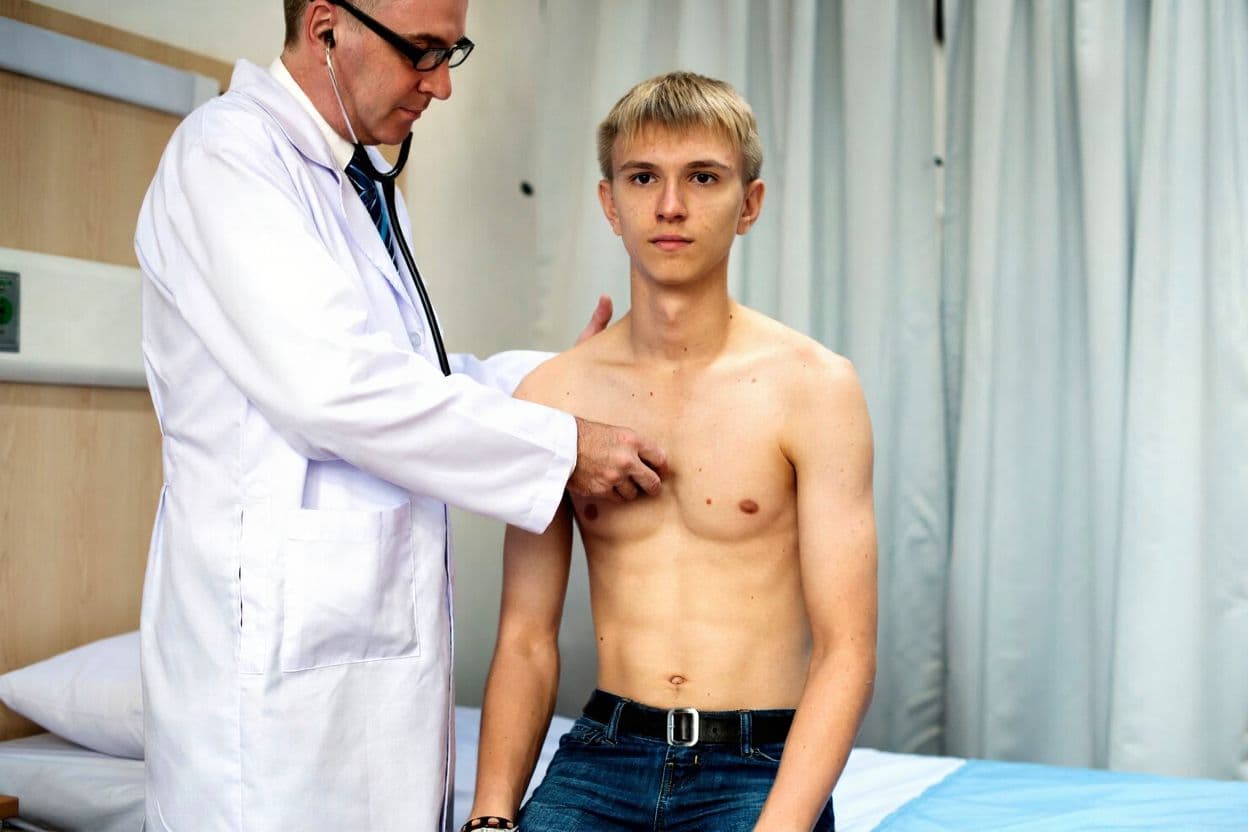
Gynecomastia Treatment (Male Breast Reduction)

Gynecomastia surgery, or male breast reduction, is a procedure used in 2026 to reduce enlarged breast tissue in men. It addresses the appearance of "man boobs" caused by genetics, hormonal imbalances, certain medications, or weight fluctuations that do not respond to traditional diet or exercise.

This procedure is recommended for men who have completed puberty and are looking to achieve a more contoured chest. Key indications include:

  • Excess Glandular Tissue: Firm, rubbery tissue beneath the nipple that cannot be lost through exercise.

  • Stubborn Chest Fat: Localized fat deposits that create a feminine chest appearance despite a healthy lifestyle.

  • Sagging Skin: Loose skin on the chest following significant weight loss.

  • Asymmetry: One side of the chest appearing significantly larger or differently shaped than the other.

  • Psychological Impact: Feeling self-conscious or avoiding certain clothing and social activities due to chest appearance.

  • Liposuction: Utilizes a small cannula to vacuum out excess fatty tissue; often the primary method for "pseudo-gynecomastia."

  • Surgical Excision: The direct removal of firm glandular tissue or excess skin, typically performed through an incision around the nipple.

  • Vaser or Laser-Assisted Liposuction: 2026 standards often use these technologies to liquefy fat and stimulate skin tightening simultaneously.

  • High-Definition Sculpting: A technique used to etch the borders of the pectoral muscles for a more "athletic" and defined look.

  • Combination Approach: Using both liposuction for smooth contouring and excision for firm tissue removal to achieve the best result.

  • Surgical Access: Small incisions are made either in the armpit for liposuction or along the edge of the areola (periareolar) for excision.

  • Fat and Tissue Removal: The surgeon removes excess fat via liposuction and meticulously trims away the firm glandular tissue.

  • Chest Contouring: The remaining tissue is sculpted to ensure a smooth transition between the chest wall and the surrounding areas.

  • Nipple Repositioning: If necessary, the nipple and areola are shifted to a more natural position on the flattened chest mound.

  • Closure: The small incisions are closed with fine sutures, and a medical-grade compression vest is applied immediately to manage swelling.

  • Fasting: Patients are typically required to fast for 8–12 hours before the surgery.

  • Hormonal Evaluation: In 2026, blood tests are standard to rule out treatable hormonal imbalances or underlying medical causes.

  • Medical Clearances: Basic blood work and an ECG are performed to ensure the patient is fit for anesthesia.

  • Substance Review: Patients must avoid anabolic steroids, certain supplements, and nicotine for several weeks to ensure safe healing and permanent results.

  • Testosterone & Estrogen Panel: To check for hormonal fluctuations that may be contributing to tissue growth.

  • Chest Ultrasound: Sometimes used to differentiate between fatty tissue (adipose) and glandular breast tissue.

  • Basic Blood Panel: To evaluate hemoglobin levels, kidney function, and blood clotting ability.

  • ECG: Performed to monitor heart health during the 1.5 to 3-hour procedure.

  • Hospital Stay: Usually performed as an outpatient procedure; patients return home the same day.

  • Compression Therapy: A compression vest must be worn 24/7 for the first 3–4 weeks to ensure the skin adheres properly to the muscle.

  • Activity Timeline: Most patients return to desk work within 1 week. Light lower-body exercise is permitted by week 3.

  • Full Gym Access: Heavy lifting and chest-specific exercises (like bench presses) are typically restricted until the 6-week mark.

  • Masculine Chest Contour: Creates a flatter, firmer, and more traditionally masculine appearance.

  • Permanent Results: Provided the patient maintains a stable weight and avoids triggering substances, the removed tissue does not return.

  • Enhanced Confidence: Significantly improves self-esteem and comfort in tight-fitting clothing or at the beach/gym.

  • Minimal Scarring: Incisions placed along the border of the areola become nearly invisible once fully healed.

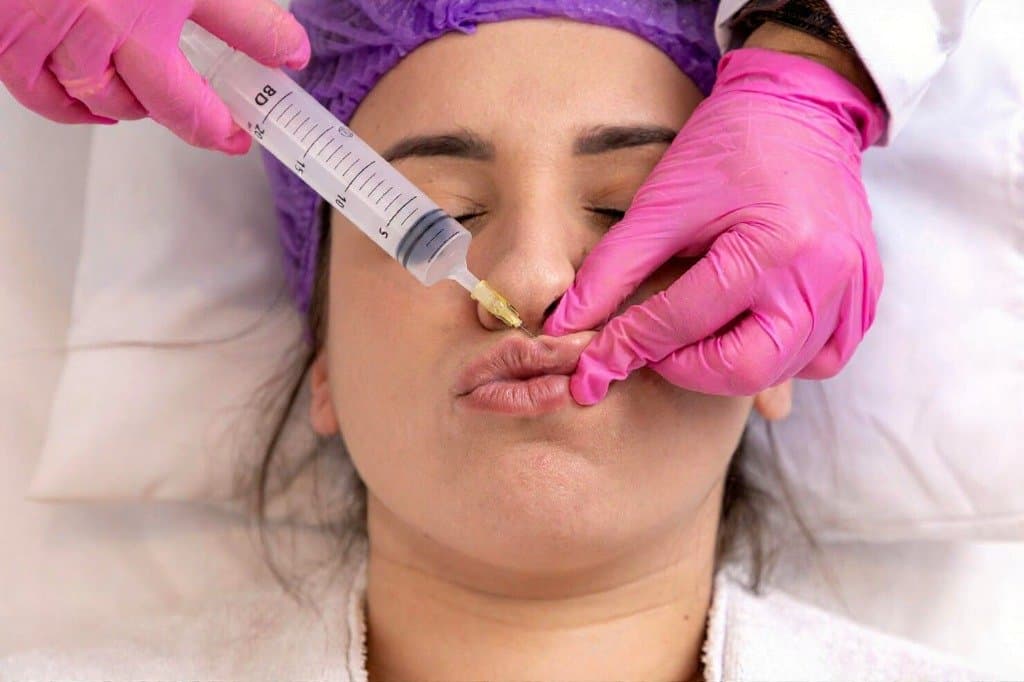
Injectable Filler / Lip Augmentation

Injectable Fillers are the primary non-surgical method in 2026 for restoring volume, smoothing deep wrinkles, and enhancing facial features. Lip Augmentation remains the most requested filler procedure, focusing on achieving natural "pillowy" textures rather than overfilled results.

  • To add volume to naturally thin or thinning lips.

  • To define the lip borders, also known as the vermillion border.

  • To smooth "marionette lines" around the mouth.

  • To restore volume in the cheeks or under-eye hollows, referred to as tear troughs.

  • When seeking immediate results for volume loss with minimal downtime.

  • Hyaluronic Acid (HA): The gold standard material (e.g., Juvederm, Restylane) that holds moisture and is reversible using hyaluronidase.

  • Biostimulators: Products like Radiesse or Sculptra that encourage the body to produce its own collagen over time.

  • The "Lip Flip": Using a small amount of Botox to relax the upper lip muscle, making more of the lip visible without adding volume.

  • Russian Lips Technique: A method focusing on vertical height and a pronounced "Cupid's bow" instead of outward projection.

  • Cannula Injection: The use of a blunt-tipped cannula to reduce bruising and the risk of vascular complications compared to a needle.

  • Pain Management: Topical numbing cream is applied beforehand to ensure minimal discomfort.

  • Integrated Anesthesia: Most modern fillers are pre-mixed with Lidocaine, a numbing agent, to manage pain during injection.

  • Injection Process: The actual injections are precise and typically take between 15 to 30 minutes to complete.

  • Technique Selection: The injector uses either a needle or a blunt-tipped cannula depending on the target area and desired outcome.

  • Immediate Assessment: Results for HA fillers are visible immediately, allowing for real-time adjustments.

  • Avoid alcohol and blood thinners like Vitamin E or Fish Oil for 3 days prior to minimize bruising.

  • Ensure no dental cleanings or procedures are scheduled for 2 weeks before the appointment.

  • Discuss medical history and any previous filler experiences with the professional.

  • Confirm the practitioner is a licensed medical professional (Dermatologist or Plastic Surgeon).

  • Check that the clinic stocks Hyaluronidase in case of emergencies.

  • Immediate Assessment: HA fillers show instant volume changes during the session.

  • Day 1–2 Milestone: Swelling and bruising are most prominent; intermittent ice pack application is critical.

  • Day 3–5 Milestone: Swelling typically subsides and any small internal lumps begin to soften.

  • Week 2 Milestone: The filler fully integrates into the tissue, and the final result is judged for any "touch-ups".

  • Longevity Check: Lip fillers typically last 6 to 12 months, while cheek or jawline fillers can last 12 to 24 months.

  • Avoid massaging the treated area or sleeping on your face for the first 48 hours to prevent migration.

  • Refrain from intense heat, such as saunas or steam rooms, for 24 to 48 hours.

  • Avoid intense exercise for at least 24 to 48 hours to prevent increased swelling.

  • Do not schedule dental work for 2 weeks after injections to reduce infection risk.

  • Monitor for any signs of vascular occlusion, which requires immediate medical intervention.

  • Provides immediate restoration of facial volume and smoothing of wrinkles.

  • Offers a non-surgical alternative for enhancing features like lips, cheeks, and jawlines.

  • Allows for natural-looking results through specialized techniques like the "Russian Lip".

  • Features a quick procedure time with minimal recovery compared to surgical options.

  • Hyaluronic Acid options are reversible, providing an added layer of safety and flexibility.

Liposuction Surgery
Liposuction Surgery

Liposuction is a surgical fat-removal procedure used in 2026 to contour and reshape specific areas of the body. It is designed as a treatment for "stubborn" fat deposits that do not respond to traditional fitness or health-focused efforts, rather than as a primary tool for weight reduction.

This procedure is best suited for individuals near their stable goal weight who wish to address localized areas of concern. Key indications include:

  • Stubborn Fat Deposits: Pockets of fat in the abdomen, hips, thighs, or arms that persist despite a healthy lifestyle.

  • Body Contouring: A desire to improve the silhouette or "sculpt" certain areas for better proportion.

  • Submental Fat: Excess fat under the chin or along the jawline (double chin).

  • Lipomas: Benign fatty tumors that may require removal for comfort or appearance.

  • Gynecomastia: Excess fatty tissue in the male chest area.

  • Tumescent Liposuction: The standard technique utilizing a sterile saline solution to firm the fat, making it easier to remove while minimizing bruising.

  • Vaser (Ultrasound-Assisted): Uses ultrasound energy to "liquefy" fat cells, offering a gentler extraction for surrounding tissues.

  • Laser-Assisted (SmartLipo): Utilizes laser energy to melt fat and can provide a minor collagen-stimulating effect for the skin.

  • High-Definition (HD) Lipo: A specialized sculpting technique used to define the edges of muscle groups for an athletic appearance.

  • Power-Assisted Liposuction (PAL): Uses a vibrating cannula to allow the surgeon to remove fat more efficiently with less manual force.

  • Surgical Access: Tiny incisions (usually a few millimeters) are made in discrete locations near the target area.

  • Fluid Injection: The tumescent solution is injected to numb the area and constrict blood vessels.

  • Fat Removal: A thin tube called a cannula is inserted. The surgeon moves it to loosen the fat, which is then vacuumed out.

  • Sculpting: The surgeon carefully monitors the symmetry and contour of the area to ensure a smooth, balanced result.

  • Closure: Incisions are often left open slightly to allow for drainage or closed with a single stitch, and a compression garment is applied.

  • Fasting: Patients must fast for 8–12 hours before the procedure if receiving sedation or general anesthesia.

  • Medical Clearances: Standard blood tests and an ECG are required to ensure the patient is fit for the procedure.

  • Health Stability: Ideal candidates have maintained a stable weight for at least 6 months prior to surgery.

  • Medication Review: Patients should avoid aspirin, anti-inflammatory drugs, and specific herbal supplements that can increase the risk of bleeding.

  • Basic Blood Panel: To assess hemoglobin levels, kidney function, and blood clotting capability.

  • ECG: Required to monitor heart health, especially for larger volume procedures.

  • Skin Elasticity Assessment: To determine if the skin has enough snap-back to retract smoothly after fat removal.

  • Pregnancy Test: To ensure the patient is not currently pregnant before undergoing anesthesia.

  • Hospital Stay: Usually an outpatient procedure; patients return home the same day.

  • Compression Therapy: A specialized garment must be worn 24/7 for the first 2 weeks to prevent fluid buildup (seroma) and ensure smooth results.

  • Activity Timeline: Most patients return to light work within 1 week; strenuous exercise is typically resumed at the 4-week mark.

  • Long-Term Maintenance: While removed fat cells do not grow back, maintaining a balanced, healthy lifestyle is essential to prevent the expansion of remaining fat cells.

  • Permanent Fat Cell Removal: The fat cells extracted during the procedure are gone forever.

  • Precision Contouring: Allows for targeted reshaping of areas that are difficult to change through other means.

  • Immediate Silhouette Improvement: Provides a visible change in body proportions once initial swelling subsides.

  • Enhanced Confidence: Helps many patients feel more comfortable in their clothing and more satisfied with their physical profile.

Lower Body Lift Surgery

A Lower Body Lift, or belt lipectomy, is a comprehensive 360-degree surgical procedure in 2026 designed to remove a "belt" of excess skin and fat from the entire midsection. It is considered the gold standard for body contouring following massive weight loss (typically 50–100+ lbs) via bariatric surgery or lifestyle changes, where the skin lacks the elasticity to retract on its own.

This procedure is ideal for patients who have achieved significant weight loss and are left with redundant, sagging skin around their entire circumference. Key indications include:

  • Circumferential Skin Laxity: Excess skin that hangs around the abdomen, hips, and back.

  • Abdominal "Pannus": An apron of skin that hangs over the pubic area, often causing hygiene issues or discomfort.

  • Significant Buttock and Thigh Ptosis: Sagging of the gluteal tissue and outer thighs that interferes with movement.

  • Post-Bariatric Stabilization: When a patient has maintained a stable weight for 6–12 months after major weight loss.

  • Desire for Total Midsection Rejuvenation: When a standard tummy tuck is insufficient to address sagging at the hips and lower back.

  • Abdomen: Removes the excess skin apron and tightens the underlying abdominal muscles.

  • Buttocks: Lifts sagging gluteal tissue; can include "auto-augmentation" using the patient's own tissue to restore volume.

  • Hips and Flanks: Eliminates "love handles" and redundant skin along the sides of the torso.

  • Outer Thighs: Provides a significant lift to the lateral thighs, smoothing the transition from the hip to the leg.

  • Surgical Access: A continuous incision is made around the circumference of the torso, positioned where it can be hidden by a belt or underwear line.

  • Tissue Removal: The surgeon removes a large "belt" of skin and underlying fat from the entire midsection.

  • Muscle Repair: The abdominal muscles (rectus diastasis) are tightened to restore core strength and a flat stomach profile.

  • Lifting and Securing: The skin of the lower body is pulled upward, and the skin of the upper body is pulled downward, then secured to deep supportive tissues.

  • Closure: The 360-degree incision is closed in multiple layers to manage tension, and several surgical drains are placed.

  • Medical Clearances: Extensive blood work, an ECG, and a nutritional assessment are mandatory for this 5 to 8-hour surgery.

  • Weight Stability: Patients must provide evidence of a stable weight for at least 6 to 12 months.

  • Nutrition Optimization: In 2026, a high-protein diet is prescribed weeks before surgery to ensure the body has the resources for massive tissue healing.

  • Smoking Cessation: Strict abstinence from smoking and vapes is required for at least 6 weeks before and after to prevent incision failure.

  • Comprehensive Blood Panel: To check hemoglobin, protein levels, and clotting factors.

  • ECG and Cardiac Clearance: Essential due to the length of time the patient will be under general anesthesia.

  • Nutritional Screening: To ensure the patient does not have vitamin deficiencies common after bariatric surgery.

  • Physical Mapping: Detailed measurements of skin laxity to plan the precise location of the 360-degree incision.

  • Hospital Stay: Typically requires an overnight stay (1–2 nights) for monitoring and pain management.

  • Initial Milestones: Patients walk with a slight "stoop" for the first 1–2 weeks to protect the incisions. Drains are usually removed within 14 days.

  • Compression Therapy: Specialized garments (Fajas) are worn 24/7 for 6–8 weeks to reduce swelling and support the new contours.

  • Long-Term Healing: Swelling can take 6–12 months to fully resolve. Scars are permanent but fade significantly over the first year.

  • Total Body Transformation: Addresses the entire midsection in a single surgery, providing a more proportional and toned appearance.

  • Improved Mobility: Removes heavy, hanging skin that can cause physical discomfort or limit exercise.

  • Enhanced Hygiene: Eliminates skin folds that are prone to rashes, infections, and irritation.

  • Psychological Restoration: Provides a "final step" in the weight loss journey, helping patients feel their body truly reflects their hard work.

Mommy Makeover
Mommy Makeover

A Mommy Makeover is a customized combination of cosmetic procedures in 2026 designed to restore a woman’s body to its pre-pregnancy shape. Rather than a single surgery, it is a tailored surgical plan that typically addresses the "core" areas most affected by childbearing—the breasts and the abdomen—in a single operative session.

This procedure is ideal for women who have finished having children and wish to address multiple physical changes simultaneously. Key indications include:

  • Abdominal Laxity: Loose skin and weakened muscles (diastasis recti) following pregnancy.

  • Breast Changes: Deflated volume or sagging (ptosis) after breastfeeding or weight fluctuations.

  • Stubborn Fat Deposits: Localized fat in the hips, flanks, or thighs that resists diet and exercise.

  • Post-Pregnancy Body Changes: A desire to restore pre-pregnancy contours and improve body confidence.

  • Desire for Efficiency: Wishing to undergo anesthesia once and navigate a single recovery period for multiple concerns.

  • Abdominoplasty (Tummy Tuck): To tighten the abdominal wall and remove excess skin.

  • Breast Augmentation or Lift: To restore volume and/or reposition the breasts to a more youthful height.

  • Liposuction: Often used to contour the "love handles" and waistline for a more defined silhouette.

  • Hybrid Breast Rejuvenation: Utilizing fat grafting (from liposuction) alongside or instead of implants for a natural finish.

  • Labiaplasty: An optional procedure to address discomfort or aesthetic changes in the vaginal area.

  • Surgical Access: The surgeon performs the planned procedures sequentially, starting with breast surgery and concluding with the abdomen.

  • Targeted Repair: Muscles are tightened, excess skin is removed, and volume is restored according to the patient’s specific goals.

  • Pain Management: In 2026, long-acting "nerve blocks" (like Exparel) are often used to provide significant pain relief for the first 72 hours.

  • Advanced Sculpting: The surgeon uses liposuction to ensure a smooth, harmonious transition between the newly contoured breasts and abdomen.

  • Closure and Drains: Incisions are closed with multi-layered sutures, and surgical drains may be placed to manage fluid during the initial healing phase.

  • Timing: It is recommended to wait at least 6 to 12 months after your last pregnancy or finishing breastfeeding.

  • Childcare Planning: Dedicated help for children is essential, as you cannot lift a toddler for 4 to 6 weeks.

  • Fasting: Patients must fast for 8–12 hours before the 4 to 7-hour surgery.

  • Medical Clearances: Comprehensive blood work, an ECG, and a physical exam are required to ensure safety for a longer surgical session.

  • Basic Blood Panel: To evaluate hemoglobin levels and clotting function for a multi-procedure surgery.

  • ECG: Required to monitor heart health during extended general anesthesia.

  • Mammogram: Standard for any patient undergoing breast surgery to ensure baseline breast health.

  • BMI Assessment: To confirm the patient is at a stable "goal weight," as the makeover is a contouring procedure rather than a weight-loss tool.

  • Hospital Stay: Depending on the complexity, patients may go home the same day or stay for 1 night for observation.

  • Initial Challenges: The first week is the most demanding; mobility is limited, and standing fully upright may take 1 to 2 weeks.

  • Activity Restrictions: No heavy lifting (over 5–10 lbs) for 4 to 6 weeks. Most patients return to light desk work in 2 to 3 weeks.

  • Long-Term Results: Final body contours typically emerge within 6 months as swelling fully resolves and tissues settle.

  • Comprehensive Transformation: Addresses multiple areas of concern in a single surgical event.

  • Single Recovery Period: Streamlines the healing process, requiring only one period of downtime and one round of anesthesia.

  • Restored Core Stability: Repairing abdominal muscle separation improves posture and reduces back pain.

  • Enhanced Self-Confidence: Helps women feel more comfortable and "like themselves" again in their post-pregnancy bodies.

Neck Lift
Neck Lift

A neck lift, or lower rhytidectomy, is a surgical procedure designed to enhance the appearance of the neck and jawline by addressing the visible signs of aging. In 2026, it remains a primary solution for those seeking to correct skin laxity, muscle banding, and fat accumulation that does not respond to non-invasive treatments.

  • To address loose skin, often referred to as a "turkey wattle," where the skin has lost elasticity and hangs below the jaw.

  • If you have vertical cords or muscle banding caused by the weakening or protrusion of the platysma muscle.

  • To remove submental fat or excess fat deposits under the chin (double chin) and along the jowls.

  • When looking for long-lasting results that typically maintain a youthful profile for 10 to 15 years.

  • If non-invasive treatments have failed to provide the desired contour for the neck and jawline.

  • Platysmaplasty: A technique where the surgeon accesses neck muscles via small incisions to tighten and "sew" them together like a corset.

  • Cervicoplasty: A process focusing on the removal of excess skin, which is then re-draped and trimmed to create a sharper jaw angle.

  • Liposuction: Often performed alongside a lift to remove localized fat and refine the overall neck contour.

  • Combined Procedures: The surgery may be performed alone or in conjunction with a facelift or brow lift for comprehensive rejuvenation.

  • Anesthesia: The procedure is usually performed under general anesthesia or intravenous sedation.

  • Incisions: Standard incisions begin in front of the earlobe, wrap behind the ear, and end in the posterior scalp to hide scars in natural creases.

  • Surgical Access: Small incisions may also be made under the chin to access the platysma muscles directly.

  • Tissue Adjustment: Muscles are tightened, fat is removed or repositioned, and excess skin is trimmed away.

  • Duration: The surgical process typically takes between 2 to 4 hours depending on the complexity of the case.

  • Consult with a surgeon to determine if the anatomy requires platysmaplasty, cervicoplasty, or liposuction.

  • Discuss medical history and potential risks such as hematoma or nerve injury.

  • Arrange for a recovery period, as patients usually need 10 to 14 days off from sedentary work.

  • Follow specific instructions regarding fasting and medication adjustments before anesthesia.

  • Plan for post-operative support and a support person to assist during the first few days of recovery.

  • Physical Evaluation: To assess skin elasticity, muscle banding, and the degree of fat accumulation.

  • Medical Clearance: Standard pre-surgical tests to ensure the patient is fit for general anesthesia or sedation.

  • Anatomical Mapping: Determining incision placement based on the patient's hairline and natural skin creases.

  • Wear a compression bandage around the head and neck for several days to support new contours and minimize swelling.

  • Manage initial swelling and bruising, which typically peak around the third day post-operation.

  • Resume sedentary work and normal daily activities within 10 to 14 days.

  • Avoid strenuous physical activity and heavy lifting for at least 4 to 6 weeks to ensure proper healing.

  • Monitor for rare complications such as temporary numbness or weakness in the lower lip during the recovery process.

  • Provides a firmer, smoother foundation by tightening the underlying neck muscles.

  • Creates a sharper, more defined angle between the neck and the jawline.

  • Delivers significant improvement in appearance that can last between 10 to 15 years.

  • Corrects structural issues like muscle banding that non-surgical methods cannot reach.

  • Offers well-hidden scarring by utilizing natural creases and the hairline for incision placement.

Pectoral Implant Surgery

Pectoral implant surgery is a surgical procedure in 2026 designed to enhance the size and definition of the chest in men. It is primarily used by individuals who cannot achieve desired chest muscle development through exercise alone, or to correct structural asymmetries and congenital defects such as Poland Syndrome.

This procedure is ideal for men seeking a more contoured or athletic chest profile. Key indications include:

  • Inadequate Muscle Projection: Difficulty building chest mass despite consistent strength training.

  • Chest Asymmetry: Significant differences in the size or shape of the pectoral muscles.

  • Poland Syndrome: A congenital condition characterized by the underdevelopment or absence of the chest muscle on one side.

  • Post-Traumatic Reconstruction: Correcting chest wall defects resulting from previous injuries or surgeries.

  • Desire for Permanent Definition: Seeking a "chiseled" appearance that remains stable regardless of changes in exercise frequency.

  • Submuscular Placement: The 2026 standard, where the implant is placed beneath the pectoralis major muscle to ensure it is well-covered and moves naturally.

  • Solid Silicone Implants: Unlike breast implants, these are made of firm, cohesive silicone that mimics the feel of muscle and cannot leak or rupture.

  • Endoscopic-Assisted Surgery: Utilizing small cameras to create the implant pocket with high precision and minimal muscle trauma.

  • Transaxillary Approach: Placing the incision in the armpit to ensure there are no visible scars on the chest.

  • Hybrid Sculpting: Combining implants with liposuction of the abdomen or flanks to enhance the "V-taper" of the torso.

  • Surgical Access: A small incision is typically made in the natural fold of the armpit (axilla).

  • Pocket Creation: The surgeon carefully creates a space underneath the pectoralis major muscle, often using endoscopic tools for better visualization.

  • Implant Insertion: The solid silicone implant is inserted and positioned to provide optimal projection and lateral definition.

  • Symmetry Check: The surgeon verifies the balance between both sides of the chest to ensure a natural, athletic look.

  • Closure: Incisions are closed with dissolvable sutures, and a medical-grade compression vest is applied to stabilize the implants.

  • Fasting: Patients must fast for 8–12 hours prior to the procedure.

  • Medical Clearances: Standard blood tests and an ECG are required to assess fitness for general anesthesia.

  • Activity Planning: Arrange for 1–2 weeks off from work and ensure help is available for tasks involving arm movement.

  • Medication Review: Avoid blood-thinning medications and certain herbal supplements for 2 weeks prior to reduce bruising.

  • Basic Blood Panel: To evaluate hemoglobin levels, clotting function, and overall health.

  • ECG: Performed to monitor heart health during the 1.5 to 2.5-hour procedure.

  • Physical Assessment: To measure existing muscle mass and skin laxity, ensuring the correct implant size is selected.

  • Imaging (Optional): In complex cases or for Poland Syndrome, a CT or MRI may be used to map the chest wall.

  • Initial Days: Significant tightness and soreness are expected. Arm movement should be kept below shoulder height for the first 2–3 weeks.

  • Compression Therapy: A surgical vest must be worn 24/7 for approximately 4–6 weeks to prevent implant shifting or "flipping."

  • Activity Timeline: Light desk work can usually be resumed after 1 week. Most patients return to full-intensity gym training and chest exercises by the 3-month mark.

  • Long-Term Results: The implants are permanent and do not interfere with the ability to build natural muscle over the top once the area is fully healed.

  • Enhanced Athletic Profile: Provides immediate bulk and projection to the chest that may be difficult to achieve through weightlifting alone.

  • Correction of Defects: Effectively treats the visible signs of Poland Syndrome and other chest wall depressions.

  • Hidden Scarring: The transaxillary incision ensures that the surgical marks are concealed within the armpit.

  • Permanent Definition: Offers a lifelong structural change that does not require the maintenance of injectable fillers.

Rhinoplasty Nose Surgery

Rhinoplasty, or nose reshaping, is a highly individualized surgical procedure designed to enhance facial harmony or improve nasal function. In 2026, modern techniques like preservation rhinoplasty—which maintains the nose's natural framework rather than removing it—are the standard for achieving authentic, long-lasting results.

This procedure is recommended for both aesthetic refinement and the correction of functional breathing issues. Key indications include:

  • Facial Imbalance: A nose that is disproportionately large, small, or wide in relation to other facial features.

  • Nasal Humps or Depressions: Visible bumps or "scoops" on the bridge of the nose.

  • Deviated Septum: Internal structural issues that cause chronic nasal congestion or difficulty breathing.

  • Tip Deformity: A nasal tip that is bulbous, drooping, or upturned.

  • Post-Traumatic Repair: Correcting nasal deformities or fractures caused by previous injuries.

  • Open Rhinoplasty: Involves a small incision across the columella for maximum visibility during complex structural changes.

  • Closed Rhinoplasty: All incisions are made inside the nostrils, leaving no visible external scars.

  • Functional Rhinoplasty (Septorhinoplasty): Focuses on repairing internal structures to improve breathing while simultaneously refining the shape.

  • Preservation Rhinoplasty: A modern approach that reshapes the nose by adjusting existing tissue rather than removing significant amounts of bone and cartilage.

  • Non-Surgical Rhinoplasty: A temporary option using dermal fillers to smooth bumps or improve symmetry without surgery.

  • Surgical Access: Depending on the method, incisions are placed either inside the nostrils or across the narrow strip of skin between them.

  • Reshaping: The surgeon carefully adjusts the underlying bone and cartilage to achieve the desired shape or to clear obstructed airways.

  • Structural Support: In 2026 practice, cartilage grafts (often from the septum) may be used to reinforce the nasal tip or bridge for long-term stability.

  • Closure: The skin is redraped over the new framework, and incisions are closed with fine sutures.

  • Splinting: An external splint is typically applied to protect and support the new nasal structure during the first week of healing.

  • Fasting: Patients are required to fast for 8–12 hours before the surgery.

  • Medical Clearances: Comprehensive blood tests and a physical exam are conducted to ensure the patient is fit for general anesthesia.

  • Smoking Cessation: Patients must quit smoking and vaping several weeks before and after surgery to prevent tissue necrosis and ensure proper blood flow.

  • Medication Review: Avoiding aspirin, ibuprofen, and certain herbal supplements that can increase bleeding risks.

  • Nasal Endoscopy: A detailed internal examination to check for a deviated septum, polyps, or other obstructions.

  • 3D Facial Mapping: High-resolution digital imaging used to plan the surgery and simulate potential aesthetic outcomes.

  • Standard Blood Panel: To confirm healthy hemoglobin levels and clotting function.

  • ECG: To monitor heart health and ensure safety during the procedure.

  • Hospital Stay: Usually performed as an outpatient procedure, allowing the patient to return home the same day.

  • Initial Milestones: The external splint is removed after 1 week. Most patients return to work or light activities by the end of week 2.

  • Activity Restrictions: No nose blowing for 2–3 weeks and no heavy eyewear resting on the bridge for 4–6 weeks.

  • Long-Term Evolution: While 80% of swelling subsides within 3 months, the final refined shape of the nasal tip may take up to a year to fully emerge.

  • Enhanced Facial Symmetry: Provides a balanced appearance by aligning the nose with the forehead, chin, and cheeks.

  • Improved Respiratory Function: Corrects internal blockages, leading to better sleep and easier breathing during physical activity.

  • Boosted Self-Confidence: Resolves long-standing insecurities regarding nasal shape or size.

  • Permanent Results: Surgical rhinoplasty provides a lifelong correction of both aesthetic and structural concerns.

Thigh Lift Surgery
Thigh Lift Surgery

A Thigh Lift, or thighplasty, is a surgical procedure in 2026 designed to remove excess skin and fat from the thigh area. It is a highly effective solution for individuals dealing with skin laxity following significant weight loss or natural aging, where the skin has lost the elasticity required to respond to exercise alone.

This procedure is ideal for patients seeking a smoother, firmer lower body contour. Key indications include:

  • Significant Skin Sagging: "Crepey" or loose skin that hangs from the inner or outer thighs.

  • Post-Weight Loss: Redundant tissue remaining after major weight reduction that causes physical discomfort or chafing.

  • Lower Body Disproportion: Thighs that appear out of proportion with the rest of the toned lower body.

  • Persistent Fat & Skin: Localized fat deposits combined with loose skin that create "ripples" or folds.

  • Limited Mobility: Excess skin that interferes with walking, exercise, or finding comfortable clothing.

  • Inner (Medial) Thigh Lift: The most common technique, focusing on the upper-inner thigh with incisions hidden in the groin crease.

  • Vertical Thigh Lift: Addresses significant skin laxity extending toward the knee; requires a vertical incision along the inner thigh.

  • Outer (Lateral) Thigh Lift: Targets the outside of the thighs and "saddlebag" areas, often extending the incision toward the hip.

  • Spiral Thigh Lift: A comprehensive 360-degree approach for patients with massive weight loss, addressing the front, back, inner, and outer thigh.

  • Lipo-Thighplasty: A 2026 standard combining thorough liposuction with skin excision to ensure a more sculpted and defined result.

  • Surgical Access: Incisions are strategically placed in the groin fold or along the inner thigh, depending on the volume of tissue to be removed.

  • Fat Contouring: Liposuction is utilized to thin the fatty layer and shape the underlying contours of the leg.

  • Tissue Tightening: A wedge of skin and fat is removed, and the remaining tissue is pulled upward and secured to deep supportive structures.

  • Skin Smoothing: The skin is redraped over the new contour to eliminate sagging and dimples.

  • Closure: The surgeon uses multi-layered suturing to minimize tension on the skin, and compression bandages are applied immediately.

  • Fasting: Patients must fast for 8–12 hours before the 2 to 4-hour surgery.

  • Medical Clearances: Standard blood tests and an ECG are required to ensure the patient is fit for general anesthesia.

  • Weight Stability: Candidates should be at a stable weight for at least 6 months to ensure long-lasting results.

  • Hygiene Protocol: Patients may be prescribed an antibacterial wash to use for several days prior, especially around the groin area.

  • Basic Blood Panel: To evaluate hemoglobin levels and ensure optimal clotting function.

  • ECG: Performed to monitor heart health during the procedure.

  • Physical Assessment: To determine the degree of skin laxity and calculate the necessary incision length for effective correction.

  • Nicotine Screening: Because blood flow is critical for healing in the thigh area, many 2026 surgeons require a nicotine-free test.

  • Hospital Stay: Usually performed as an outpatient procedure, though a 1-night stay may be recommended for more extensive "Spiral" lifts.

  • Initial Milestones: Mobility is limited for the first week; patients must walk slightly hunched to avoid tension on groin incisions.

  • Compression Therapy: Medical-grade compression garments must be worn 24/7 for the first 3 to 6 weeks to support the tissue.

  • Activity Timeline: Most return to light desk work by week 3; full physical activity and high-impact leg workouts are typically resumed by week 8.

  • Smoother Silhouette: Effectively eliminates the "rippled" appearance of loose skin for a firmer look.

  • Reduced Chafing: Removing excess inner-thigh skin significantly reduces skin irritation and discomfort during movement.

  • Better Clothing Fit: Allows for a more comfortable and confident fit in swimwear, shorts, and fitted trousers.

  • Permanent Tissue Removal: Once the excess skin is surgically removed, the results are permanent as long as the patient maintains a stable weight.

Vaginoplasty (Vaginal Tightening)

Vaginoplasty, commonly referred to as vaginal tightening, is a surgical procedure in 2026 designed to tighten the vaginal canal and the surrounding pelvic floor muscles. It is most frequently sought by individuals who have experienced vaginal relaxation or laxity due to childbirth, aging, or significant weight loss.

This procedure is ideal for those looking to restore the structural integrity of the pelvic region. Key indications include:

  • Vaginal Laxity: A feeling of "looseness" or relaxation in the vaginal vault.

  • Muscle Separation: Weakened pelvic floor muscles that no longer provide adequate support.

  • Childbirth-Related Changes: Stretching or tearing of the vaginal tissues following one or more vaginal deliveries.

  • Pelvic Heaviness: A sensation of pressure or heaviness in the pelvic area due to tissue laxity.

  • Perineal Scarring: Visible or uncomfortable scarring from previous episiotomies or tears that require repair.

  • Traditional Surgical Vaginoplasty: The gold standard for significant laxity; involves the permanent structural repair and tightening of the pelvic muscles.

  • Perineoplasty: Often performed in conjunction with vaginoplasty to repair the perineum (the area between the vagina and anus) and restore its aesthetic and functional integrity.

  • Energy-Based Treatments: Utilizing laser or radiofrequency technology in 2026 for very mild cases of laxity or to improve tissue hydration.

  • Pelvic Floor Reconstruction: A more extensive approach for cases involving pelvic organ prolapse alongside vaginal relaxation.

  • Labiaplasty Integration: Frequently combined with other feminine rejuvenation procedures to address both internal and external concerns simultaneously.

  • Surgical Access: The surgeon works through the vaginal opening, meaning there are typically no external scars.

  • Tissue Removal: Excess vaginal lining (mucosa) is carefully measured and removed from the back of the vaginal canal.

  • Muscle Tightening: Strong, dissolvable sutures are used to pull the separated or weakened pelvic muscles closer together, narrowing the canal.

  • Perineal Repair: If needed, the perineal body is reconstructed to provide better support and a more youthful appearance to the vaginal opening.

  • Closure: The internal incisions are closed with fine, absorbable sutures that do not require manual removal.

  • Medical Clearances: A standard blood panel and physical exam are required to ensure the patient is fit for anesthesia.

  • Fasting: Patients must fast for 8–12 hours before the 1 to 2-hour procedure.

  • Gynecological Review: A recent clear Pap smear and an exam to rule out active infections are typically mandatory.

  • Nicotine Cessation: Stopping smoking several weeks before and after surgery is vital for the healing of delicate mucosal tissues.

  • Pelvic Floor Assessment: To determine the degree of muscle separation and ensure a surgical tightening is the appropriate solution.

  • Basic Blood Panel: To evaluate hemoglobin levels and clotting function.

  • ECG: Performed for patients over a certain age or with specific health histories to monitor heart health during anesthesia.

  • Urinalysis: To ensure there are no underlying urinary tract infections (UTIs) prior to the procedure.

  • Initial Days: Expect localized swelling, soreness, and minor spotting. Prolonged sitting should be avoided for the first few days.

  • Hygiene Protocol: Strict hygiene, including gentle rinsing or sitz baths, is required for the first 10 days to prevent infection.

  • Activity Timeline: Most patients return to light desk work within 2 weeks. Heavy lifting, squatting, and strenuous exercise are prohibited for 6 weeks.

  • Healing Window: Sexual intercourse and the use of tampons are strictly prohibited until the 6-to-8-week mark, following a clearance exam by the surgeon.

  • Restored Muscle Tone: Improves the strength and control of the pelvic floor muscles.

  • Enhanced Structural Integrity: Corrects the "gaping" or loose sensation associated with vaginal relaxation.

  • Long-Lasting Results: Provides a permanent structural repair that remains effective for many years, provided no subsequent vaginal births occur.

  • Improved Quality of Life: Resolves physical discomfort and the feeling of pelvic heaviness, contributing to better overall wellbeing.

Top Doctors for Plastic & Reconstructive Surgery in India

Dr Sanjay Sachdeva
Dr Sanjay Sachdeva
ENT Specialist
Max Super Specialty Hospital, Saket, New Delhi
40+years experience
Dr P L Dhingra
Dr P L Dhingra
ENT Specialist
Indraprastha Apollo Hospital, Delhi, New Delhi
50+years experience
Dr Kalpana Nagpal
Dr Kalpana Nagpal
ENT Specialist
Indraprastha Apollo Hospital, Delhi, New Delhi
27+years experience
Dr Atul Kumar Mittal
ENT Specialist
Fortis Memorial Research Institute, Gurugram
33+years experience
Dr Nidhi Dhawan
Dr Nidhi Dhawan
ENT Specialist
Fortis Flt. Lt. Rajan Dhall Hospital, Vasant Kunj, Greater Noida
35+years experience
Dr Anup Sabherwal
Dr Anup Sabherwal
ENT Specialist
Fortis Hospital, Shalimar Bagh, New Delhi
24+years experience
Dr Vineet Narula
Dr Vineet Narula
ENT Specialist
Max Super Specialty Hospital, Saket, New Delhi
15+years experience
Dr Nupur K Nerurkar
Dr Nupur K Nerurkar
ENT Specialist
Bombay Hospital & Medical Research Centre, Mumbai
23+years experience
Dr Sanjiv Badhwar
Dr Sanjiv Badhwar
ENT Specialist
Nanavati-Max Super Specialty Hospital, Mumbai
34+years experience
Dr Milind V Kirtane
Dr Milind V Kirtane
ENT Specialist
P D Hinduja Hospital, Mahim, Mumbai
52+years experience
Dr EV Raman
Dr EV Raman
ENT Specialist
Manipal Hospital, Old Airport Road, Bengaluru
38+years experience
Dr Sampath Chandra Prasad Rao
ENT Specialist
Manipal Hospital, Old Airport Road, Bengaluru
25+years experience
Dr Satish Nair
Dr Satish Nair
ENT Specialist
Manipal Hospital, Old Airport Road, Bengaluru
37+years experience
Dr Anurag Jain
Dr Anurag Jain
ENT Specialist
Max Super Specialty Hospital, Patparganj, New Delhi
33+years experience
Dr Babu Manohar
Dr Babu Manohar
ENT Specialist
Apollo Hospital, Greams Road, Chennai
38+years experience
Dr Sanjeev Mohanty
Dr Sanjeev Mohanty
ENT Specialist
MGM Healthcare, Chennai
25+years experience
Dr Krishna Kumar
Dr Krishna Kumar
ENT Specialist
Apollo Speciality Hospital, OMR, Chennai
49+years experience
Dr Jeenat Malawat
Dr Jeenat Malawat
ENT Specialist
Apollo Children's Hospital, Chennai
10+years experience
Dr Nithya Narayanan
Dr Nithya Narayanan
ENT Specialist
Apollo Hospital, Greams Road, Chennai
20+years experience
Dr Koka Ram Babu
Dr Koka Ram Babu
ENT Specialist
Apollo Health City, Jubilee Hills, Hyderabad
36+years experience
Dr Jaswinder Singh Saluja
ENT Specialist
Apollo Health City, Jubilee Hills, Hyderabad
25+years experience
Dr G Srinivasa Reddy
ENT Specialist
Apollo Hospital, Hyderguda, Hyderabad
33+years experience

May we help you?

Enter digits only (6-15 digits). We'll add your country code.