Gastroenterology & Hepatology
Department of Gastroenterology & Hepatology
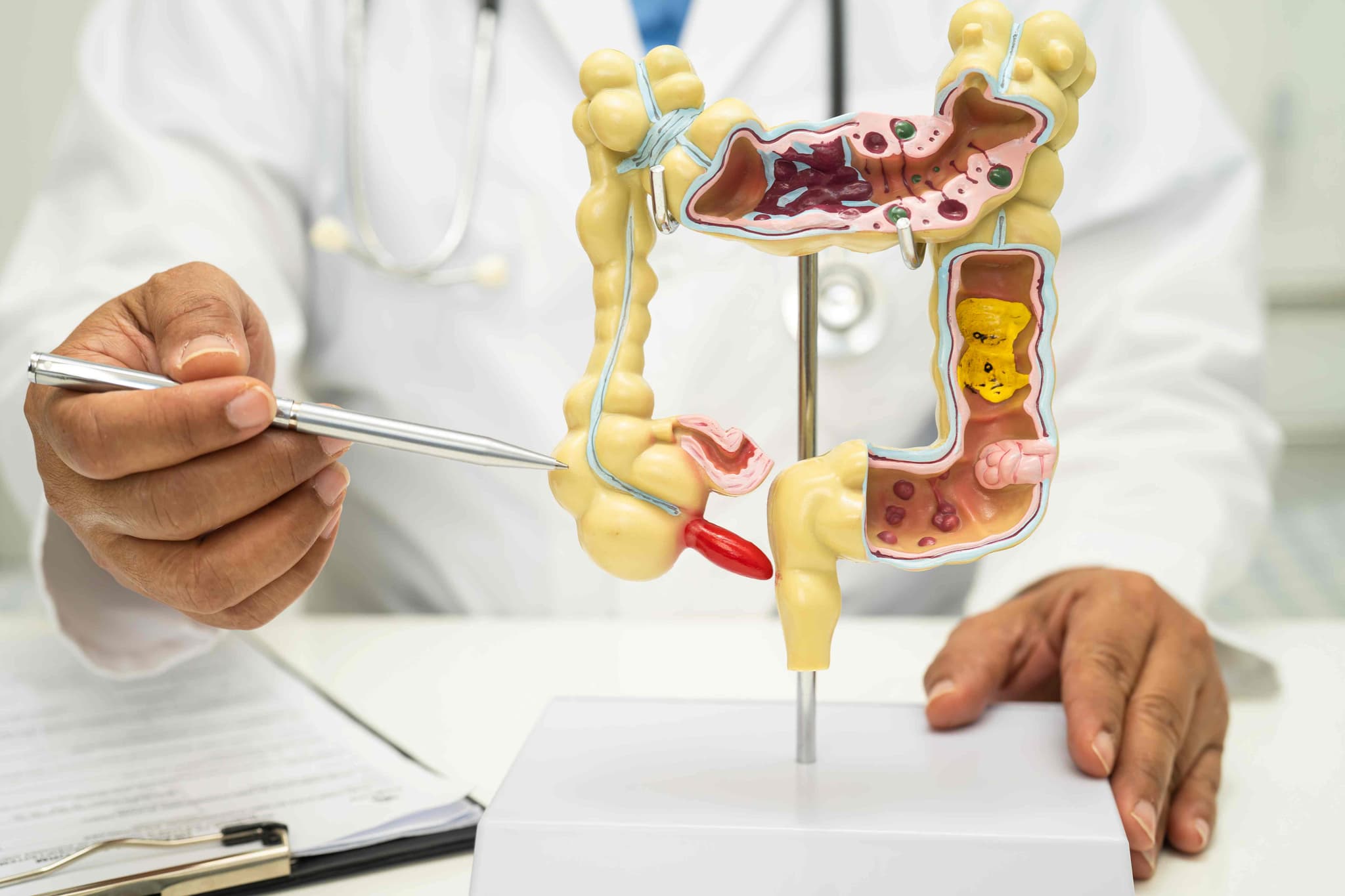
The Department of Gastroenterology & Hepatology—frequently known as the Center for Digestive & Liver Health—is a specialized wing dedicated to the comprehensive care of the entire digestive tract, liver, pancreas, and biliary system. This department seamlessly balances non-invasive medical management with high-tech endoscopic procedures for complex conditions like inflammatory bowel disease, liver cirrhosis, and digestive tract cancers. For international and local patients alike, this wing offers an integrated care model, combining advanced diagnostic precision with elite "incisionless" therapeutic expertise.
A Multidisciplinary Circle of Digestive & Liver Experts
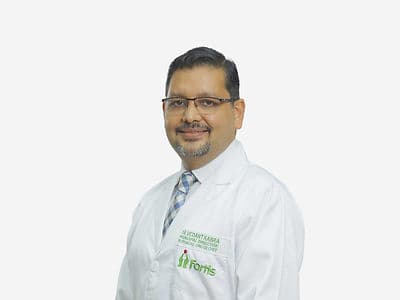
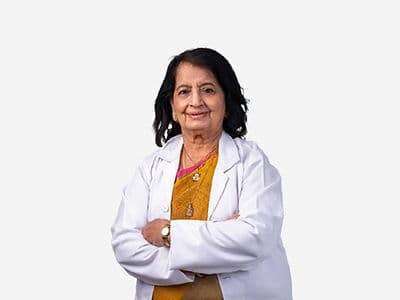
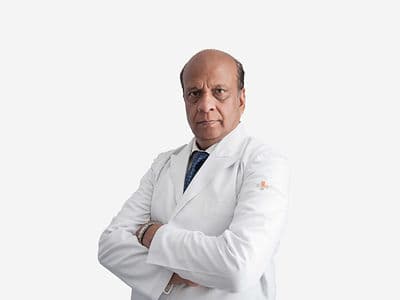
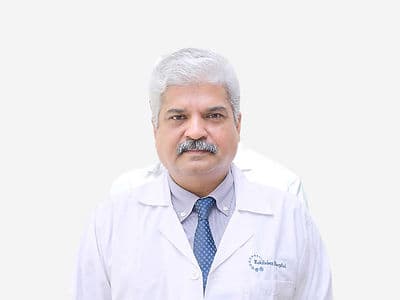
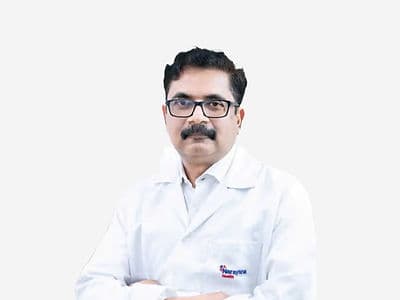
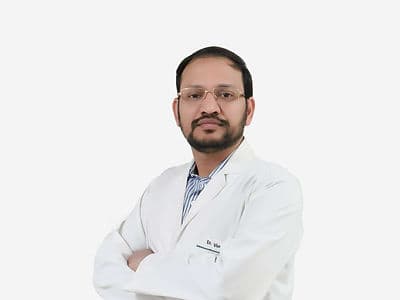
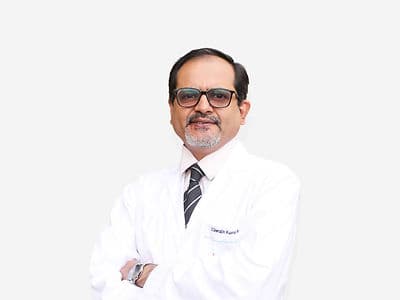
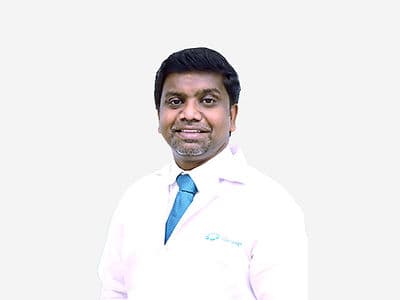
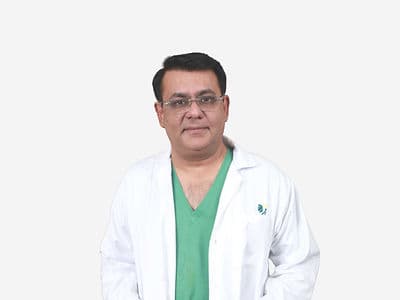
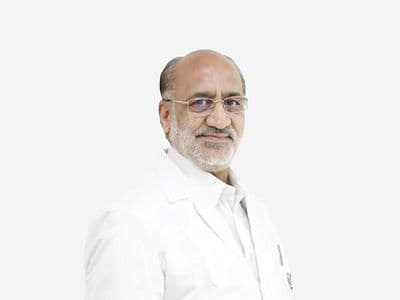
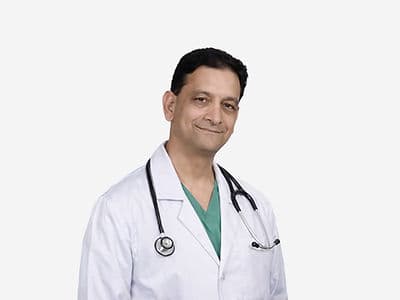
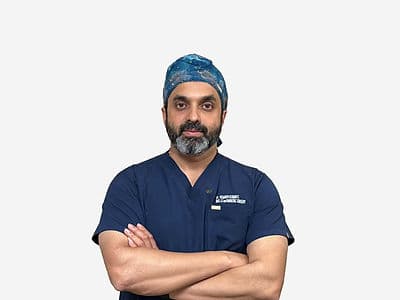
Our department is staffed by a specialized team of clinicians who manage digestive and metabolic health across all stages of life:
Medical Gastroenterologists: Primary experts focused on diagnosing and managing disorders of the esophagus, stomach, intestines, and colon, such as IBS, IBD, and severe acid reflux.
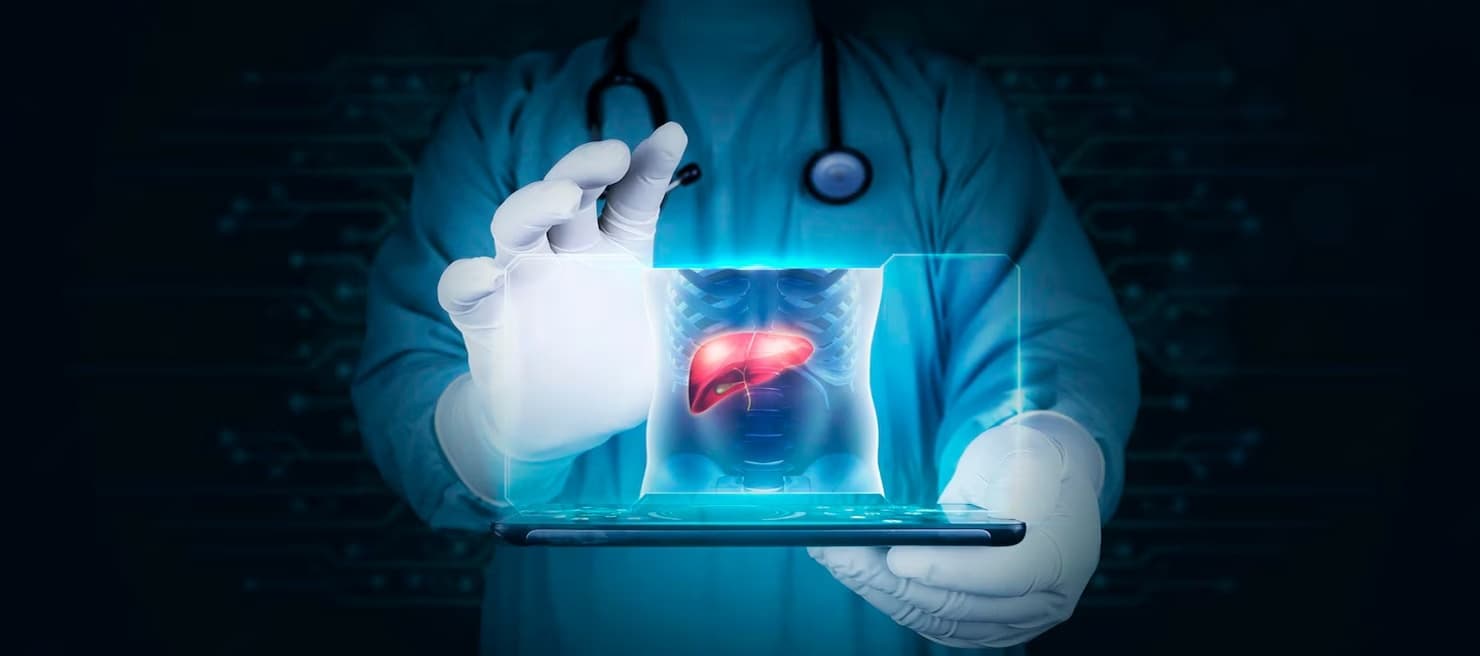
Hepatologists: Specialized physicians dedicated exclusively to the study and treatment of liver diseases, including hepatitis, fatty liver disease, and liver cirrhosis.
Advanced Therapeutic Endoscopists: Highly skilled proceduralists who perform complex, minimally invasive interventions inside the GI tract without external incisions.
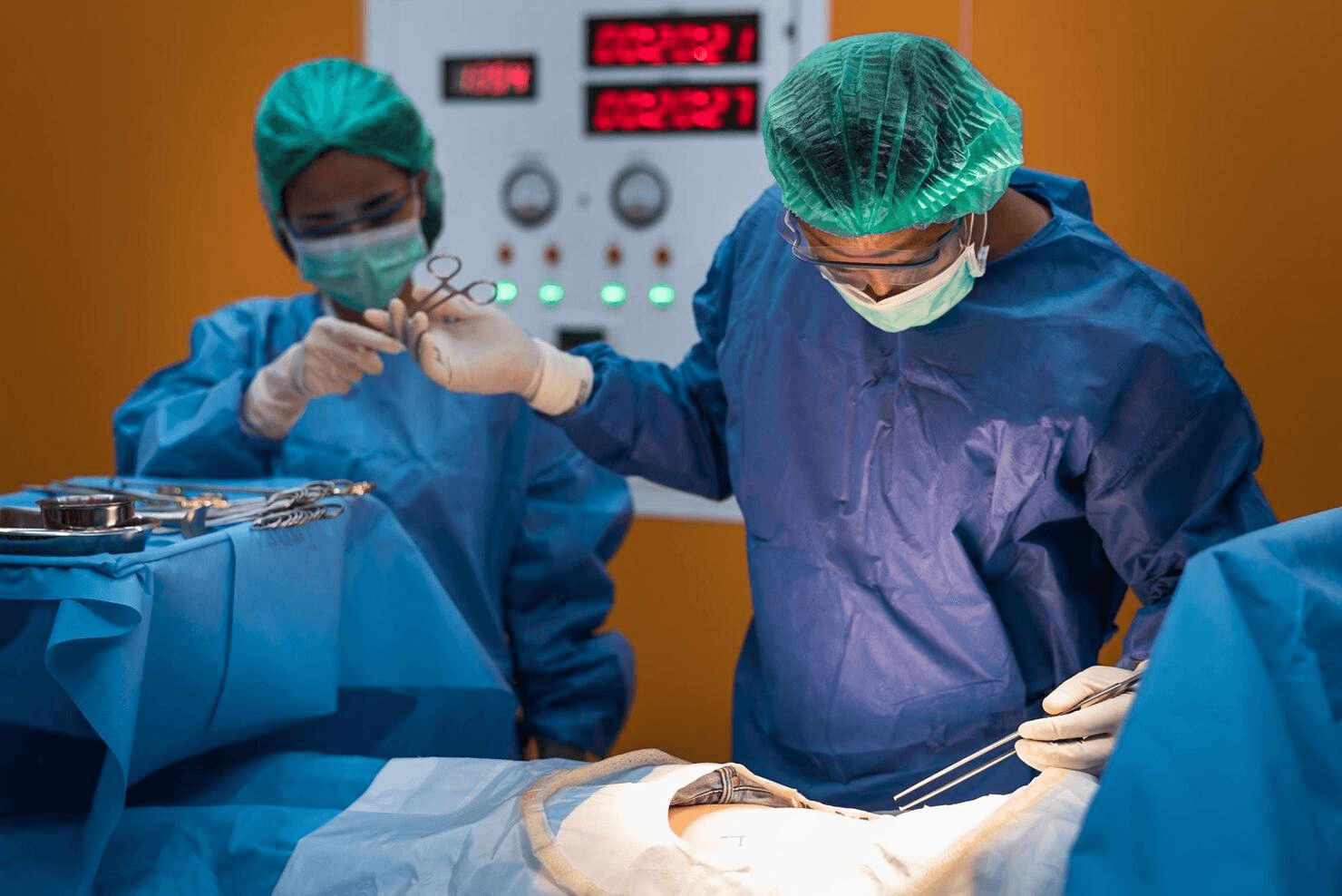
Gastrointestinal Surgeons & Transplant Specialists: Expert surgeons who perform surgical resections and work alongside hepatologists for liver transplantation.
Pancreatobiliary Specialists: Clinicians dedicated to treating complex disorders of the pancreas, gallbladder, and bile ducts, including pancreatitis and gallstones.
GI Clinical Nutritionists: Specialized dietitians who create targeted medical nutrition plans for gut rehabilitation, metabolic liver care, and post-procedural recovery.
Advanced Technology and "Incisionless" Care
The department utilizes specialized high-definition imaging and miniaturized endoscopic instrumentation designed for the delicate GI tract:
High-Definition Chromoendoscopy: Advanced video endoscopy that uses specialized light filters and dyes to detect early precancerous mucosal lesions in real time.
Endoscopic Ultrasound (EUS): Miniaturized ultrasound probes attached to endoscopes to capture detailed images and perform fine-needle biopsies of deep pelvic and abdominal organs.
Capsule Endoscopy: A vitamin-pill-sized wireless camera that patients swallow to capture thousands of images of the deep small intestine that traditional scopes cannot reach.
Transient Elastography (FibroScan): Non-invasive ultrasound-based technology that measures liver stiffness and fat accumulation without requiring a physical needle biopsy.
ERCP (Endoscopic Retrograde Cholangiopancreatography): Specialized fluoroscopic endoscopic technology used to remove bile duct stones, place stents, and clear blockages without open surgery.
Specialized Functional and Diagnostic Areas
To support the journey from initial symptom evaluation to long-term disease management, the department integrates specialized recovery and diagnostic zones:
Advanced Endoscopy & Suite Lounge: State-of-the-art procedure rooms equipped with carbon dioxide insufflation and real-time imaging for safe, comfortable endoscopic procedures.
The Liver Care & Transplant Clinic: A dedicated outpatient hub for long-term monitoring of chronic liver disease, pre-transplant evaluations, and post-transplant follow-up care.
GI Motility & Physiology Lab: A specialized diagnostic zone for high-resolution esophageal and anorectal manometry to evaluate swallowing and digestive movement disorders.
Day-Care Infusion Center: A comfortable environment designed for patients receiving biological therapies and infusions for Inflammatory Bowel Disease (Crohn's and Ulcerative Colitis).
International Digestive Health Suite: A private sanctuary for global patients to coordinate travel logistics, multi-specialty consultations, and personalized care pathways.
A Focus on Gut Health and Patient-Centered Care
The modern gastroenterology experience prioritizes early detection, organ preservation, and patient comfort:
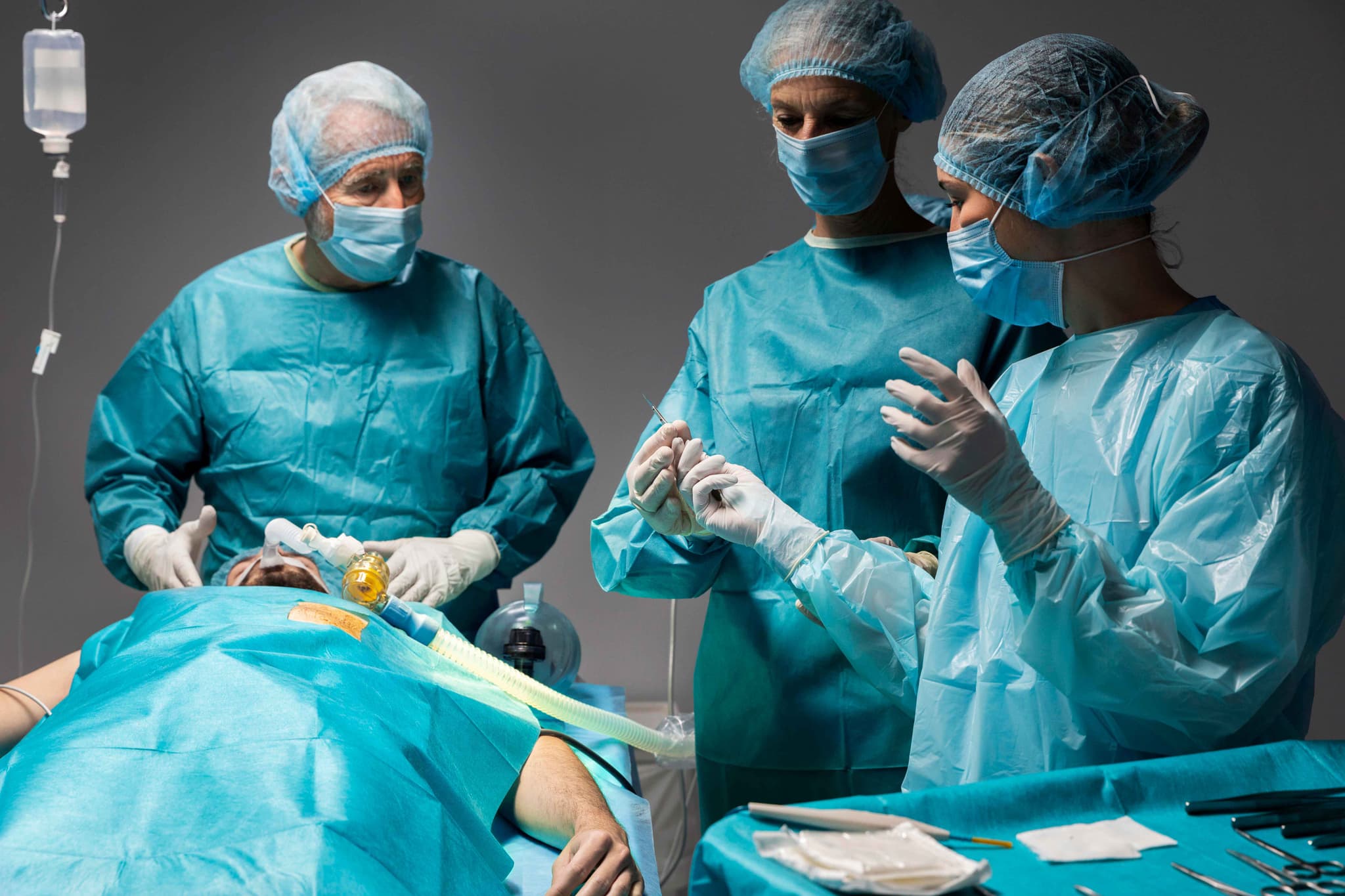
Painless Endoscopy Protocols: 24/7 access to specialized monitored anesthesia care ensures smooth, comfortable, and memory-free endoscopic procedures.
Third-Space Endoscopy: Cutting-edge procedures (such as POEM and ESD) that allow for the removal of deep tumors or treatment of swallowing disorders entirely through internal mucosal tunnels.
Comprehensive Cancer Screening: Combining routine colonoscopies with genetic risk assessments to catch colorectal cancers in their earliest, most treatable stages.
Holistic Gut-Brain Care Pathways: Integrated care plans that combine medical treatment, dietary therapy, and lifestyle modification to manage functional bowel disorders effectively.