Endovascular Aneurysm Repair
Endovascular Aneurysm Repair (EVAR)
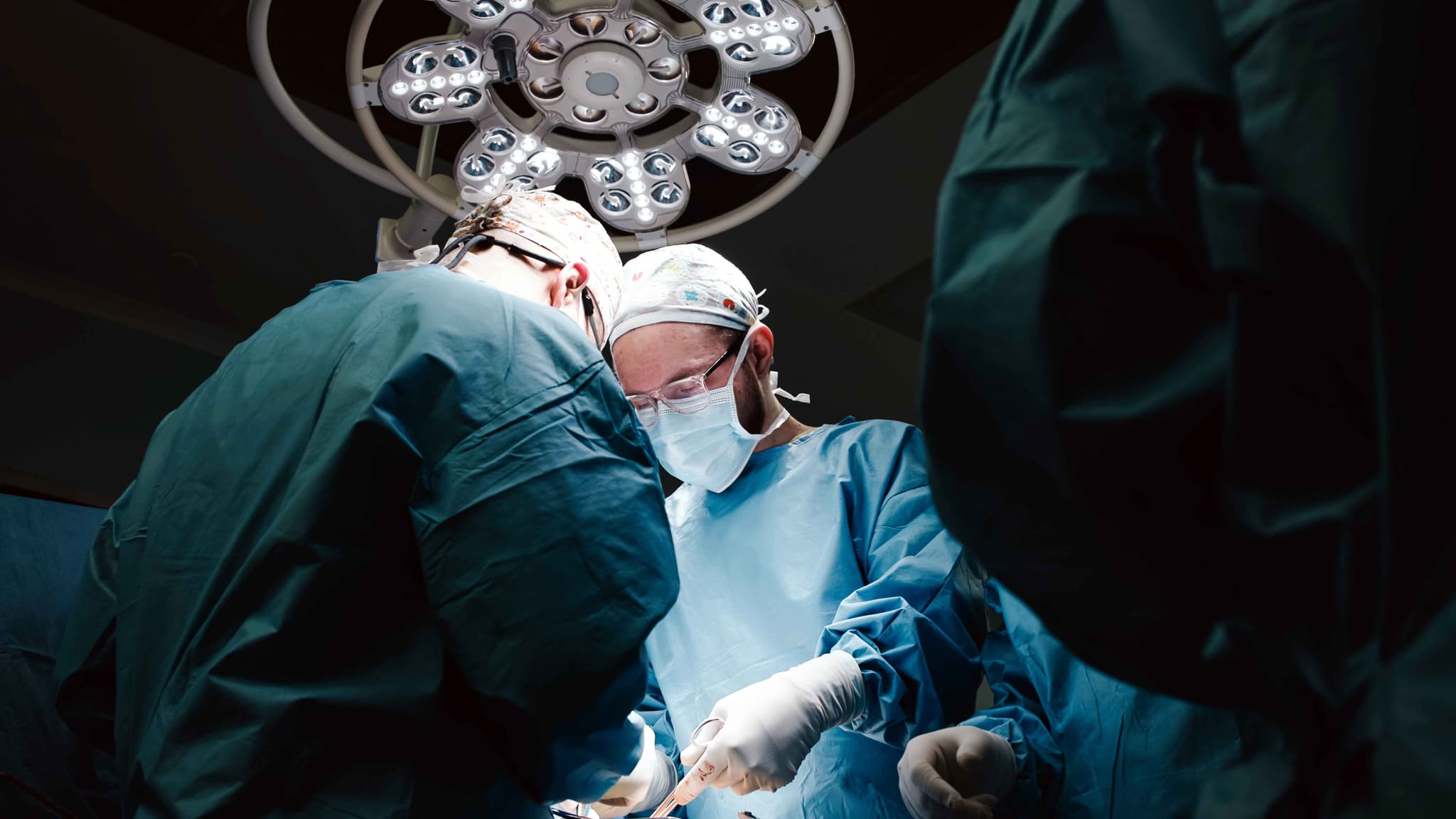
Endovascular Aneurysm Repair (EVAR) is a minimally invasive surgical procedure used to treat aortic aneurysms, most commonly Abdominal Aortic Aneurysms (AAA). By placing a stent graft inside the weakened portion of the aorta, the procedure creates a new pathway for blood flow, effectively "re-lining" the vessel to prevent a life-threatening rupture. EVAR is the preferred treatment for patients with suitable anatomy, offering a safer alternative to traditional open surgery.
When You Should Consider EVAR
Aneurysm Size: When the diameter exceeds 5.5 cm in men or 5.0 cm in women, where rupture risk increases significantly.
Rapid Expansion: Growth of more than 0.5 cm within a 6-month period.
Symptomatic Presentation: Any aneurysm causing persistent abdominal, flank, or back pain.
High Surgical Risk: For patients whose age, heart disease, or lung complications make open surgery dangerous.
Suitable Anatomy: Presence of an infrarenal aneurysm with a healthy "landing zone" of non-dilated aorta for secure anchoring.
Methods of EVAR
Standard EVAR: Use of a bifurcated (Y-shaped) stent graft for typical abdominal aneurysms located below the kidney arteries.
TEVAR (Thoracic EVAR): A specialized version used for aneurysms located in the thoracic (chest) section of the aorta.
FEVAR (Fenestrated EVAR): Custom-made grafts with "windows" (fenestrations) to maintain blood flow to vital branching arteries, such as those leading to the kidneys.
Stent Grafting: Deployment of a fabric-covered metal frame (Nitinol or stainless steel) to seal the aneurysm sac.
Real-time Fluoroscopy: High-definition X-ray guidance used to ensure precise placement of the device through the femoral arteries.
How Is Performed
Access: Small incisions or needle punctures are made in both groins to reach the femoral arteries.
Navigation: A delivery catheter carrying the collapsed stent graft is guided to the aneurysm site under X-ray imaging.
Deployment: The graft is released and expands to seal against the healthy artery walls above and below the weakened bulge.
Verification: An intraoperative angiogram (contrast dye injection) confirms there are no leaks and blood is flowing correctly through the graft.
Finalization: The delivery tools are removed, and the small access sites in the groin are closed with sutures or collagen plugs.
Pre-Procedure Preparation
Fasting: Required for 8–12 hours before the procedure, as it may require general or regional anesthesia.
Lab Work: Blood tests to evaluate kidney function (crucial for processing contrast dye) and clotting status.
Medication Review: Adjusting current medications, particularly antiplatelet drugs or diabetic treatments.
Anatomical Mapping: Detailed measurement using high-resolution CT scans to select the correct graft size and shape.
Allergy Check: Discussing any sensitivities to iodine, contrast dye, or metals like Nitinol (nickel-titanium).
Tests Before EVAR
CT Angiography (CTA): The primary tool for measuring aneurysm size and planning the precise graft path.
Duplex Ultrasound: To assess blood flow velocity and provide initial sizing of the aneurysm.
Cardiac Clearance: ECG and stress tests to ensure the heart can handle the procedure.
Blood Panel: Comprehensive checks including Creatinine (kidney function) and Hemoglobin levels.
Ankle-Brachial Index (ABI): To check for peripheral artery disease that might complicate access through the leg arteries.
Life After EVAR
Hospital Stay: Typically 1–2 days, with most patients encouraged to walk within 24 hours.
Lifelong Monitoring: Regular imaging (CT or Ultrasound) is mandatory to ensure the graft hasn't moved or developed leaks (endoleaks).
Follow-up Schedule: Imaging typically occurs at 1 month, 6 months, 12 months, and annually thereafter.
Activity Restrictions: Avoid heavy lifting and strenuous physical activity for approximately 2–4 weeks post-surgery.
Rupture Prevention: While the graft provides immediate protection, strict blood pressure control remains vital for long-term health.
Benefits of EVAR
Lower Mortality: Significantly lower initial mortality rates compared to open surgical repair.
Less Invasive: Avoids large abdominal or chest incisions, which reduces blood loss and the risk of infection.
Rapid Recovery: Faster healing time, allowing a quicker return to work and daily activities.
Accessible for High-Risk Patients: Provides an option for those who would not survive traditional open vascular surgery.
Durable Solution: Offers a long-term mechanical barrier to prevent the aorta from bursting.
Endovascular Aneurysm Repair Cost in India
The cost of Endovascular Aneurysm Repair in India is generally affordable compared with many other countries, making India a popular destination for international patients seeking quality medical care. The treatment cost depends on factors such as the hospital, doctor's experience, treatment approach, medical condition, hospital stay, diagnostic tests, medicines, and any additional procedures required. For international patients, the starting cost of Endovascular Aneurysm Repair in India is approximately 5000 USD, although the final price may vary based on individual treatment requirements. Patients are advised to obtain a personalized treatment estimate after medical evaluation.