Renal Artery Stenting
Renal Artery Stenting (Vascular Surgery)
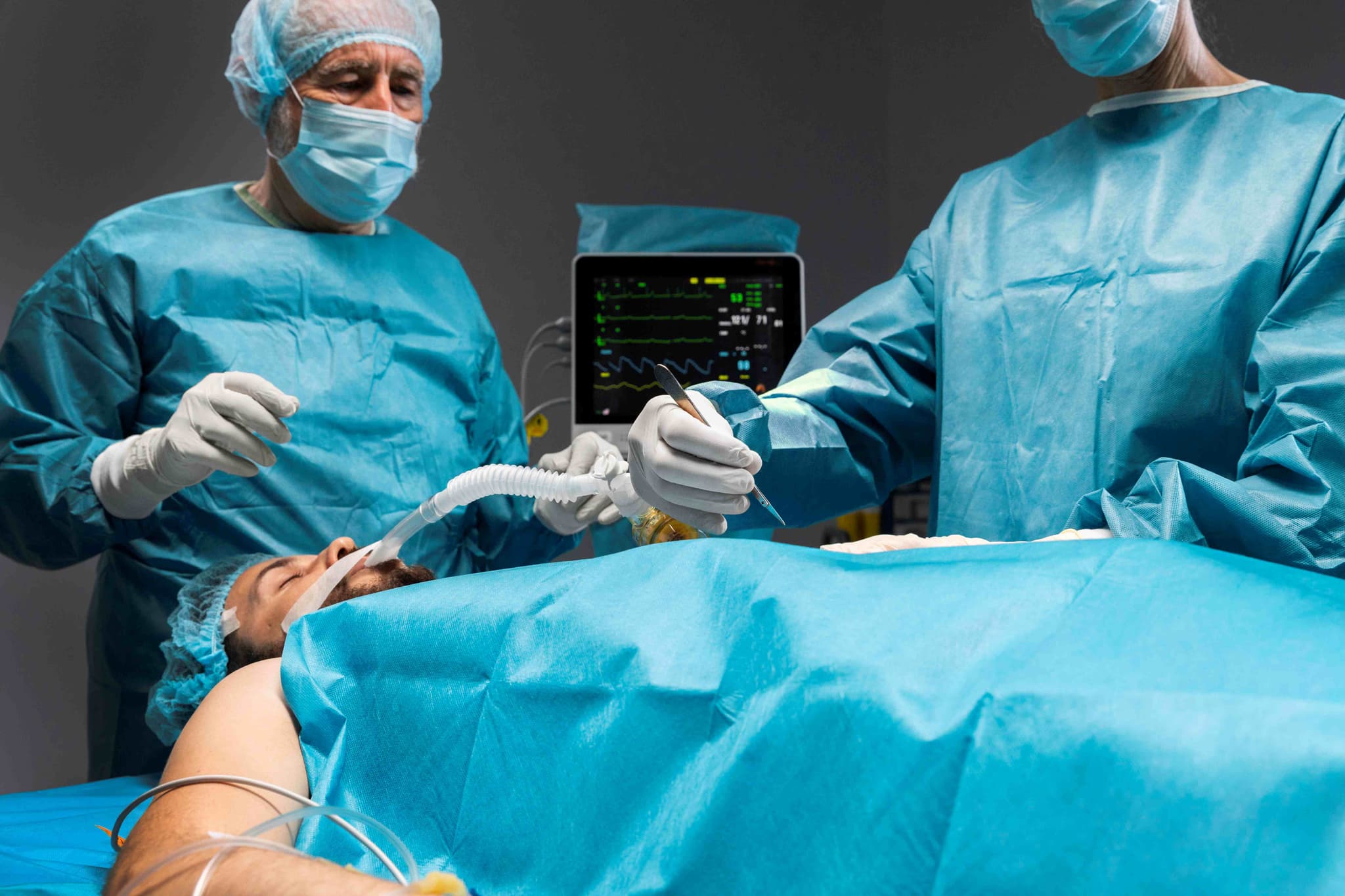
Renal Artery Stenting is a minimally invasive procedure used to open blockages in the arteries that supply blood to your kidneys. It is primarily used to treat Renal Artery Stenosis (narrowing of the kidney arteries), which can lead to uncontrolled high blood pressure and kidney damage. This procedure remains a critical intervention for preserving kidney function and managing resistant hypertension when medication alone is insufficient.
When You Should Consider Renal Artery Stenting
High blood pressure that remains uncontrolled despite taking three or more medications (Resistant Hypertension).
Significant narrowing of 60% to 70% or greater in one or both renal arteries.
Unexplained or sudden worsening of kidney health (Rapidly Declining Kidney Function).
Flash pulmonary edema (sudden fluid buildup in the lungs) related to kidney artery issues.
Worsening heart failure that is exacerbated by renal artery stenosis.
Methods of Renal Artery Stenting
Balloon Angioplasty: A small balloon is inflated at the site of the blockage to widen the narrowed artery.
Metal Mesh Stenting: A tiny metal tube (stent) is permanently expanded to act as scaffolding, keeping the artery open.
Trans-femoral Access: Entering the arterial system through a small puncture in the groin.
Trans-radial Access: A modern approach entering through the wrist, often allowing for faster recovery.
Real-time Fluoroscopy: Using high-definition X-ray imaging and contrast dye to guide the precise placement of the stent.
How Renal Artery Stenting Is Performed
Access: A small incision, less than an eighth of an inch, is made in the groin or arm under local anesthesia.
Navigation: A thin catheter is threaded through the blood vessels to the site of the renal artery blockage.
Dilation: A specialized balloon at the tip of the catheter is inflated to push the plaque against the artery walls.
Stent Deployment: The stent is expanded and locked into place to provide structural support to the vessel.
Monitoring: The doctor verifies restored blood flow to the kidney before removing the delivery system.
Pre-Procedure Preparation
Fasting for 6-8 hours before the procedure to ensure safety during sedation.
Blood tests to evaluate current kidney function (Creatinine levels) and blood clotting.
Adjusting current blood pressure or diabetic medications as directed by the medical team.
Discussing any history of allergies to iodine or contrast dye used for imaging.
Arranging for a support person to assist with transportation and initial home recovery.
Tests Before Renal Artery Stenting
Renal Doppler Ultrasound to measure the velocity of blood flow to the kidneys.
CT Angiography (CTA) or MR Angiography (MRA) for detailed 3D mapping of the renal arteries.
Blood tests to check kidney health and electrolyte balance.
ECG to monitor heart rhythm and ensure cardiac stability during the procedure.
Physical examination to check for bruits (abnormal sounds) over the kidney area.
Life After Renal Artery Stenting
Short hospital stay, typically involving one night of observation or same-day discharge.
Avoid strenuous activity and heavy lifting for at least 24 to 72 hours post-procedure.
Mandatory Medication: Patients must take blood thinners (like Aspirin or Clopidogrel) for 1 to 12 months.
Most people return to work and their normal daily routines within one week.
Regular follow-up appointments to monitor blood pressure and kidney function improvements.
Benefits of Renal Artery Stenting
Helps lower and stabilize blood pressure in patients with resistant hypertension.
Preserves long-term kidney health and may prevent the need for dialysis or transplant.
Minimally invasive approach with a procedure time of only 30 to 90 minutes.
Reduces symptoms of fluid overload and improves overall cardiovascular stability.
High technical success rates for restoring blood flow to "starving" kidney tissue.
Renal Artery Stenting Cost in India
The cost of Renal Artery Stenting in India is generally affordable compared with many other countries, making India a popular destination for international patients seeking quality medical care. The treatment cost depends on factors such as the hospital, doctor's experience, treatment approach, medical condition, hospital stay, diagnostic tests, medicines, and any additional procedures required. For international patients, the starting cost of Renal Artery Stenting in India is approximately 1500 USD, although the final price may vary based on individual treatment requirements. Patients are advised to obtain a personalized treatment estimate after medical evaluation.